







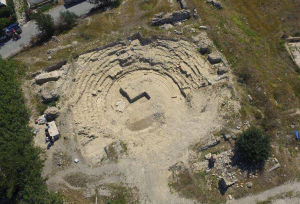
The current city of Ierapetra is built on the site of the ancient city of Ierapytna. Its current name Ierapetra was preceded by other names such as Kyrva, Kamiros, Pytna, and Ierapytna.
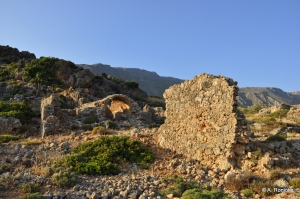
The bay where today's Loutro settlement is built was the port of ancient towns Anopolis and Aradena. This port is mentioned in ancient texts as Phoenix or Katopolis. The gods Zeus and Apollo were worshiped in Phoenix.
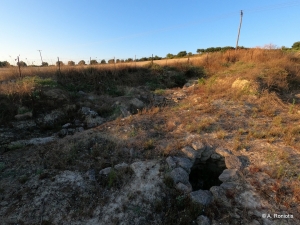
The ancient city of Eltynia, Eltyna or Eltynea was dispersed in the present plain of Peza, but its main core was probably located in the current site of the village Kounavi. The main occupation of its inhabitants was viticulture and winemaking, which is still a key sector of the local economy.
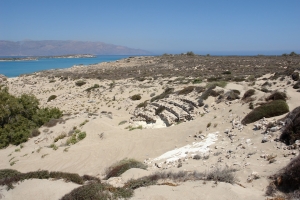
Koufonissi was an economic and cultural center from the Minoan until the Greco-Roman Times and was claimed by all major cities of the region. As recorded on the inscription of the Magnites currently embeded on the facade of the Toplou monastery church, there was a great dispute between Itanos and Ierapytna about Lefki island. In 132BAD the island was owned by Itanos.
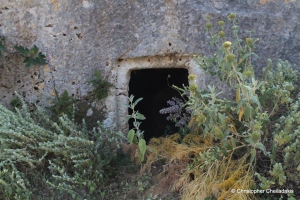
Above the scenic village of Trialonia, Kissamos district, and a little on the east, we meet the hill of Kefala. Kefala has views to all surrounding areas and hides a truly unknown treasure, a huge archaeological site which has not been protected by the Greek State and is still being destroyed.
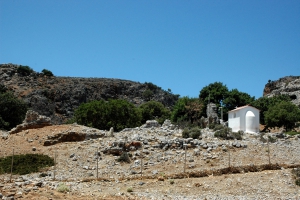
Menies beach is located on the site of ancient Diktynna. Diktynna was the most important temple of the goddess Vritomartis, which is believed to be goddess Artemis. Thousands worshippers used to come in the area from all over the island. Vritomartis was worshiped here during the Hellenistic and Roman times. The possession of Diktynna was always a conflict between ancient Kydonia and Polirinia.
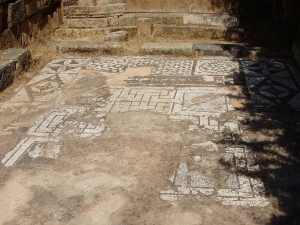
Ancient Lissos was the seaport of Elyros and was built in a small valley between Sougia and Paleochora. It flourished from the Hellenistic period up to the 9th century, when it was destroyed by the Saracens. It was famous for the Asclepion, where patients from all over the island arrived to be healed from the thermal baths.
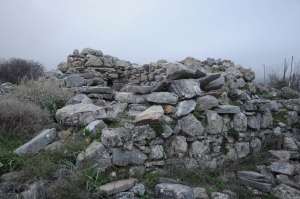
Elyros was the most important town in southwestern Crete during the Doric and Roman Periods. Ruins are conserved 500m far from the village Rodovani atop the panoramic hill Kefala. The town had two harbors: Syia(current Sougia) and Lissos. The exact location of the town was verified by an inscription with the phrase in Greek "Glory to the people of Elyros".
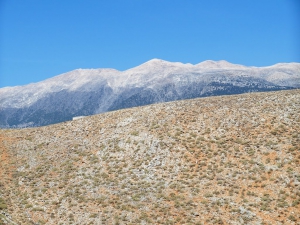
Near the site of the current temple of Agia Ekaterini, above Loutro, traces of walls and buildings have been identified, belonging to the Ancient town of Anopolis, port of which was Katopoli or Phoenix, currently located in Loutro. Anopolis was an independent town and had its own currency.
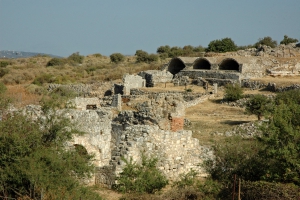
The ancient city of Aptera was founded in the 8th century BC in a panoramic position that controlled Souda Bay and flourished in the Hellenistic period. It was abandoned in the Arab years, when it was destroyed by the pirates (or an earthquake).
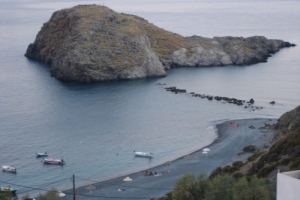
Lassea was a harbor of the Roman city Gortys, the capital of crete in Roman Era. Lasea was rich in copper deposits, that was excavated. St Paul mentions the town in his records for his stay on Crete.
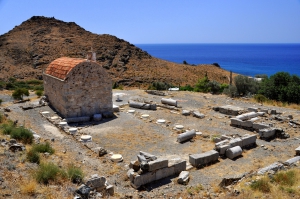
Lendas is built on the site of the ancient city Levina, 74km south of Heraklion, on the southern slopes of the imposing Asterousia Mountains. The name of Levina is believed to come from the Phoenician “Lavi” which means Lion. Indeed, on the west of the village there is a cape reminding of a lion's head from far.
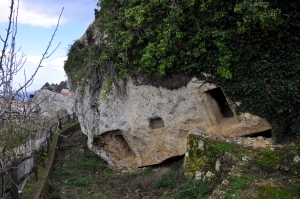
Agios Thomas (Saint Thomas) is one of the most impressive mountain villages of Crete. This is mainly due to the rocks of the region that are easy to carve. Excellent monuments of carved architecture travel us to ancient times with carved Minoan presses, Roman tombs and cavernous temples.
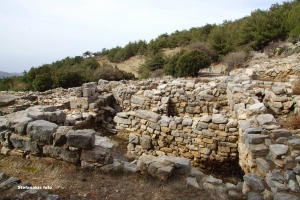
The Peak Sanctuary that was dedicated to Hermes and Aphrodite is located at position Krya Vrissi, 5 km northeast of Kato Simi, and is the most important archaeological site in the province of Viannos.
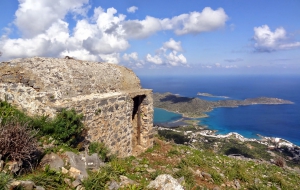
At a magnificent location on Mount Oxa, with panoramic views of the lagoon of Elounda, we meet the ruins of a fortified state that is believed to be ancient Naxos. Perhaps, it served as the acropolis of Olous, the ancient town of Elounda.
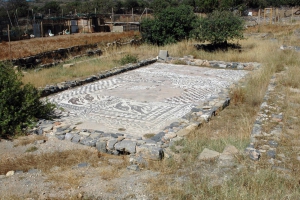
Within short distance from Elounda, near the salt pans, we meet few remains of the ancient city Olous (most inside the sea) that was inhabited since the Minoan period. Olous was one of the hundred most important cities of ancient Crete with a maximum population of over 30,000 people.
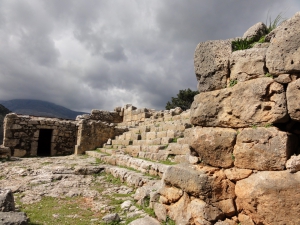
The name Lato is taken after the Dorian pronunciation of the goddess Leto, who probably was worshiped here. However, the patron of the city was the goddess of childbirth, Eileithyia, who is depicted on the coins of Lato. moverer in Lato was born the admiral of Alexander the Great, Nearchus (360 to 312 BC).
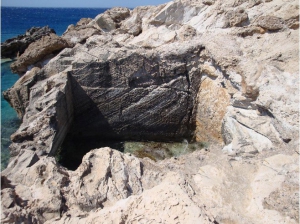
At position Vothoni we meet the Roman fish tanks that were carved by the Romans in the soft sandstone, with a small opening to the sea to allow fresh water to flow in.There are worn steps in one corner.
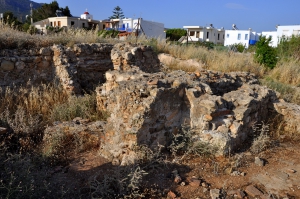
The fertile valley and the sheltered harbor of Makrigialos was an ideal location for its habitation throughout the ages. One of the relics of the past is the Roman villa which was unearthed at Katovigli position in 1977, above the current port of Makrigialos, by the archaeologist N. Papadakis. Earlier, looted graves and a headstone of the 4th century AD were found on site.
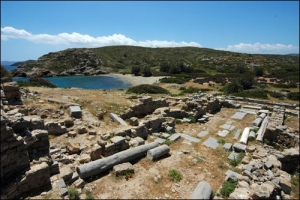
The ancient Itanos was one of the strongest cities in Crete, especially during the Hellenistic and Greco-Roman times. The name comes from its founder Itanos, who came from Phoenicia. Its territory, during its peak, stretched from Cape Samonio (current Cape Sidero) to Cape Erythrae (current Cape Goudouras).
Also read:
- Home
 Beaches
 Nature
 Past
Past Destinations
 Highlights
 West Crete
- Central Crete
- East Crete
- Towns
- Chania Prefecture
- Chania
- Paleochora
- Kissamos
- Georgioupolis
- Chora Sfakion
- Loutro
- Rethymnon Prefecture
- Rethymnon
- Agia Galini
- Plakias
- Spili
- Anogia
- Heraklion Prefecture
- Heraklion
- Hersonissos
- Malia
- Matala
- Agia Pelagia`
- Archanes
- Kokkinos Pirgos
- Lassithi Prefecture
- Agios Nikolaos
- Elounda
- Sitia
- Ierapetra
- Makrigialos
- Palekastro
- Zakros
- Lassithi Plateau
- Get Prepared


