








 Ancient Axos
 was built on the hill southeast of the current village Axos and is considered one of the most important ancient towns in ancient Crete. The area was already inhabited since the Preminoan Era, but the city reached its peak during the Archaic period. According to one option, Axos owes its name to its founder, Oaxos, Axos or Naxos. Naxos was the son of Apollo and the daughter of Minos, Akakkalida. Indeed he is associated with the founding of Naxos on Mount Oxa, above Elounda, and the Cycladic island of Naxos.
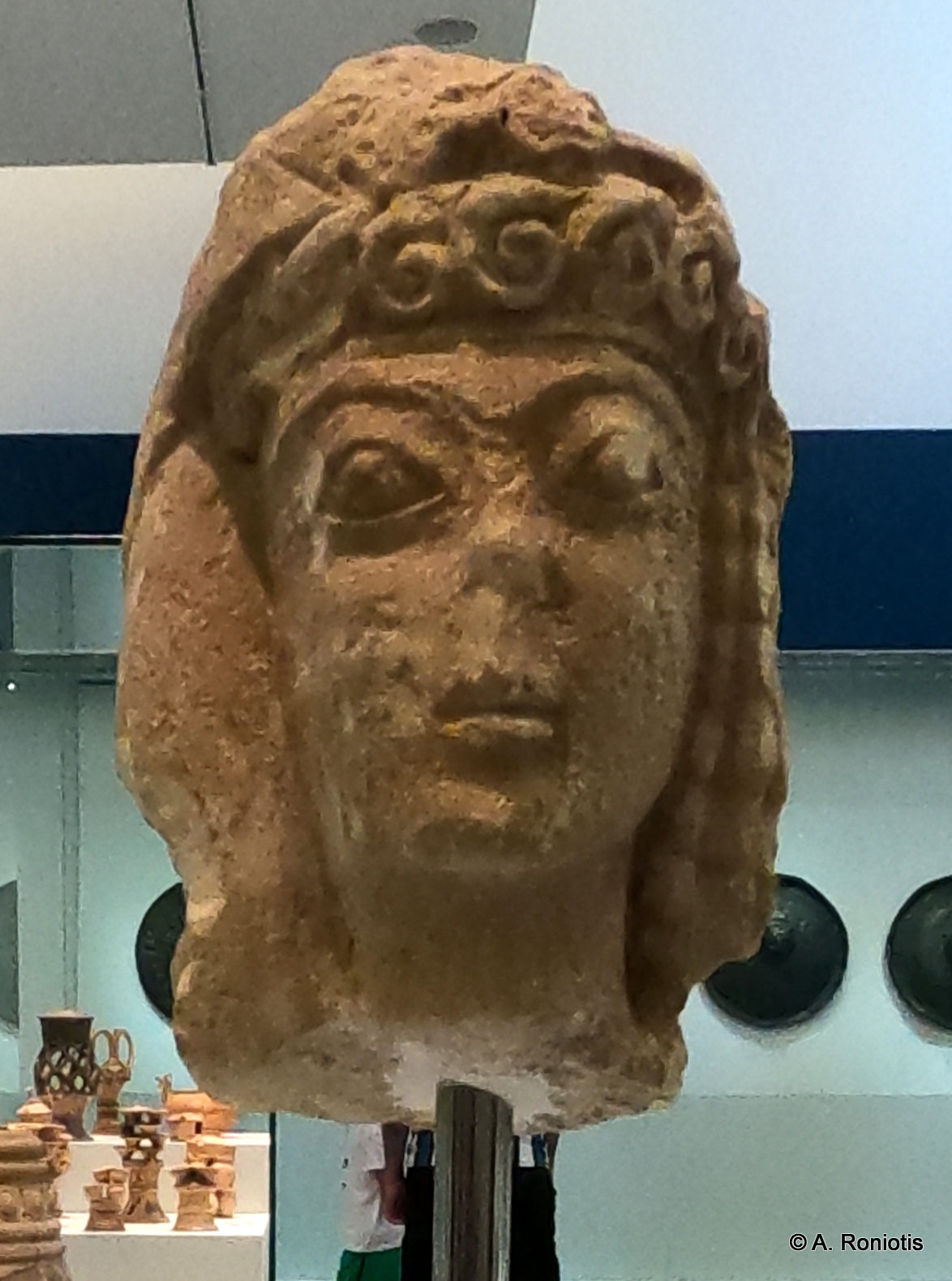
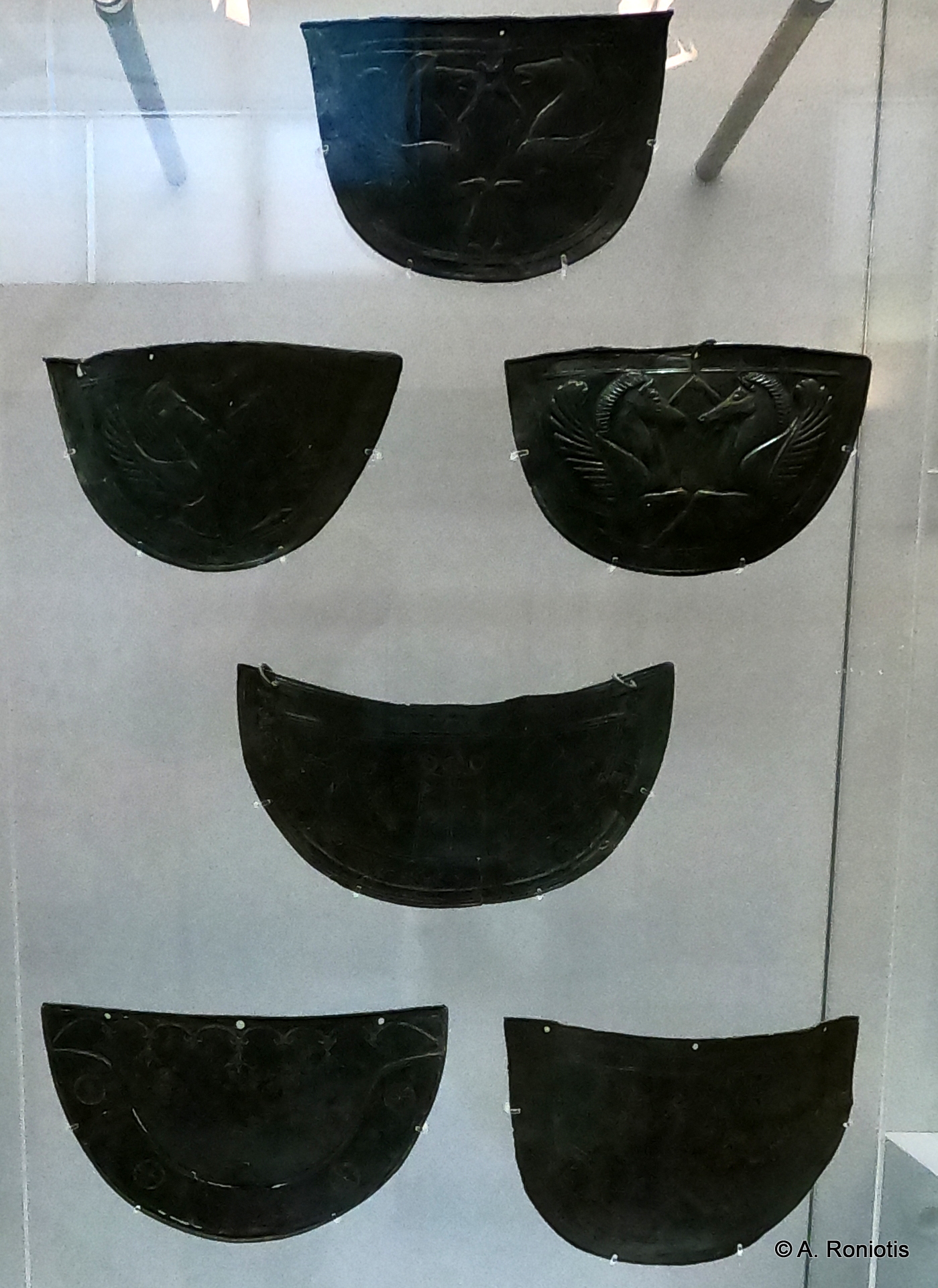
In Axos an archaic inscription with boustrophedon writing (alternation directions of writing per line) has been identified and refers to a contract between craftsmen, an official agreement of the season! The first excavations were made in 1899 by the Italian Archaeological School and they revealed a sanctuary dedicated to Aphrodite, with many clay figurines and bronze objects. Later, near the acropolis, they discovered a part of the Hellenistic settlement, while on the southwest they found Greco-Roman tombs in pits, tiled tombs and in rock recesses.
Axos is ideal for an archaeological walk from the acropolis to the position Ellinospita where there is a large necropolis.



 Stay nearby
Nearby places of interest
Straight-line distances
 0.1 km
Saint George church in Axos
 0.2 km
Church of Saint John the Baptist in Axos
 0.2 km
Church of Saint Irene in Axos
 0.2 km
Church of Archangel Michael in Axos
 0.3 km
Wood Carving Museum at Axos
 1 km
Sfendonis Cave
 1.8 km
Church of Saint Marina at Halepa monastery
 1.9 km
Potamianos Wax Museum
 2.2 km
Halepa Monastery
 2.4 km
Zoniana Gorge
 2.6 km
Diskouri Monastery
 3.9 km
Church of Saint John the Baptist at Anogia
 3.9 km
Alkiviadis Skoulas (Grilios) Museum
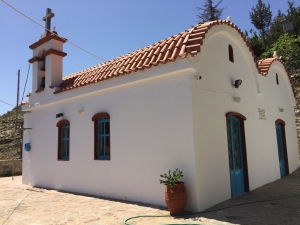 4 km
Saint Nektarios Monastery at Anogia
 4 km
Nikos Xylouris House
 4.4 km
Anogia village
 4.8 km
Psiloritis UNESCO Global Geopark
 4.9 km
Kourtsa Rock Formations at Chonos
Additional Info
- Location: Rethymnon Prefecture
- Type: Ancient City
- Accessibility: Paved road
- Peak Period: Classical & Hellenistic Age (800 BC - 69 BC)


