



Explore Cretan

Museums

Museums

In Crete’s museums and collections, a Minoan vessel, a photograph from the Battle of Crete and a weaving loom tell different stories about the same island. From major city museums to small village collections, exhibitions bring together Crete’s history, everyday life, art and natural world.

Archaeological and historical museums

Archaeological museums and collections display finds from settlements, palaces, sanctuaries and burial grounds. At the Archaeological Museum of Heraklion, the Minoan collection is a highlight. Local collections help visitors connect the finds with the places where they were discovered.

Historical museums explore the island’s medieval and modern history. Religious art, documents and objects shed light on different periods, while photographs and personal keepsakes preserve the memory of the Battle of Crete and the Resistance.

Folk traditions and everyday life

In folklore museums, farming tools, woven textiles, utensils and furniture show what life was like at home, in the fields and in the workshop. A small village collection can preserve details of local crafts and trades that are hard to find elsewhere.

Natural history and science

Natural history and science collections turn the focus to the island’s rocks, animals and plants. The Natural History Museum of Crete presents plants and animals in the context of their habitats, offering another way to understand the Cretan landscape.

Art and culture

Galleries, art venues and museums devoted to individual artists and writers offer a glimpse into the island’s cultural life. In Myrtia, the Nikos Kazantzakis Museum uses personal items and correspondence to connect the writer’s books with his life, travels and the people close to him.
Archaeological Museums
Archaeological Museums

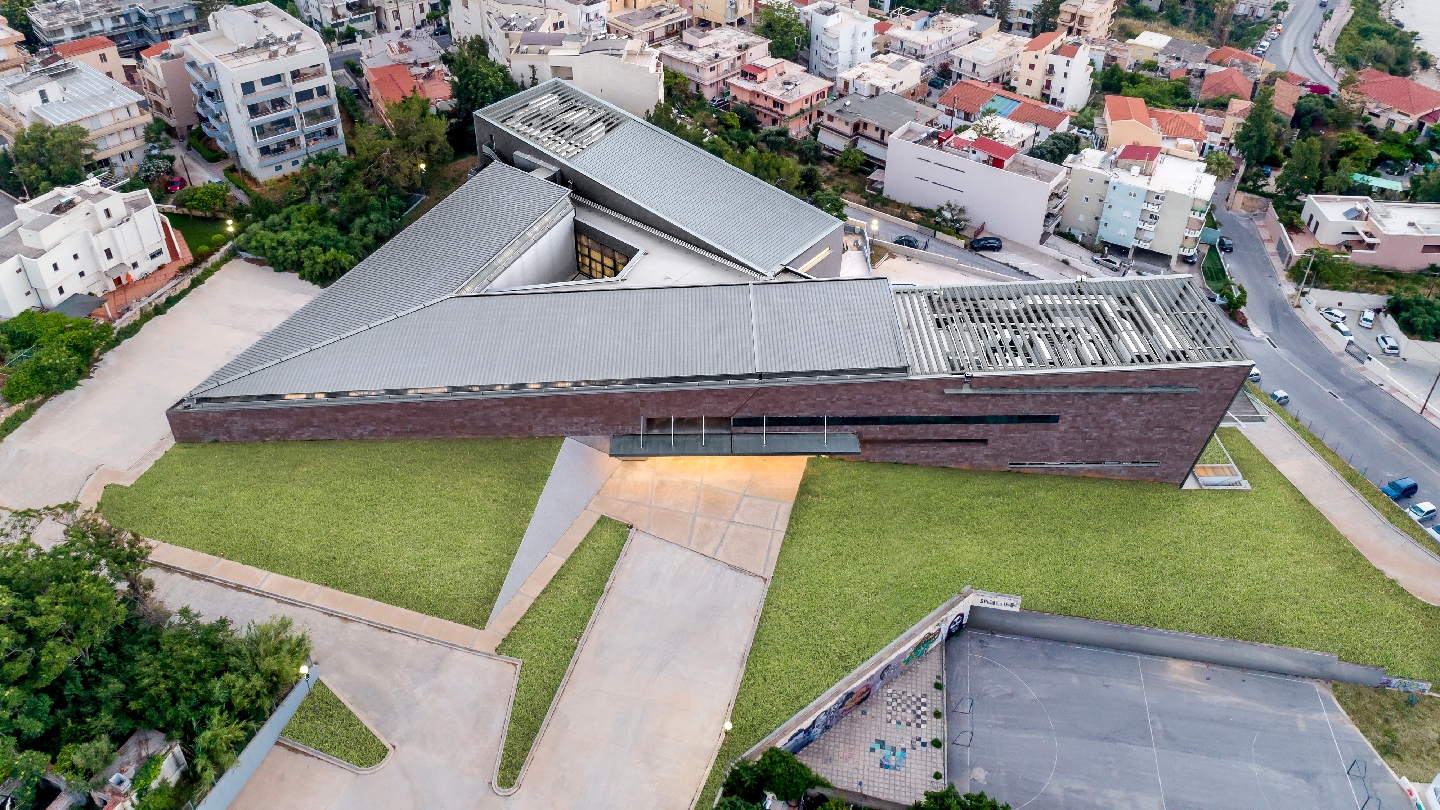
In Crete’s archaeological museums, finds from homes, palaces, sanctuaries and graves show how people lived on the island from the Neolithic to the Roman period. The Archaeological Museum of Heraklion is especially known for its collection of Minoan antiquities, which shed light on daily life, art and religious practices in the Minoan world. Regional museums show how different parts of the island developed over time. In Halepa, the Archaeological Museum of Chania displays finds from western Crete, while the Museum of Eleftherna explores the links between the ancient city and the world described by Homer. The Archaeological Museum of Messara traces the history of the plain from prehistoric times to the early Christian period. In eastern Crete, the Archaeological Museum of Agios Nikolaos displays grave goods from the Early Minoan cemetery at Agia Fotia. Highlights of the Archaeological Museum of Sitia include finds from the palace at Kato Zakros and the gold-and-ivory figurine from Palaikastro. The archaeological museums of Rethymnon and Kissamos, along with the collections in Archanes, Ierapetra and Gazi, add to the picture. These smaller collections connect finds with the places where they were discovered, from the Minoan complex at Archanes to the ancient city of Hierapytna.

Read more ...

Historical Museums and Collections

Historical Museums and Collections

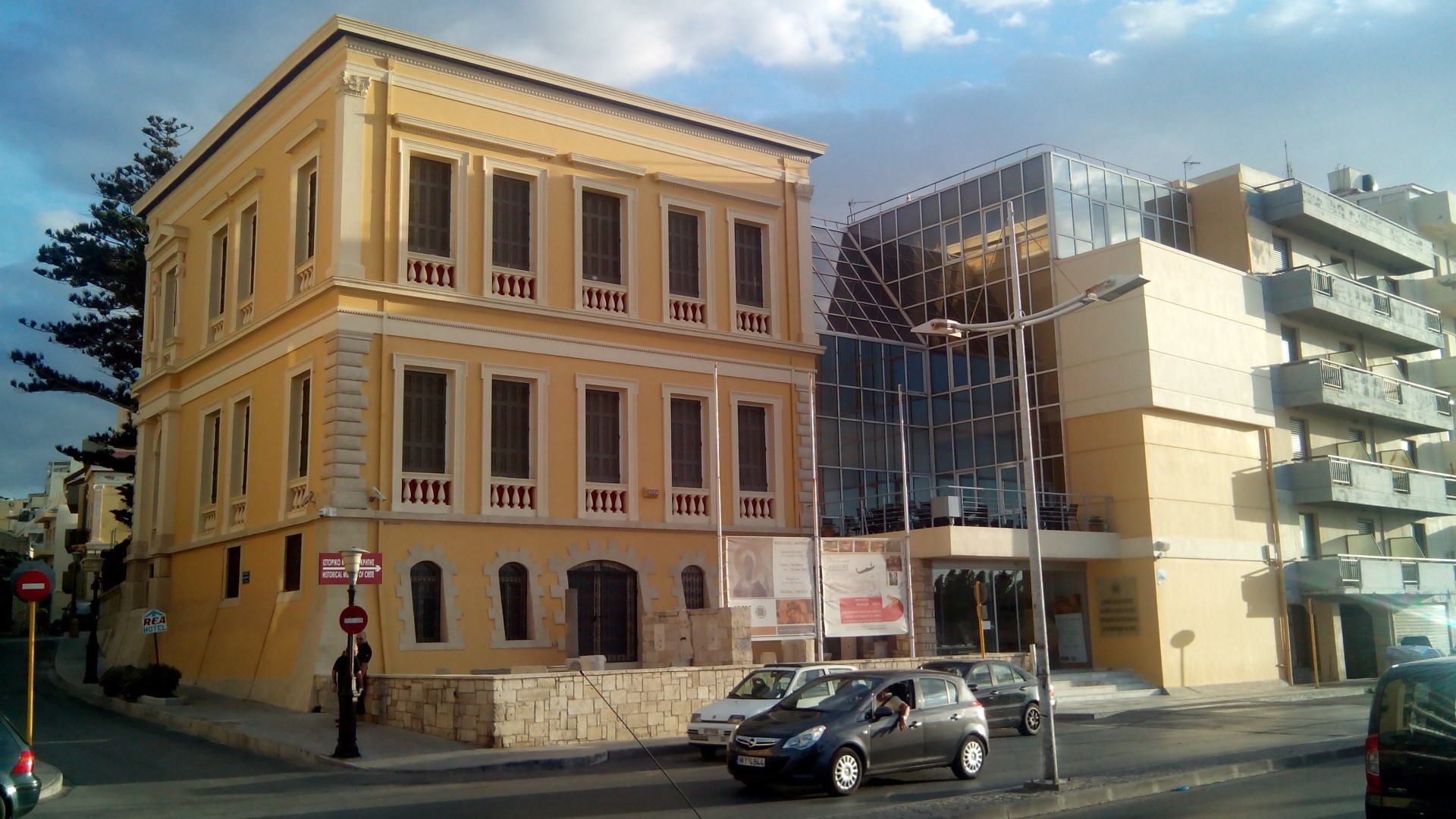
In Crete’s historical museums, icons, maps, letters and personal belongings show how the island changed over the centuries. In Heraklion, the collections of the Historical Museum of Crete span the early Christian centuries to the present day. Highlights include works by El Greco and material documenting the Battle of Crete, the occupation and the Resistance. In Chania, the Historical Archive of Crete preserves documents and correspondence from the Cretan uprisings. At the old harbour, the Maritime Museum of Crete explores the island’s seafaring heritage through ship models and navigational instruments. The Byzantine and Post-Byzantine Collection of Chania uses mosaics, frescoes and icons to show how art and worship developed in the region. At the National Resistance Museum in Therisso, photographs, newspapers and personal belongings of Resistance fighters tell the story of the Cretan Resistance. The Military Museum in Chromonastiri offers a wider view of the island’s military history. Smaller collections in places such as Vorizia, Keramia and Askyfou connect historical events with the communities that lived through them. At some sites of remembrance, the place itself is part of the story. In Platanias, the underground tunnels built by the German occupying forces house a display of wartime objects. In Heraklion’s Venetian walls, the Makasi Gallery, once used as a detention site during the occupation, now houses a permanent exhibition on the National Resistance.

Read more ...

Folklore Museums

Folklore Museums

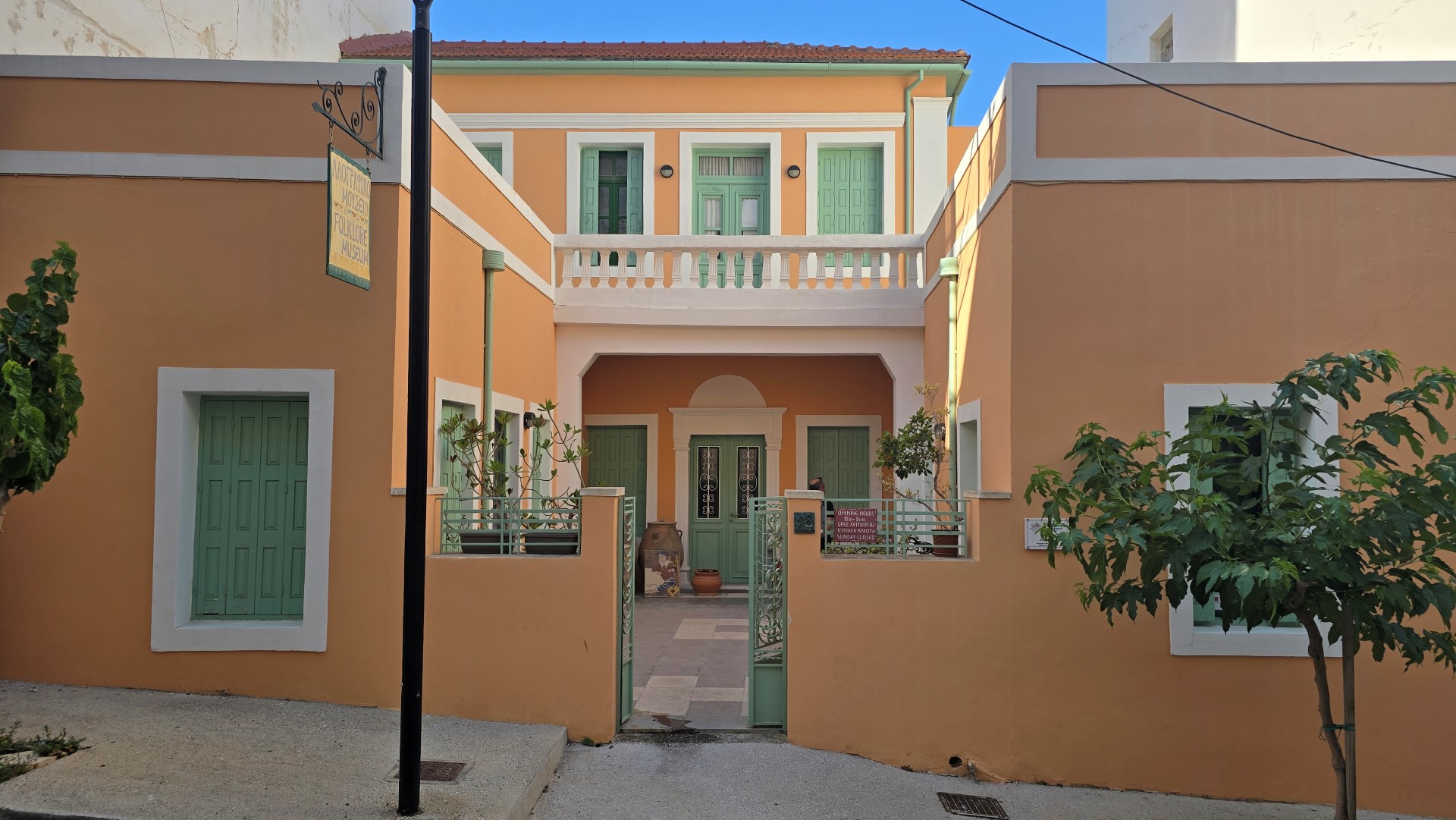
In Crete’s folklore museums, a loom, a packsaddle or a festive garment can show how people lived and worked on the island. The exhibits connect life at home, in the fields and in the workshop with local customs and celebrations. Sometimes the building itself is part of the experience, as in the traditional house with a stone arch in Gavalochori or the Venetian mansion that houses the Historical and Folklore Museum of Rethymnon. In Hersonissos, the Lychnostatis Open-Air Museum features examples of rural and urban Cretan homes, workshops for traditional trades and gardens with aromatic plants. At the Museum of Cretan Ethnology in Voroi, food, weaving and customs are presented together to give a fuller picture of life in the Cretan countryside. Local collections also highlight crafts with a particular place in their communities. The Historical and Folklore Museum of Gavalochori features kopaneli, lace made with wooden bobbins. At the Folklore Museum of Sitia, woven textiles, embroidery and traditional clothing show how people dressed and decorated their homes. Other collections focus on a particular aspect of everyday life. The Vouves Olive Museum brings together traditional tools used in olive cultivation. The School Life Museum, housed in the old primary school of Nerokourou, explores everyday life in the classroom. In Houdetsi, the instrument collection at the Labyrinth Musical Workshop introduces visitors to musical traditions from Crete and beyond.

Read more ...

Art and Culture Venues

Art and Culture Venues

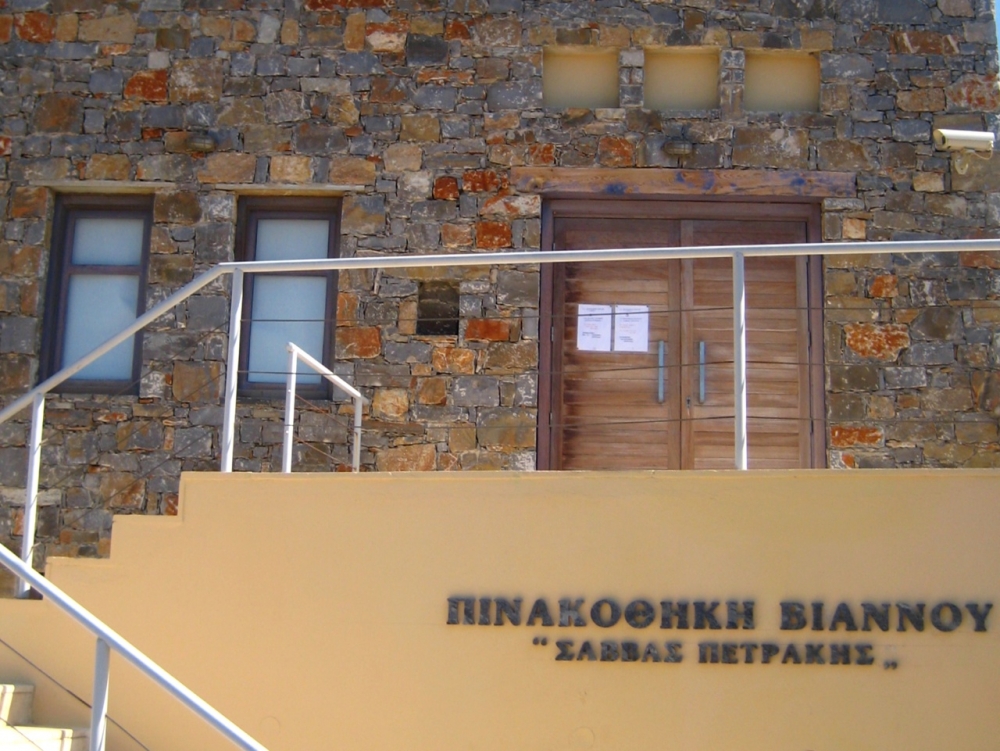
Crete’s galleries and art venues often occupy buildings with a history of their own. In Heraklion, the Basilica of St Mark, opposite the Lions Fountain, is one of the Municipal Art Gallery’s exhibition venues. The Municipal Art Gallery of Chania hosts temporary exhibitions. In Rethymnon’s old town, works by local painter Lefteris Kanakakis form the core of the collection at the Museum of Contemporary Art of Crete. There are art venues beyond the main towns, too. In Keratokampos, the local cultural association founded the Viannos Gallery with works donated by artists. In Axos, in the Mylopotamos area, Giorgos Koutantos’s Wood Sculpture Museum is also a workshop. His sculptures depict figures from rural Crete, including a lyra player and people on their way to the fields. In Souda, the Museum of Typography is devoted to the history of the printed page. The collection, started by Yannis and Eleni Garedakis, gives visitors a chance to explore printing as both an art and a trade. Other venues connect artists and writers with the places they are associated with. In Myrtia, the Nikos Kazantzakis Museum explores the writer’s life and work through his correspondence, books and travels. In Fodele, the El Greco Museum displays reproductions of his paintings and a reconstruction of his studio. In Anogeia stands the family home of Nikos Xylouris.

Read more ...

Natural History and Science

Natural History and Science

On Heraklion’s waterfront, the University of Crete’s Natural History Museum of Crete introduces visitors to the natural environments of the island and the eastern Mediterranean. Dioramas recreate habitats ranging from high mountains to conifer forests, while interactive exhibits let children explore nature through play. In Gournes, the CRETAquarium, run by the Hellenic Centre for Marine Research, takes visitors beneath the surface of the sea. From sharks to seahorses, the species on display offer a glimpse of the diversity of Mediterranean marine life. In the White Mountains, the Information Centre at Xyloskalo on the Omalos Plateau stands near the entrance to Samaria Gorge. It introduces visitors to the national park, its wildlife and the ways people have lived in this mountain landscape. There is more science to explore beyond natural history. Public events organised by the Skinakas Observatory offer a chance to learn about astronomy. At the Museum of Medicine, historic instruments, pharmacy vessels and books show how medical practice has changed over time.

Read more ...

Download Free Premium Joomla Templates • FREE High-quality Joomla! Designs BIGtheme.net