Natural Parks of Crete

Reserves

Nature Parks, Geoparks and Biosphere Reserves

Crete’s nature parks, geoparks and biosphere reserves showcase the island’s geological history, biodiversity and cultural heritage. Gorges, caves, plateaus and mountain landscapes are linked with settlements, archaeological sites and traditional activities, revealing the long relationship between people and their natural surroundings.

Central and eastern Crete are home to the UNESCO Global Geoparks of Psiloritis and Sitia. These areas combine geological formations of particular importance with natural and cultural attractions. Routes, trails and information centres help visitors discover their rocks, landscapes and history.

In western Crete, Samaria National Park protects a distinctive part of the White Mountains, centred on Samaria Gorge. The area is also a UNESCO Biosphere Reserve, notable for its rugged terrain, forests and rare and endemic species. The Asterousia Mountains belong to the same worldwide network, linking nature conservation with local life, livestock farming and cultural traditions.

Near Archanes, the Giouchtas Ecological and Archaeological Park brings together Mount Giouchtas and the Knossano, Kounaviano and Astrakiano gorges. The area combines important archaeological sites with wildlife habitats in a landscape surrounded by vineyards and olive groves.

These areas offer opportunities for hiking, wildlife observation and discovering local life. Their conservation encompasses both the natural landscapes and the knowledge, traditions and activities that have developed within them.

Asterousia UNESCO Biosphere Reserve
UNESCO Biosphere Reserve

Asterousia

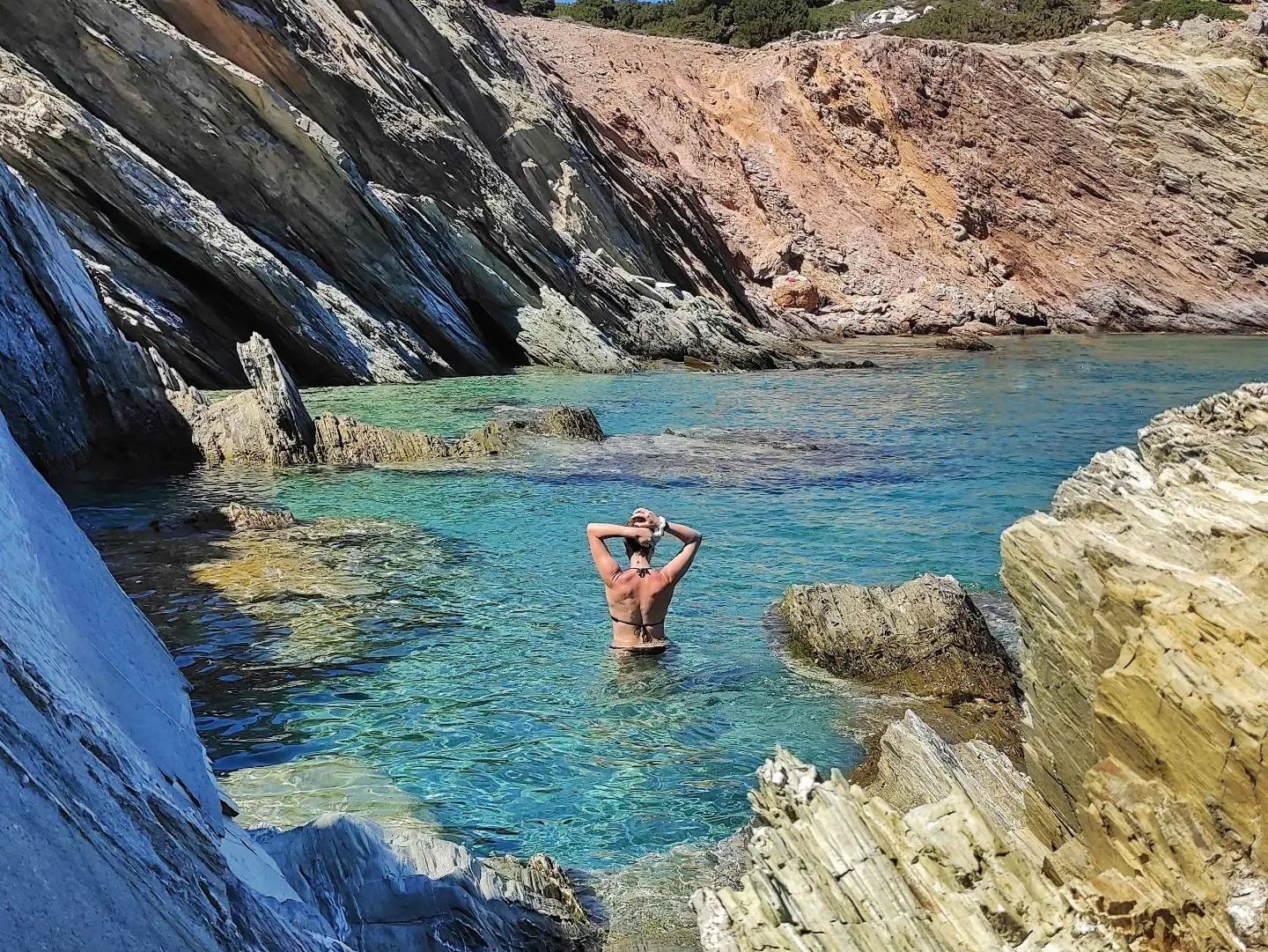
The Asterousia Mountains combine important ecosystems, rare birds of prey and a long history of human settlement, from the mountain villages to the shores of the Libyan Sea.

Read more...


Mount Giouchtas – Ecological and Archaeological Park
Ecological and Archaeological Park

Giouchtas

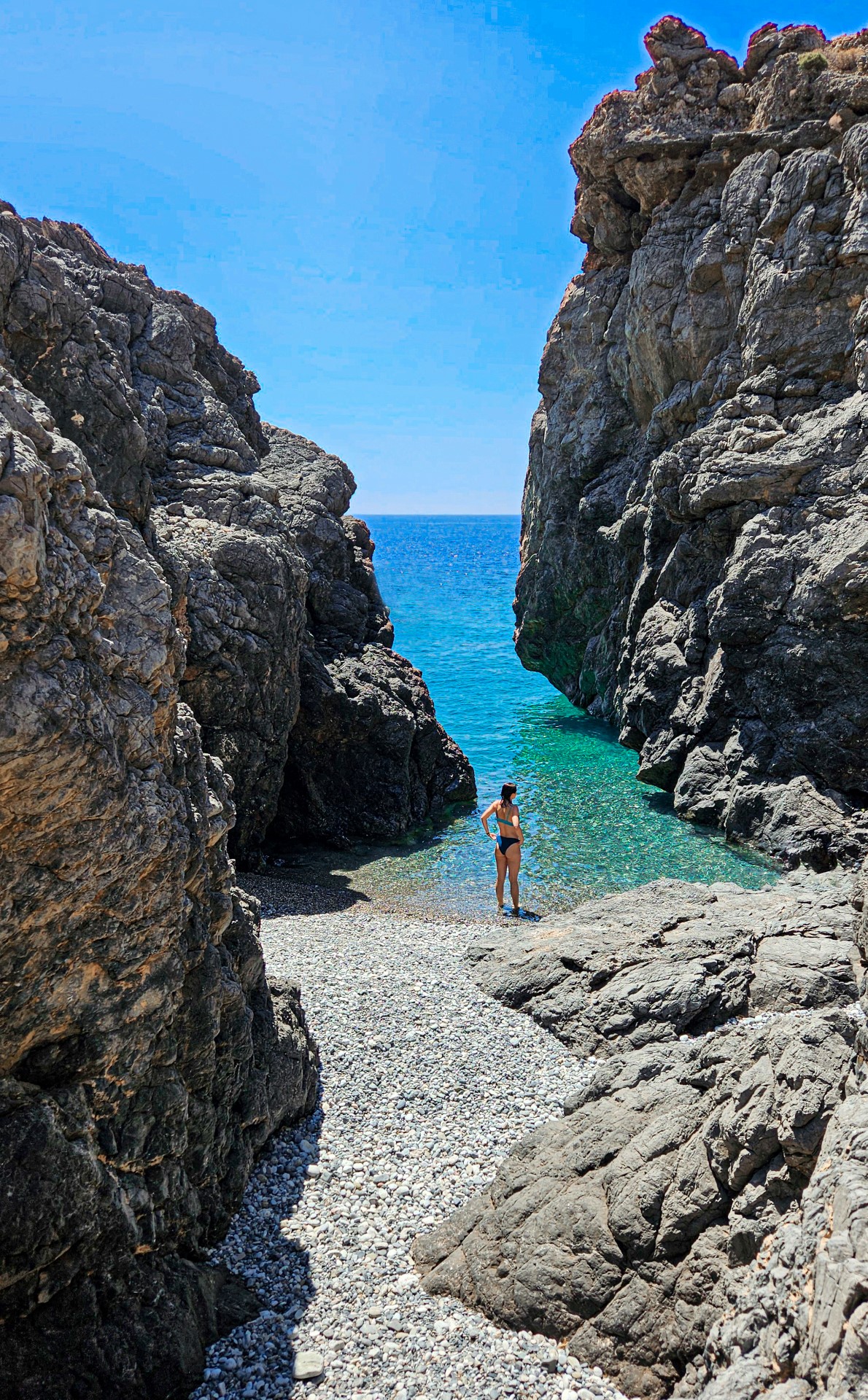
The sacred mountain of the Minoans and the Knossano, Kounaviano and Astrakiano gorges form a park linking natural habitats with the archaeological heritage of the Archanes area.

Read more...
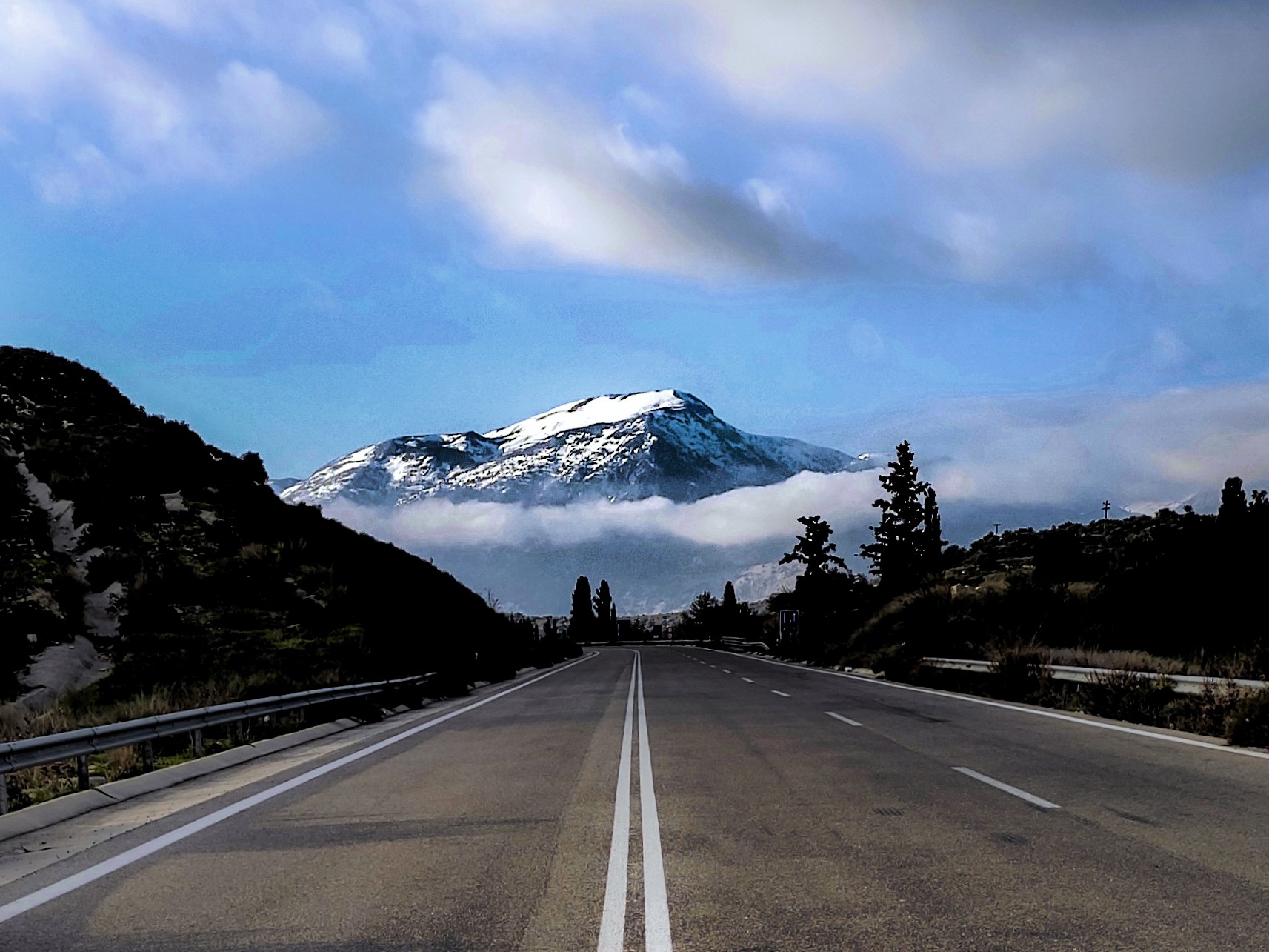
White Mountains National Park (Samaria)

White Mountains National Park (Samaria)

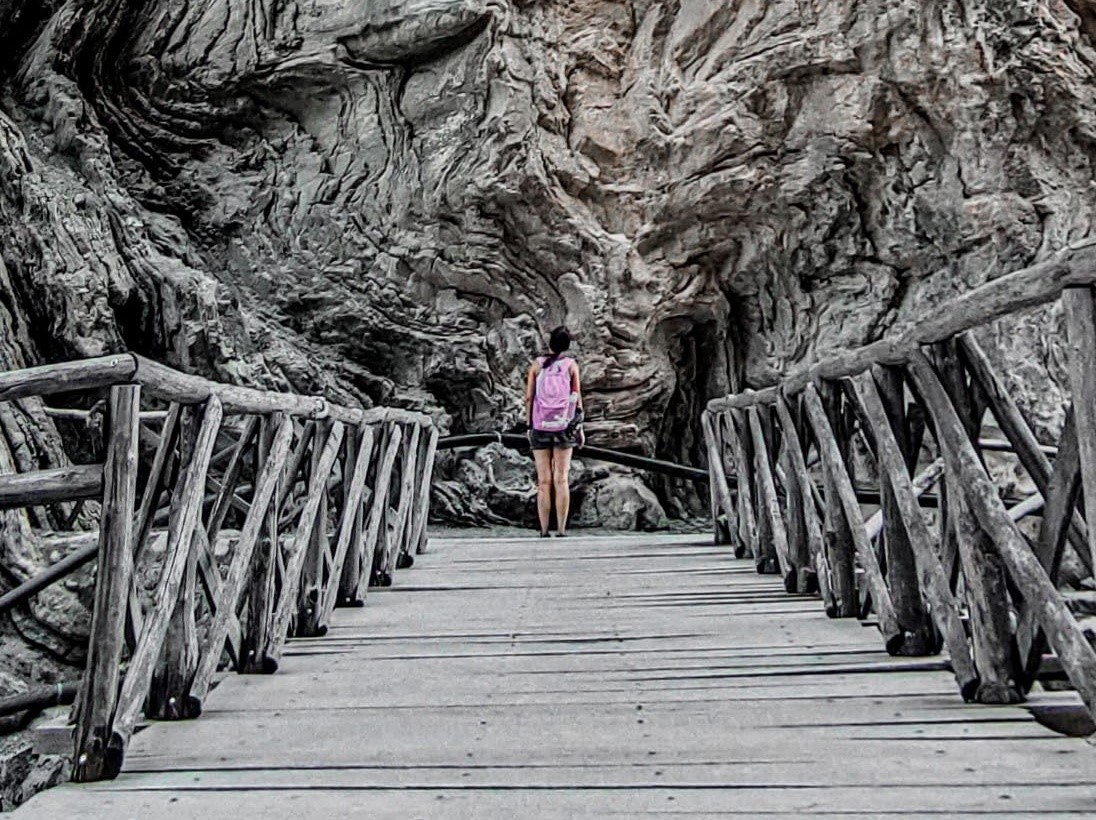
The White Mountains National Park, also known as Samaria National Park, was established in 1962 and is one of Greece’s oldest national parks. At its heart lies Samaria Gorge, which descends from Xyloskalo, at the southern edge of the Omalos Plateau, towards Agia Roumeli and the Libyan Sea. Protecting the Cretan wild goat was a principal reason for establishing the park. Steep cliffs, cypress and pine forests, and rocky habitats support a rich variety of plants and animals, including rare and endemic species. The gorge forms part of the wider natural landscape of the White Mountains, where rugged terrain and considerable differences in elevation create diverse habitats. Since 1981, Samaria has belonged to the UNESCO World Network of Biosphere Reserves. This recognition links nature conservation with research, environmental education and the relationship between local communities and their surroundings. Traces of human presence remain visible in the old village of Samaria, the chapels and the gorge’s paths. Beyond the well-known gorge walk, visitors can explore the wider region, including the mountain desert of the White Mountains and the southern coastline. These landscapes are connected with the park but require different planning and preparation for a visit.

Read more ...

Psiloritis UNESCO Global Geopark

Psiloritis UNESCO Global Geopark

The Psiloritis UNESCO Global Geopark lies in central Crete and encompasses the Psiloritis mountain range, the Talea Mountains and the surrounding valleys. It extends from the mountain’s southern foothills in Messara and the Amari Valley to the northern coast. The landscape is dominated by Timios Stavros, Crete’s highest summit, at 2,456 metres. The Geopark was established in 2001 through a local initiative, with scientific support from the Natural History Museum of Crete. It joined the European Geoparks Network that same year and has been recognised as a UNESCO Global Geopark since 2015. This designation connects geological heritage with nature conservation, education and sustainable local development. Geological heritage The rocks of Psiloritis record different stages in Crete’s geological evolution. Marine fossils, folds, faults and successive tectonic nappes reveal the processes that transformed ancient marine formations into mountain landscapes. Distinctive geosites include the Vossakos folds, the Kourtsa rock formations at Chonos and sites containing fossilised corals and shells. Ophiolites preserve remnants of ancient oceanic crust, while the dissolution of limestone by water has created caves, potholes, dolines and underground passages. Landscapes and natural environment From the lower valleys to the highest summits, olive groves and cultivated land give way to scrubland, kermes oak woodland, mountain grasslands and bare rocky slopes. The considerable differences in elevation and varied terrain provide habitats for rare and endemic plants and animals. Caves such as the Idaean Cave combine geological and archaeological significance. Plateaus, gorges and springs complete a landscape where water, although often absent from the surface, continues to shape the mountain underground. People and culture Archaeological sites, monasteries, old churches, dry-stone walls and stone shepherds’ huts, known as mitata, bear witness to the long human presence on Psiloritis. Livestock farming, cheesemaking, weaving and music remain closely connected with life in its mountain communities. Geotrails, hiking paths and information centres offer ways to discover this heritage. Exploring the Geopark combines observing geological formations with visiting villages and monuments and learning about local traditions.

Read more ...

Sitia UNESCO Global Geopark

Sitia UNESCO Global Geopark

The Sitia UNESCO Global Geopark occupies the easternmost part of Crete and encompasses almost the entire Municipality of Sitia. It was designated a UNESCO Global Geopark in 2015 in recognition of its geological heritage of international importance, its extensive karstic landscape, numerous caves and gorges, fossil-bearing sites and the close relationship between the natural landscape and the history and culture of eastern Crete. The area is predominantly mountainous, with the Zakros Mountains dominating the interior and a remarkably intricate coastline surrounding the region. Its geological diversity is combined with important ecosystems, traditional villages, archaeological sites, monasteries, ancient paths and monuments that reflect thousands of years of human presence. An information centre and natural history exhibition operates in the wider area of Zakros, introducing visitors to the geology, fossils, caves and biodiversity of the Geopark. Geological heritage The geology of the Sitia UNESCO Global Geopark includes features that are unique in Crete and of considerable international importance. Most of its rocks are sedimentary in origin and contain abundant fossils, providing valuable information about the ancient marine and terrestrial environments that once existed in the region. Among its most important geological sites are Pleistocene mammal fossil deposits containing remains of deer, hippopotamuses and elephants, as well as older discoveries belonging to the giant proboscidean Deinotherium giganteum. Numerous marine fossils occur within the Neogene sediments, while plant remains provide evidence of the vegetation that covered the area during much earlier geological periods. The palaeo-shorelines around Zakros are of particular scientific importance. These formations record former sea levels and provide evidence of the tectonic movements and climatic changes that affected eastern Crete. Coastal terraces and sedimentary deposits preserve a valuable record of the geological evolution of the Mediterranean. Caves and karstic landscape One of the most distinctive features of the Geopark is the extensive karstic landscape developed within its limestone formations. More than 170 caves and sinkholes, together with numerous gorges, have been recorded throughout the region. This makes eastern Sitia one of the most important speleological areas in Crete and a valuable field for research in speleology, biospeleology and subterranean biodiversity. The caves are not only geologically important. Several were used by people as shelters, burial sites, places of worship or permanent and temporary dwellings from prehistoric times onwards. They also support specialised organisms that have adapted to permanent darkness and the particular environmental conditions of the underground world. Geography and landscape Following the extension of its boundaries, the Sitia UNESCO Global Geopark covers approximately 713.5 square kilometres and includes almost the entire Municipality of Sitia. It extends from Cape Sidero and the northern coast to the southern shores of the former Sitia Province, encompassing the wider area of the city of Sitia, its mountain villages and the coast of Zakros. Mountains, small plateaus, gorges, caves, secluded beaches and coastal wetlands form a remarkably varied landscape. The geology of the region has influenced the location of settlements, agriculture, water management, transport routes and the traditional activities of local communities. Conservation and sustainable development A UNESCO Global Geopark is not an enclosed reserve, but a unified geographical area in which the conservation of geological and natural heritage is combined with education and sustainable local development. Through geotrails, hiking routes, information centres and educational activities, visitors can discover the geological history of eastern Crete and understand how it has shaped both the natural environment and human life. Information and contact For information about the Geopark, its geotrails and activities, visit the official Sitia Geopark website. Telephone: +30 28430 29222. Email: [email protected].

Read more ...

Download Free Premium Joomla Templates • FREE High-quality Joomla! Designs BIGtheme.net