
Exploring Crete

Hiking

Immerse yourself in a natural wonderland

Hiking Crete is the best way to see
beautiful landscapes and explore vast wilderness areas.
So grab a pack and put on your walking boots.

Selections

Hiking Gorges

Explore

Hiking

The E4 Trail

Explore

Selections

The Great Walks

Explore

Hiking in Crete

Hiking in Crete ranges from short walks between villages to gorge crossings, coastal trails and mountain ascents that take several hours. Old stone paths lead through olive groves and villages built of stone. Higher up, trails cross plateaus and rocky slopes on the way to the summits.

The E4 European long-distance trail crosses the island from Kissamos to Kato Zakros. Its stages pass through varied landscapes, from the White Mountains and Psiloritis to the gorges of eastern Crete. Beyond the E4, the island has walking routes for shorter outings and longer hikes that cover greater distances and involve more climbing.

In the White Mountains, Samaria Gorge links the Omalos plateau with Agia Roumeli on the south coast. Other gorge walks vary in length and terrain. In the Psiloritis and Sitia UNESCO Global Geoparks, hiking offers a close look at the island’s geology, from plateaus and caves to gorges and rocky shores.

The E4 European Trail in Crete

The E4 European Trail in Crete

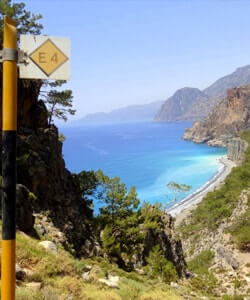
The E4 European long-distance trail crosses Crete eastwards from Kissamos. The Cretan section heads south towards Elafonisi, then follows coastal and mountain routes to Kato Zakros. The network continues north along the eastern coast towards Karoumes and Chochlakies. At Sougia, the E4 splits into two branches. The southern branch follows the coast towards Agia Roumeli, while the northern branch climbs towards Omalos via Koustogerako. In central Crete, the route from Nida to Rouvas Forest leads from the plateau on Psiloritis into wooded slopes. In the east, the Kato Zakros – Pelekita Cave – Karoumes section follows the rocky coast. The E4 is waymarked in yellow and black. Its sections vary in distance, elevation change and terrain. The map gives an overview of the network, while the individual route descriptions help with choosing a section.

Read more ...

Gorge Hikes in Crete

Gorge Hikes in Crete

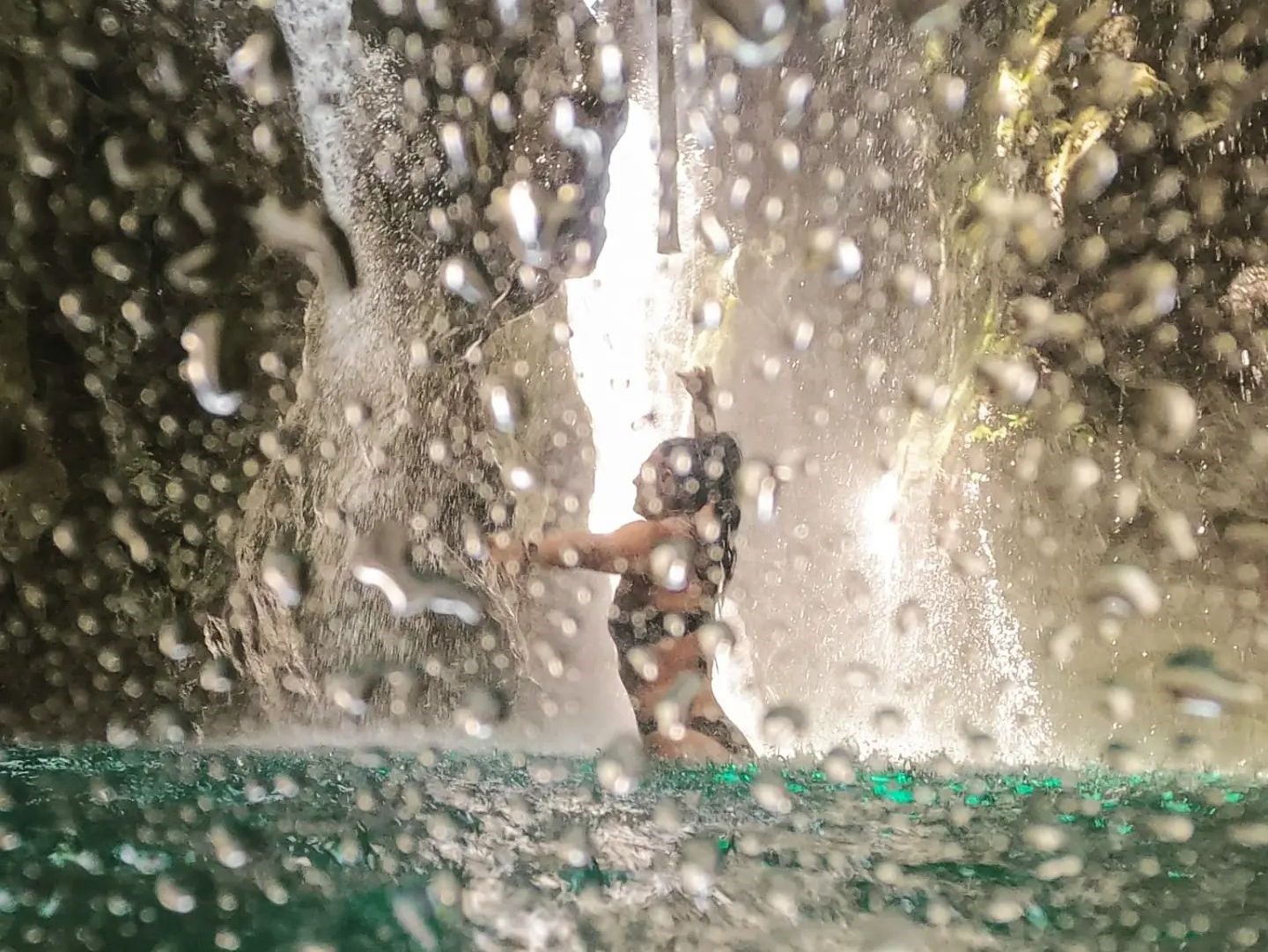
Crete’s gorge hikes follow paths between limestone walls shaped by erosion. Some routes follow a streambed beneath trees, while others lead to the sea. A gorge walk can be a short outing or a hike of several hours, depending on the distance, elevation change and terrain. In the White Mountains, the route through Samaria Gorge starts at Xyloskalo on the Omalos plateau and ends at Agia Roumeli. In Sfakia, Imbros Gorge offers a shorter walk from Imbros village to Komitades. In the south of the Heraklion region, Agiofarago Gorge opens onto a pebble beach beneath the cliffs of the Asterousia Mountains. In Lassithi, near Exo Mouliana, Richtis Gorge is known for its waterfall amid dense vegetation. The return journey is part of choosing a route. A one-way hike such as Samaria starts and ends in different places. Before setting out, it is worth checking the forecast, trail conditions and any access restrictions.

Read more ...

River Trekking in Crete

River Trekking in Crete

River trekking follows a river or stream, sometimes along the bank and sometimes through the riverbed. Many streams in Crete flow seasonally, while some rivers, such as the Kourtaliotis, carry water year-round. In southern Rethymno, the river runs through Kourtaliotis Gorge before reaching the sea at Preveli. Visitor access to Kourtaliotis Gorge is controlled. The difficulty of a route depends on the water level, the strength of the current and the terrain. Wet rocks can be slippery, and rain upstream can cause the water to rise quickly. The weather forecast and local access restrictions should be checked before entering the riverbed. Narrow gorges should be avoided when storms are forecast. Where a descent involves waterfalls or steep sections that require ropes, it falls under technical canyoning and calls for suitable equipment and training.

Read more ...

More Hiking Trails in Crete

More Hiking Trails in Crete

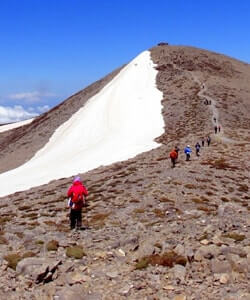
Beyond the E4 European trail, Crete has many hiking routes that can be walked on their own. Old stone paths link villages with the coast, coastal trails pass above coves, and mountain routes climb from plateaus to summits. The route from Mohos to Malia descends towards the coast on a stone-paved path with sea views. In the western Asterousia Mountains, the trail from Matala to Vathy crosses rocky coastal terrain. For a mountain ascent, the Psiloritis trail from Migeros starts at the Lakos Migerou plateau and leads to Timios Stavros, Crete’s highest summit. Distance is one factor in choosing a route, alongside elevation gain, terrain and the finishing point. A walk that ends at another village or on a beach takes different planning for the return journey than a circular route.

Read more ...

Download Free Premium Joomla Templates • FREE High-quality Joomla! Designs BIGtheme.net