








 Gate of Saint George or Lazaretto Gate

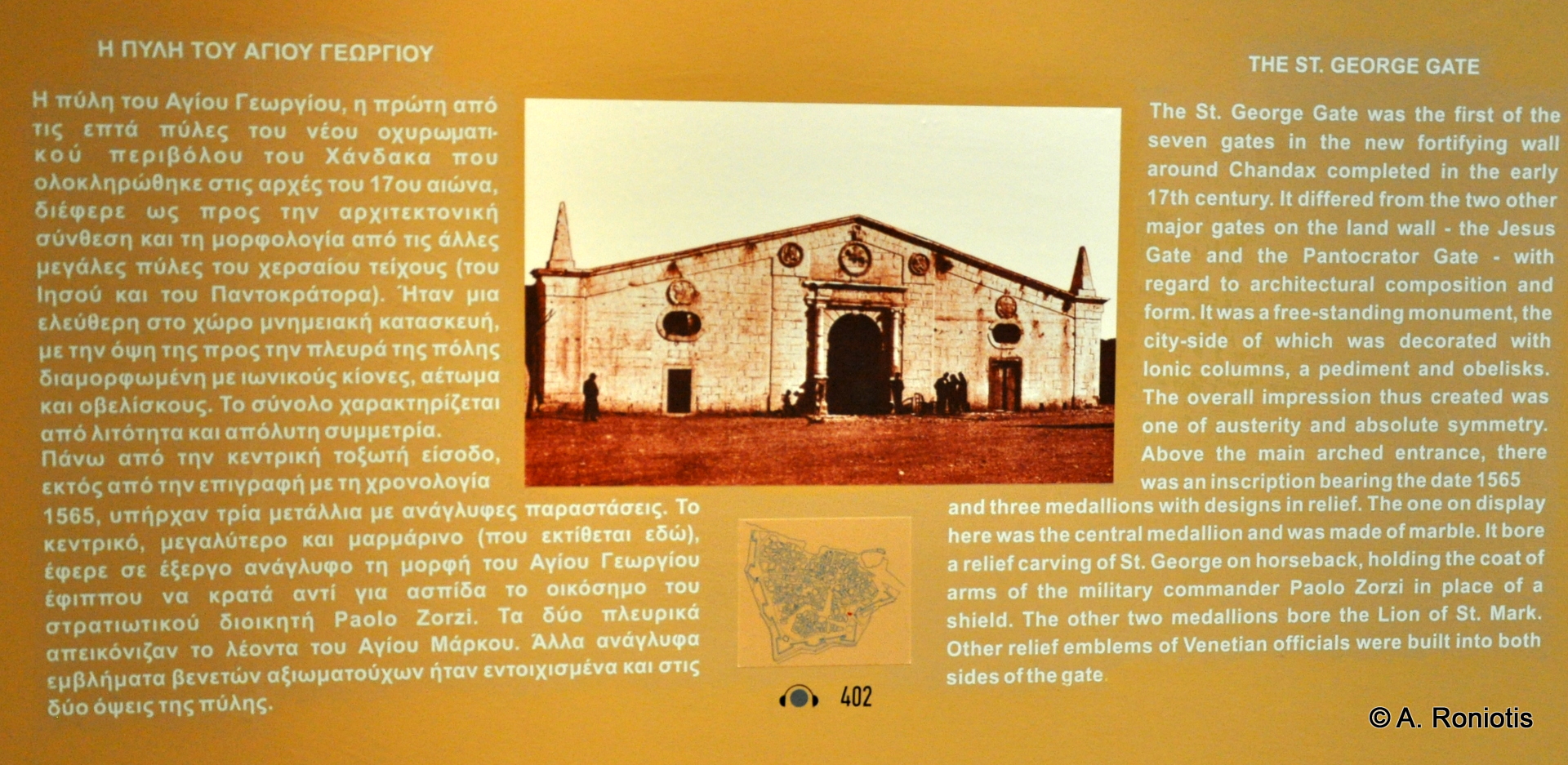
The Gate of Saint George stands on the eastern side of the Venetian Walls of Heraklion, beneath present-day Eleftherias Square and close to the statue of Eleftherios Venizelos. It was one of the principal urban gates of Candia and served as the main exit towards the eastern provinces of Crete.
The gate was constructed on the northern side of Vitturi Bastion, also known as the Bastion of Saint Eleftherios, between 1562 and 1566. It was designed by the distinguished Venetian military engineer Giulio Savorgnan, who played a major role in planning the new fortifications of Candia.
Besides the Gate of Saint George, it was known as the Lazaretto Gate because it led towards the quarantine station and facilities where patients were isolated outside the city. It was also called the Maroulas Gate, as it served the suburb of the same name, which developed beyond the walls in the area near the present-day Kapetanakio school complex.
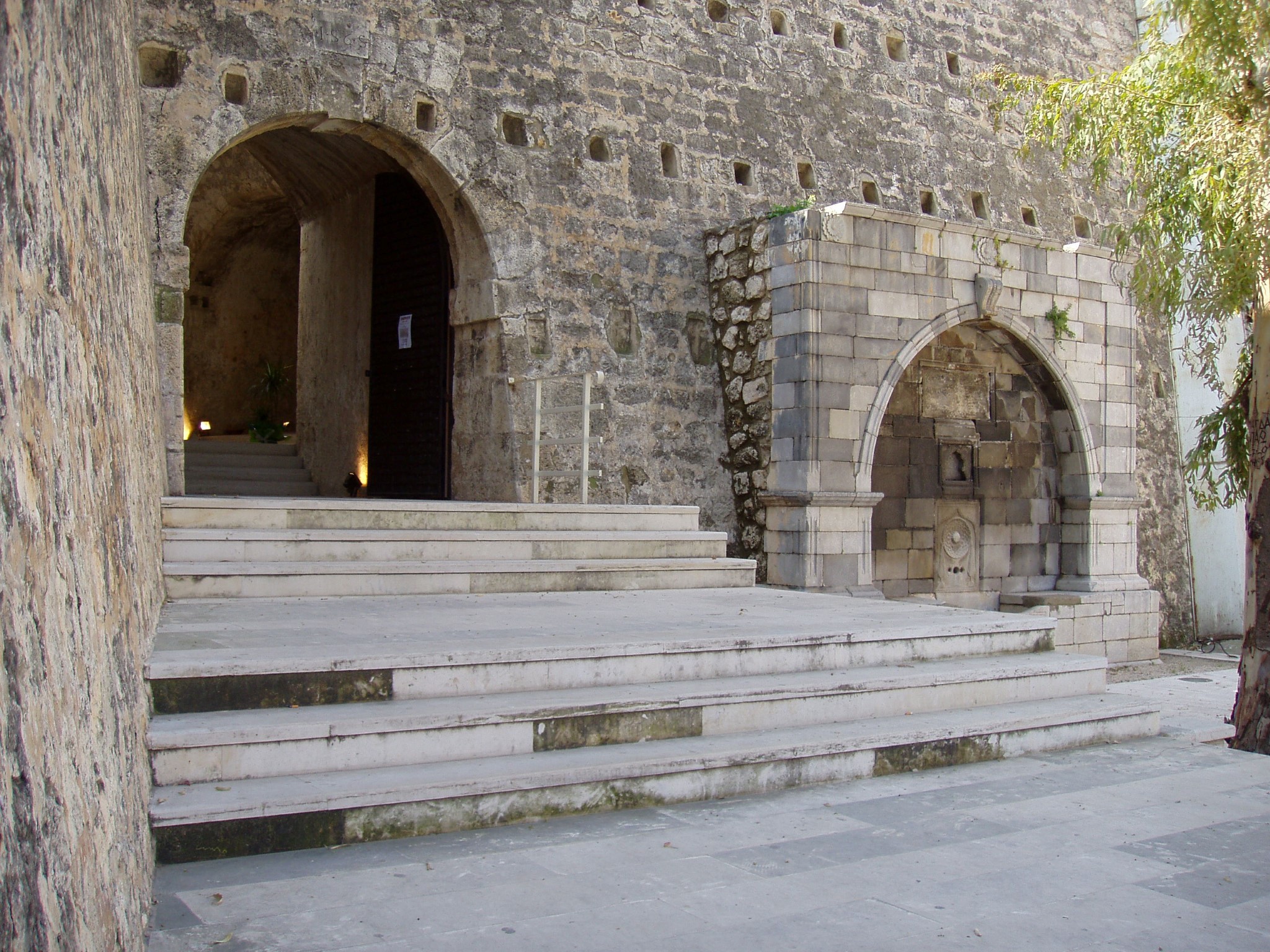
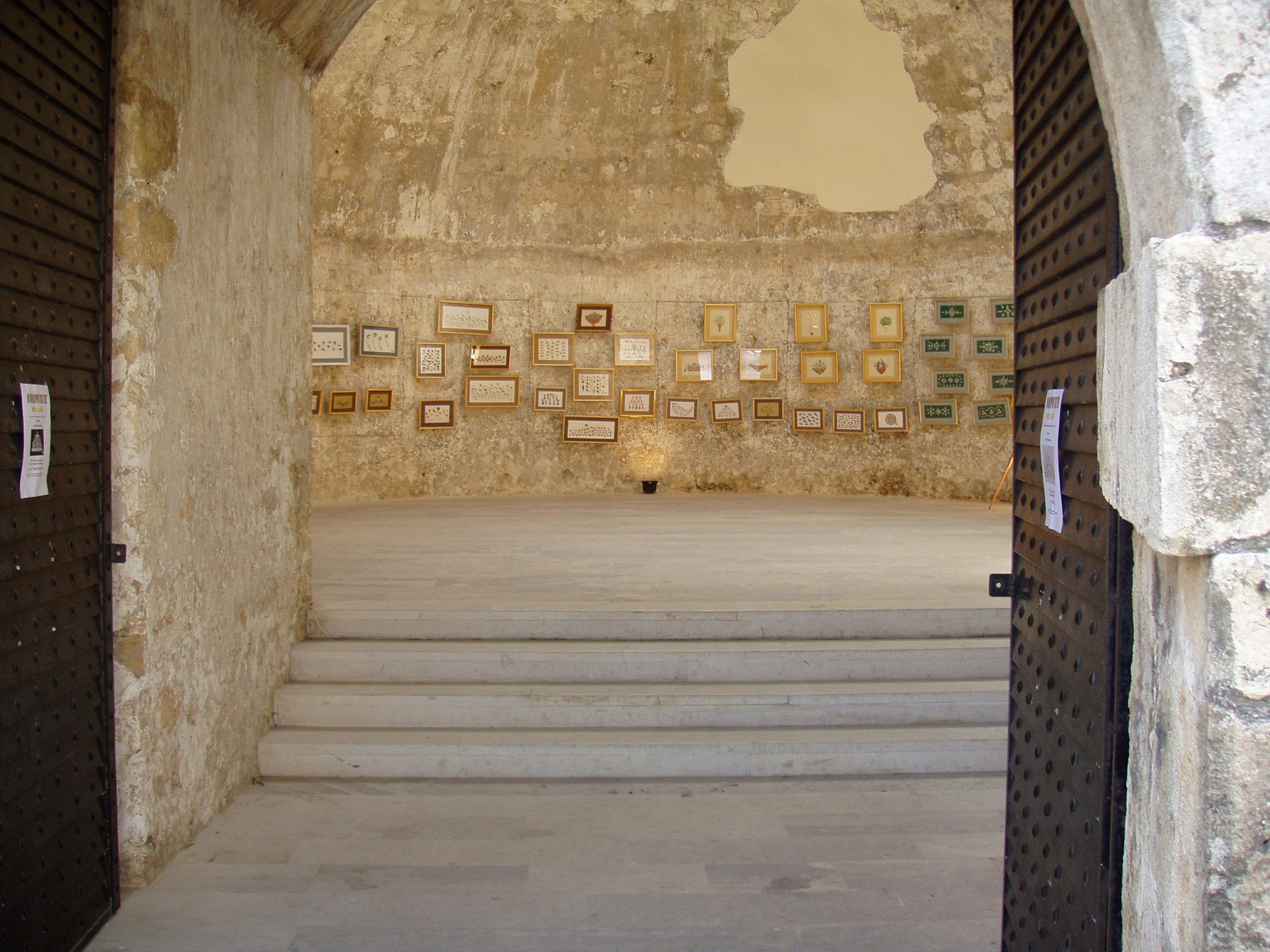
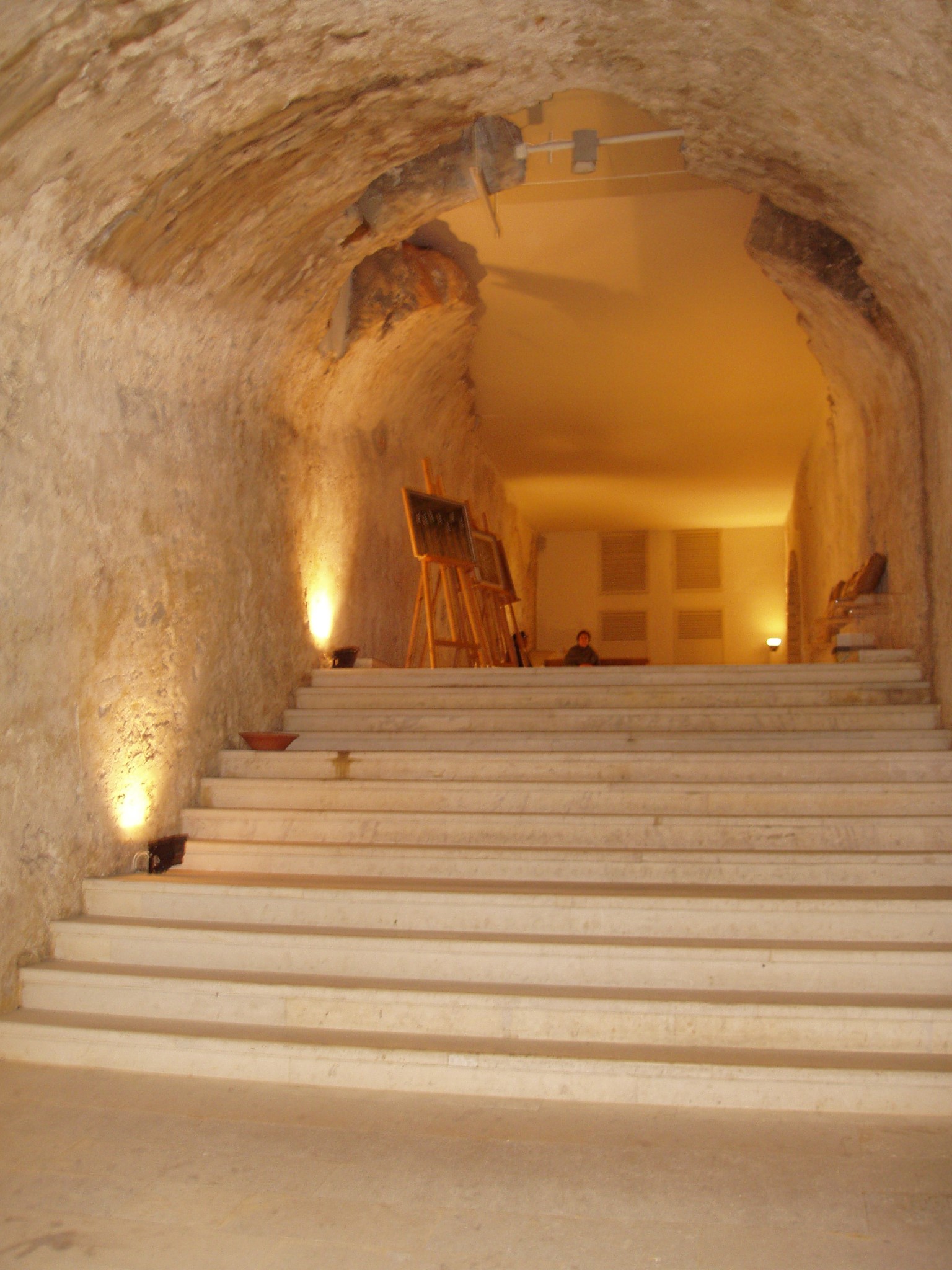
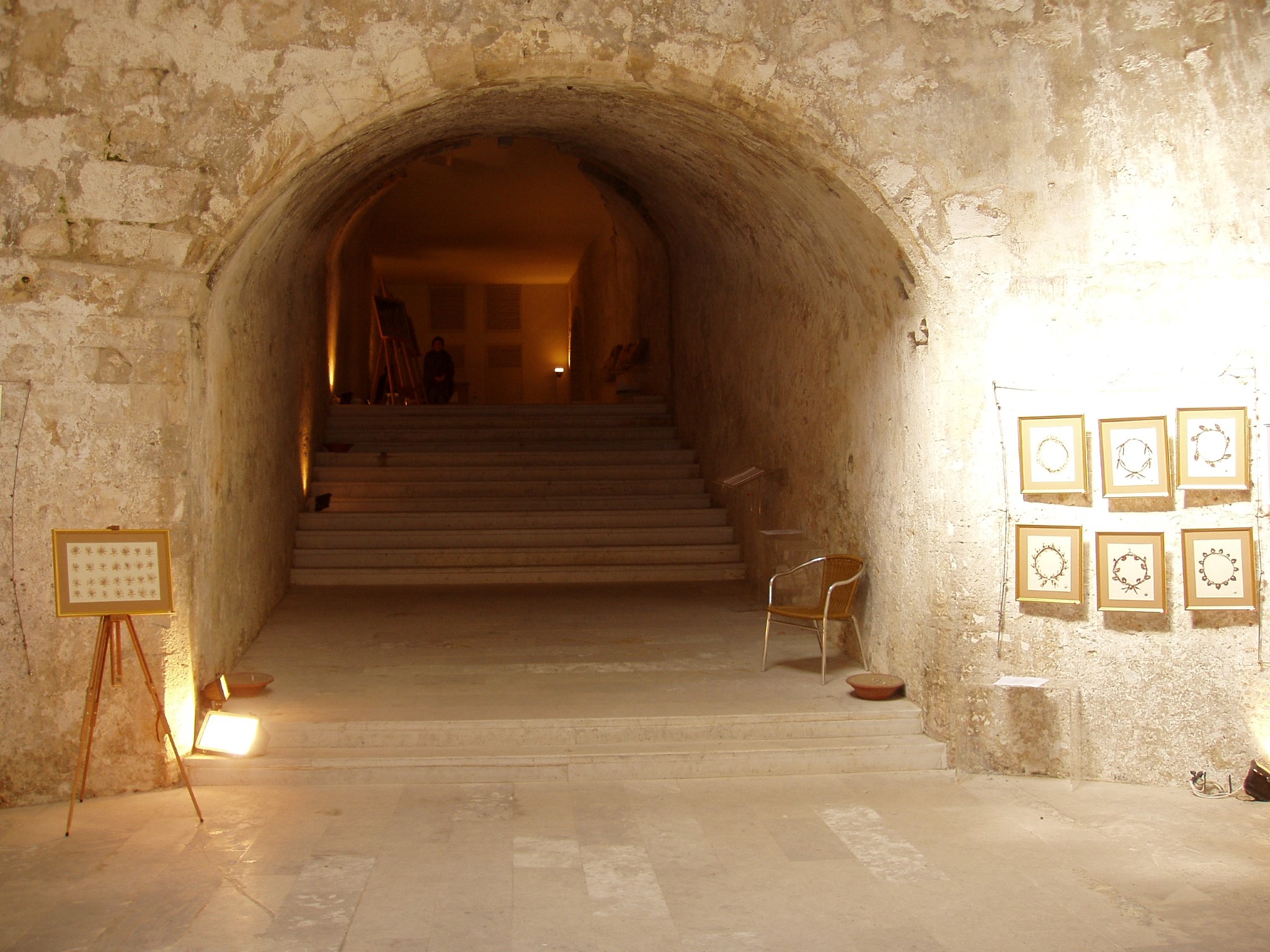
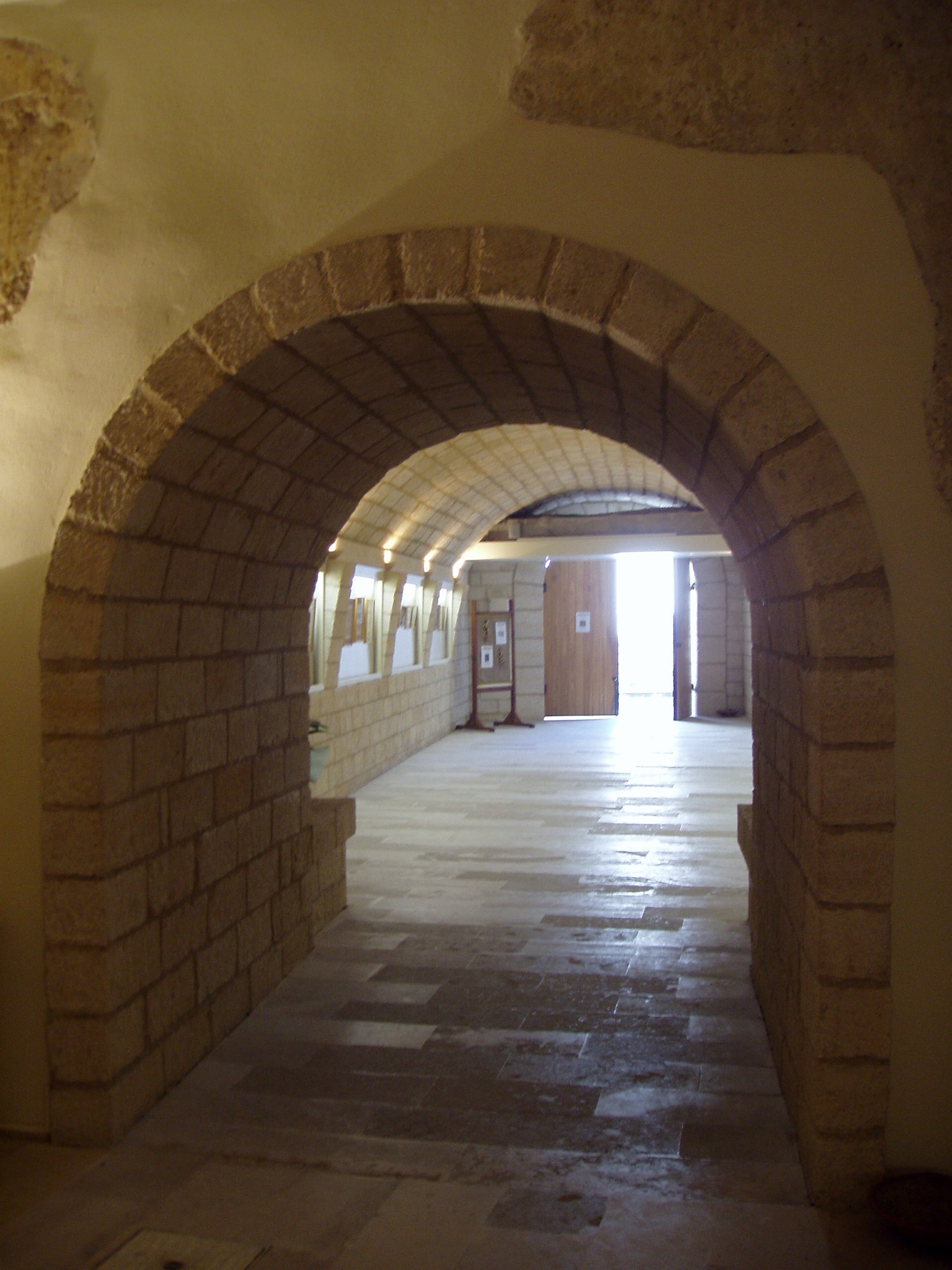
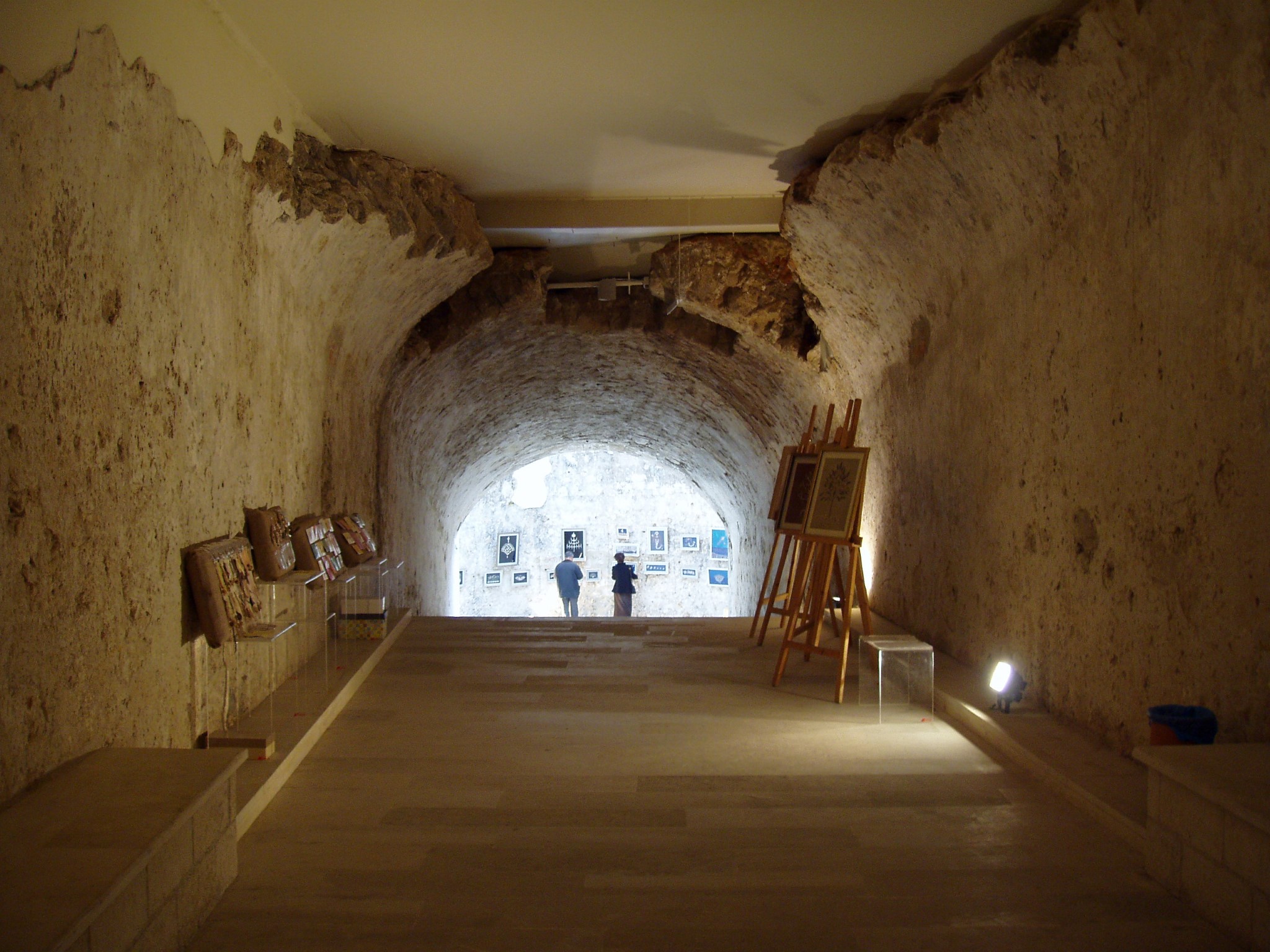
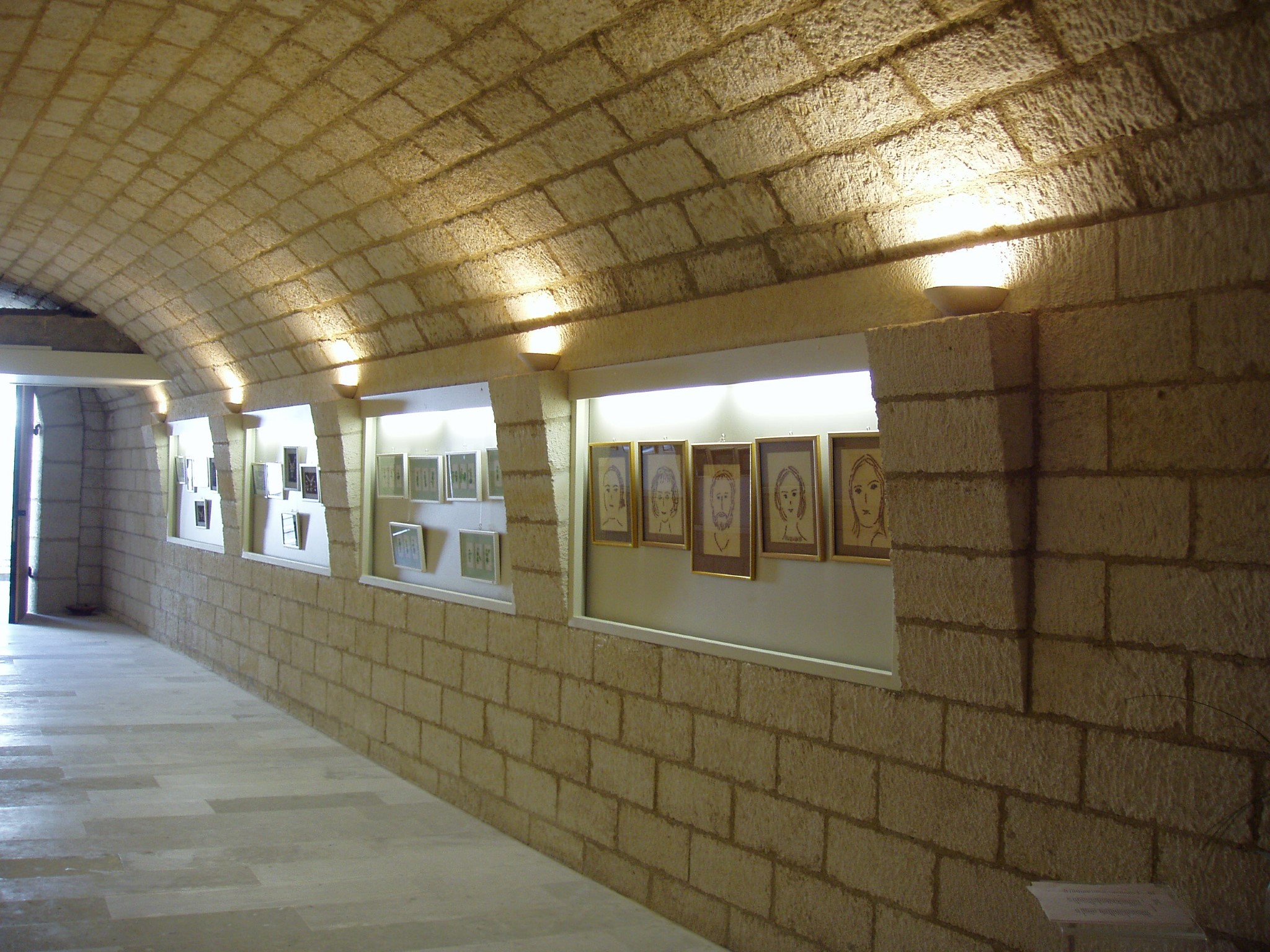
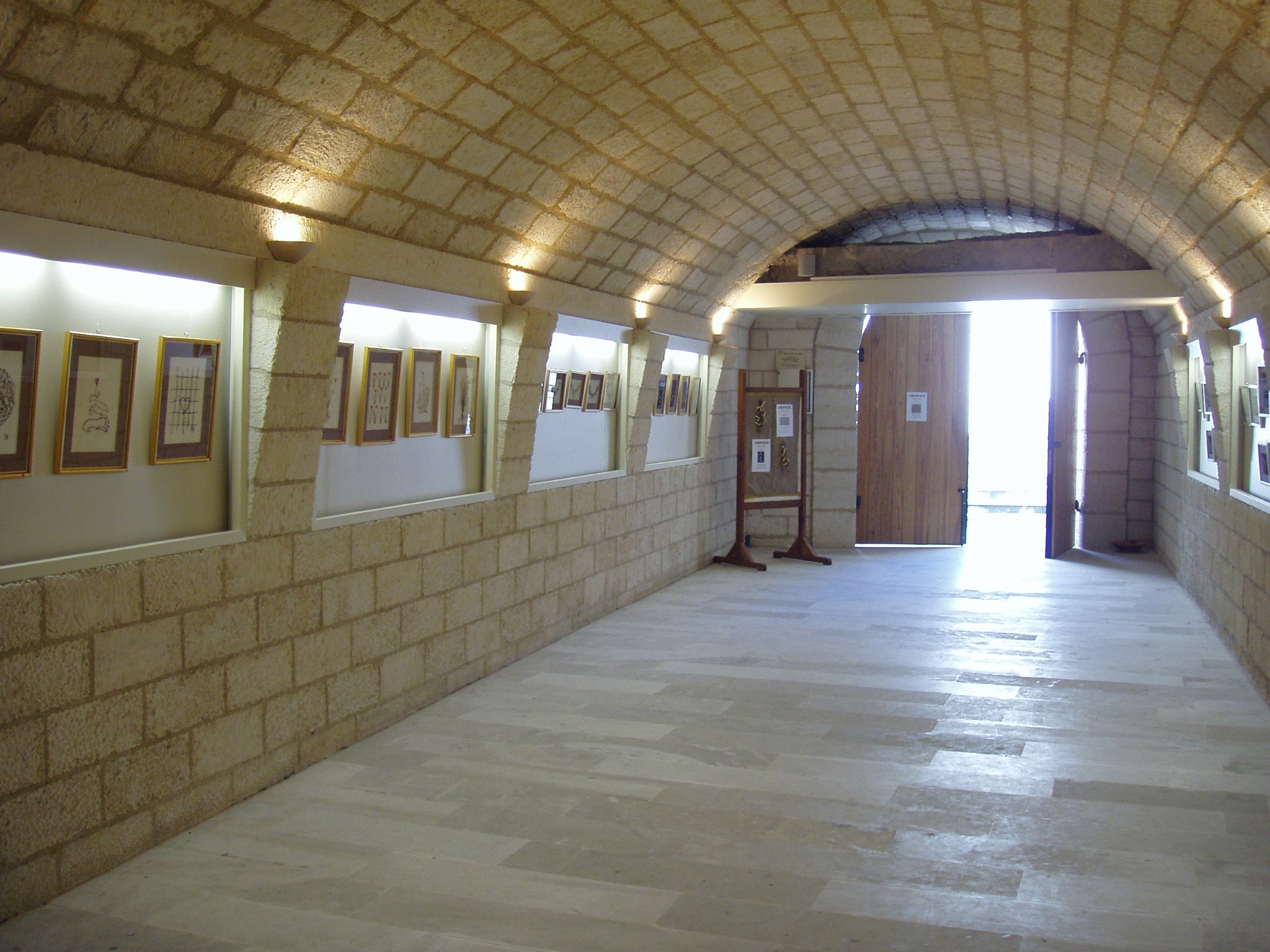
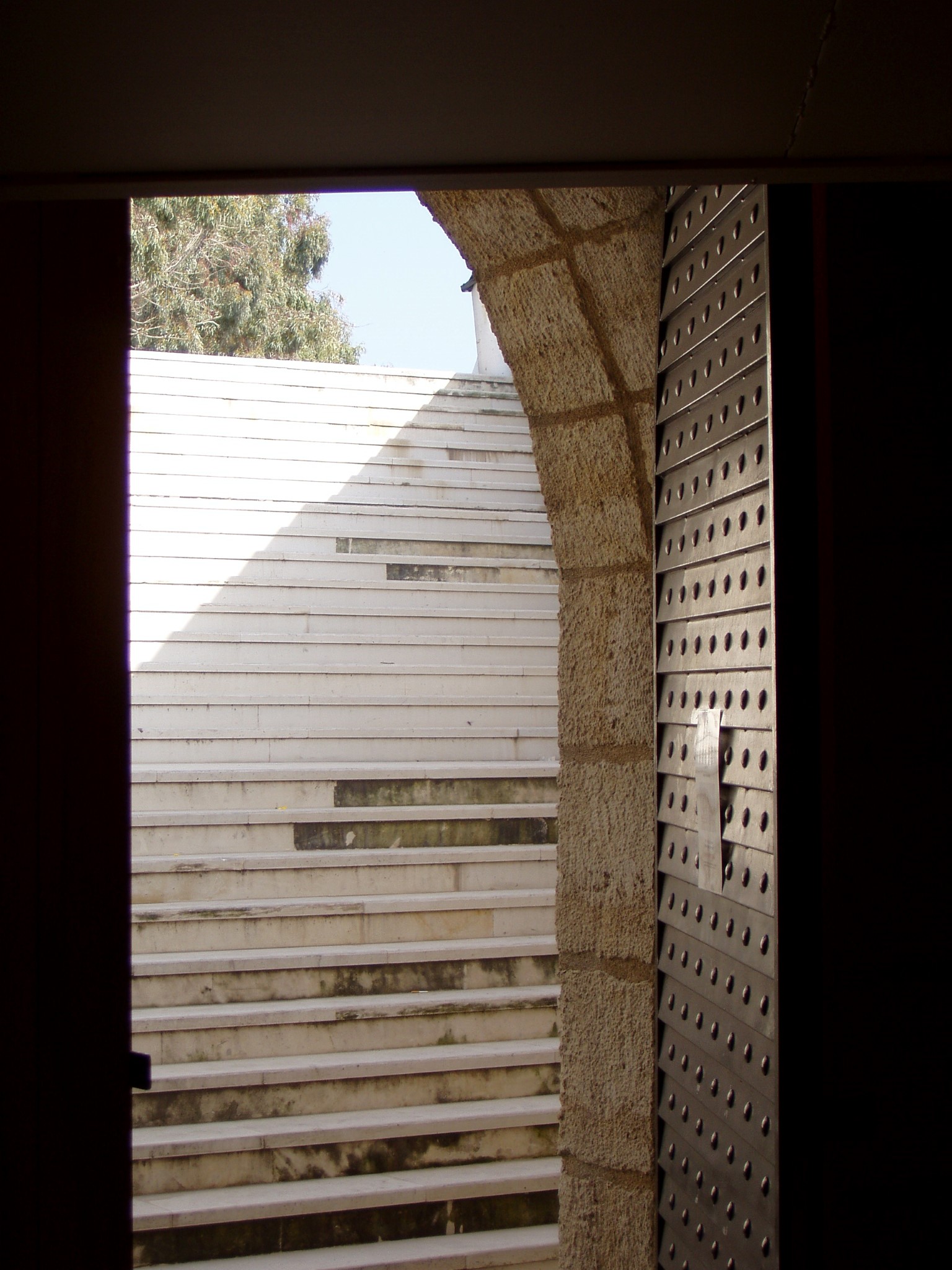
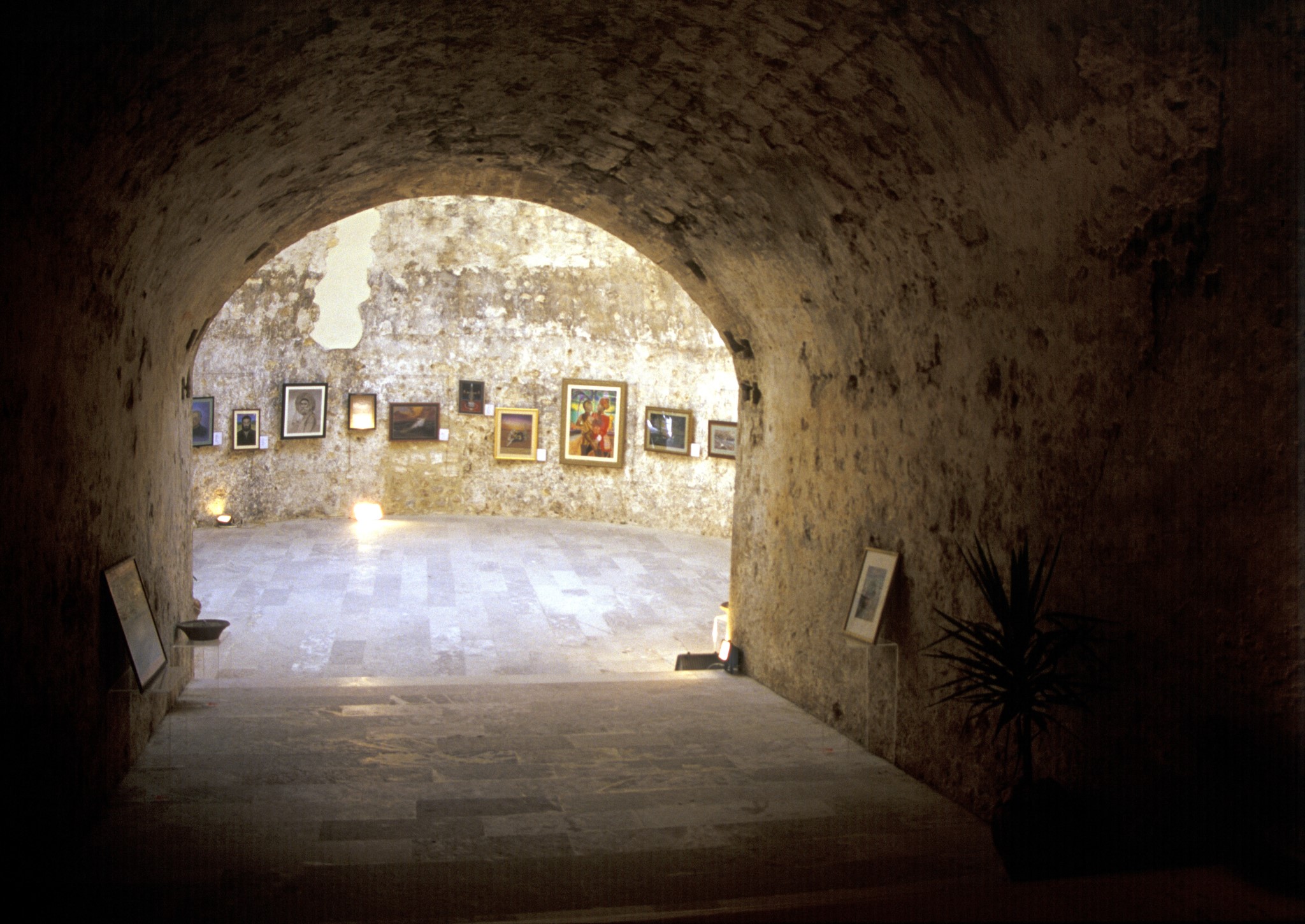
The vaulted passage is approximately 45 metres long and runs beneath Eleftherias Square. Its inner entrance opened towards the city, while its outer exit led to the moat and present-day Ikarou Avenue, near the former Kastrinakis flour mill.
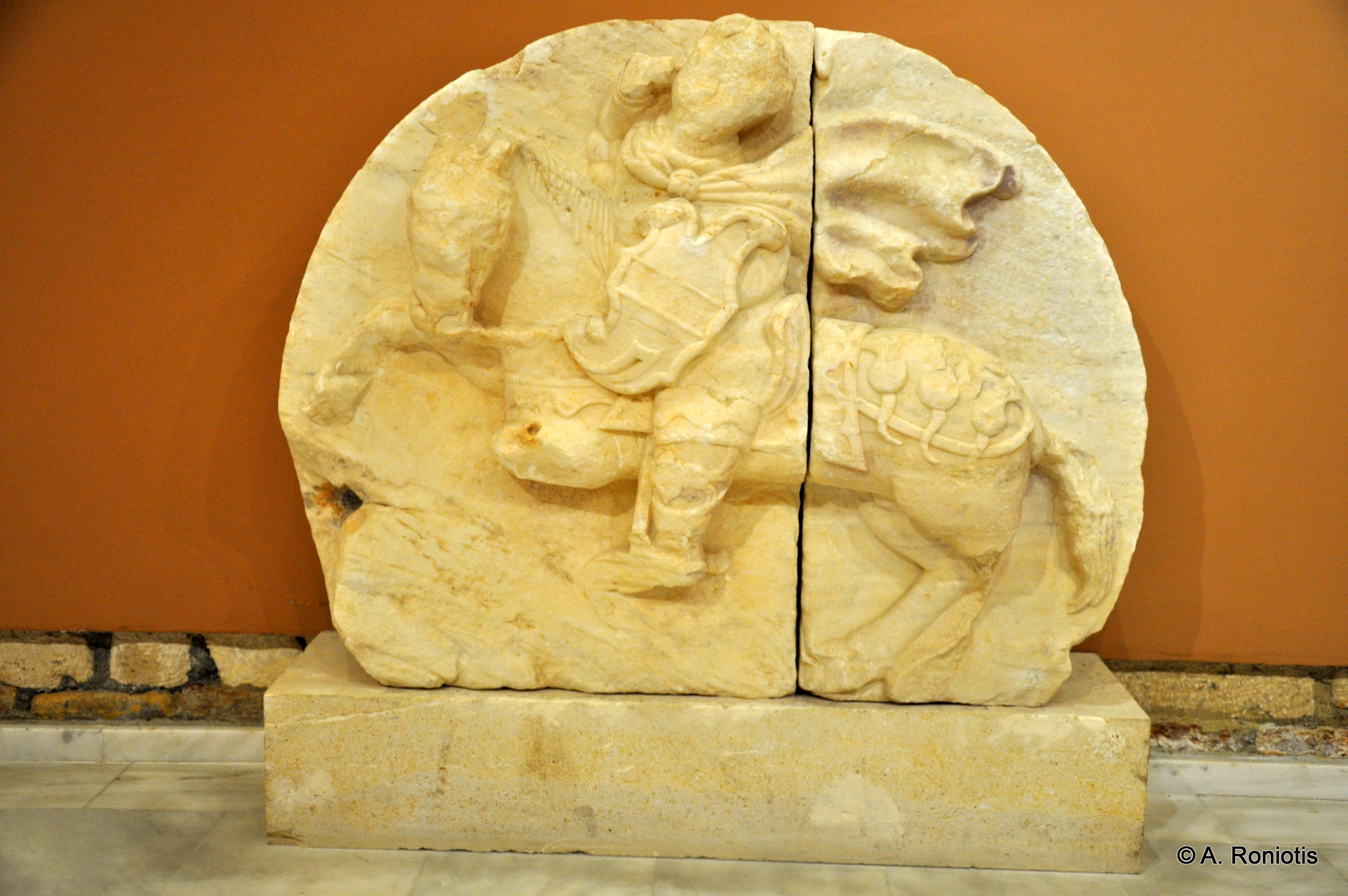
The monumental Renaissance façade facing the city was richly decorated with coats of arms, sculpted lions and inscriptions honouring Venetian officials. Above the entrance stood a circular marble relief depicting Saint George on horseback, from which the gate derived its name. The relief survived the destruction of the façade and is now preserved in the Historical Museum of Crete.
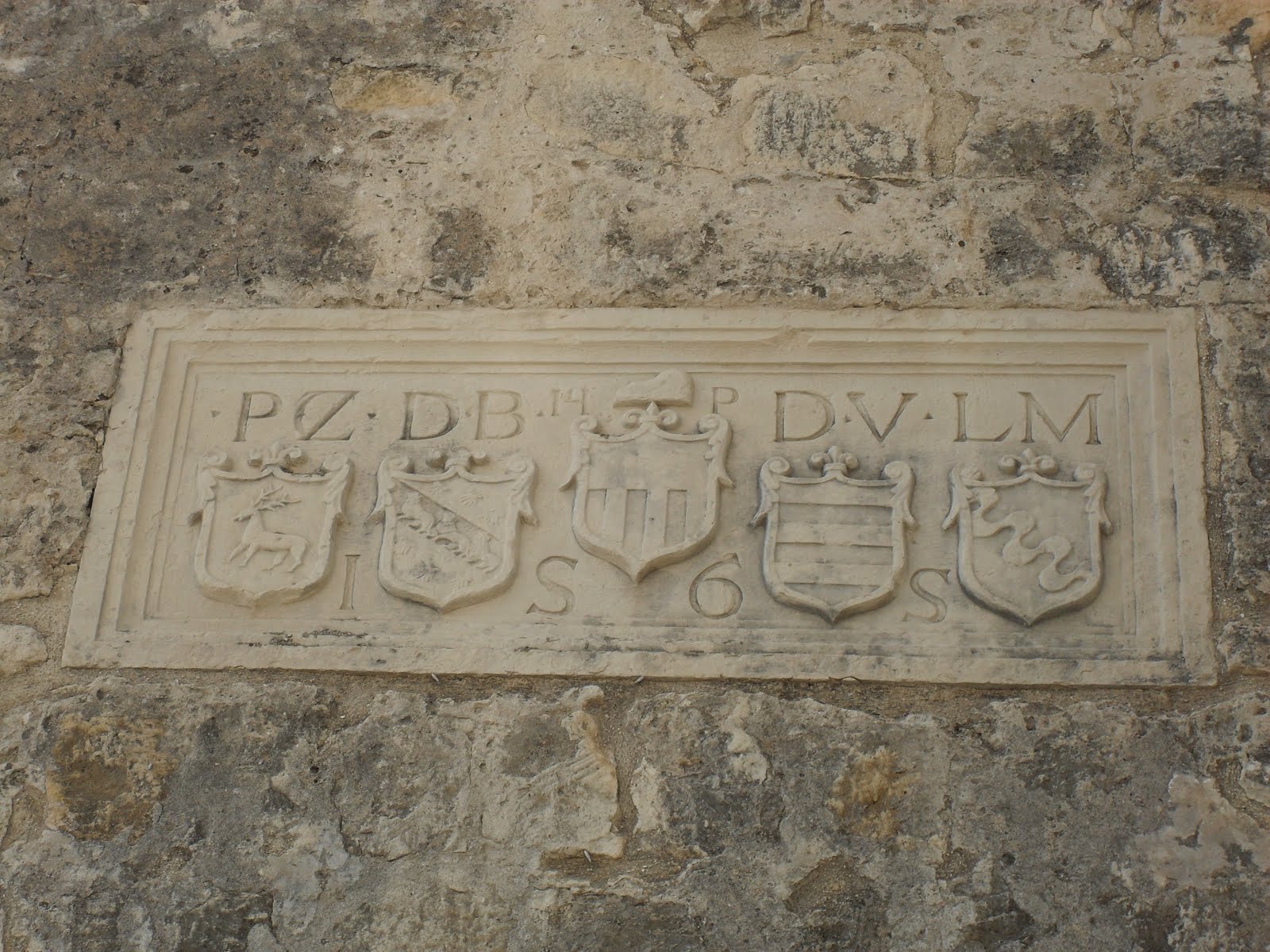
On the outer side, a relief inscription bearing the date 1565 and the name of the Venetian Captain General Paolo Zorzi survives above the entrance. The Ottoman Chanialis Fountain, dating from 1709, has also been placed near the outer exit after being transferred from an old mansion in Heraklion.
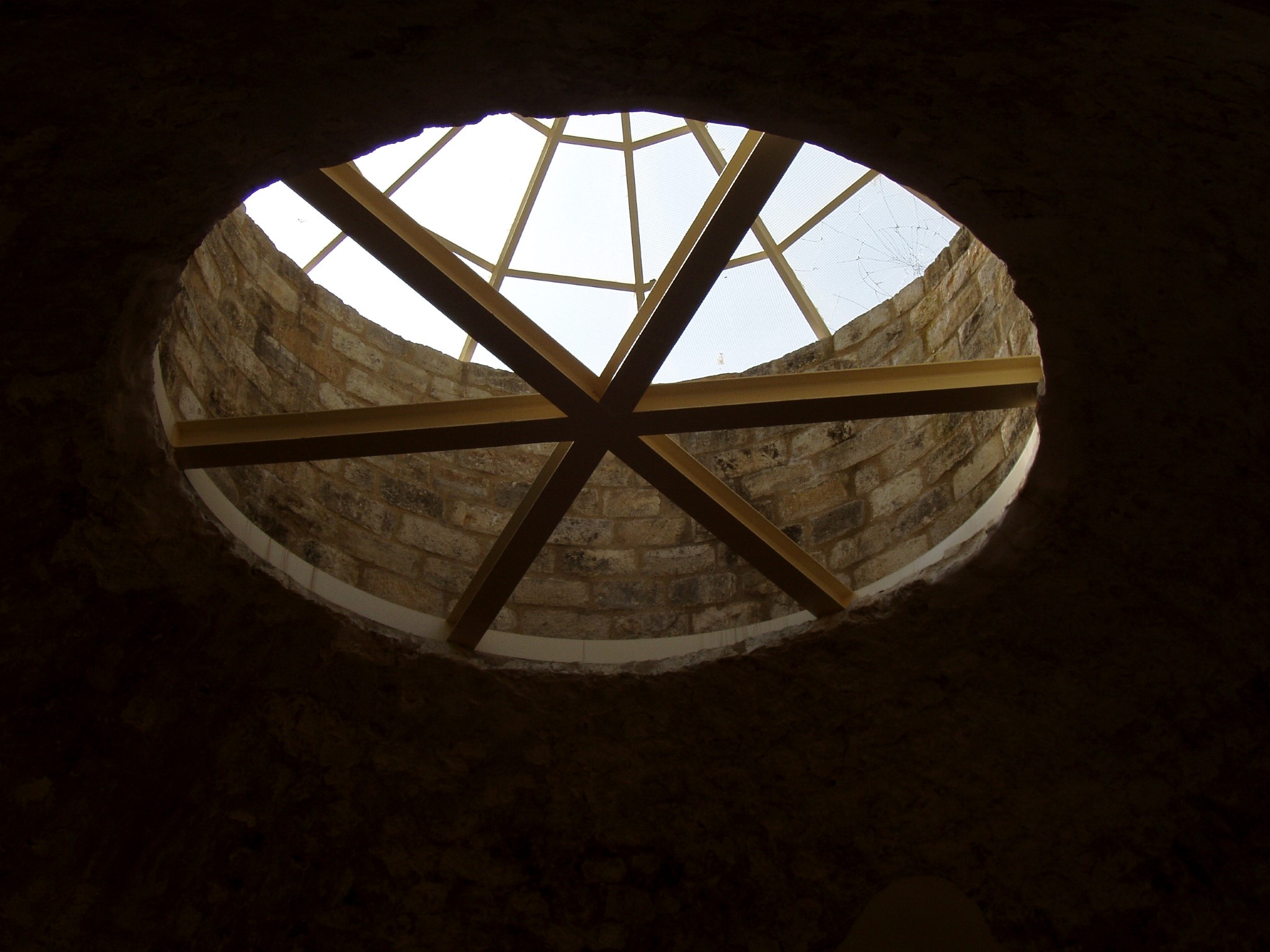
In 1917, the elaborate inner façade was demolished to create present-day Dimokratias Avenue and facilitate traffic. Only part of the vaulted passage and the simpler arched doorway on the moat side survived. The remaining gallery was later covered by embankments and the development of Eleftherias Square, remaining concealed beneath its level for many years.
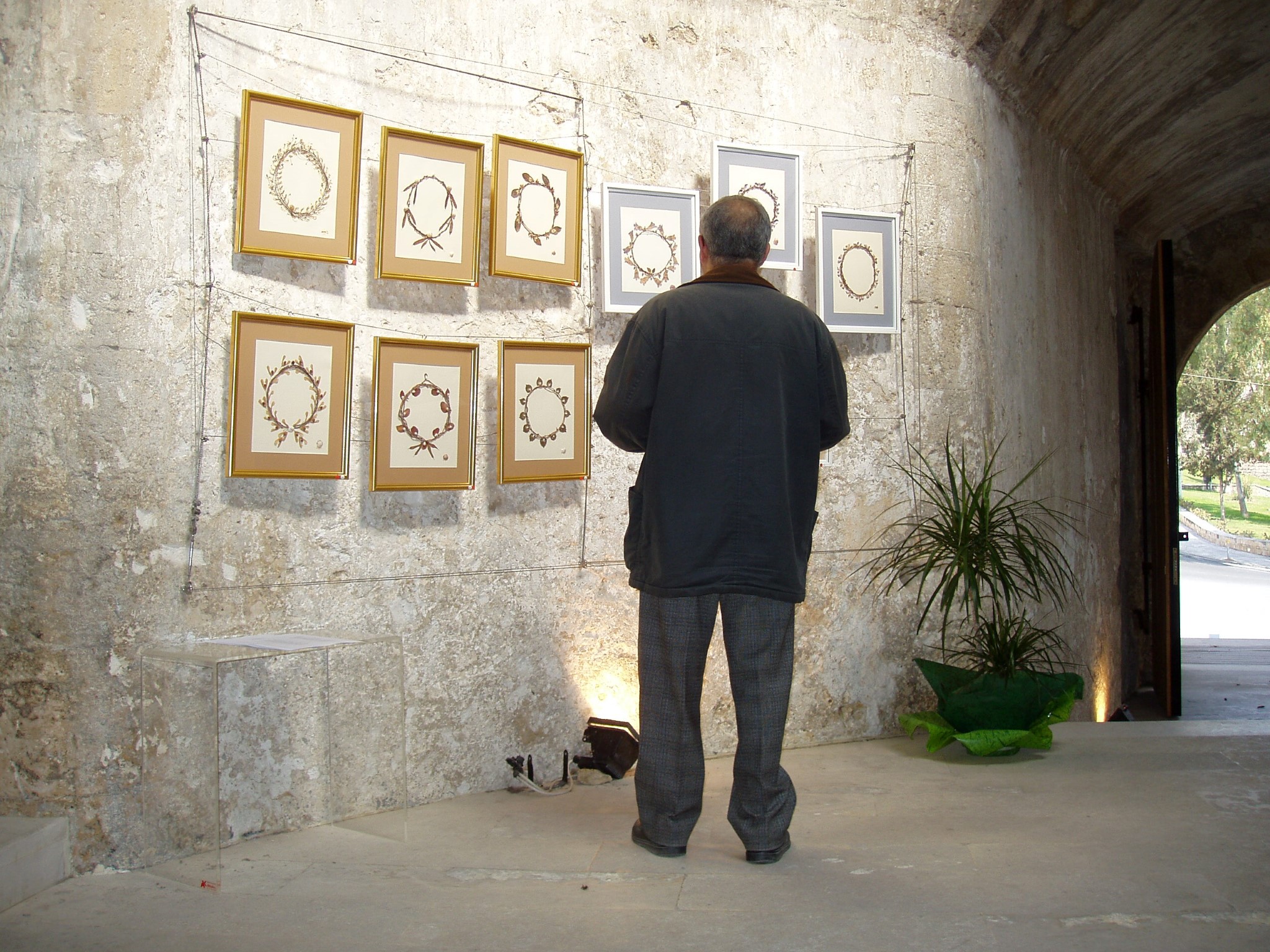
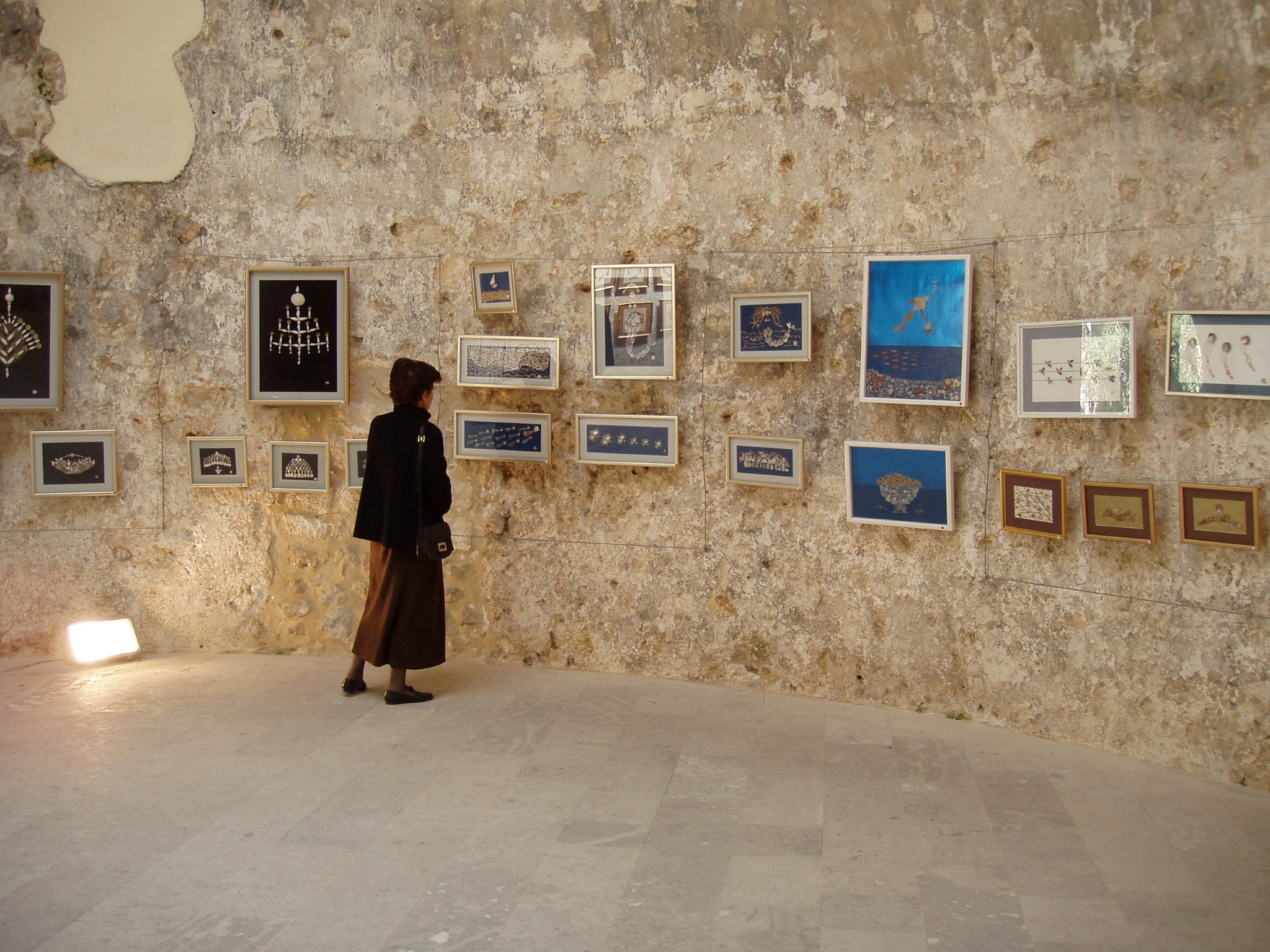
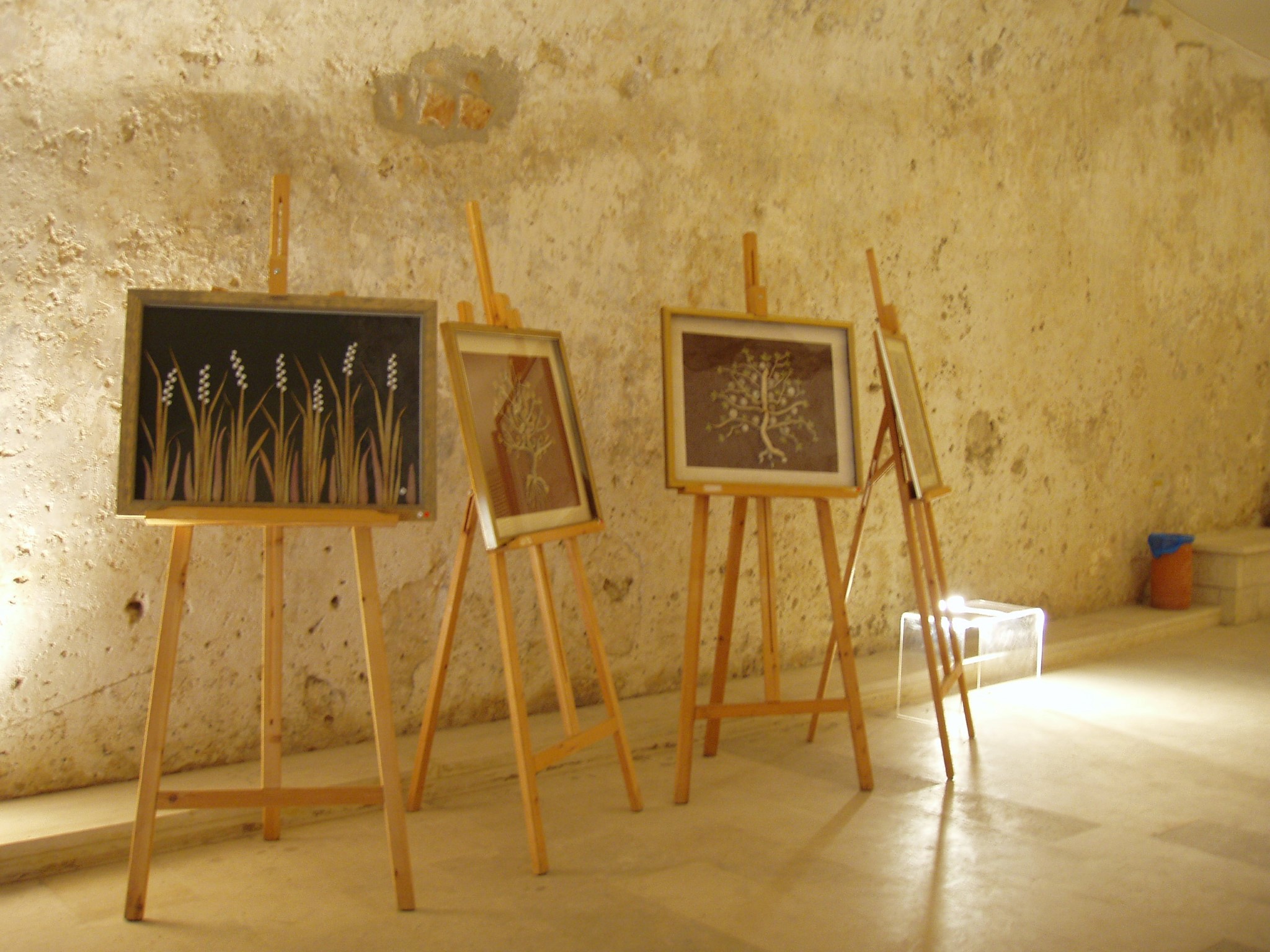
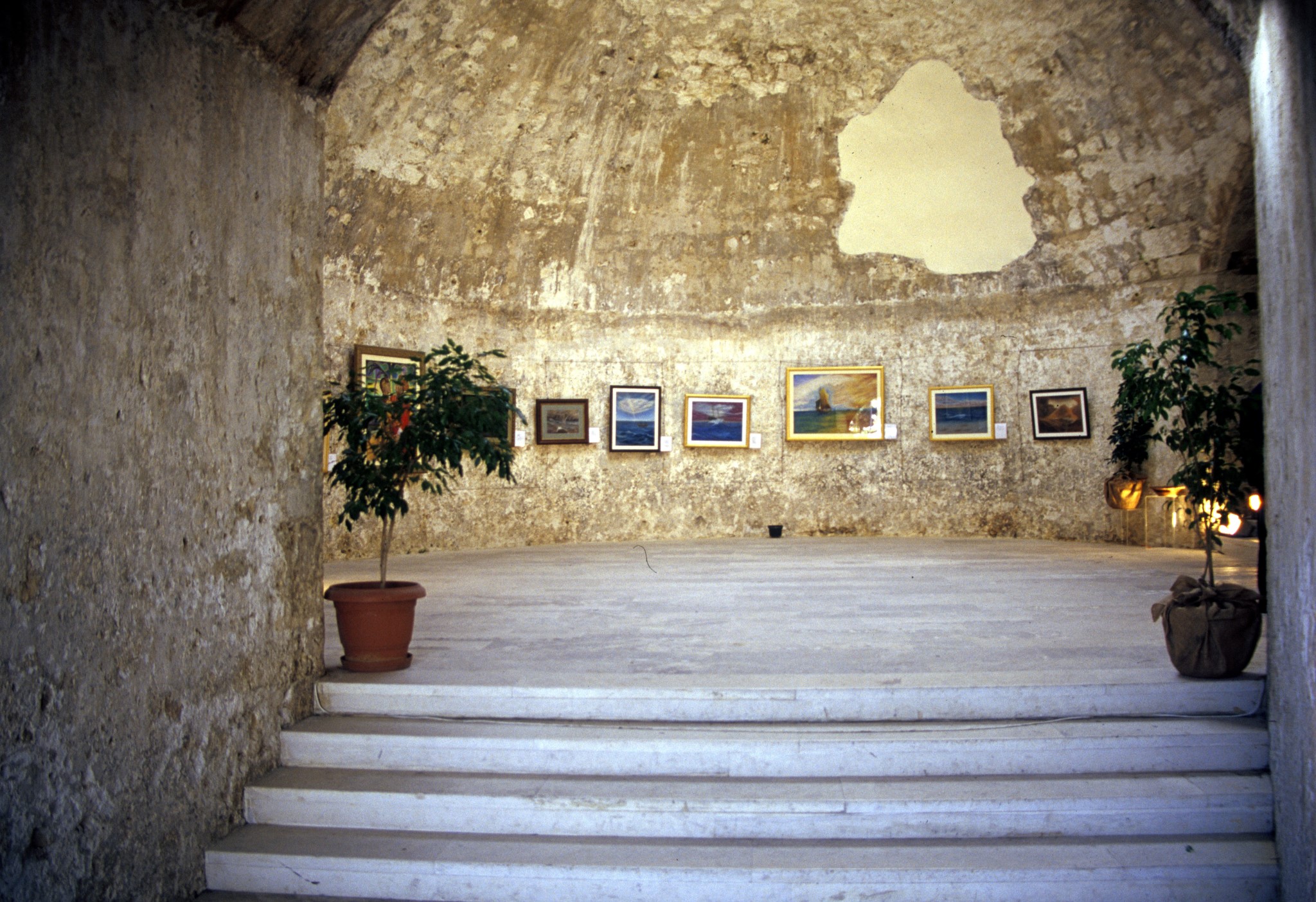
The gate was excavated, restored and reopened during the early 2000s. Since December 2025, it has once again operated as a guarded public passage connecting Eleftherias Square with Ikarou Avenue. The gallery also serves as an exhibition venue, hosting temporary displays of photography, painting and other cultural events.



What is near me?
Additional Info
- Location: Heraklion Prefecture
- Peak Period: Venetian Era (1204 AD - 1669 AD)


