








 Church of Saint Onuphrius in Heraklion Market
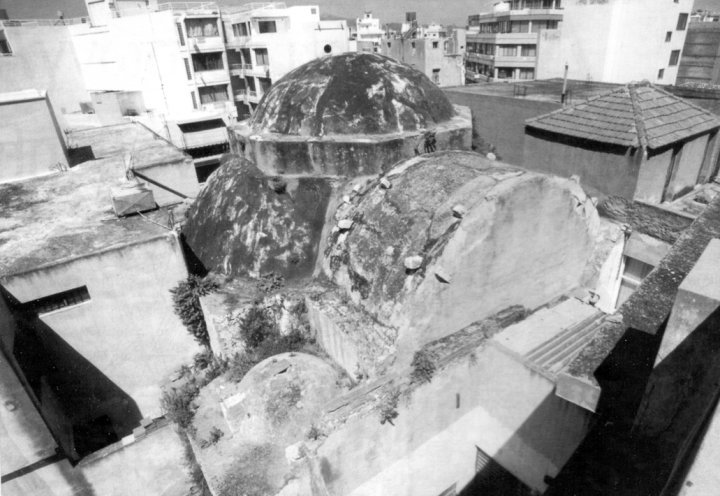
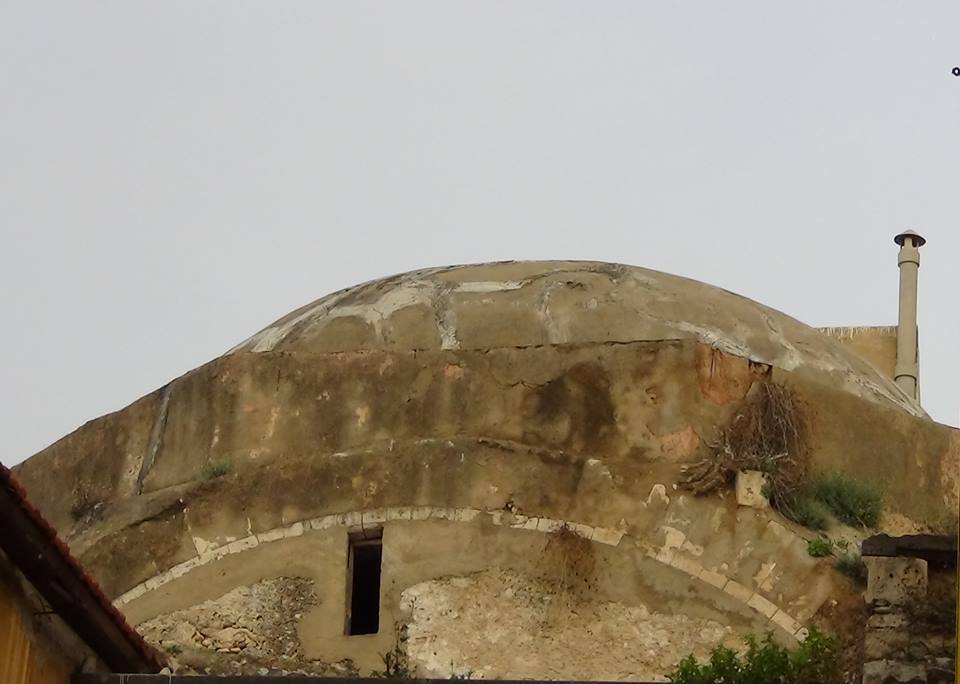
The Church of Saint Onuphrius stands in the central market area of Heraklion, within the city block bordered by 1866, Tsikritzi, Evans and Giannitson streets. It is now almost completely concealed by the shops and apartment buildings constructed around it, while its dome is only partly visible from certain points along the market and from the rooftops of neighbouring buildings.
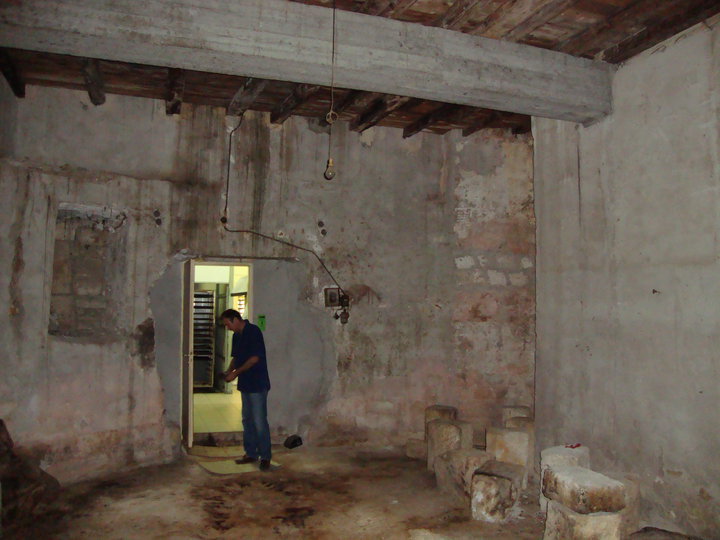
The church is not an organised visitor attraction and has no unrestricted public entrance. Older reports mention that the only surviving passage into its interior was maintained through a shop on Tsikritzi Street. Access, however, was possible only by private arrangement and the passage should not be regarded as an official entrance for visitors.
The earliest known written reference to Saint Onuphrius appears in a 1583 catalogue of the churches of Venetian Candia. It was an Orthodox church associated with the confraternity of Saint Onuphrius, which played a religious and social role in the city during the period of Venetian rule.
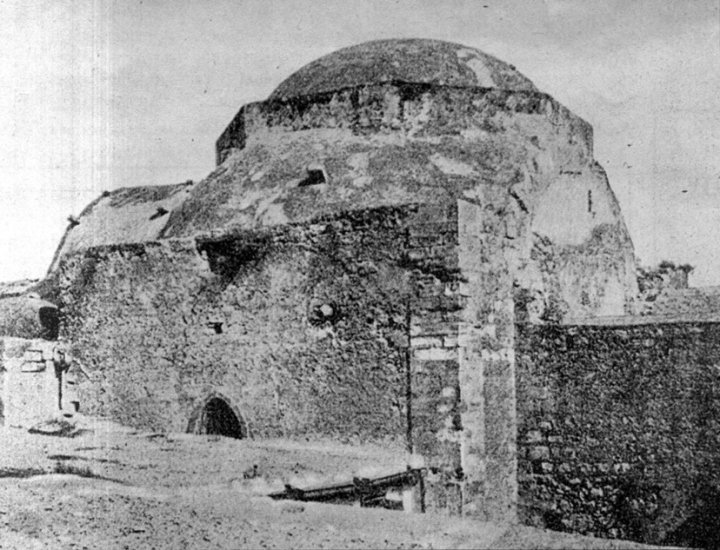
Architecturally, it is a single-nave church with a transverse section of elliptical form on the interior, covered by a dome. The Italian archaeologist Giuseppe Gerola, who documented the monuments of Crete in the early 20th century, recorded its ground plan and photographed the church when it was still largely free of the later buildings that now surround it.
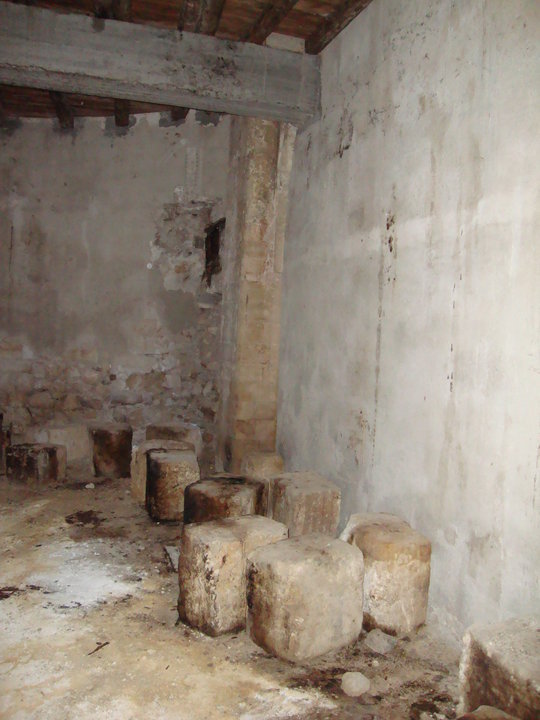
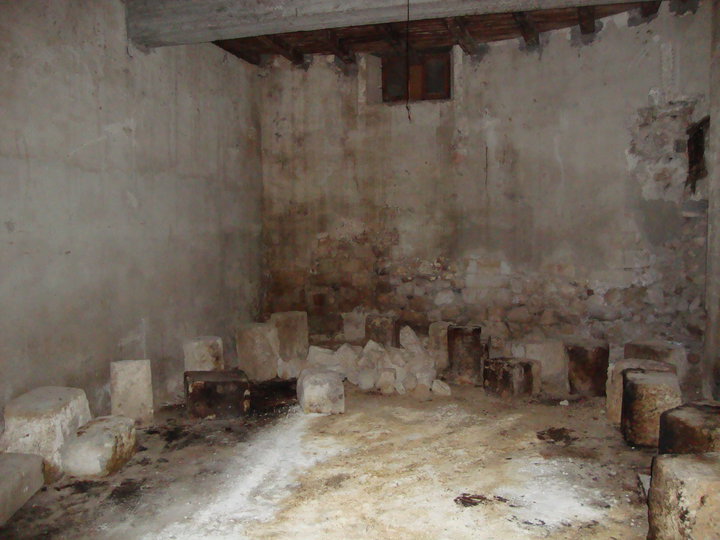
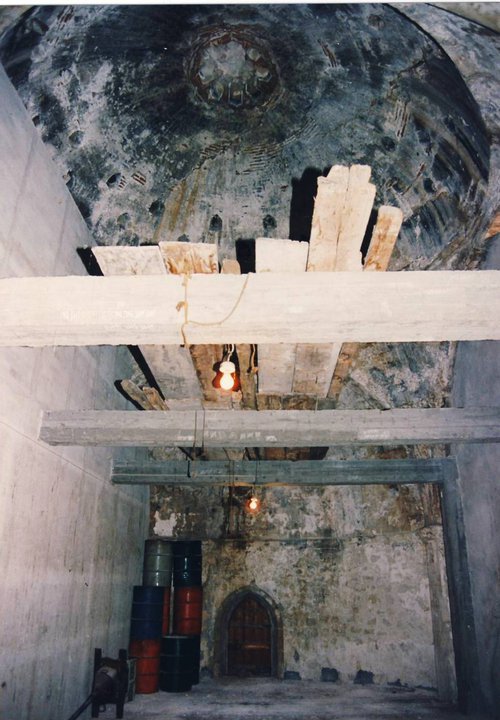
During the Ottoman period, the church was converted into a hammam. Following the departure of the Muslim population and the population exchange, the property passed into private ownership and was used for many years as an olive-oil storehouse. The surrounding district consequently became known locally as the Ladadika, or oil merchants’ quarter.
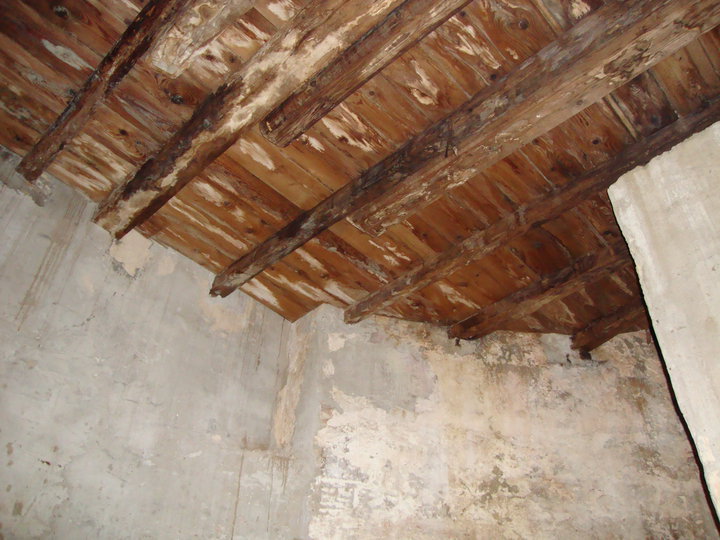
The monument remains enclosed within privately owned properties and has undergone extensive alterations. Its interior was divided both vertically and horizontally through the construction of walls, concrete beams and an intermediate floor, while severe cracks have been recorded in the dome. Despite these interventions, important sections of its original masonry and architectural form survive.
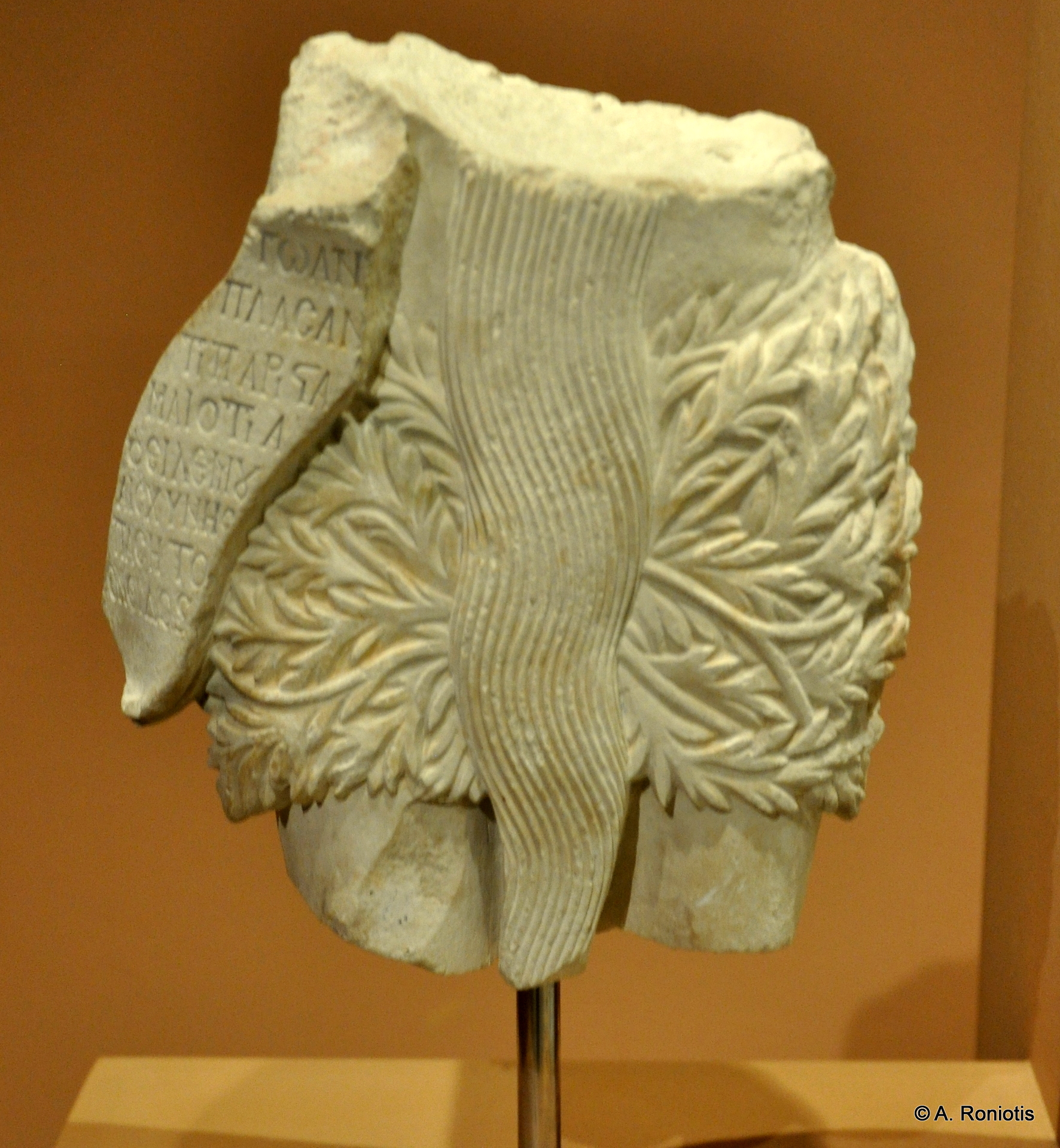
A fragment of a 16th-century limestone statuette of Saint Onuphrius is preserved in the Historical Museum of Crete. It bears a Greek inscription referring to the hermit standing naked before his creator. It has been suggested that the sculpture may once have belonged to this church, although its connection with the monument has not been conclusively established.
The hidden Church of Saint Onuphrius is a characteristic example of the monuments of old Candia that became enclosed within the modern urban fabric. Its restoration and presentation remain particularly difficult because of its ownership status and the dense development that surrounds it.


What is near me?
Additional Info
- Location: Heraklion Prefecture
- Type: Church


