







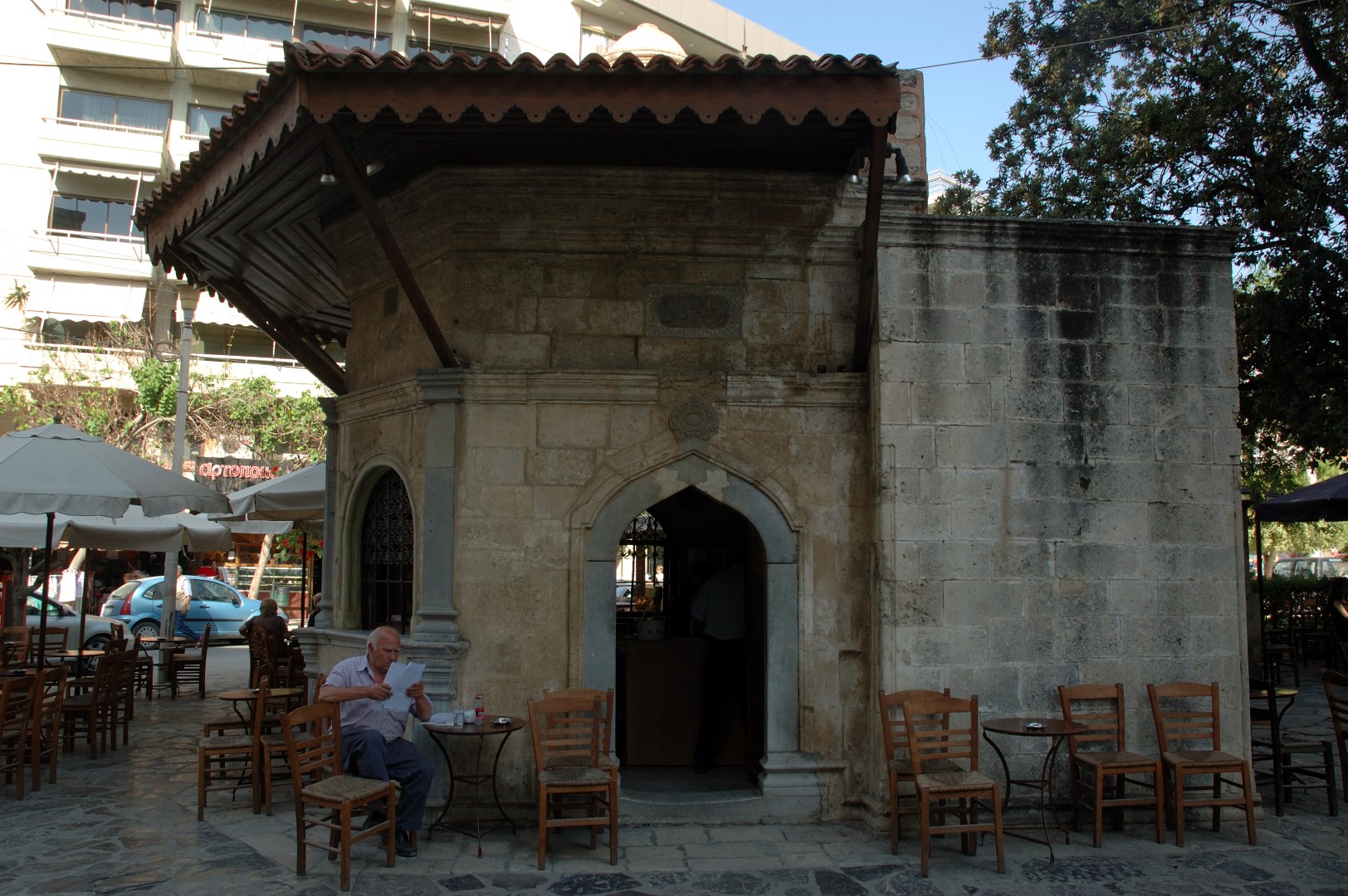
 Haji Ibrahim Agha Sebil at Kornarou Square

During the Ottoman period, several charitable fountains known as sebils were constructed at different locations throughout the Grand Castle of Candia, present-day Heraklion. They provided free drinking water to residents and travellers, while their construction and maintenance were regarded as acts of charity and religious devotion.
The sebil in Kornarou Square was built in 1776 by Haji Ibrahim Agha, the Ottoman governor of Candia, who devoted almost his entire fortune to its construction and maintenance. It is the only complete building of this particular type that survives today in Heraklion.
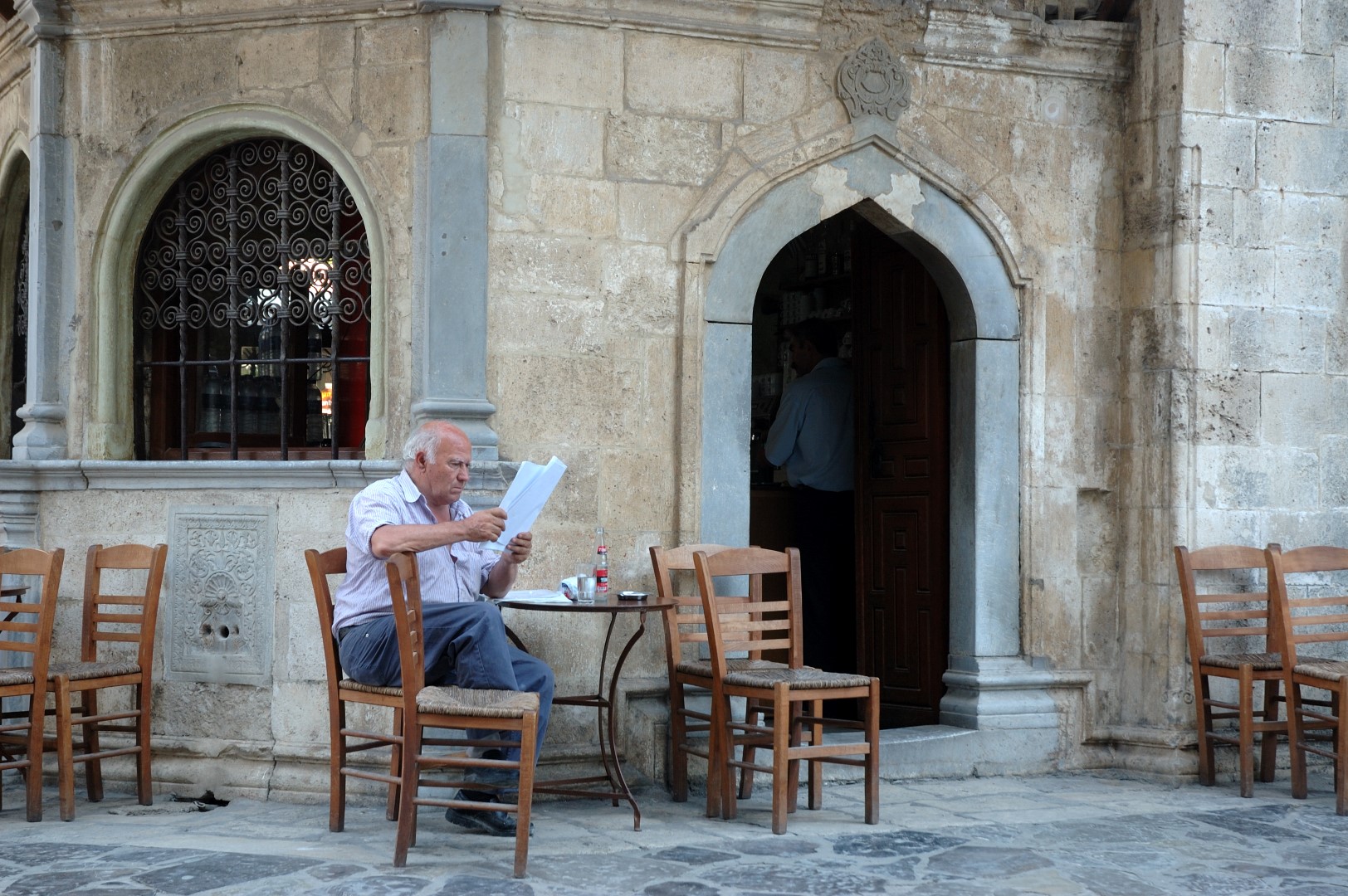
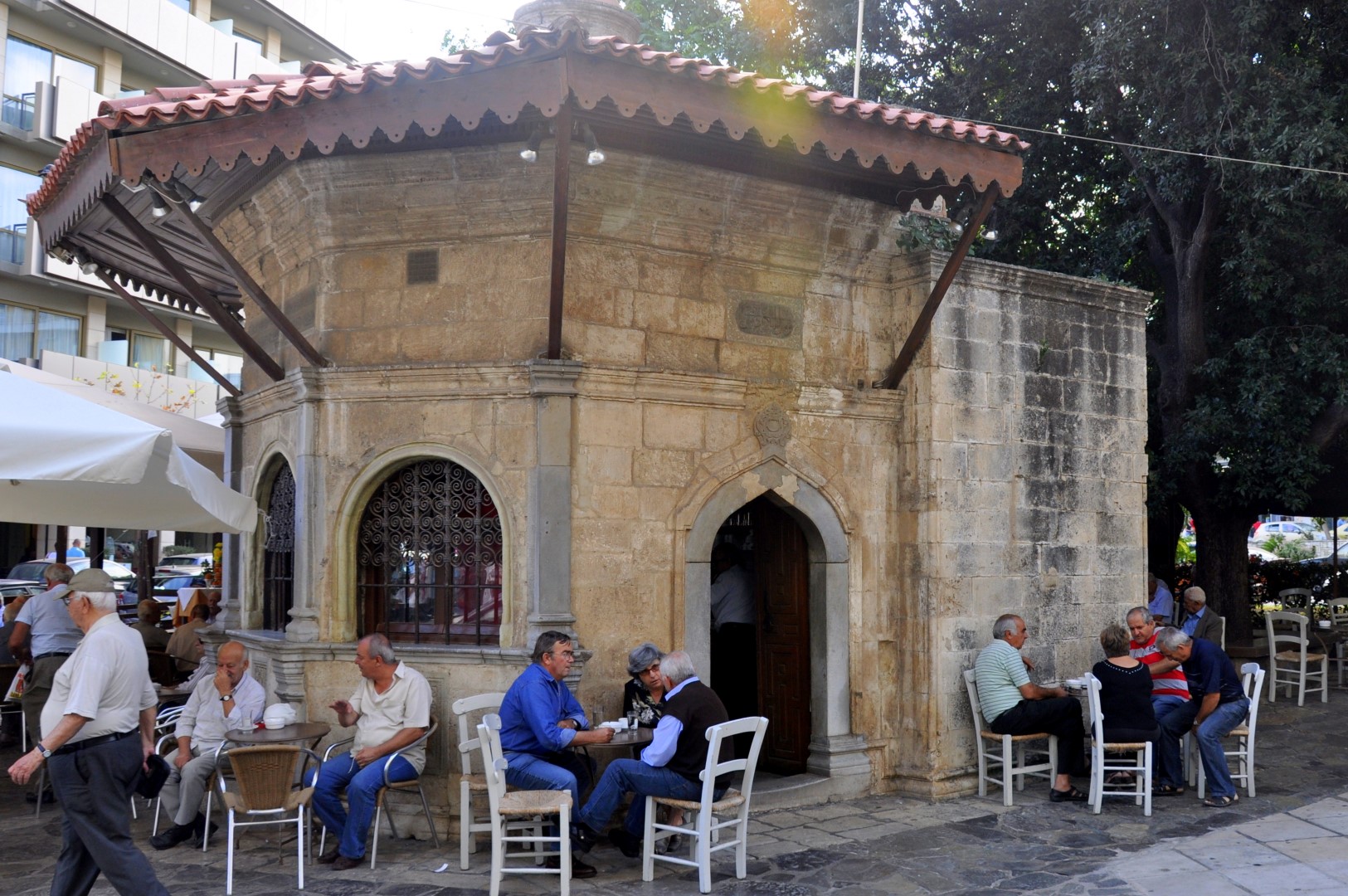
It is an elegant polygonal structure with large arched openings. Beneath each opening was a water tap and a stone basin from which residents and passers-by could collect drinking water. The interior of the building was later used as a municipal coffee house.
During the Ottoman period, present-day Kornarou Square was an important meeting place for the Muslim population of the city. The mosque of the Valide Sultan once stood nearby, while the surrounding area contained numerous coffee houses and commercial establishments.
Immediately beside the Ottoman sebil stands the older Venetian Bembo Fountain. Originating from two different historical periods, the monuments form one of the most distinctive architectural ensembles in the historic centre of Heraklion.
Similar charitable fountains once existed in other parts of Candia, but most were lost during the extensive urban redevelopment and demolitions of the 20th century.


What is near me?
Additional Info
- Location: Heraklion Prefecture
- Accessibility: Paved road
- Peak Period: Ottoman Era (1669 - 1898)


