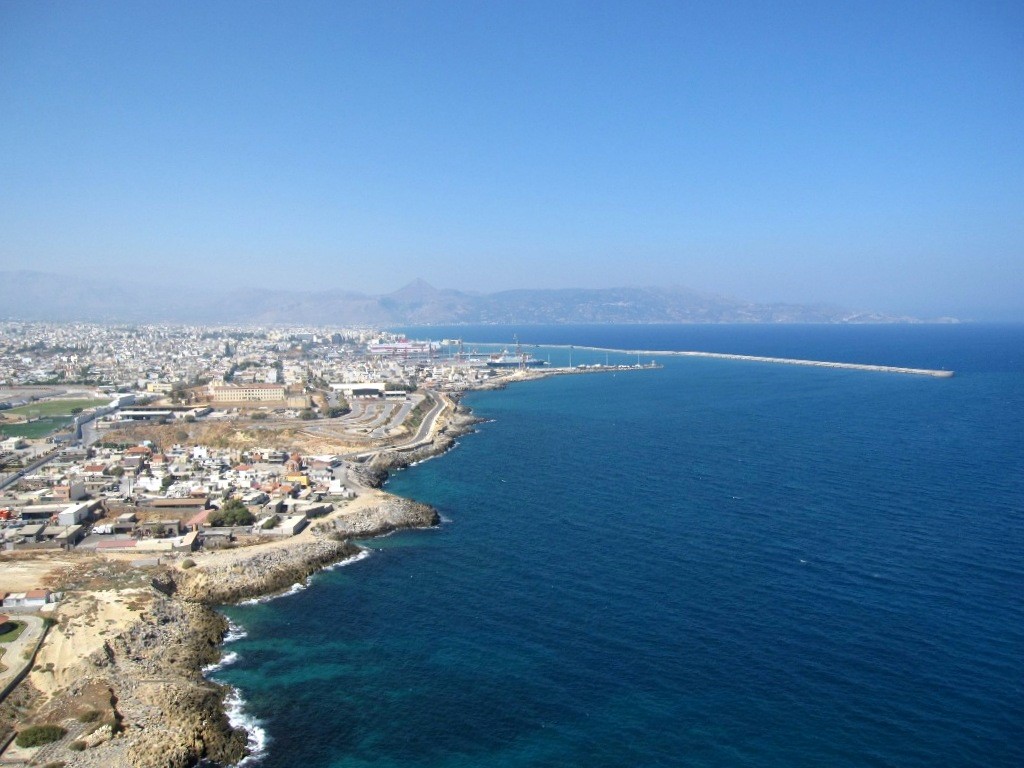
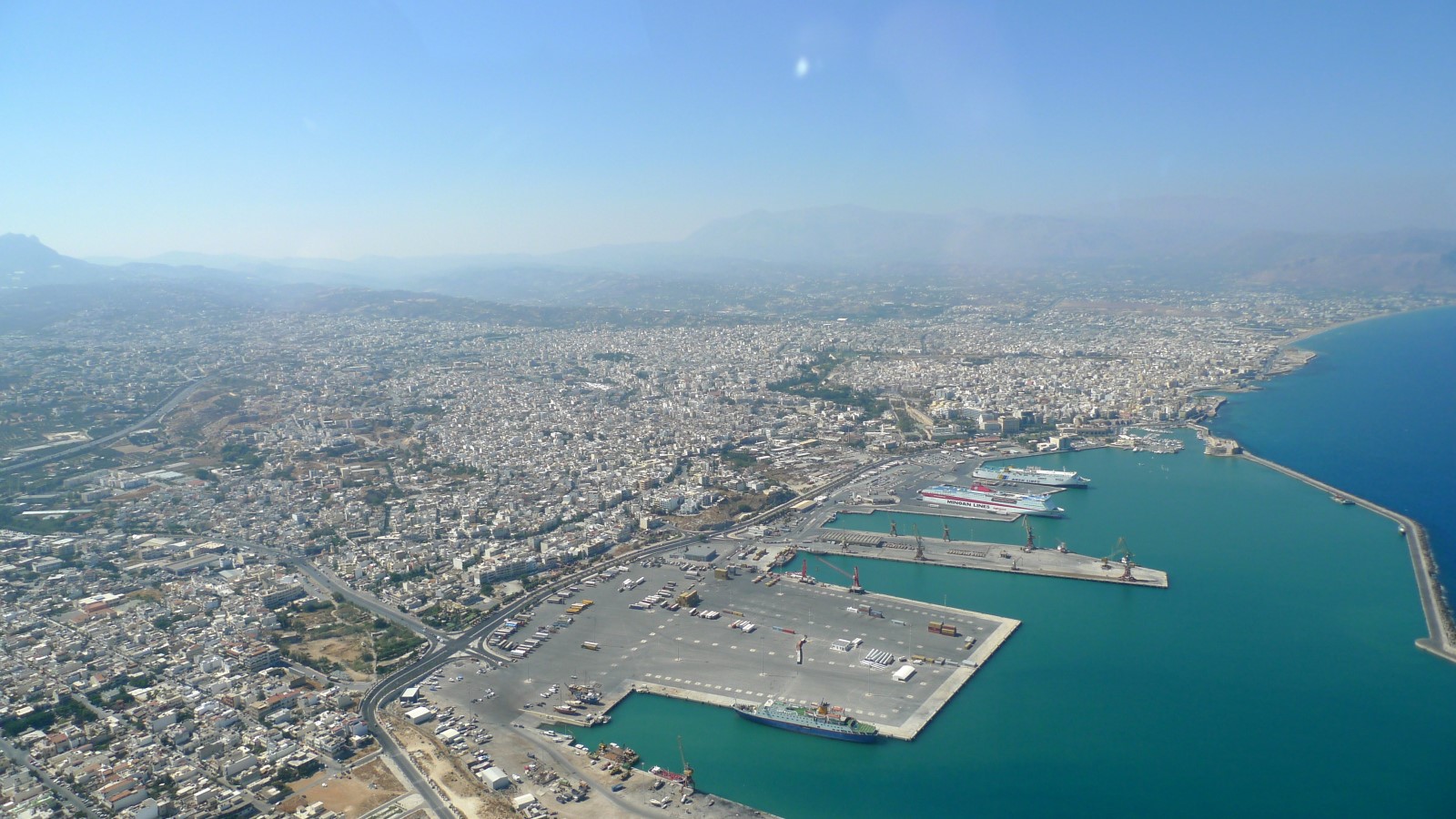
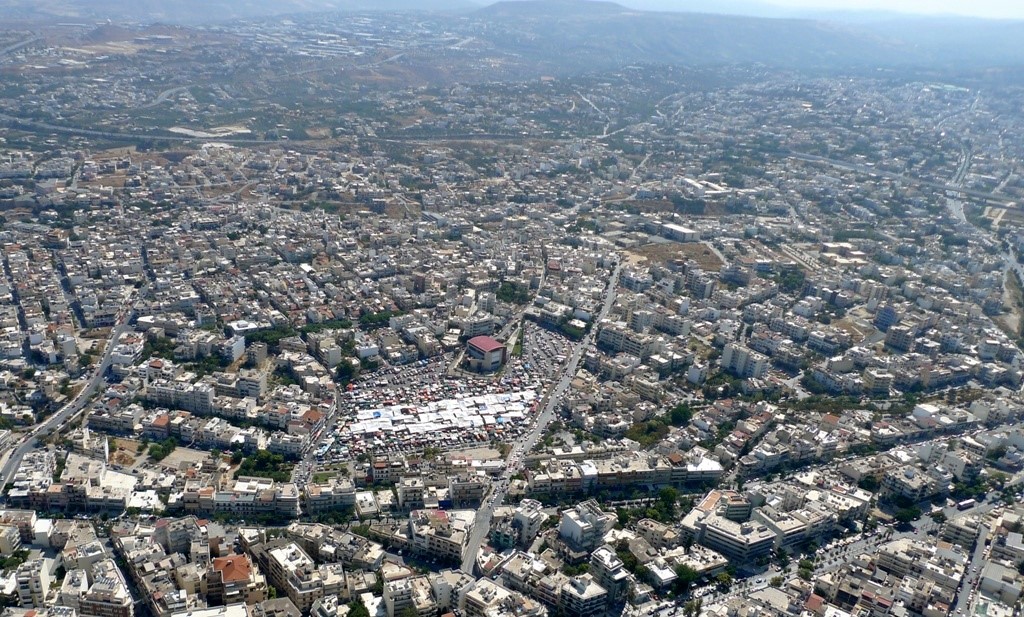
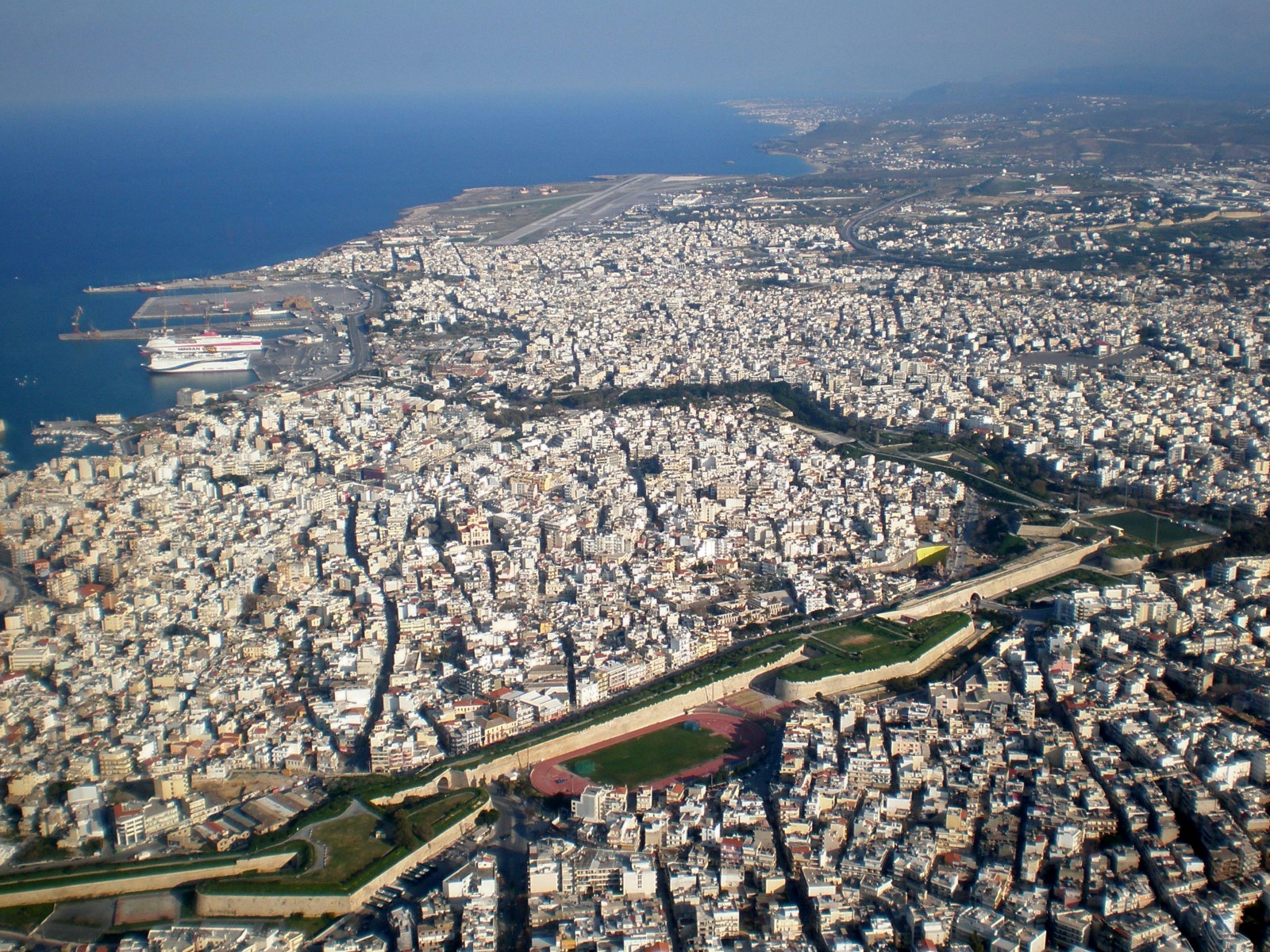
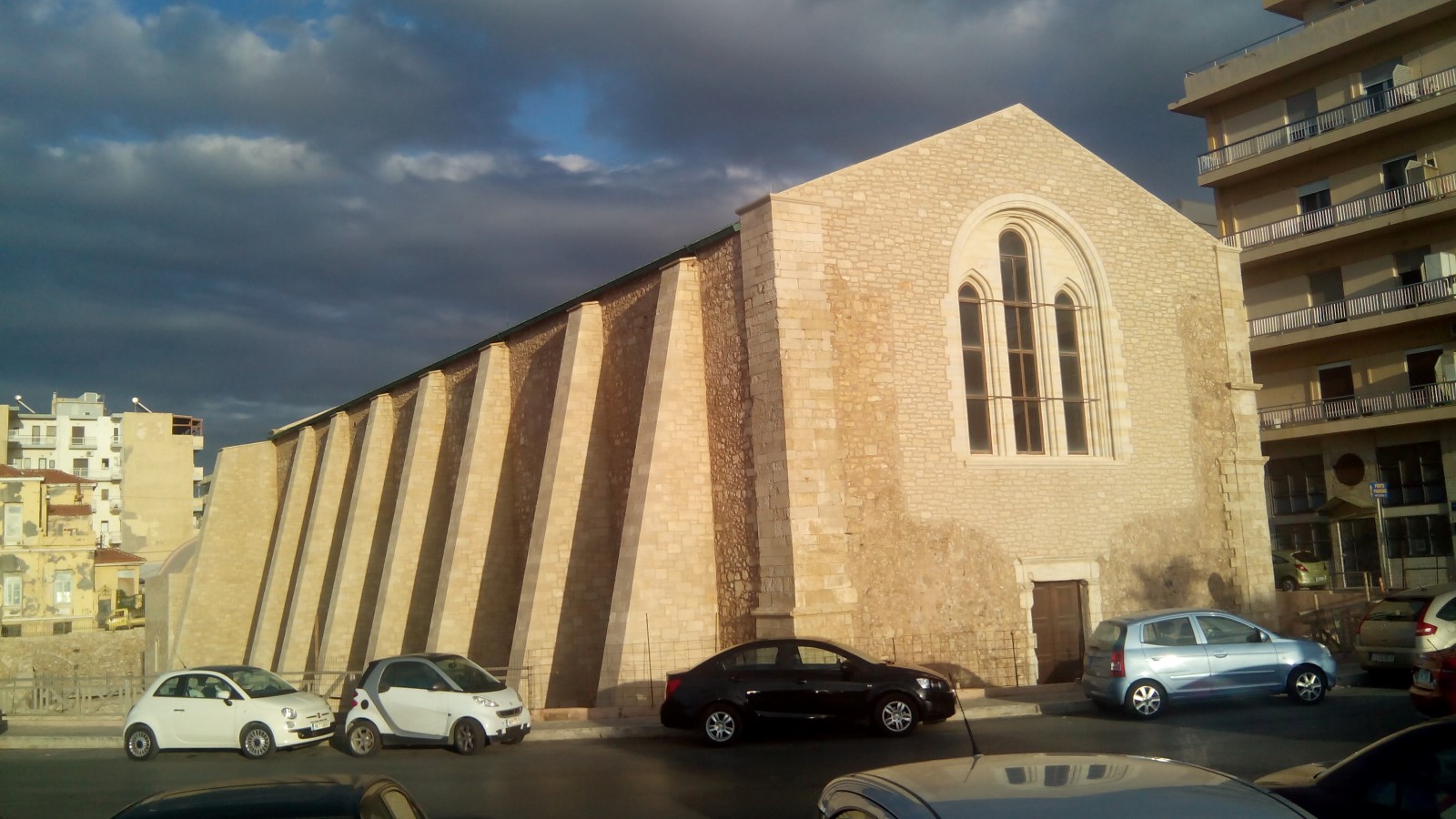
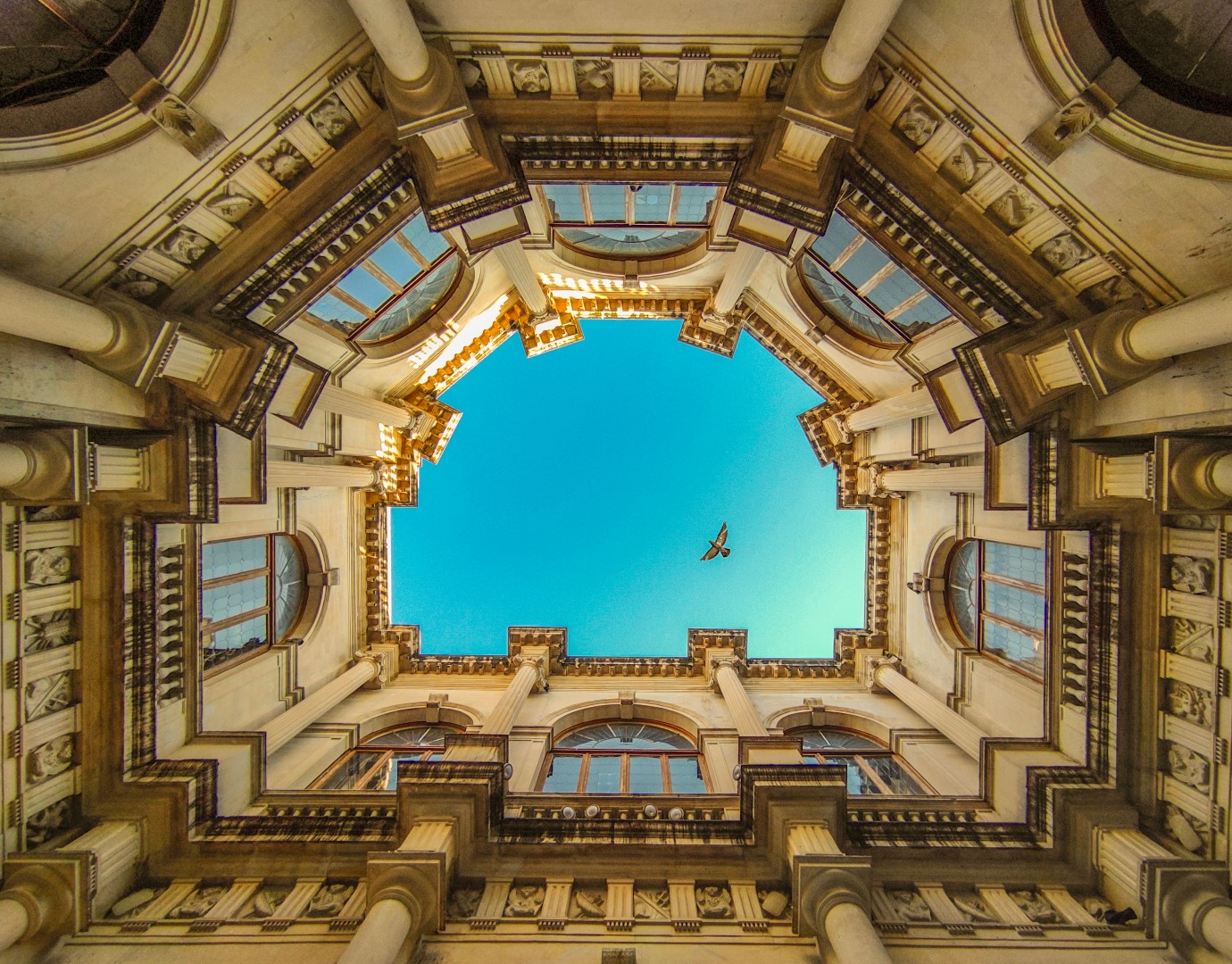
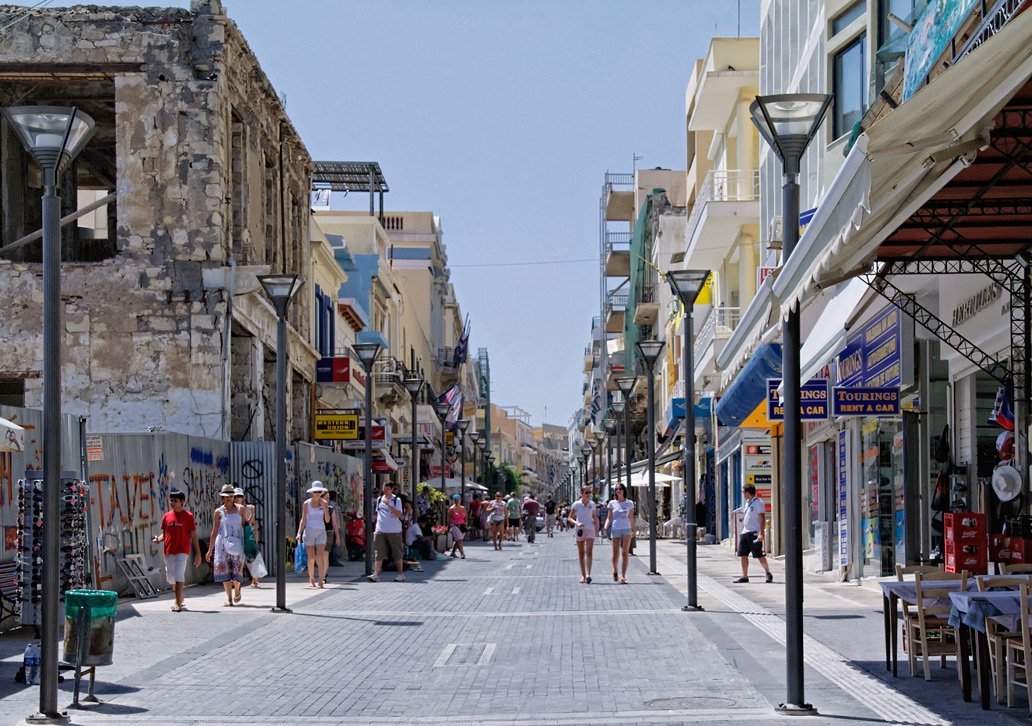
The bustling city of

Heraklion

The Grand Castle

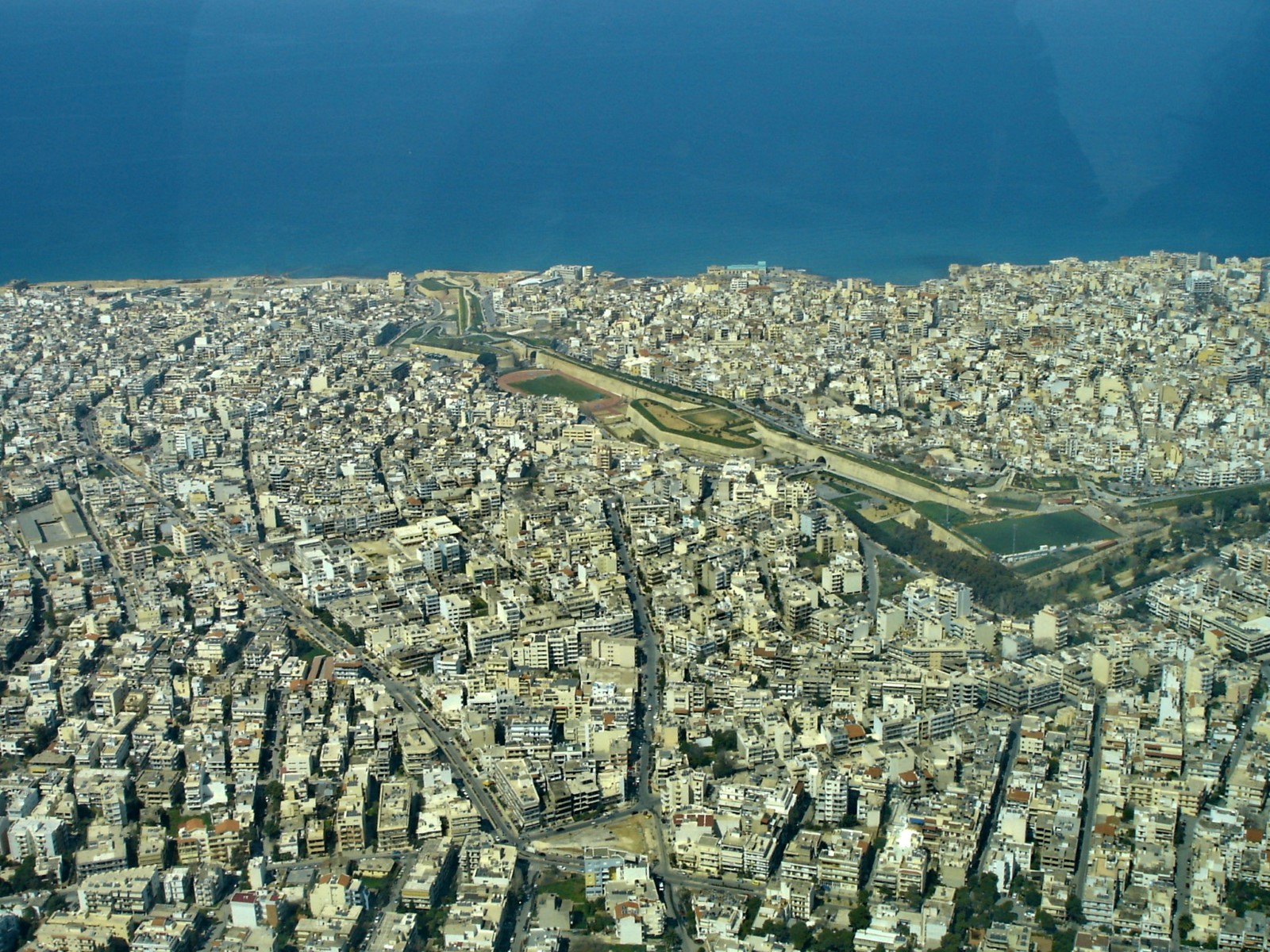
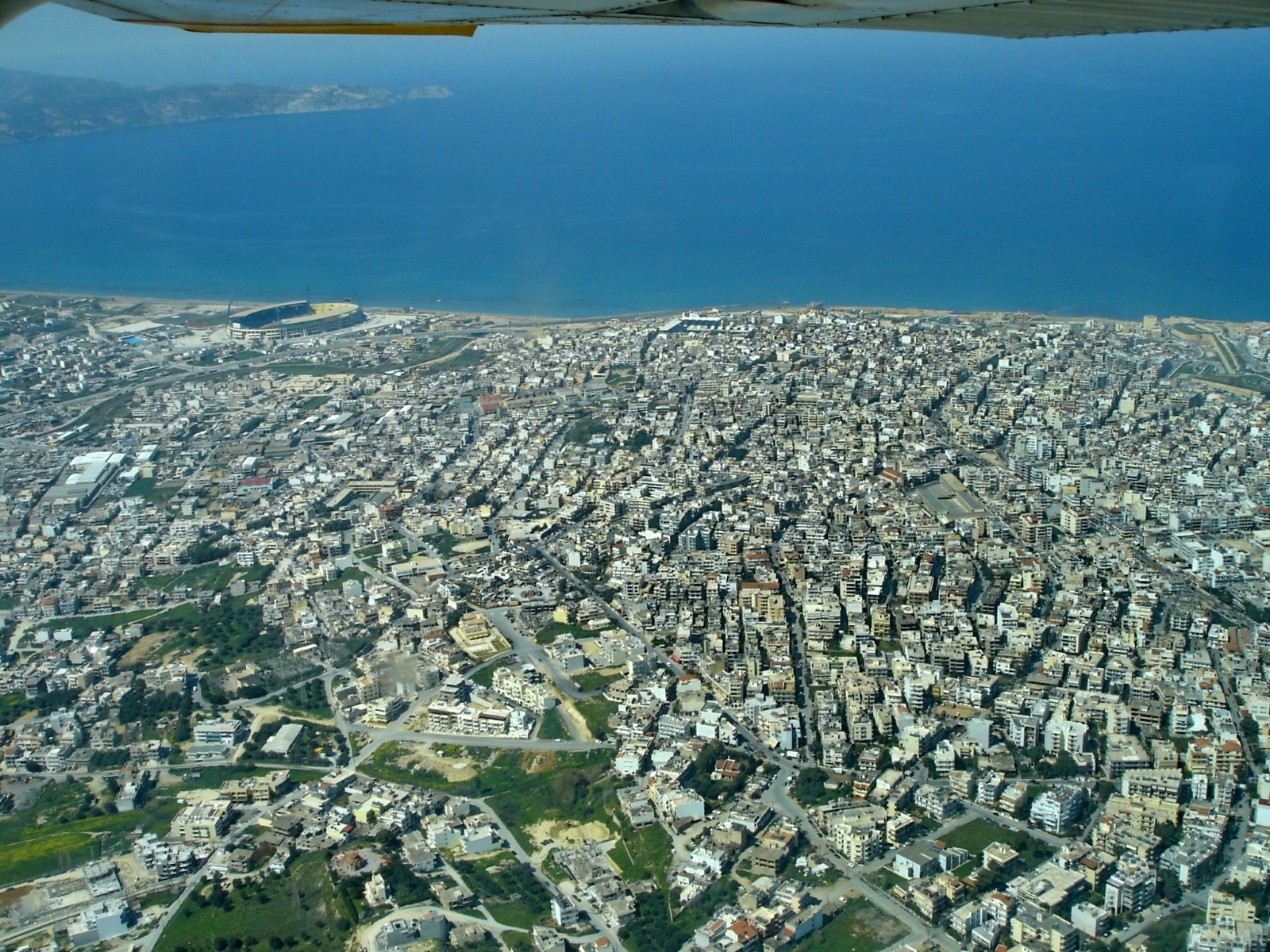
Today it is phenomenically a cement jungle.
However this town preserves some of the features
that made it be the most important Venetian territory
and one of the most historical places in the Mediterranean.

Top 10 attractions | Lion's Square | Knossos Palace | The Venetian Walls | Venetian Port | Museums | Accommodation

Top Selections

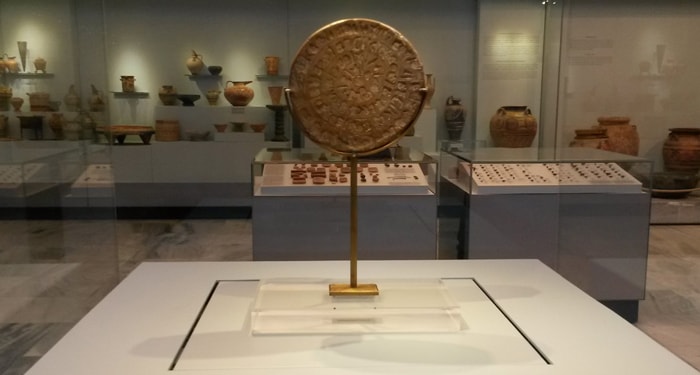
Archaeological Museum of Heraklion

Explore

Top Selections

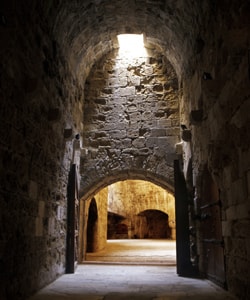
Koules Fort

Explore

Top Selections

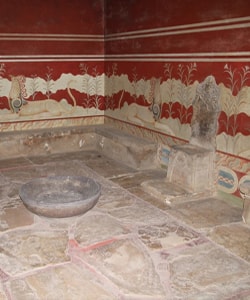
Knossos Palace

Explore

Heraklion city

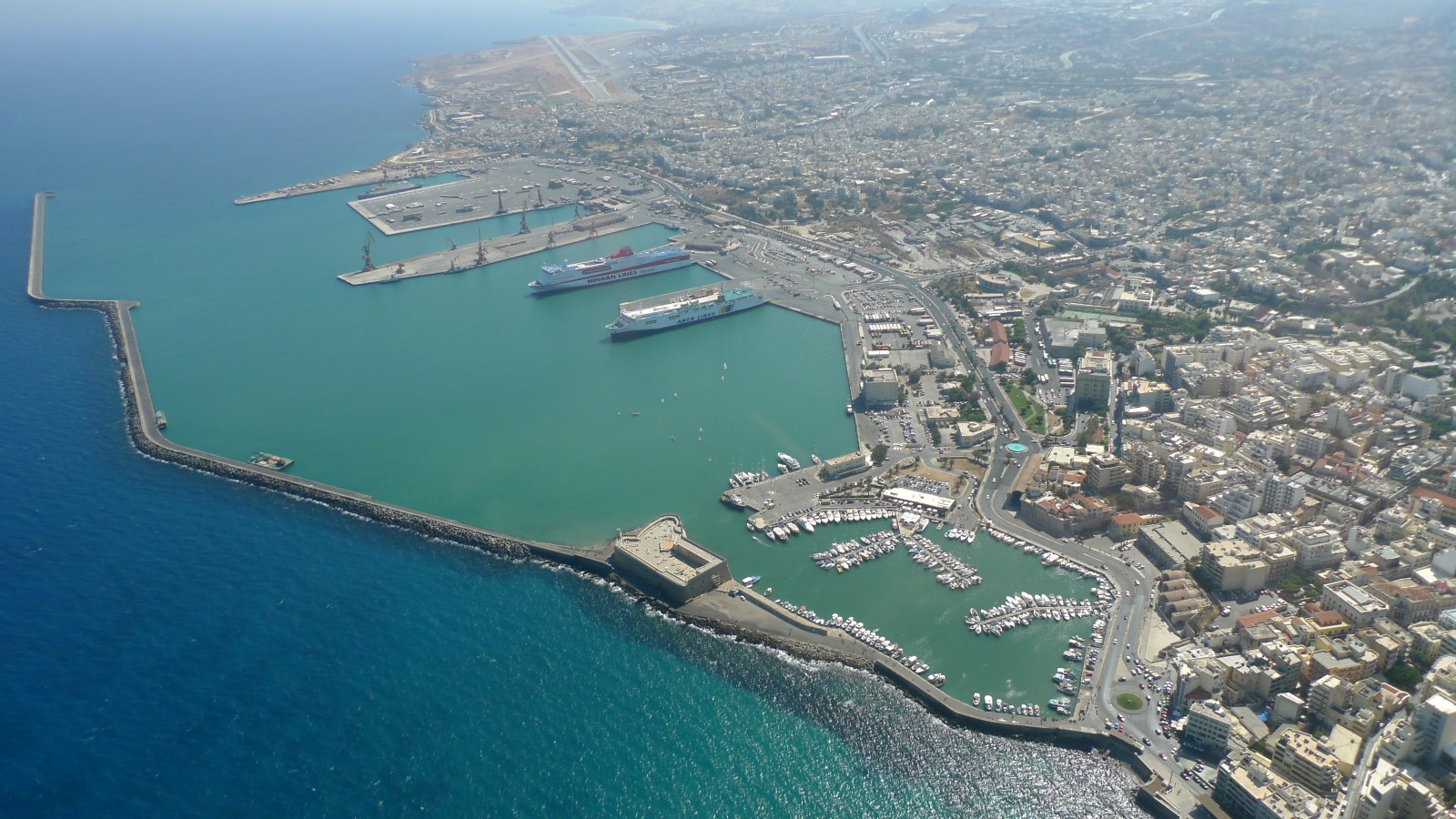
Heraklion is the largest city in Crete and the administrative and economic centre of the island. Its wider urban area has a population of approximately 200,000, while the Municipality of Heraklion recorded 179,302 permanent residents in the 2021 census. The city is home to important public services, universities and major scientific and research institutions, as well as Crete’s principal airport and one of its busiest ports.

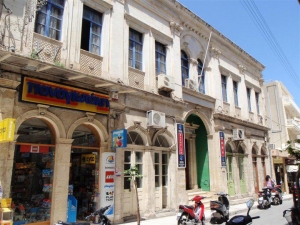
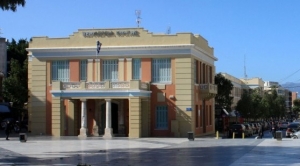
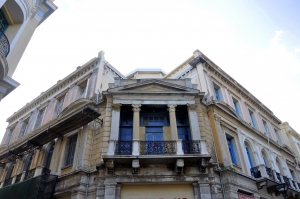
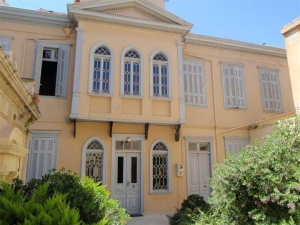
At the beginning of the 20th century, Heraklion still retained much of the appearance of a historic Mediterranean city, with remarkable Venetian, Ottoman and neoclassical buildings. During the following decades, however, rapid population growth and largely unplanned urban development transformed its character. The arrival of refugees after the Asia Minor Catastrophe of 1922 created an urgent need for new housing, while the extensive post-war reconstruction of the city led to the demolition of many old buildings and their replacement by blocks of flats.

Despite these losses, Heraklion still preserves important monuments and neighbourhoods that reveal different aspects of its long history. Visitors can discover traces of its Venetian and Ottoman past, while even local residents may be surprised by the lesser-known corners of the city and the stories hidden behind them.

The history of the area reaches back to the Minoan period, when the coast of present-day Heraklion served as the port of the great city and palace of Knossos. A small fortified settlement continued to exist during the Byzantine period, but the foundations of the medieval city were laid after Crete was conquered by Andalusian Arabs in 824. They developed the settlement into the fortified city of Rabḍ al-Khandaq, meaning the Castle of the Moat, from which the later names Chandax and Candia originated.

After the Byzantine reconquest of Crete in 961, the city became known locally as Kastro and later as Megalo Kastro, meaning the Great Castle. During Venetian rule it developed into Candia, the fortified capital of the Kingdom of Crete and one of the most important cities of the eastern Mediterranean. The Ottomans called it Kandiye, while the old name Heraklion was gradually revived during the 19th century and had entered official use before the end of Ottoman rule.

Stay nearby Find accommodation in the area

Nearby places of interest

Straight-line distances

The History of Heraklion

The History of Heraklion

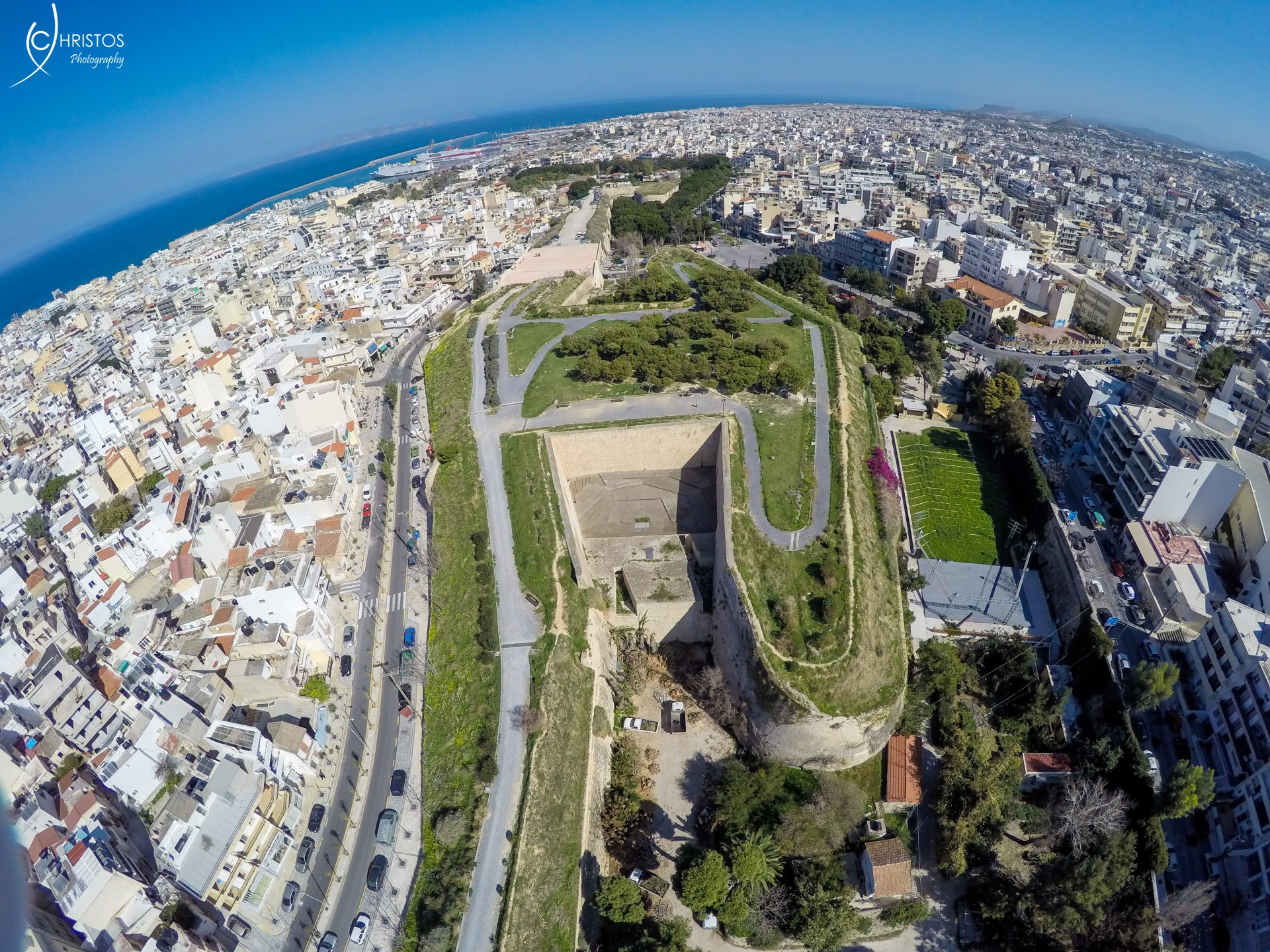
The area occupied by the modern city of Heraklion was inhabited from antiquity. Archaeological finds around the present Venetian harbour indicate the presence of a settlement from the late second millennium BC. The wider coastal area was associated with Knossos and served as one of its ports, although the precise location of ancient Heraklion has not been identified with complete certainty. Byzantine and Arab periods During the First Byzantine Period, a small fortified settlement known as Kastro stood near the harbour. Remains of its early Byzantine fortifications have been discovered close to the port and within the historical centre of Heraklion. Between 824 and 827, Crete was conquered by Andalusian Arab exiles led by Abu Hafs Umar, known in Byzantine sources as Apochapsis. The new rulers selected the small coastal stronghold as the capital of the Emirate of Crete. The island’s former administrative centre, Gortyn, consequently lost its central role. The Arabs strongly fortified the new city and excavated a deep moat around it. This gave rise to the name Rabḍ al-Khandaq, meaning Castle of the Moat, which later became Chandax in Greek. The Arab walls followed approximately the line from the present Heraklion Archaeological Museum towards Daidalou and Handakos streets before reaching the sea. Chandax developed into an important port and a powerful base for the Arab fleet in the eastern Mediterranean. The Byzantines launched several unsuccessful campaigns to recover Crete. In 960, a major expedition was organised under the general Nikephoros Phokas. Following a lengthy siege, Chandax was captured in March 961 and Crete was restored to the Byzantine Empire. The fortifications suffered extensive damage during the conquest. Nikephoros Phokas attempted to establish a safer administrative centre inland, in the area of Temenos, near modern Profitis Ilias. The population gradually returned to Chandax, however, and the Byzantines repaired or rebuilt its defences over the remains of the Arab walls. One of the main gates stood near the present Aktarika building, close to the Morosini Fountain. During Venetian rule it became known as the Voltone, or Great Arch. The Byzantines also strengthened Crete’s wider defensive network and settled soldiers and populations from different parts of the empire on the island. {gallery}stories/towns/heraklion/arabwalls{/gallery} The Venetian fortifications of Candia Following the capture of Constantinople by the Fourth Crusade in 1204, sovereignty over Crete was transferred to the Republic of Venice. Before the Venetians could establish themselves, the Genoese adventurer Enrico Pescatore occupied important positions on the island and fortified Chandax and several other strongholds. After a period of conflict with the Genoese, Venice effectively established its rule in 1211. The Venetians called the city Candia and made it the capital of the Regno di Candia, the Kingdom of Crete. At first they repaired and adapted the earlier Byzantine walls, which enclosed a relatively small area around the harbour. The medieval wall began near present-day Bentenaki, followed approximately the modern streets of Handakos and Daidalou and returned to the port. Numerous uprisings challenged Venetian rule during its first centuries. Among the most important were the revolt of Alexios Kallergis between 1282 and 1299 and the Revolt of Saint Titus between 1363 and 1366. The latter was initiated by Venetian feudal lords on Crete and supported by part of the local population, but was eventually suppressed by Venice. The spread of gunpowder and artillery, the continuous growth of the suburbs and the increasing Ottoman threat made a new defensive enclosure necessary. Work on the new walls began in 1462 and continued for more than a century, with improvements still being made during the Ottoman siege. Several important Venetian military engineers contributed to their design, including Michele Sanmicheli. Thousands of Cretans worked on the fortifications, often through compulsory unpaid labour, while construction materials were brought from local quarries and ancient ruins. The new enclosure was approximately triangular, with its base facing the sea, and surrounded both the old city and much of its suburbs. Its landward section extends for more than four kilometres and was protected by a wide moat, outer defensive works and detached forts. {gallery}stories/towns/heraklion/walls{/gallery} The bastions The landward walls were strengthened by seven large bastions. These low, broad structures were designed for the use of artillery and allowed the defenders to cover both the ground in front of the walls and the neighbouring sections of the fortifications. At the northeastern end stood the Sabbionara or Sand Bastion, together with the Zane cavalier. Further south, near the present Kapetanakio School, stands the Vitturi Bastion. Beside the Jesus Gate, today’s Kenourgia Porta, stood the Jesus Bastion. At the southern apex of the enclosure is the Martinengo Bastion, the largest of the seven and the site of the tomb of Nikos Kazantzakis. To the southwest lies the Bethlehem Bastion, near Kommeno Benteni. Beside the Pantokrator Gate or Chanioporta stands the Pantokrator Bastion. At the northwestern end of the landward defences lies the Saint Andrew Bastion, one of the most vulnerable points during the Ottoman siege. Vaulted galleries, gunpowder magazines, barracks and other military facilities were constructed within the walls and behind the bastions. At the entrance to the harbour, the Venetians replaced an earlier fortress with the new Rocca a Mare, the present Koules Fortress. Completed during the first half of the 16th century, it still dominates the Venetian harbour. The siege and the Ottoman period The Ottoman campaign to conquer Crete began in 1645. By 1648, Ottoman forces controlled most of the island and commenced the systematic siege of Candia. The city resisted from May 1648 until September 1669, making it one of the longest sieges in recorded history. The fiercest assaults concentrated on the Saint Andrew and Sabbionara bastions. The Venetian-Cretan engineer Andrea Barozzi was accused of revealing weak points in the defences to the Ottomans, although it is uncertain whether his actions played a decisive role in the city’s fall. Following enormous losses and the exhaustion of the defenders, the commander Francesco Morosini negotiated the surrender of Candia in September 1669. The Ottomans repaired and reused the Venetian fortifications, adapting them to their own military requirements. They also gave Turkish names to several monuments: the Jesus Gate became Yeni Kapı, meaning New Gate, Dermatas Gate became Kum Kapısı, while Rocca a Mare gradually became known as Koules. During the long Ottoman period, the walls were repaired or neglected according to military needs. Today the Venetian Walls of Heraklion, together with Koules Fortress, the gates, galleries and moat, form one of the most important and best-preserved Renaissance defensive complexes in the Mediterranean.

Read more ...

Museums and exhibition venues in Heraklion

Museums and exhibition venues in Heraklion

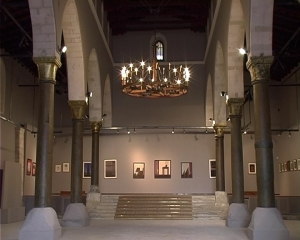
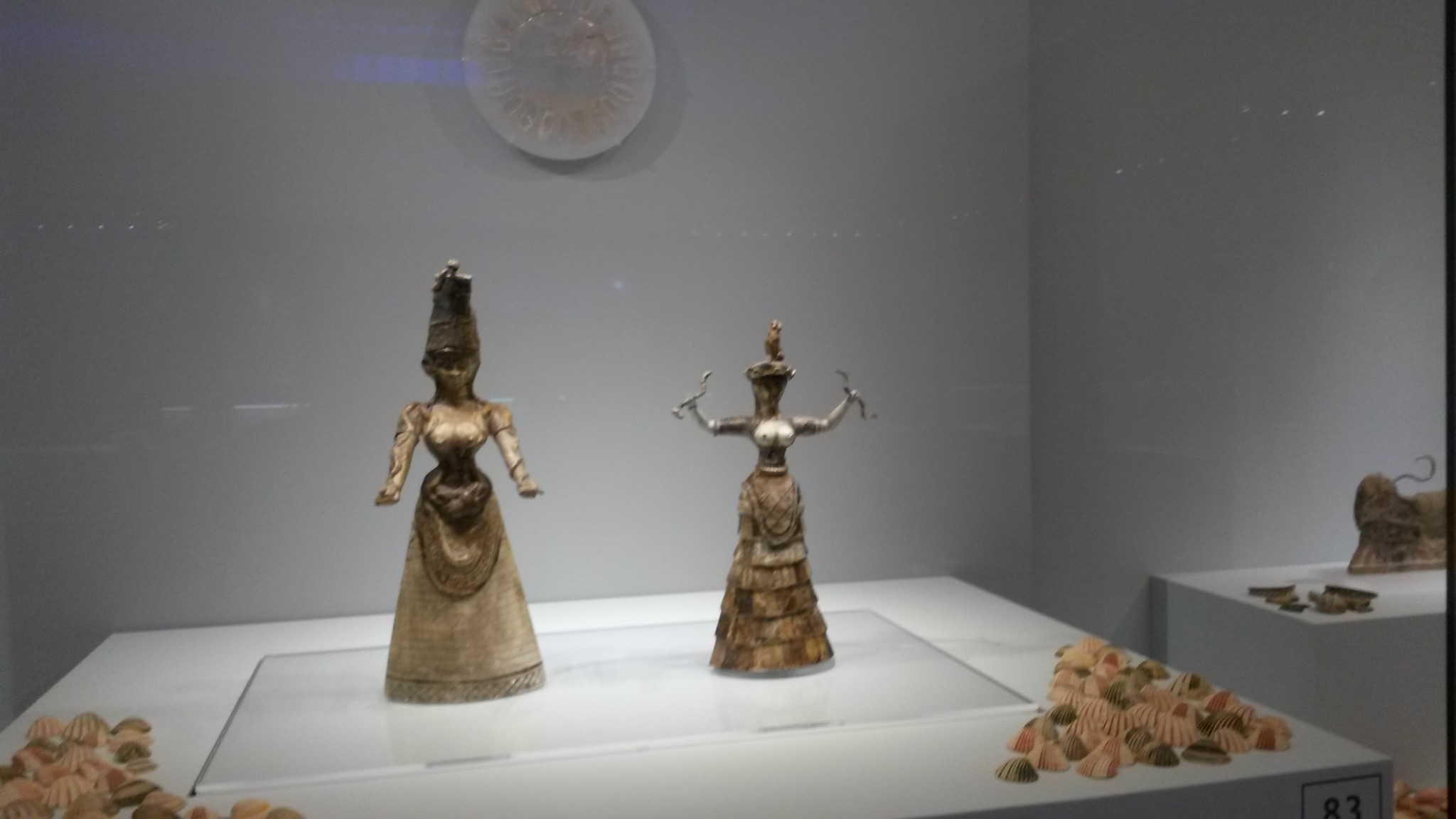
As the largest city and administrative centre of Crete, Heraklion is home to some of the island’s most important museums. Their collections cover almost the entire history and natural environment of Crete, from the Minoan and Byzantine periods to modern history and the natural heritage of the eastern Mediterranean. The Heraklion Archaeological Museum houses the world’s most important collection of artefacts from the Minoan civilisation, together with finds dating from the Neolithic to the Roman period. The Historical Museum of Crete presents the island’s history from the early Christian centuries to modern times, with collections relating to Venetian and Ottoman rule, the Cretan revolutions and the Second World War. Das Naturhistorische Museum von Kreta stellt die Ökosysteme, die Geologie und die Artenvielfalt Kretas und des östlichen Mittelmeerraums vor. Neben der Kathedrale Agios Minas befindet sich in der historischen Kirche Agia Ekaterini der Sinaiten das Museum für christliche Kunst. Unter den Ikonen, Handschriften und Kirchenschätzen ragen die auf Holz gemalten Ikonen von Michael Damaskinos hervor. In Heraklion gibt es auch Kunsthäuser mit Dauer- und Wechselausstellungen. Die Markusbasilika am Löwenplatz ist einer der Ausstellungsorte der Städtischen Galerie von Heraklion. Das Museum für Bildende Kunst von Heraklion zeigt vor allem Werke zeitgenössischer kretischer Künstlerinnen und Künstler.

Read more ...

Religious Monuments of Heraklion

Religious Monuments of Heraklion

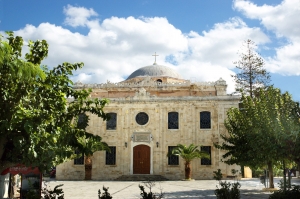
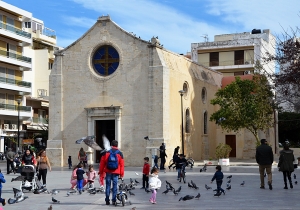
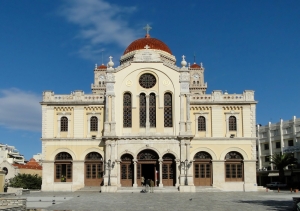
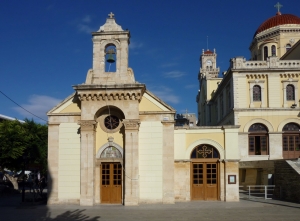
As the capital of Crete for many centuries, Heraklion developed into an important religious centre with numerous churches, monasteries and convents. During the Venetian period in particular, Orthodox and Catholic churches, monasteries belonging to different religious orders and important ecclesiastical schools were founded in Candia. During the Second Byzantine Period, the Church of Saint Titus served as the seat of the Orthodox Archdiocese of Crete. Under Venetian rule it became the seat of the Latin archbishop, and in the Ottoman period it was used as a mosque. The present building was erected in 1869 as the Yeni Mosque, following the earthquake of 1856, and was returned to Christian worship after the population exchange. Saint Catherine of Sinai was an important centre of education and ecclesiastical art, with a school that operated here under Venetian rule. Today the church houses the Museum of Christian Art. Among its icons and ecclesiastical treasures are the panel icons of Michael Damaskinos. On Lions Square, the Basilica of Saint Mark now serves as an exhibition venue for the Municipal Art Gallery. Near the waterfront stands the Church of Saints Peter and Paul, which once belonged to the Dominican monastery. On Saint Minas Square, the old Church of Saint Minas and Pantanassa stands beside the newer Cathedral of Saint Minas, inaugurated in 1895. Following the Ottoman conquest of Candia in 1669, many Christian churches were converted into mosques and monastic buildings were given new uses. Some monuments were returned to Christian worship after the departure of the Muslim population, while others now serve as museums and cultural venues. Many important religious buildings have not survived. Particularly during the first decades of the 20th century, old churches, minarets and monastic remains were demolished as the city expanded and modernised. The monuments that survive today provide valuable evidence of the Byzantine, Venetian and Ottoman history of Heraklion. Heraklion is now the seat of the Archdiocese of Crete. The Church of Crete has a semi-autonomous status and remains under the canonical jurisdiction of the Ecumenical Patriarchate of Constantinople.

Read more ...

Historical Monuments of Heraklion

Historical Monuments of Heraklion

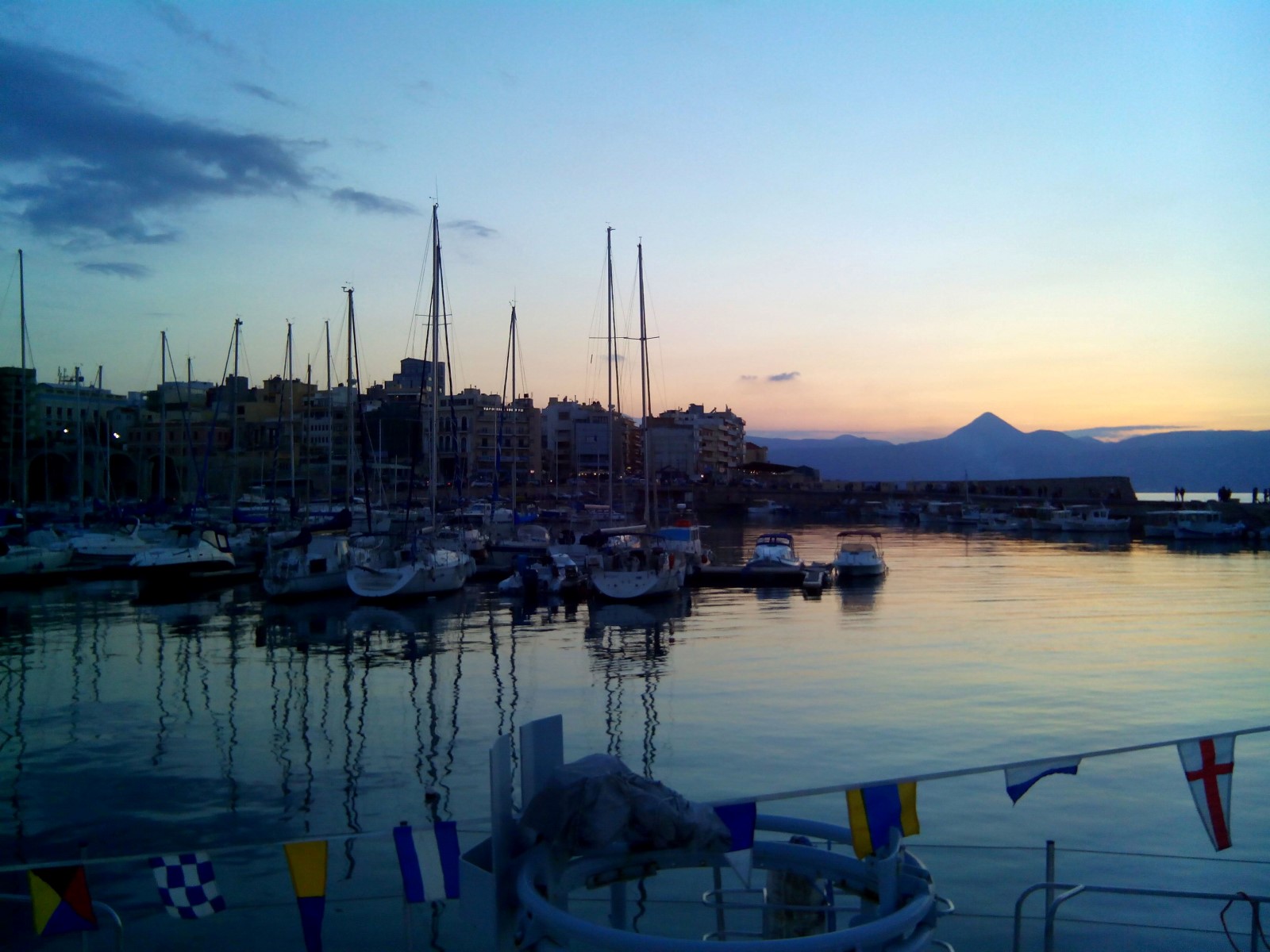
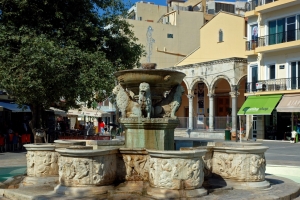
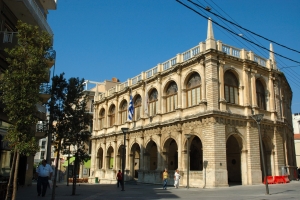
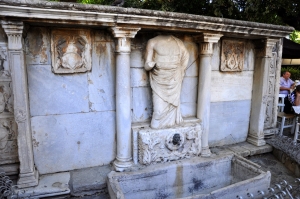
Heraklion preserves important monuments from its long history, particularly from the periods of Venetian and Ottoman rule. Its historical centre is easily explored on foot, as most of the principal sights lie within a short distance of one another. The city’s most imposing monumental complex is formed by the Venetian Walls, with their massive bastions, moat, military galleries and historical gates. The tomb of Nikos Kazantzakis stands on the Martinengo Bastion, while the highest sections of the walls offer extensive views over the modern city. At the heart of the historic centre stand the Venetian Loggia, now home to the Town Hall, and the Morosini Fountain in Lions Square. 25th August Street, the former Venetian Ruga Maistra, leads down to the harbour past neoclassical buildings and historic landmarks. The Bembo Fountain in Kornarou Square is another stop for anyone exploring Heraklion’s historic fountains. The city’s religious monuments include the Basilica of Saint Mark, now an exhibition venue for the Municipal Art Gallery, the Church of Saint Titus, the Cathedral of Saint Minas, Saint Catherine of Sinai and the Church of Saints Peter and Paul, which once belonged to the Dominican monastery. At its northern end, 25th August Street reaches the Venetian Harbour, where parts of the Venetian shipyards survive and the imposing Rocca a Mare or Koules Fortress dominates the waterfront. The fortress once protected the harbour entrance and is now one of the best-known landmarks of Heraklion. The Heraklion Archaeological Museum, the Historical Museum of Crete and the Natural History Museum of Crete are also an important part of the city’s cultural life. For a more leisurely walk, visitors can follow the coastal avenue west of the historical centre. The route passes Dermatas Bay and the Natural History Museum and continues towards the Pancretan Stadium, with sections of pedestrian promenade and cycle path running beside the sea.

Read more ...

10 Top attractions of Heraklion City

10 Top attractions of Heraklion City

Demolitions and redevelopment changed the face of Heraklion in the 20th century, but many of Candia’s historic landmarks still stand within a short walk of one another. Start at the Morosini Fountain in Lions Square and follow 25th August Street downhill, past the Loggia and Saint Titus, to the Venetian Harbour and Koules Fortress. On the southern side of the historic centre, follow the Venetian walls to the Martinengo Bastion, where you’ll find the grave of Nikos Kazantzakis. You can also pair the Heraklion Archaeological Museum with the Palace of Knossos, outside the city centre. The museum displays finds from the palace, including the famous Snake Goddess figurines.

Read more ...

Dia island

Dia island

1 1 1 1 1 1 1 1 1 1 Rating 3.98 (20 Votes)
Dia is an uninhabited island with 5 km maximum length and 3 km maximum width surrounded by small rocky inlets. It is located 6 miles north of Heraklion. It is one of NATURA's protected areas due to its status as a biotope for endemic plants and for plants with low dispersal within the Southern Aegean.

Read more ...
Download Free Premium Joomla Templates • FREE High-quality Joomla! Designs BIGtheme.net