


Saint George of the Armenians
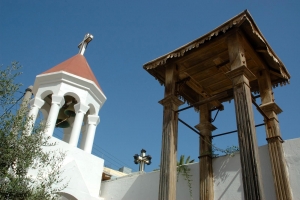
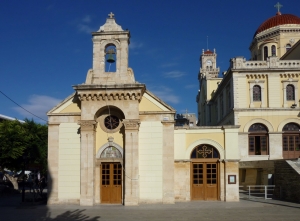
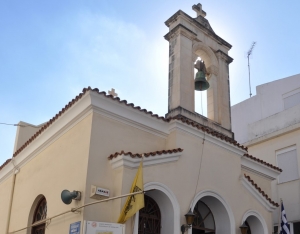
Saint George was a relatively small three-nave church built in the second Byzantine period and ceded to the Armenians who had settled in Heraklion at that time, possibly on the orders of Nicephorus Phocas.

The Grand Castle
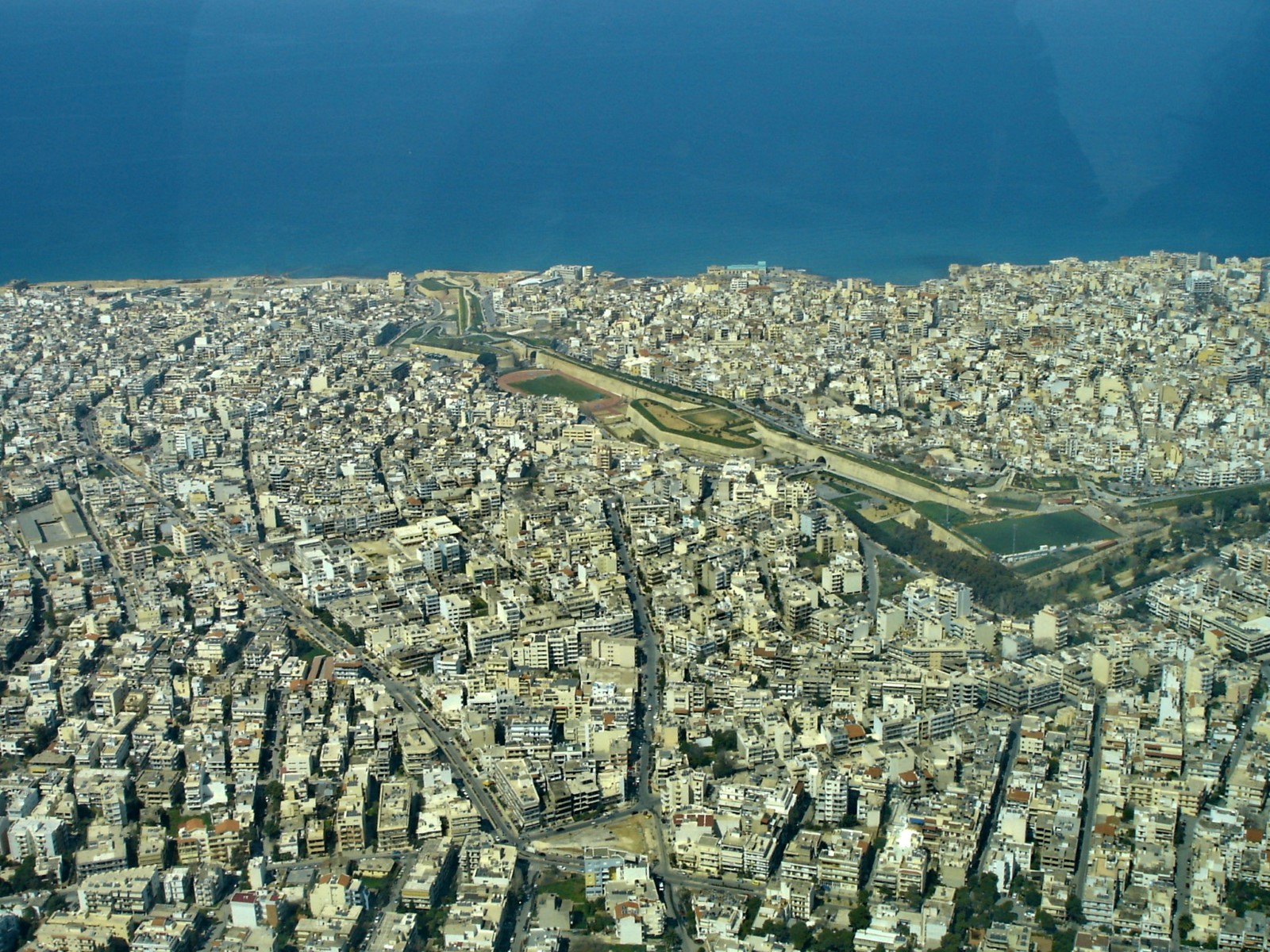
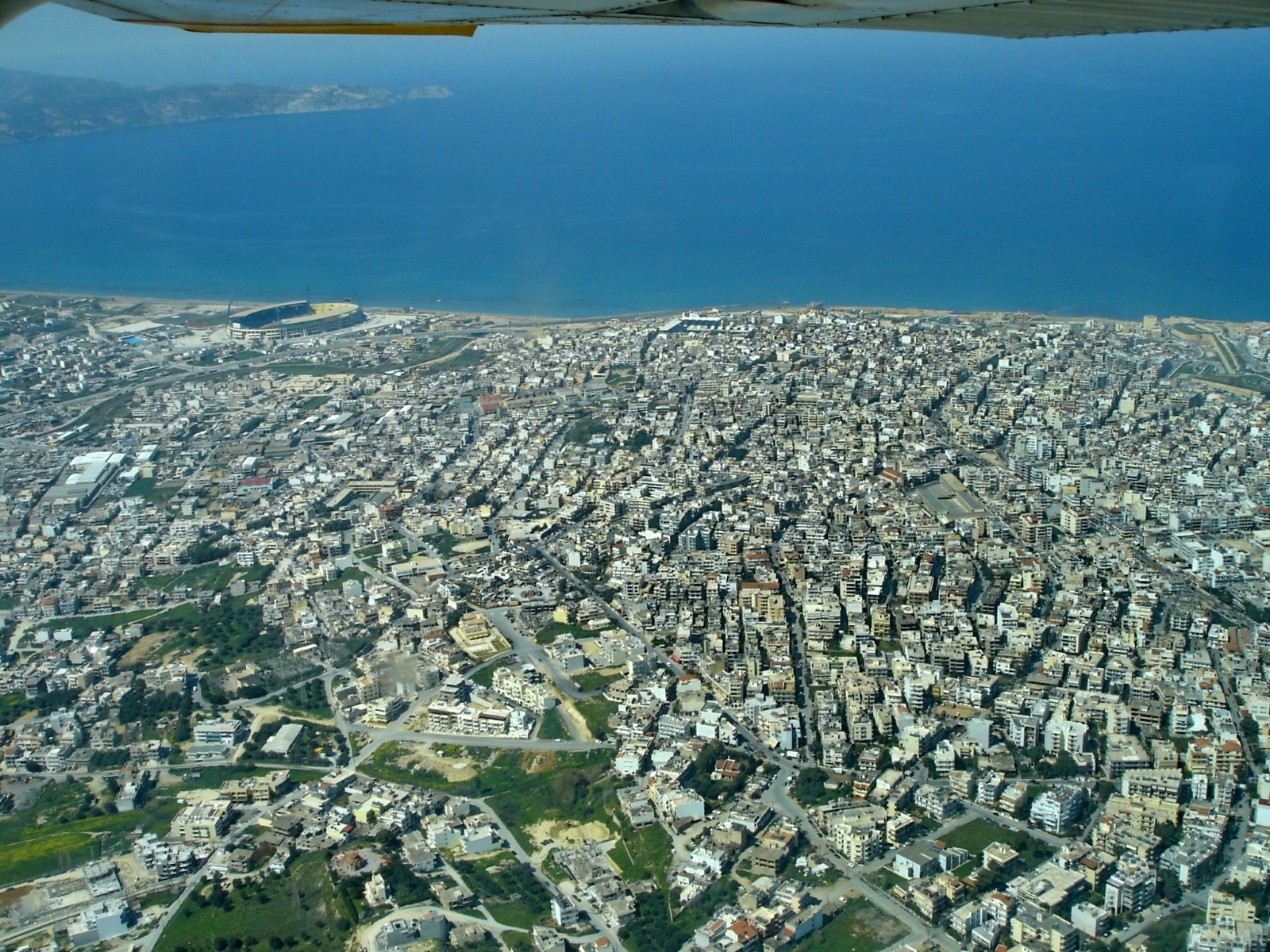
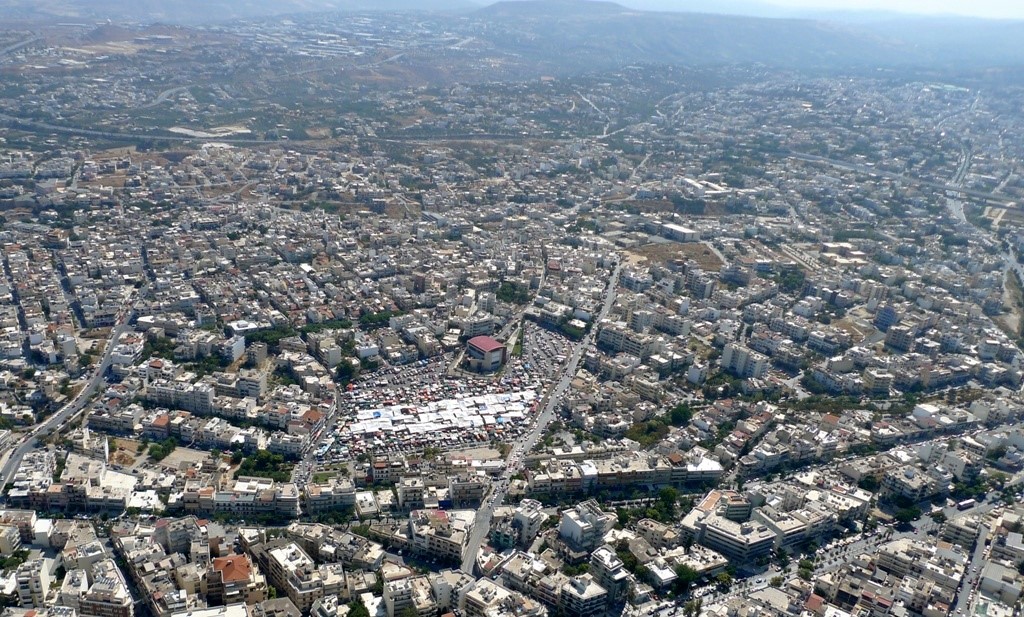
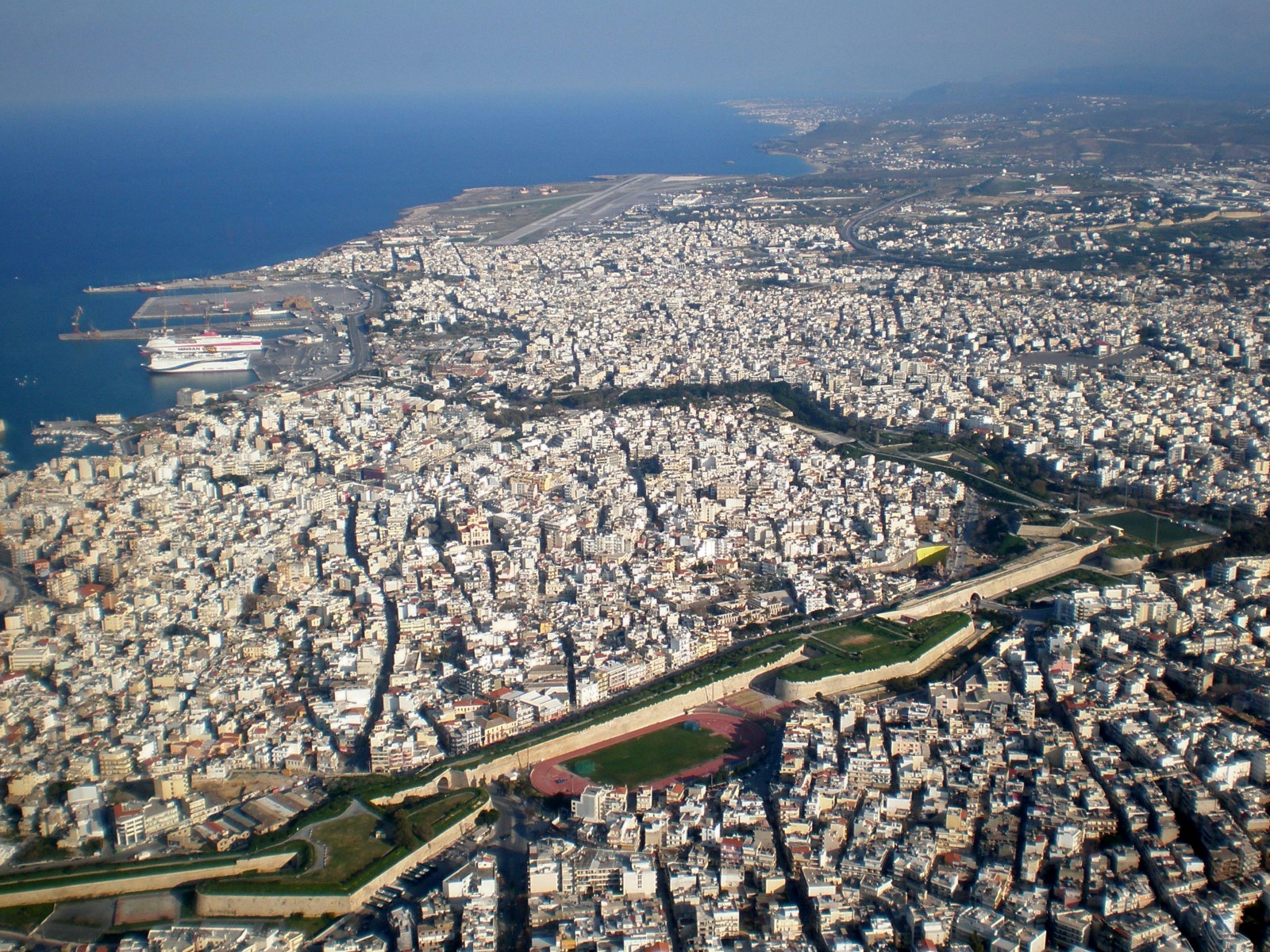
Today it is phenomenically a cement jungle.
However this town preserves some of the features
that made it be the most important Venetian territory
and one of the most historical places in the Mediterranean.
Top 10 attractions | Lion's Square | Knossos Palace | The Venetian Walls | Venetian Port | Museums | Accommodation


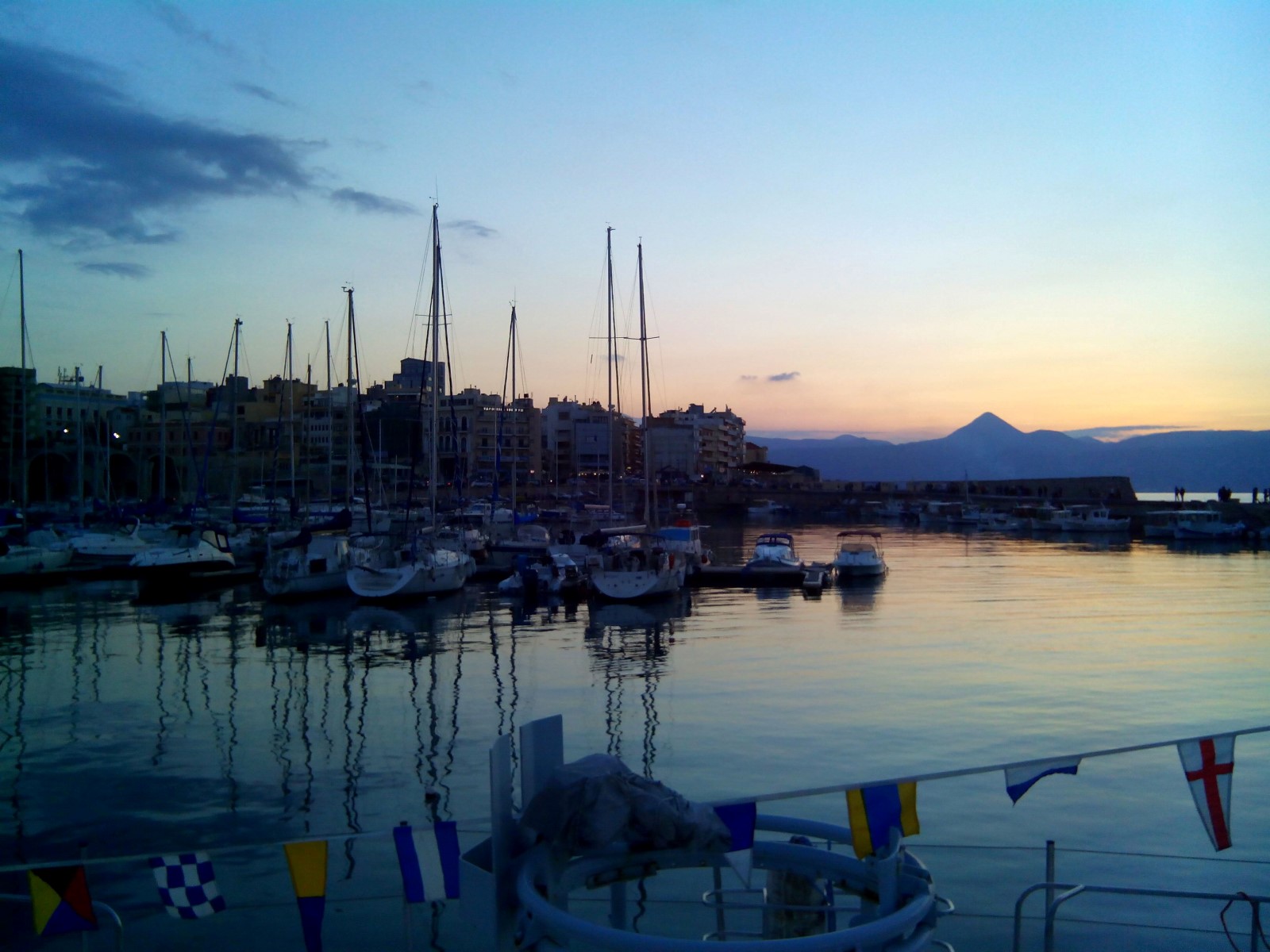
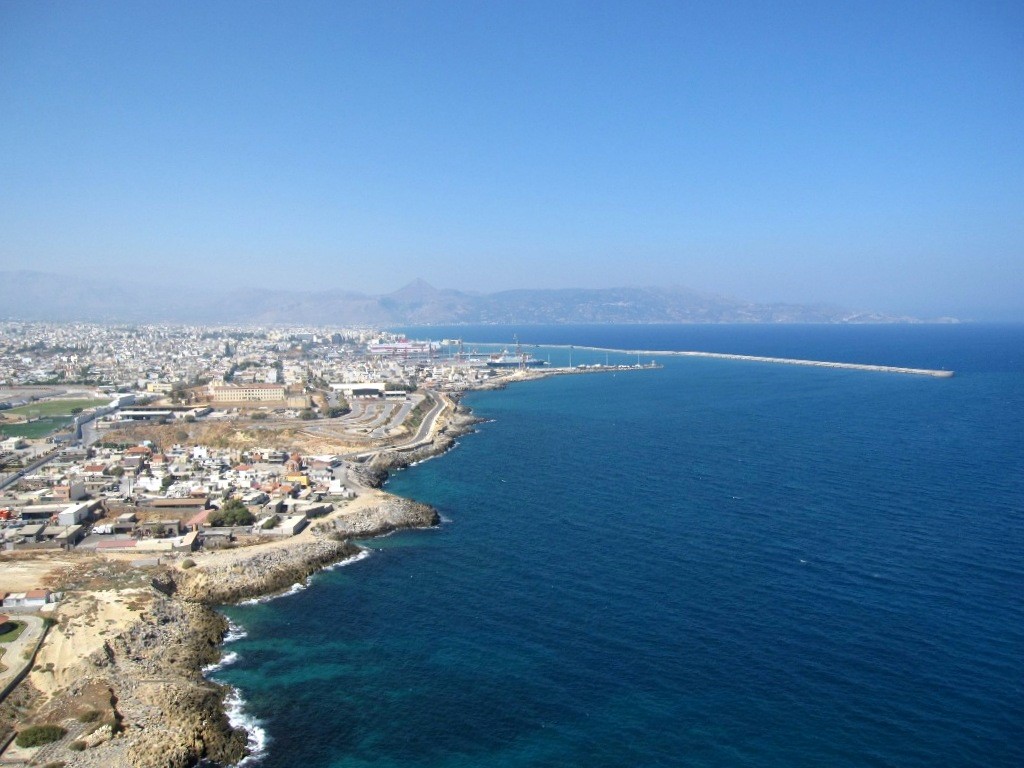
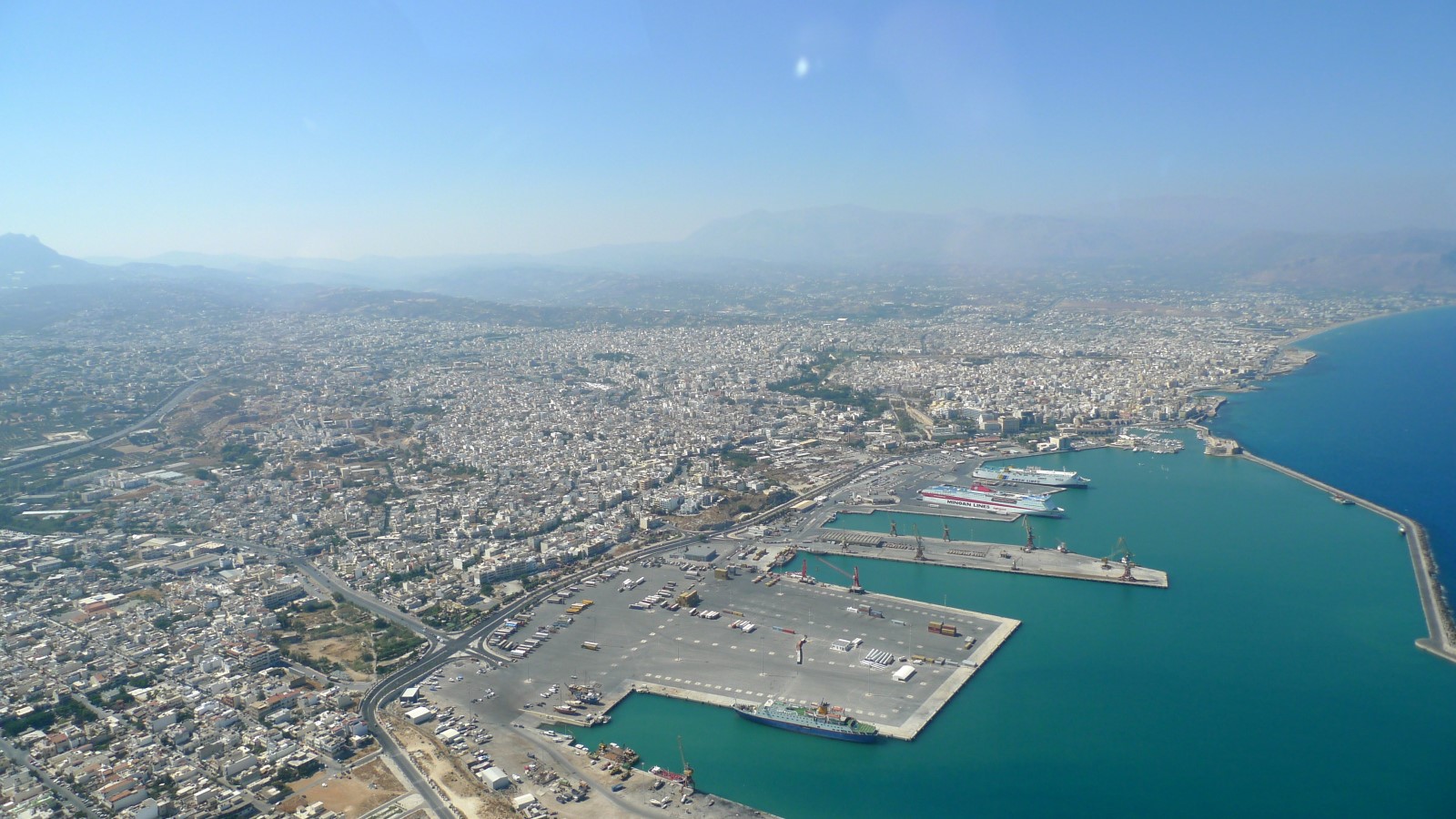
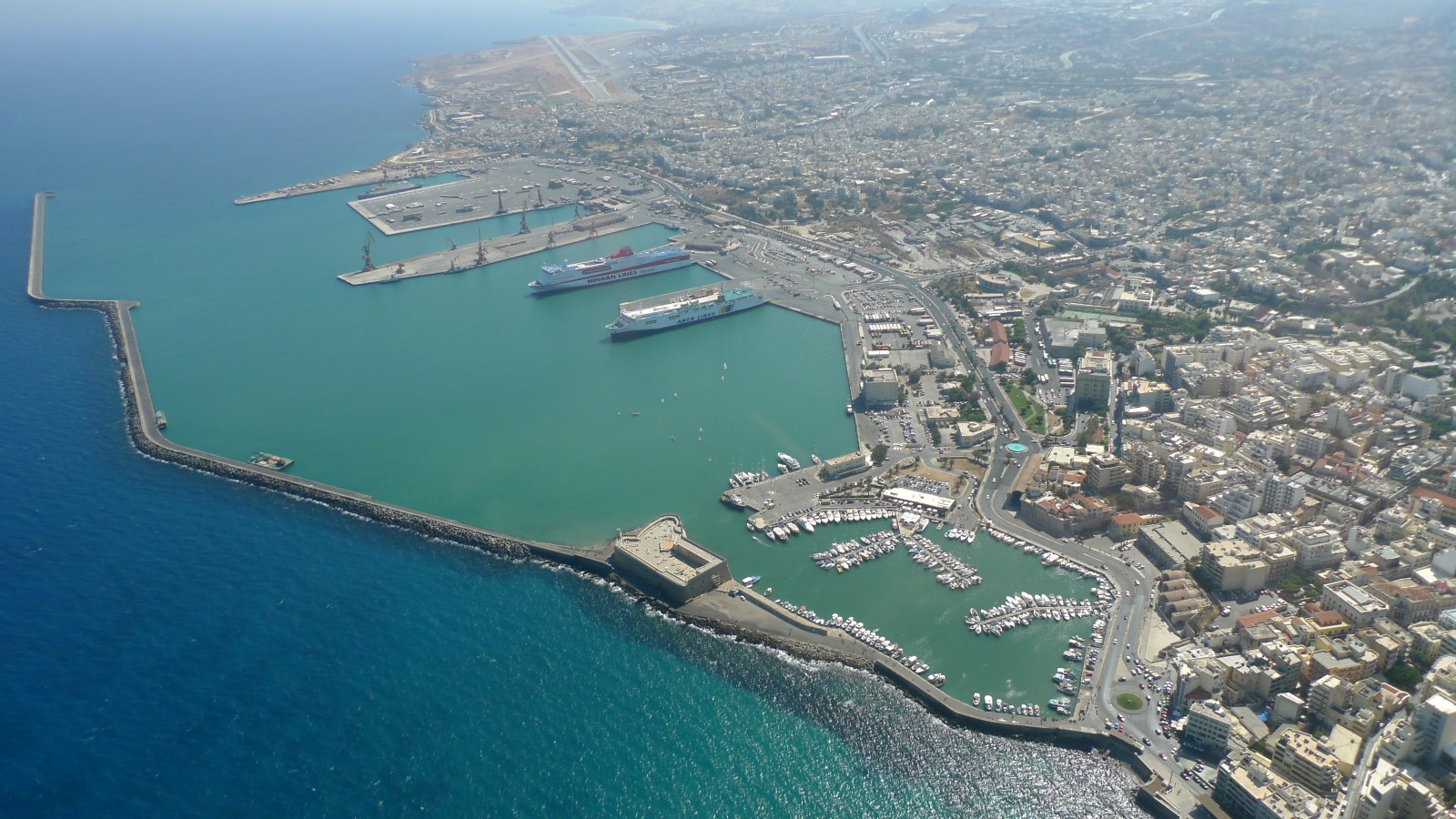
Heraklion is the largest city in Crete with a population of about 200.000. Heraklion houses the public services and the major scientific centers of Crete, being the commercial center of the island with the main port and airport.
From a scenic city with unique traditional Venetian and Ottoman monuments in the early 1900s, as one of the most historical cities in the Mediterranean, Heraklion, unfortunately, turned into a bustling cement-dominating city, losing almost all of its aristocratic splendor. This bad development was a result of the need for rapid expansion of the city for the settling of the refugees after the Asia Minor Catastrophe (1922), but also from the effort to "modernize" Heraklion by turning the beautiful old buildings into blocks of flats.
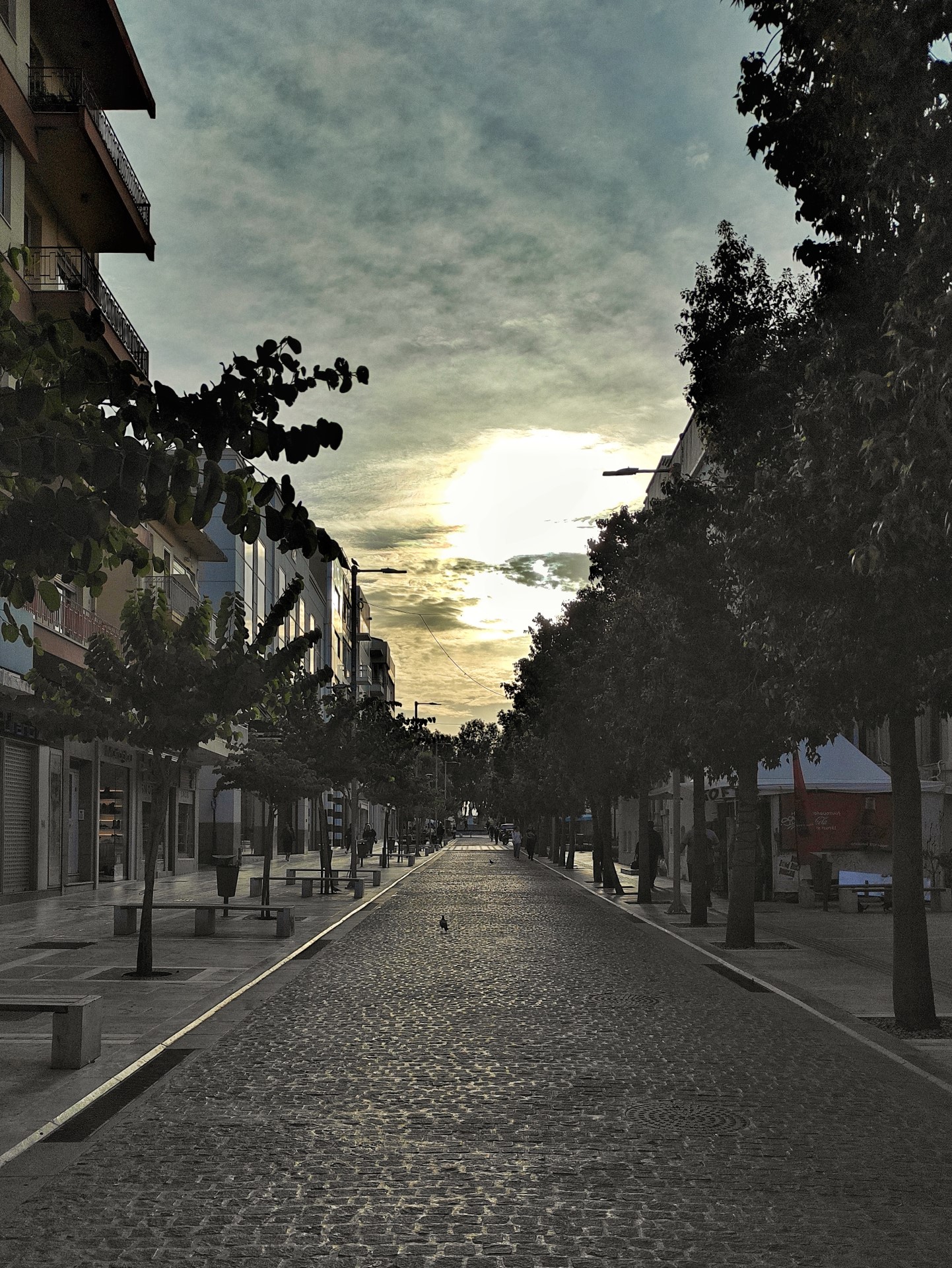
However, even today the visitor can get a good taste of the glorious image of the past, while the locals can be surprised by the unknown corners of Heraklion and the story hidden behind them.
The history of Heraklion starts in the Minoan era, as it was the port of the legendary city of Knossos. However, the city in its present location (the old center) was built in 824 by the Arabs and later expanded and fortified by the Venetians and the Turks, who named it as the Large Castle of Candia. The current name Heraklion was given after the liberation of Crete from the Turks in 1898.





 Beaches
 Nature
 Past
 Destinations
 Highlights
 West CreteCentral CreteEast CreteChaniaPaleochoraKissamosGeorgioupolisChora SfakionLoutroRethymnonAgia GaliniPlakiasSpiliAnogiaHeraklionHersonissosMaliaMatalaAgia Pelagia`ArchanesKokkinos PirgosAgios NikolaosEloundaSitiaIerapetraMakrigialosPalekastroZakrosLassithi Plateau


