








 Armenian Church of Saint John the Baptist in Heraklion

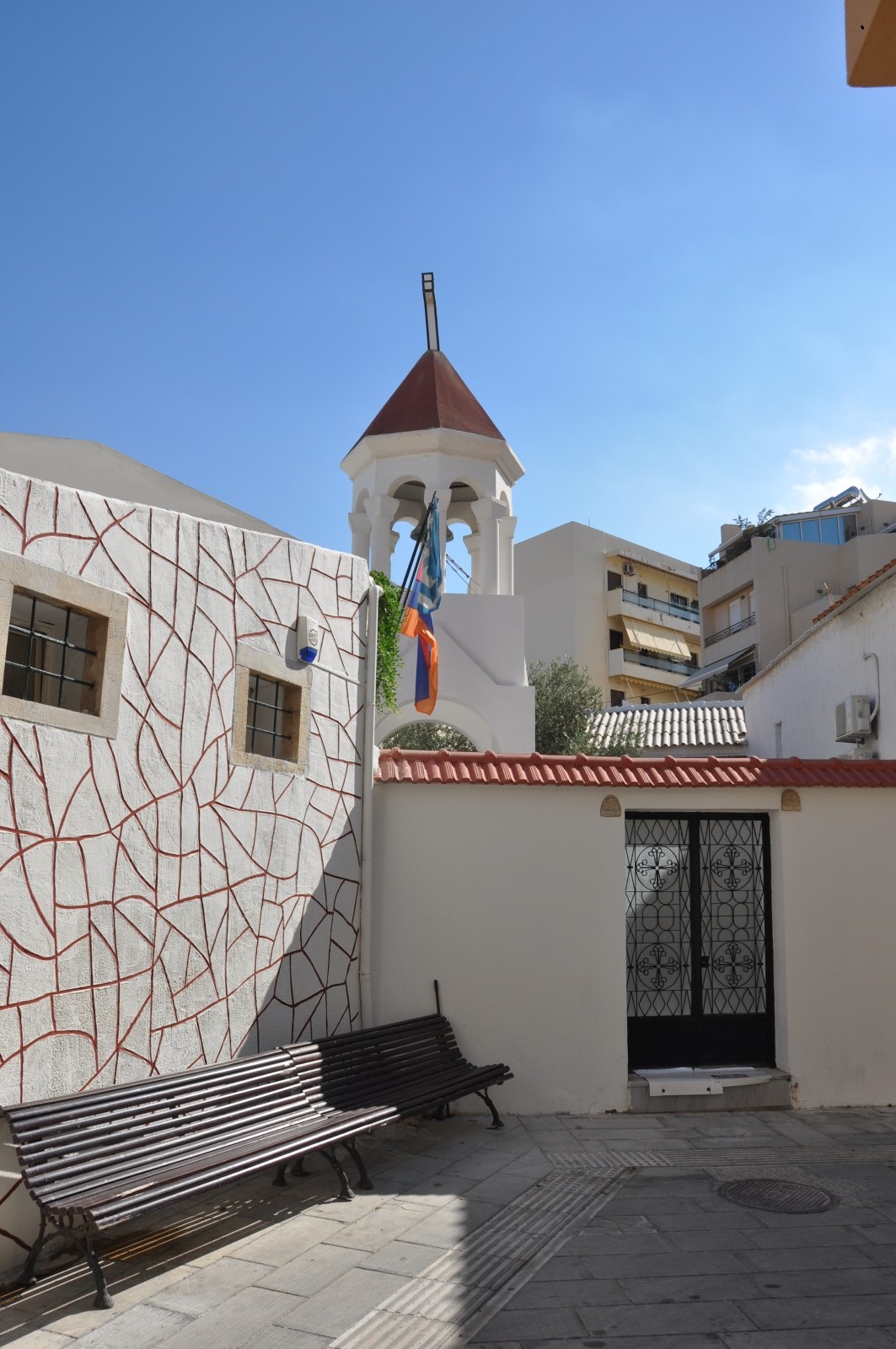
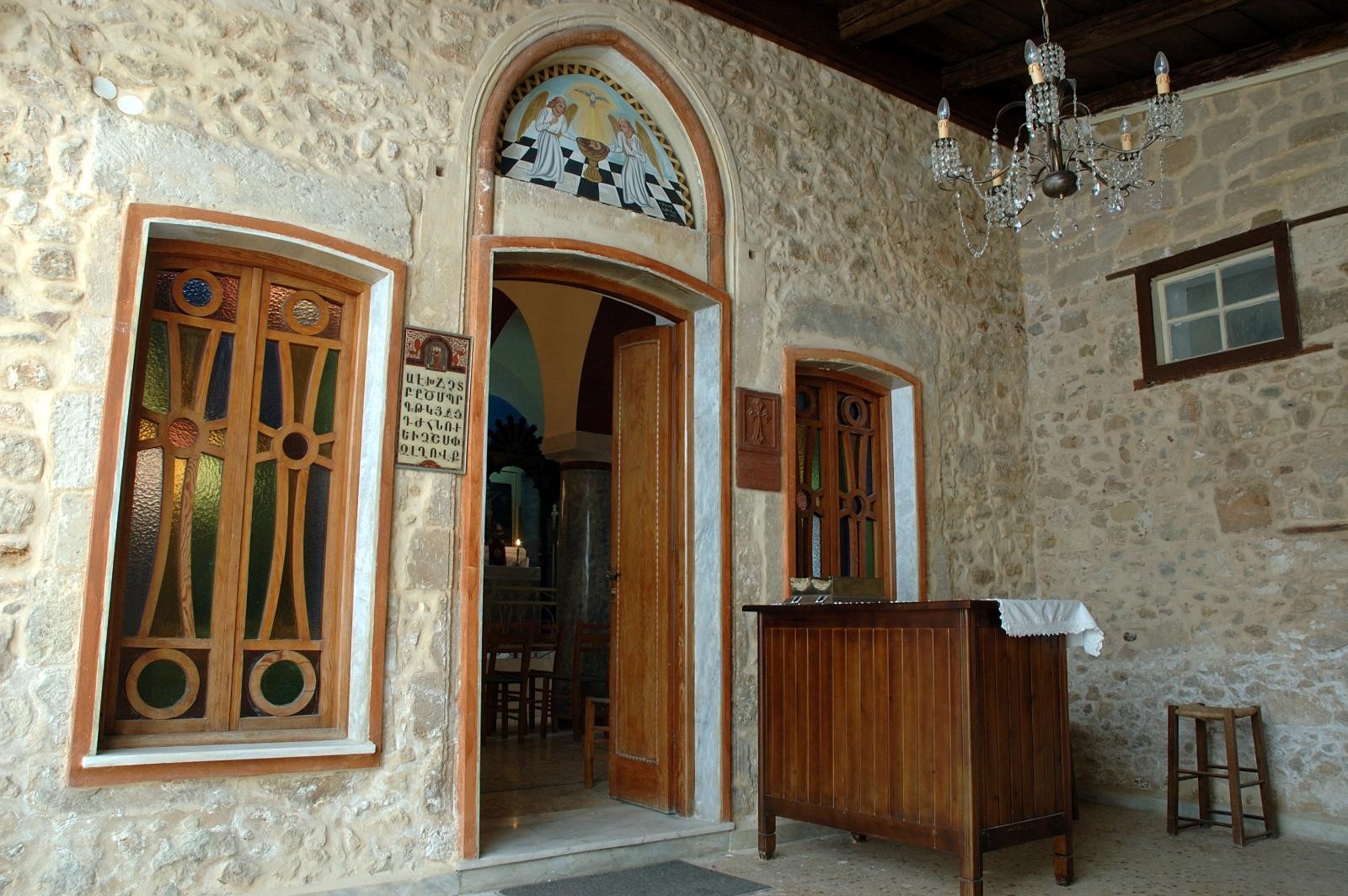
The Armenian Church of Saint John the Baptist stands in the western part of the historic centre of Heraklion, in the area known as Kamaraki and close to the Agia Triada district. The site was formerly occupied by the Christian Church of Saint George Doryanos.
The name “Doryanos” is a historical epithet, probably connected with the name of a founder or an old family. It is not related to the ancient Dorians and should therefore not be translated as “Saint George of the Dorians”.
Saint George was a relatively small, three-nave church. Its earliest building phase has traditionally been associated with the Second Byzantine Period, although its precise date has not been conclusively established. The church certainly existed during the Venetian period and appears in documents of Candia together with its neighbouring houses, cemetery and garden.
The Armenian presence in Crete dates back to Byzantine times. Armenian soldiers and settlers are believed to have accompanied Nikephoros Phokas during the campaign that recovered the island from the Arabs in 960–961 AD. Further groups of Armenians settled in Crete during the Venetian period, arriving mainly from the Black Sea region, Asia Minor and the Near East.
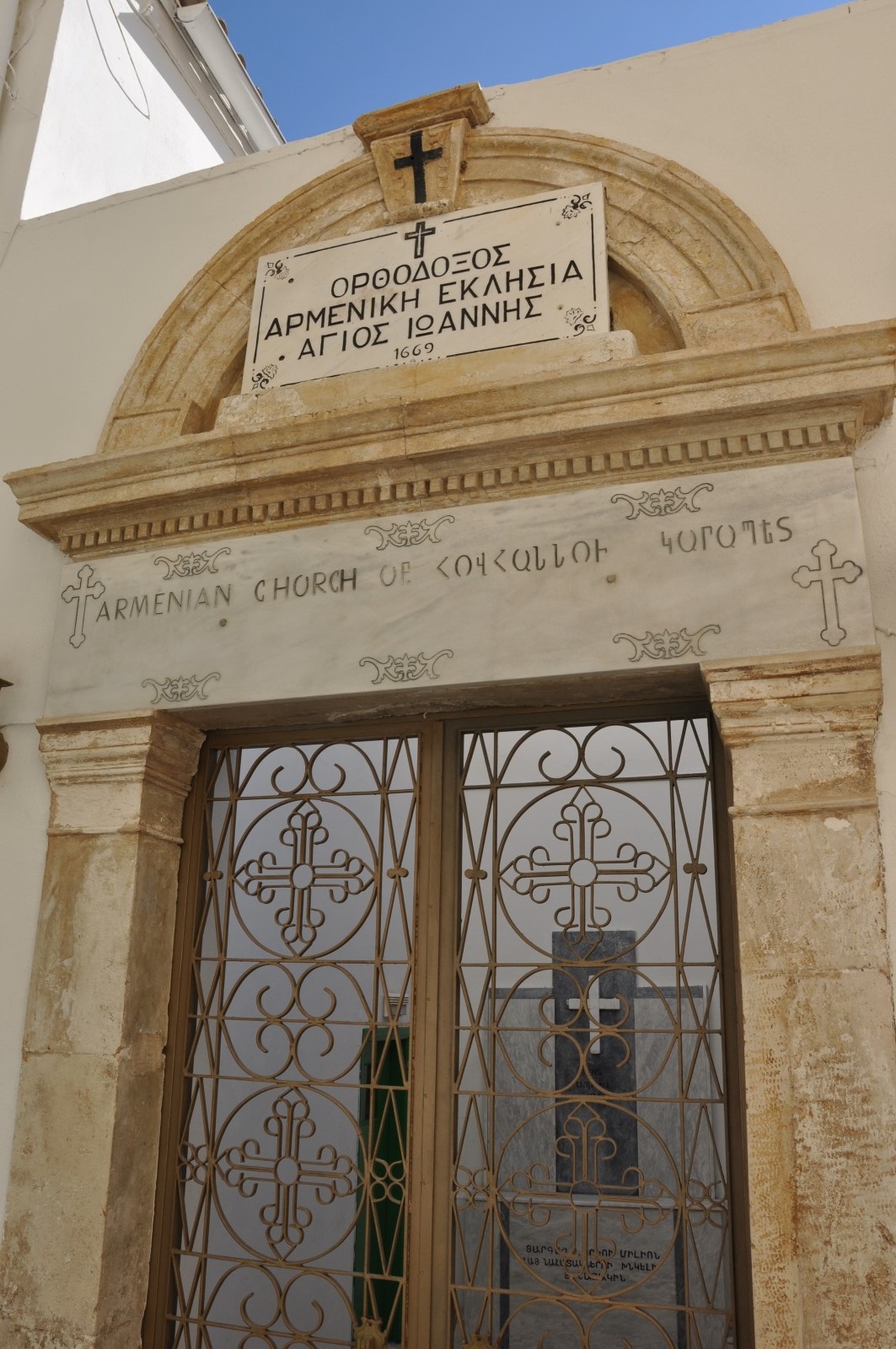
The church itself was not granted to the Armenians by Nikephoros Phokas. Immediately after the surrender of Candia to the Ottomans in 1669, it was purchased by Ambro, a wealthy Armenian merchant and Ottoman subject, who donated it to the Armenian community of the city.
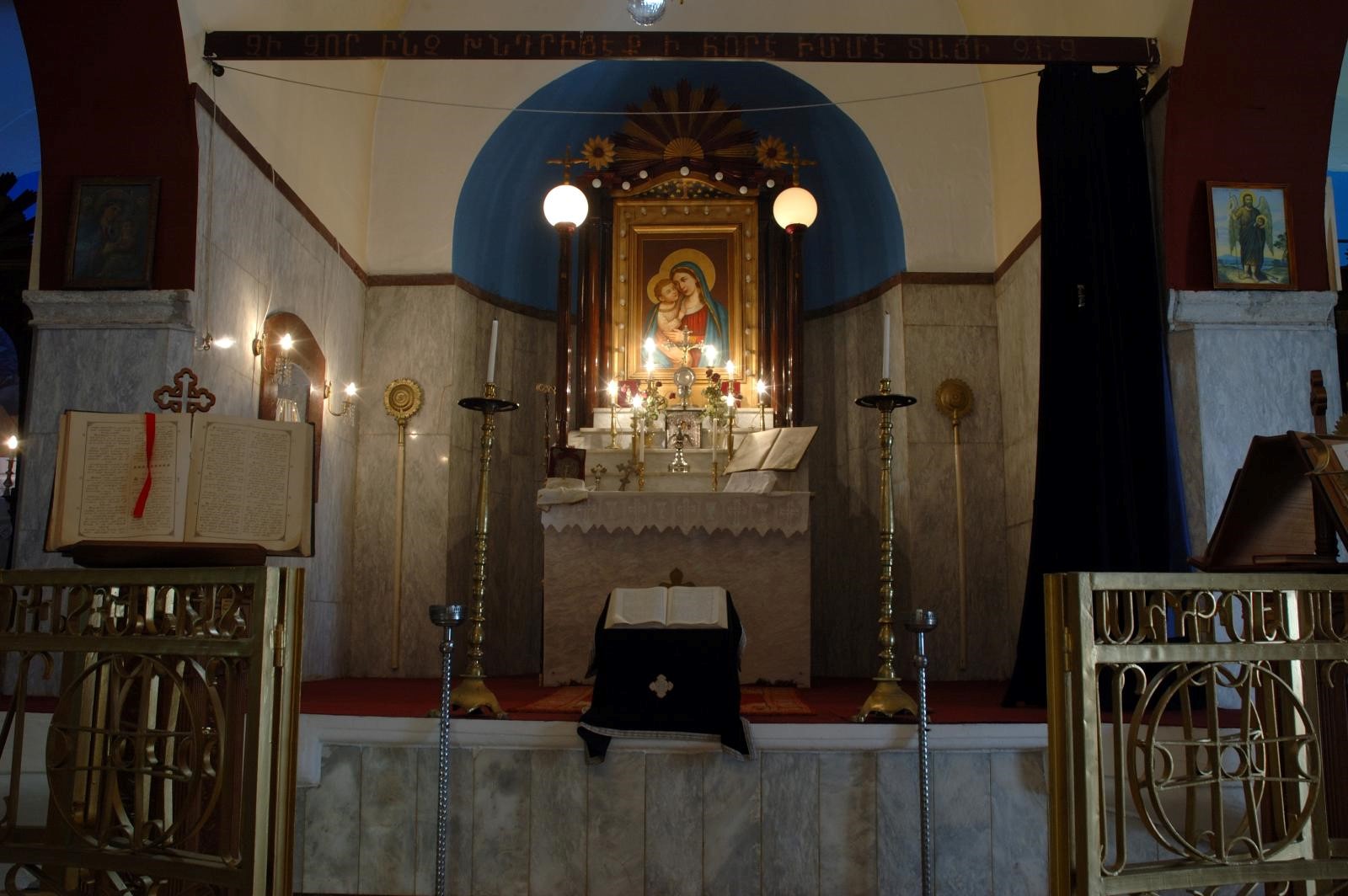
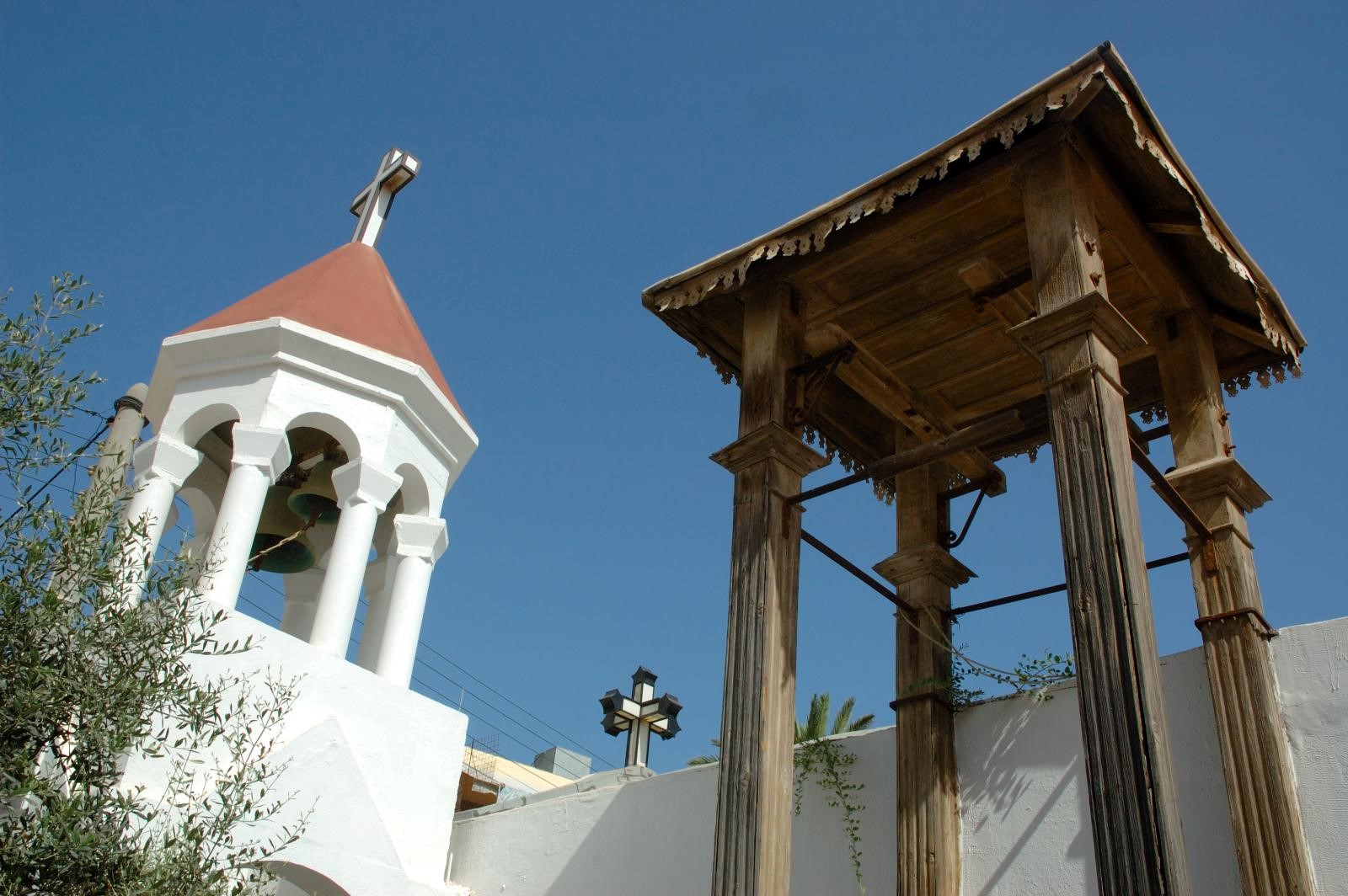
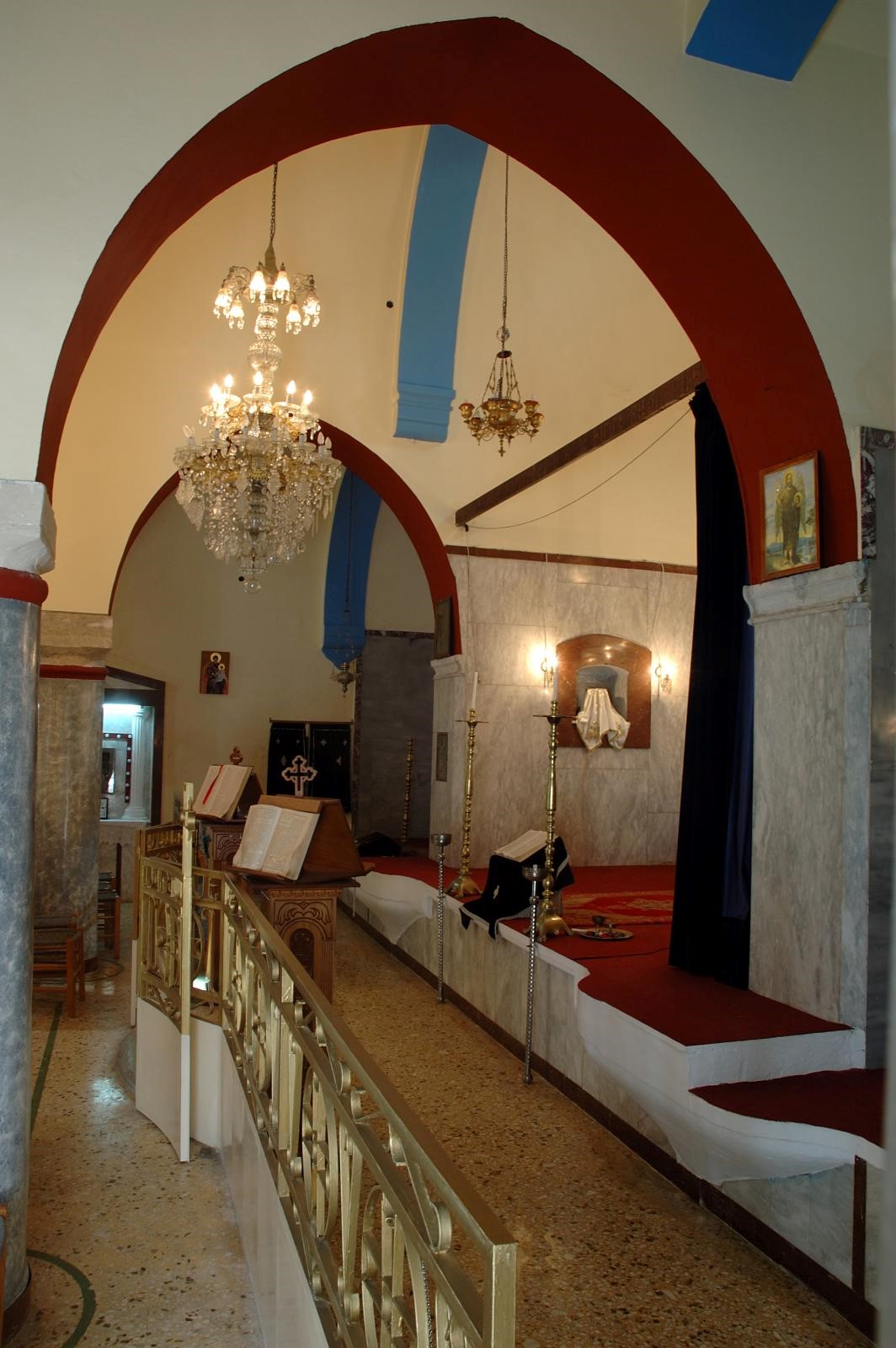
The church was dedicated to Saint John the Baptist and is known in Armenian as Surp Hovhannes Garabed. It subsequently became the principal religious and social centre of Heraklion’s Armenian community. During periods when the Armenian population of the city declined, the church was occasionally left without a permanent priest, but it retained its historical and religious importance.
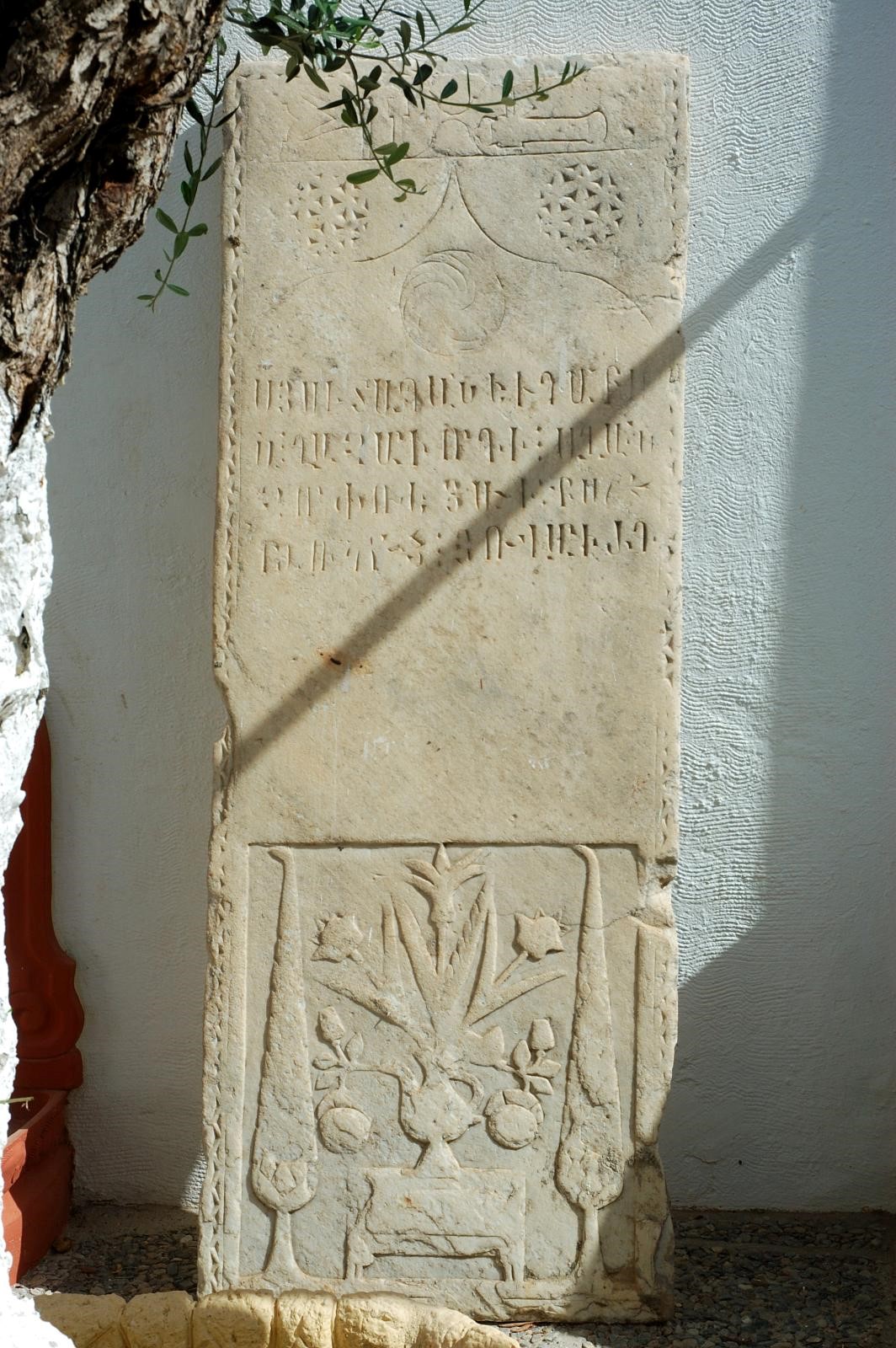
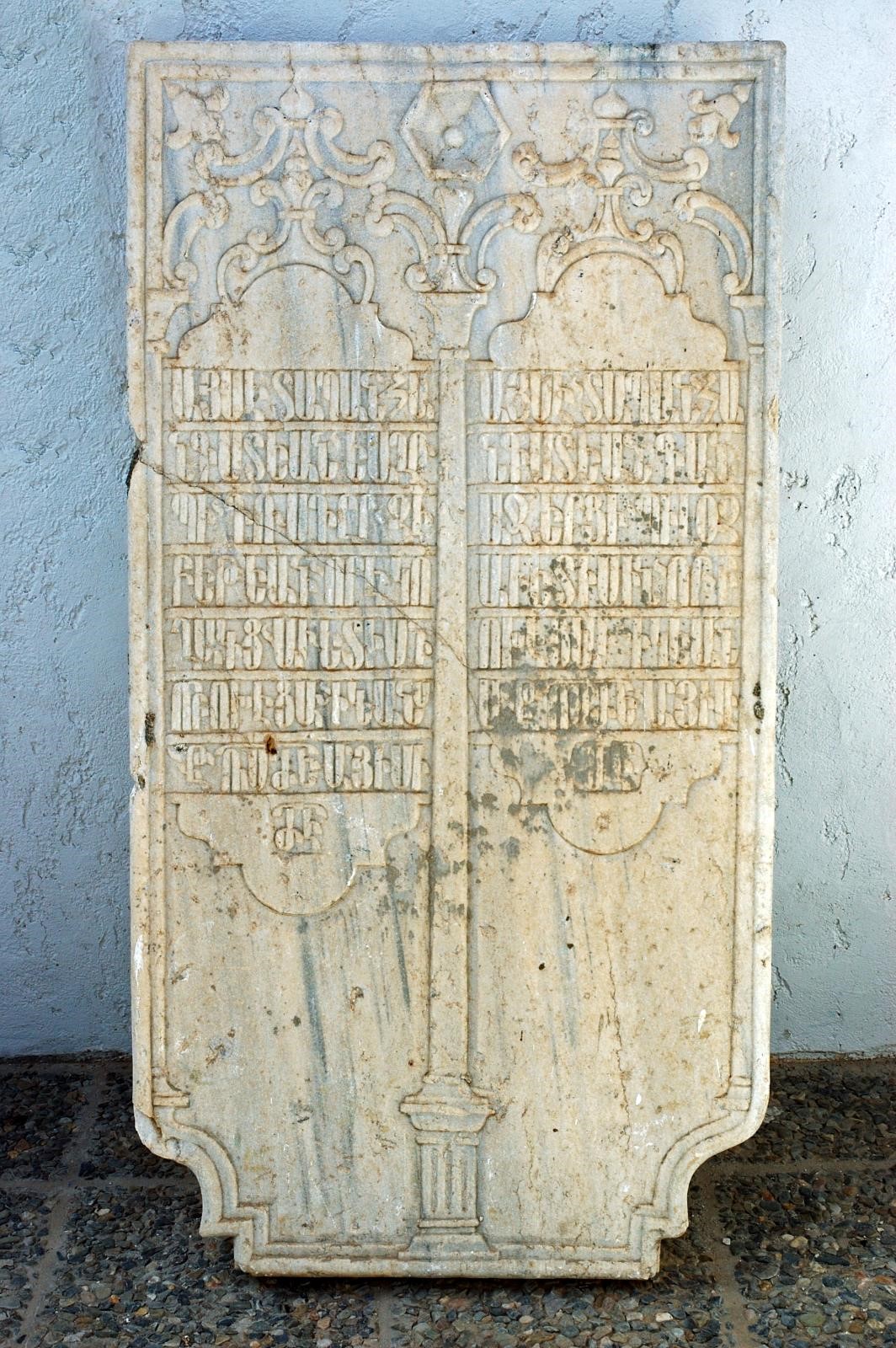
Armenian tombstones survive in its courtyard and interior, with the earliest dating from 1669. Their inscriptions document the continuous presence of the Armenian community from the early Ottoman period into the 19th century.
Heraklion’s Armenian community grew considerably after the Asia Minor Catastrophe of 1922, when numerous Armenian refugees arrived in Crete. A school operated within the church grounds, while a parish council and charitable organisations provided assistance to the refugee families.
Saint John the Baptist continues to function as the only Armenian church in Crete and remains a living monument to the history, faith and traditions of the island’s Armenian community.


What is near me?
Additional Info
- Location: Heraklion Prefecture
- Type: Church
- Accessibility: Paved road


