








 Dermatas Gate

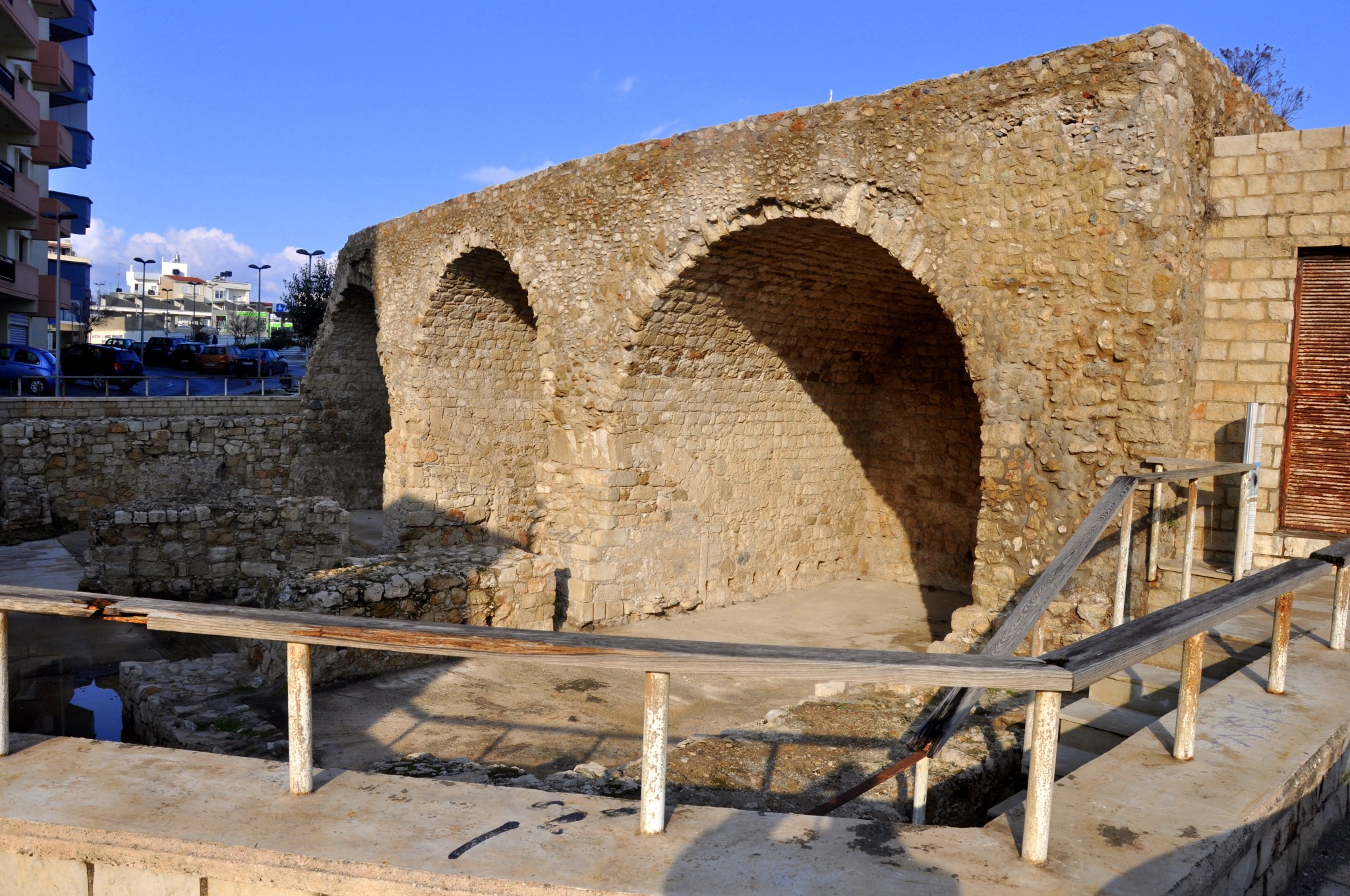
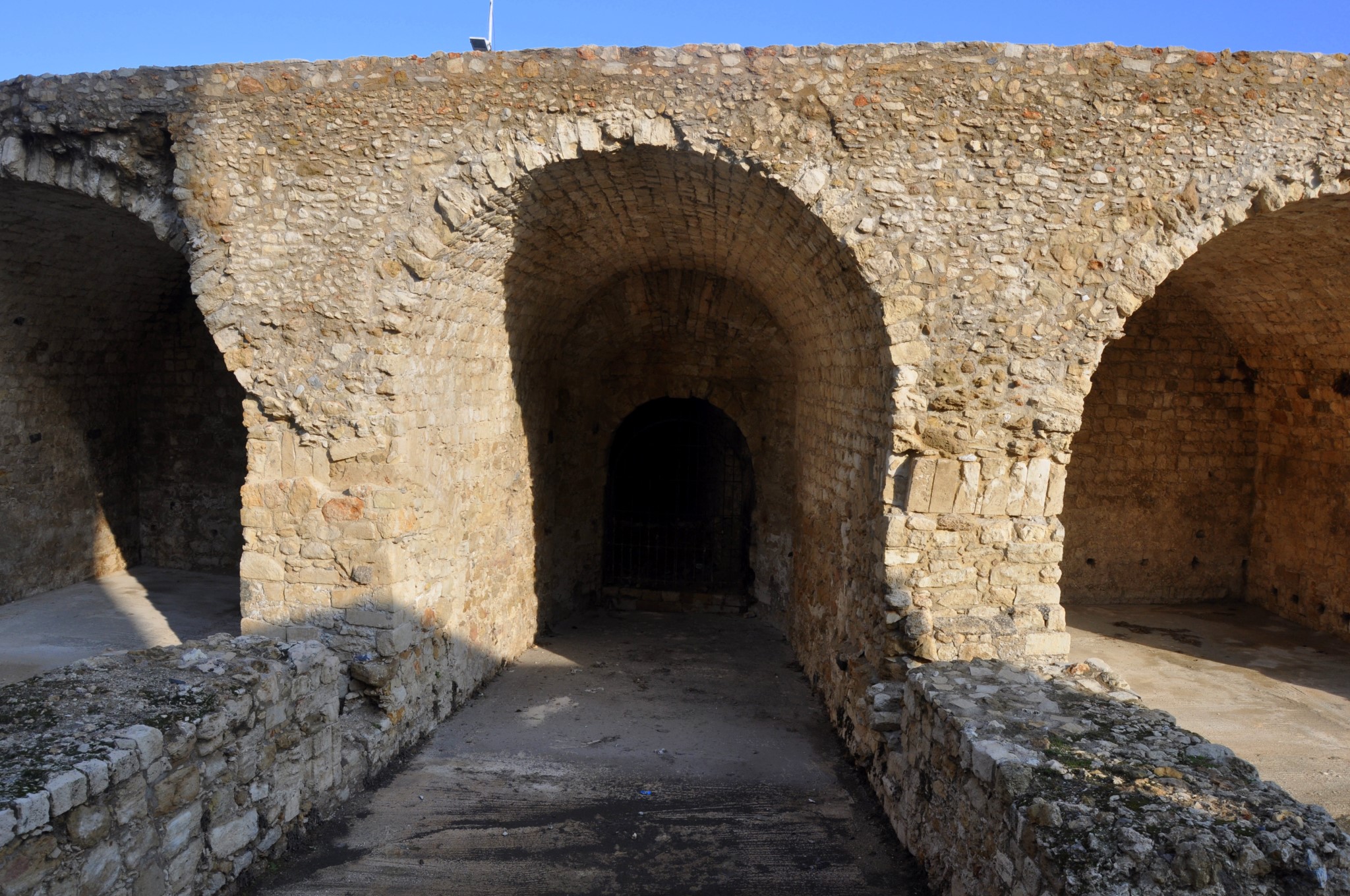
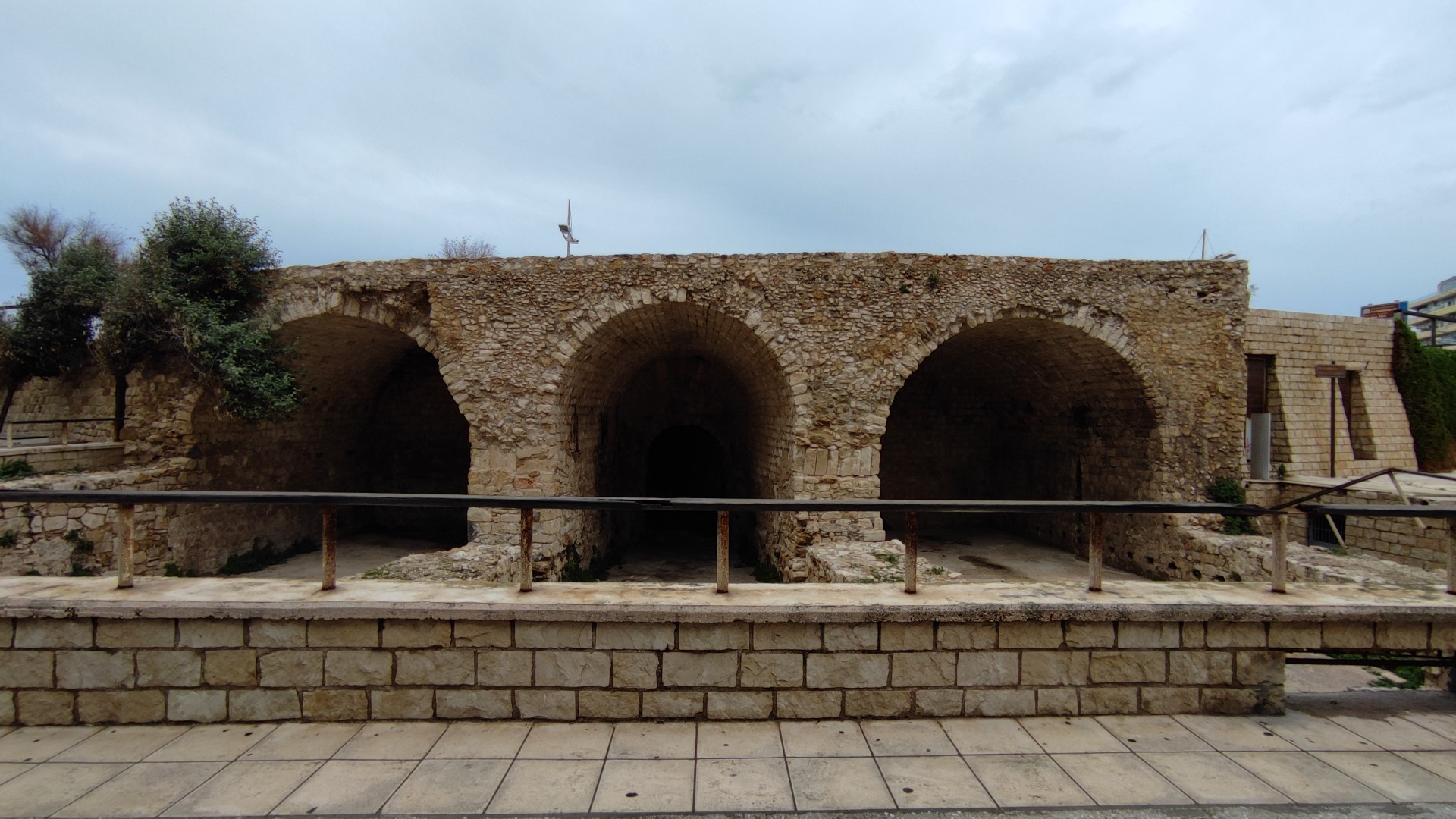
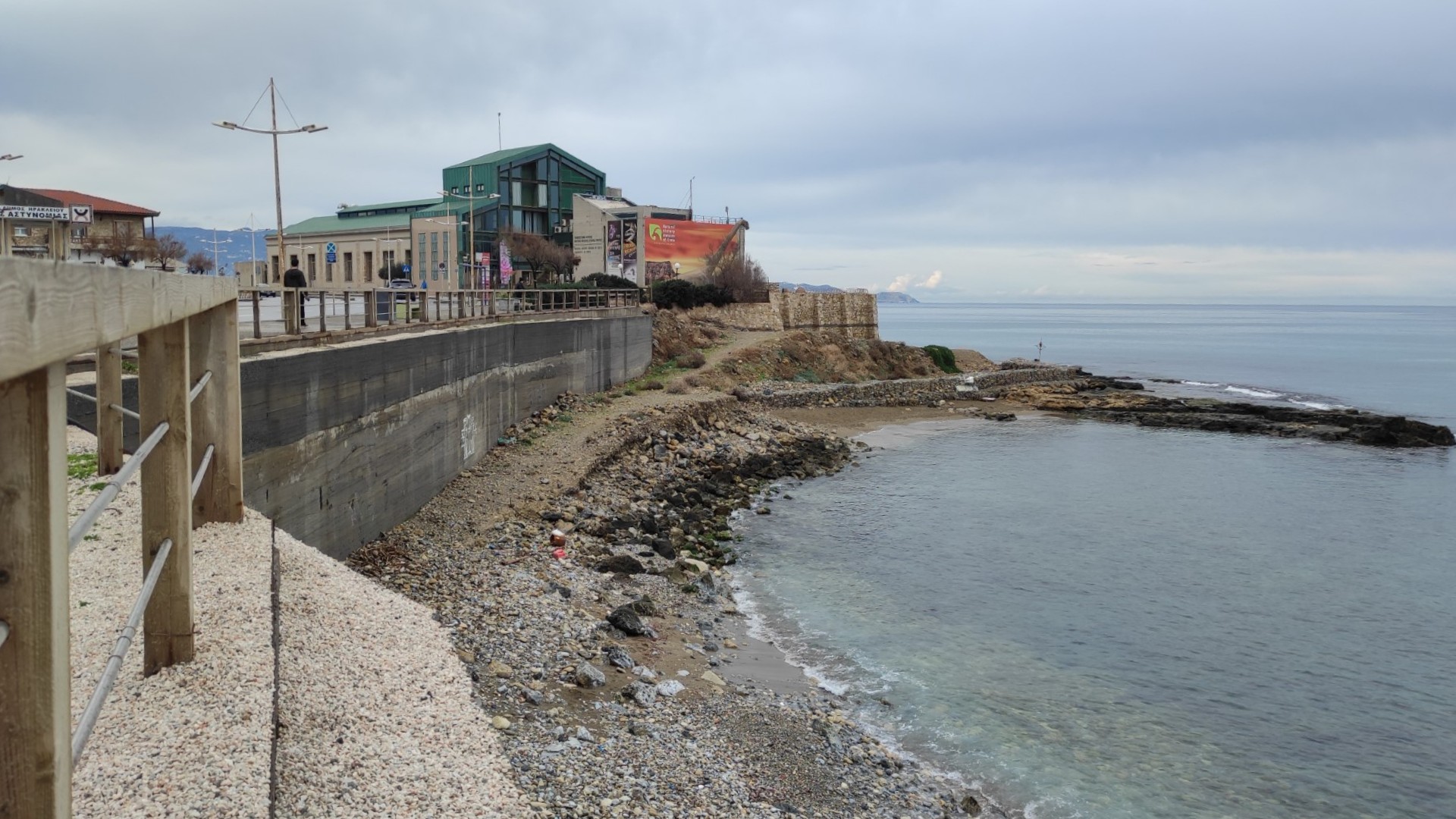
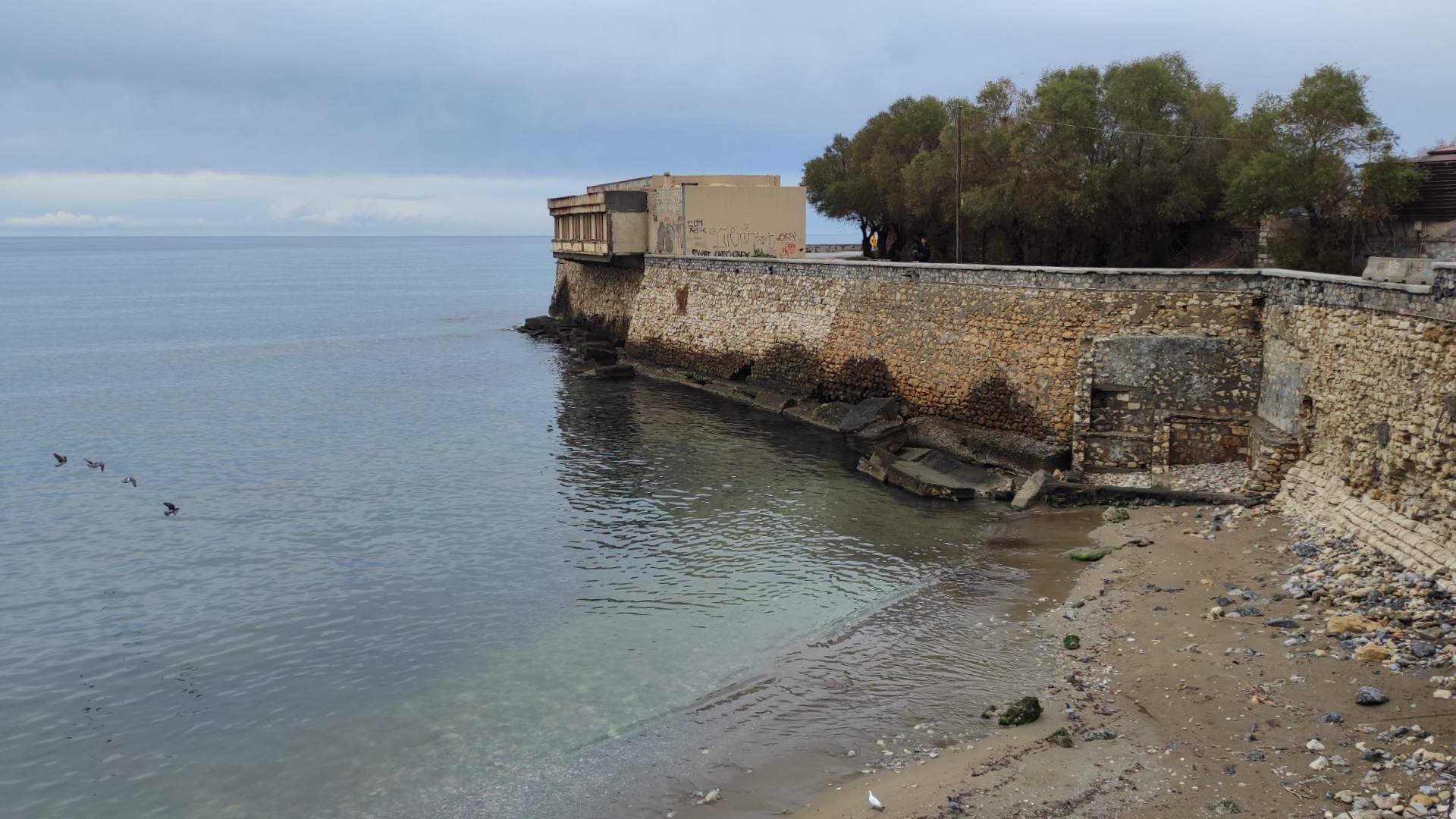
Dermatas Gate stood approximately midway along the seaward walls of Candia, near the present-day Bodossakion School. It connected the fortified city with the bay of Dermatas and was one of Candia’s auxiliary sea gates.
The gate and its small natural harbour acquired considerable strategic importance during the long Ottoman siege of Candia. Soldiers, ammunition and provisions could be brought into the city through Dermatas, particularly when the entrance to the main Venetian harbour was blockaded or exposed to heavy enemy fire.
During the final years of the siege, the Ottomans positioned artillery where it could bombard the bay and obstruct the movement of vessels, making it increasingly difficult to supply the besieged city even at night.
In November 1668, French reinforcements commanded by Count François de la Feuillade arrived off Crete. On the night of 3 November, the soldiers attempted to land on the shore of Dermatas, as approaching the city during daylight was extremely dangerous. Ottoman forces detected the operation and opened fire from positions near the mouth of the Giofyros River. Several French soldiers drowned during the bombardment, while the boat carrying the expedition’s treasury was also sunk.
De la Feuillade’s troops later participated in the defence of Candia but were unable to reverse the course of the siege. The city surrendered to the Ottomans in September 1669, following a siege that had lasted for more than twenty years.
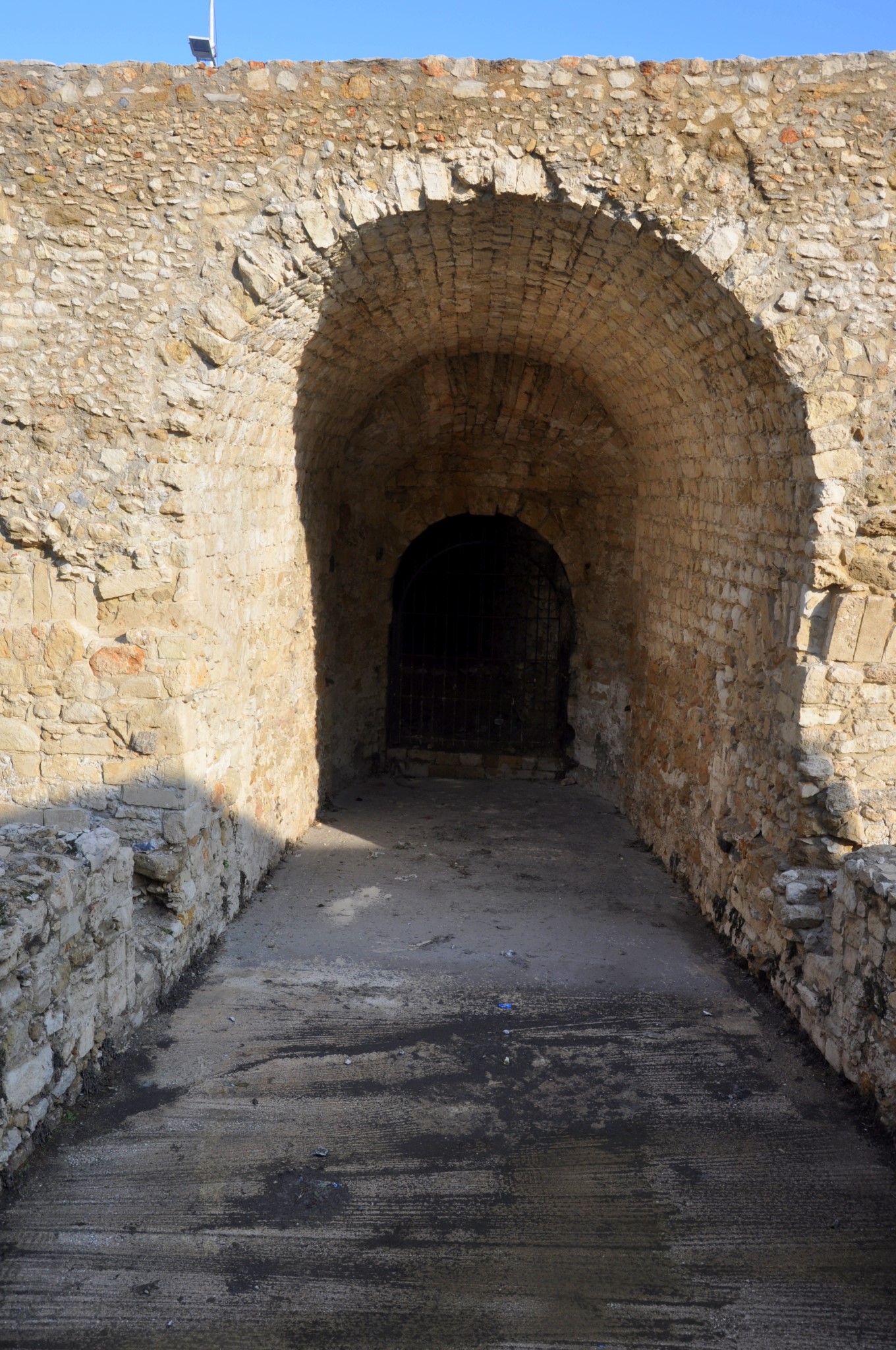
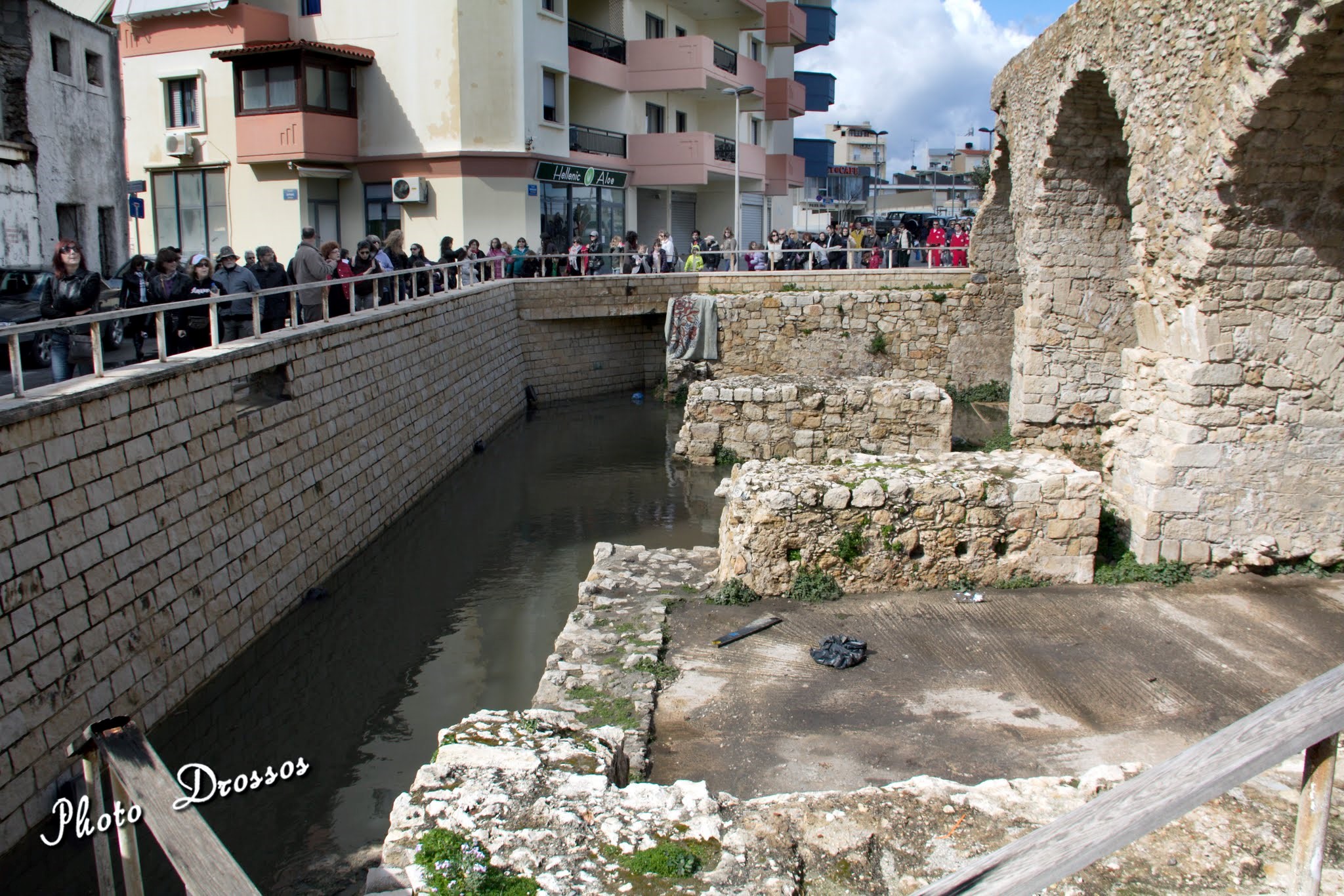
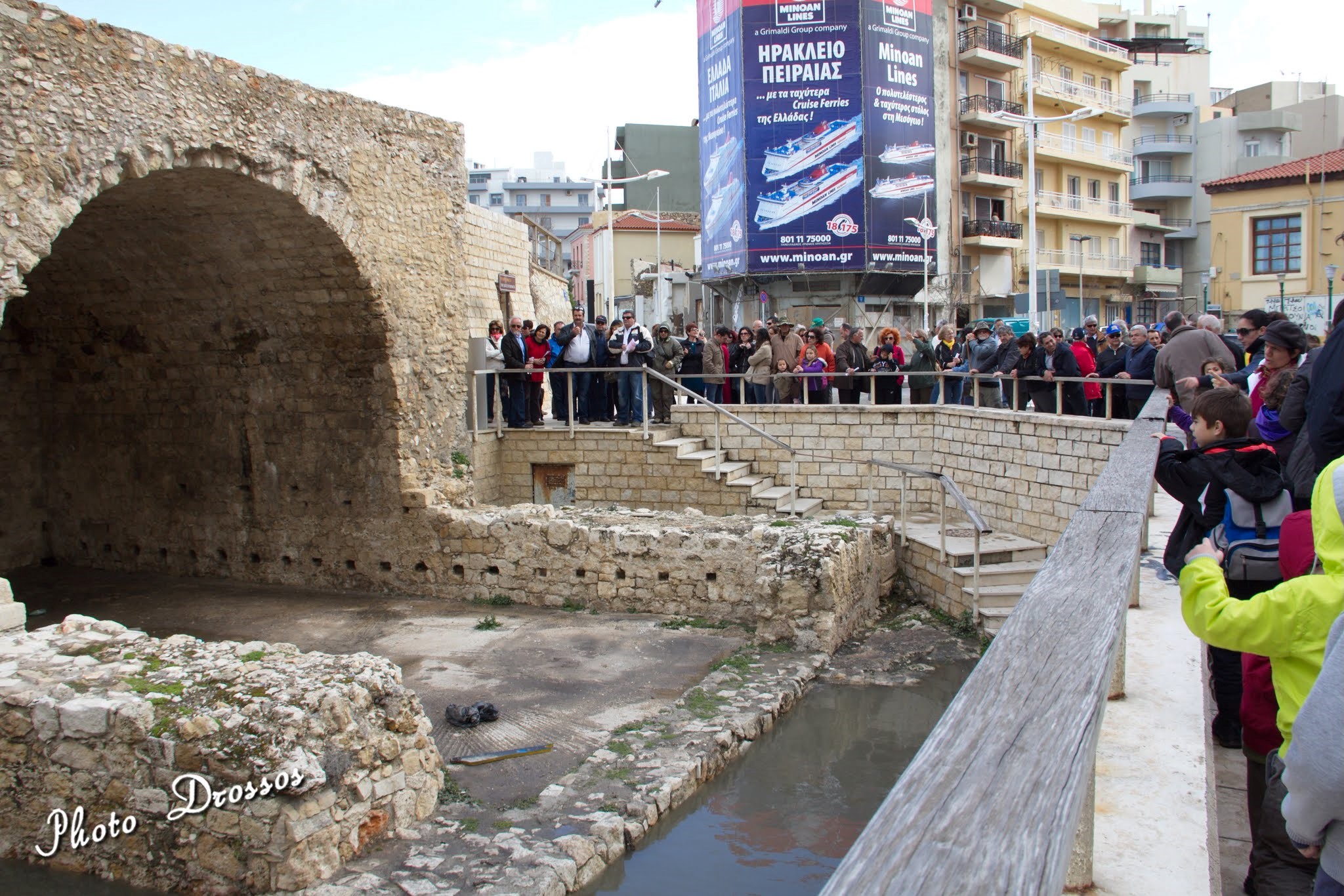
During the 20th century, the construction of Skordylon Street and Heraklion’s coastal avenue substantially altered the gate and its surroundings. Parts of the monument survive below the present level of the road, close to the bay of Dermatas.



What is near me?
Additional Info
- Location: Heraklion Prefecture
- Peak Period: Venetian Era (1204 AD - 1669 AD)


