








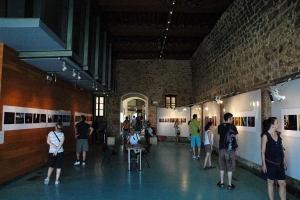
It is hosted in the Great Shipyard (Arsenali) of Chania, the last of the 17 shipyards located in the Venetian port of Chania. The construction of the building started in 1585 by Alvise Grimani.

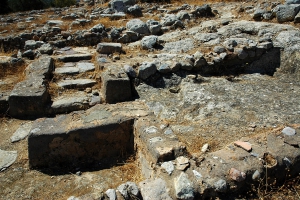
The Minoan settlement of Vasiliki is located across the exit of the gorge of Ha and near the Minoan settlement of Gournia, at an elevated point that controlled the valley of Ierapetra.

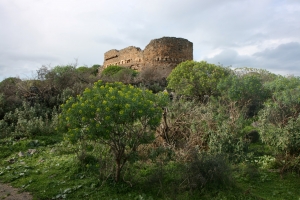
The Koules in Nio Chorio is located in the middle of Apokoronas Province, about 25km southeast of Chania and close to the village of Nio Chorio. On the hill of the fort leads a road starting from Nio Chorio. The fort is not well preserved, with only a few walls standing and commemorating its glorious past.
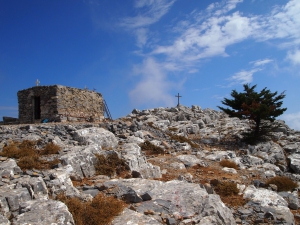
Kofinas is the highest peak in the wild Asterousia Range with an altitude of 1231m and gets its name from its shape resembles an inverted basket (kofini in Greek). The top, with stunning views to the Libyan Sea, today hosts a temple of the Holy Cross (Timios Stavros), celebrating on September 14.

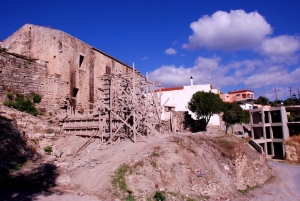
The picturesque Venerato village, located 20km from Heraklion, was in the 16th-century the resort of the Venetian lords. It was so pleasant for them stay here, that they compared the village to Venice.
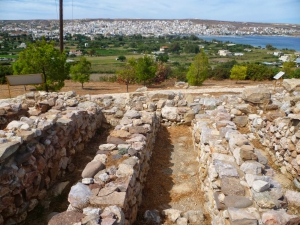
The Minoan settlement of Petras was built on a low hill near the present city of Sitia. It is believed by many researchers that this was the site of ancient Etea or Etida, from where the sage Myson came from.
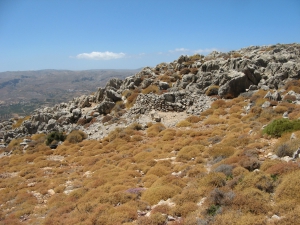
Traostalos Peak Sanctuary was first excavated in 1963-1964 under Kostis Davaras. Davaras returned in 1978 to continue that work. A rescue excavation from April to October 1995 was led by Stella Chryssoulaki. Along with the usual clay human and animal figurines common to peak sanctuaries, Traostalos has, notably, a female figure with a swollen leg. Other finds at Traostalos include ceramic boats and stone altars.

- Home
 Beaches
 Nature
 Past
Past Destinations
 Highlights
 West Crete
- Central Crete
- East Crete
- Towns
- Chania Prefecture
- Chania
- Paleochora
- Kissamos
- Georgioupolis
- Chora Sfakion
- Loutro
- Rethymnon Prefecture
- Rethymnon
- Agia Galini
- Plakias
- Spili
- Anogia
- Heraklion Prefecture
- Heraklion
- Hersonissos
- Malia
- Matala
- Agia Pelagia`
- Archanes
- Kokkinos Pirgos
- Lassithi Prefecture
- Agios Nikolaos
- Elounda
- Sitia
- Ierapetra
- Makrigialos
- Palekastro
- Zakros
- Lassithi Plateau
- Get Prepared


