








 The Minoan Palace of Zakros
 lies in a remote part of eastern Crete, about 45km southeast of Sitia, close to the modern settlement of Kato Zakros. Its coastal position made it an important harbour and a maritime gateway connecting Minoan Crete with the Eastern Mediterranean.
The palatial centre of Zakros is included in the UNESCO World Heritage List as part of the serial property “Minoan Palatial Centres”, together with Knossos, Phaistos, Malia, Zominthos and Kydonia.
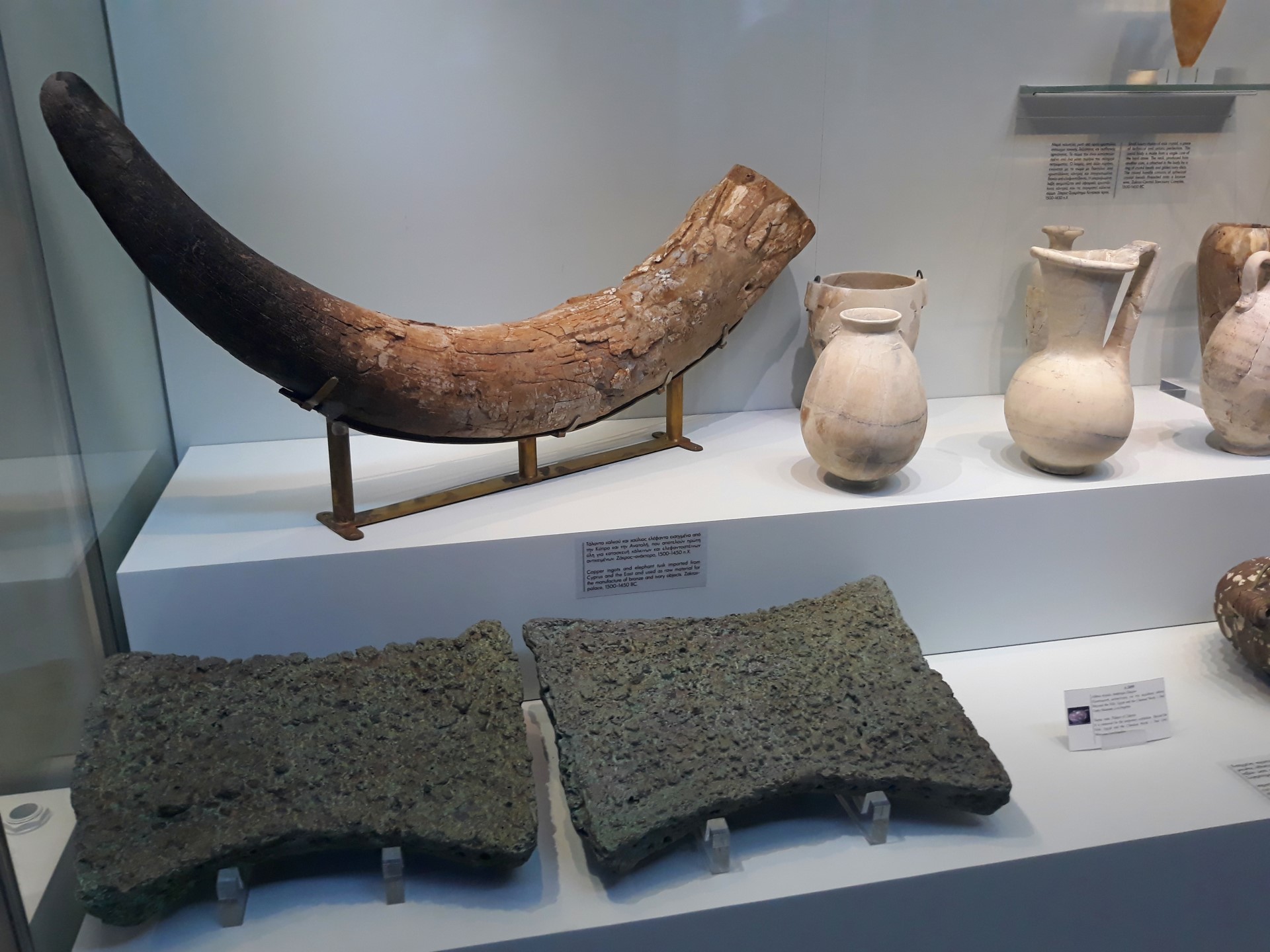
Zakros was the most important Minoan centre on the eastern coast of Crete. Its geographical position facilitated communication with Cyprus, Egypt, the Syro-Palestinian coast and other regions of the Eastern Mediterranean. Imported objects and raw materials discovered during the excavations confirm the harbour’s extensive commercial and cultural connections.
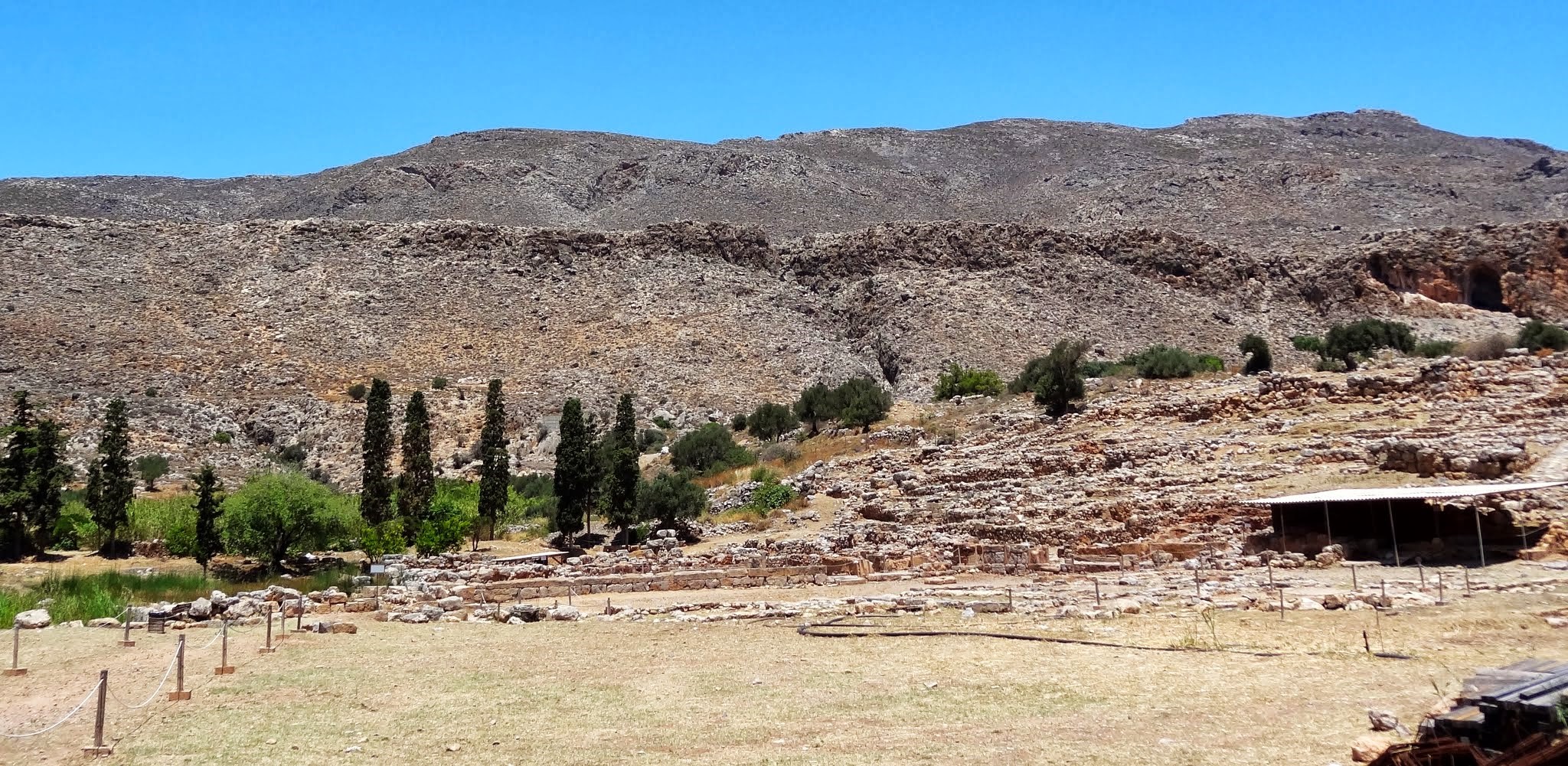
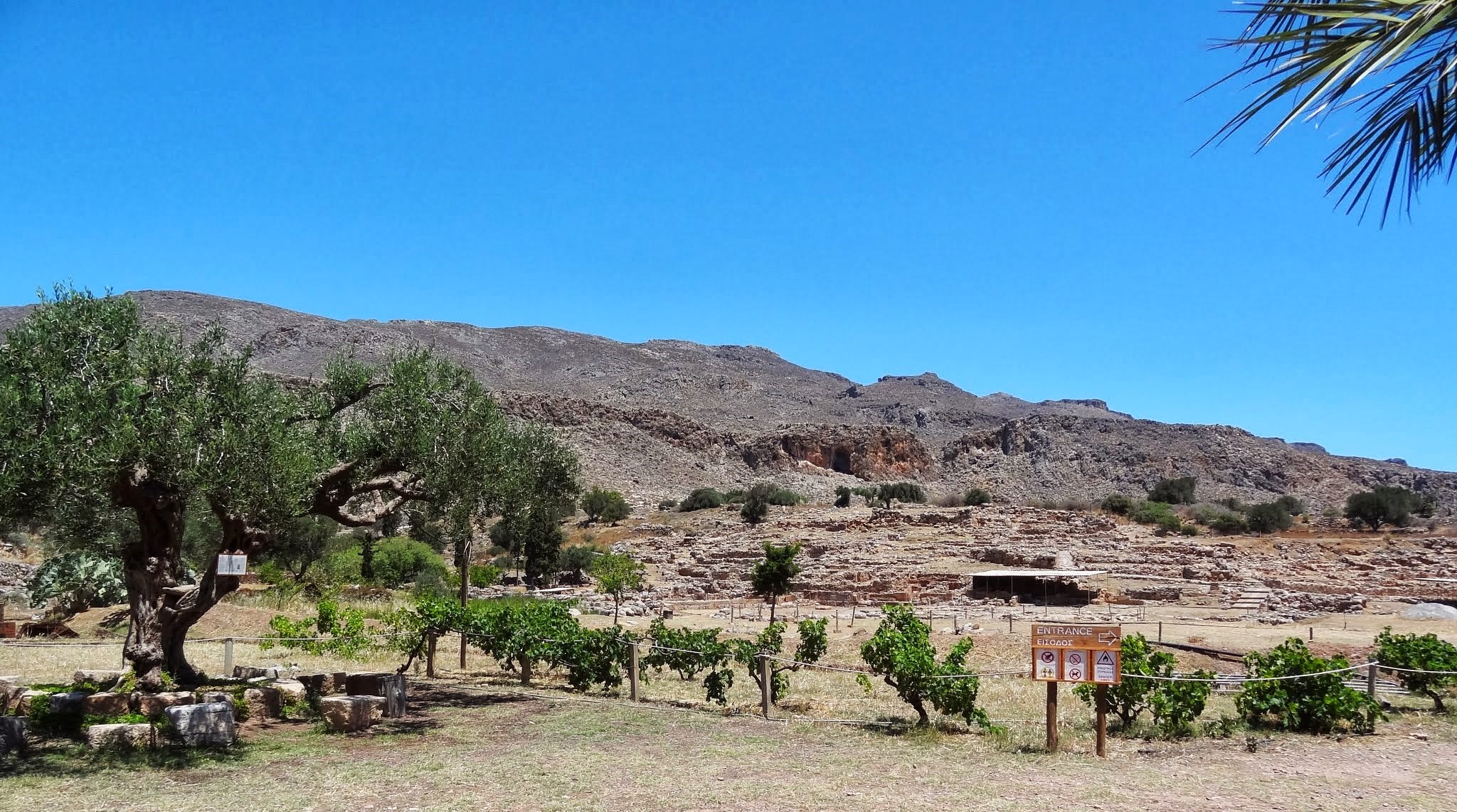
The palace was built close to the exit of the imposing Gorge of the Dead and is the fourth-largest Minoan palatial complex excavated on Crete. The gorge takes its modern name from the numerous Prepalatial and Minoan burials discovered inside caves and cavities in its steep walls.
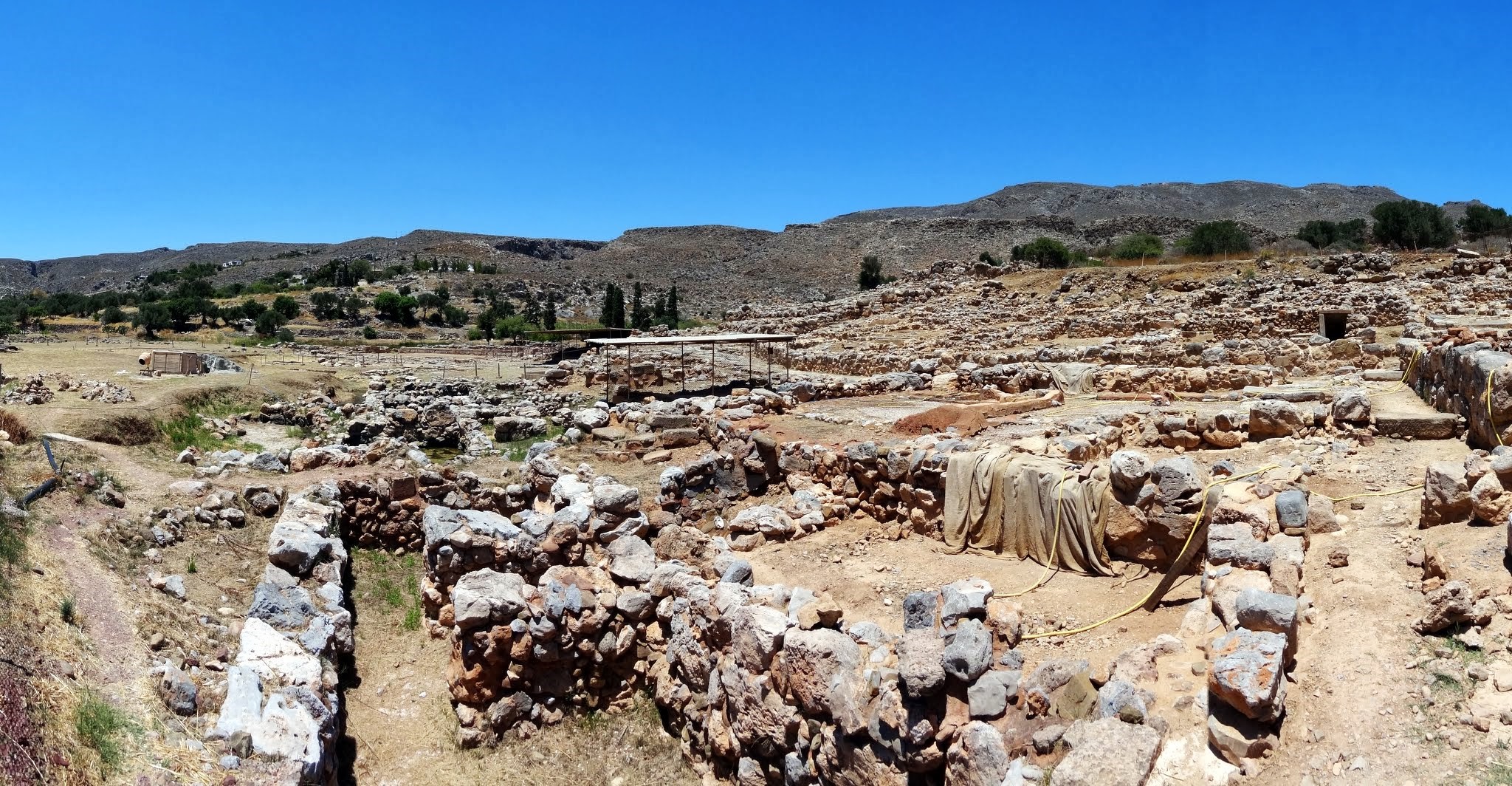
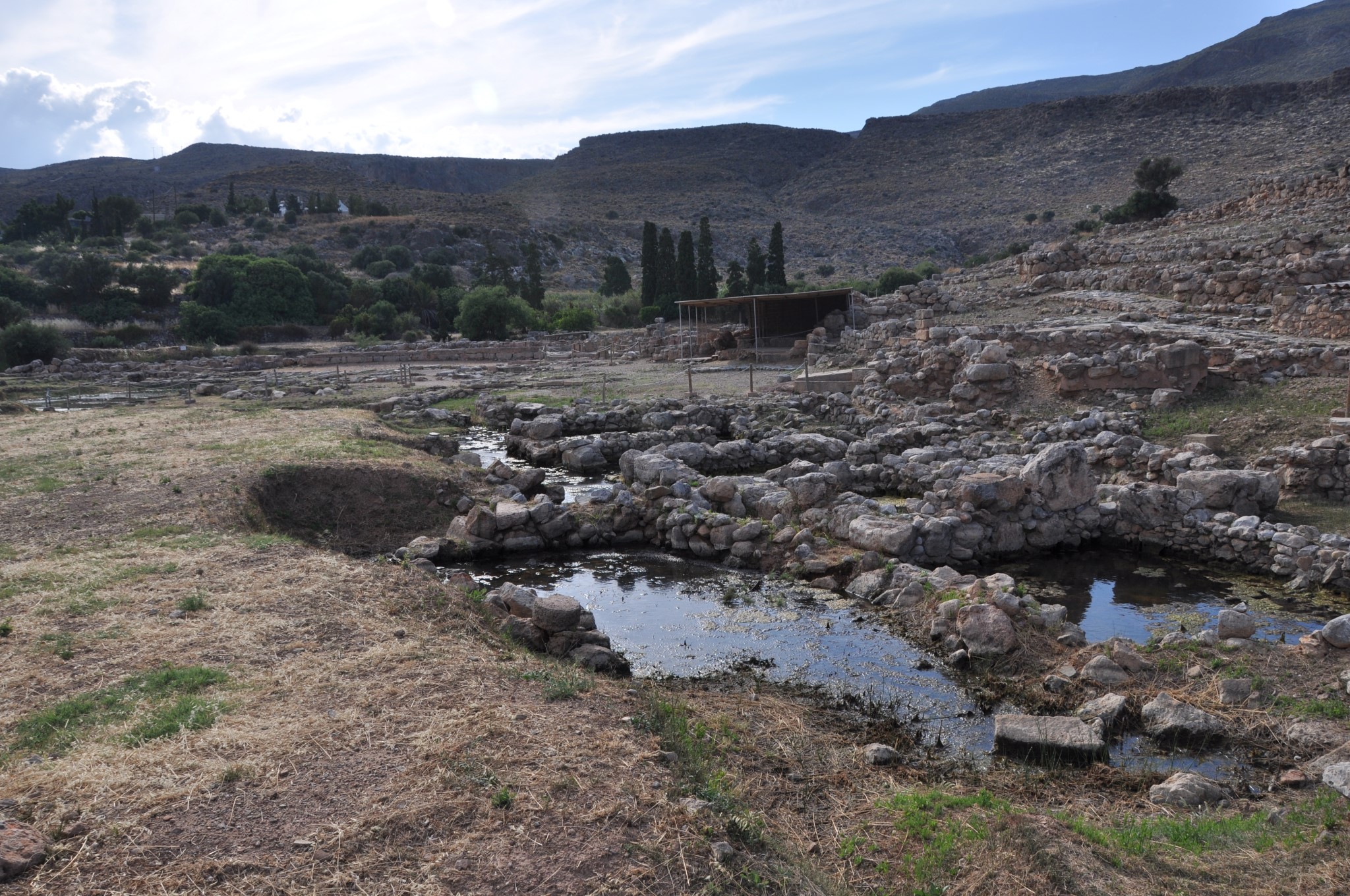
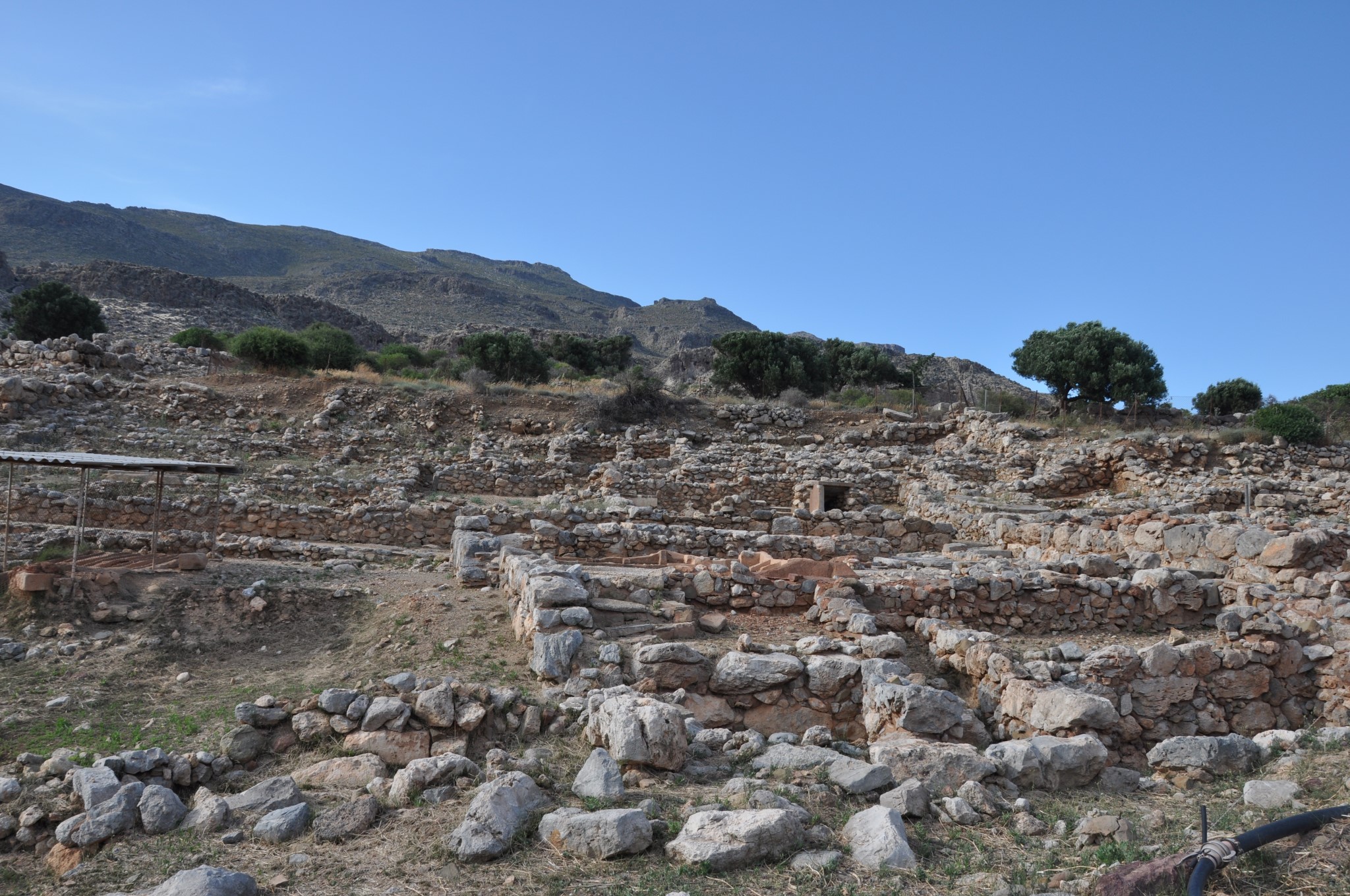
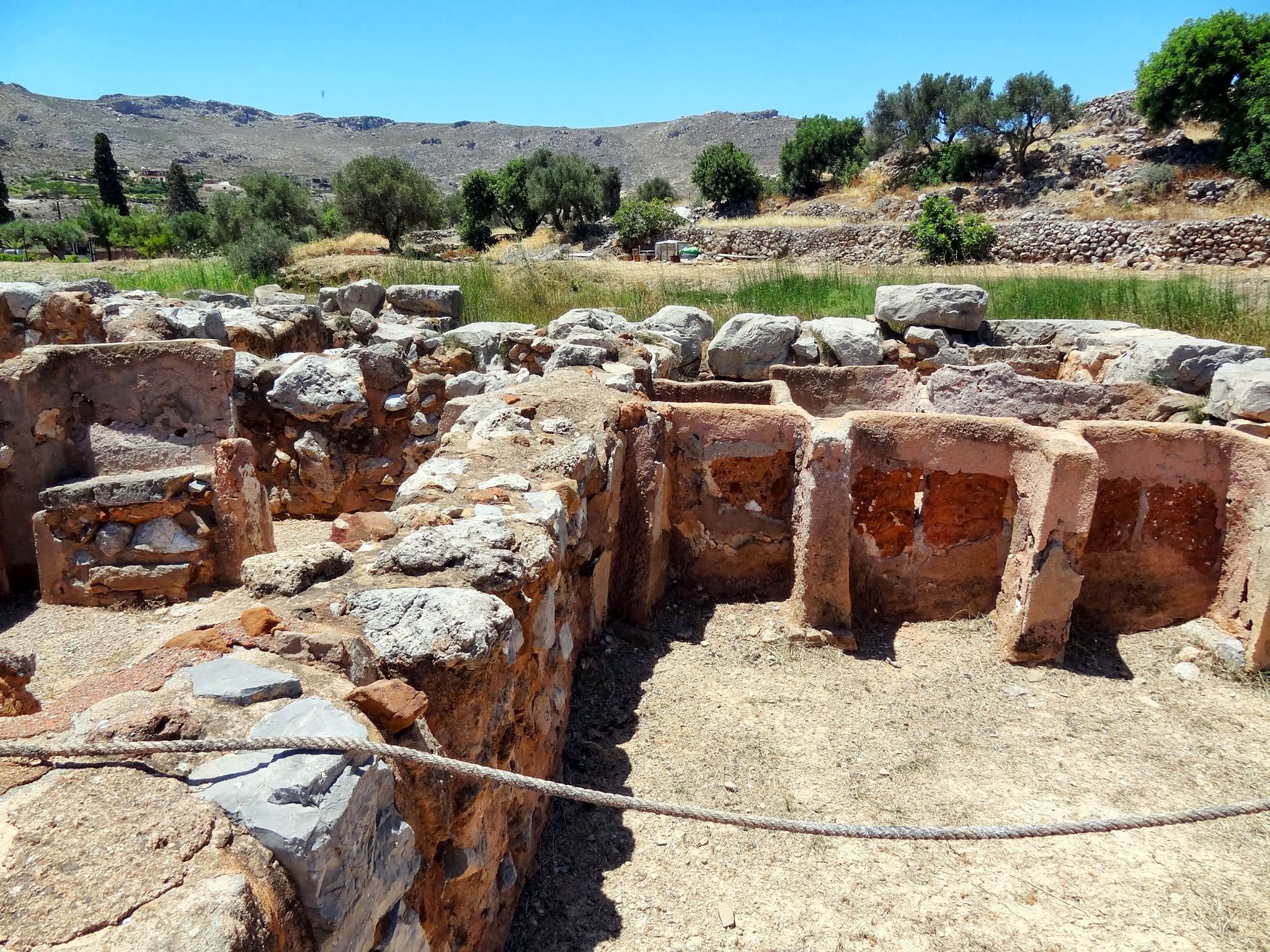
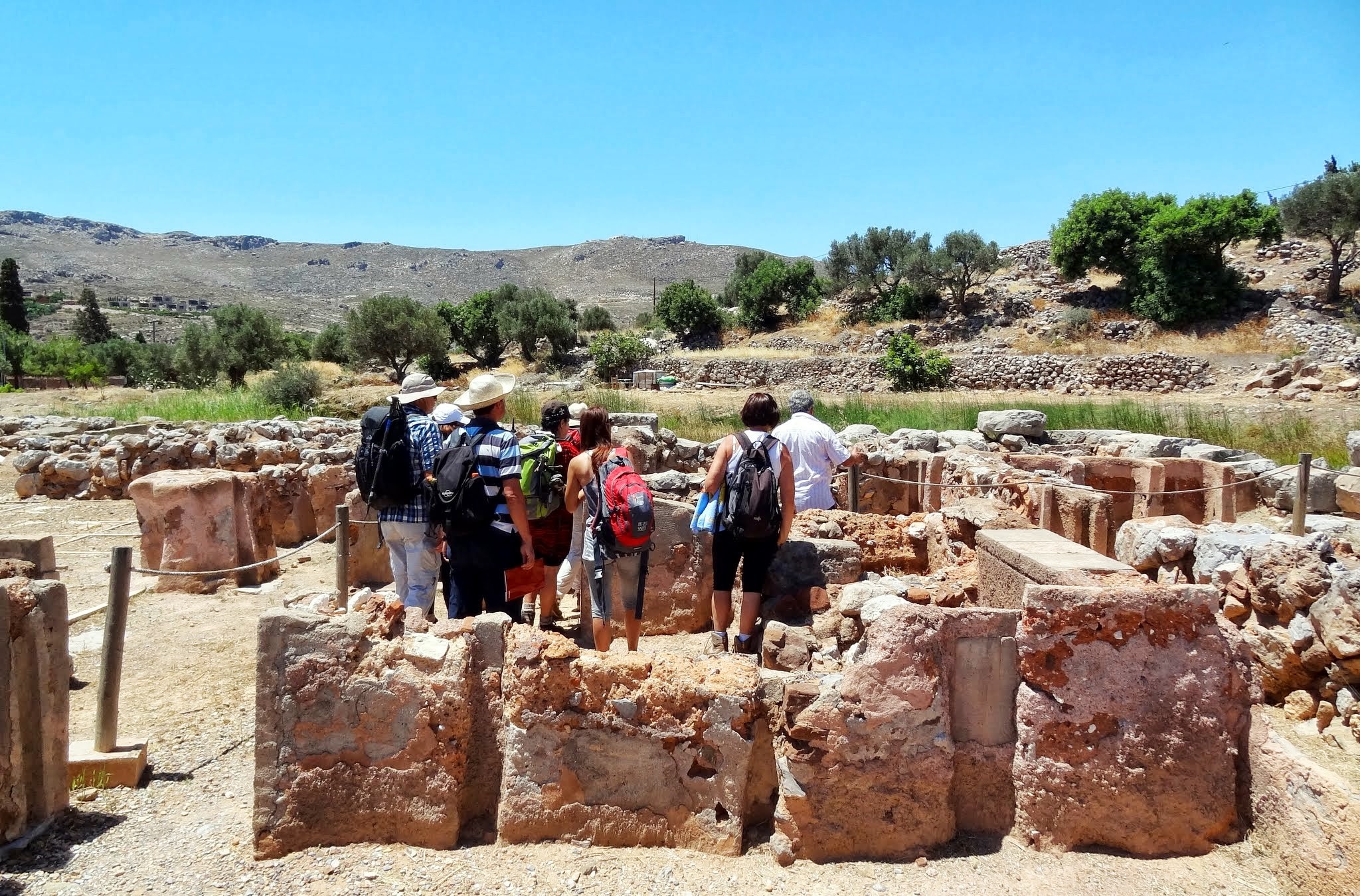
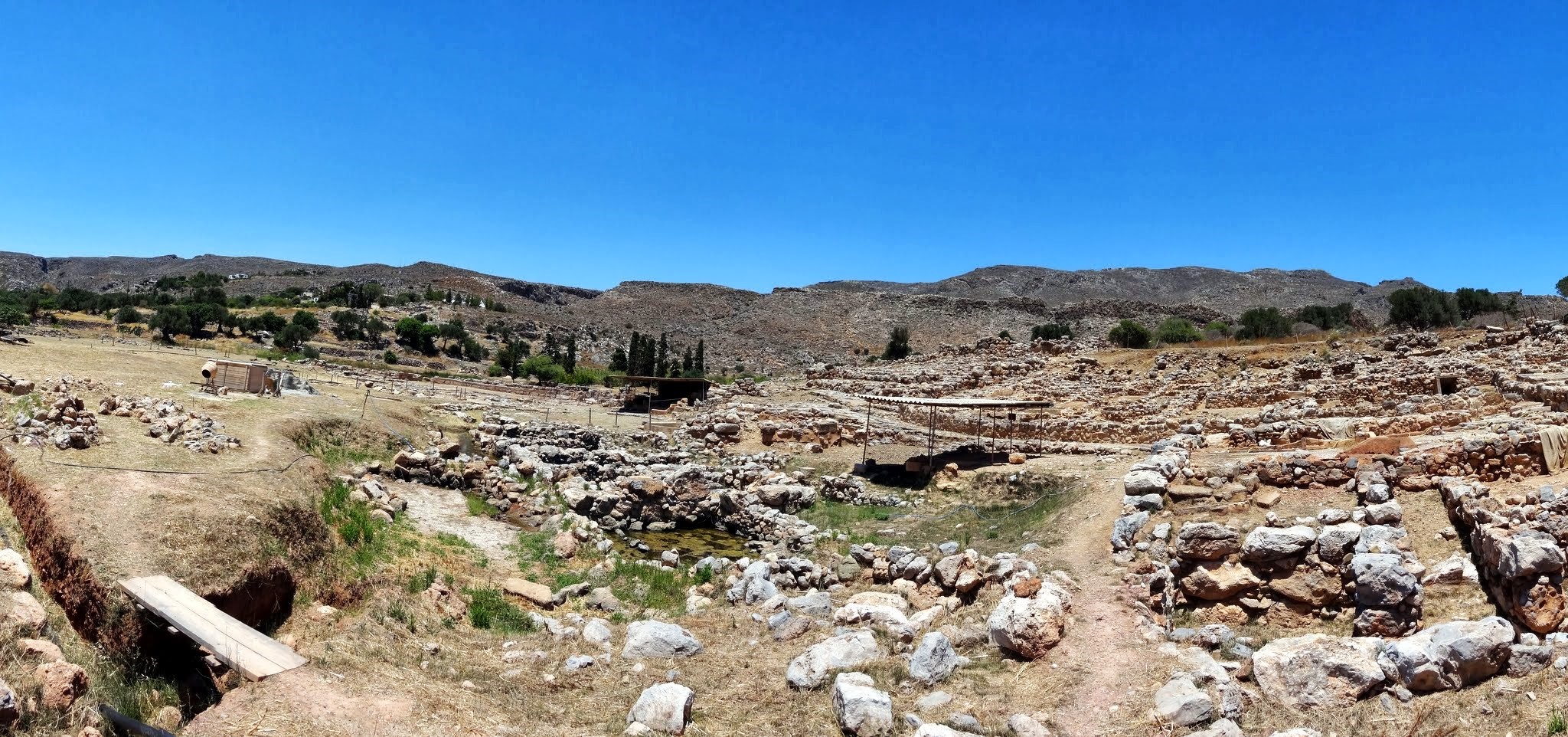
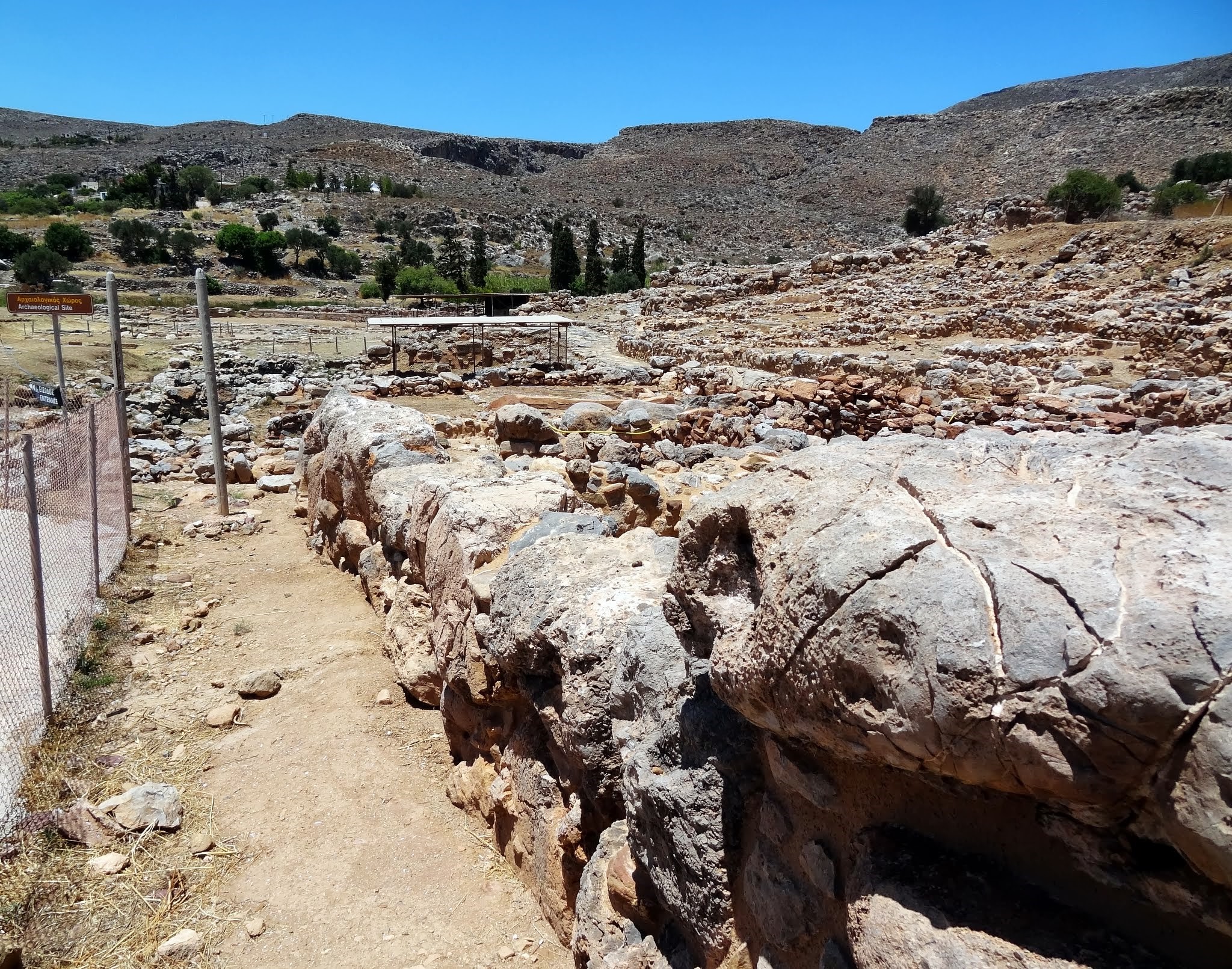
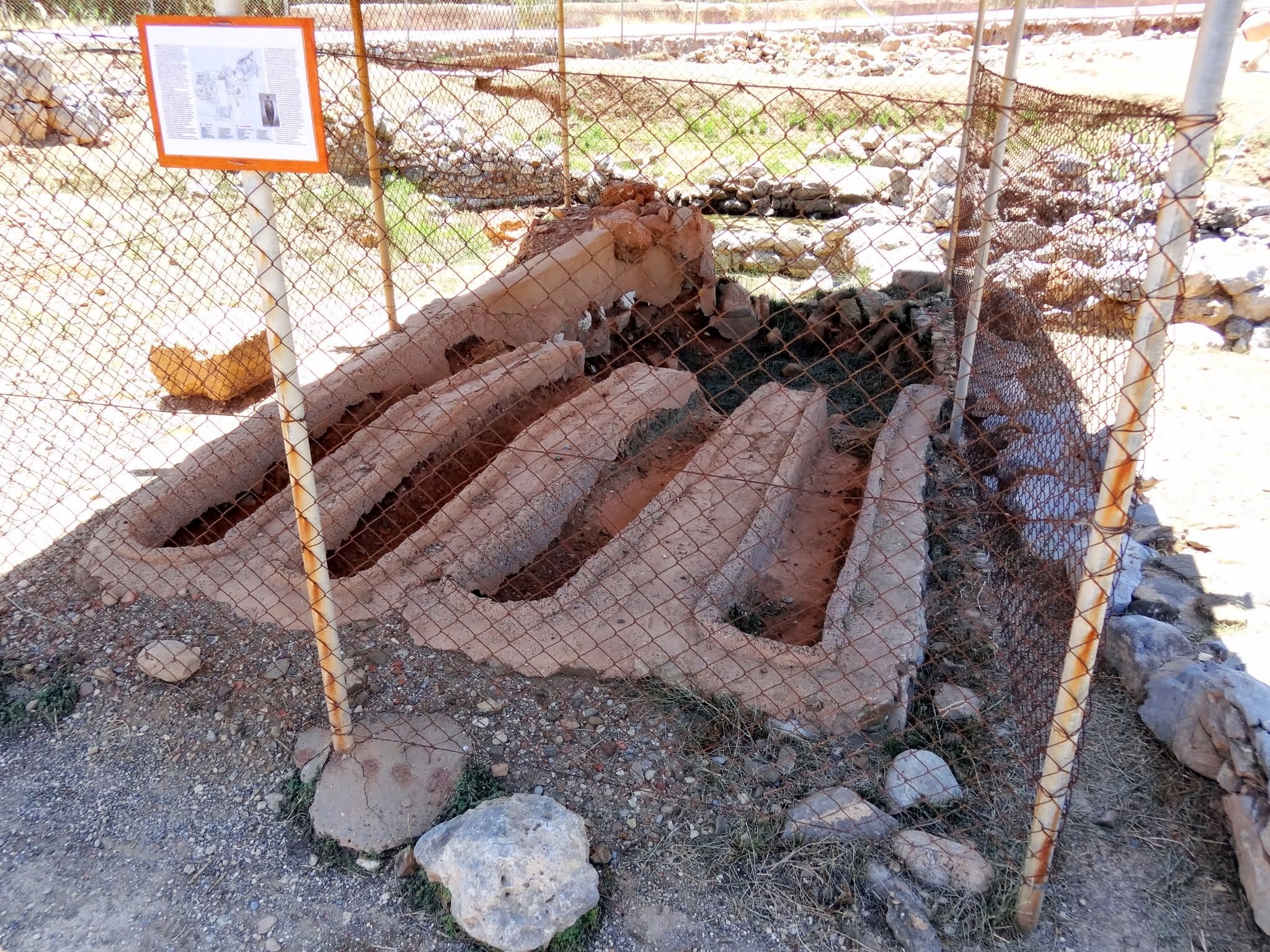
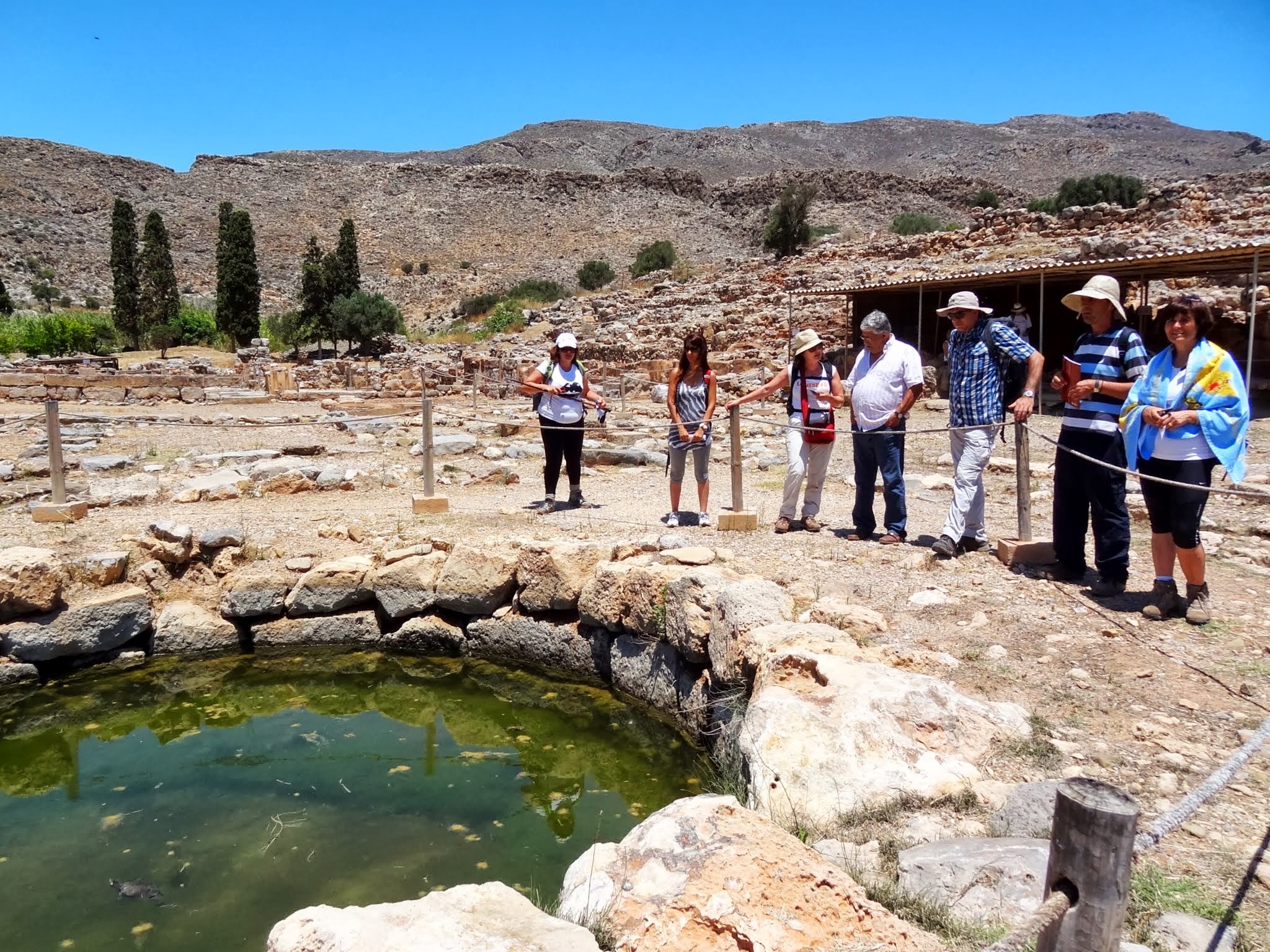 The cisterns inside the Palace of ZakrosThe palace covers approximately 3,500 square metres, while an organised Minoan settlement extended around it. The central court formed the core of the complex and was connected to the harbour installations by a paved road.
The wings around the court contained administrative and religious spaces, magazines, workshops, kitchens, banquet rooms, apartments, archives and treasuries. The cisterns, wells and water-management installations are particularly interesting, as they made use of the abundant natural springs of the area.
History of the palace
The area of Zakros was inhabited before the construction of the palace. An early palatial complex developed during the Protopalatial period, while the New Palace, whose remains are mainly visible today, was constructed during the Neopalatial period.
The New Palace was destroyed around 1450 BC, along with many other Minoan centres on Crete. The destruction appears to have been sudden. Numerous precious objects remained inside the palace rooms, making Zakros one of the most important archaeological discoveries for the study of Minoan life.
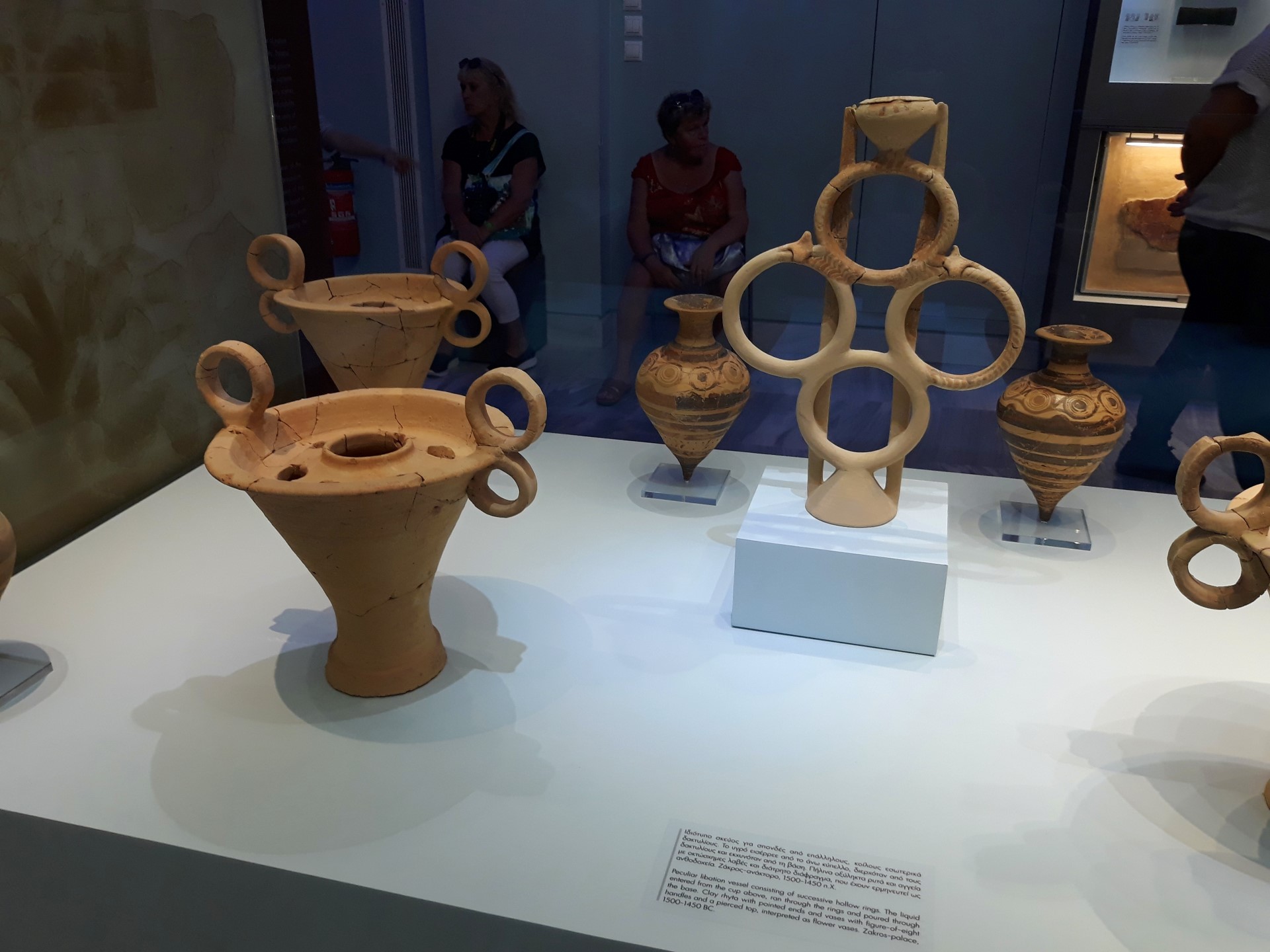
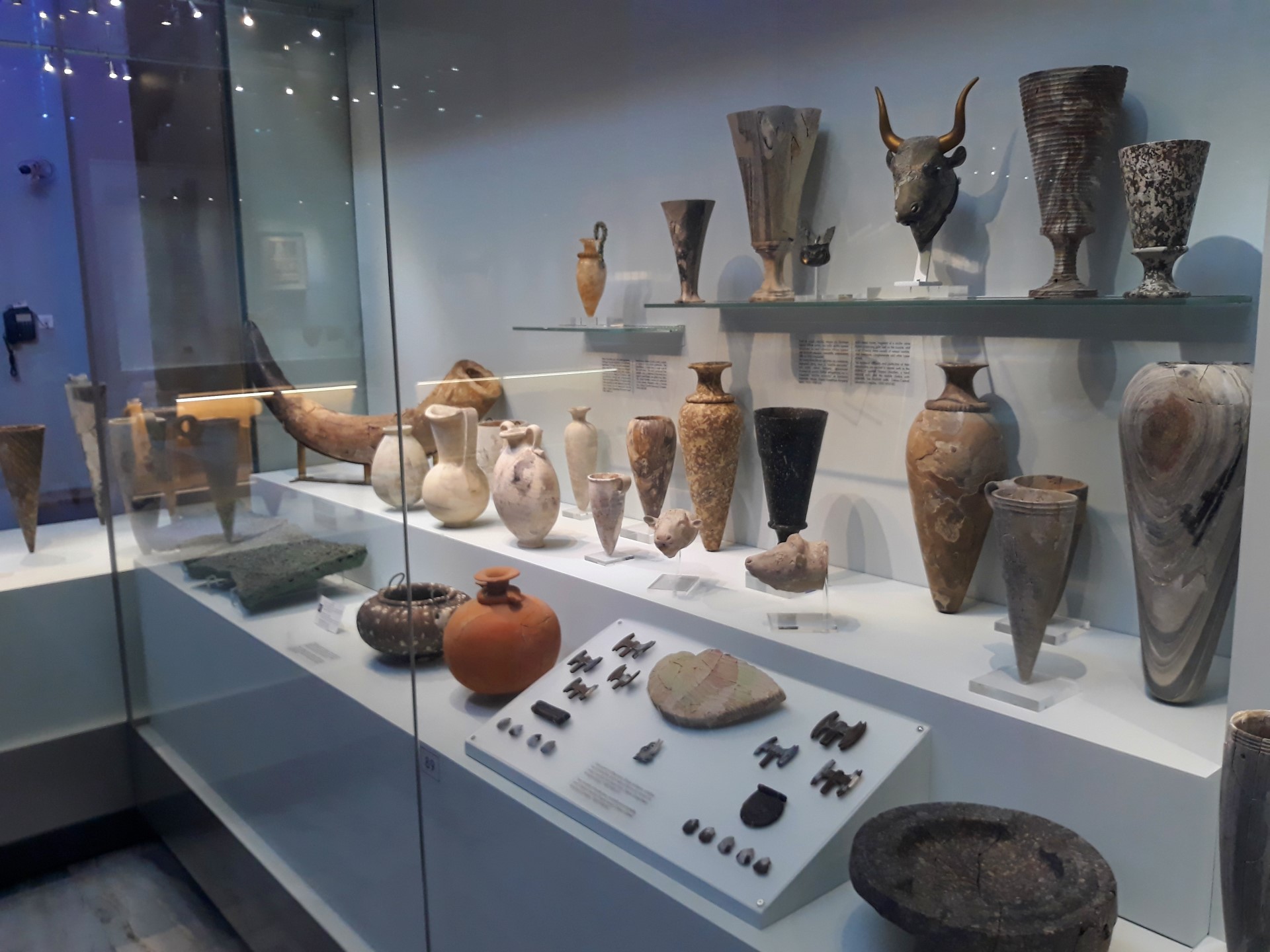
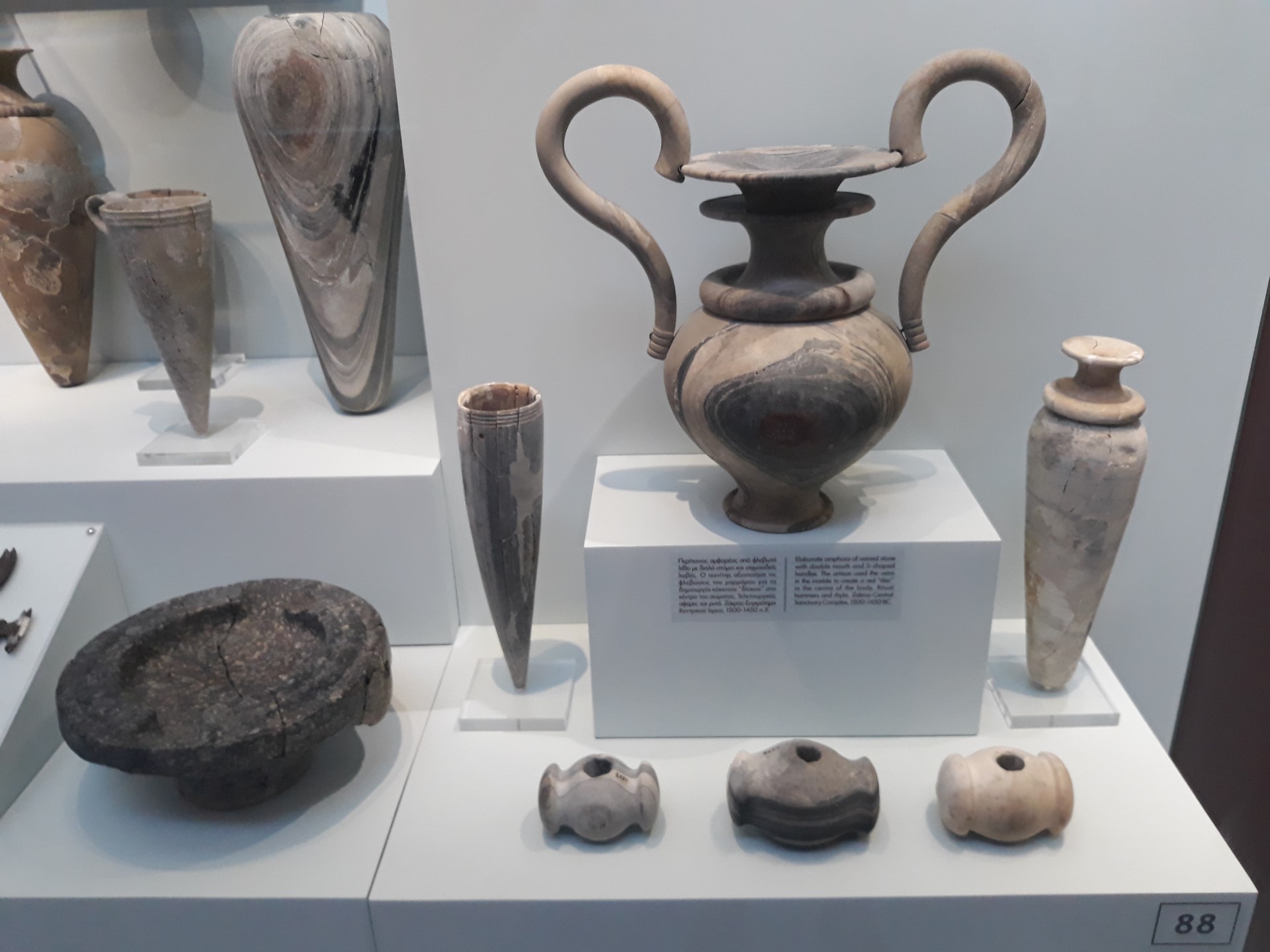
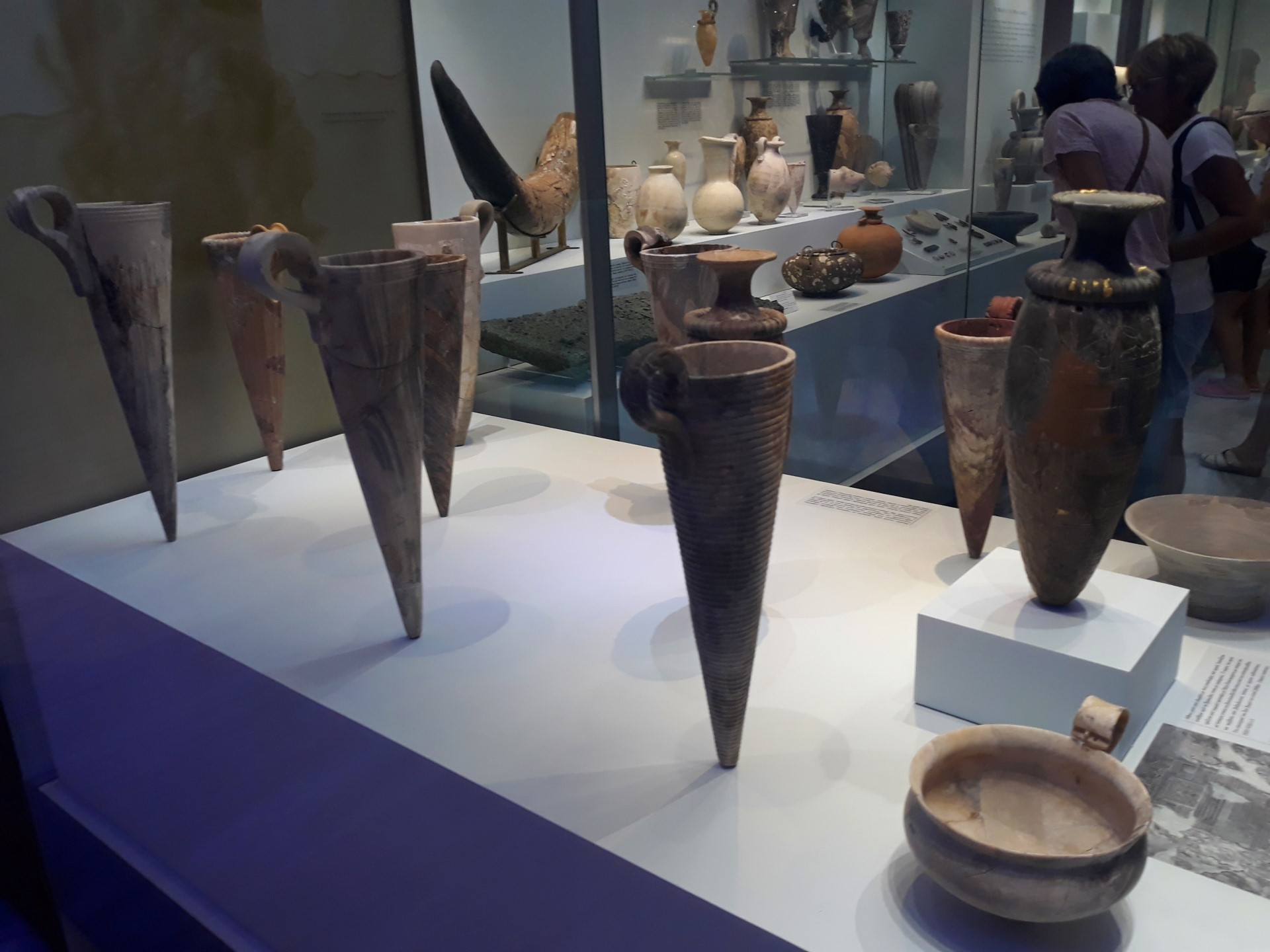
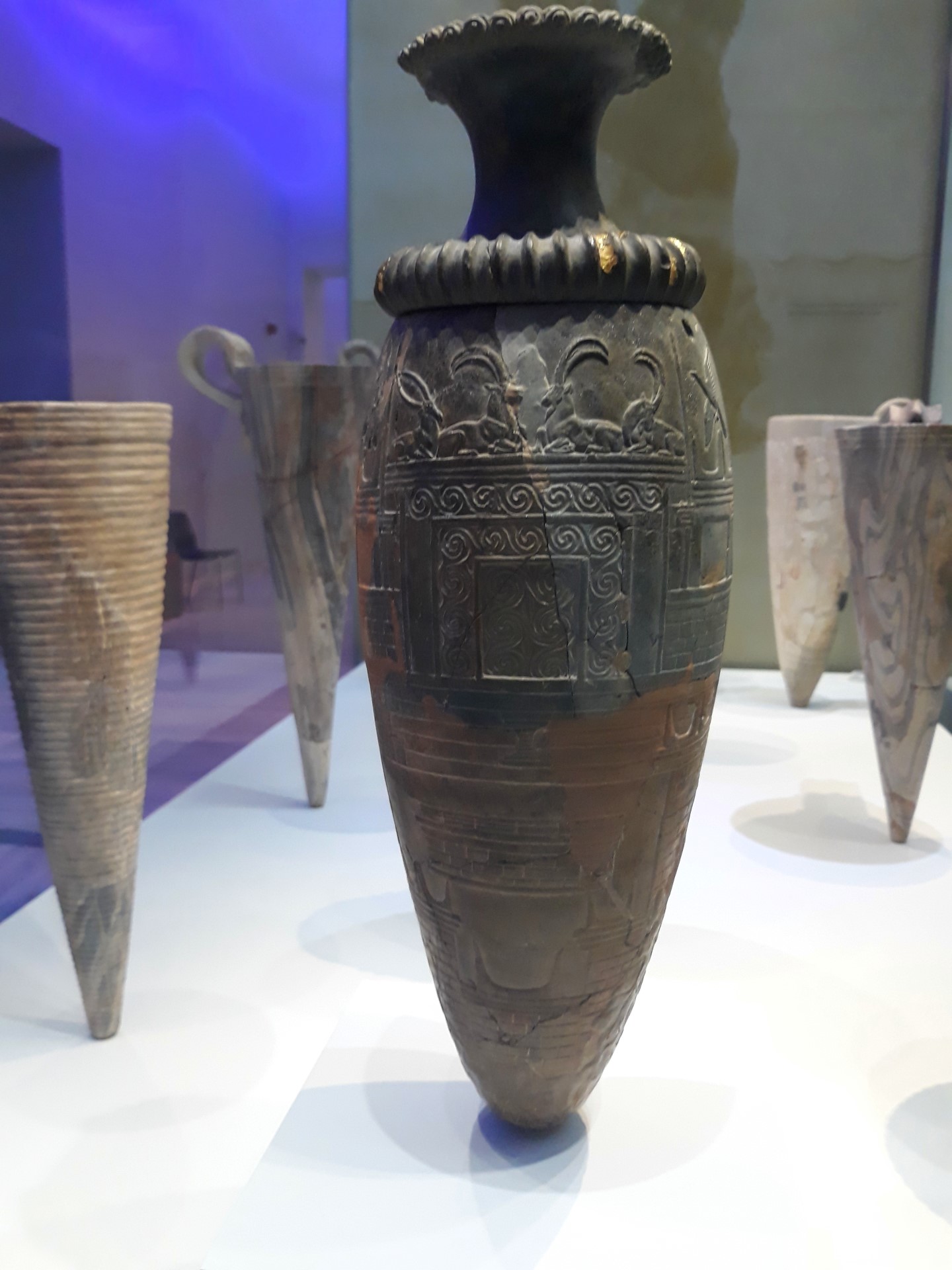
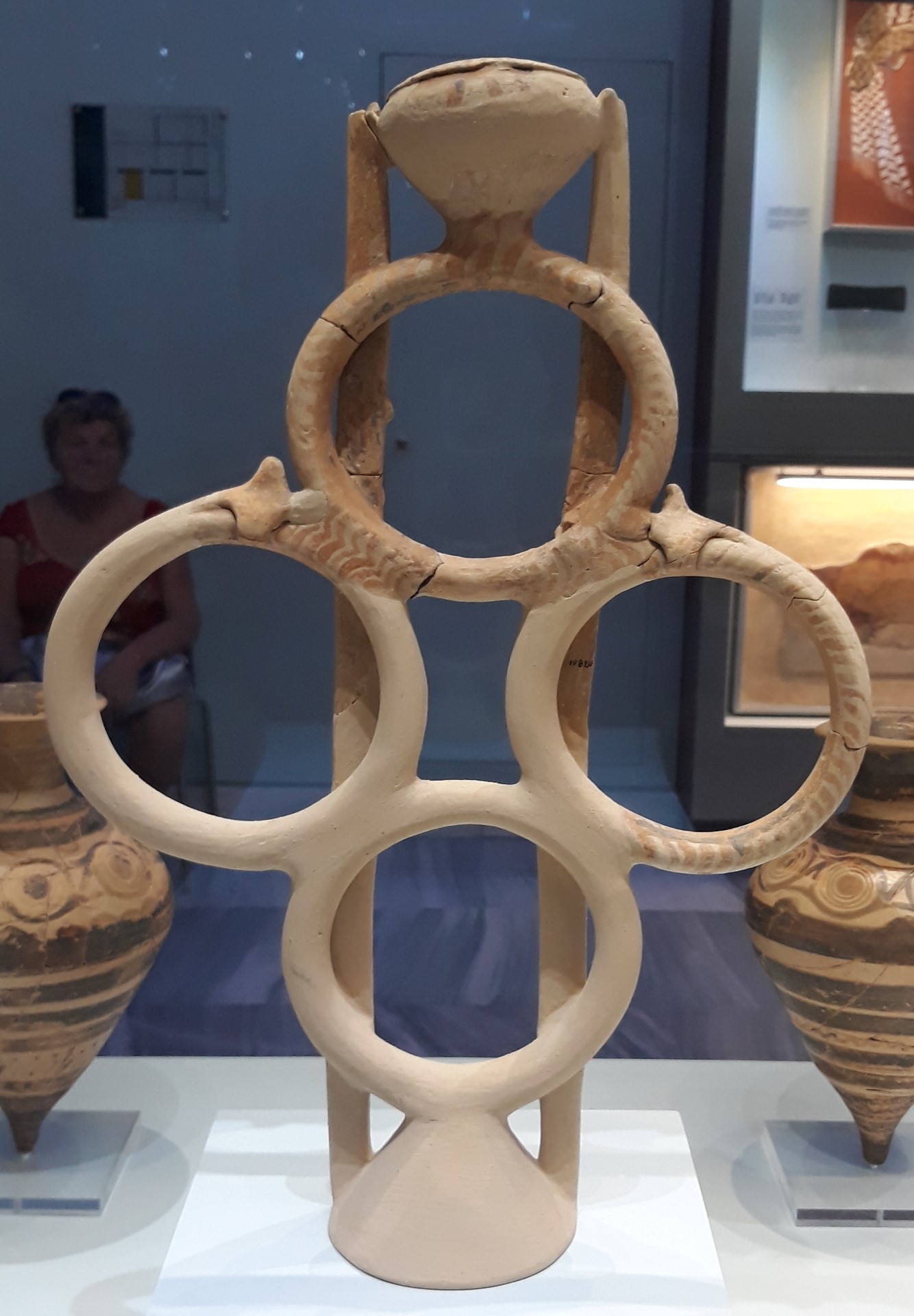
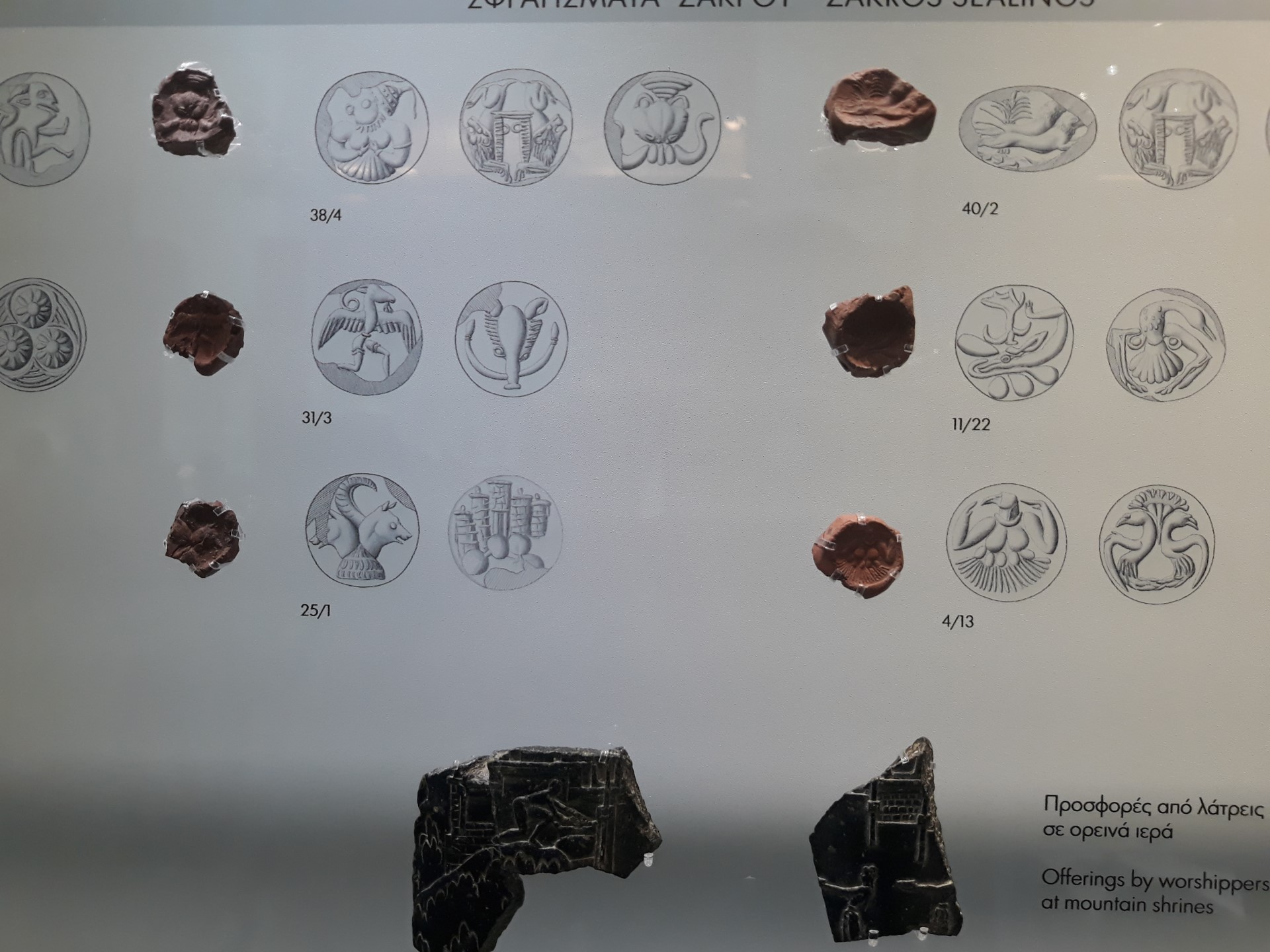
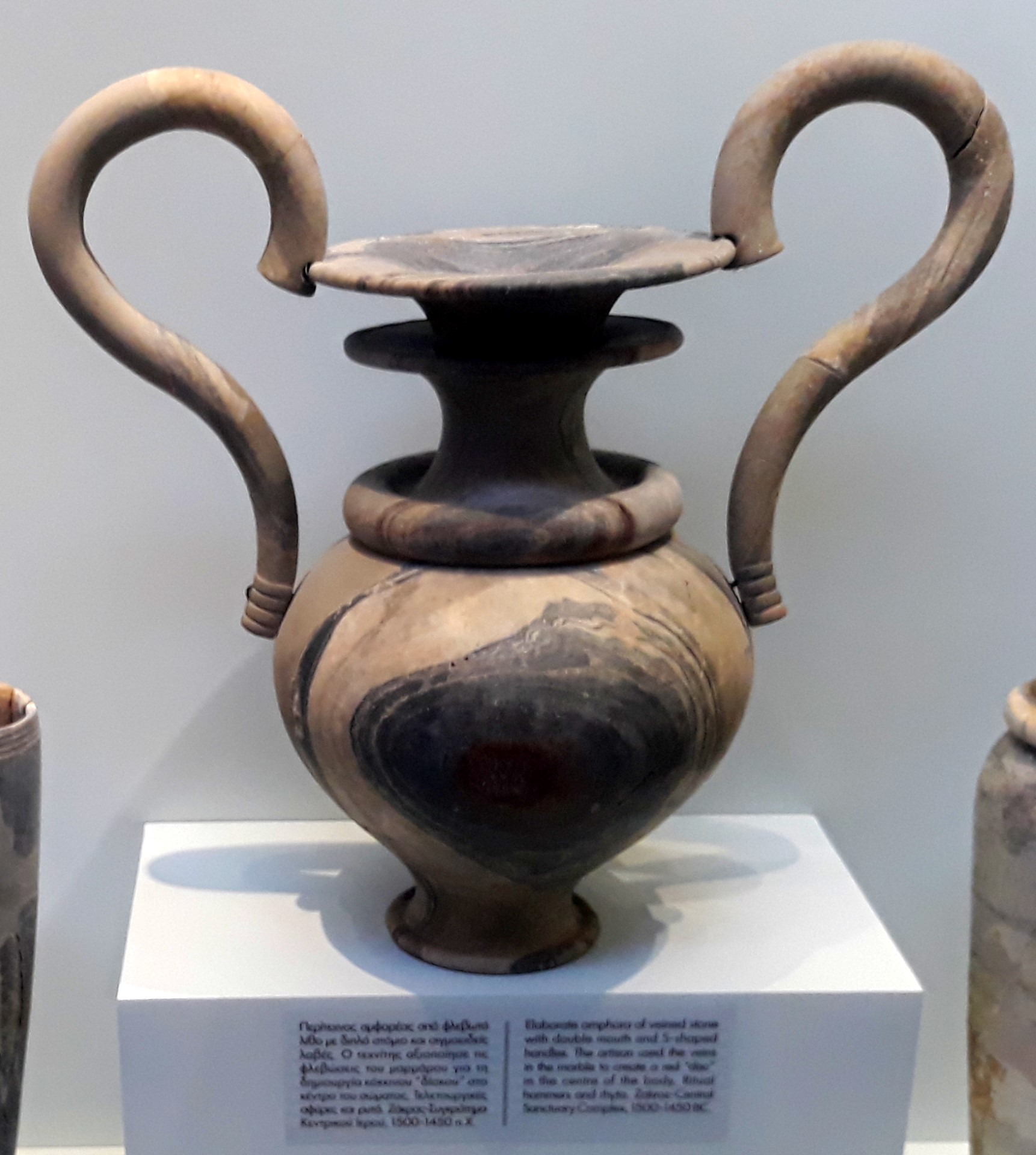
The finds include ceremonial stone vessels, jewellery, ivory, gold leaf, pottery, sealings and tablets inscribed in Linear A. Among the most remarkable objects are the famous rock-crystal rhyton, a bull’s-head rhyton and several other ritual vessels of exceptional craftsmanship.
Many of the most important discoveries from Zakros are now exhibited at the Heraklion Archaeological Museum, while finds from the wider area can also be seen in the archaeological museums of Sitia and Agios Nikolaos.
The excavations
The first systematic excavations at Kato Zakros were conducted at the beginning of the 20th century by the British archaeologist David George Hogarth. His work uncovered parts of the Minoan settlement and several important buildings and artefacts, but the palace itself had not yet been identified.
In 1961 the Greek archaeologist Nikolaos Platon began a new excavation campaign and revealed the palatial complex. The excavations uncovered a large number of rooms and valuable objects in their original positions, as the palace had not been systematically looted after its destruction.
The discovery of Zakros provided a rare view of the organisation of a Minoan palatial centre, its maritime trade connections and the daily, administrative and ceremonial lives of its inhabitants.
A tour of the archaeological site
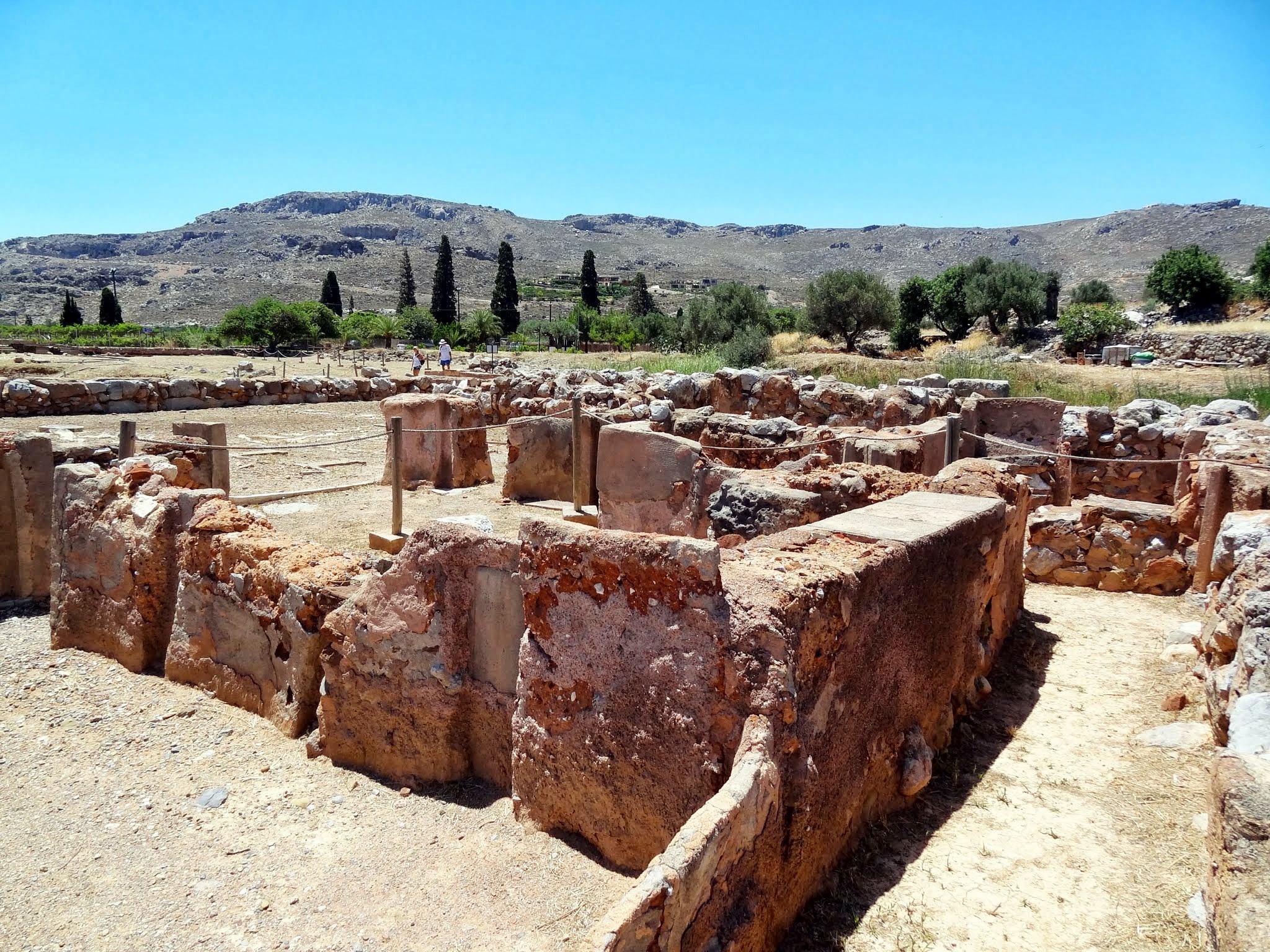
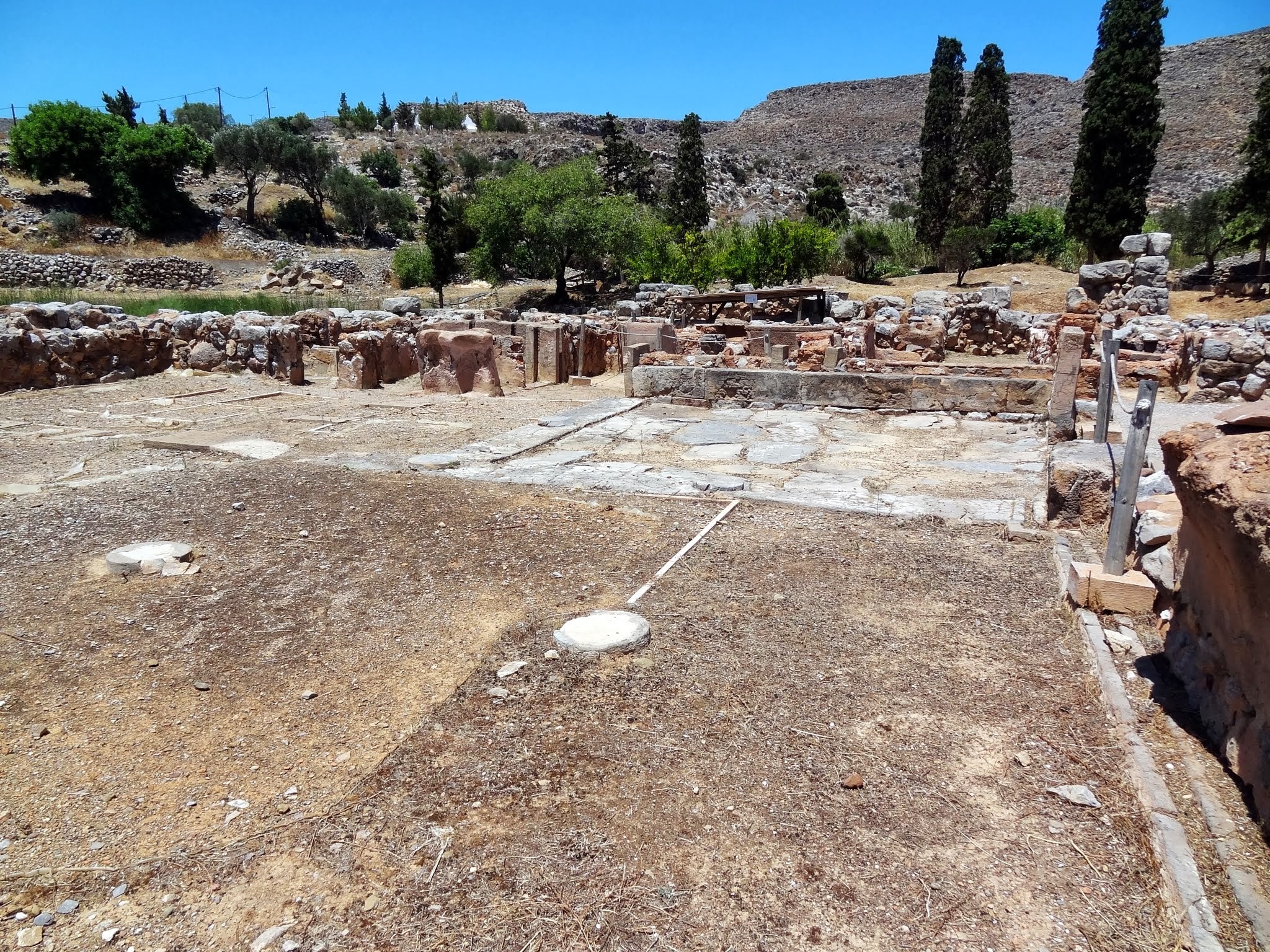
The large rectangular Central Court formed the heart of the palace. The four main wings of the complex were organised around it and served different administrative, economic, religious and residential functions.
The west wing contained important ceremonial and cult spaces, a lustral basin and a treasury. Magazines, kitchens and banquet rooms occupied parts of the north wing, while the east wing contained the apartments traditionally described as “royal”.
Terms such as “royal apartments”, “king” and “queen” are conventional archaeological interpretations and do not establish with certainty who used these rooms. Modern research understands the Minoan palaces as multifunctional centres of administration, economy, religion and social life rather than simply as royal residences.
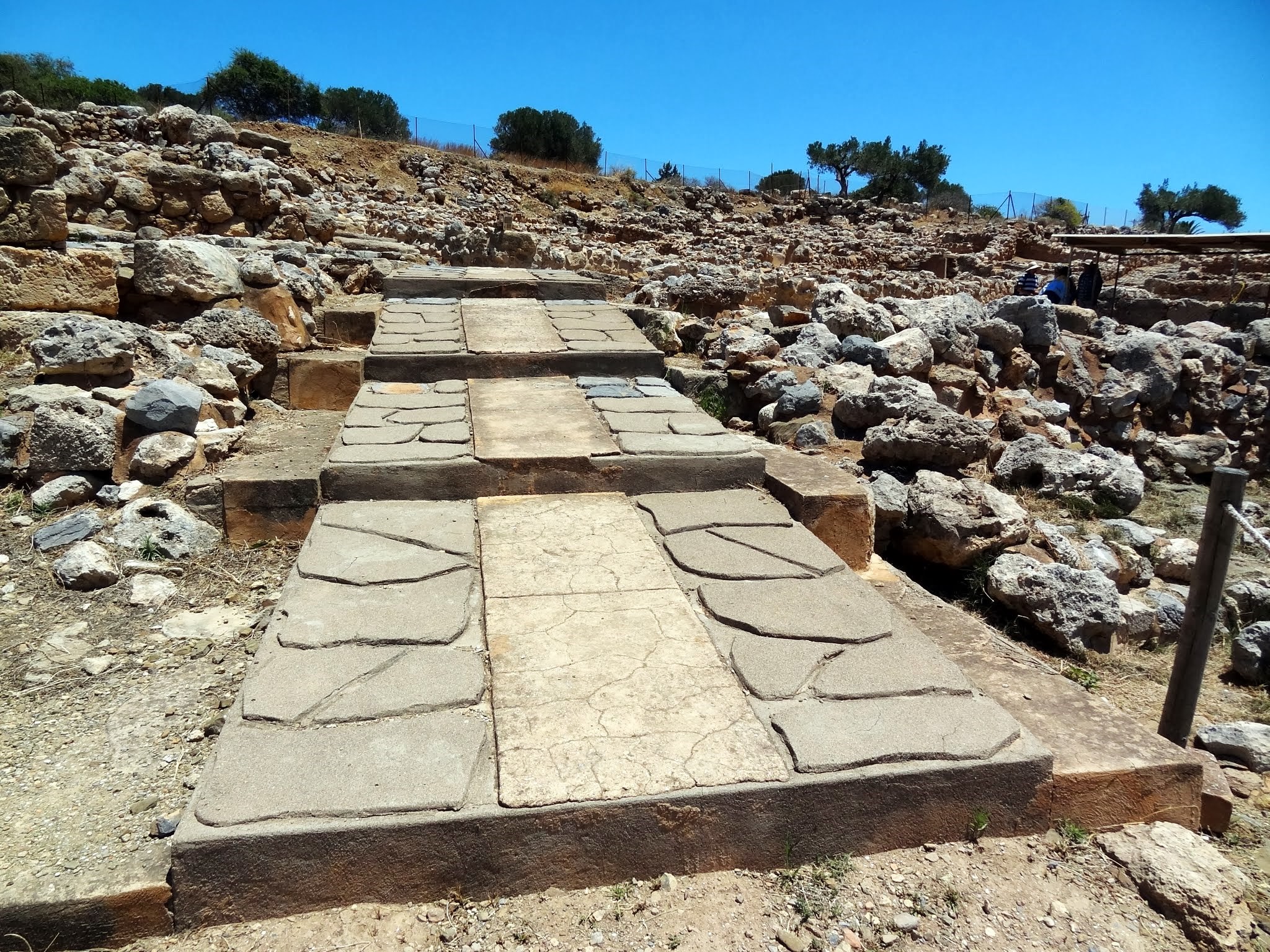
A paved route known as the Harbour Road connected the palace and settlement with the coast. This road highlights the special role of Zakros as the maritime gateway of Minoan Crete towards the Eastern Mediterranean.
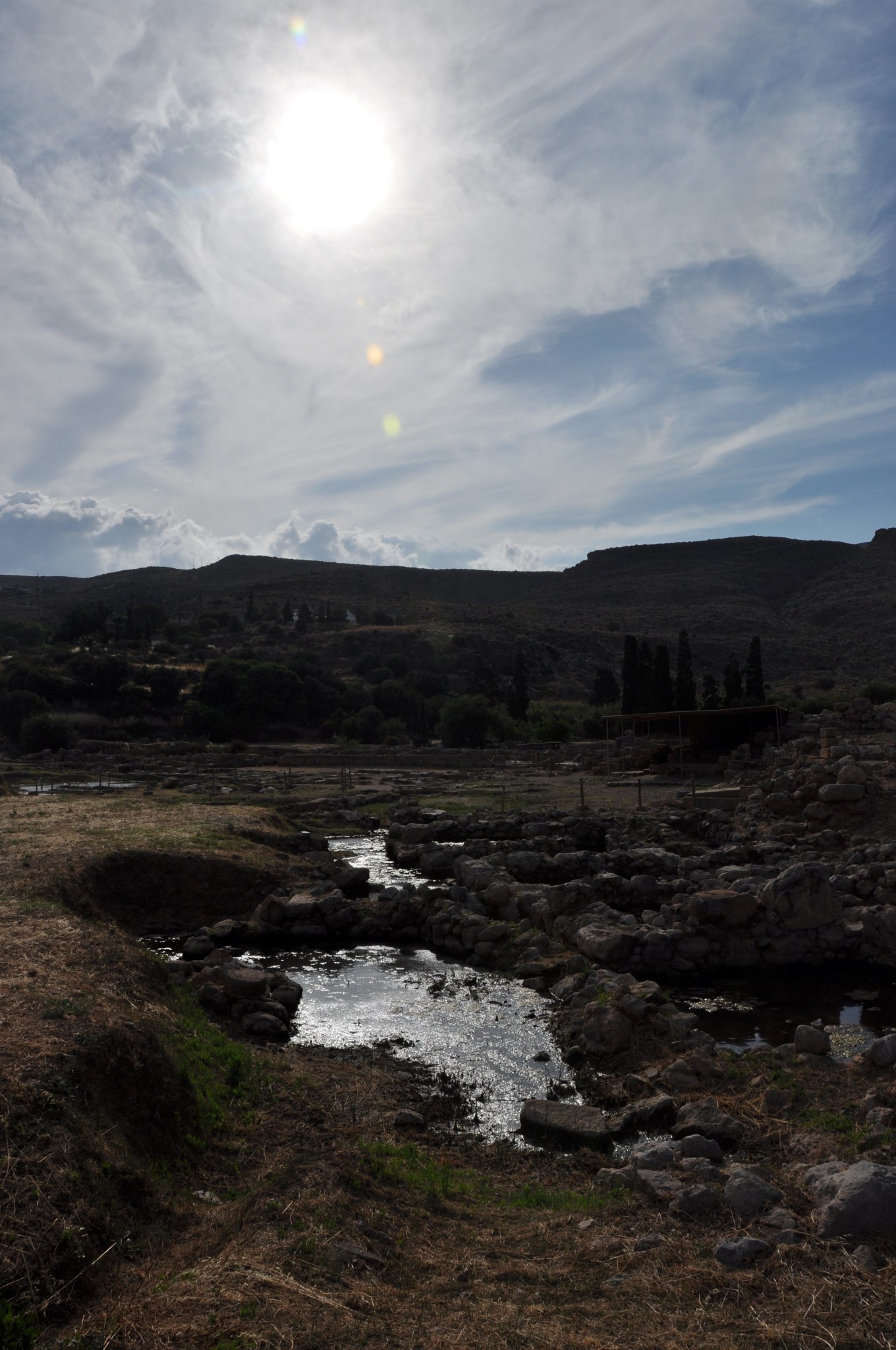
Water still collects in the cisterns and natural springs of the archaeological site, and turtles can be seen in some of them. The landscape of springs, gorge and sea largely preserves the secluded character that has defined the area since Minoan times.
Ancient quarrying sites have also been identified north of Kato Zakros, near Pelekita Cave. The wider area brings together the Minoan palace, the surrounding settlement, the burials of the Gorge of the Dead and a landscape of exceptional archaeological and natural importance.
 Stay nearby
Nearby places of interest
Straight-line distances
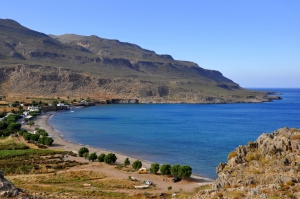 0.2 km
Zakros beach
35.809
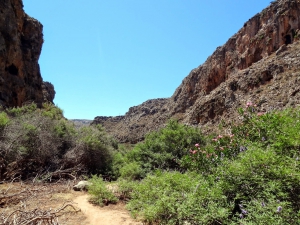 1.1 km
Zakros Gorge
25.149
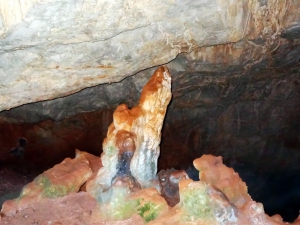 2.8 km
Pelekita Cave
15.541
 3.2 km
Traostalos peak sanctuary
8.189
 3.3 km
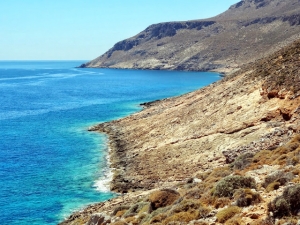
Trail Kato Zakros - Pelekita Cave - Karoumes
7.926
 3.9 km
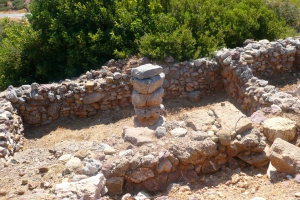
Ano Zakros Minoan villa
6.316
 4 km
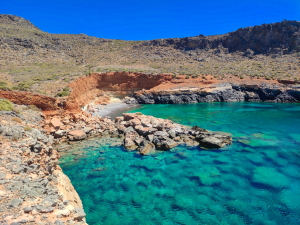
Roussospasma beach
3.317
 4.2 km
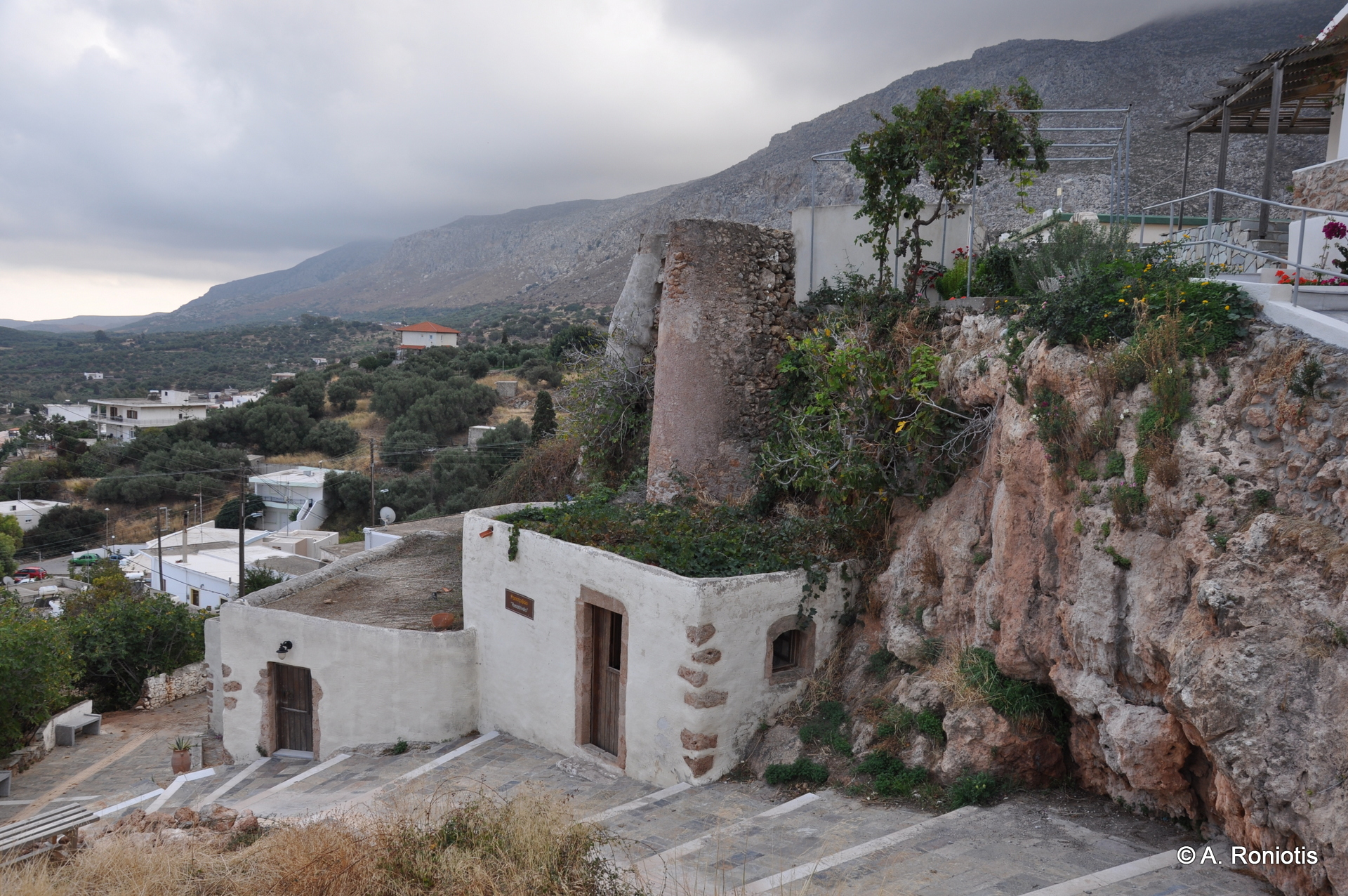
Zakros
4.690
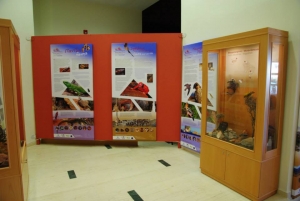 4.3 km
Natural History Museum of Zakros
7.835
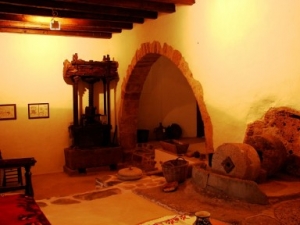 4.3 km
Museum of Water and Hydraulics in Zakros
6.469
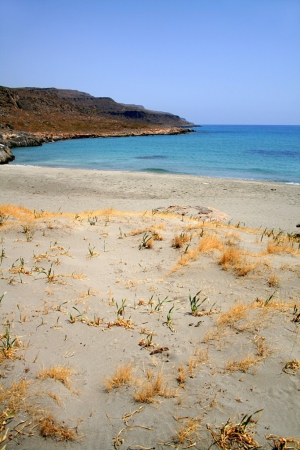 4.7 km
Alona beach (Krinakia)
22.513
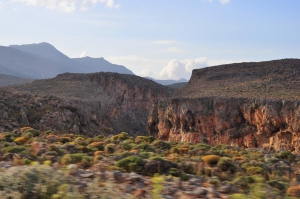 5 km
Katsounaki Gorge
9.169
 5.5 km
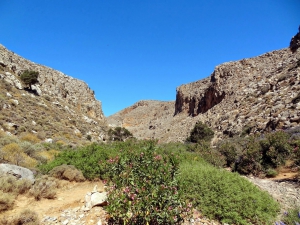
Chochlakies Gorge
11.408
 5.5 km
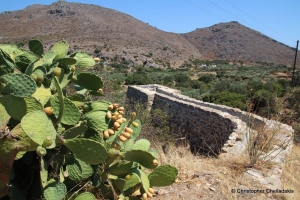
Chochlakies watermill
5.200
 5.5 km
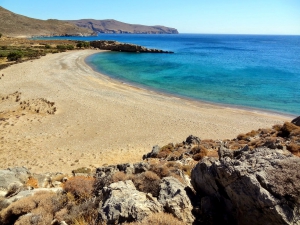
Karoumes beach
18.365
 5.8 km
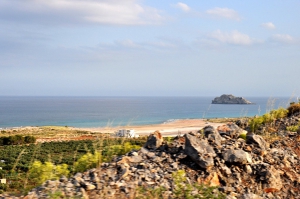
Alatsolimni beach
10.369
 6 km
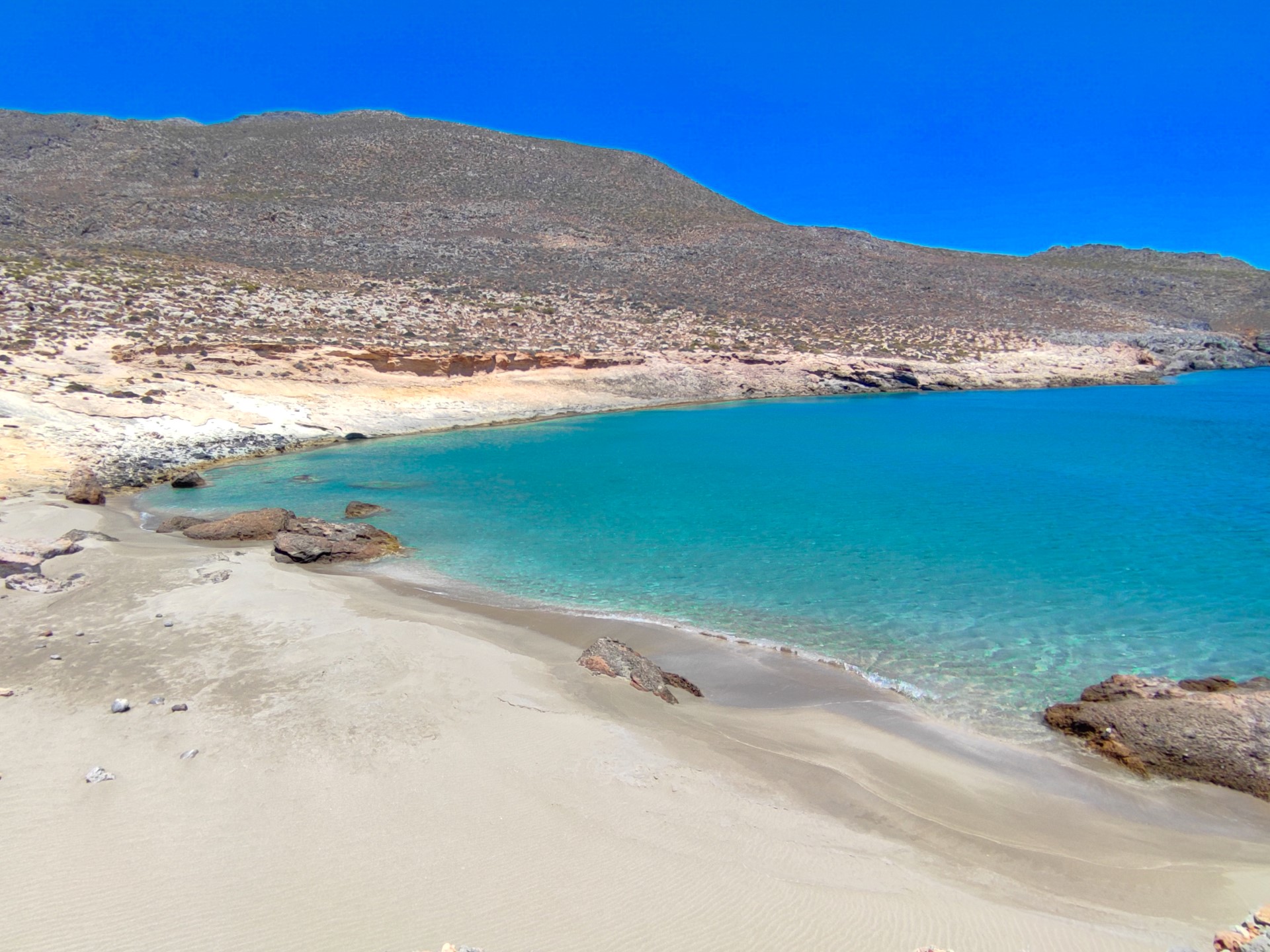
Mavromouri beach
1.749
 6.8 km
Xerokambos beach
28.831
Additional Info
- Location: Lassithi Prefecture
- Type: Palace
- Accessibility: Bus services
- Opening Hours: Winter 8:00-15:00, Summer 8:00-20:00
- Entrance Fee (€): 6€, Reduced 3€
- Website: odysseus.culture.gr
- e-mail: [email protected]
- Phone: +30 2843026897
- Fax: +30 2843023917
- Peak Period: Minoan Era (3000 BC-1200 BC)


