




Archaeological Sites

History

Archaeological Sites

Crete is one of the most important archaeological destinations in the Mediterranean. Its geographical position between Europe, Africa and the East encouraged the development of civilizations, trading networks and powerful cities over thousands of years. From the earliest human settlements and the Minoan palaces to Hellenistic cities, Roman monuments and the remains of later periods, the entire island resembles a vast open-air museum.

Prehistoric and Minoan Crete

The earliest evidence of human presence on the island is presented in the section on Prehistoric Crete. Caves, early settlements, tools and burial finds provide valuable information about life on the island before the emergence of the great palatial centres.

During the Bronze Age, Crete became the homeland of the Minoan civilization, one of the most important prehistoric cultures of the Mediterranean. The section on the Minoan period includes palaces, villas, settlements, peak sanctuaries, workshops, cemeteries and harbour installations.

Particularly important are the palaces of Knossos, Phaistos, Malia and Zakros. Together with Zominthos and Kydonia, they form the six Minoan Palatial Centres inscribed on the UNESCO World Heritage List.

From the collapse of the palaces to the city-states

Following the decline of the Minoan palatial system, the social and political structure of Crete changed. Settlements were established at naturally fortified and mountainous locations, while new cultural elements gradually appeared across the island. This transitional period is presented in the section on the Dark Age.

An important part of Crete’s archaeological heritage is formed by its ancient tombs and cemeteries. Tholos tombs, necropolises, rock-cut graves and funerary monuments reveal changing beliefs about death, social organization and burial rituals across different periods.

Classical, Hellenistic and Roman Crete

During historical times, Crete was divided into numerous independent city-states that formed alliances, developed trade relations and frequently competed with one another. The section on the Classical and Greco-Roman era includes ancient cities, sanctuaries, harbours, theatres, Roman villas and public buildings.

Among the most important sites are Gortyn, which became the capital of Crete during the Roman period, Eleftherna, Aptera, Lato and Polyrhenia. Their surviving remains include fortifications, temples, marketplaces, cisterns, theatres and other public structures.

The later historical periods

The archaeological and monumental history of the island continues through Byzantine Crete, the Emirate of Crete, Venetian rule, the Ottoman period and the island’s modern history. Fortifications, churches, settlements, public buildings and wartime monuments complete the story of Crete’s uninterrupted human presence.

Many archaeological sites are organized and officially open to visitors, while others remain freely accessible within towns, villages or remote landscapes. Visitors should respect the monuments, avoid removing any objects and follow the instructions issued by the responsible archaeological authorities.
The Minoan Era (3000 BC - 1200 BC)
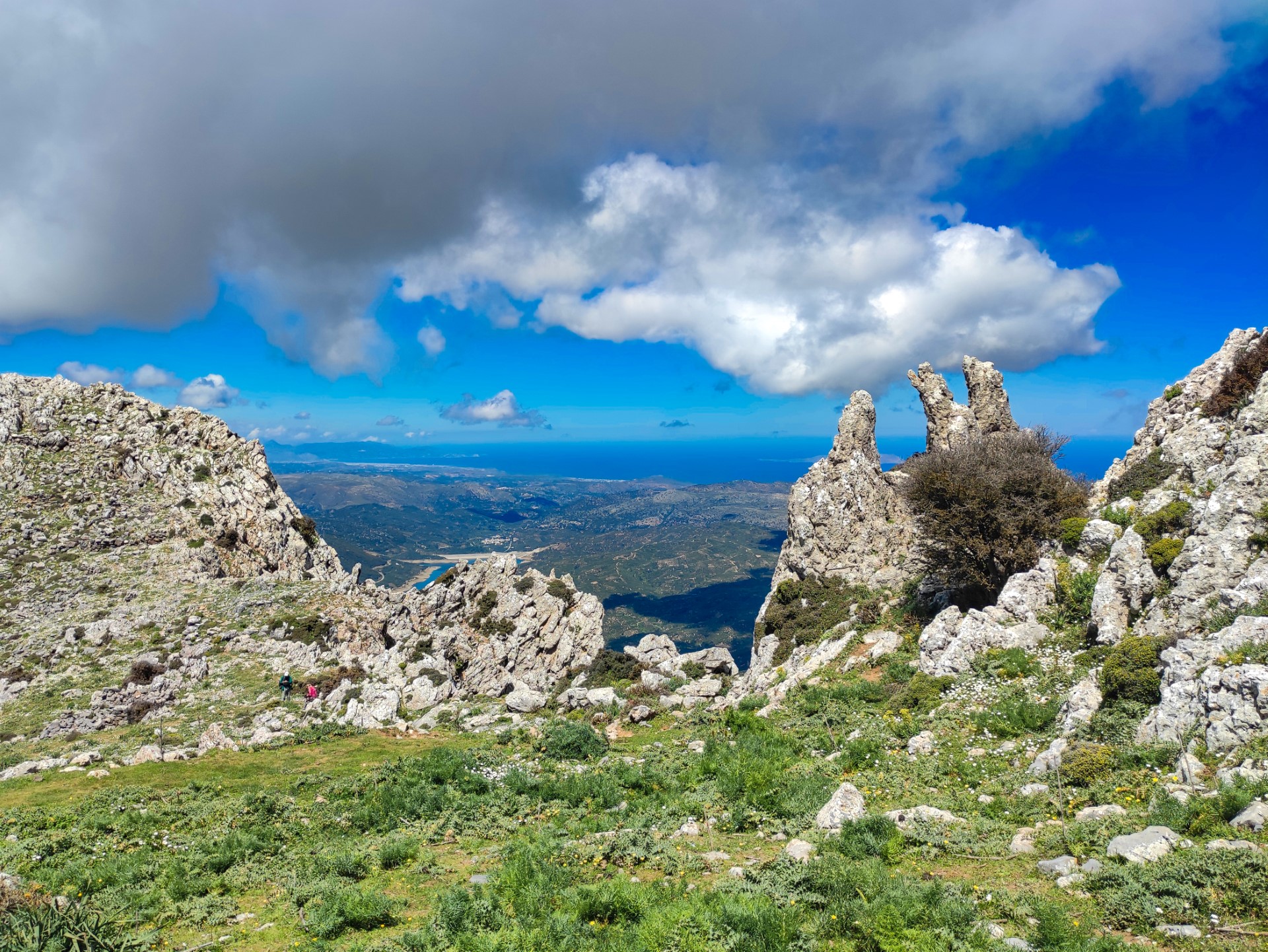
The Minoan Era (3000 BC - 1200 BC)

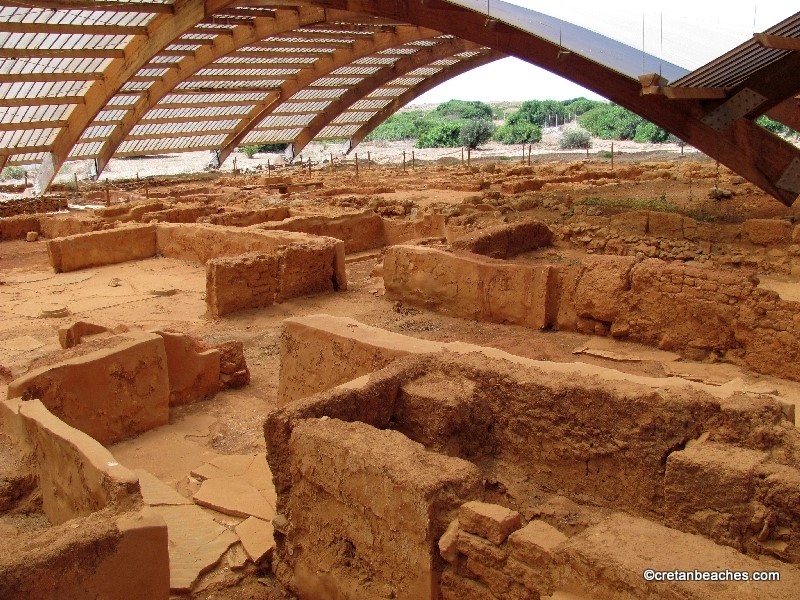
Η Μινωική Εποχή αποτελεί ένα από τα σημαντικότερα κεφάλαια της ιστορίας της Κρήτης. Κατά την Εποχή του Χαλκού αναπτύχθηκε στο νησί ένας σύνθετος πολιτισμός με μεγάλα ανακτορικά κέντρα, οργανωμένους οικισμούς, εκτεταμένα θαλάσσια δίκτυα, προηγμένη τεχνογνωσία και ιδιαίτερα υψηλό επίπεδο καλλιτεχνικής δημιουργίας. Η ονομασία «Μινωικός πολιτισμός» καθιερώθηκε στη νεότερη εποχή και προέρχεται από τον μυθικό βασιλιά Μίνωα. Η ανάπτυξη των ανακτορικών κέντρων Τα πρώτα μεγάλα ανάκτορα δημιουργήθηκαν περίπου στις αρχές της δεύτερης χιλιετίας π.Χ. και αποτέλεσαν διοικητικά, οικονομικά, θρησκευτικά και παραγωγικά κέντρα. Διέθεταν κεντρικές αυλές, αποθήκες, εργαστήρια, χώρους τελετών και πολύπλοκα συστήματα διαχείρισης αγαθών. Μετά τις καταστροφές γύρω στο 1700 π.Χ., πολλά από αυτά ανοικοδομήθηκαν σε ακόμη πιο μνημειακή μορφή. Τα σημαντικότερα κέντρα ήταν η Κνωσός, η Φαιστός, τα Μάλια και η Ζάκρος. Μαζί με την ορεινή Ζώμινθο και την Κυδωνία, κάτω από τη σημερινή πόλη των Χανίων, αποτελούν τα έξι Μινωικά Ανακτορικά Κέντρα που εντάχθηκαν το 2025 στον Κατάλογο Παγκόσμιας Κληρονομιάς της UNESCO. Πέρα από τα μεγάλα ανάκτορα Ο μινωικός κόσμος δεν περιοριζόταν στα τέσσερα περισσότερο γνωστά ανάκτορα. Σημαντικά διοικητικά και περιφερειακά κέντρα αναπτύχθηκαν στις Αρχάνες, στον Γαλατά, στην Τύλισο και στο Μοναστηράκι Αμαρίου. Η εντυπωσιακή έπαυλη της Αγίας Τριάδας, κοντά στη Φαιστό, διατηρεί σημαντικά στοιχεία για τη διοίκηση, την οικονομία και την τέχνη των τελευταίων φάσεων του μινωικού κόσμου. Σε ολόκληρη την Κρήτη έχουν εντοπιστεί μικρότεροι οικισμοί, αγροικίες, εργαστήρια, επαύλεις, νεκροπόλεις και αποθηκευτικές εγκαταστάσεις. Τα κατάλοιπα αυτά δείχνουν ότι η οικονομική και κοινωνική ζωή εκτεινόταν πολύ πέρα από τα μεγάλα κέντρα και προσαρμοζόταν στα διαφορετικά τοπία του νησιού. Ναυσιπλοΐα και εμπόριο Η θάλασσα είχε καθοριστική σημασία για την ανάπτυξη της μινωικής Κρήτης. Τα πλοία της συνέδεαν το νησί με τις Κυκλάδες, την ηπειρωτική Ελλάδα, την Κύπρο, την Αίγυπτο και τις ακτές της Ανατολικής Μεσογείου. Μέσα από αυτά τα δίκτυα διακινούνταν μέταλλα, κεραμικά, κρασί, λάδι, ξυλεία και προϊόντα πολυτελείας, ενώ παράλληλα μεταφέρονταν τεχνολογίες, καλλιτεχνικά πρότυπα και ιδέες. Σημαντικές λιμενικές εγκαταστάσεις και παράκτιοι οικισμοί έχουν εντοπιστεί στον Κομμό, στη νησίδα του Μόχλου και στον Πετρά Σητείας. Τα αρχαιολογικά ευρήματα από αυτές τις θέσεις αποκαλύπτουν τις στενές επαφές της Κρήτης με τον υπόλοιπο μεσογειακό κόσμο. Γραφή, διοίκηση και τέχνη Οι Μινωίτες χρησιμοποίησαν διαφορετικά συστήματα γραφής. Τα κρητικά ιερογλυφικά και η Γραμμική Α δεν έχουν ακόμη αποκρυπτογραφηθεί πλήρως, ενώ ο περίφημος Δίσκος της Φαιστού παραμένει ένα από τα γνωστότερα αινίγματα της αρχαιολογίας. Η Γραμμική Β, η οποία χρησιμοποιήθηκε αργότερα από τη μυκηναϊκή διοίκηση στην Κρήτη, αποδίδει μια πρώιμη μορφή της ελληνικής γλώσσας. Οι τοιχογραφίες, τα λίθινα αγγεία, η κεραμική, τα κοσμήματα, οι σφραγίδες και τα μεταλλικά αντικείμενα φανερώνουν εξαιρετική τεχνική και έντονο ενδιαφέρον για τη φύση, την κίνηση και τις τελετουργίες. Οι γυναικείες μορφές εμφανίζονται συχνά σε περίοπτη θέση στη μινωική τέχνη και ιδιαίτερα σε θρησκευτικές ή τελετουργικές σκηνές. Θρησκεία και ιερά τοπία Η μινωική λατρεία ήταν στενά συνδεδεμένη με το φυσικό τοπίο. Σπήλαια, κορυφές βουνών, πηγές και ιδιαίτεροι χώροι μέσα στα ανάκτορα χρησιμοποιούνταν για τελετές και προσφορές. Σημαντικά ιερά κορυφής λειτουργούσαν στον Γιούχτα και στον Πετσοφά, όπου έχουν βρεθεί πήλινα ειδώλια, μέλη ανθρώπινων σωμάτων ως αναθήματα και άλλα τελετουργικά αντικείμενα. Οι ακριβείς πεποιθήσεις και η ονομασία των μινωικών θεοτήτων δεν είναι γνωστές. Ωστόσο, οι παραστάσεις γυναικείων μορφών, τα κέρατα καθοσιώσεως, ο διπλός πέλεκυς, οι ταύροι και τα ιερά δέντρα αποτελούν επαναλαμβανόμενα σύμβολα της θρησκευτικής τους έκφρασης. Η παρακμή του μινωικού κόσμου Οι καταστροφές που έπληξαν πολλά κρητικά κέντρα κατά τη δεύτερη χιλιετία π.Χ. δεν μπορούν να αποδοθούν με βεβαιότητα σε μία μόνο αιτία. Σεισμοί, εσωτερικές ανακατατάξεις, η έκρηξη του ηφαιστείου της Θήρας και μεταβολές στα εμπορικά και πολιτικά δίκτυα πιθανότατα συνέβαλαν με διαφορετικούς τρόπους. Μετά περίπου το 1450 π.Χ. πολλά κέντρα εγκαταλείφθηκαν ή καταστράφηκαν, ενώ στην Κνωσό είναι εμφανής η παρουσία μυκηναϊκής διοίκησης. Ο μινωικός πολιτισμός δεν εξαφανίστηκε απότομα, αλλά στοιχεία του συνέχισαν να επηρεάζουν την Κρήτη και τον ευρύτερο αιγαιακό κόσμο.

Read more ...

The Dark Age (1200 BC- 800 BC)

The Dark Age (1200 BC- 800 BC)

The period between the end of the Bronze Age and approximately the 8th century BC is traditionally known as the “Dark Age”, although the term Early Iron Age is now also widely used. The name does not imply that Crete became uninhabited or ceased to produce culture. Instead, it reflects the scarcity of written sources and the disappearance of the earlier palatial system. Archaeological research reveals a period of profound change, population movement and gradual reorganization. The end of the palatial world The decline of Minoan Crete was not a single, sudden event. After the destruction of many centres around 1450 BC, Knossos continued to operate under Mycenaean administration, while several smaller settlements preserved elements of earlier traditions. Around 1200 BC, the wider disruption that affected the eastern Mediterranean also transformed Crete, leading to the abandonment or reorganization of numerous settlements. Some communities moved to inland and naturally protected locations. The choice of steep mountain sites does not mean that every coastal or lowland settlement was deserted. It reflects the need of certain groups for greater security, control of routes and access to cultivable land and water. Settlements in mountainous and defensible locations A characteristic example is the settlement of Karfi, established in a remote position above the Lassithi Plateau. Its houses, streets, sanctuaries and portable finds provide valuable information about a community that preserved elements of Minoan tradition after the collapse of the palatial centres. The sites around Kavousi in eastern Crete are particularly important. Vronda developed on a lower ridge and was later associated with extensive burial activity, while Kastro at Kavousi, situated on a steep summit, had a long history of occupation during the Early Iron Age. Nearby, Azoria later developed into an important urban centre of the Archaic period. Other representative sites include Vrokastro, overlooking the Mirabello region, and Anavlochos above Vrachasi. Their defensible positions offered control over roads, coastlines, plains and natural passages. Society, burial customs and technology Settlement patterns, social organization and funerary customs changed during this period. New forms of pottery, metalworking and weaponry appeared alongside older traditions. The use of iron gradually expanded without immediately replacing bronze, while cremation became more widespread in several regions. Archaeological evidence reveals both continuity and transformation. Earlier religious symbols and practices survived but were adapted to new social conditions. Smaller communities gradually developed stronger local identities and new forms of authority. Dorians and Eteocretans Ancient literary tradition associates this period with the arrival of the Dorians in Crete. Archaeological evidence, however, does not necessarily support the idea of a single, sudden conquest of the entire island. Change appears to have occurred gradually and differently from one region to another through population movements, cultural contacts and the integration of different groups. In parts of eastern Crete, ancient sources refer to the Eteocretans, meaning the “true Cretans”, who were regarded as descendants of the island’s earlier inhabitants. Their language, known from a small number of later inscriptions written in the Greek alphabet, has not been understood. Towards the formation of the city-states From the 9th and especially the 8th century BC, Crete entered a new period of development. Smaller settlements merged or evolved into organized urban centres, public spaces and sanctuaries were established and contacts with the Aegean and the eastern Mediterranean intensified. These processes gradually led to the formation of the Cretan city-states of the Archaic and Classical periods.

Read more ...

Classical and Greco-Roman Era (800 BC- 395 AD)
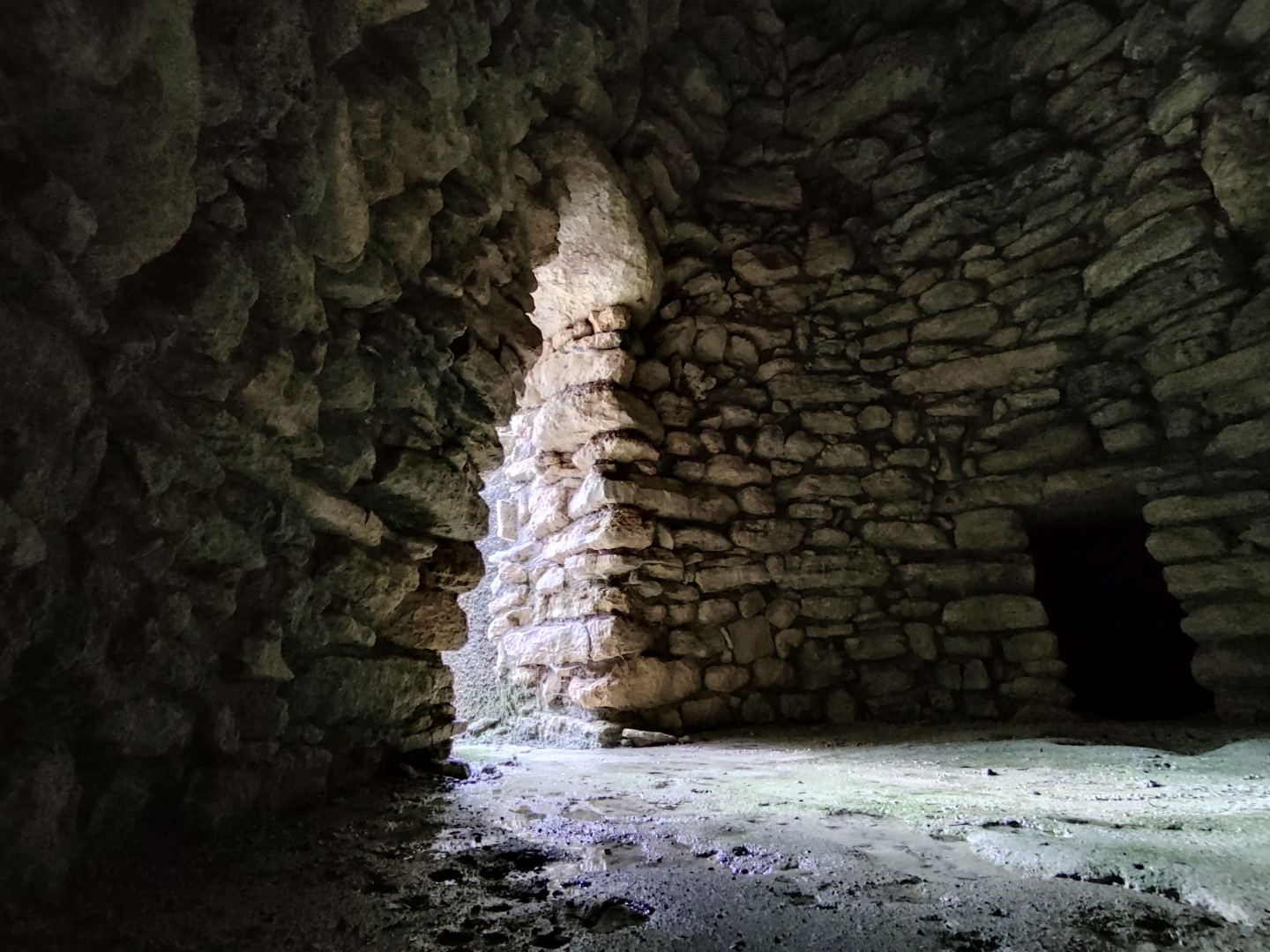
Classical and Greco-Roman Era (800 BC- 395 AD)

From the 8th century BC, Crete entered a new period of political, social and economic development. Earlier settlements evolved into organized city-states, public buildings and sanctuaries were established, new institutions appeared and contacts with the wider Greek and Mediterranean world intensified. This period includes Archaic, Classical, Hellenistic and Roman Crete and conventionally ends in AD 395, when the Roman Empire was permanently divided into eastern and western parts. The formation of the Cretan city-states During the Archaic period, dozens of independent city-states developed across Crete, each with its own territory, political organization, army, sanctuaries and often its own coinage. The mountain settlements of the Early Iron Age were either abandoned or gradually incorporated into larger political and economic units. Dreros is a characteristic example of an early city with organized political institutions and is particularly known for its Archaic inscriptions. Praesos, in eastern Crete, was associated with the Eteocretans, whom ancient sources regarded as descendants of the island’s earlier inhabitants. Rivalries and alliances The Cretan cities developed significant commercial and military activity, but frequently fought over fertile land, harbours and mountain passages. Among the strongest powers were Knossos, Gortyn and Lyttos. Their alliances changed repeatedly, and conflict could even lead to the complete destruction of a rival city. During the Hellenistic period, broader forms of political cooperation were attempted, the most important being the Cretan League. At the same time, the cities maintained relations with the Hellenistic kingdoms, while Cretan archers served as mercenaries in armies throughout the Mediterranean. Cities across the island In western Crete, Polyrhenia controlled the region of Kissamos from a strongly fortified position, while coastal Phalasarna possessed an impressive enclosed harbour. Aptera dominates Souda Bay and preserves monuments from several different historical periods. In central Crete, Eleftherna stands out for its long history, revealed through residential, religious and funerary remains. In eastern Crete, Lato is one of the best-preserved examples of an ancient mountain city, while coastal Itanos developed extensive commercial activity and strong connections with the eastern Mediterranean. The Roman conquest Increasing Roman involvement in the eastern Mediterranean eventually led to the war of 69–67 BC. After fierce fighting, the Roman commander Quintus Caecilius Metellus completed the conquest of the island and received the honorary title “Creticus”. Gortyn developed into the principal administrative centre and later became the capital of the Roman province of Crete and Cyrenaica. The city flourished, acquiring theatres, baths, temples, aqueducts and other public buildings. The archaeological site also preserves the famous Gortyn Code, an extensive 5th-century BC inscription containing regulations on family and civil law. The cities and harbours of Roman Crete During the Roman period, many older cities remained inhabited and continued to develop. Lappa, Olous and Hersonissos acquired public buildings, cisterns, baths, houses and harbour installations. Lebena, near modern Lendas, became famous for its sanctuary of Asclepius and served as an important healing and harbour centre. The construction of roads, aqueducts, villas and agricultural installations strengthened the economic integration of Crete into the Roman world. The spread of Christianity Christianity began to spread through Crete during the first centuries AD. Tradition associates the Apostle Paul and his disciple Titus with the establishment of the island’s first organized Church. During Late Antiquity, bishoprics were founded and Early Christian basilicas were constructed in many cities. Following the division of the Roman Empire in AD 395, Crete became part of the eastern half and gradually entered the Byzantine period. Many ancient cities continued to be inhabited, while new Christian churches transformed the island’s religious and urban landscape.

Read more ...

Ancient Cemeteries and Tombs of Crete
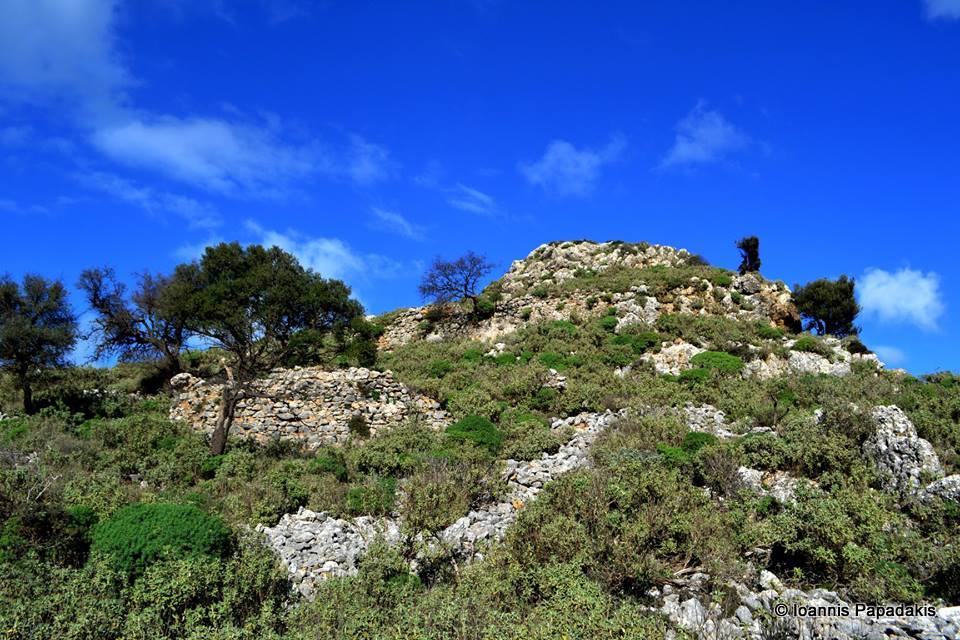
Ancient Cemeteries and Tombs of Crete

The Cretan landscape preserves numerous ancient cemeteries and funerary monuments, revealing the importance that the island’s inhabitants attached to caring for the dead, honouring their ancestors and preparing for the afterlife. Organised cemeteries began to appear during the Early Bronze Age, although natural caves and rock shelters continued to be used for burials in some regions and periods. Burial practices were not uniform throughout Crete. They changed according to the period, region, social position of the deceased and traditions of each community. Archaeologists have discovered simple pit graves, rock-cut chamber tombs, rectangular funerary buildings, circular tholos tombs and extensive necropolises containing hundreds of burials. Burial customs in Minoan Crete Rectangular funerary buildings, commonly known as house tombs, appeared in eastern Crete during the Early Minoan period. They were generally used for successive collective burials, probably by families or larger kinship groups. Representative examples have been excavated at Gournia, Mochlos and Palaikastro. The cemetery of Agia Fotia, near Sitia, is particularly important. Dating approximately from 3000 to 2300 BC, it is one of the largest known Early Bronze Age cemeteries in the Aegean, with more than 250 excavated tombs. Circular tholos tombs became especially widespread in southern and central Crete. These stone-built structures were used over several generations and were often surrounded by areas intended for ceremonies and the deposition of offerings. Important complexes have been discovered at the Prepalatial cemetery of Koumasa, the cemetery of Odigitria and the tholos tomb of Kamilari. One of the most important Minoan necropolises is the cemetery of Fourni at Archanes, which remained in use for many centuries. It contains tholos and rock-cut tombs, funerary buildings and rich grave goods, providing valuable evidence about Minoan social hierarchy and ritual practices. Tholos and chamber tombs Rock-cut chamber tombs became more widespread during the Late Bronze Age. They were usually approached through a sloping passage and were often used for successive family burials. The extensive Late Minoan cemetery of Armeni, near Rethymno, is one of the best-preserved examples and contains hundreds of family tombs. Western Crete also preserves monumental tholos tombs associated with Late Minoan and Mycenaean funerary traditions. Notable examples can be visited at Maleme, Stylos and Fylaki in Apokoronas. Other important funerary monuments survive at Margarites and Apodoulou. Burials during the historical periods Funerary customs continued to change during the Geometric, Archaic, Classical, Hellenistic and Roman periods. Cremation was practised alongside inhumation during certain periods. Graves were often accompanied by pottery, jewellery, weapons, tools, figurines, coins and other objects associated with the identity of the deceased or with funerary rituals. In several parts of Crete, tombs were carved into the island’s soft limestone. The best-known example is found at ancient Matala, where the Roman rock-cut tombs were used many centuries later as dwellings by the hippies. Similar funerary complexes can be seen at Trialonia, in ancient Lappa and at the impressive rock-cut tombs of Gra Mandra near Agios Thomas. The study of Crete’s ancient cemeteries reveals much more than beliefs about death. Funerary monuments, human remains and grave goods provide evidence about social organisation, diet, disease, trade contacts and the daily lives of the people who inhabited the island over thousands of years.

Read more ...

Byzantine Crete (395–824 and 961–1204 AD)
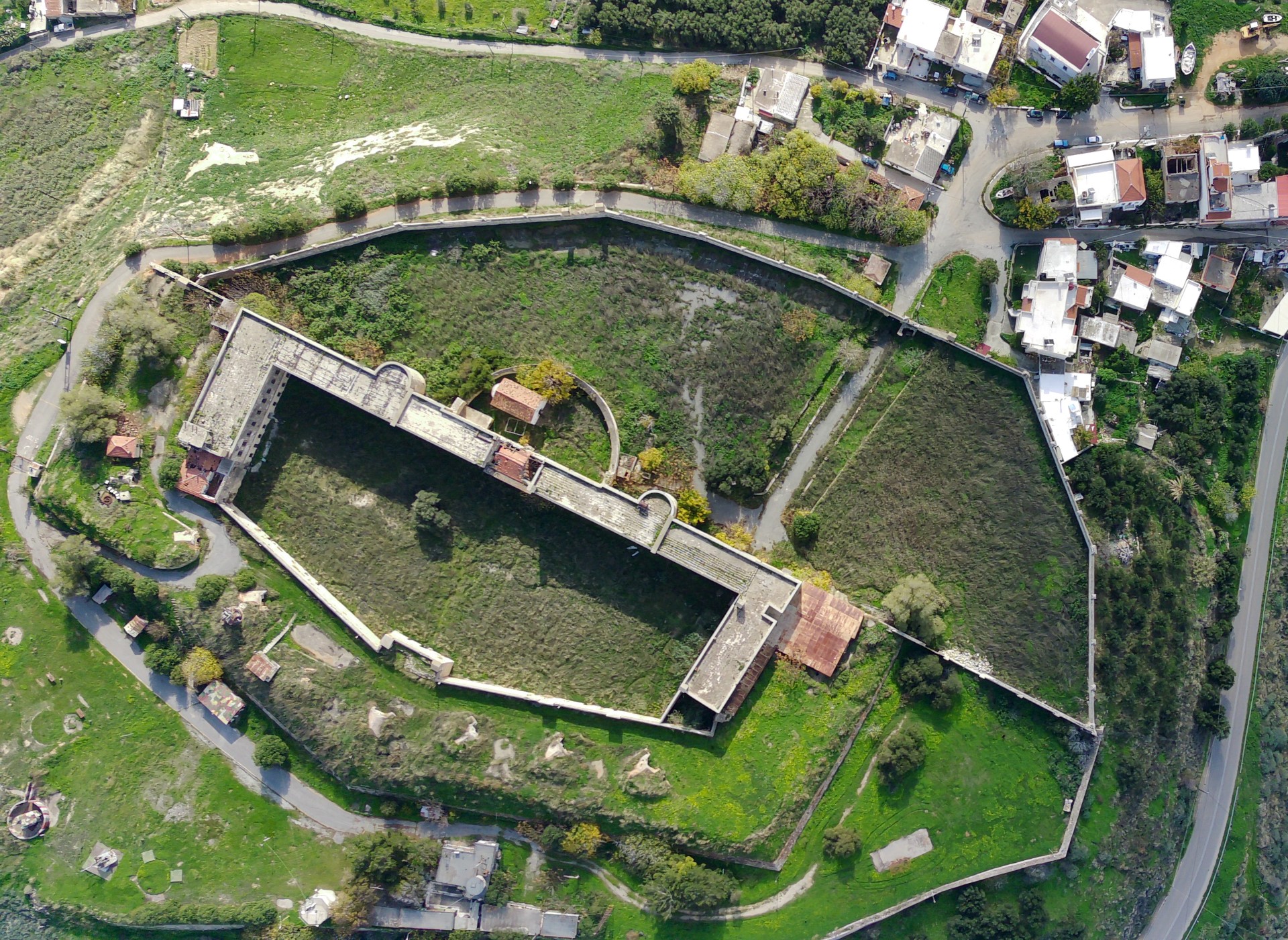
Byzantine Crete (395–824 and 961–1204 AD)

Following the administrative division of the Roman Empire in 395 AD, Crete became part of the Eastern Roman Empire, later known as the Byzantine Empire. Byzantine rule on the island is divided into two periods: the First Byzantine Period, from 395 until the Arab conquest of 824–827, and the Second Byzantine Period, from the Byzantine reconquest in 961 until the collapse of imperial authority following the Fourth Crusade in 1204. The First Byzantine Period During the First Byzantine Period, Crete largely retained the administrative and urban organisation of the Late Roman era. Gortyn remained the capital and the island’s most important administrative and ecclesiastical centre. Christianity, which had already spread during the preceding centuries, became firmly established, bishoprics were organised and numerous churches were constructed. Among the most important monuments of this period is the large Early Christian Basilica of Saint Titus near Gortyn. Important remains have also been discovered at the Early Christian Basilica of Kastri in Hersonissos, the Basilica of Agia Sofia at Panormo, the Early Christian Basilica of Almyrida, the Basilica of Saint Panteleimon at Sougia and many other coastal and inland sites. Large basilicas, mosaic floors, baptisteries and other ecclesiastical buildings bear witness not only to the spread of Christianity but also to the economic activity of the island’s towns. At the same time, several older urban centres gradually contracted as earthquakes, epidemics, economic changes and raids affected life on Crete. The Emirate of Crete The First Byzantine Period ended when Andalusian Muslim exiles, who had previously settled in Egypt, gradually conquered the island between 824 and 827. They established the Emirate of Crete and founded the fortified city of Chandax, at present-day Heraklion, as their capital. Despite repeated Byzantine campaigns, Arab rule continued for more than a century. The Second Byzantine Period In 960, a major military campaign was launched under the command of the general and future emperor Nikephoros Phokas. The Byzantine army landed on Crete and besieged the heavily fortified city of Chandax. The city was captured in March 961 and the island was reintegrated into the Byzantine Empire. During the Second Byzantine Period, the island’s administration, defensive system and ecclesiastical life were reorganised. Bishoprics were restored, churches and monasteries were founded or renovated, and the fortifications of important towns and strategic locations were strengthened. Soldiers, members of the clergy and families from other parts of the empire settled on Crete and contributed to its economic and demographic recovery. A characteristic monument of this period is the Byzantine Wall of Chania, which enclosed Kastelli Hill on the acropolis of ancient Kydonia. Comparable defensive works were constructed or strengthened in other parts of the island, as protection from maritime raids remained a major concern. Byzantine rule effectively ended after Constantinople was captured by the Fourth Crusade in 1204. Sovereign rights over Crete were initially granted to Boniface of Montferrat, who transferred them to the Republic of Venice. Conflict with the Genoese followed, and the Venetians began establishing their authority over the island in 1211, opening a new period in Cretan history.

Read more ...

Ottoman Rule in Crete (1669–1898)

Ottoman Rule in Crete (1669–1898)

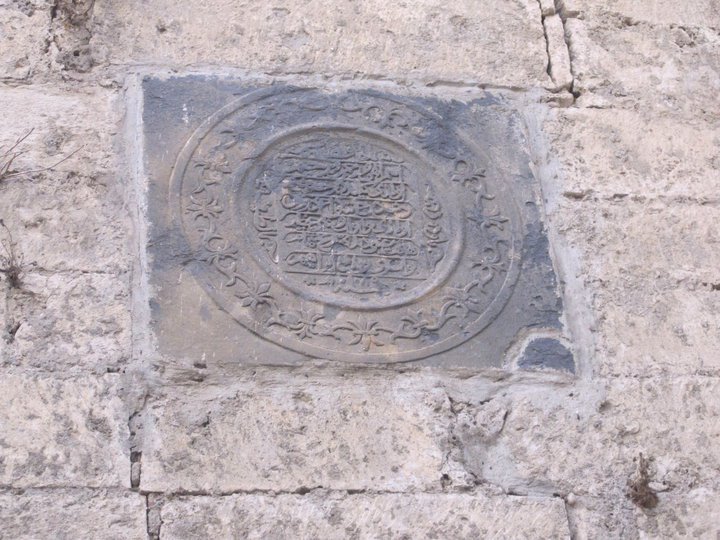
During the 17th century, the Ottoman Empire, having established its power across much of the eastern Mediterranean, turned its attention to Crete. The island’s strategic position, important harbours and control of the surrounding maritime routes made it one of the principal targets of Ottoman expansion. The Cretan War began in 1645 with the landing of Ottoman forces in western Crete. Following fierce fighting, the Ottomans captured Chania in 1645 and Rethymno in 1646, soon bringing most of the island under their control. The last major Venetian stronghold, the Grand Castle of Candia, resisted until 1669. Its siege, which lasted from 1648 to 1669, is regarded as one of the longest in European history. The surrender of Candia effectively completed the Ottoman conquest of Crete, although Gramvousa, Souda and Spinalonga remained under Venetian control. Gramvousa was captured in 1692, while Souda and Spinalonga were surrendered in 1715. Crete was incorporated into the Ottoman administrative system, with Candia, Chania and Rethymno serving as its principal urban and administrative centres. The new administration brought major political, social and economic changes. Land ownership and taxation were reorganised according to the Ottoman system, while Christian and Muslim communities lived alongside one another in towns and villages. Part of the local population converted to Islam, and a complex society of Cretan Christians and Muslims gradually developed. Social inequality, heavy taxation and abuses by local officials frequently caused tension and unrest. Ottoman rule also left a visible architectural legacy. Older churches were converted into mosques, while minarets, baths, fountains, administrative buildings, residences and fortifications were constructed. Many Venetian defensive works were repaired and adapted to new military requirements. Smaller forts and towers, commonly known in Crete as koules, were built in strategic positions across the countryside. The Cretan revolts The outbreak of the Greek War of Independence in 1821 renewed Cretan hopes of liberation and led to years of conflict. Despite the scale of the uprising, Crete remained outside the borders of the newly established Greek state. From 1830 to 1840, the island was placed under the Egyptian administration of Muhammad Ali as a reward for the military assistance he had provided to the Ottomans. The period saw public works and administrative reforms, but also heavy taxation and violent repression, most notably during the Mournies protest of 1833. Crete returned to direct Ottoman control in 1840. The most important uprising of the 19th century was the Great Cretan Revolt of 1866–1869. Its defining event was the destruction of Arkadi Monastery in November 1866. The sacrifice of its defenders and the civilians sheltering there shocked European public opinion and became an enduring symbol of resistance and freedom. Fierce battles and extensive destruction also occurred on the Lassithi Plateau and in many other parts of the island. Although the revolt did not bring immediate liberation, the Ottoman government introduced the Organic Law in 1868, offering limited administrative reforms and broader Christian participation in public affairs. A new uprising in 1878 led to the Pact of Halepa, which granted Crete important administrative and political privileges, expanded the use of the Greek language and strengthened local self-government. The end of Ottoman rule The gradual restriction of the Halepa privileges caused renewed unrest and revolts. The crisis reached its height in 1897 with widespread fighting, Greek military intervention and the presence of the Great Powers on the island. Following the violent events in Heraklion in August 1898, the Great Powers forced the remaining Ottoman troops to leave Crete. In December 1898, the autonomous Cretan State was established under the protection of the Great Powers, with Prince George of Greece serving as High Commissioner. Crete formally remained under the sovereignty of the Ottoman sultan but acquired its own government, administration and constitution. The long struggle for union was completed on 1 December 1913, when Crete officially united with Greece.

Read more ...

Modern history (1898 – Today)

Modern history (1898 – Today)

The modern history of Crete effectively begins in 1898, when the withdrawal of the remaining Ottoman troops opened the way for the establishment of the autonomous Cretan State. The new state was placed under the protection of the Great Powers, while Prince George of Greece was appointed High Commissioner. Crete formally remained under the sovereignty of the Ottoman sultan, but in practice it had its own government, parliament, administration, judiciary, gendarmerie and currency. The Constitution of 1899 established the institutions of the new state but granted extensive powers to the High Commissioner. During this period, important changes were introduced in public administration, education, infrastructure and the island’s economy. The Therisso Revolt and union with Greece Disagreements between Prince George and Eleftherios Venizelos, particularly over the system of government and the course towards union with Greece, developed into a serious political conflict. In 1905, Venizelos, Konstantinos Foumis and Konstantinos Manos launched a revolutionary movement at Therisso, demanding political reforms and the union of Crete with Greece. The history of this movement is presented at the Historical and Folklore Museum of Therisso. The Therisso Revolt did not immediately achieve union, but it led to constitutional reforms and the departure of Prince George. He was succeeded as High Commissioner by Alexandros Zaimis. The life and political career of Eleftherios Venizelos are presented at the Venizelos House at Halepa. In 1908, the Cretan Assembly unilaterally declared union with Greece, although the declaration was not immediately recognised internationally. The issue was finally resolved after the Balkan Wars and the international treaties of 1913. On 1 December 1913, the Greek flag was officially raised at Firkas Fortress in Chania in the presence of King Constantine and Prime Minister Eleftherios Venizelos, marking the formal union of Crete with Greece. From the National Schism to the interwar period During the First World War, Crete followed the political developments of the rest of Greece and was deeply affected by the National Schism. After the Asia Minor Catastrophe of 1922, thousands of refugees from Asia Minor settled on the island. Their arrival transformed several towns and rural districts, strengthened the local economy and enriched the social, musical and culinary life of Crete. During the interwar period, efforts were made to modernise agriculture, transport and public services. At the same time, Crete experienced the political instability of the era, military movements, the dictatorship of Ioannis Metaxas and the effects of the international economic crisis. The Battle of Crete and the German occupation In May 1941, Crete became one of the main battlegrounds of the Second World War. The Battle of Crete began on 20 May with an unprecedented large-scale German airborne invasion. Allied forces, Greek soldiers and Cretan civilians offered fierce resistance. The German capture of Maleme Airfield allowed reinforcements to reach the island and ultimately determined the outcome of the battle. The German occupation was particularly harsh. Civilians suffered executions, the destruction of villages, hunger and reprisals, while a powerful resistance movement developed across the island. The abduction of the German General Kreipe in 1944 became one of the most daring operations of the European Resistance. Cemeteries, shelters, pillboxes and execution sites preserve the memory of this period and are presented in the section on the monuments of the Second World War. Post-war Crete After the war, Crete faced extensive destruction, economic hardship and significant migration towards mainland Greece and other countries. From the 1960s onward, the island entered a period of rapid transformation. The growth of tourism, transport, agriculture and the urban centres changed both the economy and the everyday life of its inhabitants. Today Crete is one of the most important regions of Greece and maintains a strong local identity. Its modern history is reflected in public buildings, museums, war memorials, places of resistance and the personal stories of the people who experienced the major political and social changes of the 20th century.

Read more ...

Prehistoric Times

Prehistoric Times

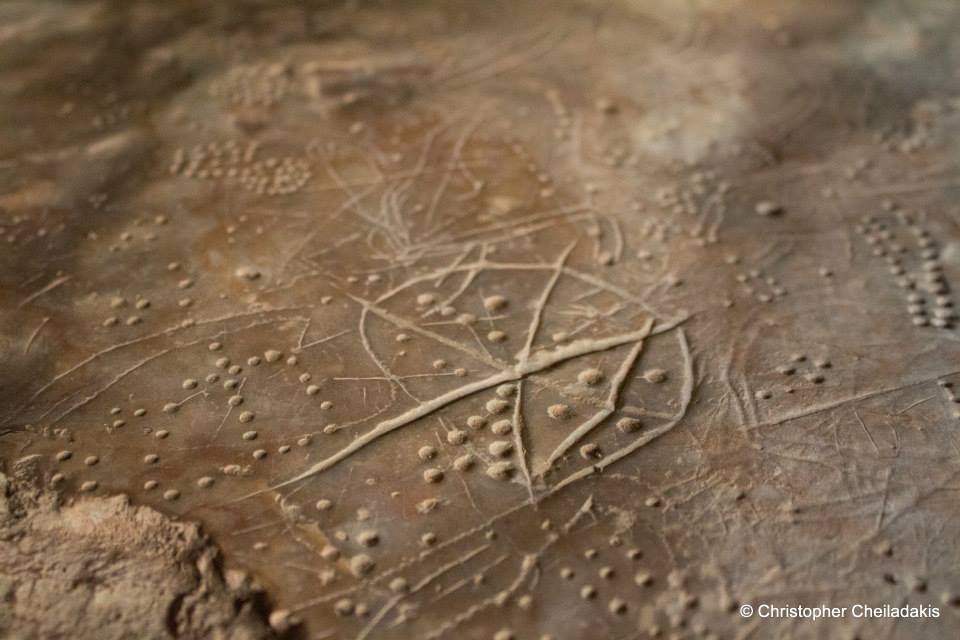
The earliest possible evidence of a hominin presence on Crete comes from Trachilos, near Kissamos, where fossilized bipedal footprints with human-like characteristics have been discovered. A 2021 study dated the footprints to approximately 6.05 million years ago, although both their age and their attribution to an early hominin remain scientifically debated. Another study has proposed that the rocks preserving them are considerably younger, dating to approximately 3 million years ago. The earliest clear archaeological evidence of a human presence on the island is much more recent. Dozens of stone tools, scrapers and hand axes discovered in the area of Plakias date back at least 130,000 years and may be considerably older, possibly up to 700,000 years old. They cannot be attributed with certainty to a particular human species, such as Homo erectus, but they provide evidence for the presence of archaic hominins on Crete. As the island was already separated from the mainland, these discoveries suggest that its early visitors were capable of crossing stretches of open sea. Paleolithic finds have also been reported in the area of Samaria. Before these tools were discovered, scholars generally dated the first human arrival on Crete to the Neolithic period. An important prehistoric site is the cave of Skordalakia at Asfendou, where rock carvings depicting animals and hunting scenes have been found and attributed to approximately 8000 BC. Other finds and remains of dwellings have been identified in the area of Katsambas near Heraklion, while numerous traces of prehistoric habitation have also been discovered in caves. Cavities near cave entrances were used as burial places, while parts of their interiors were arranged for habitation and the storage of supplies. A characteristic example is the cave of Gerani, where archaeologists discovered a pit filled with animal bones and, next to it, numerous small and large tools made of bone.

Read more ...

Emirate of Crete – Arab Rule (824/827–961)

Emirate of Crete – Arab Rule (824/827–961)

Between 824 and 827, Andalusian Muslim exiles who had previously seized Alexandria and settled in Egypt for a period gradually conquered Crete. They were led by Abu Hafs Umar, known in Byzantine sources as Apohapsis. On the island they established a largely independent Muslim state, the Emirate of Crete, which survived until the Byzantine reconquest of 961. The foundation of Chandax The new rulers founded and fortified the city of Chandax on the northern coast, at the site of present-day Heraklion. Its name derived from the Arabic word al-khandaq, meaning ditch or trench, after the large defensive moat that surrounded the city. Chandax developed into the capital of the emirate, an important commercial harbour and a powerful naval base in the eastern Mediterranean. The foundation of Chandax shifted Crete’s administrative and economic centre to the northern coast. Its position provided direct access to the maritime routes of the Aegean and eastern Mediterranean. The city remained the capital of Crete during the following centuries, first as Byzantine Chandax and later as Venetian Candia. Life in the Emirate of Crete Information about the emirate’s internal organisation and everyday life remains limited because most surviving written accounts are Byzantine and describe Crete primarily as a hostile naval base. Nevertheless, coins and the limited Arabic references indicate the existence of an organised administration, economic activity and commercial contacts with Egypt, North Africa and the wider Islamic world. Agriculture and livestock farming continued to form the basis of the island’s economy, while trade through Chandax became increasingly important. The emirate issued its own coinage, demonstrating a considerable degree of political and economic autonomy. Part of Crete’s Christian population also continued to live on the island, although the ecclesiastical organisation and living conditions of these communities are not sufficiently documented. Raids across the Aegean Frequent raids were launched from Crete against Byzantine islands, ships and coastal regions. Chandax became a base for Muslim fleets and private raiding vessels, giving Crete considerable strategic importance. Maritime trade, captured goods and the trafficking of prisoners, many of whom were sold into slavery, were connected with the economy of this period. The loss of Crete created a major strategic problem for the Byzantine Empire, threatening maritime communications and coastal settlements throughout the Aegean. The Byzantines organised several campaigns to recover the island, but most ended in failure. One of the largest unsuccessful expeditions took place in 949. The reconquest by Nikephoros Phokas In 960, a major new campaign was launched under the command of General Nikephoros Phokas, who later became Byzantine emperor. Large Byzantine forces landed on Crete and besieged the heavily fortified city of Chandax for several months. The city was captured in March 961, bringing the Emirate of Crete to an end and restoring the island to the Byzantine Empire. After the reconquest, the Byzantines reorganised the administration and defensive system of Crete. According to local tradition, Nikephoros Phokas considered transferring the capital from the vulnerable coastal city of Chandax to the hill of Rocca, where the Temenos Fort was founded. Chandax ultimately remained the capital, mainly because of the strategic importance of its harbour.

Read more ...

Venetian Crete (1211–1669 AD)

Venetian Crete (1211–1669 AD)

Following the capture of Constantinople by the Fourth Crusade in 1204, the rights of sovereignty over Crete were granted to Boniface of Montferrat, who transferred them to the Republic of Venice. Although the agreement was concluded in 1204, the Venetians did not effectively establish their authority over the island until 1211, after several years of conflict with the Genoese. The Venetians called the island the Kingdom of Crete or Regno di Candia and established Candia, present-day Heraklion, as its administrative capital. Crete was organised according to Western feudal models, and estates were granted to Venetian settlers and noble families in exchange for military and administrative obligations. The island occupied a strategic position along the maritime routes connecting Venice with the Aegean and the eastern Mediterranean. The principal towns and harbours were reorganised and protected by powerful fortifications. Defensive walls, castles, harbours, shipyards, fountains, loggias and public buildings transformed the urban landscape, and many of them still survive. Important examples include the Venetian shipyards of Heraklion, the Loggia of Candia, the Morosini Fountain and the Venetian Harbour of Rethymnon. The countryside was organised around feudal estates, agricultural settlements, monasteries and country residences, such as the Trevisan mansion at Kokkino Metochi. Agricultural production, especially wine, grain and olive oil, supplied both local markets and the wider Venetian commercial network. Heavy taxation, social inequality and the obligations imposed upon rural communities, however, repeatedly caused unrest. The long period of Venetian rule was far from peaceful. Numerous revolts broke out across the island, often led by powerful Cretan families such as the Kallergis. A particularly important uprising was the Revolt of Saint Titus in the 14th century, in which Venetian settlers also participated in opposition to taxation and the central administration of Venice. Over time, however, relations between the Greek and Latin populations became increasingly complex, contributing to the formation of a distinctive Cretan society. The Orthodox and Byzantine traditions of Crete interacted with the intellectual and artistic influences of the Italian Renaissance. Particularly after the fall of Constantinople in 1453, the island developed into one of the most important cultural centres of the Greek world. The Cretan School of icon painting produced major artists such as Michael Damaskinos and Domenikos Theotokopoulos, better known as El Greco. Important works from this artistic tradition can be seen in the Byzantine Collection of Heraklion. Literature, poetry, music and theatre also flourished. The most celebrated works include Erotokritos by Vitsentzos Kornaros and the tragedy Erophili by Georgios Chortatzis. This creative synthesis of Byzantine tradition and Western Renaissance influences became known as the Cretan Renaissance. The Cretan War and the end of Venetian rule The Ottoman campaign to conquer Crete began in 1645. Chania and Rethymnon were captured relatively quickly, while Candia resisted one of the longest sieges in European history. The siege began in 1648 and ended in 1669, when the Venetian commander Francesco Morosini surrendered the city to the Ottomans. The surrender of Candia brought Venetian rule over the main island to an end, but Venice retained several fortified islets. Souda, Gramvousa and Spinalonga remained under Venetian control. Gramvousa was captured by the Ottomans in 1692, while Souda and Spinalonga were surrendered in 1715, bringing the Venetian presence around Crete to its final end.

Read more ...

Also read:

Download Free Premium Joomla Templates • FREE High-quality Joomla! Designs BIGtheme.net