








 Makasi Gallery and National Resistance Memorial

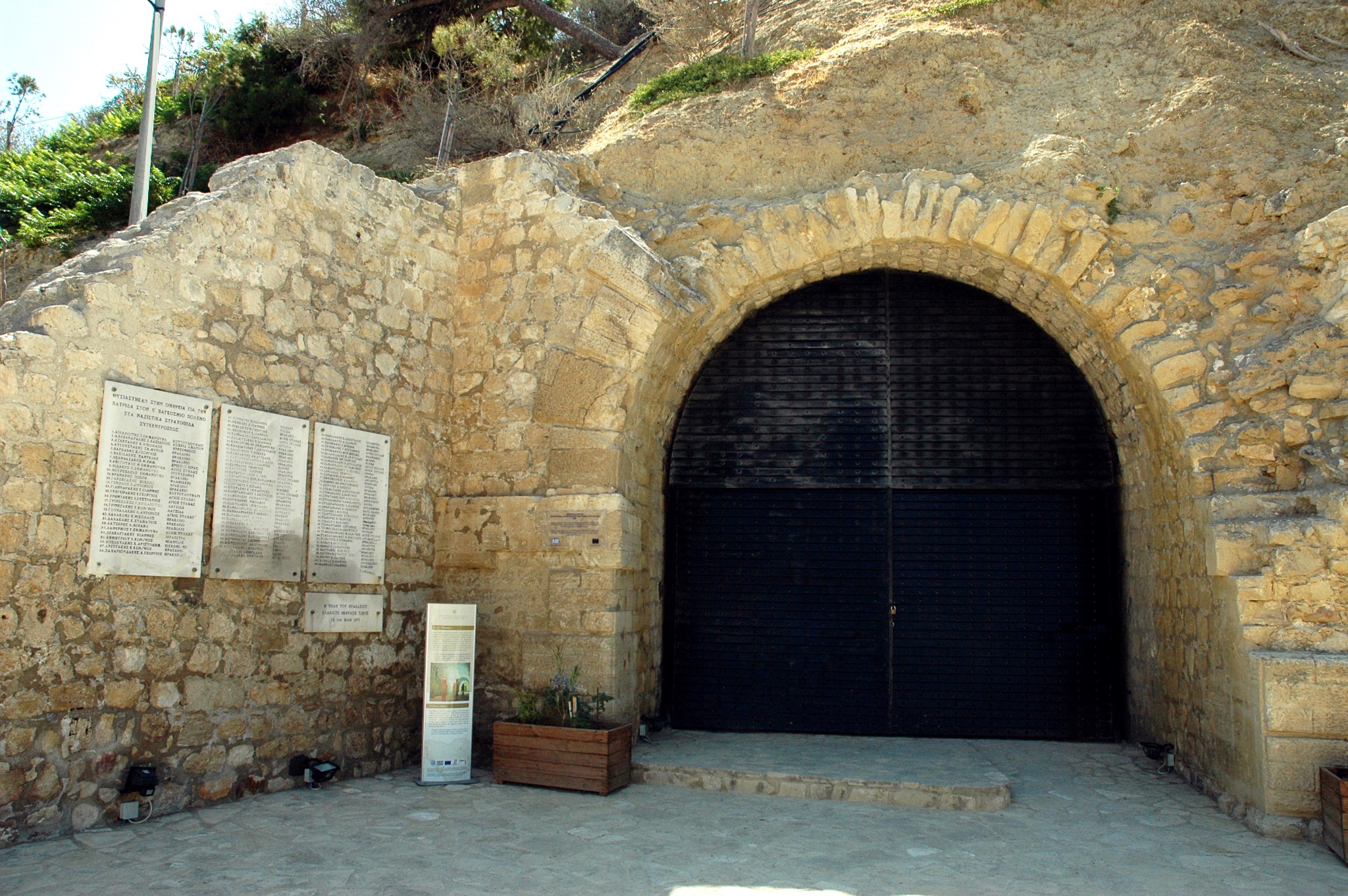
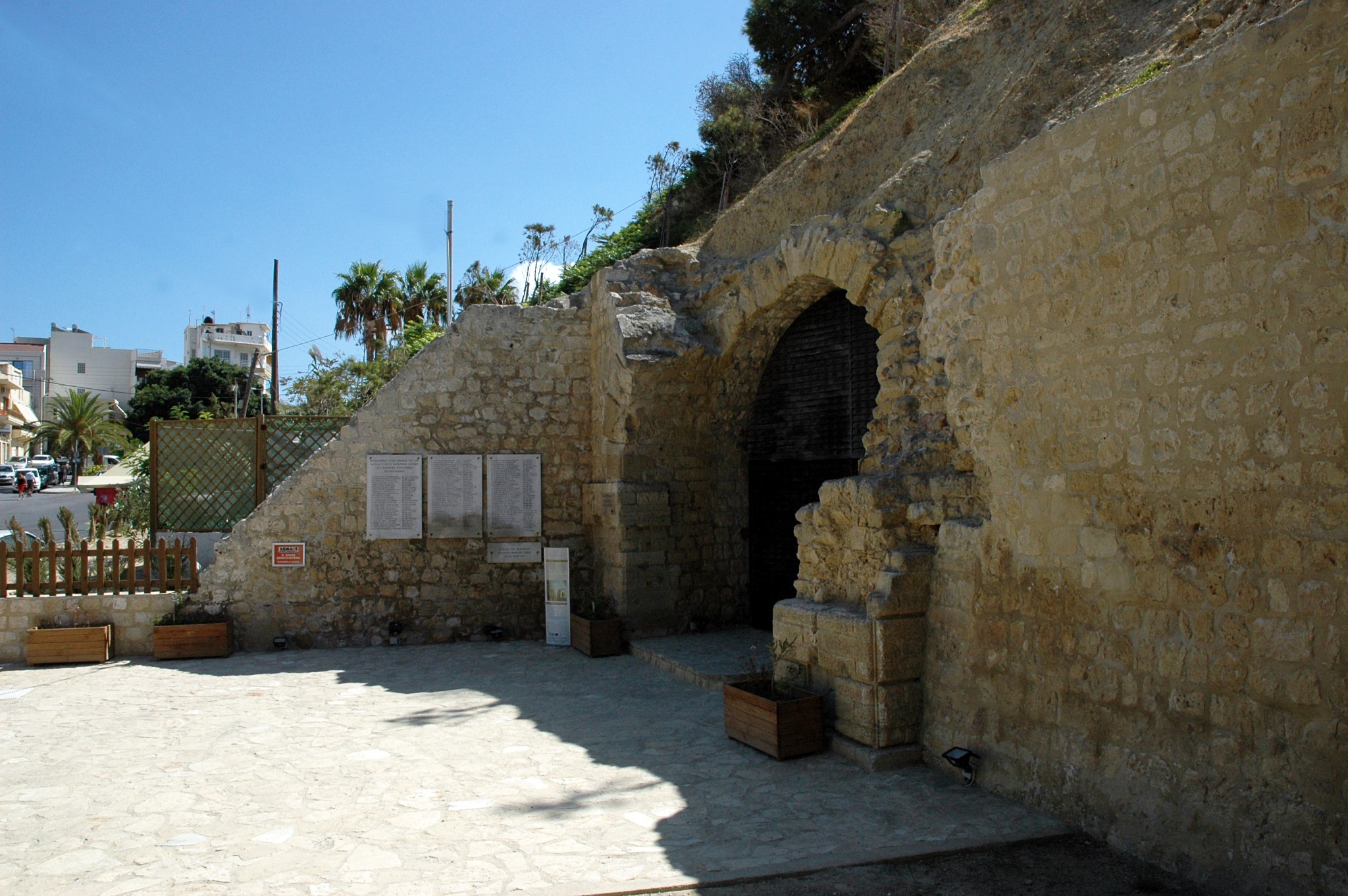
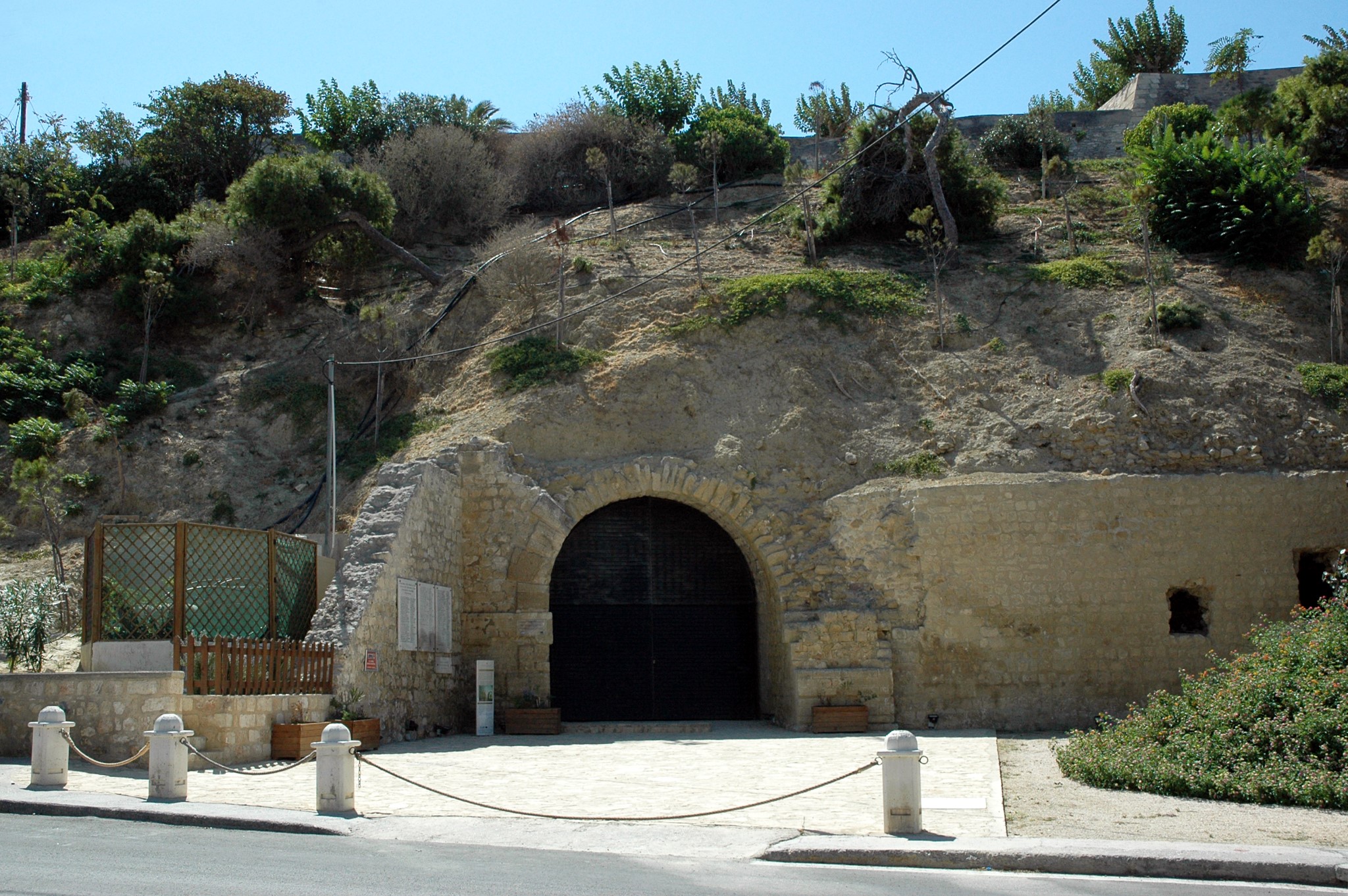
Makasi Gallery, also known as the military Gate of Martinengo, lies beneath the bastion of the same name in the Venetian Walls of Heraklion, opposite the Cultural and Conference Centre. According to local tradition, the name Makasi derives from a Turkish term meaning “keeper of the keys” or “gatekeeper”, as the keys to the gates of the Grand Castle are believed to have been kept here.
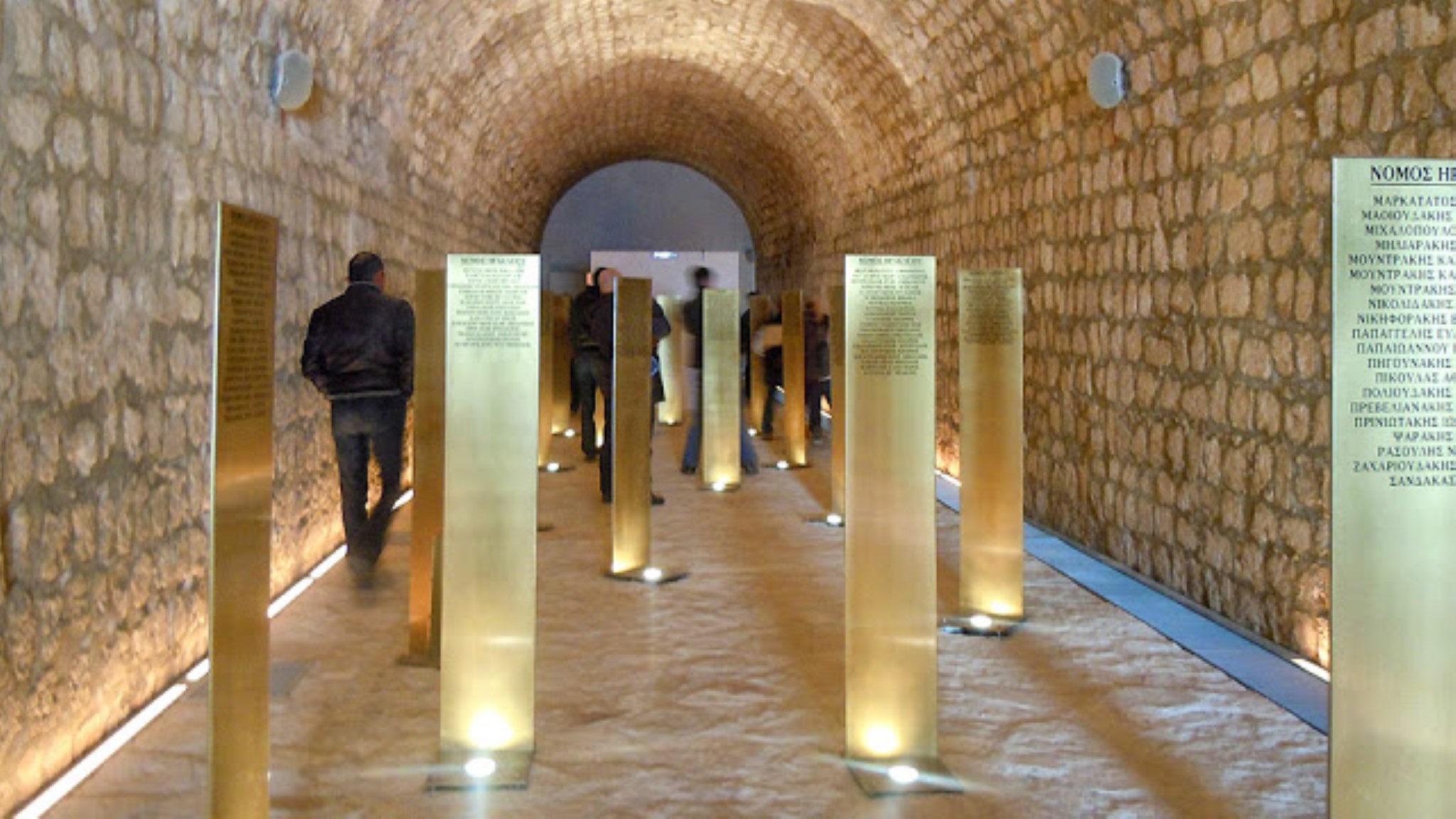
The vaulted military passage is approximately 110 metres long and connected the interior of Candia with the eastern lower square of Martinengo Bastion. Artillery positioned there controlled the moat and supported the defence of the neighbouring Bethlehem Bastion. A second vaulted passage, known as a sortita, descended from the lower square towards the moat and was used for military movements.
Despite its military function, the city-facing entrance was designed with a monumental façade. Martinengo, one of the strongest bastions in the Venetian fortifications, was named after the distinguished military engineer Gabriele Tadino di Martinengo, who assumed overall supervision of Crete’s fortification works in 1519.
During the German occupation, the gallery acquired an entirely different and tragic role. The occupying forces converted it into a place for assembling and temporarily holding hostages, resistance members and civilians before their transfer to prisons, concentration camps or execution sites.
In the early hours of 15 June 1943, the operation known as the Great Blockade of Crete took place. Approximately 300 residents of Heraklion were arrested and around 282 of them were assembled inside Makasi Gallery. The prisoners were later transported to Piraeus, Thessaloniki and Zemun in occupied Yugoslavia. On 4 November 1943, many were transferred to the Mauthausen concentration camp.
Further arrests followed in the spring of 1944, when hundreds of Cretans, both Jewish and Christian, passed through the gallery before deportation. Among the prisoners subsequently transported from Crete were members of the island’s Jewish community, resistance fighters and Italian prisoners of war.
On 8 June 1944, the German-requisitioned steamship Tanais sailed from Heraklion for Piraeus with several hundred prisoners locked in its holds. In the early hours of 9 June, while sailing as part of a German convoy, the ship was torpedoed north of Crete by the British submarine HMS Vivid and sank within a very short time. Almost all the prisoners perished, including most members of Crete’s historic Jewish community.
Since September 2026, Makasi Gallery has operated as a permanent Memorial of Resistance, Imprisonment and Deportation. Its exhibition presents historical objects, photographs and digital material relating to the Battle of Crete, the German occupation, the Cretan Resistance, the destruction of martyr villages, the deportations and the liberation of the island.


What is near me?
Additional Info
- Location: Heraklion Prefecture
- Peak Period: Venetian Era (1204 AD - 1669 AD)


