








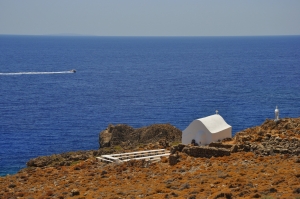
Between Loutro Sfakion and the famous beach of Glyka Nera, at Perlovakia, we meet the white brushed chapel of the Holy Cross (Timios Stavros) where a big feast takes place on September 14th every year.

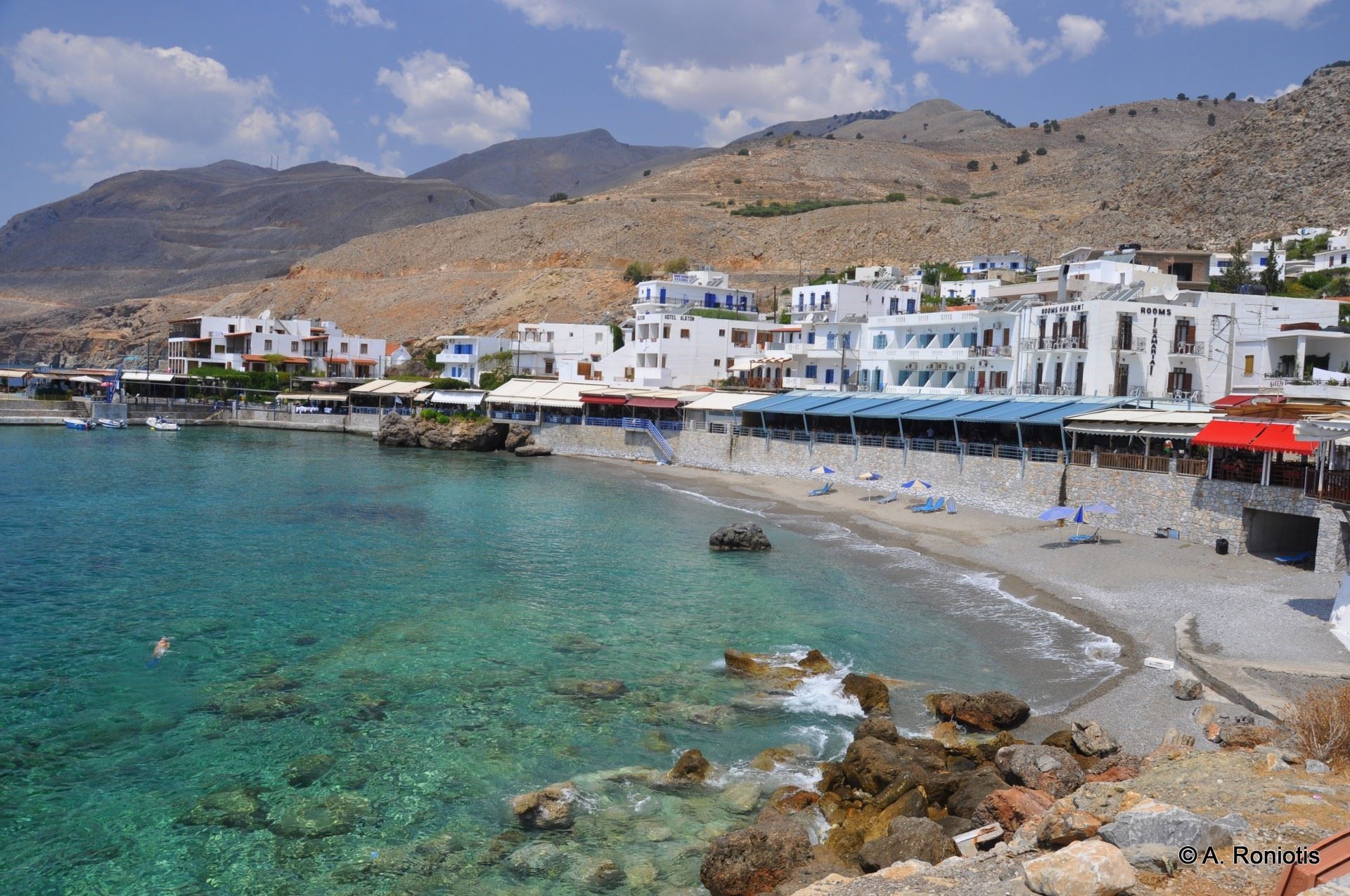
Just below the Sfakia fortress and inside the small harbor of Chora, you will find the beach of Ombrosgialos. It is minimally organized, has a southern orientation.

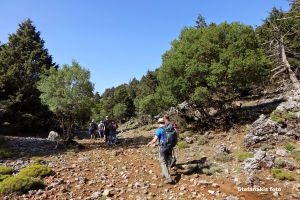
The canyon Kavis is one of the longest and wildest of Sfakia area and despite located next to Chora Sfakion, it remains unknown to many people who usually just enjoy swimming at Iligas. The riverbed is dry almost always, except after several hours of rain. Apart from the main stream, in Kavis fall other 5 sub-gorges, extremely wild.
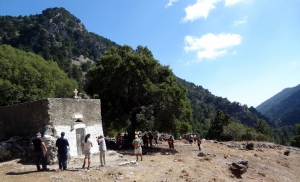
The proposed trekking route in the canyon starts from Niato Plateau (near Askifou Plateau) and runs along the European trail E4. You initially meet the abandoned village of Kali Lakki. From here starts the canyon, which is one of the greenest gorges in Crete, with incredibly interesting flora. Oaks, cypresses, and pines are the main trees in Sfakiano Gorge.

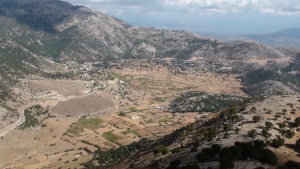
The Plateau of Askifou is located 50km south of Chania, in one of the nicest and most authentic areas of Crete. The wild mountains around and the serenity of the valley, form a magnificent landscape all year round.

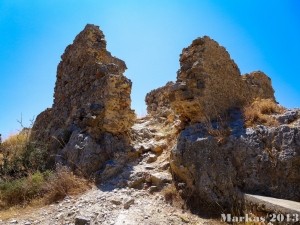
The fort of Sfakia (Castel di Sfacia or Sfachia) was built on Kastelli hill, on the eastern edge of Sfakia (Chora Sfakion) town and was the last fort built by the Venetians in Crete. It was built during the 15th-16th century on the site of a previous Byzantine fort. Information about the castle is very poor, but this was mentioned for the first time in documents of 1526.
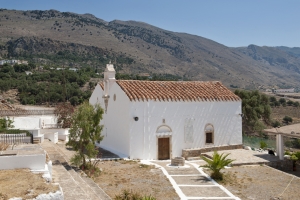
The monastery of Panagia Thymiani is located near Sfakia at position Thyme Armi and is one of the most historic sites in Crete. Here on May 29, 1821, the chieftains of Crete preached revolution against the Ottoman Empire. Therefore, the monastery is also called Agia Lavra of Crete (Agia Lavra is a monastery in Peloponnese from where the great Greek Revolution of 1821 started, leading to the liberation of Greece).
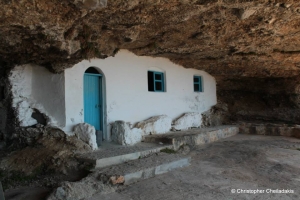
East of Sfakia, on the beach of Ammoudi, above Ammoudi we meet the church of Agios Haralambos. This is a typical cavernous chapel of the coasts and inland of Sfakia province. It is quite spacious because it is built in a relatively large cave. The location of the cave can be accessed via a short path that starts from the beach, but there is also a road that reaches the place.
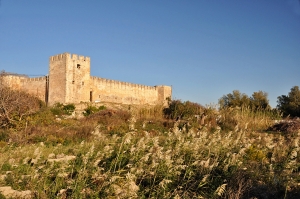
Fragokastelo (ie the castle of the Franks) is one of the most famous beaches of Crete, famous for the local Venetian castle on the beautiful beach and the legendary ghosts of Drosoulites. It is located 13km east of Hora Sfakion, 80km southeast of Chania, in a small valley south of the White Mountains.
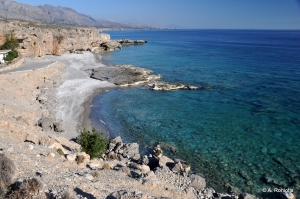
Beach Filaki (meaning "Prison") is located 3km east of Chora Sfakia and 75km south of Chania. Located close to the only hotel exclusively for nudists in Crete, called "Vritomartis, Filaki and the adjacent beaches of Ammoudi are mainly occupied by nudists.
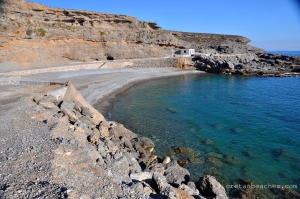
The cove of Agios Charalambos is located next to the hotel of Vritomartis exclusively for nudists. They are located 1.5km east of Chora Sfakion and 75km south of Chania, in an area with several adjacent pebbly beaches.
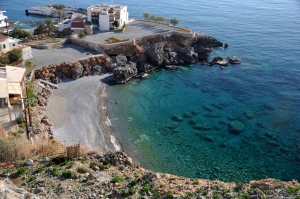
Chora Sfakíon or Sfakia is a small town on the south coast of Chania. It is the capital of the remote and mountainous region of Sfakia, and is a small town of just 278 inhabitants (2001 census). It lies on the south coast near the end of the Imbros Gorge, 74km south of Chania.
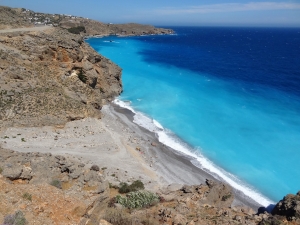
Iligas is an amazing turquoise-water sandy beach, 1km west of Chora Sfakion and 74km south of Chania. Iligas is located at the end of Kavi Gorge, that starts close to Anopolis. There are two beaches, separated with a big cavy rock.
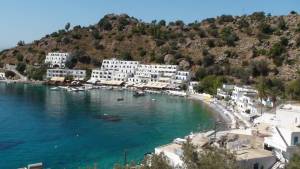
Loutro is a small seaside village situated approximately 71 km south of Chania, at the end of Cape Mouri. It is believed that this was the site of the ancient city of Phoenix and was the ancient port of Anopolis. Later, it became a winter port for Chora Sfakion, due to the fact that the enclosed bay and the small island at its entrance create a natural harbor where ships can be safe even in very bad weather.
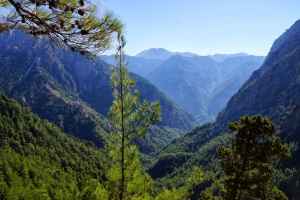
The Samaria Gorge is the longest trekking gorge in Europe and also the most famous of all. Thousands of tourists flock here daily in the summer season to walk from the top to the bottom. For many visitors, it is the sole purpose of their visit to Crete. The length of the gorge reaches 18km and takes almost 4-7 hours to hike from Omalos to Agia Roumeli, depending on trekking speed.
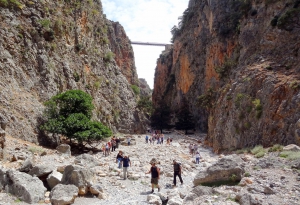
The deepest gorge in Chania is the gorge of Aradena. The 138-meter-deep gorge is ideal not only for sightseeing or hiking but for bungee jumping as well. Trekking inside the canyon till the exit on the majestic Marmara beach is an unforgettable experience for those who attempt the descent of the canyon.

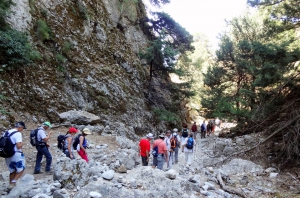
Imbros Gorge is located in the province of Sfakia and is the third most visited gorge in Crete, following Samaria Gorge and Agia Irini by Sougia. The scenery is beautiful and the low difficulty makes the descent of Imbros ideal for families with children. The length of the gorge is 11 km and the course lasts 2-3 hours.
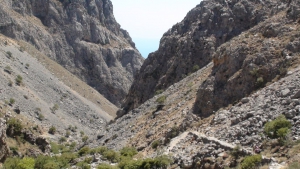
Kallikratis is a relatively small gorge in the southeast region of Lefka Ori (White Mountains) in Chania Prefecture. The gorge connects the mountainous pasture lands with the lowland villages. It is a very pleasant walk, offering great views and rare flowers, but is not very popular with tourists. The Kallikratis Gorge together with the Asfendou Gorge can be a full day’s excursion.
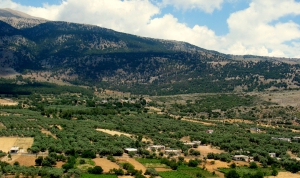
The Plateau of Anopolis is located in the area of Sfakia and more specifically 13km west of Hora Sfakion. It is a small plateau formed in the wild mountains of Sfakia, the most inaccessible province of Europe.
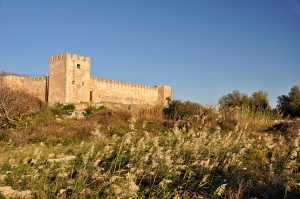
Small, well-preserved, leaning on the edge of a desert plain of the Libyan Sea in Sfakia around the mountains, Fragokastelo unfolds even today the skein of history, a story full of memories and mysteries. The "castle of Drosoulites" was built by the Venetians in the period 1371-1374, aiming to protect them from Sfakians, who were led by the six brothers Patsis who constantly bothered occupiers, who could not complete the project.
- 1
- 2
Also read:
- Home
 Beaches
 Nature
 Past
Past Destinations
 Highlights
 West Crete
- Central Crete
- East Crete
- Towns
- Chania Prefecture
- Chania
- Paleochora
- Kissamos
- Georgioupolis
- Chora Sfakion
- Loutro
- Rethymnon Prefecture
- Rethymnon
- Agia Galini
- Plakias
- Spili
- Anogia
- Heraklion Prefecture
- Heraklion
- Hersonissos
- Malia
- Matala
- Agia Pelagia`
- Archanes
- Kokkinos Pirgos
- Lassithi Prefecture
- Agios Nikolaos
- Elounda
- Sitia
- Ierapetra
- Makrigialos
- Palekastro
- Zakros
- Lassithi Plateau
- Get Prepared


