






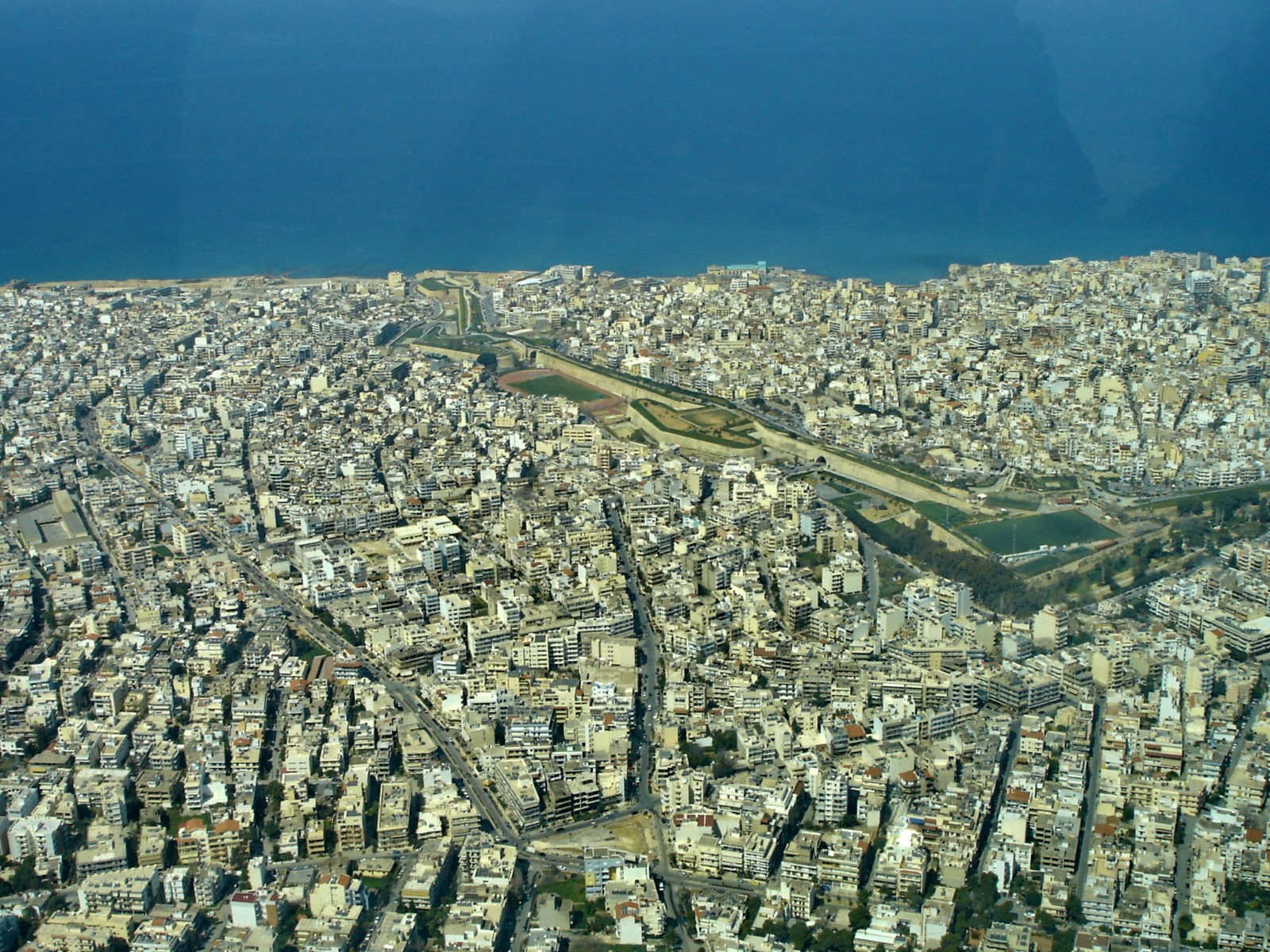


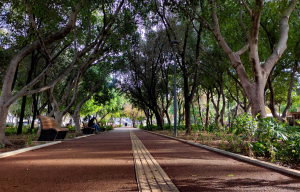
Georgiadis Park is the largest green space in the city of Heraklion. It has been formed next to the Venetian Walls and is bounded by Dimokratias Avenue, Harilaou Trikoupi Street and the Vigla area.

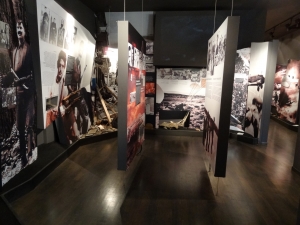
The Historical Museum of Crete was founded in 1953 by the Society of Cretan Historical Studies. It is housed in a beautiful neoclassical building that was the home of Minos Kalokerinos and a courtesy of the Kalokerinos family Institute.

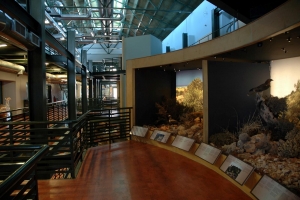
The Natural History Museum of University of Crete demonstrates with an impressive and innovative manner the natural environment of the eastern Mediterranean with a special emphasis on Greece and Crete.

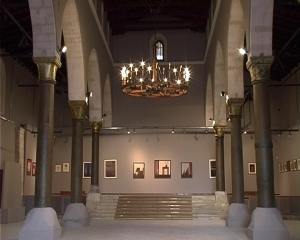
The Municipal Gallery of Heraklion is hosted in the Basilica of Saint Mark in the center of Heraklion, just opposite the famous Lions’ fountain. The basilica was built by the Venetians in 1239, was destroyed by an earthquake in 1303 but restored immediately,
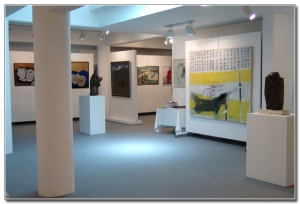
The Museum of Visual Arts in Heraklion is a private art museum. It was founded in May 2000 by Kostas Schizakis. Its activities include organizing educational seminars and lectures on artistic creation.

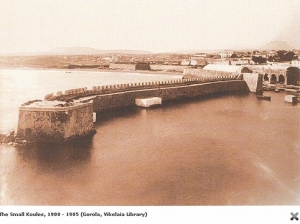
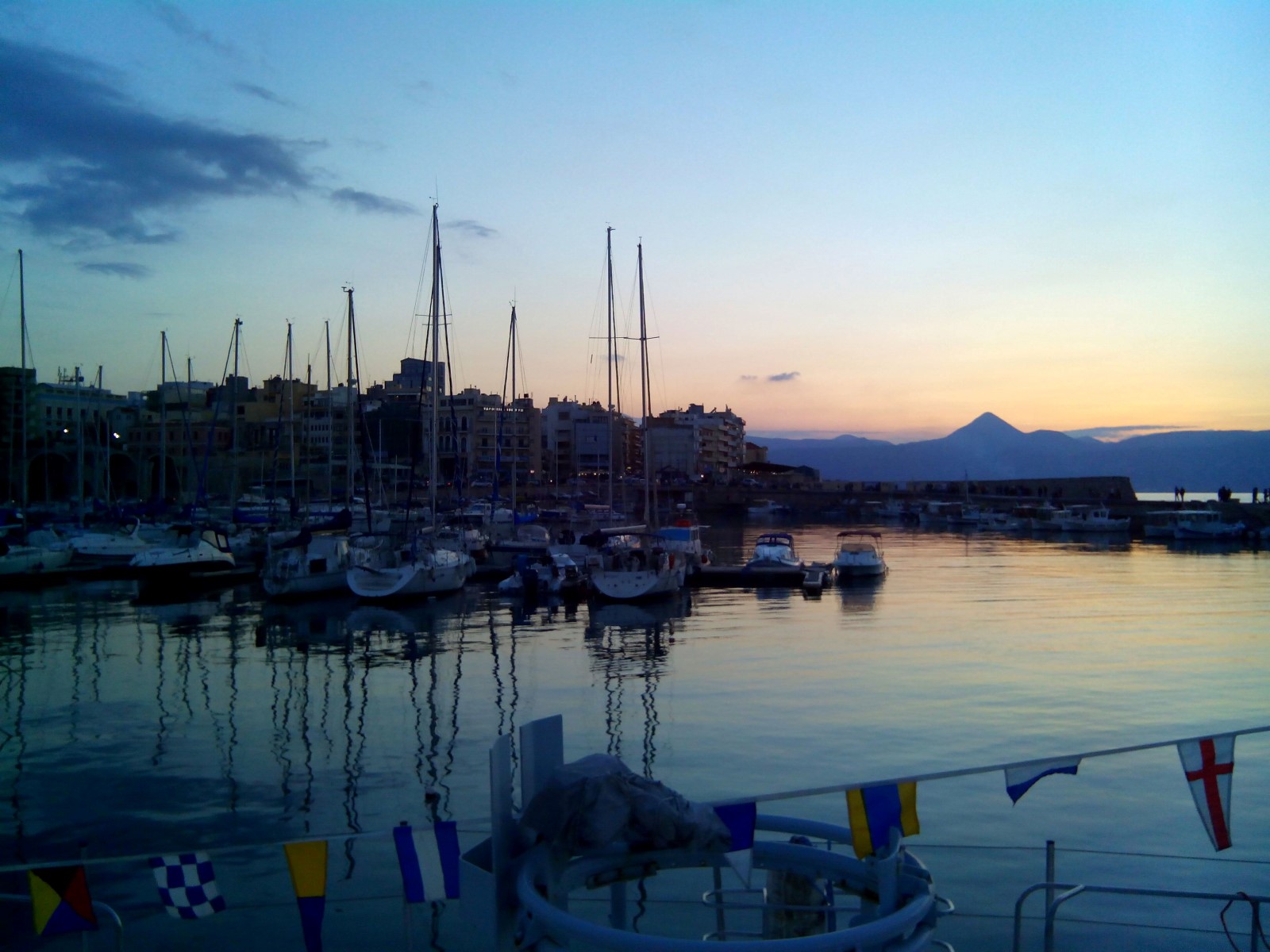
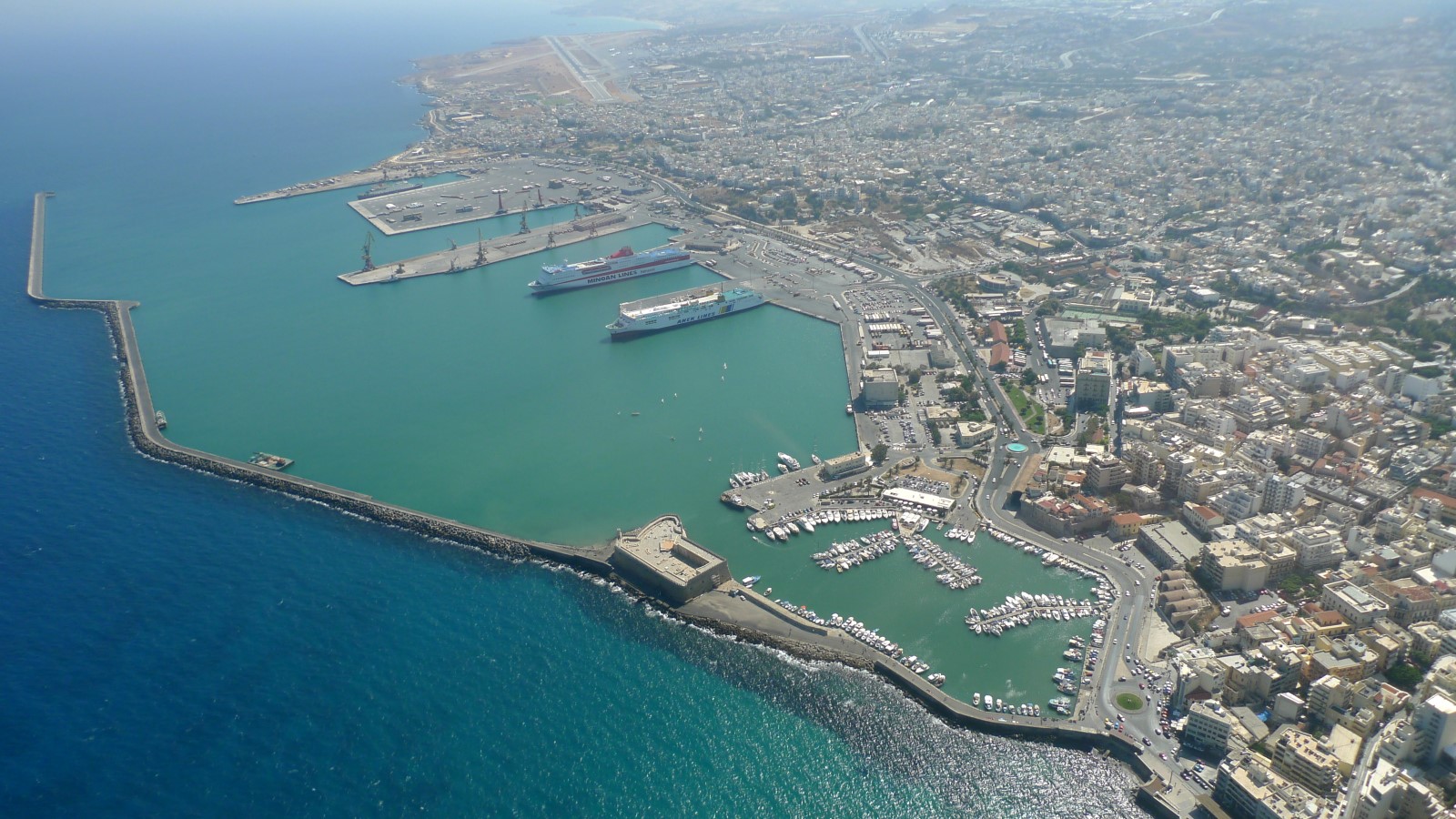
Opposite the Great Koules of Heraklion (Rocca al Mare), which still dominates the entrance to the Venetian port of the city, the Turks founded a smaller tower. It was the only fortification work that the Turks added to the harbor area throughout the period of their domination on the island.

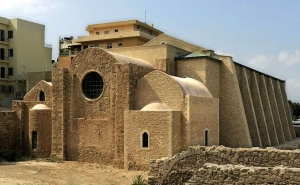
The Church of Sts Peter and Paul was built during the early years of the Venetian domination and served as the main temple of the monastery of Dominican order (Domenicani Predicatori). It is one of the oldest monuments of architecture of the Cistercian monks in the 12th century, both in Europe and in Greece.
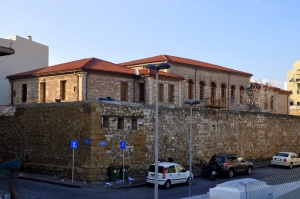
The building operated as a nunnery (Monasterio Greco Madonna Acrotiriani) during the Venetian Era (17th century) and was a dependency of the monastery of Panagia Akrotiriani Toplou by Sitia. A document of 1671 states that the main temple was dedicated to St. John the Theologian, while there was another church dedicated to St. Peter.
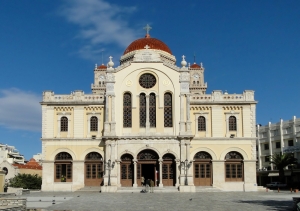
Saint Minas is the patron saint and protector of the Grand Castle (Heraklion) and its past combines legend with tradition and the town's history. It was built in 1862, next to the smaller temple of Saint Minas.
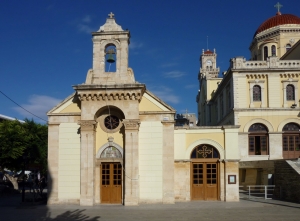
Reference is made to the Chapel of St. Minas and the Virgin Mary Pandanassa in the inventories of Chandax churches in Venetian times. Having fallen into disuse for many years, in 1735 it was renovated to become the cathedral, thenceforth serving as the main centre for the Orthodox Christian faithful in Ottoman Chandax.
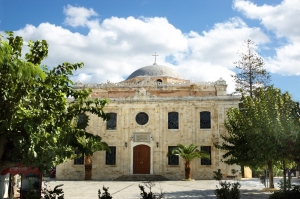
During the second Byzantine period, as the largest and prime official church in the city of Chandax, St. Titus became the seat of the new Orthodox Diocese of Crete. The Venetians later installed a Catholic archbishop and converted the church into a Catholic cathedral.
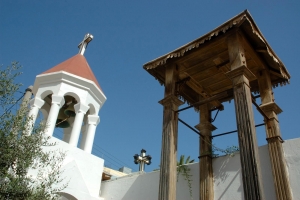
Saint George was a relatively small three-nave church built in the second Byzantine period and ceded to the Armenians who had settled in Heraklion at that time, possibly on the orders of Nicephorus Phocas.
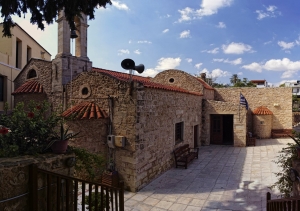
The Orthodox Church of Agios Mattheos (St. Matthew) of Sinai was built in 1508 on the ruins of an earlier Byzantine church. This was the main Christian temple after the conquest of Crete by the Turks, as the Turks converted the monastery of Agia Aikaterini of Sinai to a mosque.
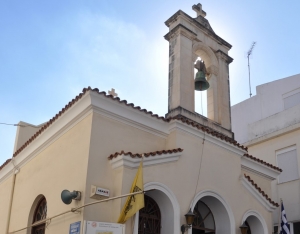
The present-day Church of Saint Paraskevi in Monis Kardiotissis St. was built in the early 20th century and consecrated on 13th June 1910.
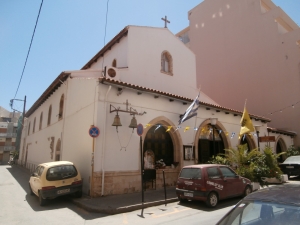
The Virgin Mary of the Crusaders (Crosecchieri) on what is now Markou Moussourou St. was part of the Latin rite Capuchin Monastery. The church was surrounded by monastery buildings and guest rooms for pilgrims and visitors on their way to the Holy Land.
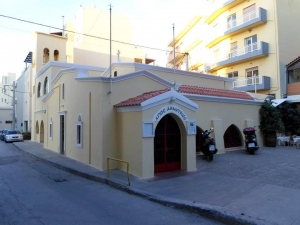
The Church of Saint Demetrius near the Venetian harbor of Heraklion is built on the site of an older church of St. Demetrius, who was the patron saint of the carpenters of Heraklion during the Venetian era (every profession then had its patron saint!). The only surviving part of the initial church is a part of frescoes inside the sanctuary.
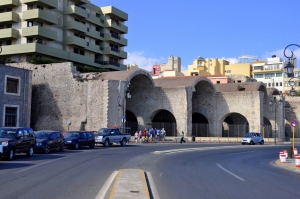
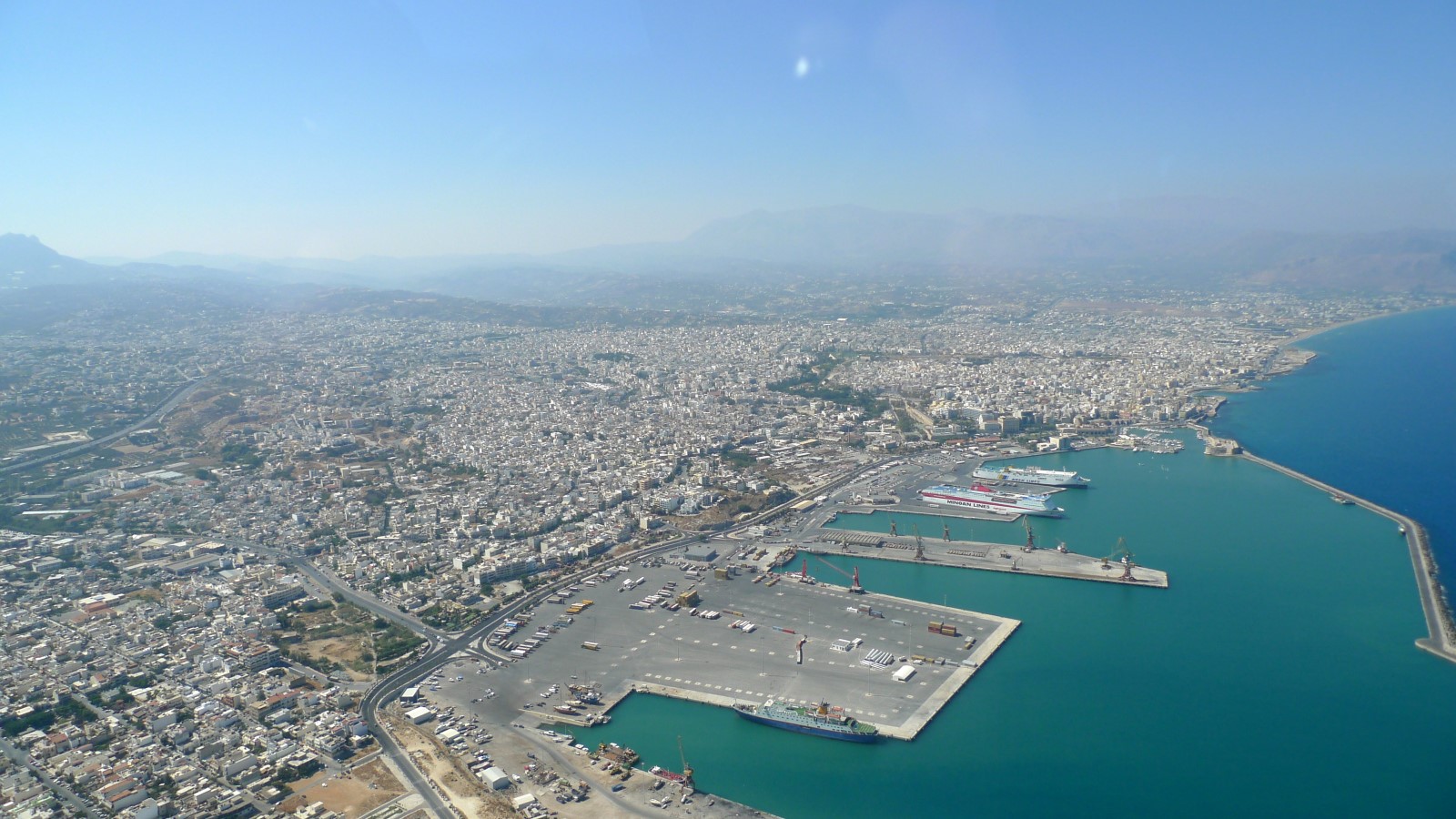
At the port of Heraklion we see even today part of the shipyards (arsenals) consisting of large elongated domed rooms. They are the shipyards of the Venetians where they housed, stored, constructed and repaired their ships.

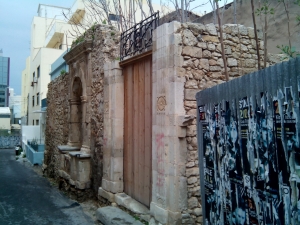
The Fountain of Ibrahim Babas is located, in a terrible situation, in current Almyrou street, just north of the Park Theotokopoulos. Unfortunately, strangers have stolen parts of elaborate relief plates that adorned the fountain. The fountain is fitted on the exterior wall of the house of Ibrahim Baba that has now collapsed.
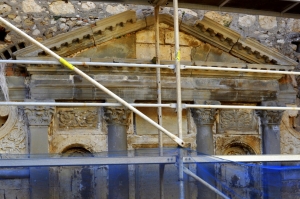
Priuli Fountain or Fontana Nuova is located at Delimarkou Street, behind the Bodossakio School and opposite the Venetian gate of Dermatas. It was built near the end of the great siege of Candia (1648-1669), after the Ottoman besiegers interrupted the water supply from the aqueduct that carried water from Youchtas area.
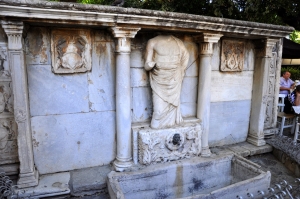
On the north side of the Kornarou square we meet the Venetian Bembo Fountain and the Turkish sebil (charity fountain) built later. The fountain was constructed between the years 1552-1554 during the rule of the captain Gian Matteo Bembo, who first watered Candia with spring water via aqueduct.
Also read:
- Home
 Beaches
 Nature
 Past
Past Destinations
 Highlights
 West Crete
- Central Crete
- East Crete
- Towns
- Chania Prefecture
- Chania
- Paleochora
- Kissamos
- Georgioupolis
- Chora Sfakion
- Loutro
- Rethymnon Prefecture
- Rethymnon
- Agia Galini
- Plakias
- Spili
- Anogia
- Heraklion Prefecture
- Heraklion
- Hersonissos
- Malia
- Matala
- Agia Pelagia`
- Archanes
- Kokkinos Pirgos
- Lassithi Prefecture
- Agios Nikolaos
- Elounda
- Sitia
- Ierapetra
- Makrigialos
- Palekastro
- Zakros
- Lassithi Plateau
- Get Prepared


