







 Arkalochori Cave
The sealed Sacred Cave of Arkalochori, also known as the Cave of Prophet Elijah, is located southwest of Arkalochori, on the southwestern slope of the hill of Prophet Elijah, at an altitude of approximately 400 metres. It is one of the most important cult caves of Minoan Crete, as an exceptionally large number of bronze, gold and silver votive offerings, mainly double axes and swords, were discovered inside.
Today, the entrance to the cave is very narrow, measuring approximately 0.70m in width and 1.60m in height, while its interior is limited in size due to earlier collapses. Parts of the roof are supported by three concrete pillars. During the Minoan period, however, the cave was much larger and probably consisted of several interconnected chambers of varying sizes.
A large section of the roof collapsed in antiquity, possibly as a result of seismic activity or other natural processes. In the past, the destruction was also associated with the eruption of the Santorini volcano, although this theory has not been confirmed. Further collapses occurred during the 20th century, while archaeological investigations and illicit excavations also affected the cave’s original form.
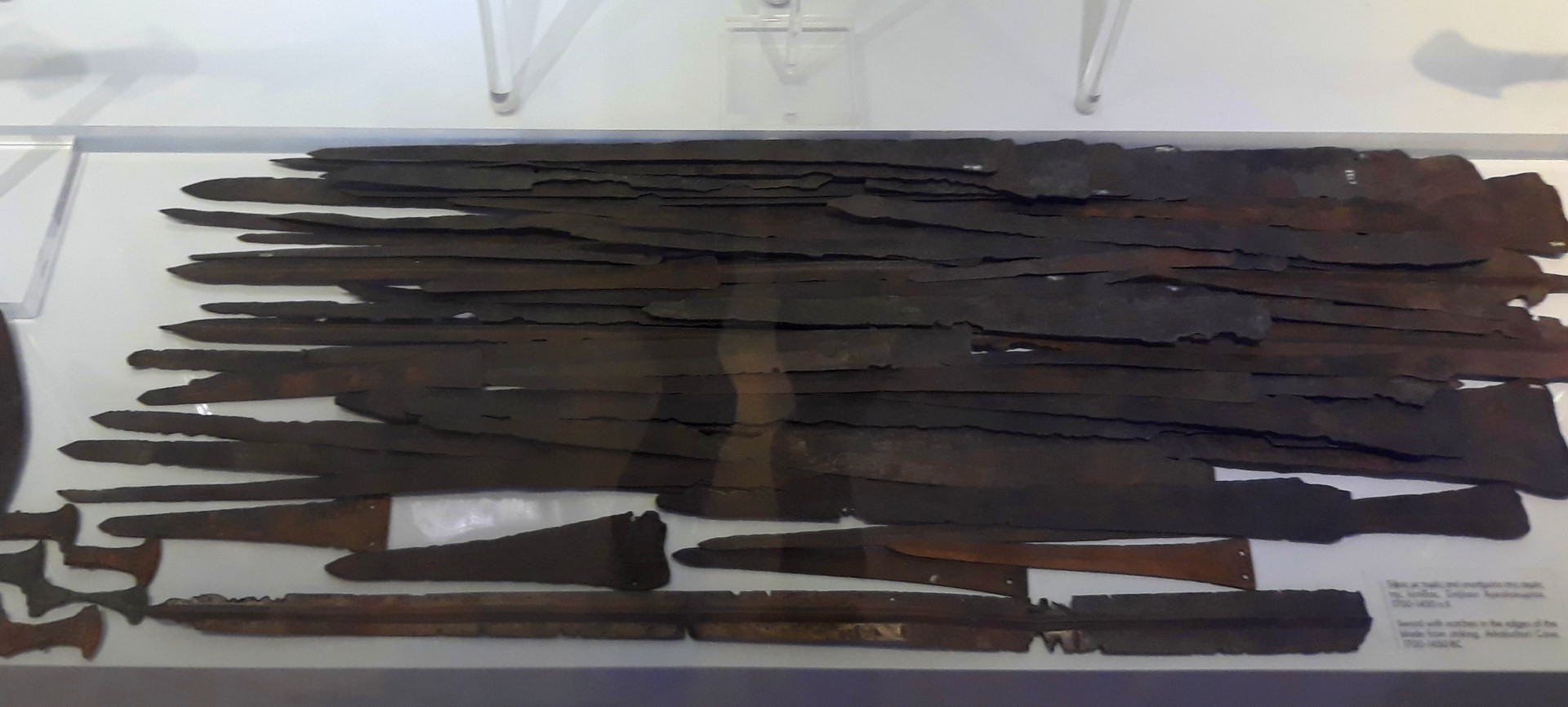
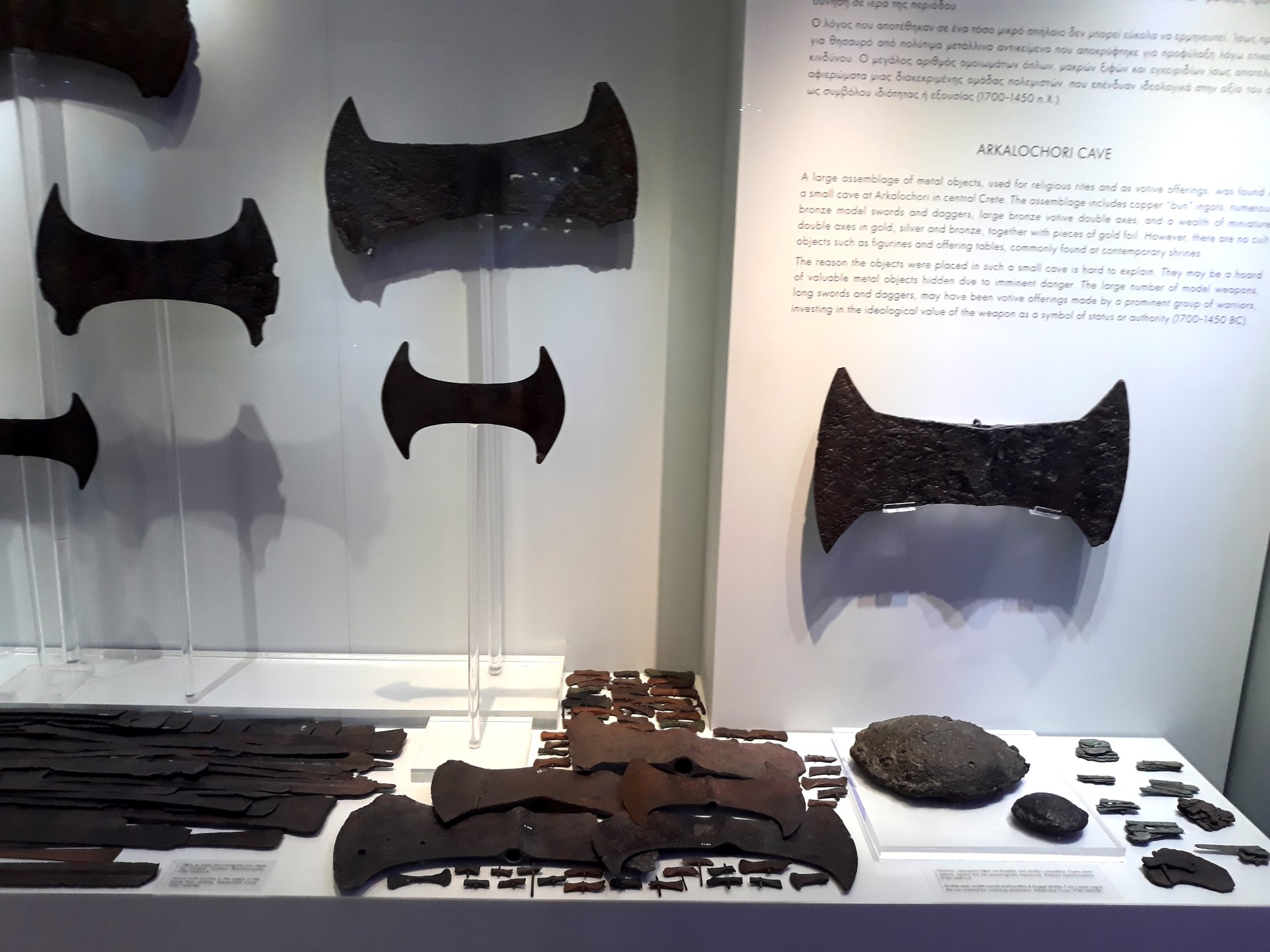
The first systematic archaeological investigation was conducted in 1912 by Joseph Chatzidakis, who uncovered fragments of clay vessels, 53 blades from bronze swords without handles, some measuring up to approximately one metre in length, and 19 votive double axes, one of which was made of silver. During the following decades, the cave became a target for antiquities looters.
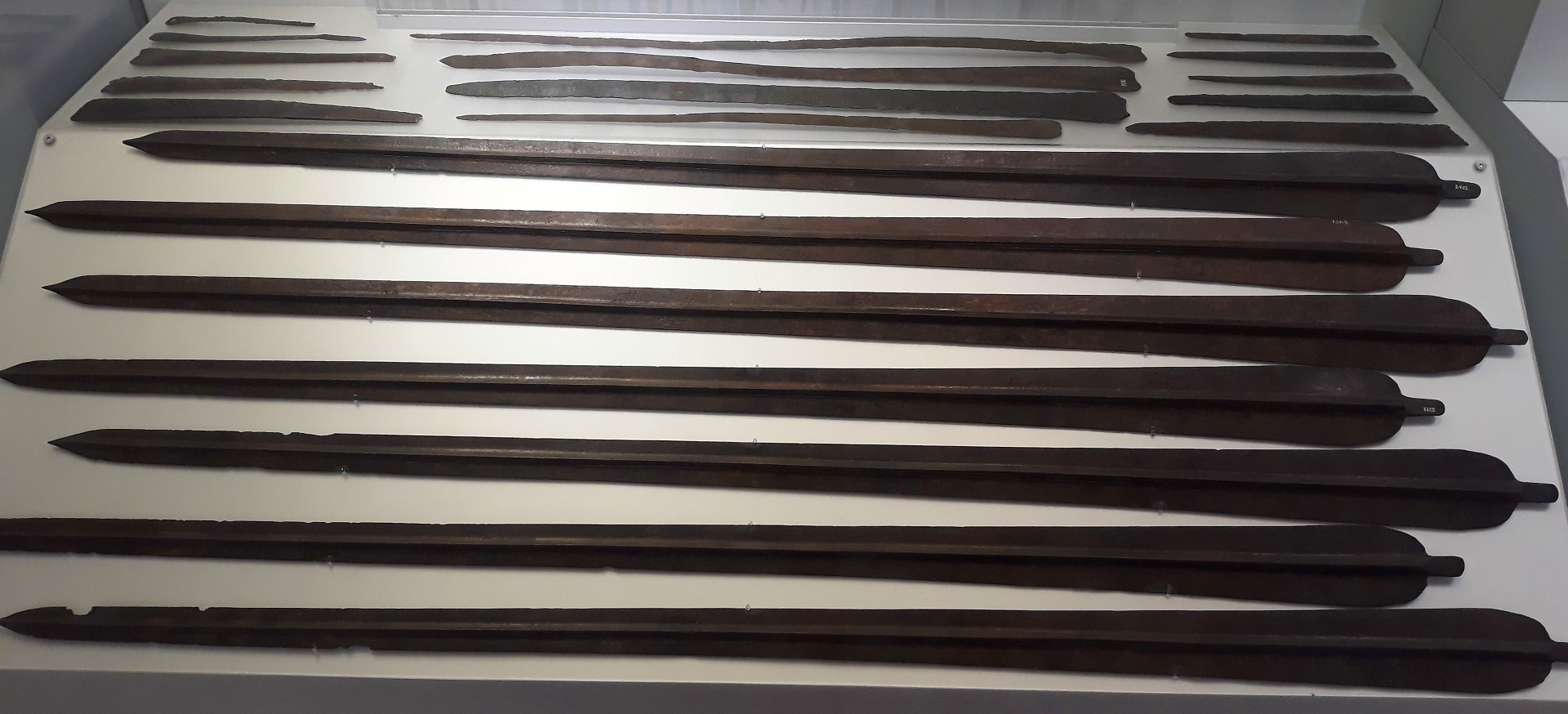
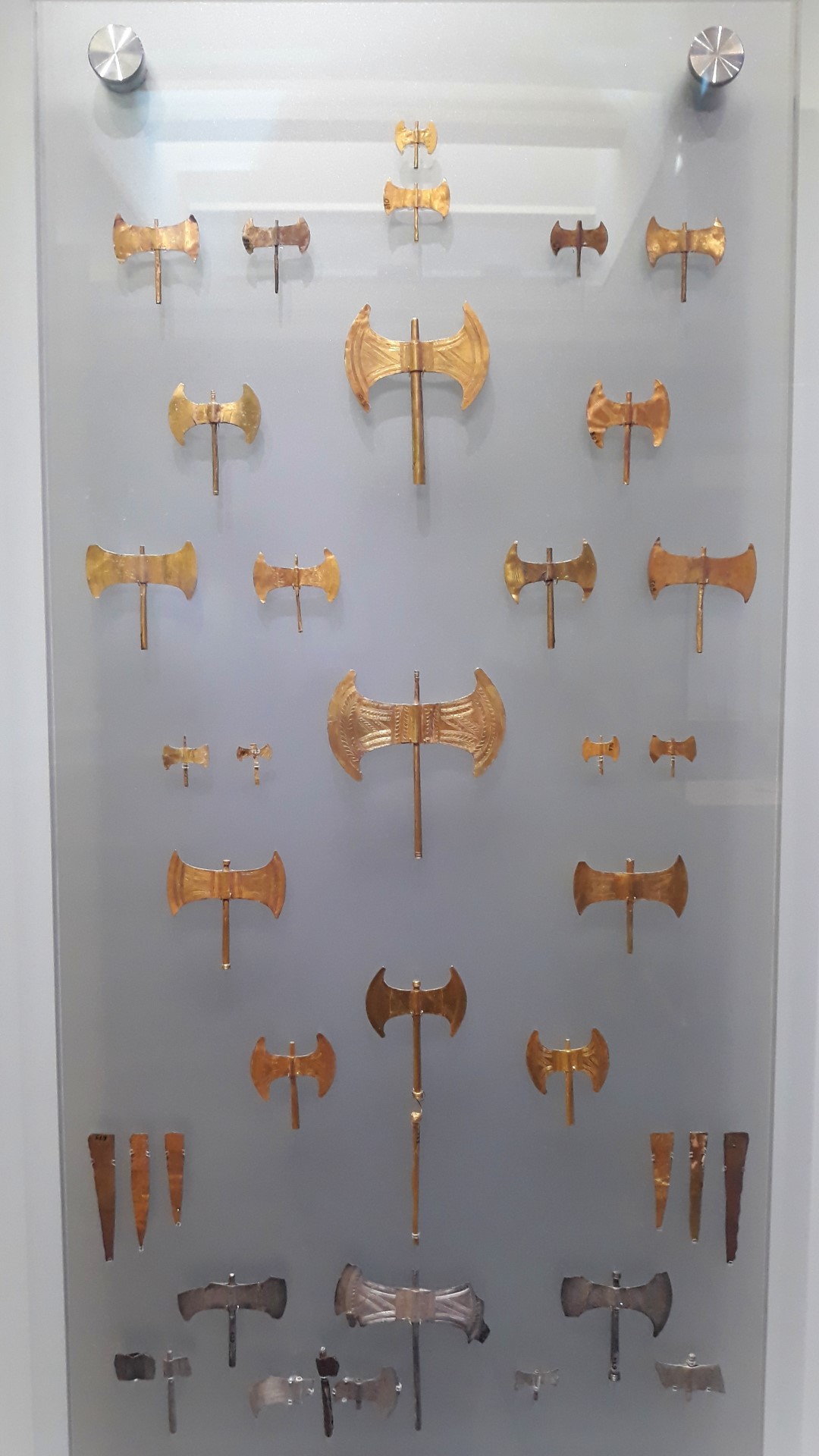
New systematic excavations were conducted in 1934–1935 by the archaeologists Spyridon Marinatos and Nikolaos Platon. Their investigations brought hundreds of metal objects to light, mainly swords and double axes made of bronze, gold and silver. These included miniature votive axes as well as larger ceremonial weapons, with some axes measuring approximately 70 centimetres in length. The longest sword measures about 1.05m and is considered one of the longest bronze swords from prehistoric Greece. Several of the axes and swords bear engraved symbols, suspension holes or rings, reinforcing the view that they were votive offerings rather than ordinary tools or weapons.
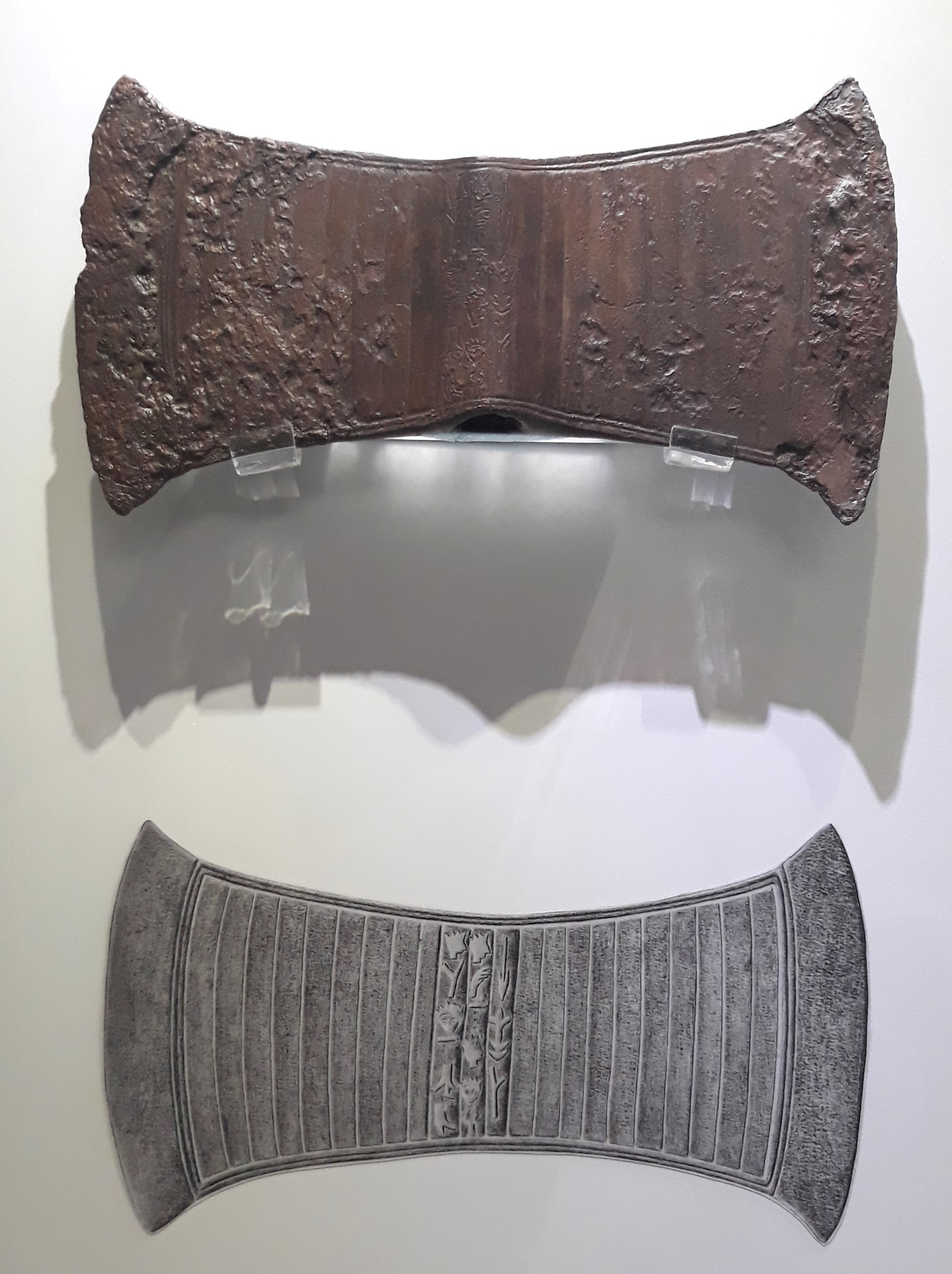
Among the most important finds is the famous inscribed bronze double axe of Arkalochori, which dates to the Neopalatial period, approximately between 1700 and 1500 BC. Fifteen symbols arranged in three columns are engraved on its surface. Some of them resemble signs found in Linear A and on the Phaistos Disc. Despite various attempts to interpret them, the symbols have not been deciphered and their true meaning remains unknown. Another axe bears an inscription that has been associated with Linear A.
One theory associates the symbols on the inscribed axe with ceremonies dedicated to Mother Earth and Zeus, as well as with the concept of the Sacred Marriage, namely the symbolic union of a mother goddess with a male fertility deity. This, however, remains a hypothetical interpretation that has not been scientifically confirmed. In any case, the exceptionally large concentration of double axes, perhaps the most important sacred symbol of Minoan civilisation, demonstrates the cave’s special religious significance.
The finds also include a small chryselephantine figurine of a female figure holding her hands in front of her body, as well as votive offerings bearing Linear A symbols. These objects have been associated with the worship of a female deity, possibly Mother Earth, although the precise identity of the deities worshipped in the cave remains unknown.
The location of the cave is of particular interest, as it lies almost at the centre of Crete, between several important Minoan cult centres. From the summit of the hill there is a direct line of sight towards the peak sanctuary of Kofinas, the peak sanctuary of Jiouchtas, and the sacred mountains of Ida and Dikti. This geographical position may have contributed to the great religious importance of the site.
The plains of Arkalochori extend around the hill towards the mountains of Lassithi, Kastelli, Thrapsano, Houmeri and Agia Semni, while the hills of Mousouta and Tzigkounas rise to the south. On the summit and eastern slope of the same hill, traces of ancient buildings and installations can be seen. They possibly date from the Archaic period, while evidence of craft workshops and a Minoan peak sanctuary has also been identified.
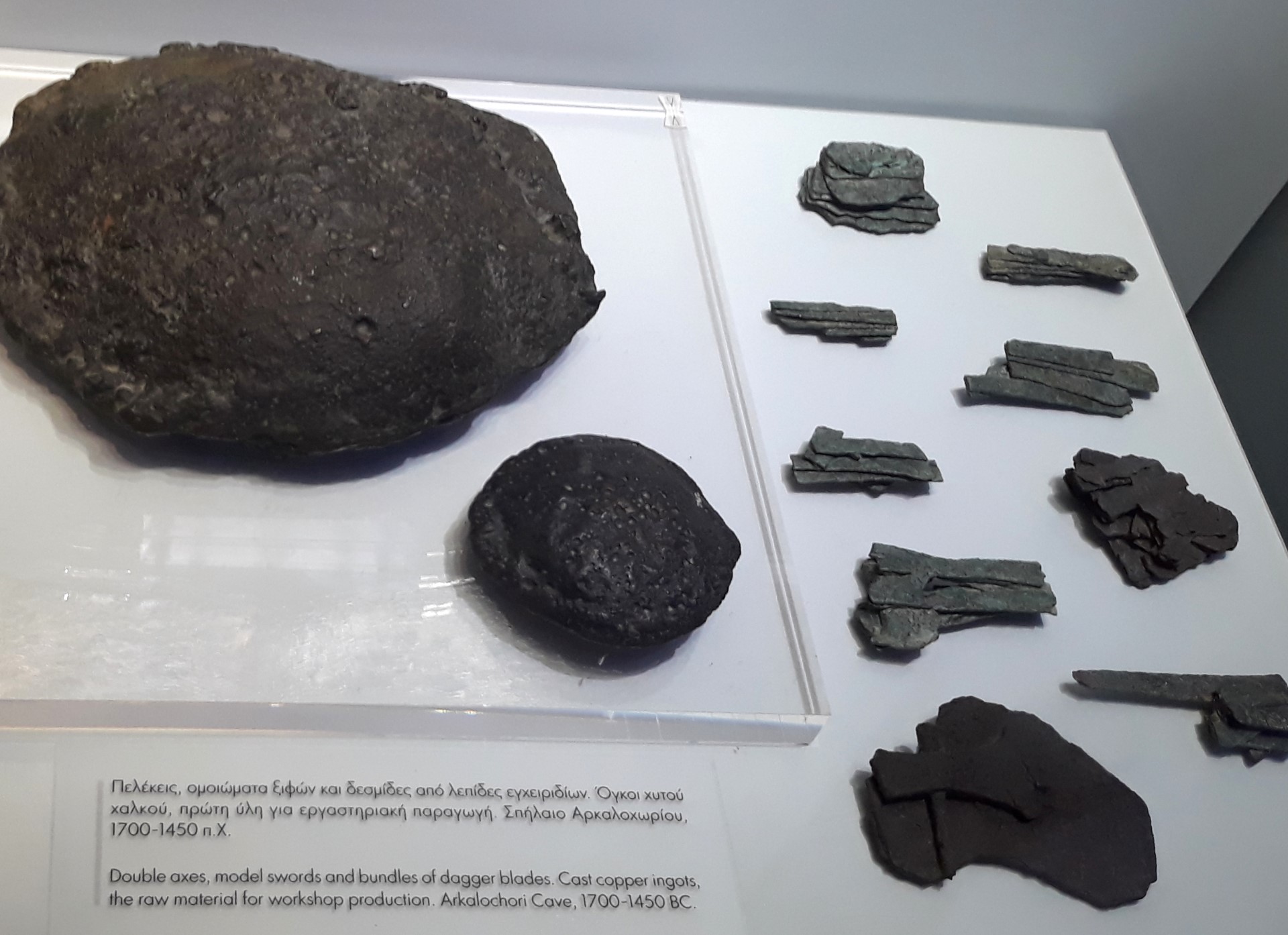
Spyridon Marinatos proposed that the cave had served as a cult centre since the 3rd millennium BC and was possibly associated with a war deity because of the large number of weapons discovered there. He also suggested a connection between the cave and the myth of the birth of Zeus. Other interpretations associate the cult with deities of nature and fertility. The discovery of pieces of unworked copper has also led to the suggestion that part of the cave may have been used as a metalsmith’s workshop.
Gareth Owens has proposed an association between the cave and the mythical Labyrinth, linking its name with the word labrys, meaning double axe, as no other known cave in Crete has yielded such a large number of axes. This, however, also remains an interesting but unproven interpretation.
The most important finds from the Sacred Cave of Arkalochori are now exhibited at the Archaeological Museum of Heraklion. Among them is the famous inscribed double axe, one of the most enigmatic objects from Minoan Crete.



 Stay nearby
Nearby places of interest
Straight-line distances
 0.1 km
Hellenistic Town of Arkalochori
 0.6 km
Arkalochori Town
 0.9 km
Church of Archangel Michael at Arkalohori
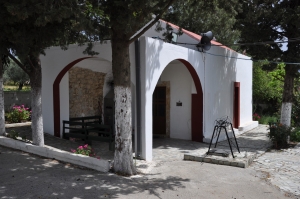 1.1 km
Church of Panagia at Arkalohori
 1.2 km
Gasi Windmill
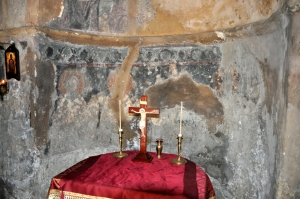 1.9 km
Church of Zoodohos Pigi at Arhontiko
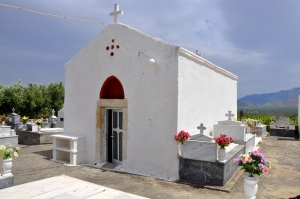 1.9 km
Panagia church at Archontiko
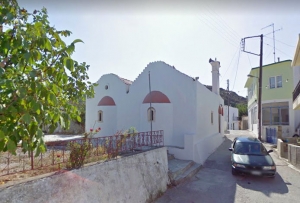 2.3 km
Panagia Church at Houmeri
 2.6 km
Chandrou Settlement
 2.9 km
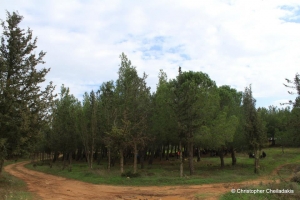
Lefkohori wood
 3 km
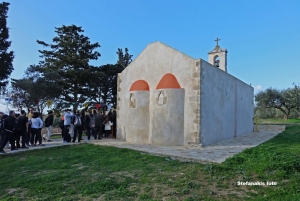
Church of Saints Nicholas and Charalambos at Miliarisi
 3.1 km
Poulina Cave
 3.2 km
Saint John church at Drakonero
 3.7 km
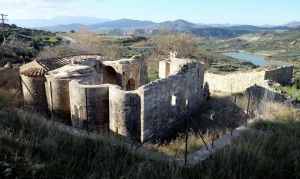
Mikri Episkopi at Partira
 4 km
Church of Panagia at Rouma
 4.1 km
Galatas Minoan Palace
 4.3 km
Church of Zoodohos Pigi at Rouma
 4.5 km
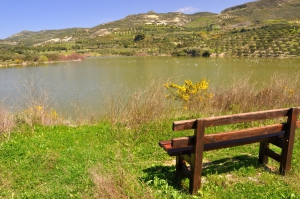
Partira Dam Lake
Additional Info
- Location: Heraklion Prefecture
- Type: With archaeological importance


