






 The most Instagrammable spots in Crete
Here are 23 of the most Instagrammable places on the island. Each one stands out for a particular landscape, natural feature, history or atmosphere — and each image below links directly to the corresponding place on CretanBeaches.
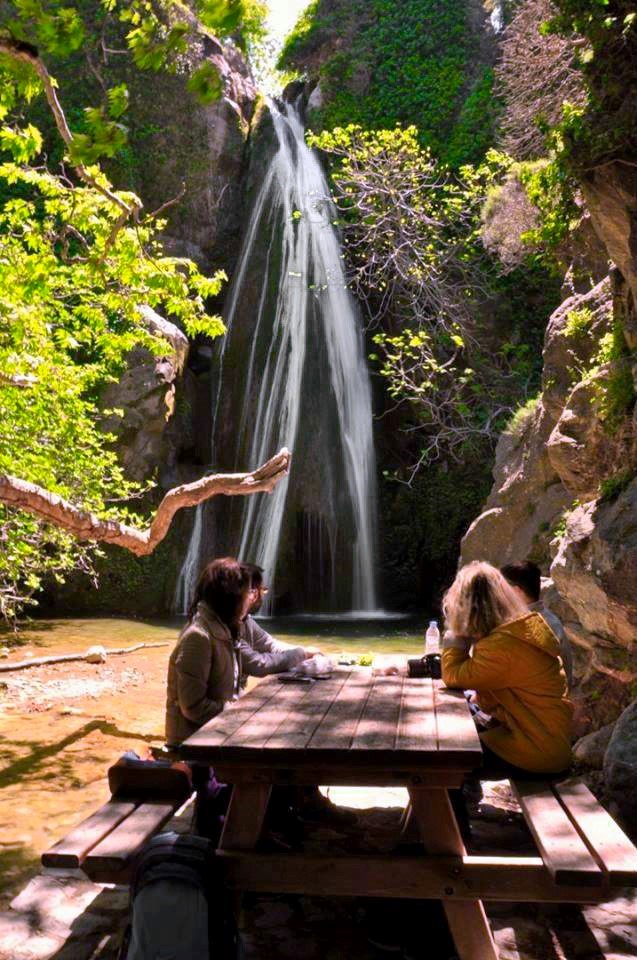
1. Richtis gorge, Sitia, Lassithi
Richtis is one of the greenest hiking routes in eastern Crete, running from Exo Mouliana through plane trees, oleanders and old watermills to the coast. Its highlight is the impressive waterfall, more than 20 metres high, which keeps flowing even in summer and forms a cool natural pool below.
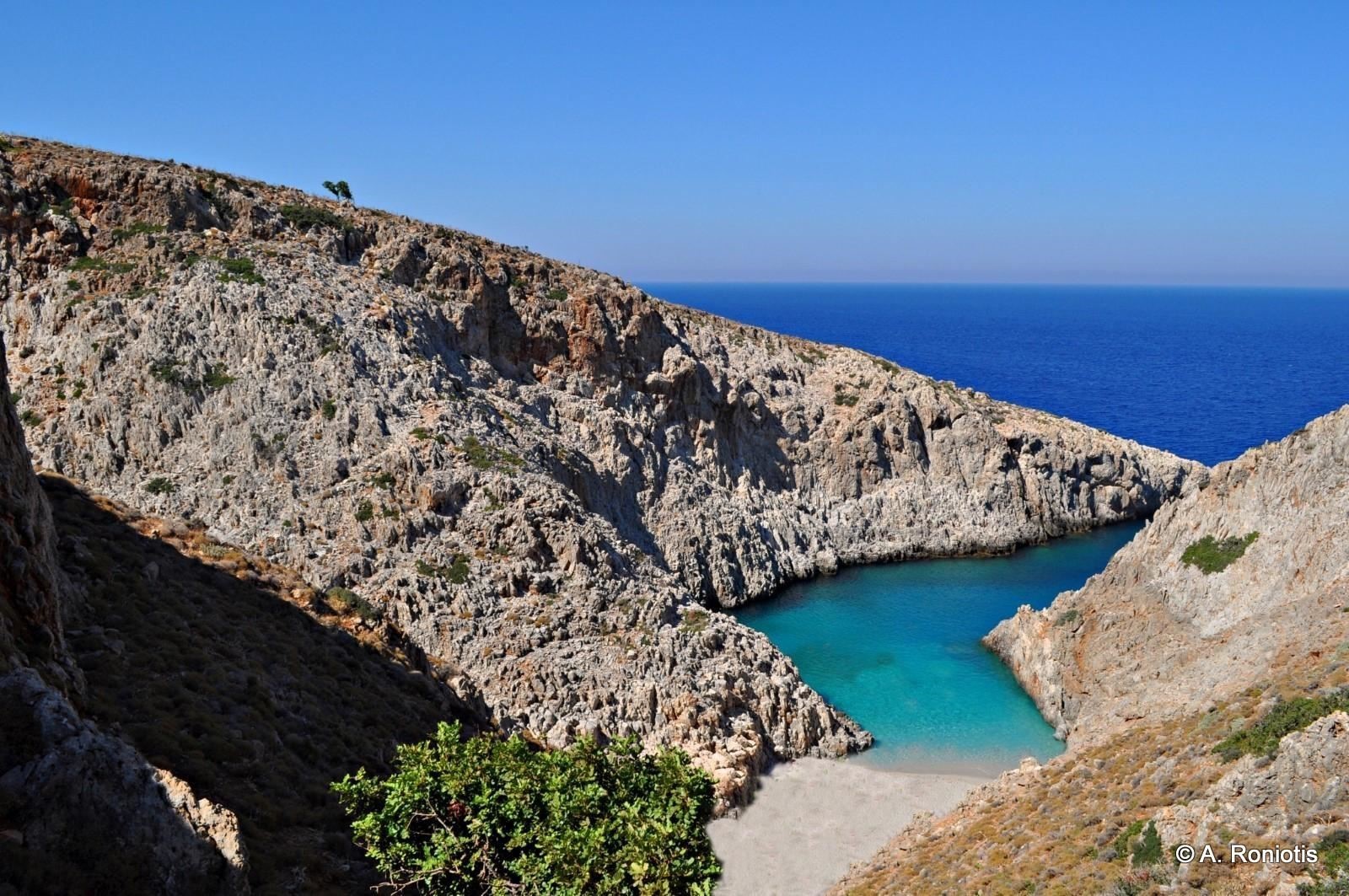
2. Seitan Limania, Akrotiri, Chania
Seitan Limania is one of Akrotiri’s most dramatic coves, with a narrow strip of vivid blue water squeezed between steep limestone cliffs. The zig-zag shape of the inlet and the view from above make it especially photogenic, although the beach can become very crowded in high season.
3. Avlaki cove, Katholiko, Chania
Avlaki is a tiny rocky cove hidden at the end of the gorge below Gouverneto and the abandoned Katholiko Monastery. Reaching it requires about an hour of walking on a steep historic path past Arkoudiotissa Cave and old hermit sites, rewarding visitors with deep blue-green water and a wonderfully secluded setting.
4. Sarakina gorge, Mythi, Ierapetra
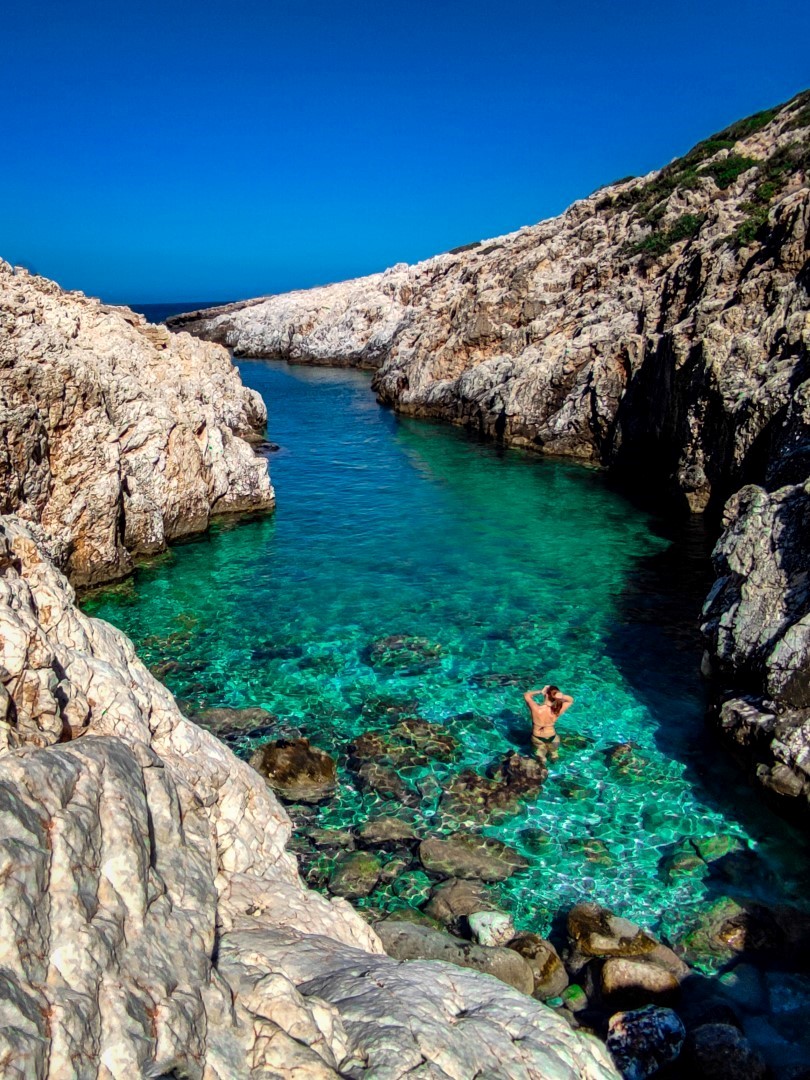
Sarakina is a short but spectacular gorge near Mythi, sculpted by water into narrow passages, smooth rock walls and small waterfalls. Although only about 1.5km long, it offers one of the most dramatic canyon landscapes in eastern Crete and changes character beautifully with the light.
5. Elafonissi lagoon, Chania
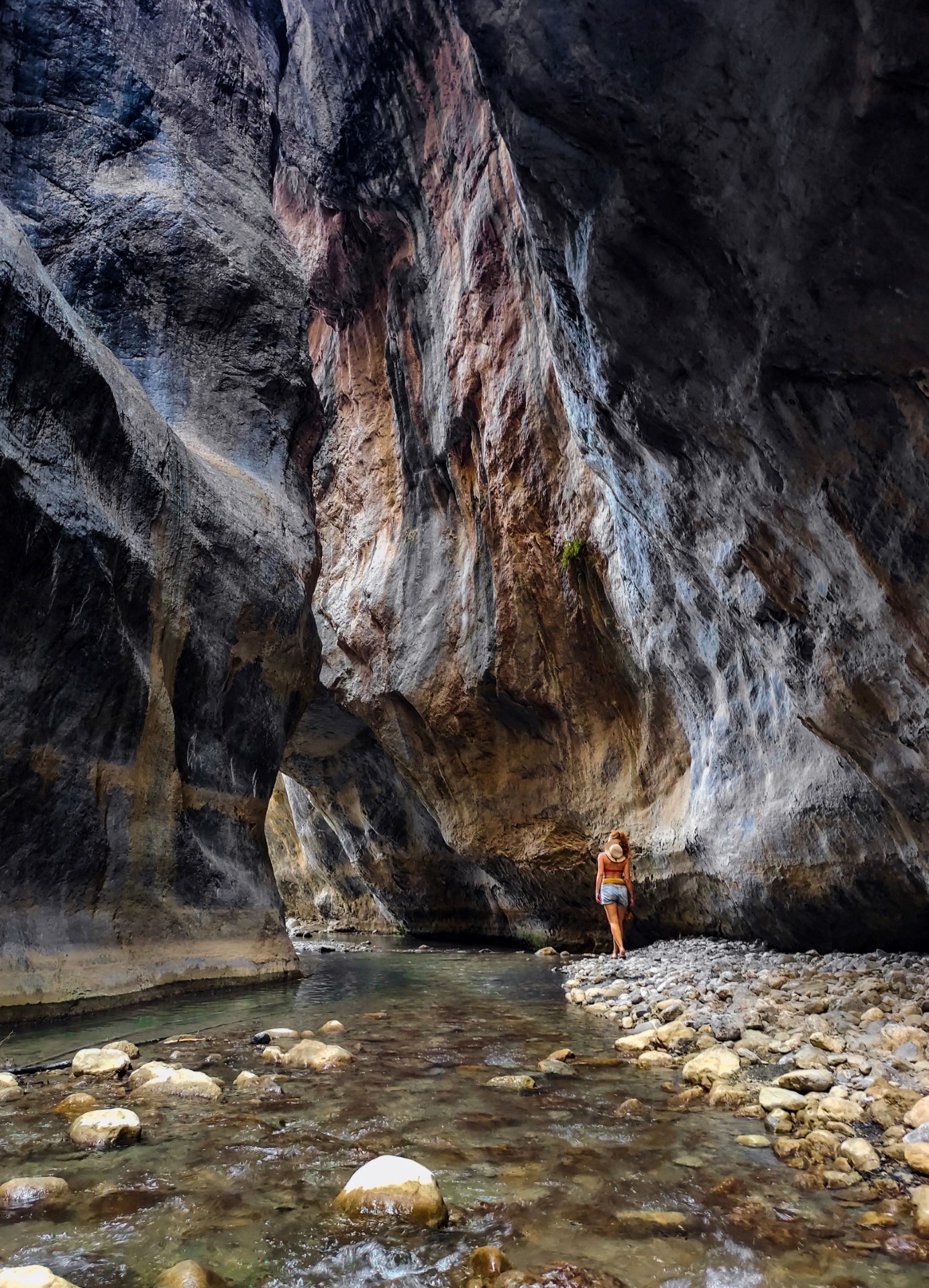
Elafonissi is a protected Natura 2000 landscape famous for shallow turquoise water, pale dunes and sand that turns pink in places from crushed shells. The peninsula’s fragile ecosystem also shelters sea daffodils, junipers and important wildlife, which makes the scenery as valuable as it is photogenic.
6. Kalypso cove, Plakias, Rethymnon
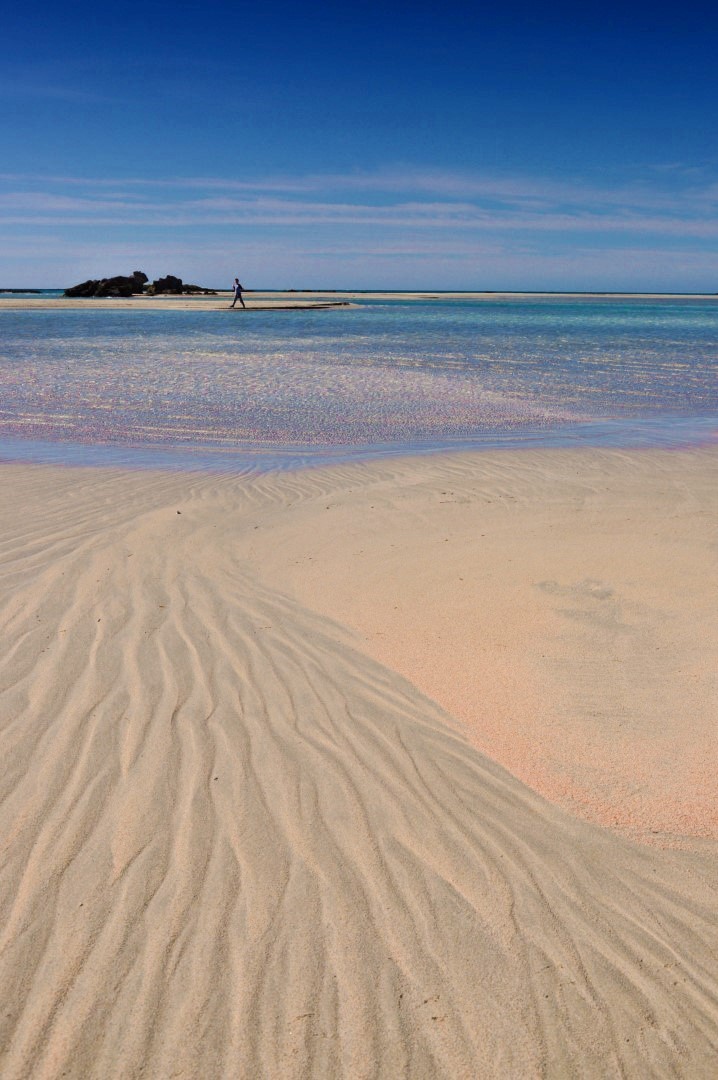
Kalypso is a remarkably narrow rocky inlet near Plakias, often described as a natural fjord. Sheer cliffs frame intensely blue water, creating striking viewpoints both from above and from sea level, while the sheltered cove is also popular for swimming and snorkeling.
7. Preveli beach, South Rethymnon
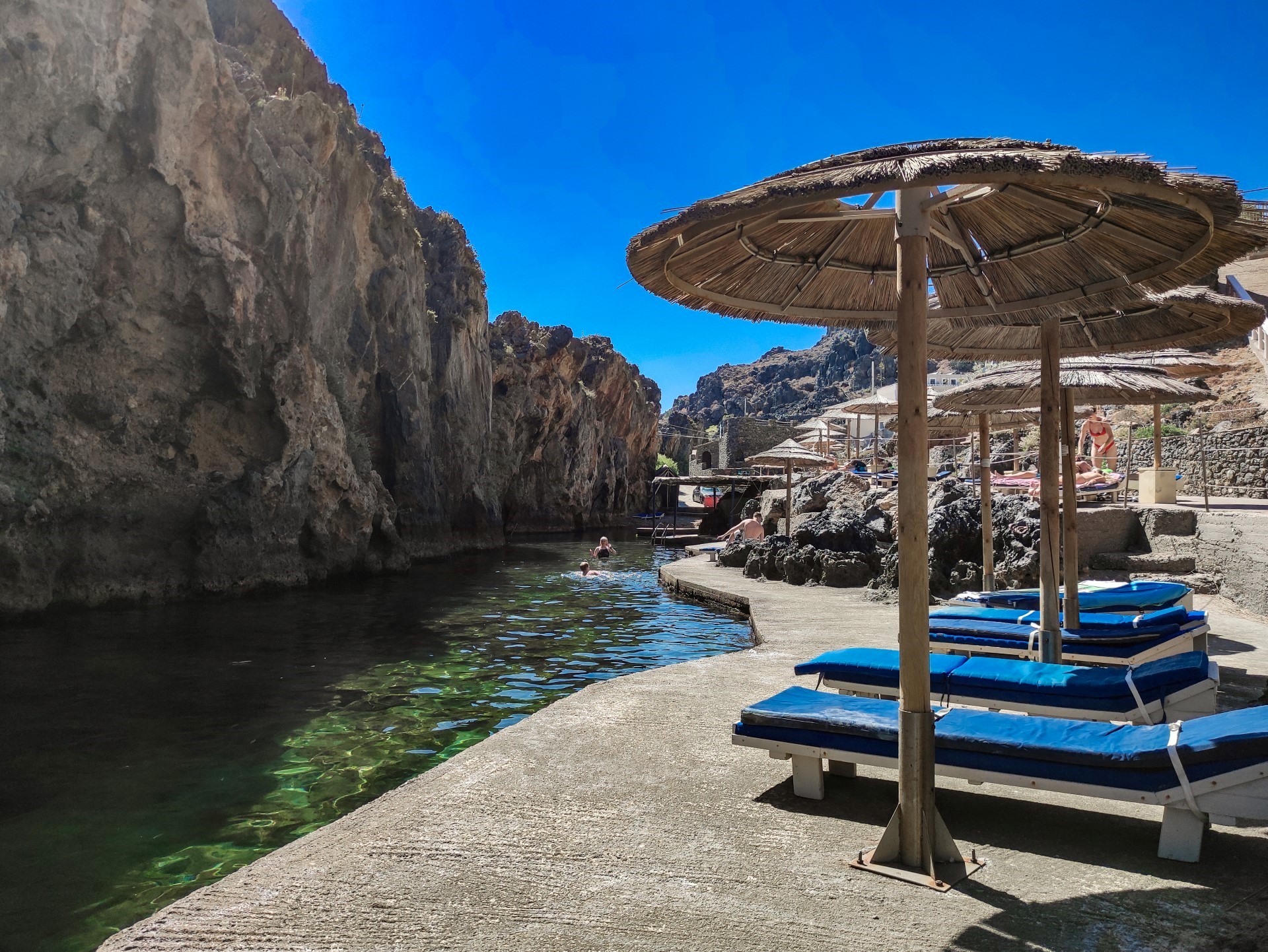
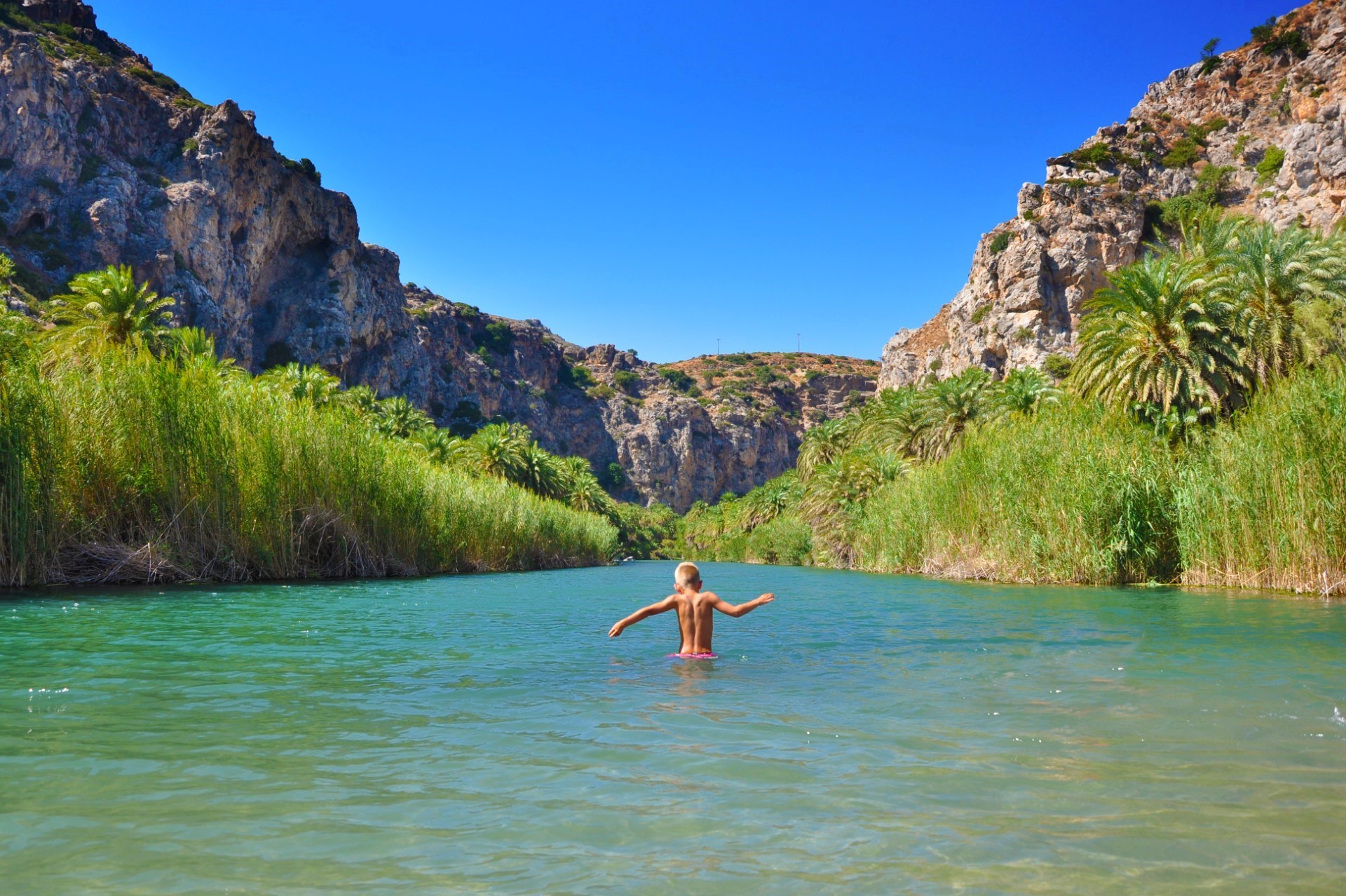
Preveli lies where the Grand River flows out of Kourtaliotiko Gorge and meets the South Cretan Sea. The river forms a freshwater lagoon lined with Theophrastus palms, creating one of Crete’s most distinctive landscapes and an especially memorable contrast between river, forest and beach.
8. Kourtaliotis falls, South Rethymnon
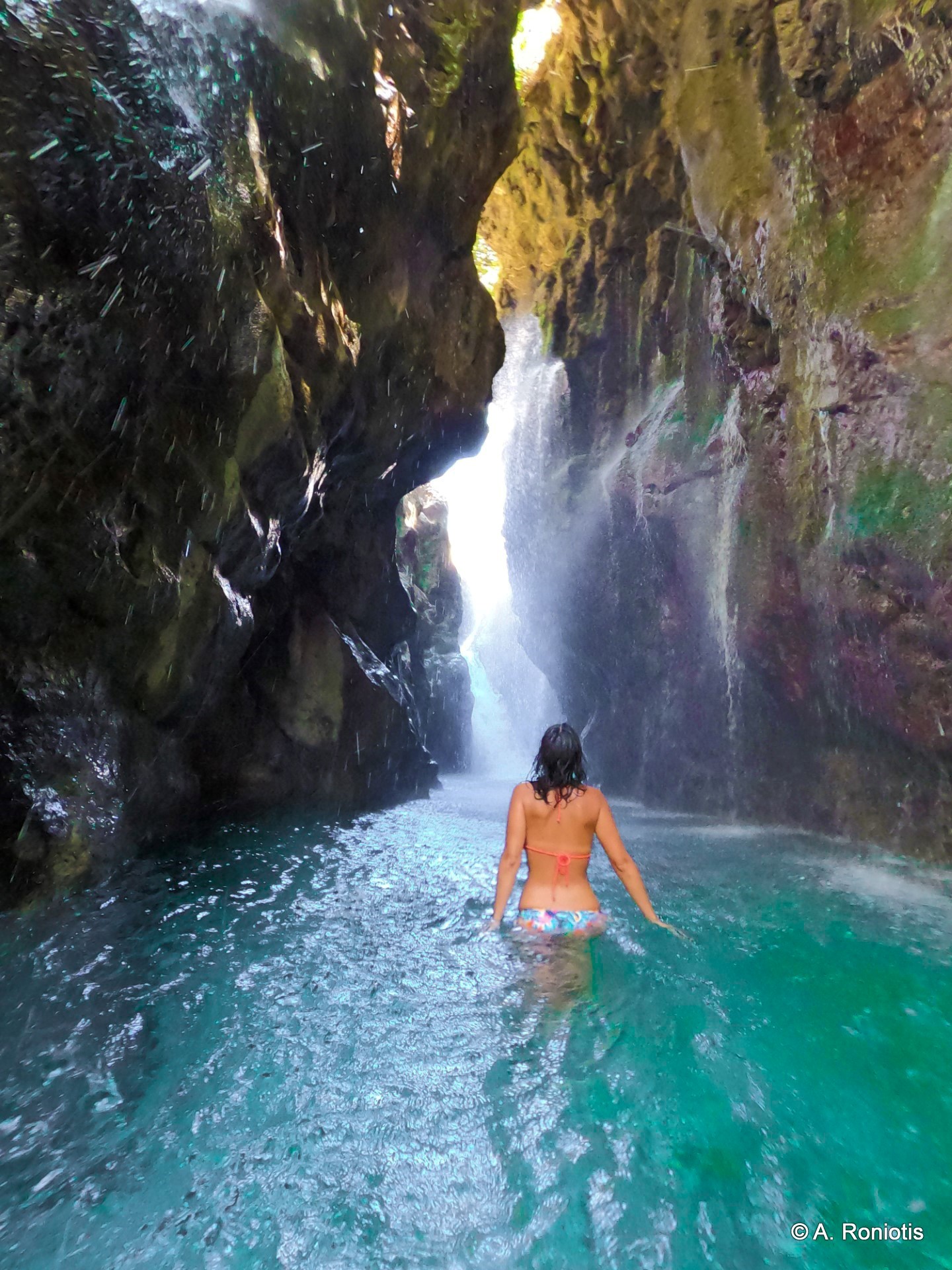
The waterfall of Kourtaliotis is formed below the church of Saint Nicholas where five powerful springs emerge from the rock. Water runs almost constantly through the narrowest part of the gorge, forming a dramatic curtain-like fall; reaching the deepest viewpoint involves entering very cold water, so caution is essential.
9. Agios Pavlos sandhills, Rethymnon
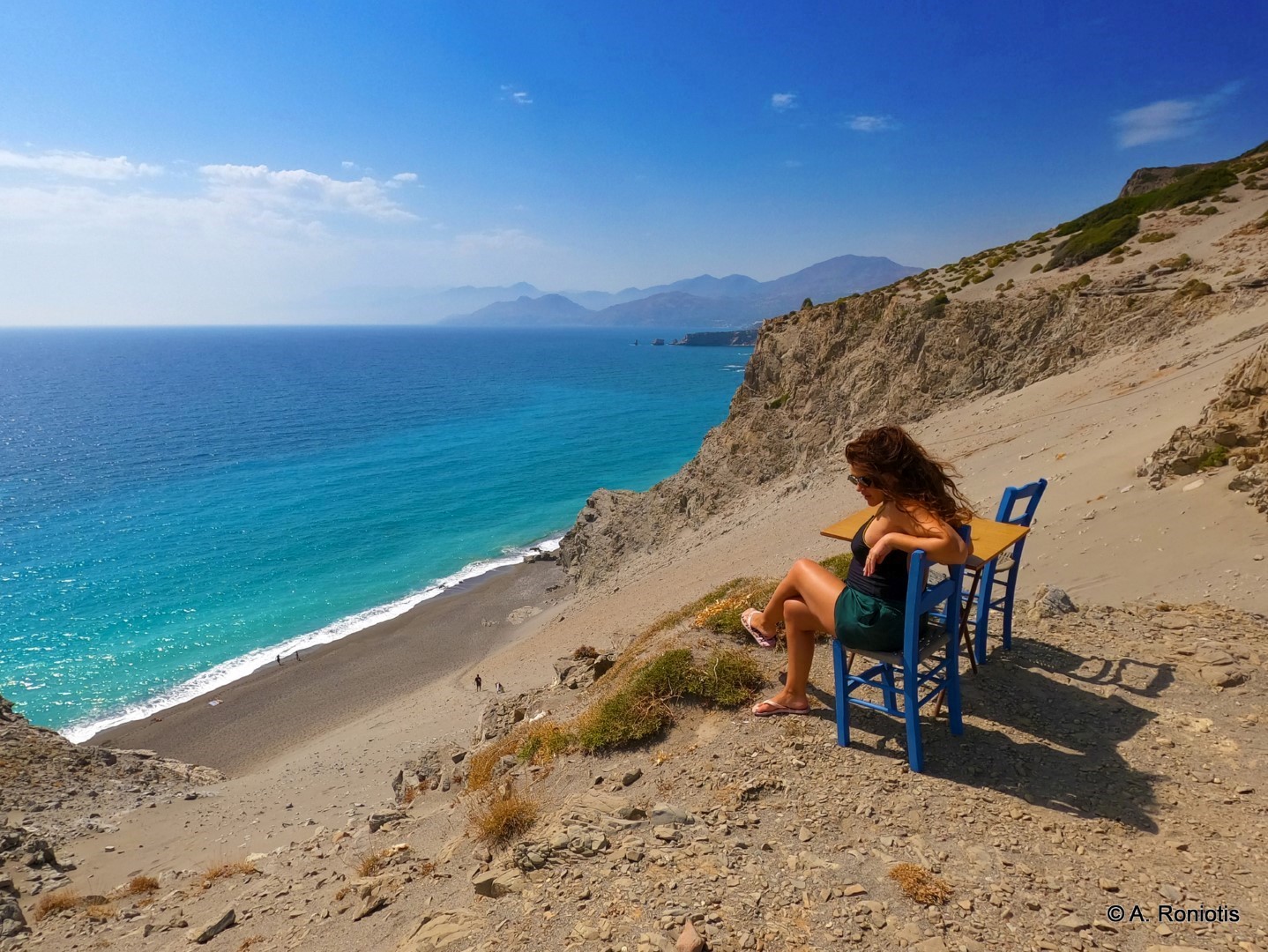
At Cape Melissa near Agios Pavlos, enormous sandhills tumble steeply toward the South Cretan Sea, forming one of the wildest coastal landscapes in Rethymnon. The west-facing setting, sculpted dunes and distant view toward the Paximadia islets make this an exceptional place for sunset photography.
10. Kofinas peak, Asterousia Mt, Heraklion
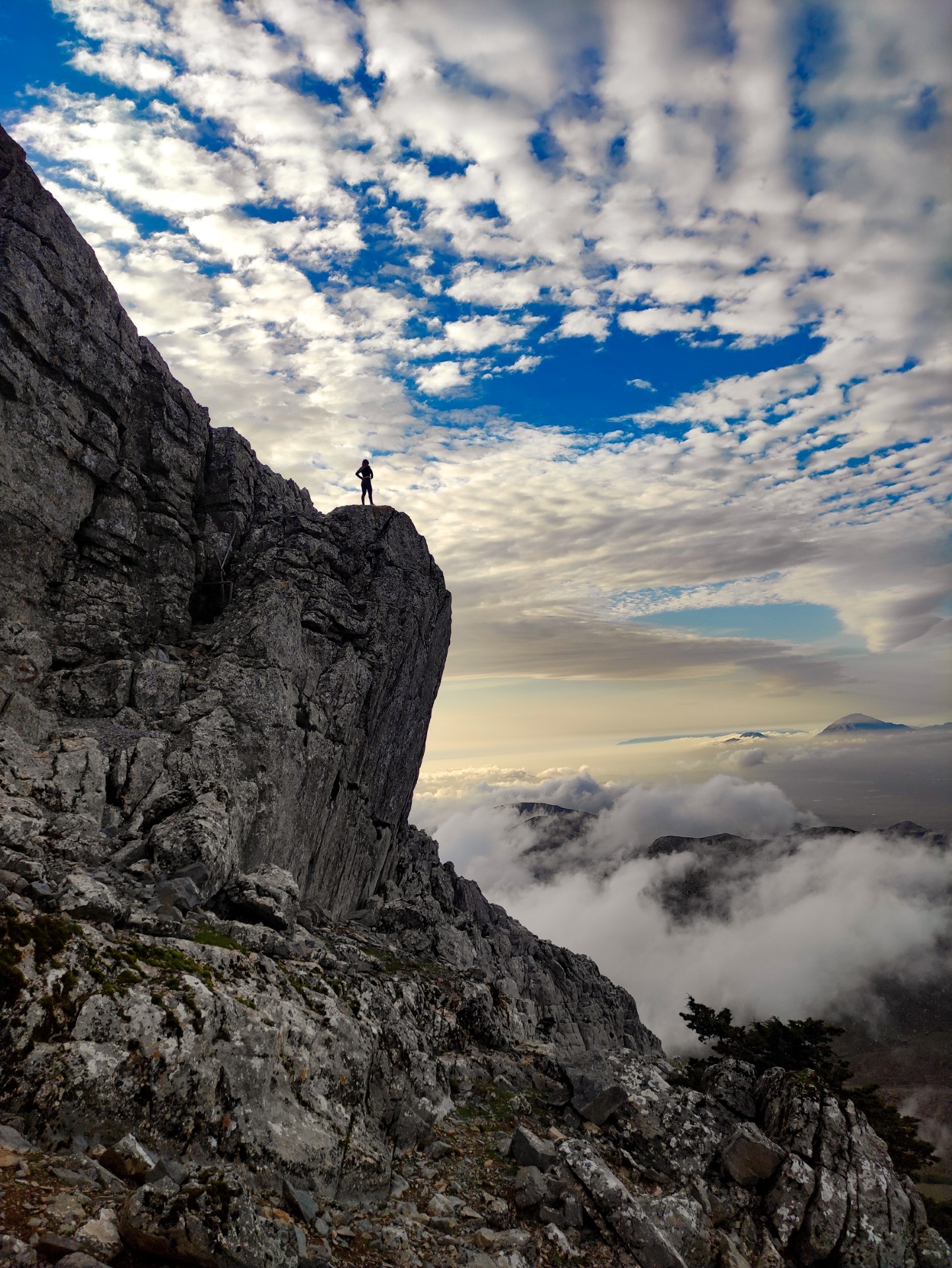
Kofinas is the highest summit of the rugged Asterousia Mountains at 1,231m and takes its name from its inverted-basket shape. A short but steep trail leads to the chapel of Timios Stavros and the remains of a Minoan peak sanctuary, with immense views over the South Cretan Sea.
11. Heraklion city
Heraklion may look modern at first glance, but its historic core hides strong Venetian layers and many photogenic corners. The old harbour, Koules Fortress, the city walls, Lion Square and the surviving monuments of Candia offer plenty of detail for anyone who explores beyond the main streets.
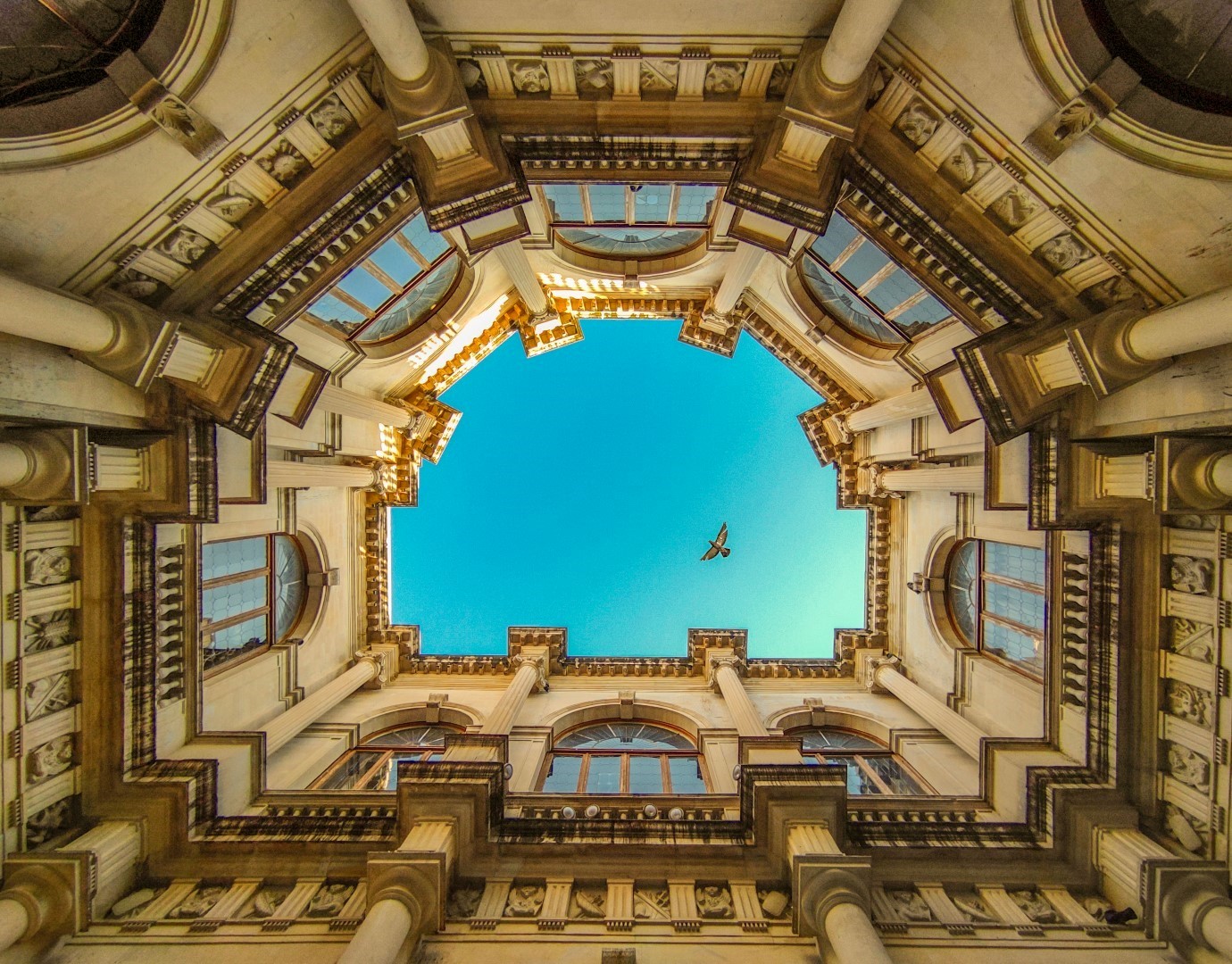
12. Mountain Desert, Lefka Ori Mt, Chania
Above 2,000 metres in the heart of the White Mountains lies a barren high-altitude landscape known as the Mountain Desert. Dozens of cone-shaped summits, deep dolines and almost complete absence of trees create a lunar scenery unlike anything else in Crete and remarkably rare in the Northern Hemisphere.
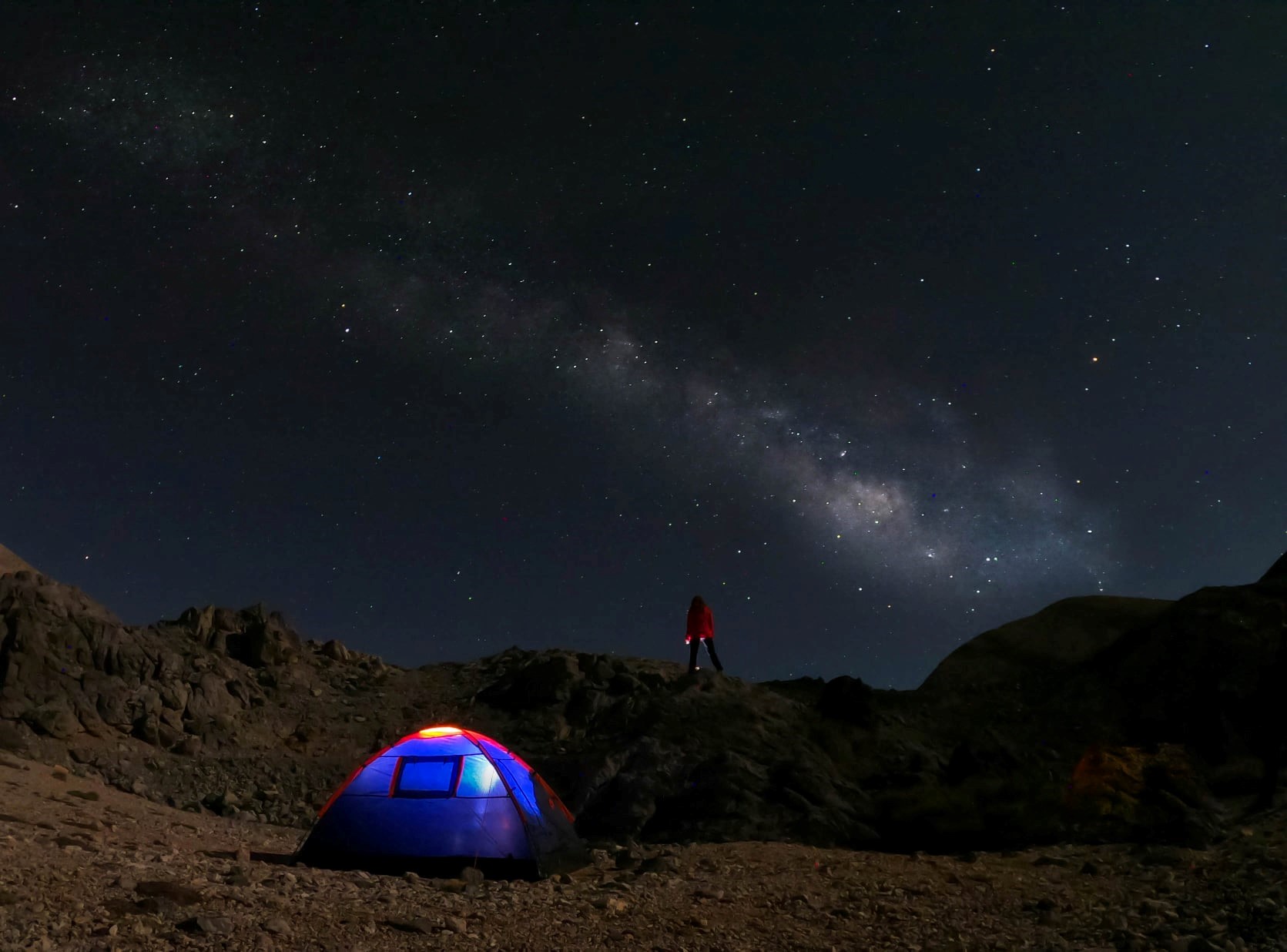
13. Psiloritis UNESCO Geopark, Central Crete
The Psiloritis UNESCO Global Geopark brings together high mountain landscapes, caves, gorges, traditional villages and exceptional geological formations. Snow can remain on the highest slopes well into summer, while the changing terrain reveals how strongly geology has shaped both the natural landscape and local life.
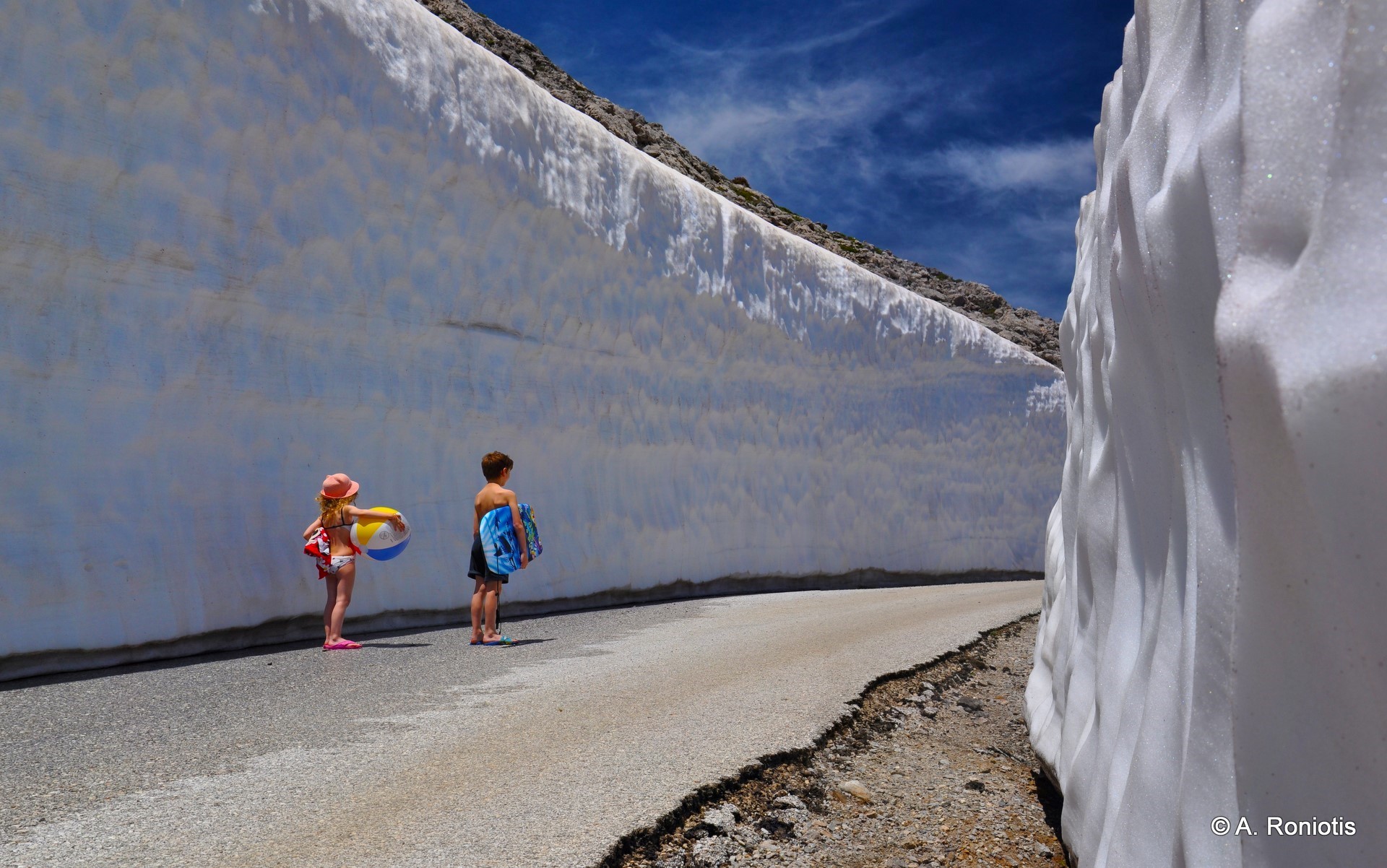
14. Rethymnon town
Rethymnon preserves one of the best examples of a Cretan Renaissance city, with Venetian and Ottoman details woven into a dense network of narrow streets. The Fortezza, Venetian harbour, Rimondi Fountain, old doorways and colorful facades make the historic centre exceptionally rewarding to explore with a camera.
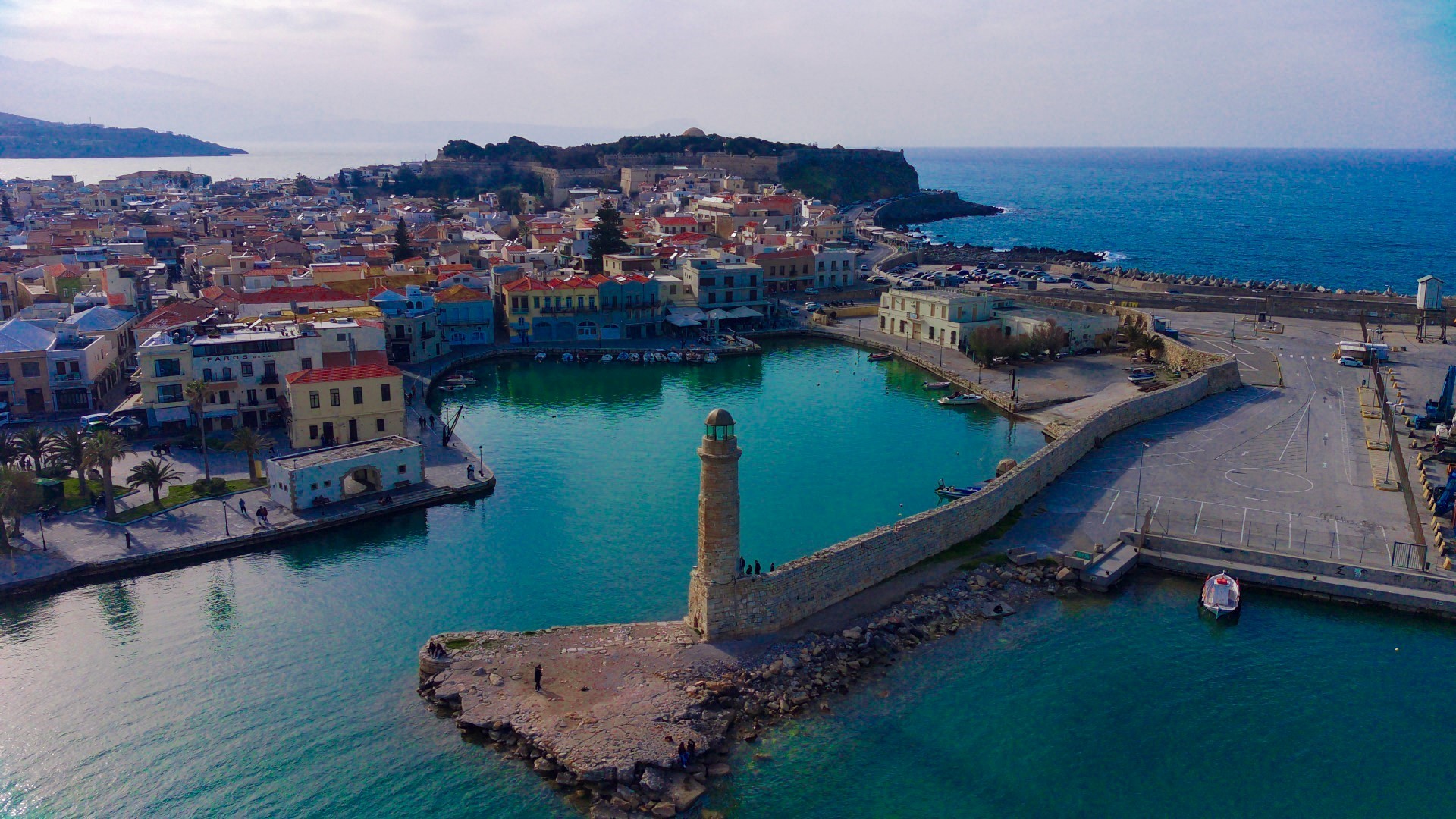
15. Chrissi isle, Ierapetra, Lassithi
Chrissi is a flat protected island south of Ierapetra, famous for dazzling blue-green water, pale sand colored by shell fragments and an extensive juniper ecosystem. Its exotic appearance is striking, but the fragile landscape is strictly protected, so visitors should avoid disturbing sand, shells or vegetation.
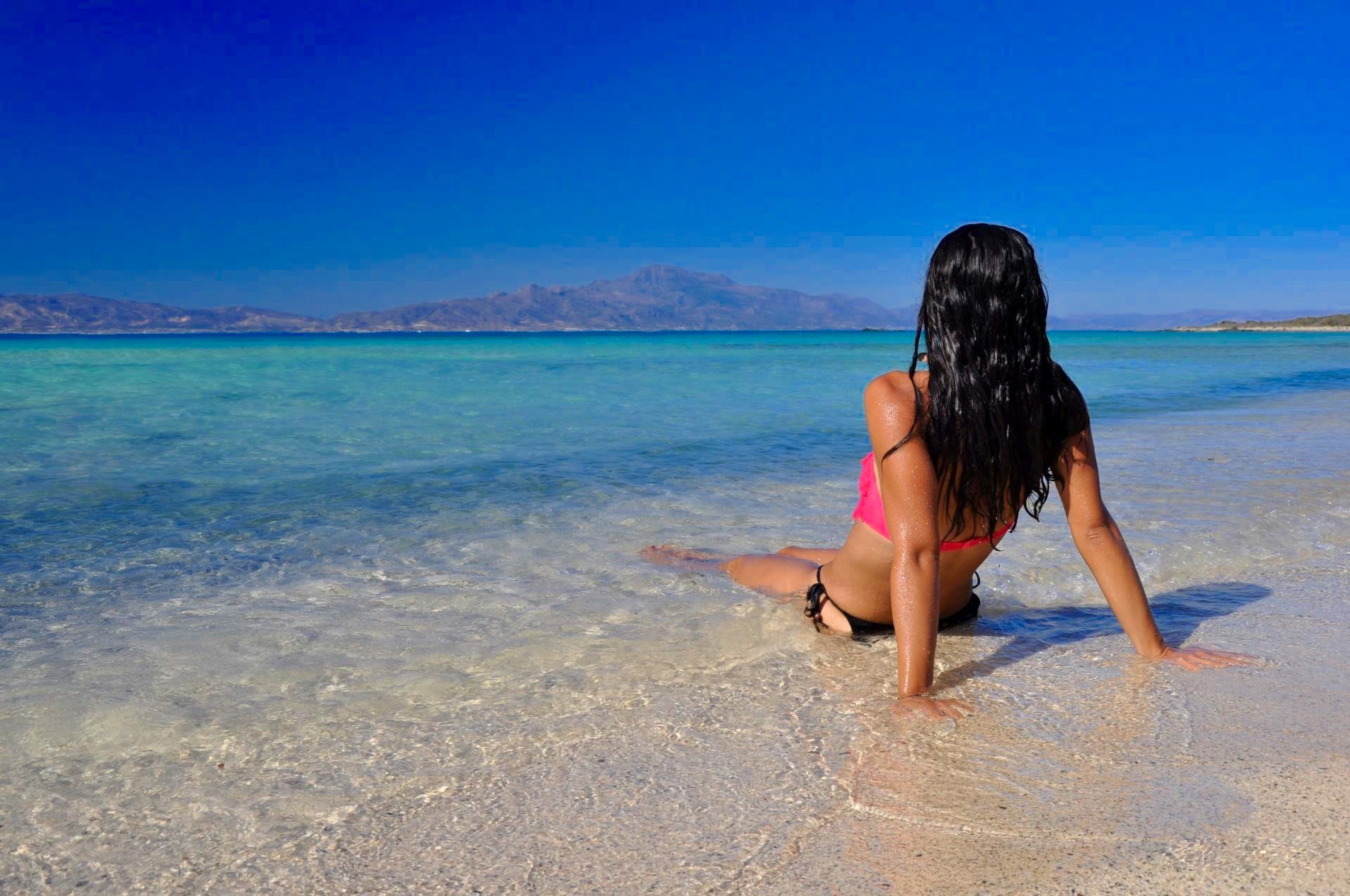
16. Asterousia Mt, South Heraklion
The Asterousia are the southernmost mountain range of Greece, rising abruptly between the Messara plain and the South Cretan Sea. Their barren slopes, deep gorges, sea caves, isolated monasteries and hard-to-reach beaches create some of the most rugged and cinematic scenery on the island.
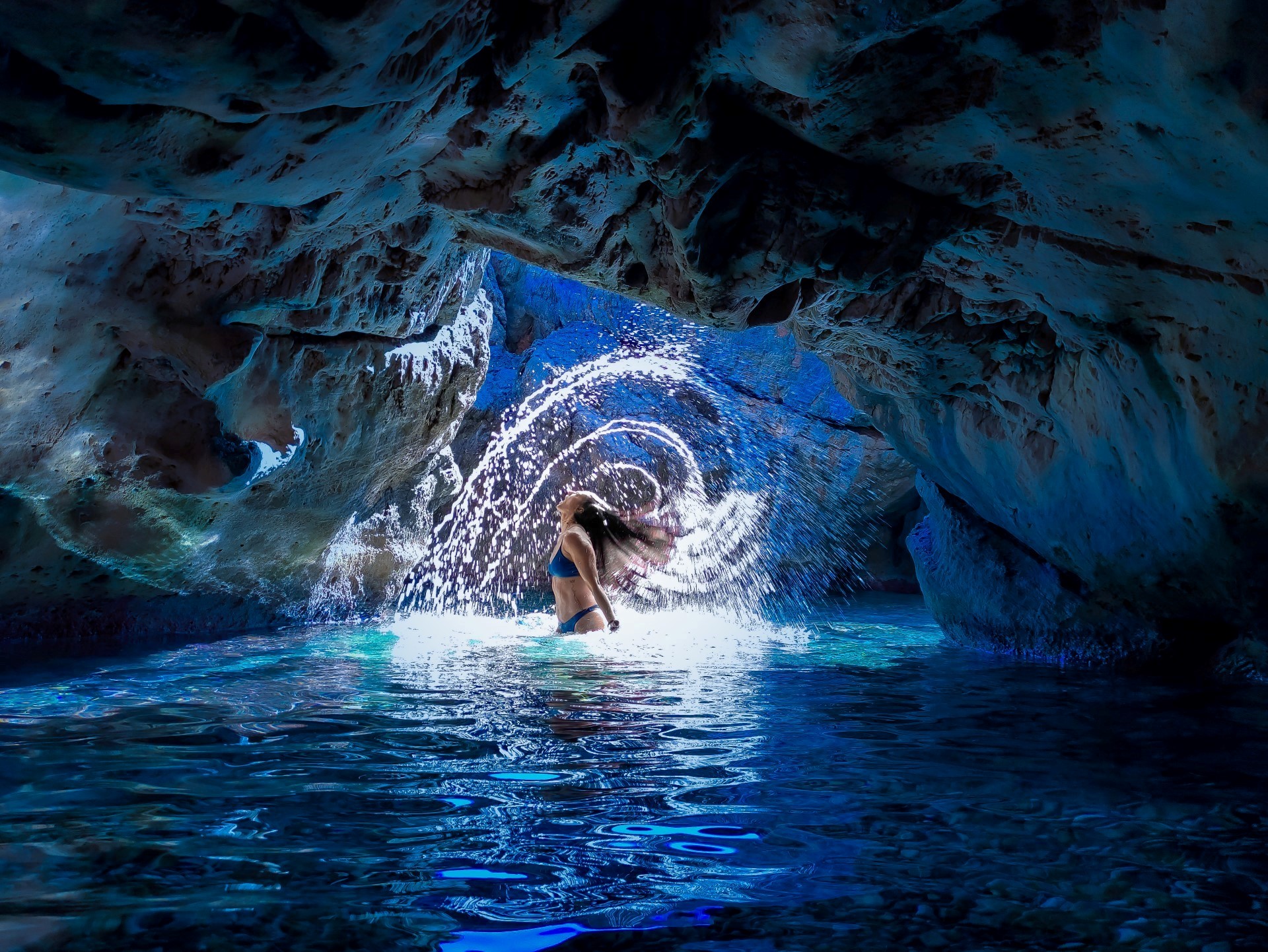
17. Balos, Gramvousa Peninsula, Chania
Balos is Crete’s iconic lagoon, formed between Cape Gramvousa and the rocky peninsula of Tigani. Its white and pink-tinged sand, shallow turquoise water and wild Natura 2000 landscape make it one of the island’s most photographed places; arriving early gives the best chance to experience it before the excursion boats.
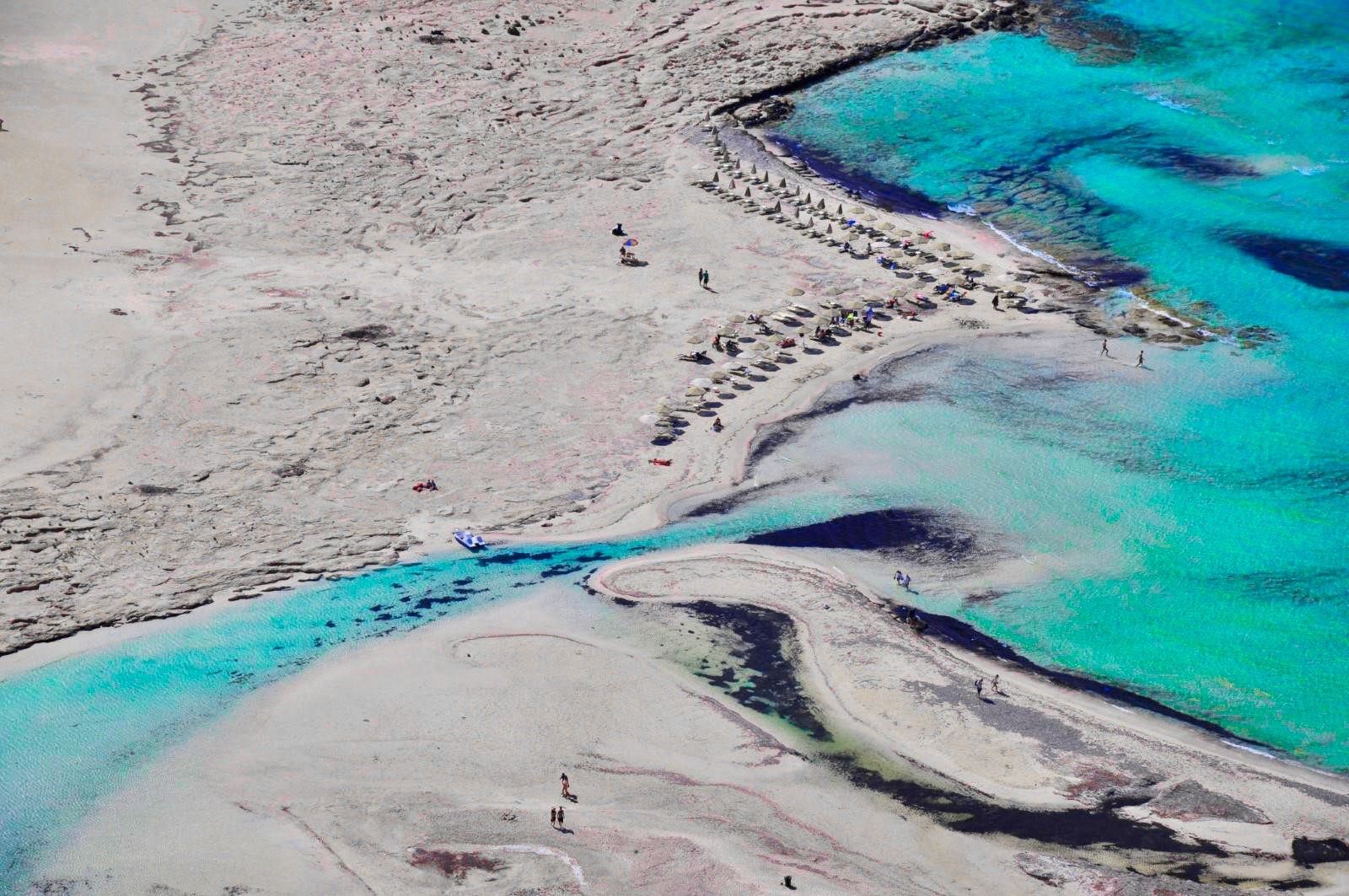
18. Trail Agios Ioannis - Koudoumas Monastery, Asterousia Mt
This coastal trail connects Agios Ioannis below Kapetaniana with Koudoumas Monastery through one of the most atmospheric sections of the Asterousia. It passes pine-covered slopes, secluded beaches and the impressive cave of Saint Anthony, where a small chapel sits among stalactites and stalagmites.
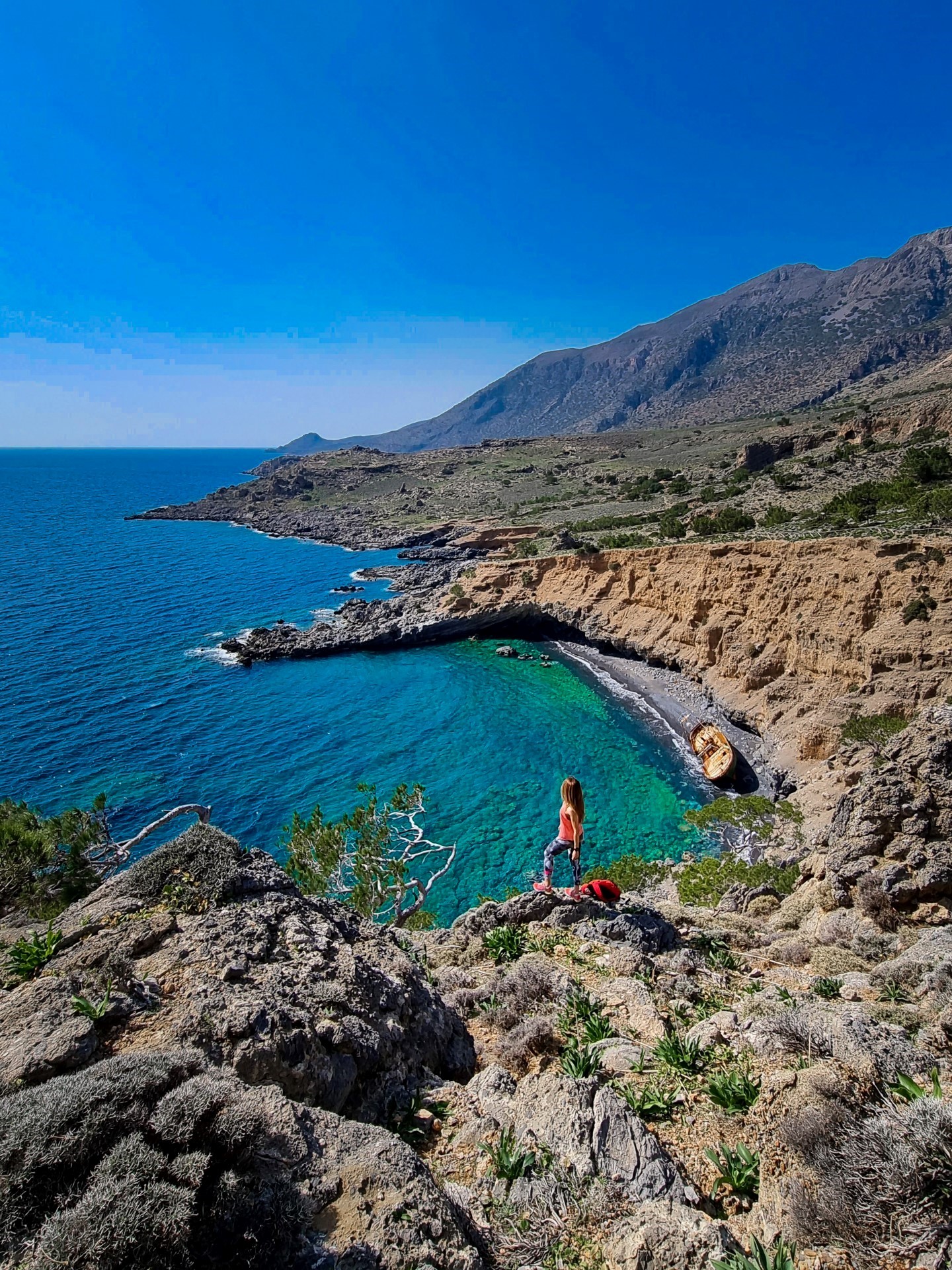
19. Sitia UNESCO Geopark, Lassithi
The Sitia UNESCO Global Geopark showcases the extraordinary geology of eastern Crete through caves, gorges, fossils, coastal formations and marked georoutes. The landscape is especially rewarding for travelers who want to combine photography with geology, hiking and the quieter character of far eastern Crete.
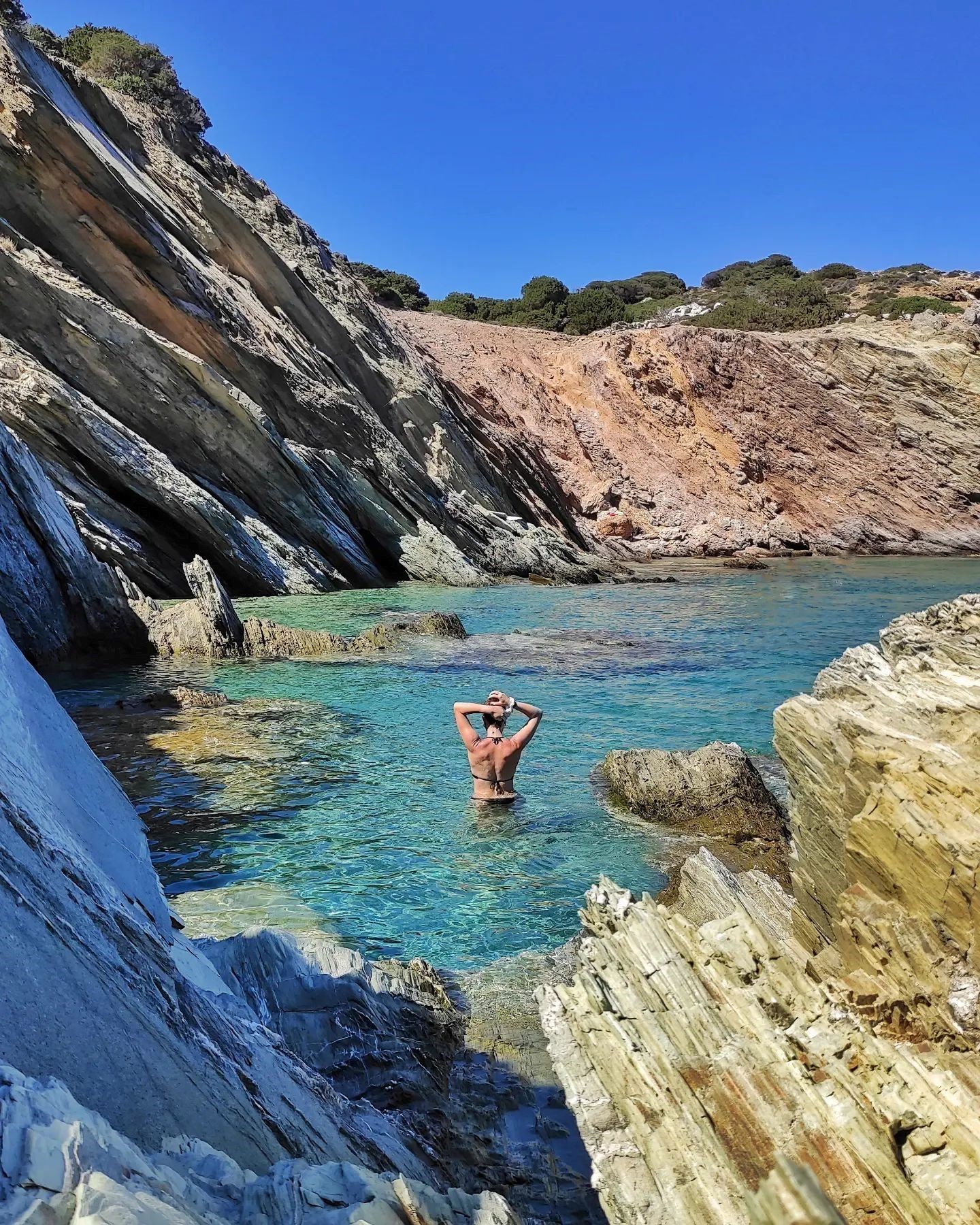
20. Marmara Beach, Sfakia, Chania
Marmara is a secluded pebble cove at the exit of Aradena Gorge, named after the smooth marble-like rocks that surround it. Sea caves carved into the colorful cliffs, deep turquoise water and access only by boat or on foot give the place a distinctive and adventurous character.
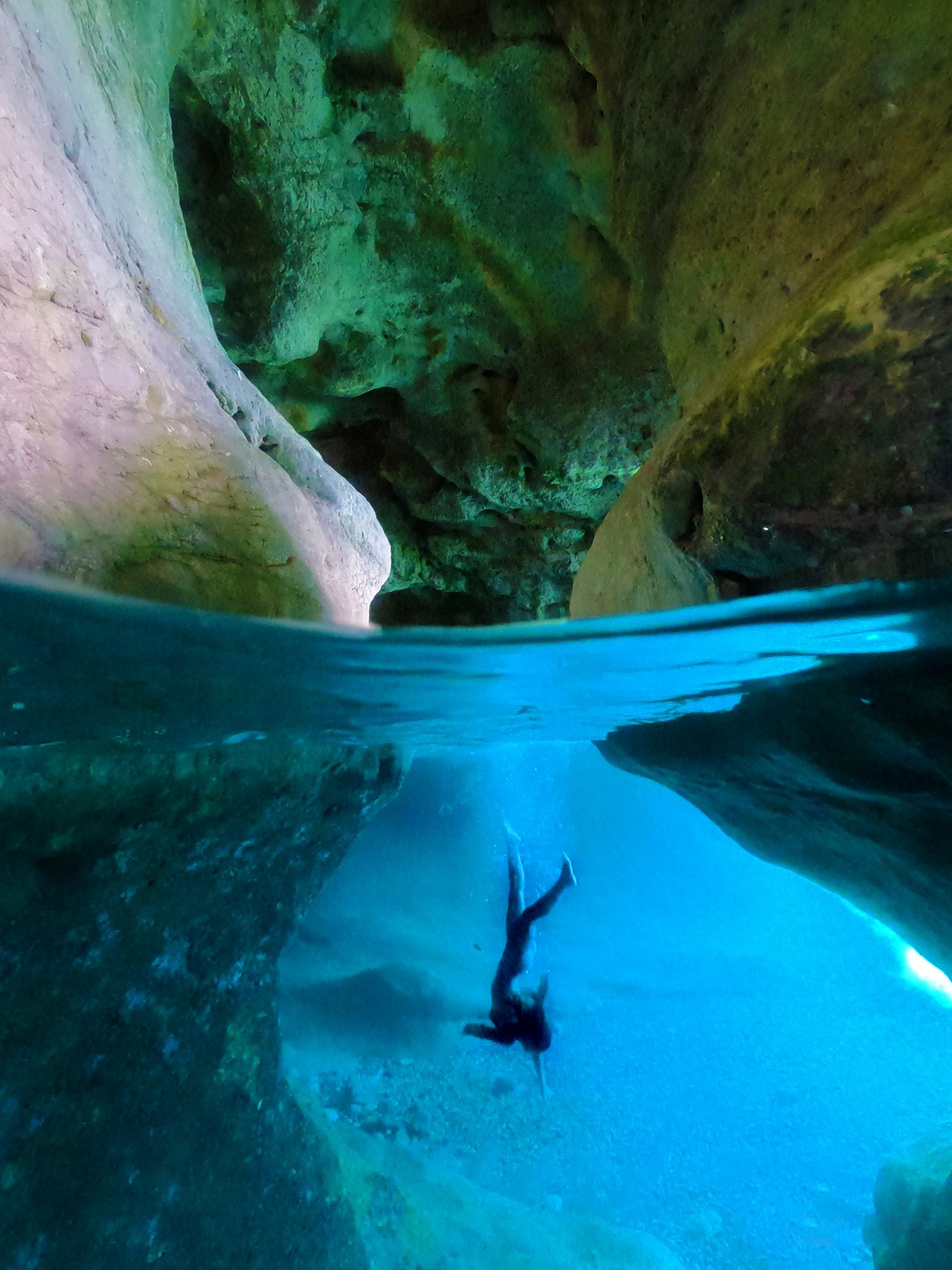
21. Samaria Gorge, Chania
Samaria Gorge is the best-known long-distance hike in Crete, cutting through the White Mountains to the coast at Agia Roumeli. Towering cliffs, forests, abandoned settlement remains and the famous narrow passage known as the Gates make the route one of the island’s defining outdoor experiences.
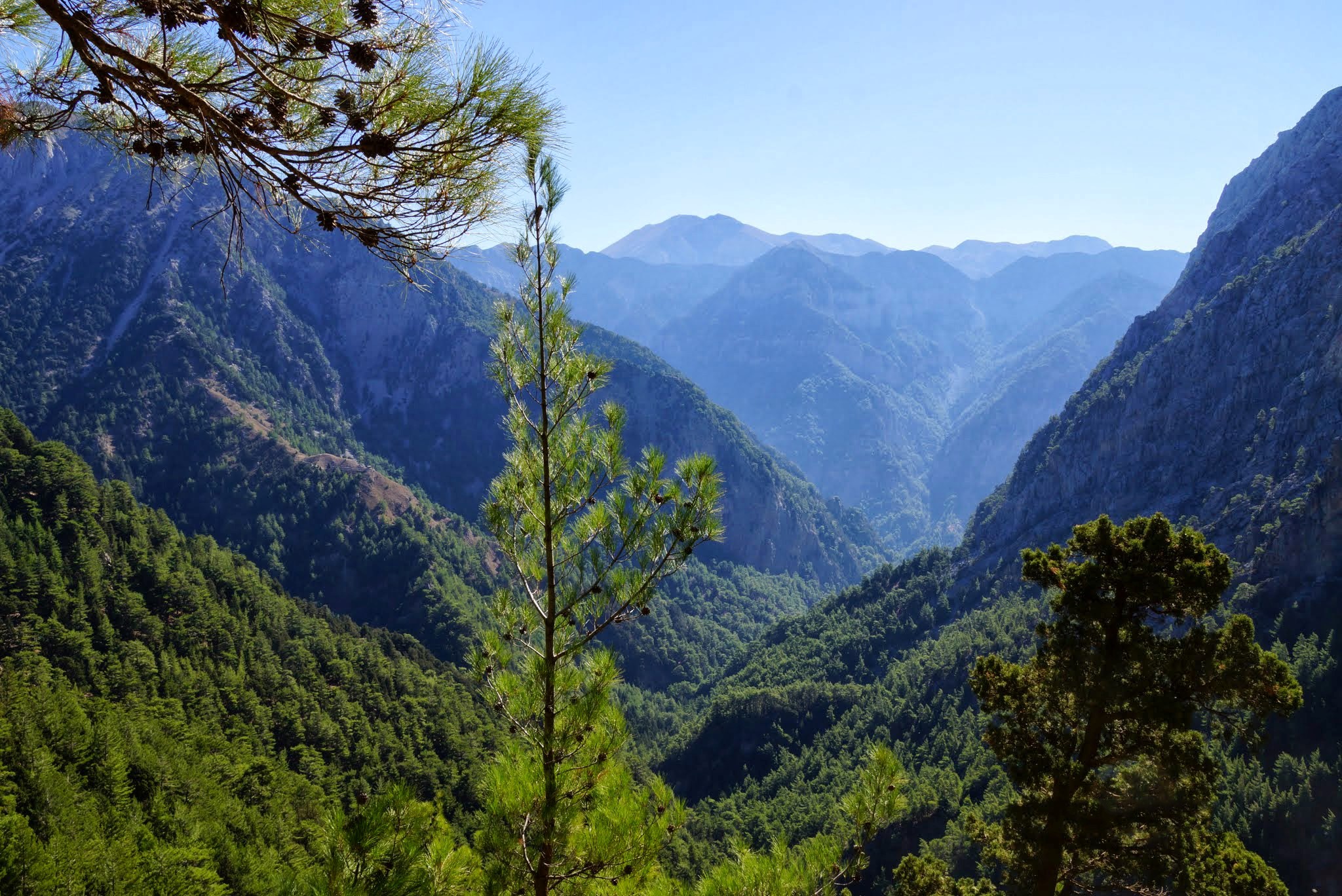
22. Spinalonga isle, Lassithi
Spinalonga is one of Crete’s most recognizable historic islets, fortified by the Venetians to protect the strategic Gulf of Elounda and its salt pans. Later used as a settlement and then as a leper colony until the mid-20th century, its walls, ruined houses and sea views create a powerful and highly photogenic historical landscape.
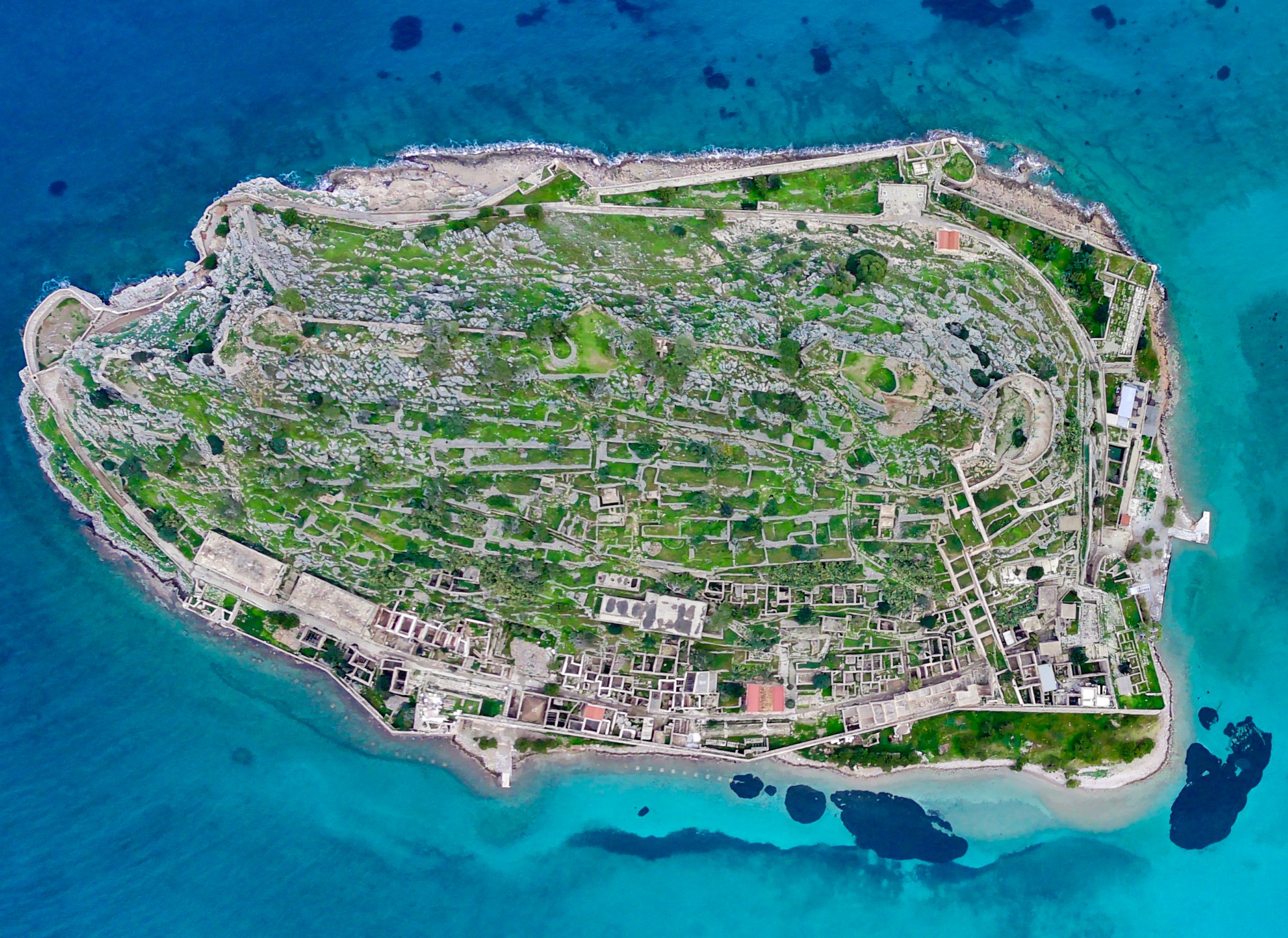
23. Old Chania Town
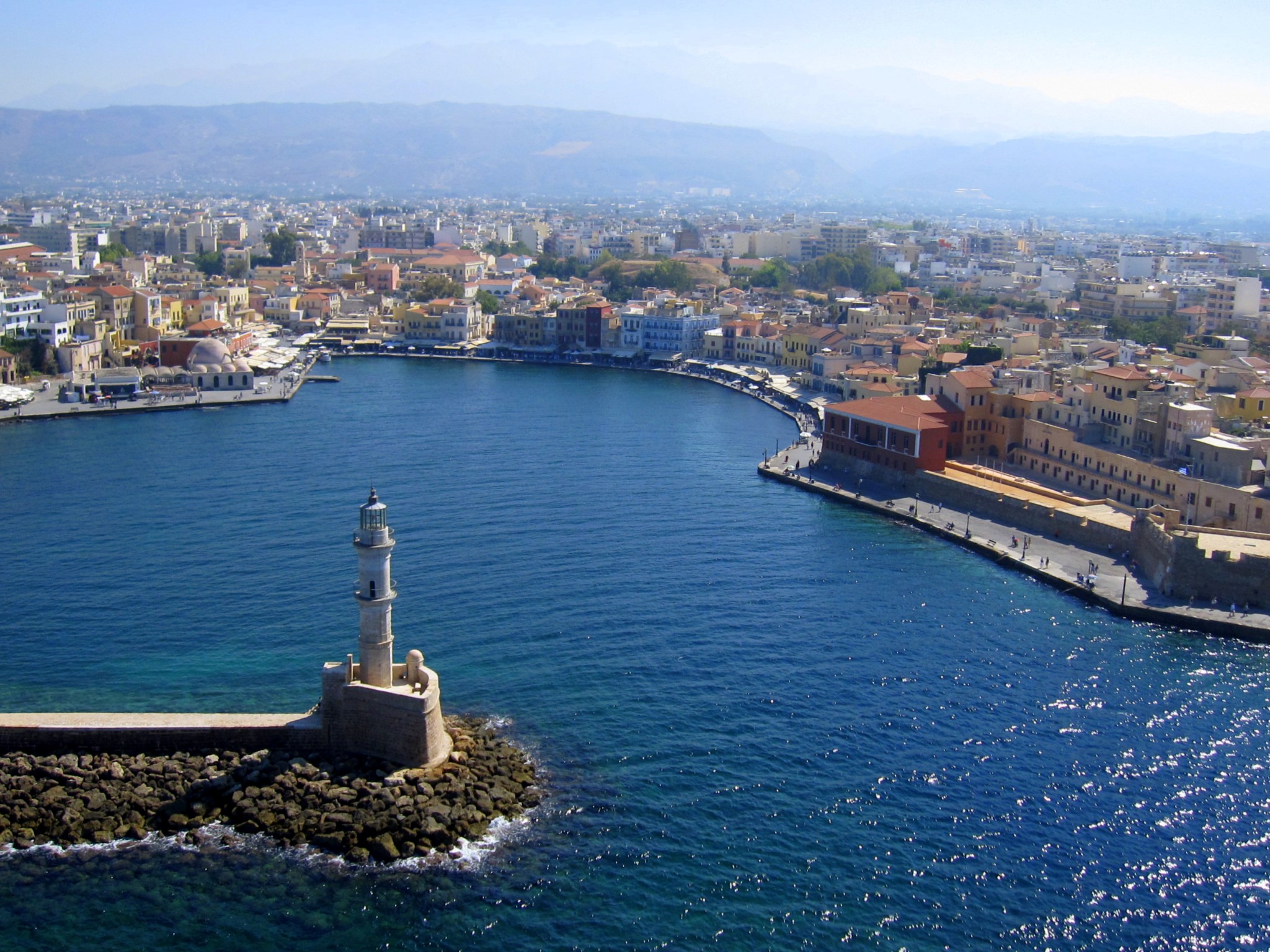
Chania’s old town is a dense mosaic of Venetian, Ottoman and modern Cretan layers surrounding the historic harbour. Narrow alleys, colorful facades, old mansions, the lighthouse and waterfront buildings offer an almost continuous sequence of photographic subjects, especially early in the morning or outside peak season.
And don’t forget to follow our Instagram profile!


