


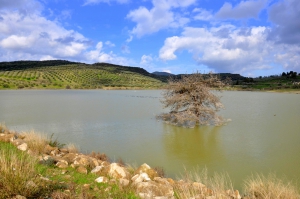
Armanogia Dam Lake
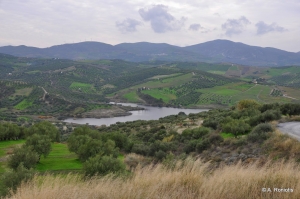
Armanogia is a small village located at an altitude of 380m and 38km south of Heraklion city. Next to the village, in 2004, a small dam was built. The lake of the dam covers an area of 120 acres.

Wet Oases
Wetlands of Crete are shelters for a large number of plants and animal species. They are crucial for the conservation of biodiversity on the island. During fall and especially in spring, visitors can observe migratory birds in the numerous watch towers placed at most wetlands. Watchtowers have also been installed in mountainous areas with a large array of predator species.




Crete does not have many large natural lakes, but it supports a remarkable variety of wetlands, including permanent and seasonal lakes, small ponds, springs, water-storage basins and artificial reservoirs. Rainfall varies considerably across the island and is concentrated mainly in winter and in the mountainous areas. Because of Crete’s karst geology, much of the water seeps into the ground, supplies underground aquifers and springs, and eventually reaches the sea.
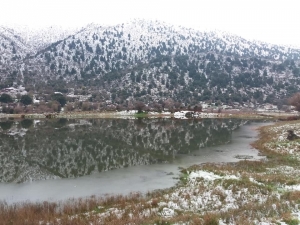
The largest natural freshwater lake in Crete is Lake Kournas. Smaller natural or seasonal lakes are found at Maherida near Tersanas, Ligaras near Mochos, Livada near Thrapsano, Ziros, Omalos of Viannos, Tourkou Lakos near Achentrias and Lake Digenis near Gergeri. Seasonal lakes fill during the rainy months and shrink considerably or dry up completely during summer.
Crete also has several artificial lakes and reservoirs. Among the best known are Lake Agia, Votomos Lake at Zaros, and the reservoirs of Bramiana, Aposelemis, Faneromeni and Potamon. Many of these artificial reservoirs have developed into important wetlands for birds and other wildlife. Nevertheless, the island’s aquatic ecosystems remain vulnerable to pollution, human intervention, excessive water extraction and prolonged drought.




 Beaches
 Nature
 Past
 Destinations
 Highlights
 West CreteCentral CreteEast CreteChaniaPaleochoraKissamosGeorgioupolisChora SfakionLoutroRethymnonAgia GaliniPlakiasSpiliAnogiaHeraklionHersonissosMaliaMatalaAgia Pelagia`ArchanesKokkinos PirgosAgios NikolaosEloundaSitiaIerapetraMakrigialosPalekastroZakrosLassithi Plateau


