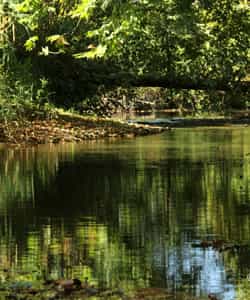
Lakes
Crete does not have many large natural lakes, but it supports a remarkable variety of wetlands, including permanent and seasonal lakes, small ponds, springs, water-storage basins and artificial reservoirs. Rainfall varies considerably across the island and is concentrated mainly in winter and in the mountainous areas. Because of Crete’s karst geology, much of the water seeps into the ground, supplies underground aquifers and springs, and eventually reaches the sea.
The largest natural freshwater lake in Crete is Lake Kournas. Smaller natural or seasonal lakes are found at Maherida near Tersanas, Ligaras near Mochos, Livada near Thrapsano, Ziros, Omalos of Viannos, Tourkou Lakos near Achentrias and Lake Digenis near Gergeri. Seasonal lakes fill during the rainy months and shrink considerably or dry up completely during summer.
Crete also has several artificial lakes and reservoirs. Among the best known are Lake Agia, Votomos Lake at Zaros, and the reservoirs of Bramiana, Aposelemis, Faneromeni and Potamon. Many of these artificial reservoirs have developed into important wetlands for birds and other wildlife. Nevertheless, the island’s aquatic ecosystems remain vulnerable to pollution, human intervention, excessive water extraction and prolonged drought.
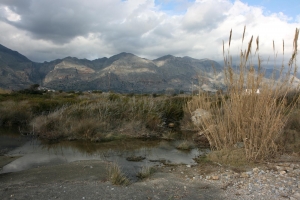
In winter the area turns to a very important wetland. The whole area of Vatalos is full of reeds and covers a distance of 2 kilometers with ponds full with amphibians and birds... In several places the water is kept throughout the year, but the best time to go there late February to early May.
Read more ...
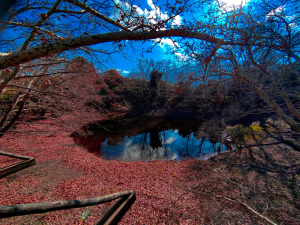
At the entrance to the village Limni in the province of Kissamos, near Elos, we meet a small beautiful pond from which the village takes its name (limni is lake in Greek). Paths with large wooden platforms have been formed around it.
Read more ...
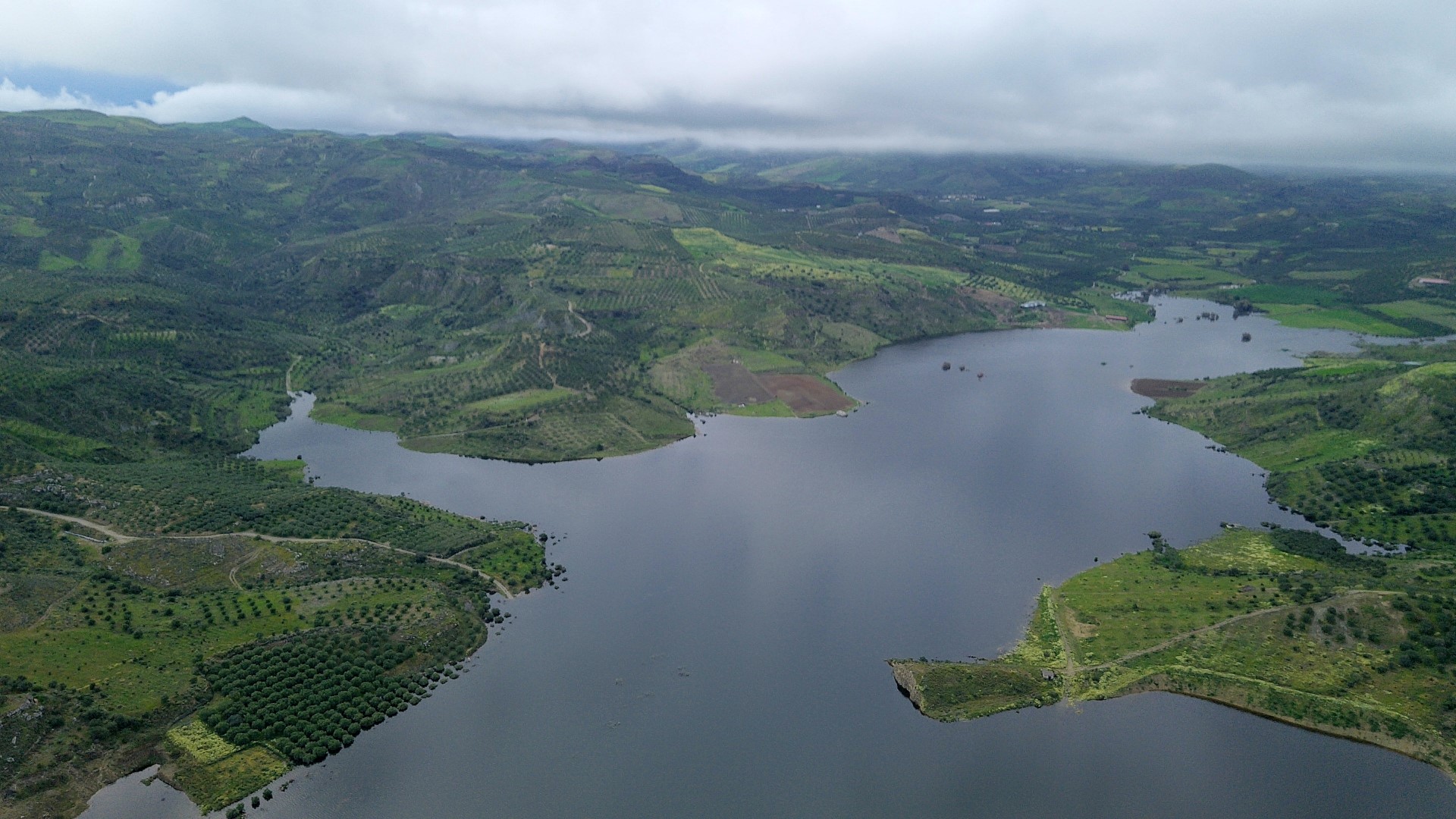
The Plakiotissa Dam is located in eastern Messara near the settlement of Plakiotissa in the province of Monofatsi. It is located in the Treis Potami (Three Rivers) region and collects the waters from the area south of Metaxochori.
Read more ...