








Kastelli Fourni village
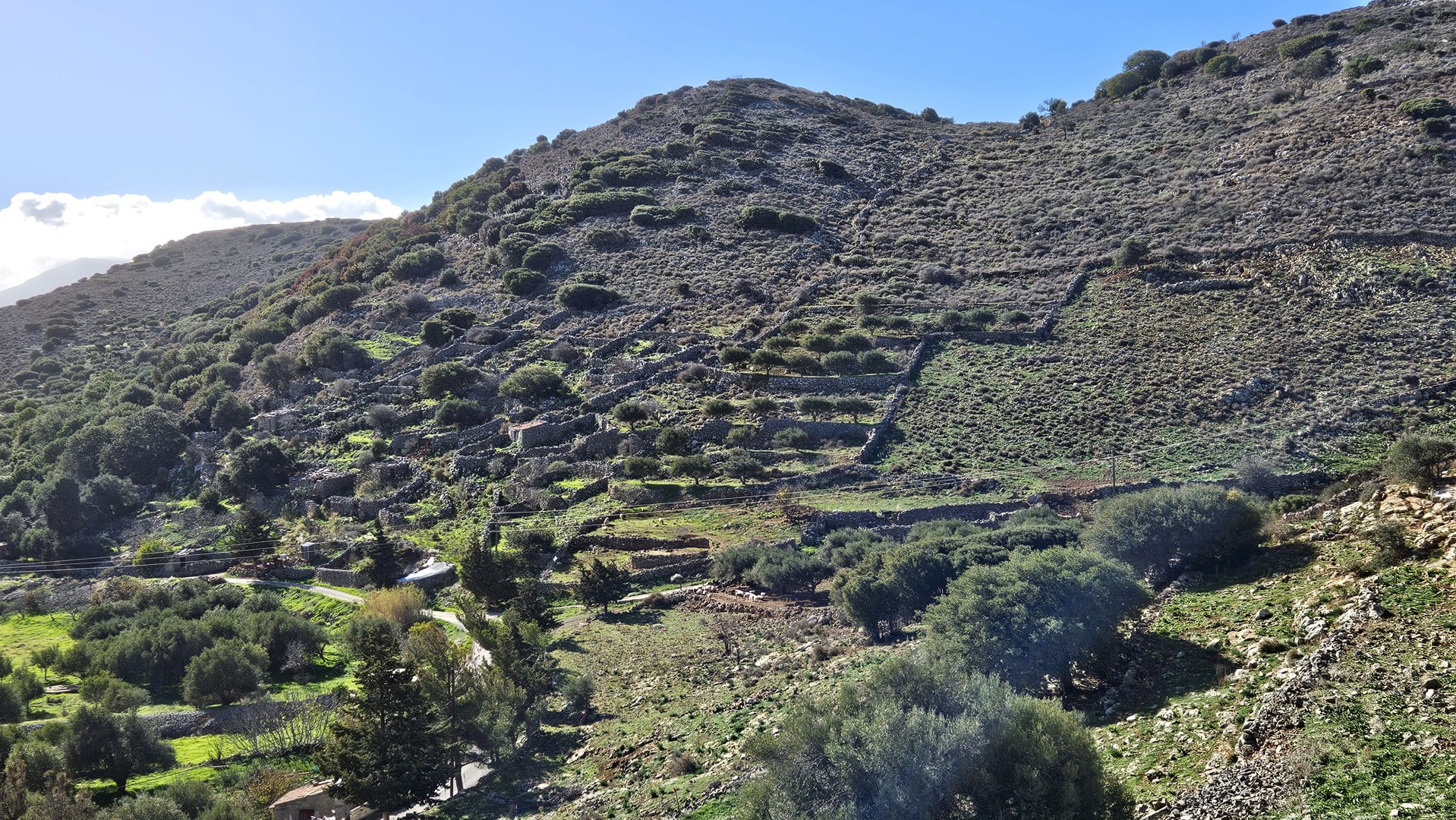
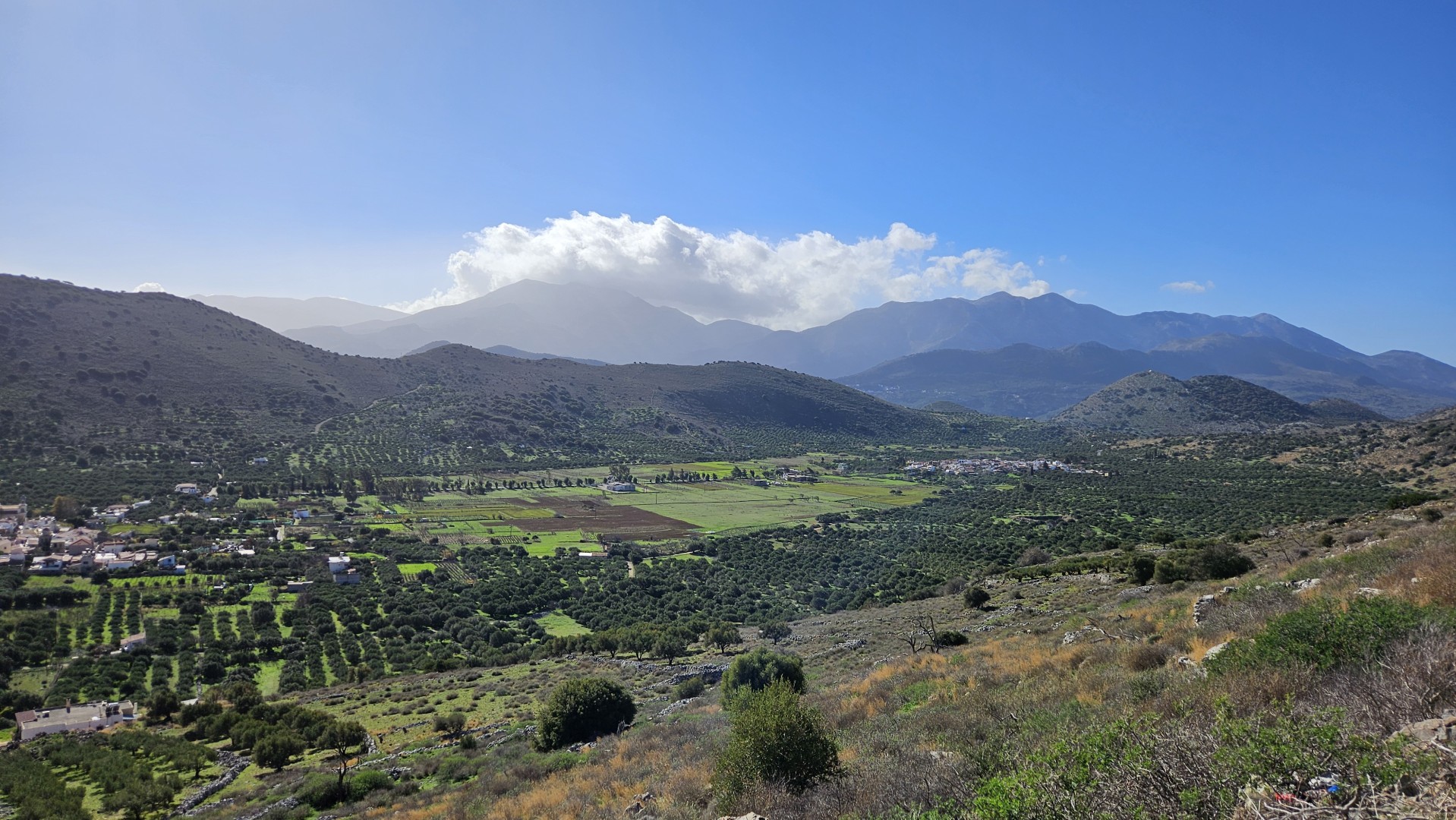
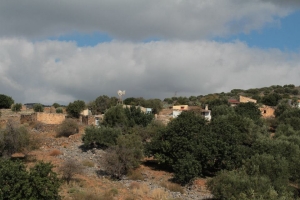
Kastelli Fournis is a historic village in the province of Mirabello, built at an altitude of approximately 320 metres on the western side of the fertile Fourni basin, between Neapolis and Elounda. Together with Epano Chorio and Kato Chorio, it formed a historic group of settlements that flourished during the Venetian period. Archaeological finds in the area indicate human presence dating back to the Neolithic period.
The name of the village is associated with an old fortification, remnants of whose walls survived until the early 20th century, when they were documented by the Italian archaeologist Giuseppe Gerola. The exact date of its construction remains unknown, although the historian Stergios Spanakis suggested that it was probably the fortified tower of a feudal lord.
The earliest known written reference to Kastelli dates to 1415 and comes from the Florentine traveller Cristoforo Buondelmonti. In Venetian records, the settlement appears as Furni Castello in the accounts of Francesco Barozzi in 1577 and Castrofilaca in 1583, while Francesco Basilicata recorded it as Furgni Castello in 1630.
During the Venetian period, Kastelli became an important economic, social and ecclesiastical centre of Mirabello. The construction of the fortress on the islet of Spinalonga appears to have contributed to the development of the surrounding area, as the road leading to the fortress passed through Fourni. According to a Venetian plan dating from 1633, the inhabitants of Fourni were responsible for guarding the observation posts of northeastern Mirabello.
During the 17th century, at least five notaries were based in Kastelli, while several monasteries in the surrounding area were founded by inhabitants of the village. The settlement retained its importance during the Ottoman period and was recorded in 1881 as the administrative seat of the historical municipality of Fourni.
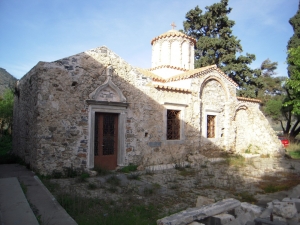
The numerous old churches and monastic remains are of particular interest. Within the village stands the Church of the Holy Apostles, a single-nave, barrel-vaulted church decorated with 14th-century frescoes. Other notable churches include those of Prophet Elijah, Saint Barbara and the Life-Giving Spring, which once formed part of a convent. A will dating from 1550 mentions the nun Kali Gerakomatopoula, who bequeathed the monastery, together with its cells and beehives, to relatives who were also nuns. North of the Church of the Holy Apostles, a carved stone architectural element from the Venetian period depicting a saint survives embedded in the wall of an old house.
In the surrounding area lies the historic Monastery of the Transfiguration of Christ at Keramos, with a foundation inscription dating from 1644 and a remarkable carved wooden iconostasis. Other important religious monuments include the churches of Panagia Kyrapolitissa and the Holy Trinity, as well as the old churches of Archangel Michael and Saint John Chrysostom.
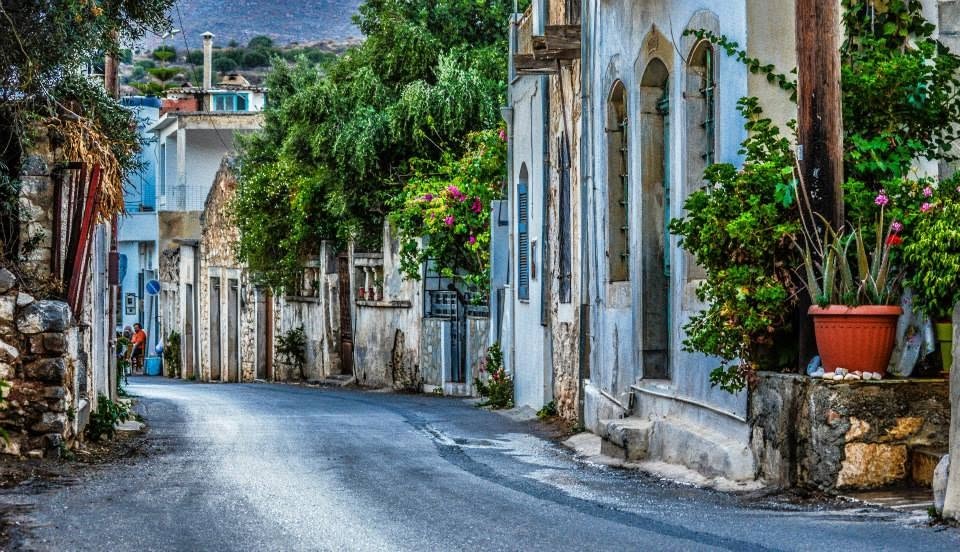
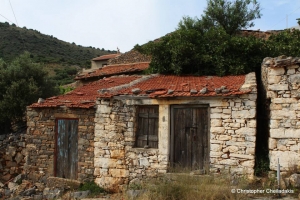
Kastelli experienced considerable economic and cultural development from the late 19th century to the early decades of the 20th century, as evidenced by its old stone-built mansions. Many houses retain carved stone lintels bearing dates, crosses, decorative motifs and the initials of their owners. The old school stands in the village square, while the narrow streets, traditional houses and numerous churches preserve the historic character of this once important centre of northern Mirabello.
 Stay nearby
Nearby places of interest
Straight-line distances
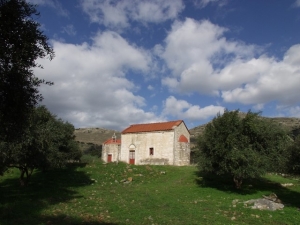 0.5 km
Monastery of Kalogrades at Fourni
4.158
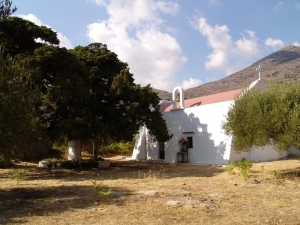 0.6 km
Panagia Kerapolitissa monastery at Fourni
4.665
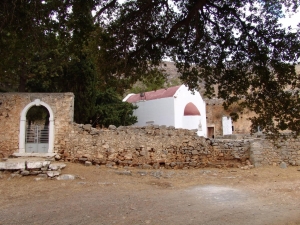 0.9 km
Monastery of Transfiguration in Keramos
4.526
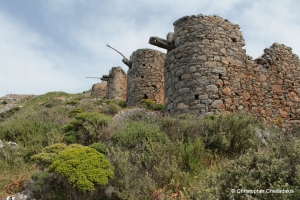 1.1 km
Galaropetra windmills at Fourni
3.752
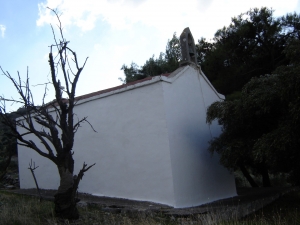 1.4 km
Saint Paraskevi monastery at Fourni
3.747
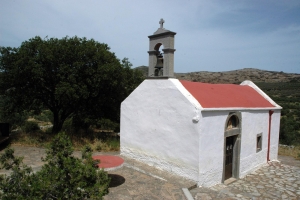 1.9 km
Saint Barbara monastery at Syrmeso
4.447
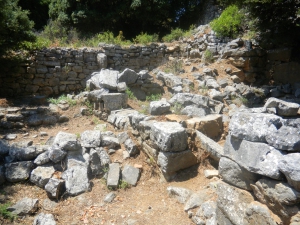 2 km
Ancient Dreros
10.722
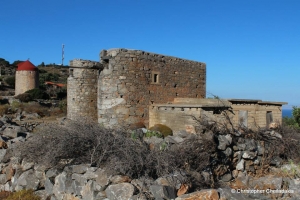 2.2 km
Pines Windmills
4.498
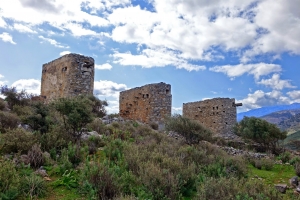 2.2 km
Limnes windmills
5.222
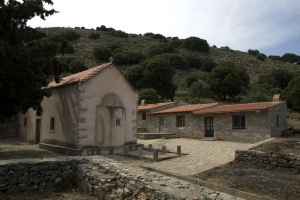 2.3 km
Saint Anthony monastery at Syrmeso
3.562
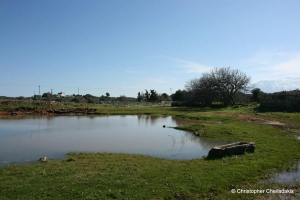 2.4 km
Kourounes Pond
5.949
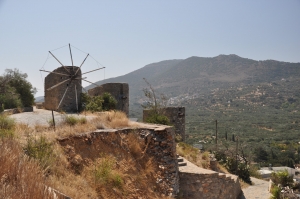 2.6 km
Nikithianos windmills
4.712
 2.7 km
Lousestro
4.382
 2.8 km
Panagia Koubelina Church at Houmeriakos
3.587
 3.3 km
Panagia Perampeliotissa in Perambela
3.996
 3.7 km
The monastery of Saints Constantine and Helen in Dories
4.673
 3.8 km
Settlement Dio Prini
4.531
 3.9 km
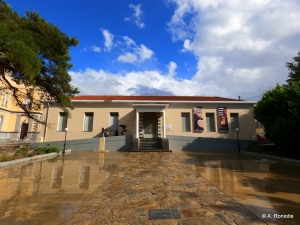
Folklore Museum of Neapolis
4.570


