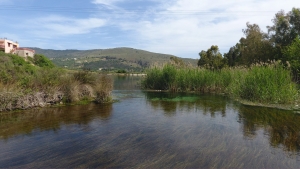
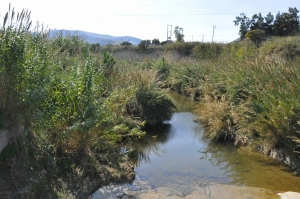
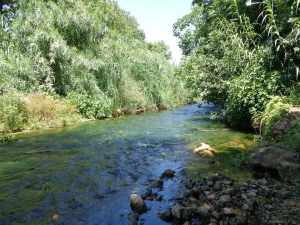
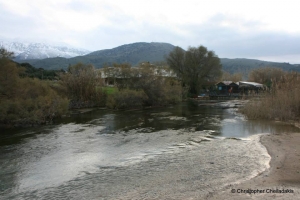
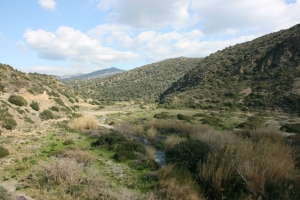
Crete’s rugged relief and Mediterranean climate have created a dense network of rivers, torrents and smaller streams. Most have a seasonal flow, carrying more water during the rainy winter months and little or no water during summer. The island’s limestone and karst formations allow much of the rainwater to enter the ground and reappear at lower elevations through springs.
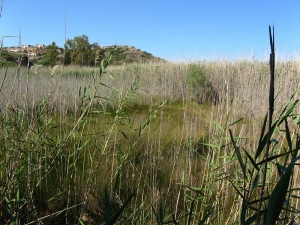
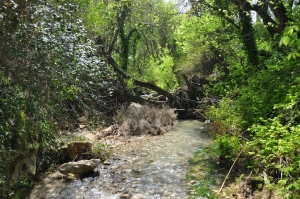
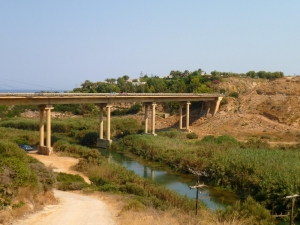
The rivers originate mainly in the major mountain ranges, cross valleys and gorges and eventually flow into the North or South Cretan Sea. Along their course, they form small waterfalls, ponds and wetlands and riverside woodlands. Important wetlands with reeds, tamarisks and aquatic vegetation often develop near their mouths.
Among the best-known rivers of Crete are the Kyliaris, Keritis and Tavronitis rivers in Chania, the Megas and Platys rivers in Rethymno, as well as the Geropotamos River of Messara, Anapodaris, Aposelemis and Giofyros in Heraklion. Some river sections and springs retain water throughout the year and provide valuable habitats for fish, amphibians, reptiles, invertebrates and many bird species.
Although they cover a relatively small area, rivers and other surface waters are vital for biodiversity, irrigation, water supply and the local climate. These ecosystems are affected by agriculture, urban development, water extraction and pollution, making their monitoring and protection particularly important.