








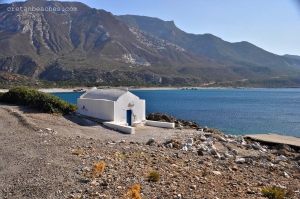
Stomio is located 74km south of Chania and 1km north of Chrisoskalitissa village., in the wider area of Elafonissi. It is not popular to the visitors of the area, because it is rocky and usually wavy. The beach has large pebbles and some places with sand. It is a good choice for anybody that wants to stay remote. Note that the water here is very cool and quite deep.

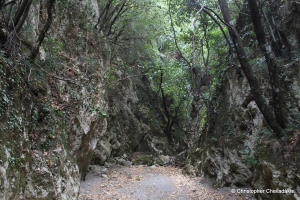
The Gorge Kydoni is a small lush green paradise near the village Karanou, which has been adorned with a beautiful trail and information signage. The trail starts from the fountain of the village and is very easy to walk and appropriate for children.

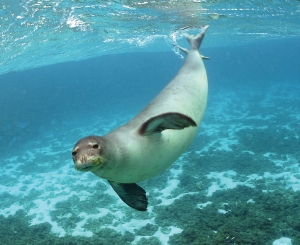
The Mediterranean Monk Seal (scient. Monachus monachus) is one of the most endangered marine mammals in the world, with a few hundred animals remaining. The name comes from the folds of the neck that remind the monk robes or from its round head covered with short hairs, giving it the appearance of a medieval friar. The name may also reflect the fact that it lives a solitary existence relative to other species that collect in large colonies.

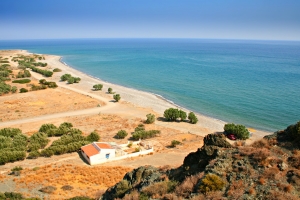
Dermatos is located 64km southeast of Heraklion and 4km east of Tsoutsouras. It is formed in a small valley on the western banks of the river Anapodaris. Traces of a Minoan settlement have been found in the area.
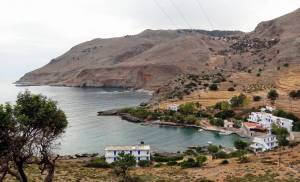
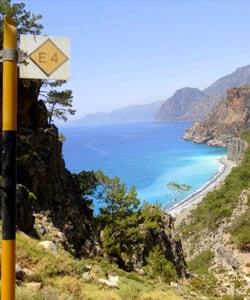
Finikas (or Phoenix) is a small harbor near Loutro of Sfakia, located 83km south of Chania. The bay is hidden 700m west of Loutro and the E4 European path crosses the area.

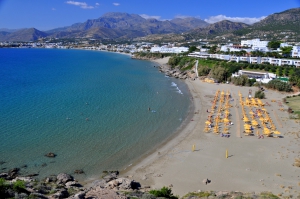
Lagoufa is located right after the east end of Makrigialos main beach, around 59km southeast of Agios Nikolaos and 24km east of Ierapetra. It consists of two adjacent protected coves, which are formed near the big hotels of Makrigialos.
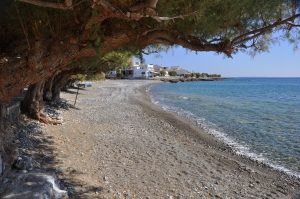
Koutsouras is located 55km southeast of Agios Nikolaos and 20km east of Ierapetra, on the main road between Ierapetra and Makrigialos. It is a relatively new village, built in a valley with pine trees, greenhouses and olive groves on the southern foothills of Mount Thripti. The village is developed with a police station, pharmacy, clinic, hotels, restaurants, supermarkets, etc., but it is still a very quiet place.

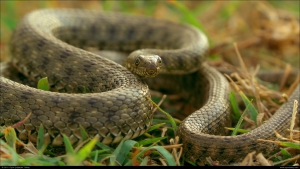
The dice snake (scient. Natrix tessellata) is a kind of water snake, which occurs frequently in the permanent wetlands, the sea shores and rock pools of Crete. Many Cretans call it as water snake, but this name actually belongs to the relative species of Natrix natrix, which is absent from the island. Finally there is the suspicion that the dice snake of Crete belongs to a separate species, but it hasn’t been confirmed yet.
Also read:




- Home
 Beaches
 Nature
 Past
Past Destinations
 Highlights
 West Crete
- Central Crete
- East Crete
- Towns
- Chania Prefecture
- Chania
- Paleochora
- Kissamos
- Georgioupolis
- Chora Sfakion
- Loutro
- Rethymnon Prefecture
- Rethymnon
- Agia Galini
- Plakias
- Spili
- Anogia
- Heraklion Prefecture
- Heraklion
- Hersonissos
- Malia
- Matala
- Agia Pelagia`
- Archanes
- Kokkinos Pirgos
- Lassithi Prefecture
- Agios Nikolaos
- Elounda
- Sitia
- Ierapetra
- Makrigialos
- Palekastro
- Zakros
- Lassithi Plateau
- Get Prepared


