



Gorges
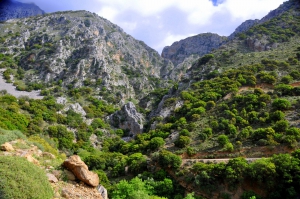
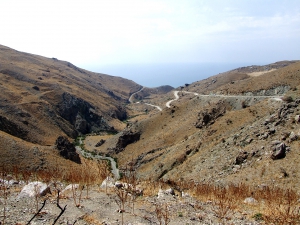
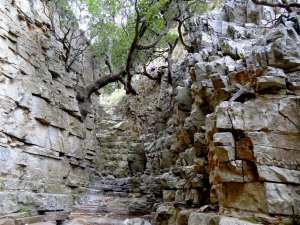
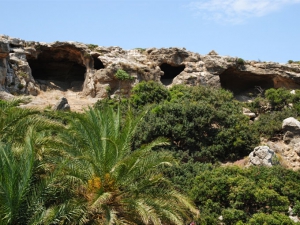
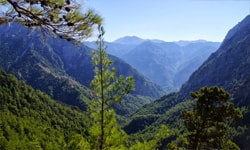
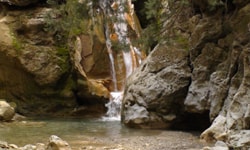
The hundreds of gorges in Crete are among the most distinctive features of the island’s natural landscape. Their formation is connected with the geological evolution of Crete and the gradual uplift of its mountain ranges. At the same time, rivers and streams eroded the limestone rocks over millions of years, creating deep ravines, narrow passages and steep vertical cliffs.
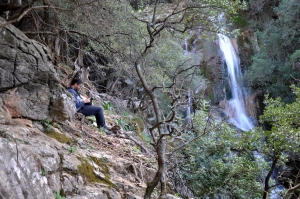
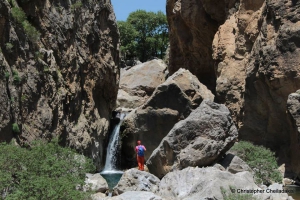
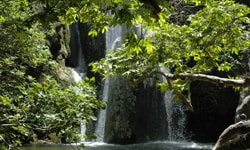
The interior of the gorges supports distinctive ecosystems. Plane trees, cypresses, oleanders and other plants grow along the wetter riverbeds, while the steep slopes provide shelter for birds of prey and many other species of Cretan wildlife. Where the riverbed meets abrupt changes in elevation, impressive waterfalls are formed, most of which carry water after heavy rainfall or during spring.
Many gorges are suitable for ordinary hiking, while others are inaccessible without technical equipment. The technical crossing of gorges, known as canyoning, involves the use of ropes, abseiling, swimming and moving through flowing water. It should only be attempted by properly trained people or under the supervision of experienced and certified guides. The difficulty and safety of each route vary according to the season, weather conditions and water level.


Kakoperatos Gorge

Mesonas Gorge

Swallows' Canyon

Skotinagra (Tsigounis) Gorge

Embasa Gorge

Toplou Gorge