






.jpg)

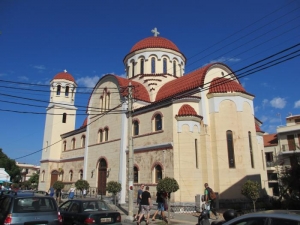
The Great Temple of the Four Martyrs is located south of the walls of the old town of Rethymnon and close to the Venetian gate Guora Porta. It is dedicated to the neo-martyrs Angelis, Manuel, Georgios and Nikolaos Retzepis from Melambes, who were killed near the spot in 1824. T
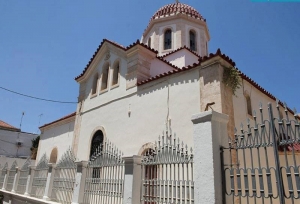
The church of Saint Barbara is located near the tempe Megali Panagia in Rethymnon and celebrates on December 4th. The church was founded in 1885 on the site of an older temple, probably dedicated to the same saint, which appears on maps of 1613.
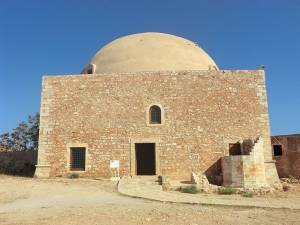
The mosque of Ibrahim Khan is located almost in the center of the imposing fort Fortezza in Rethymnon. The building was built in 1583, during the Venetian occupation, and functioned as a Christian church dedicated to Saint Nicholas.
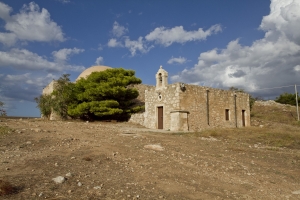
The small church of Saint Catherine (Agia Ekaterini) is a modern church located in the fort of Fortezza in Rethymnon. It was built in the 19th century with materials from the fortress very close to the site of the Ibrahim Khan Mosque. The belfry was added in 1985.
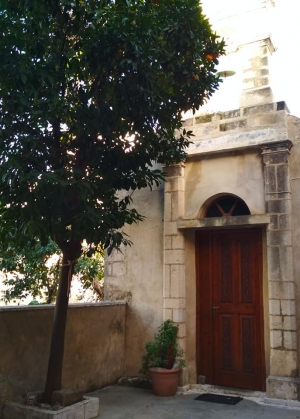
The church of Saint George of Grotta is a small one-storey church that stands in a narrow street in the old town of Rethymnon and dates back to the 16th century. The identification of the present church with the homonymous temple of the Venetian archives is not certain, as there were three churches dedicated to Saint George in the city.
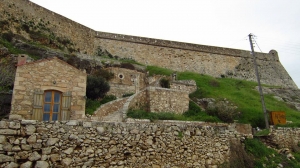
On the west side of the imposing fort of Fortetsa in Rethymnon and above the sea we meet the cavernous church of Agios Spyridon (celebrates on 11 August and 12 December). The church dates back to the late 16th century and is one of the oldest surviving temples in the city of Rethymnon.
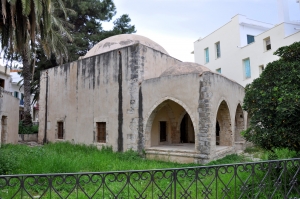
The Mosque of Kara Musa Pasha in Rethymnon was named after the admiral of the Turkish occupation forces of Rethymnon in the year 1646. The monastery of Saint Barbara was operating there from the Venetian occupation, from which nothing survives. The mosque belongs to the Ottoman architectural type of cesme, with a four-sided vaulted tank and two main facades.
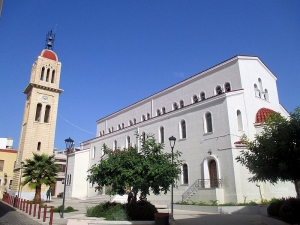
The Metropolitan Cathedral of the Great Holy Virgin (Megali Panagia) in Rethymnon is dedicated to the Presentation of the Virgin Mary (feast 21st November), Three Hierarchs and the Holy Apostles.
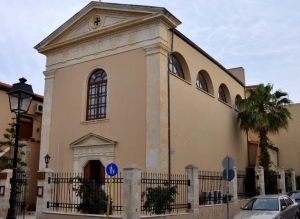
The neoclassical church of Agios Antonios in the old town of Rethymnon belongs to the Catholic doctrine. It was built in 1890, as the inscription states at the entrance, and was built to meet the needs of the city's Catholic Christians. The cathedral dedicated to Saint Francis served as a workhouse.
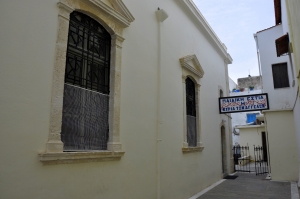
The present church of the Lady of the Angels or Mikri Panagia (Little Virgin Mary) to the east of the Old Town of Rethymnon, in contrast to the Megali Panagia (Great Virgin), that is, the Rethymno metropolitan church, was built in the last years of the Venetian rule and was dedicated to Mary Magdalene of the Dominican Order.
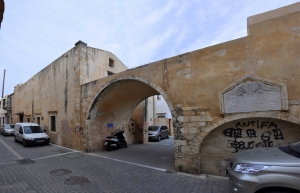
At the corner of streets Koroneou and Smyrnis in Rethymnon was the church of Hagia Sophia, probably a 16th-century building. It was a two-storey church with a united interior space covered by two sturdy domes, used today by the Ministry of Culture.
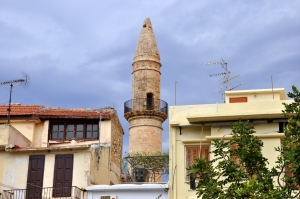
The mosque of Turhan Hatice still dominates with its imposing minaret next to the Great Gate (Guora Porta) of Rethymnon old town, though it is enclosed by several modern buildings. Turhan Hadice belonged to the sultan Ibrahim's harem (1640-1648) and became a Valide sultan in 1648 when her son, Mehmet D, became sultan.

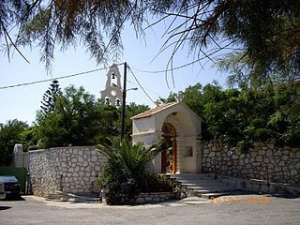
The convent of Jesus Christ (Christ the Savior) is built on the hill of Timios Stavros, in the west suburb of Rethymnon called Koumbes. The monastery was probably initially founded during the Venetian period, like several monasteries and temples in the region.

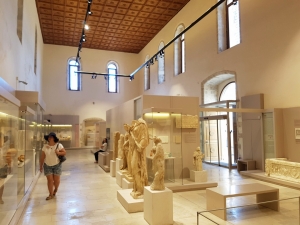
The Archaeological Museum of Rethymnon is temporarily hosted in the basilica of Agios Fragiskos (St Francis) in the old town of Rethymnon. It hosts exhibits from various excavations around the prefecture of Rethymnon which represent all periods from the Neolithic Age to the Roman period.

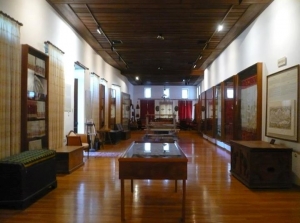
The Historical and Folklore Museum of Rethymnon was founded in 1974 and is housed in a Venetian building (17th century) that is a wonderful example of urban residence of the last phase of the Venetian occupation of Crete, in Renaissance.

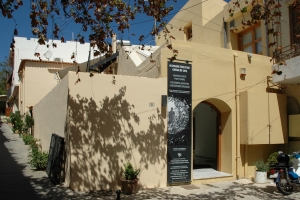
It is based in the heart of the old historic town, under the Venetian wall and the Archaeological Museum. It is housed in a Venetian building that operated (in the early 20th century until the 70s) as a soap factory and is now a modern museum around covering about 1000 sq.m.

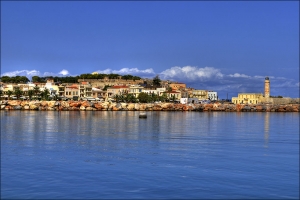
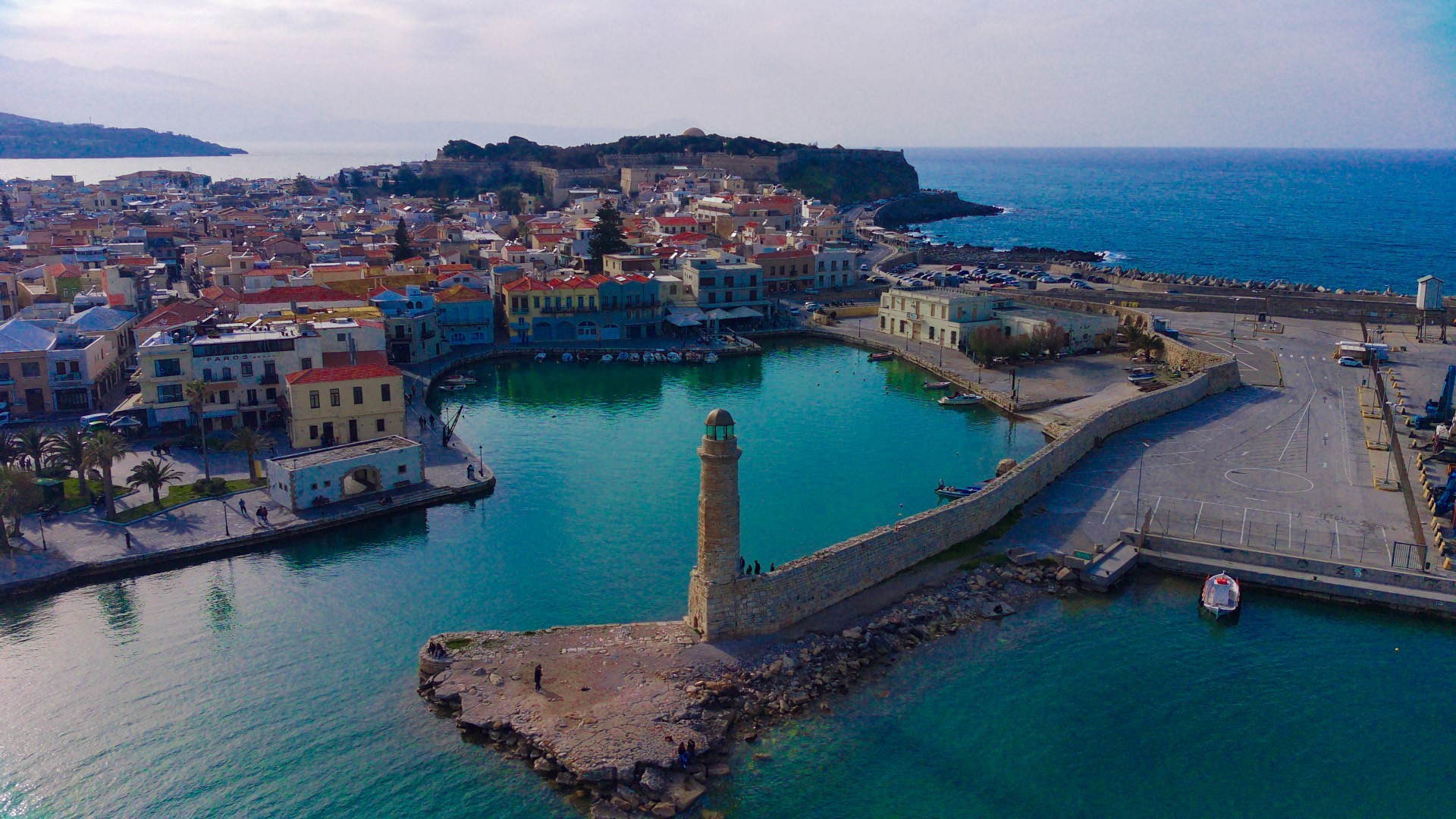
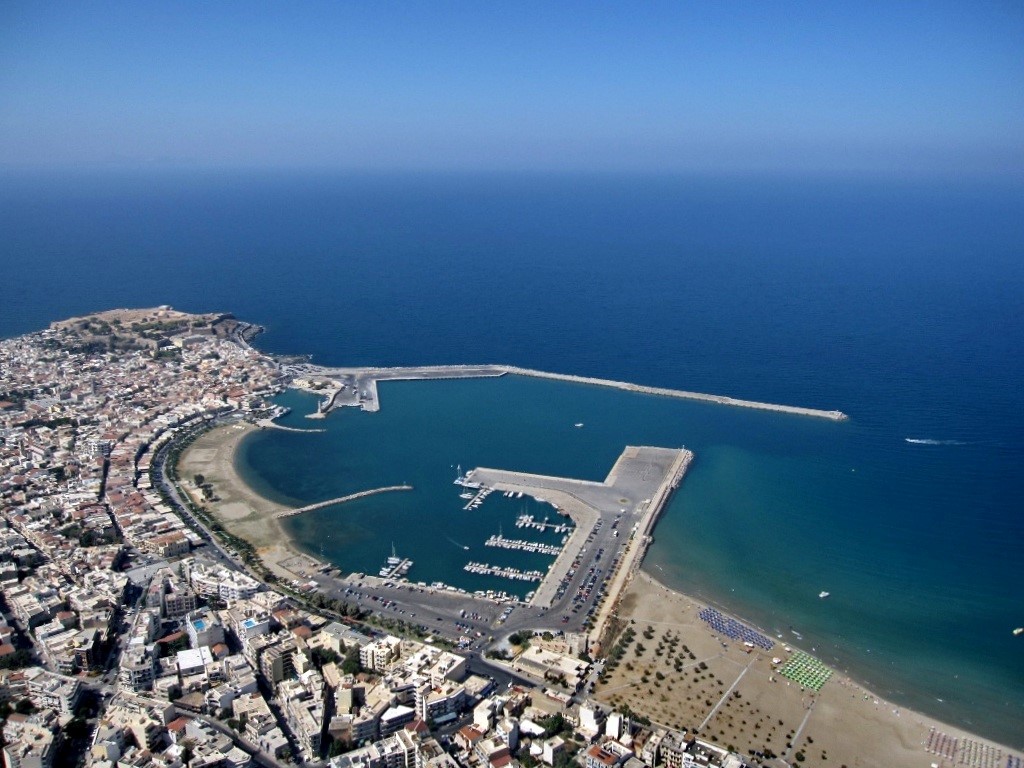
The Venetian Harbor of Rethymnon, next to the modern harbor of the city, with the Egyptian lighthouse is one of the most picturesque areas of the old town. It operated in the Byzantine period (after 961), but flourished during the Venetian period. The Venetians in the 14th century started major projects to facing the problem of siltation, which holds till today.
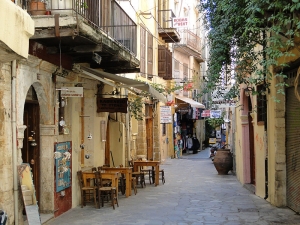
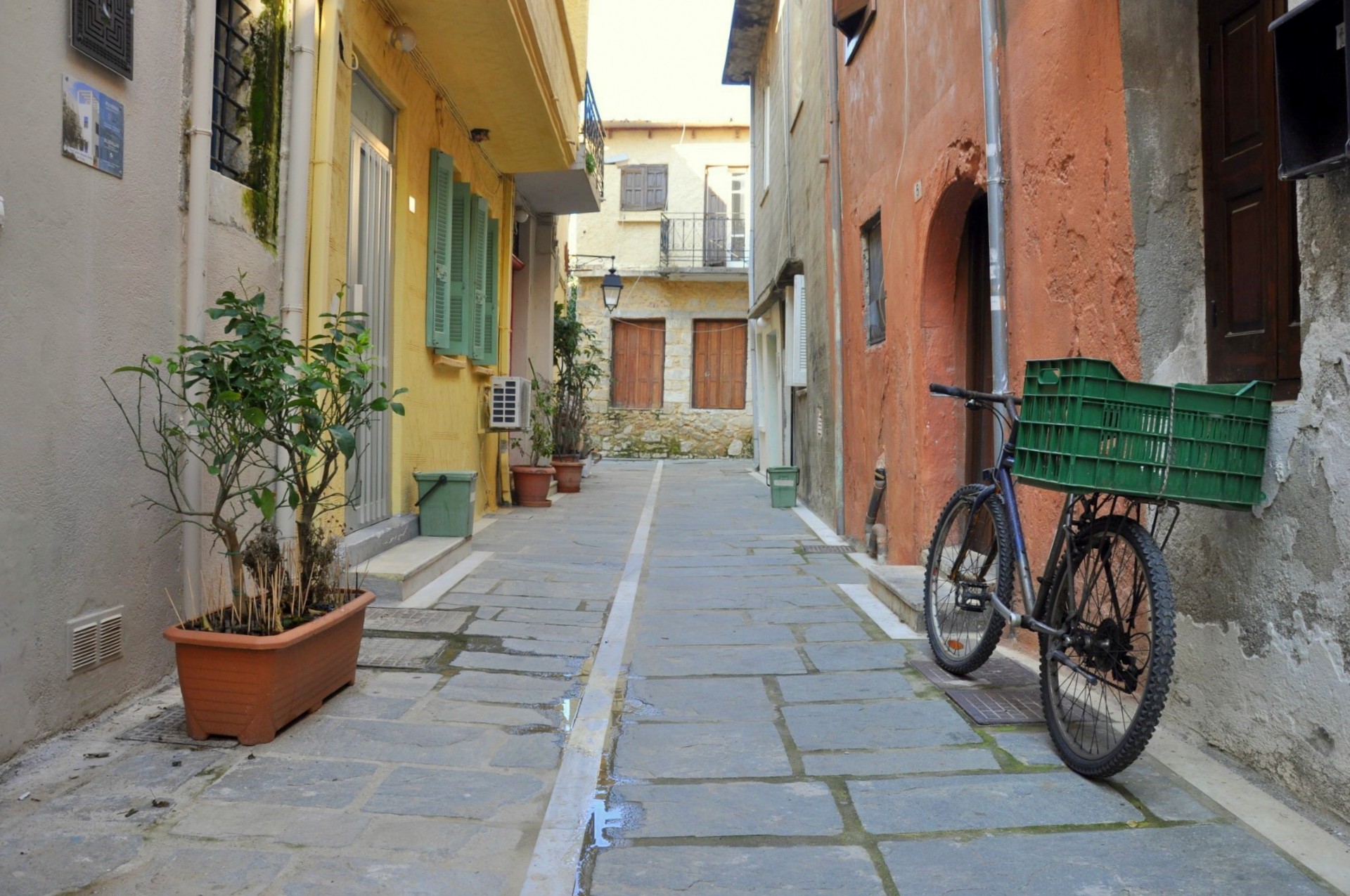
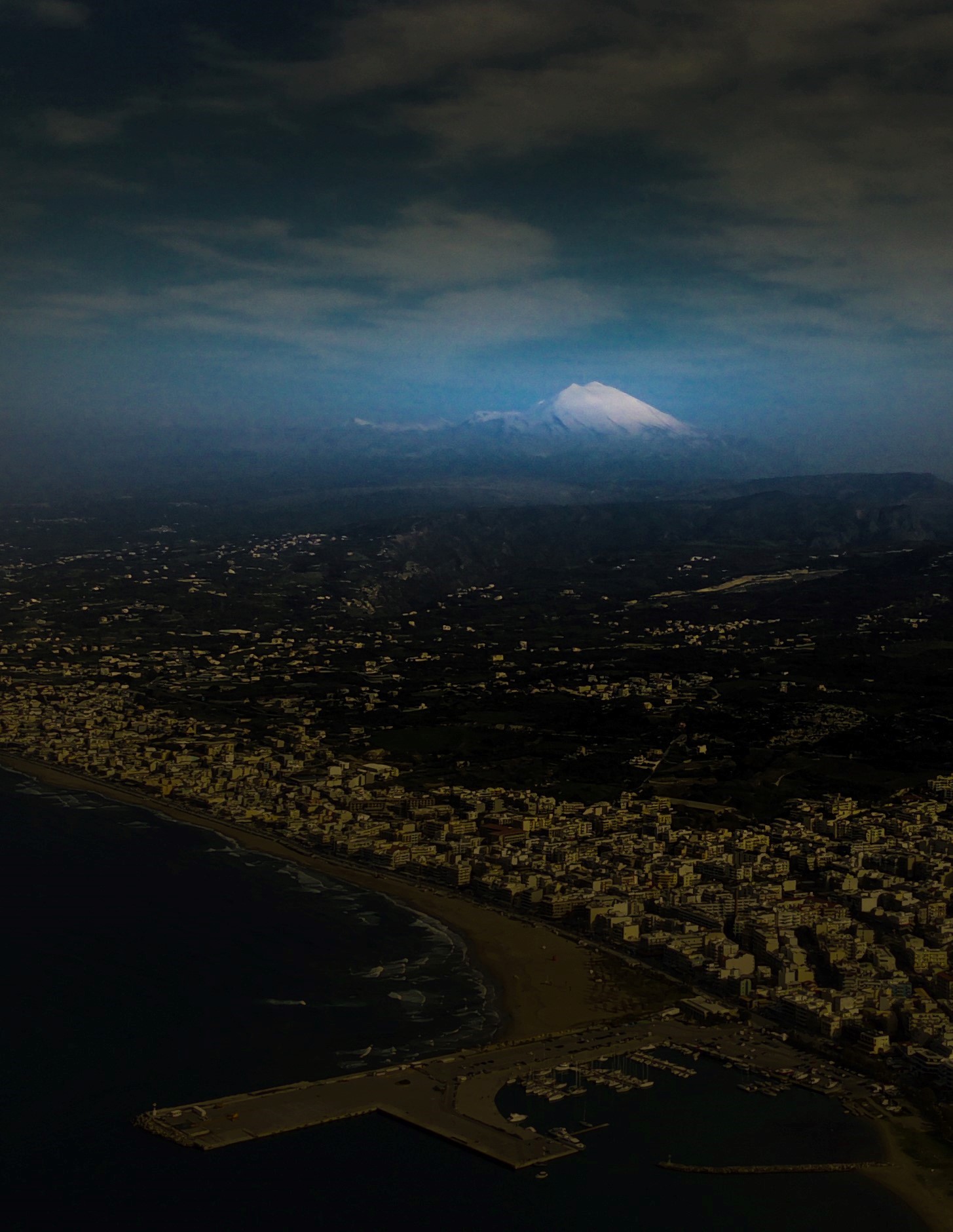
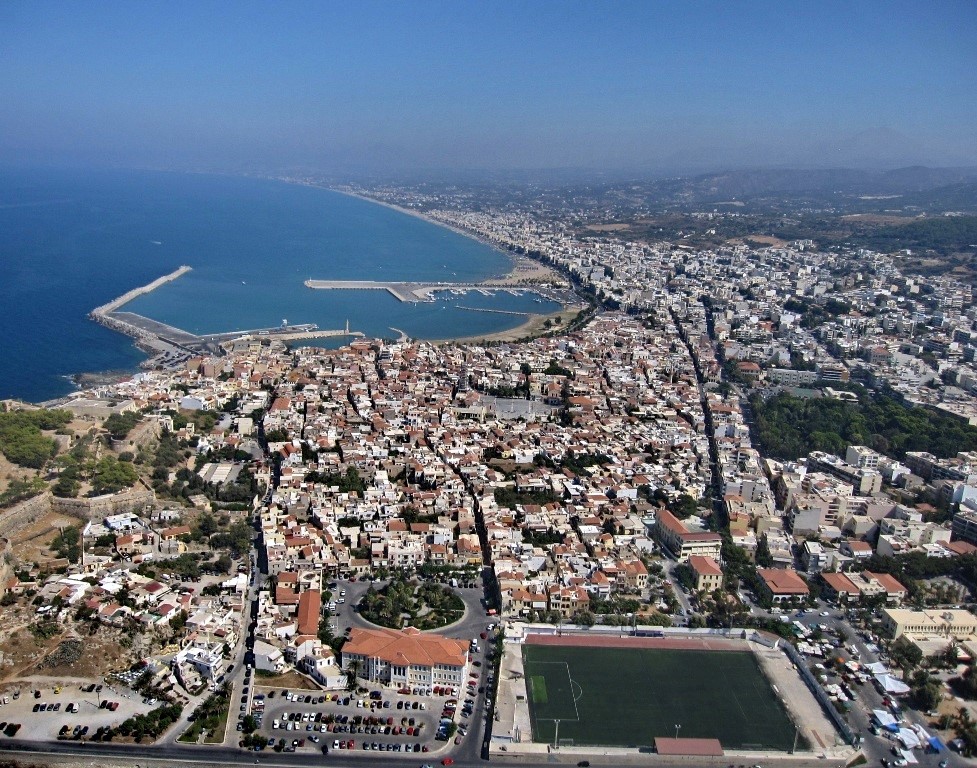
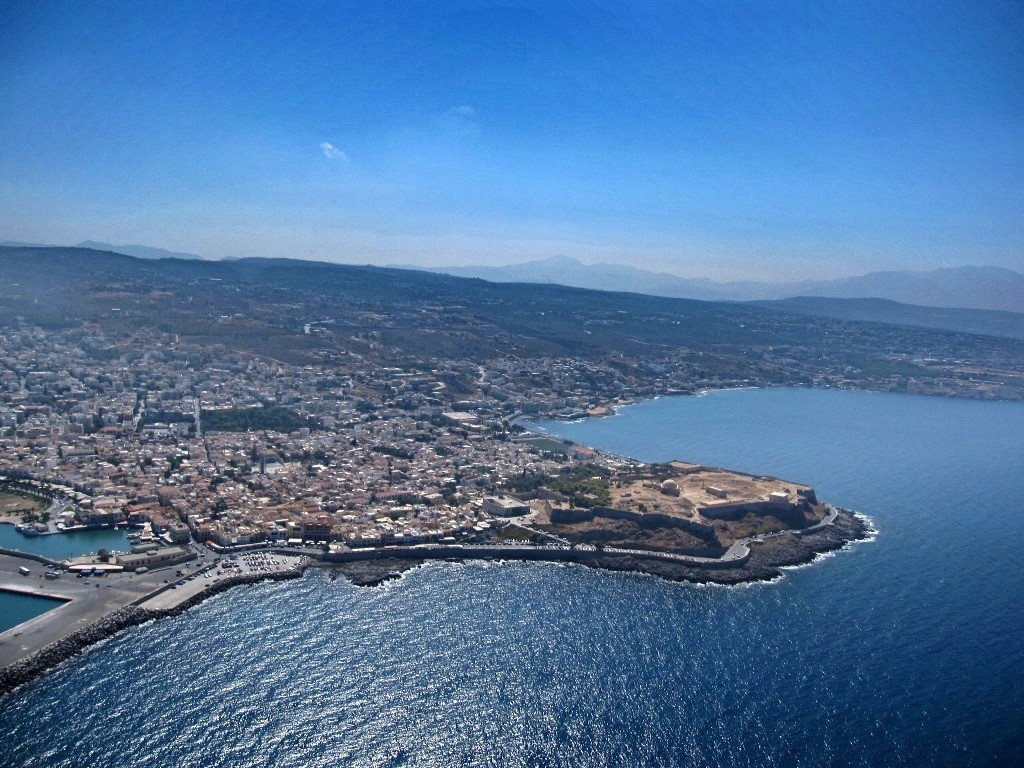
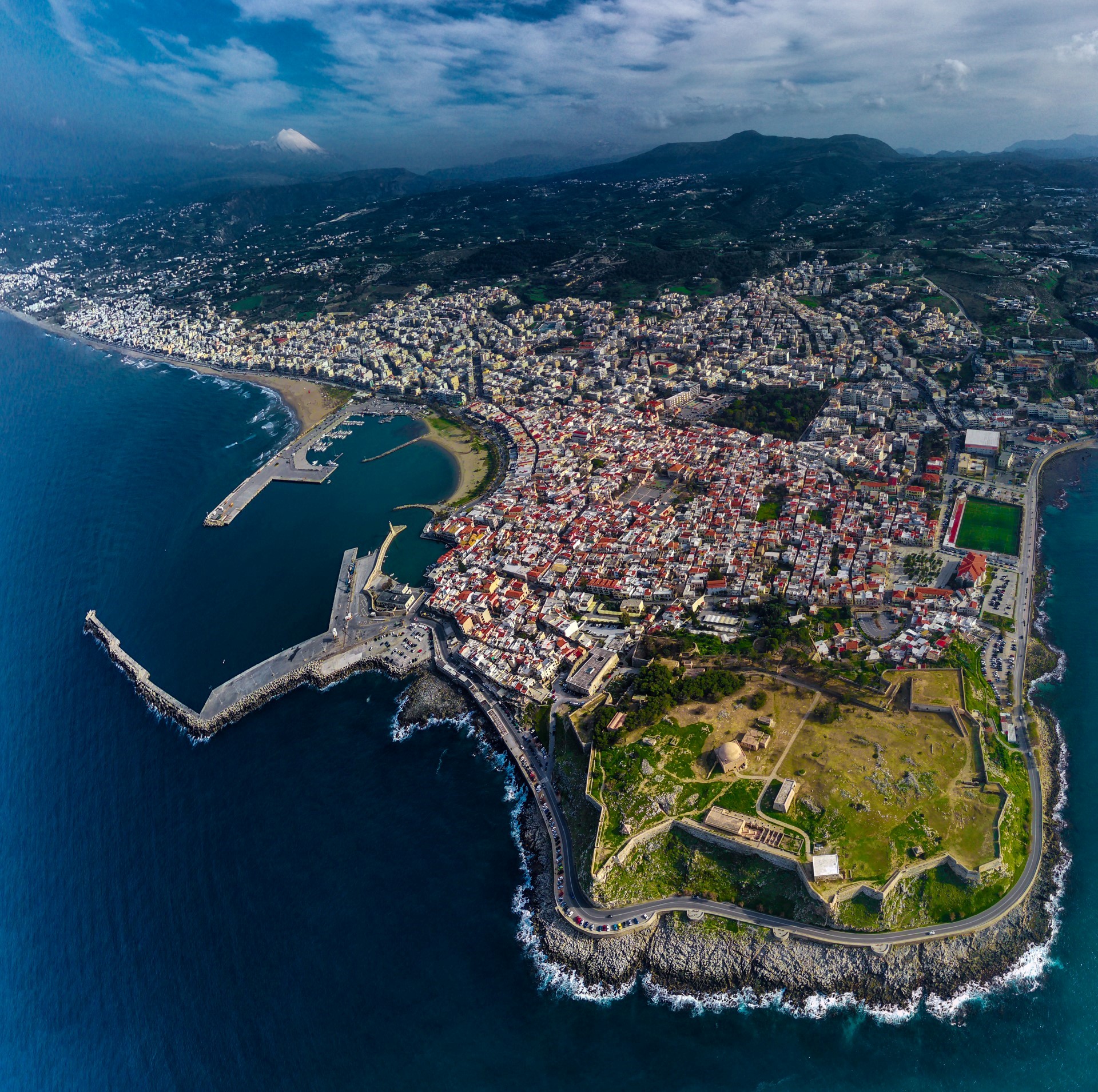
The old town of Rethymnon is a preserved Renaissance city that bears elements from both the Venetian and the Ottoman Era. In the old town there we meet the street markets of Arkadi and Antistaseos Streets. Above the old town we meet the imposing fortress of Fortezza that once protected Rethymnon. The picturesque narrow alleys housemany restaurants and taverns with traditional music.

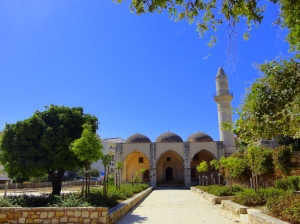
The mosque of Mastabas, with the characteristic 9-dome architecture, is an authentic monument of Rethymnon and has been conceded to GNHM following a decision of the Ministry of Culture. Upon completion of restoration and of the relevant museological study, it will operate as a Museum of Palaeontology, being annex of Goulandris National History museum in Crete.

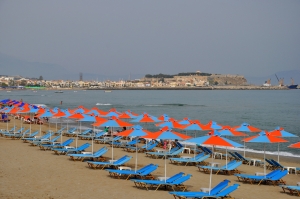
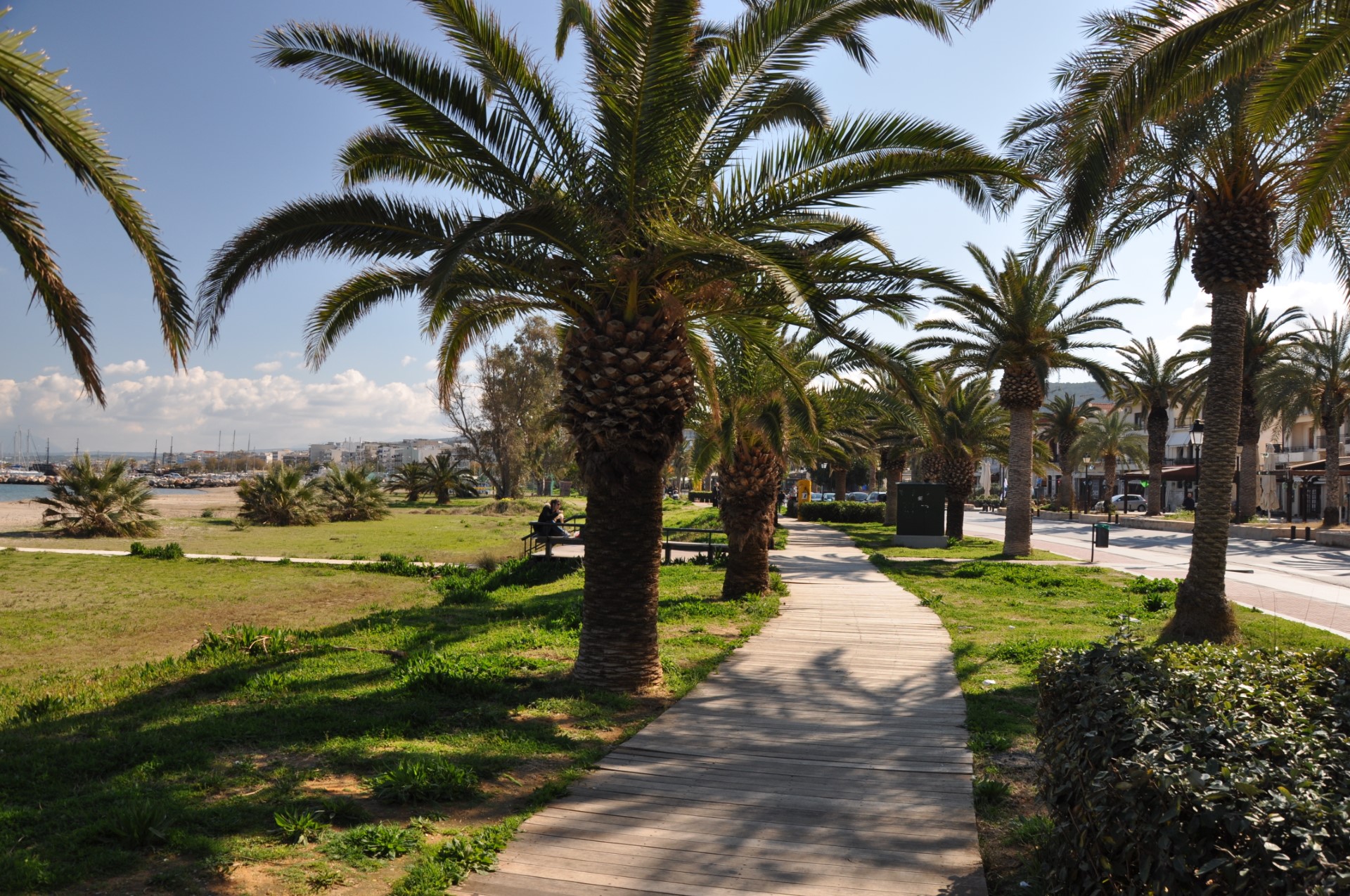
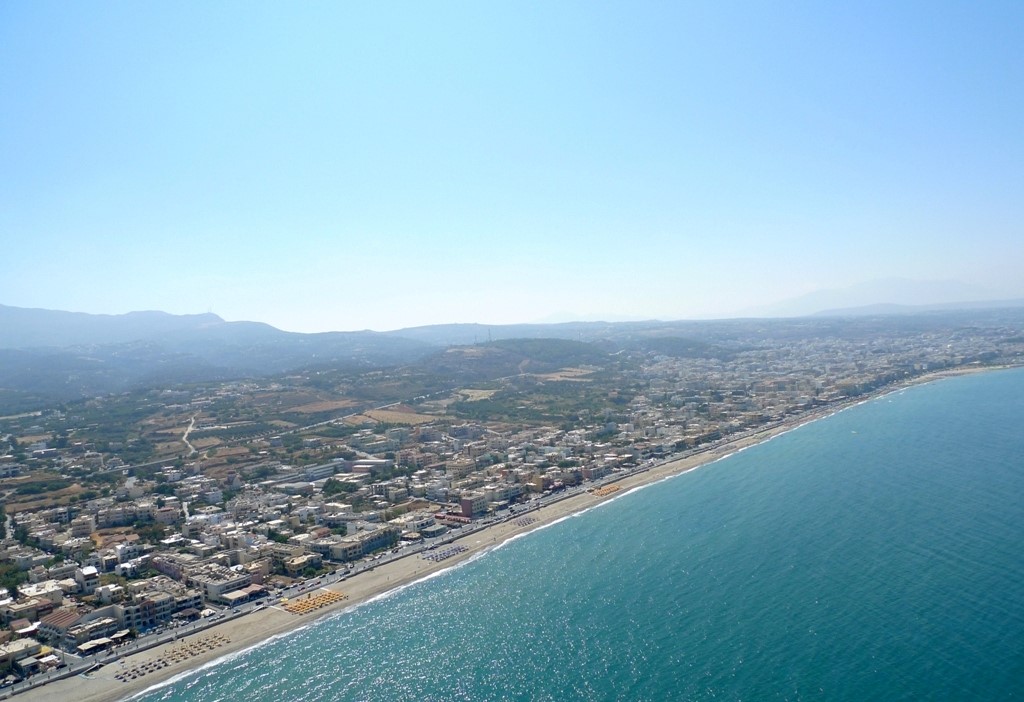
Der Sandstrand von Rethymno liegt nur 1 km östlich des Stadtzentrums, neben dem venezianischen Hafen entfernt. Es ist ein schöner Strand mit goldenem Sand und kristallklarem seichtem Wasser, sehr gut organisiert und nah an allen Annehmlichkeiten der Stadt.
- 1
- 2
Also read:
- Home
 Beaches
 Nature
 Past
Past Destinations
 Highlights
 West Crete
- Central Crete
- East Crete
- Towns
- Chania Prefecture
- Chania
- Paleochora
- Kissamos
- Georgioupolis
- Chora Sfakion
- Loutro
- Rethymnon Prefecture
- Rethymnon
- Agia Galini
- Plakias
- Spili
- Anogia
- Heraklion Prefecture
- Heraklion
- Hersonissos
- Malia
- Matala
- Agia Pelagia`
- Archanes
- Kokkinos Pirgos
- Lassithi Prefecture
- Agios Nikolaos
- Elounda
- Sitia
- Ierapetra
- Makrigialos
- Palekastro
- Zakros
- Lassithi Plateau
- Get Prepared


