







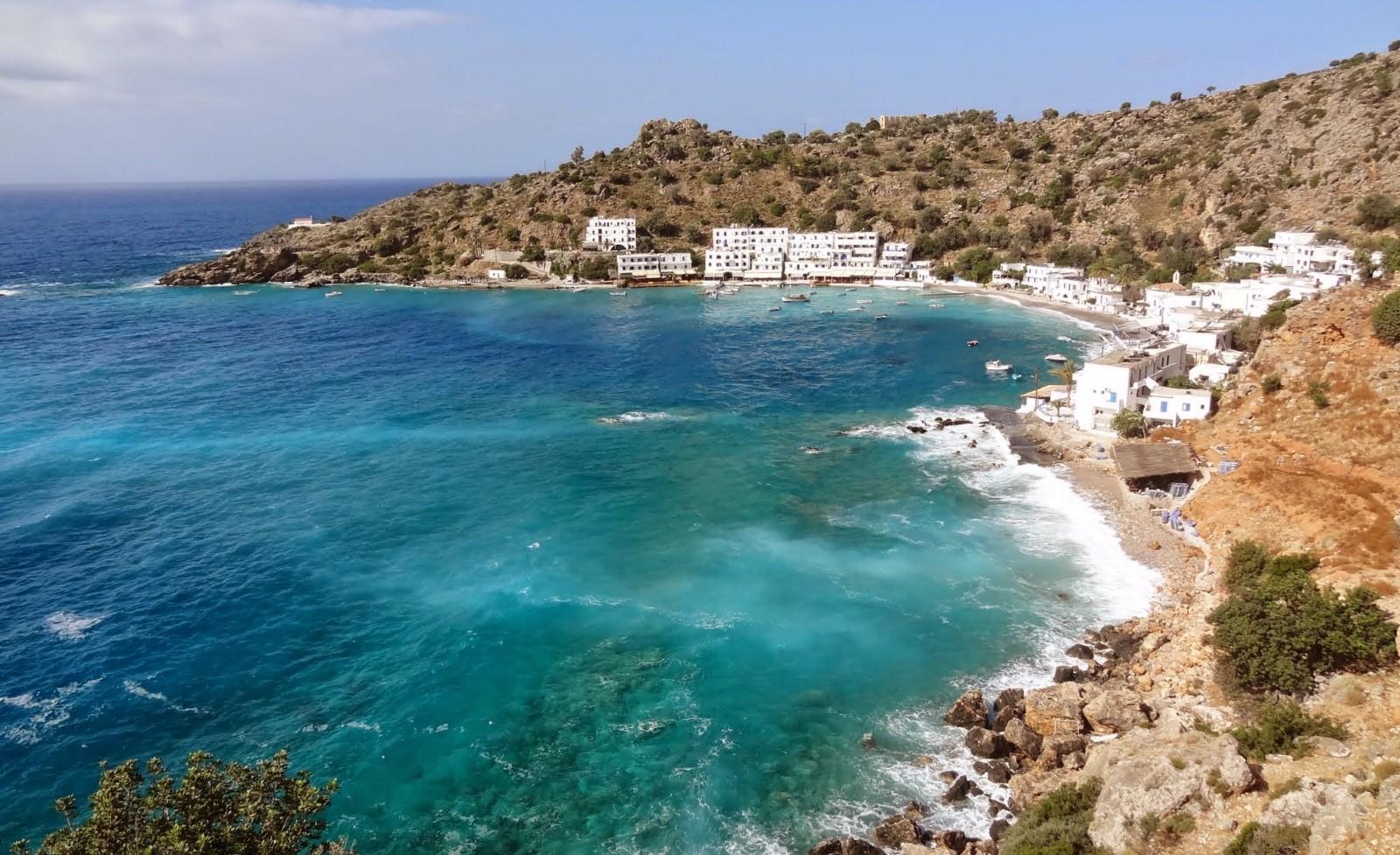
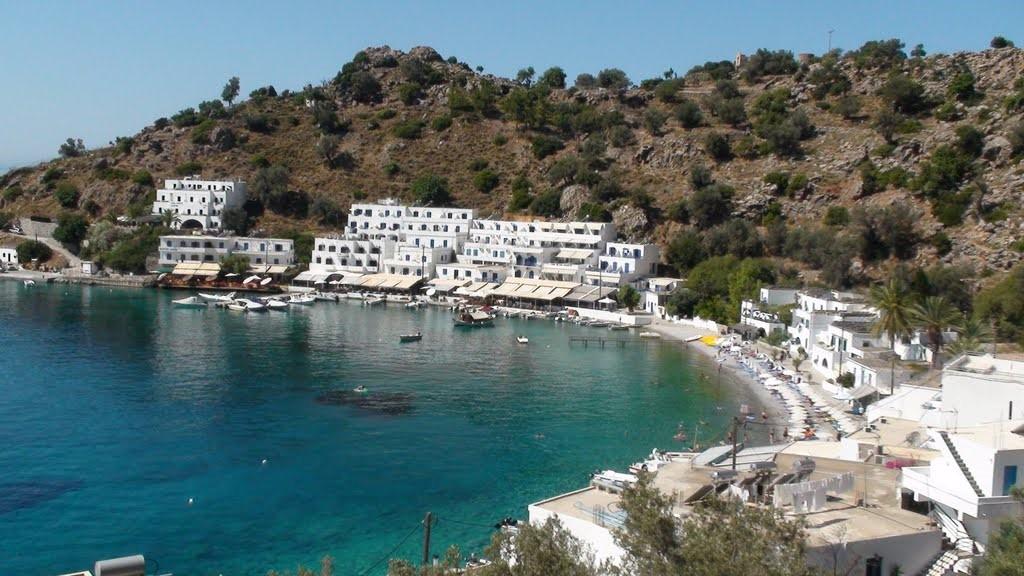
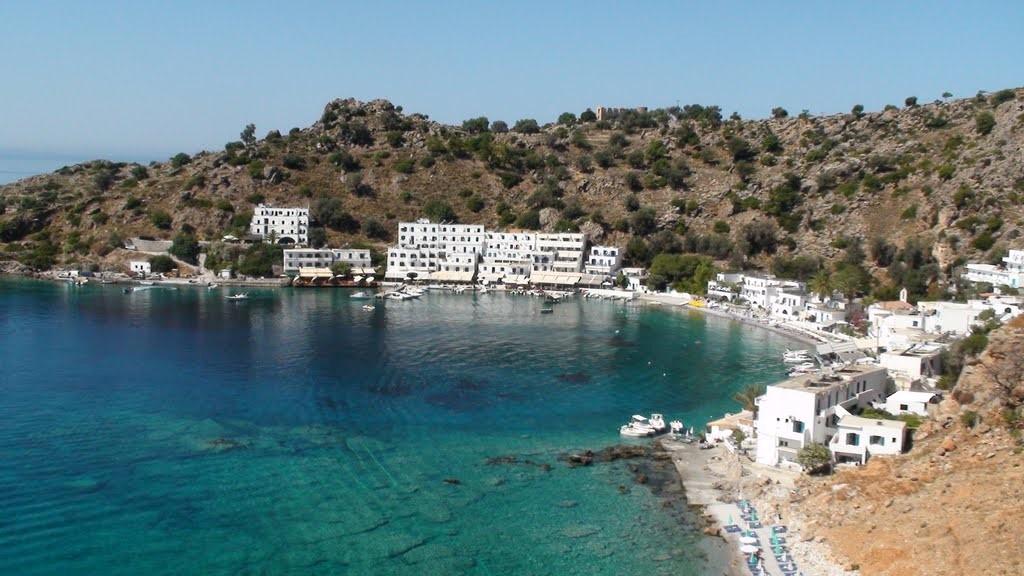
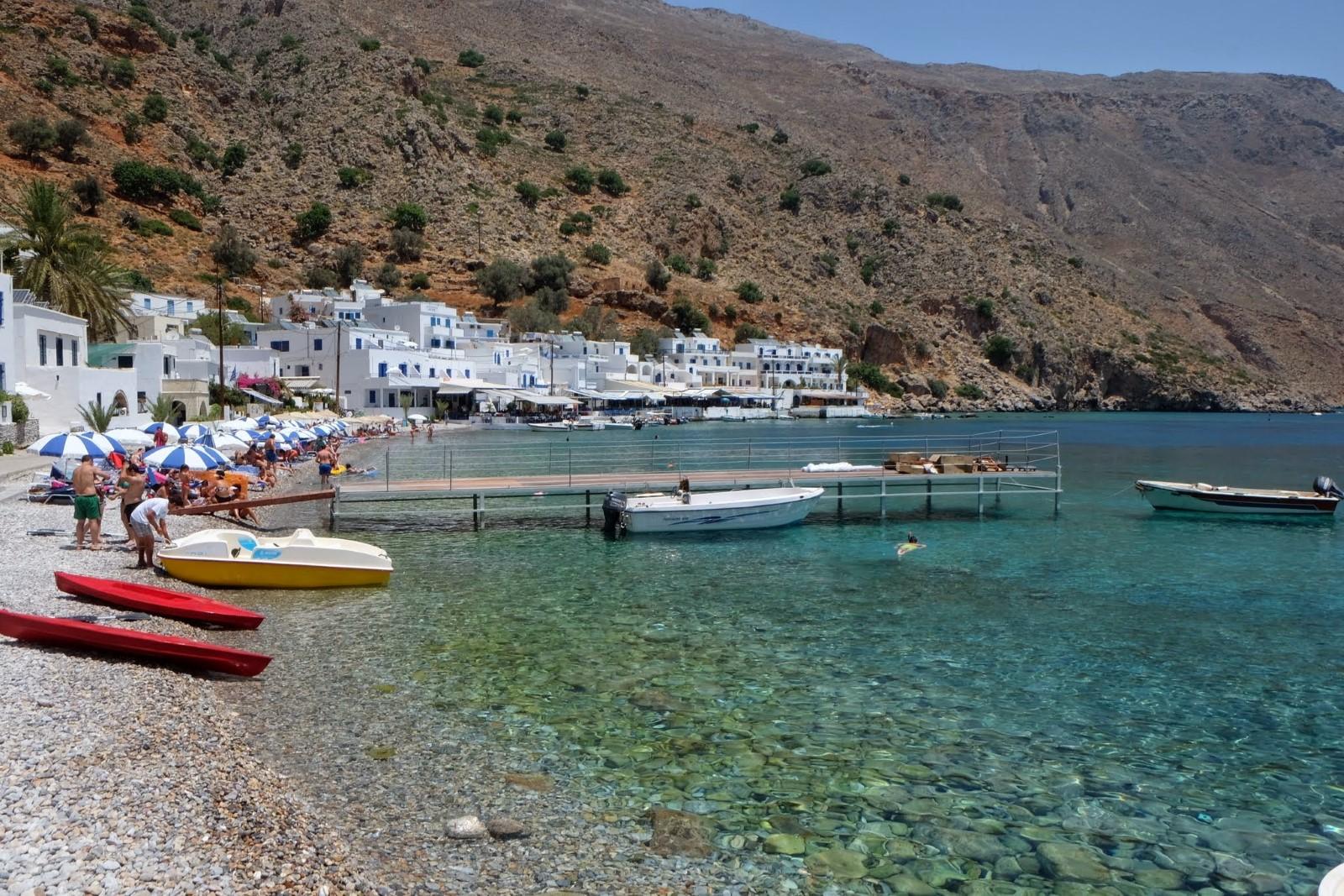
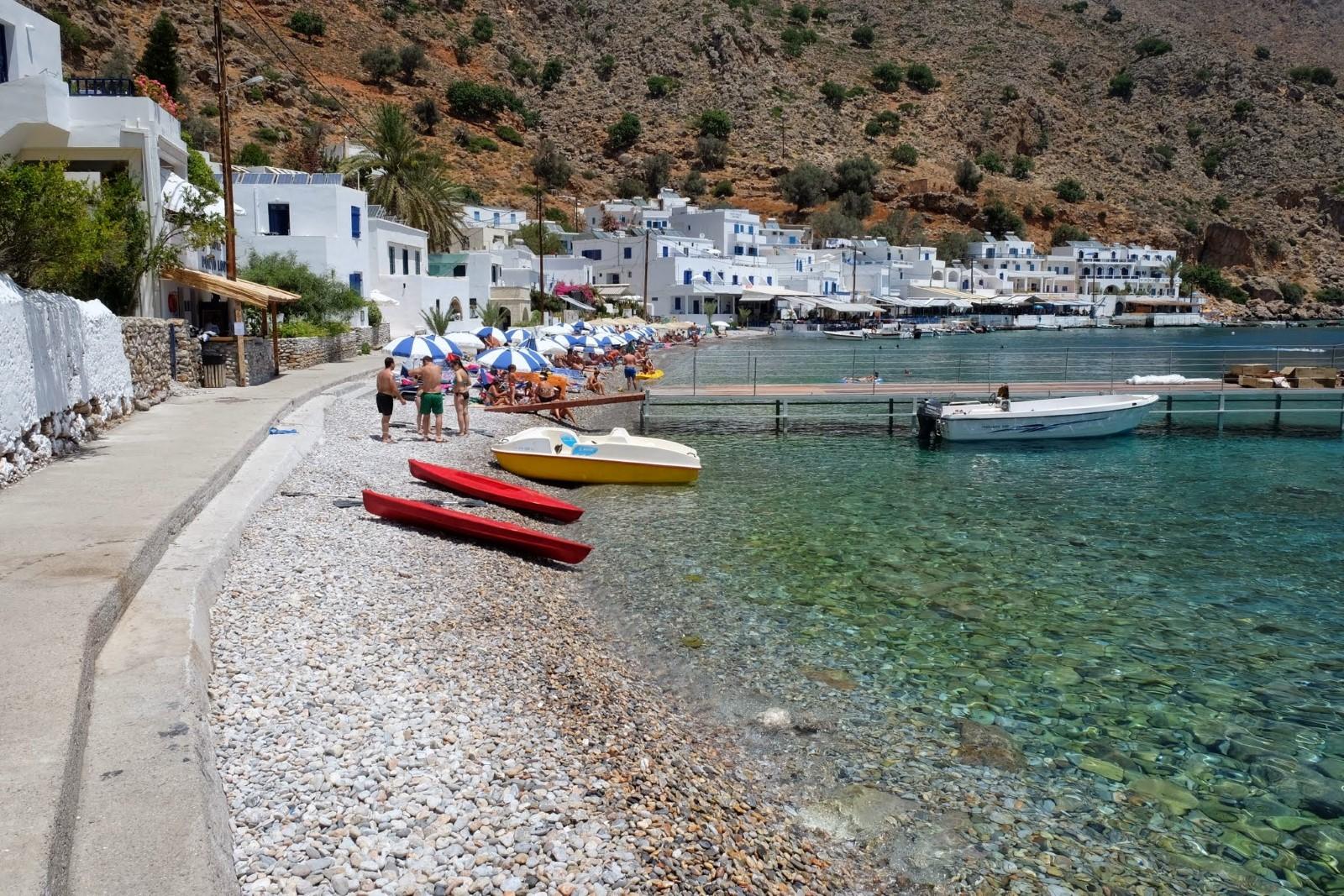
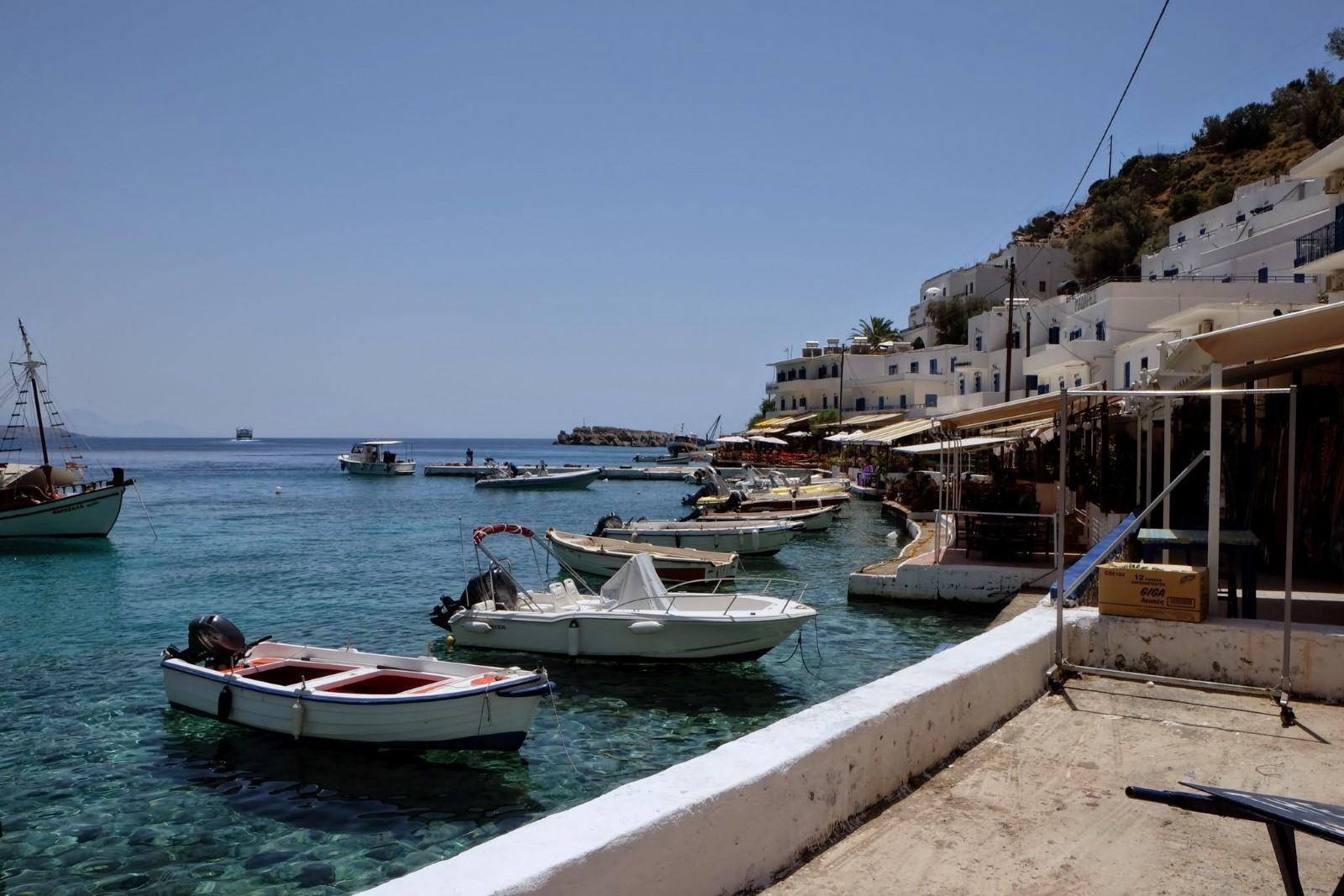
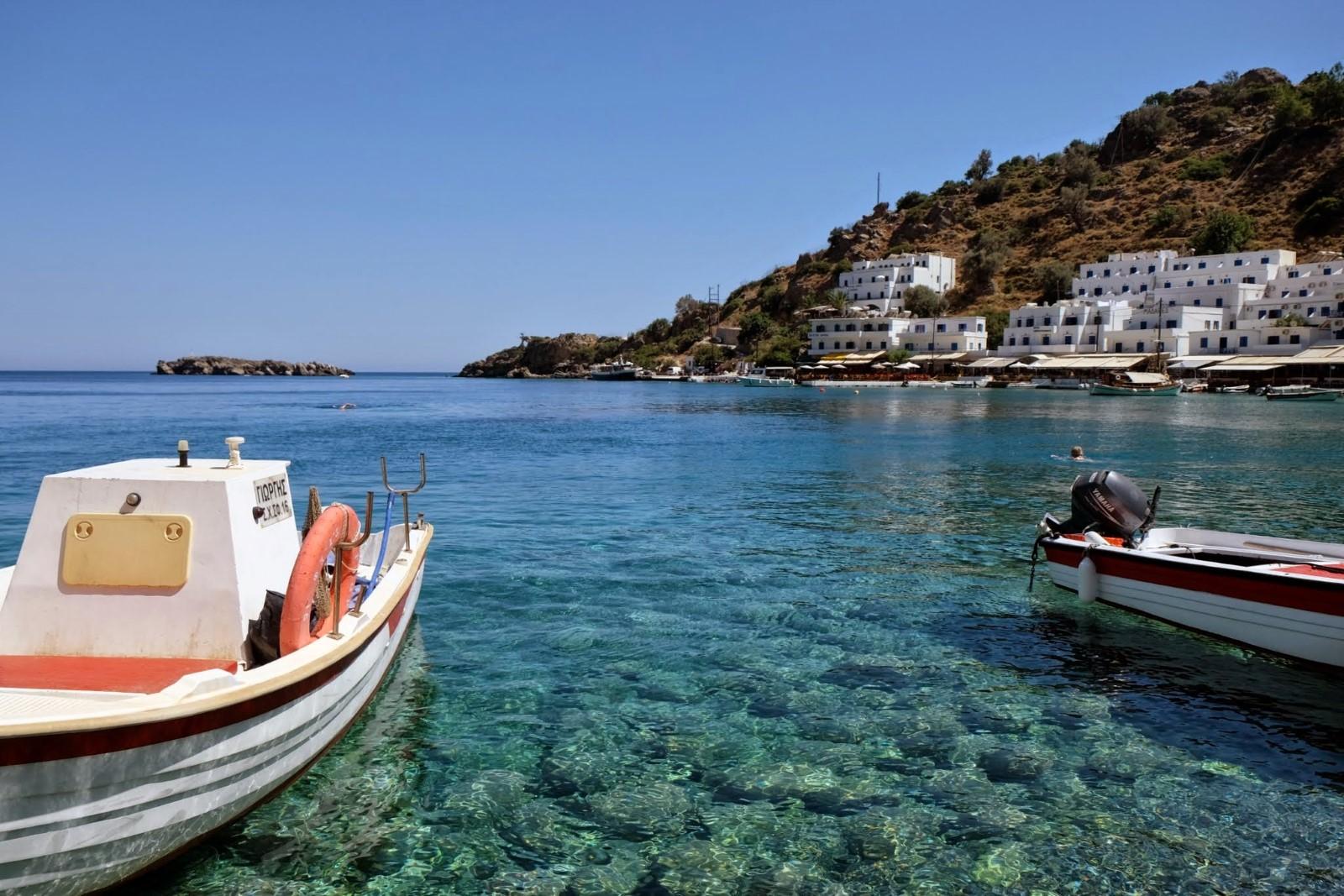
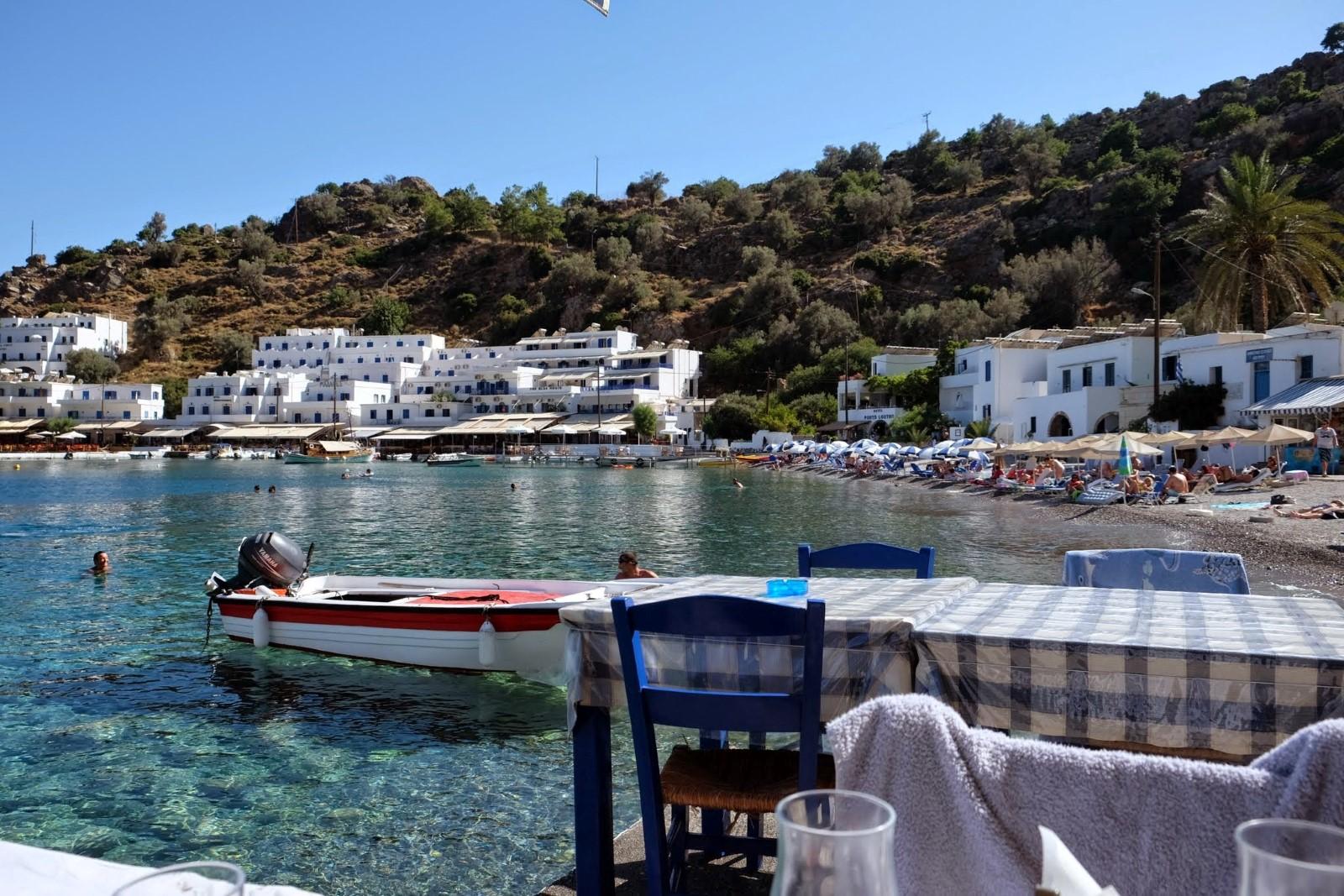
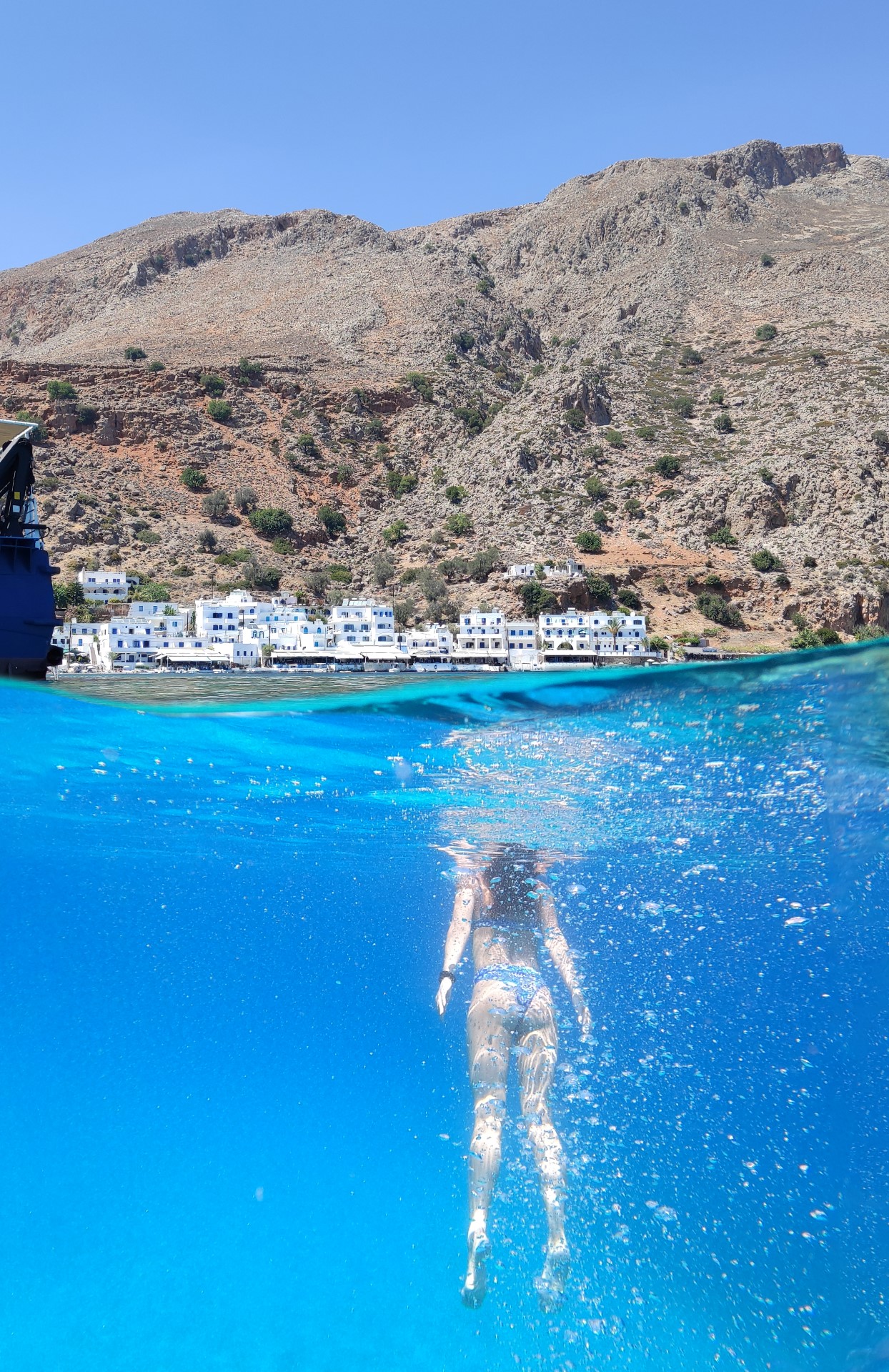

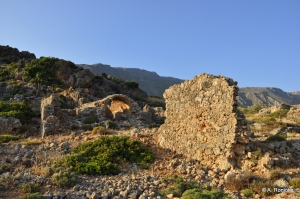
The bay where today's Loutro settlement is built was the port of ancient towns Anopolis and Aradena. This port is mentioned in ancient texts as Phoenix or Katopolis. The gods Zeus and Apollo were worshiped in Phoenix.

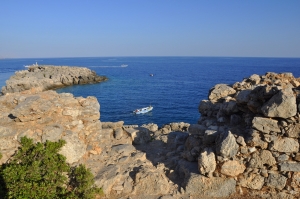
Most visitors of Loutro know about the fortress of Koules, which even today dominates over the village.However, they are unaware of the existence of a second fortress which is very easily accessible. The fortress of Kastella is located south of the village and next to the harbor where the big ships from Chora Sfakion stop.

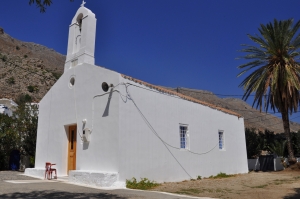
In the middle of the settlement of Loutro we meet the beautiful and spacious temple of Panagia, dedicated to Zoodochos Pigi (Life Giving Spring) celebrating five days after Easter. The courtyard has a large Cretan date palm tree and a well with water.
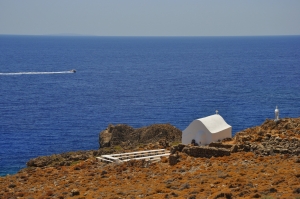
Between Loutro Sfakion and the famous beach of Glyka Nera, at Perlovakia, we meet the white brushed chapel of the Holy Cross (Timios Stavros) where a big feast takes place on September 14th every year.

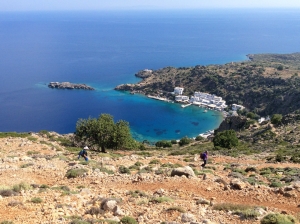
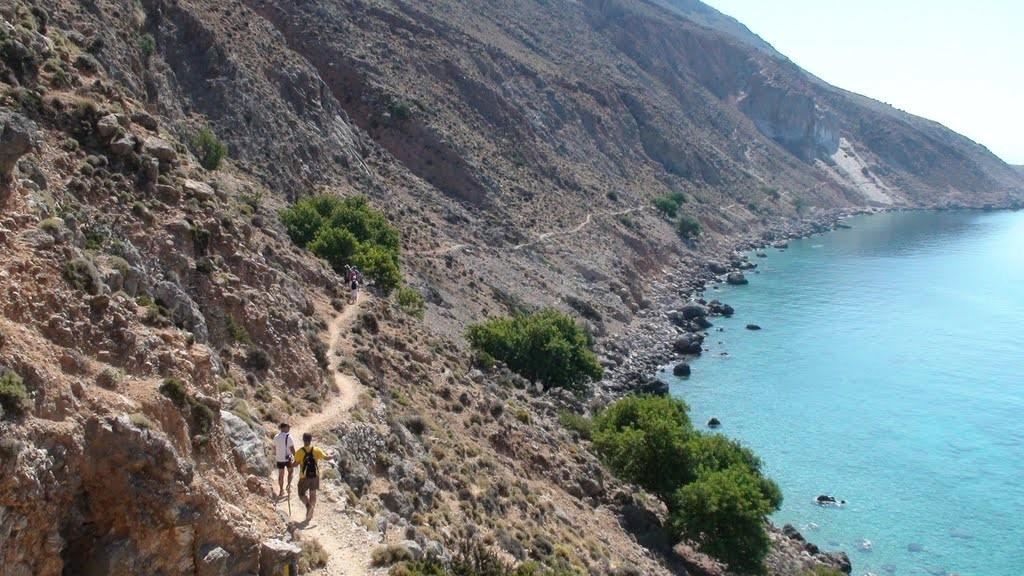
A very demanding trail due to very high slope is the old mule track that once linked the picturesque harbor of Loutro with the town of Anopolis. It can, however, be much easier if you start from Anopolis and go down to Loutro. In any case the panoramic view to the sea and to Loutro is breathtaking.
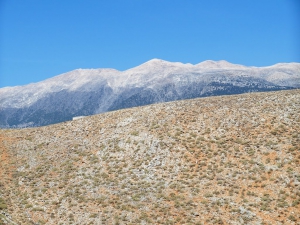
Near the site of the current temple of Agia Ekaterini, above Loutro, traces of walls and buildings have been identified, belonging to the Ancient town of Anopolis, port of which was Katopoli or Phoenix, currently located in Loutro. Anopolis was an independent town and had its own currency.
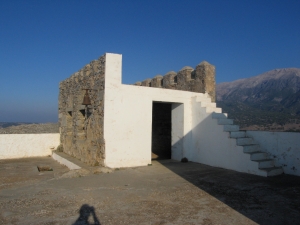
Besides the two Koules of Askyfou, several other Koules had been constructed in the present province of Sfakia in order to suppress the revolutions of the Sfakians.
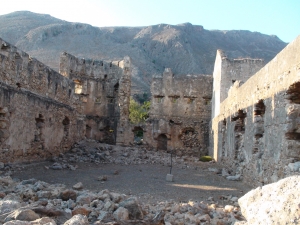
Above Loutro there are still the ruins of the Turkish fortress, Koules, which dominated over the current settlement. The building was built in 1868 and had two towers on west and east sides. It has rectangular shape and some of its walls survive. Outside the walls, there are big tanks surviving.

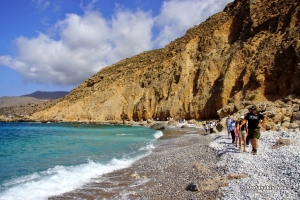
The two beaches of Perivolakia (Small Perivolaki and Large Perivolaki) and the beach of Timios Stavros are three adjacent coves, located 2.5km west of Chora Sfakion and 74km south of Chania. The beaches are located in a very mountainous area, in the middle of the distance between Glyka Nera beach and Loutro, just next to the European footpath E4.
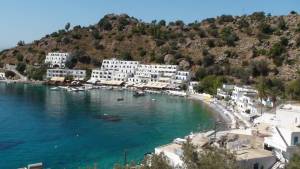
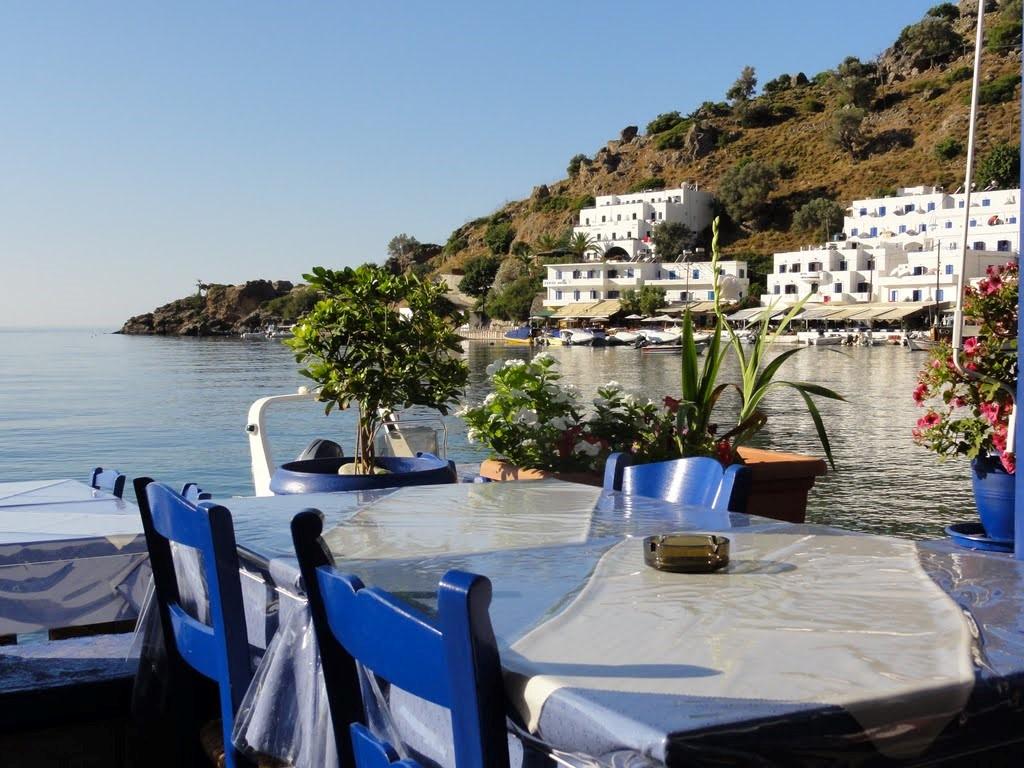
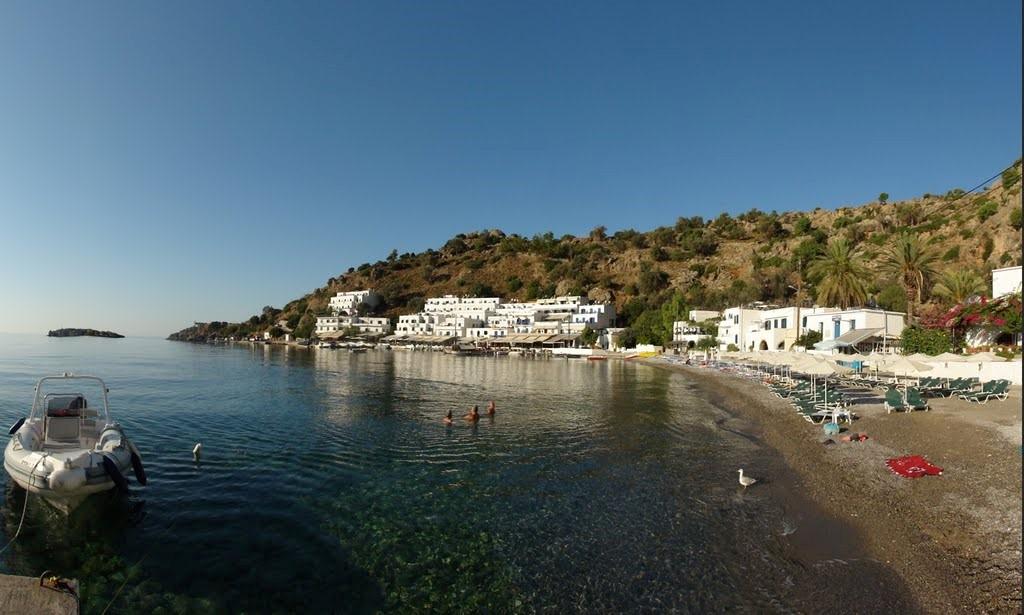
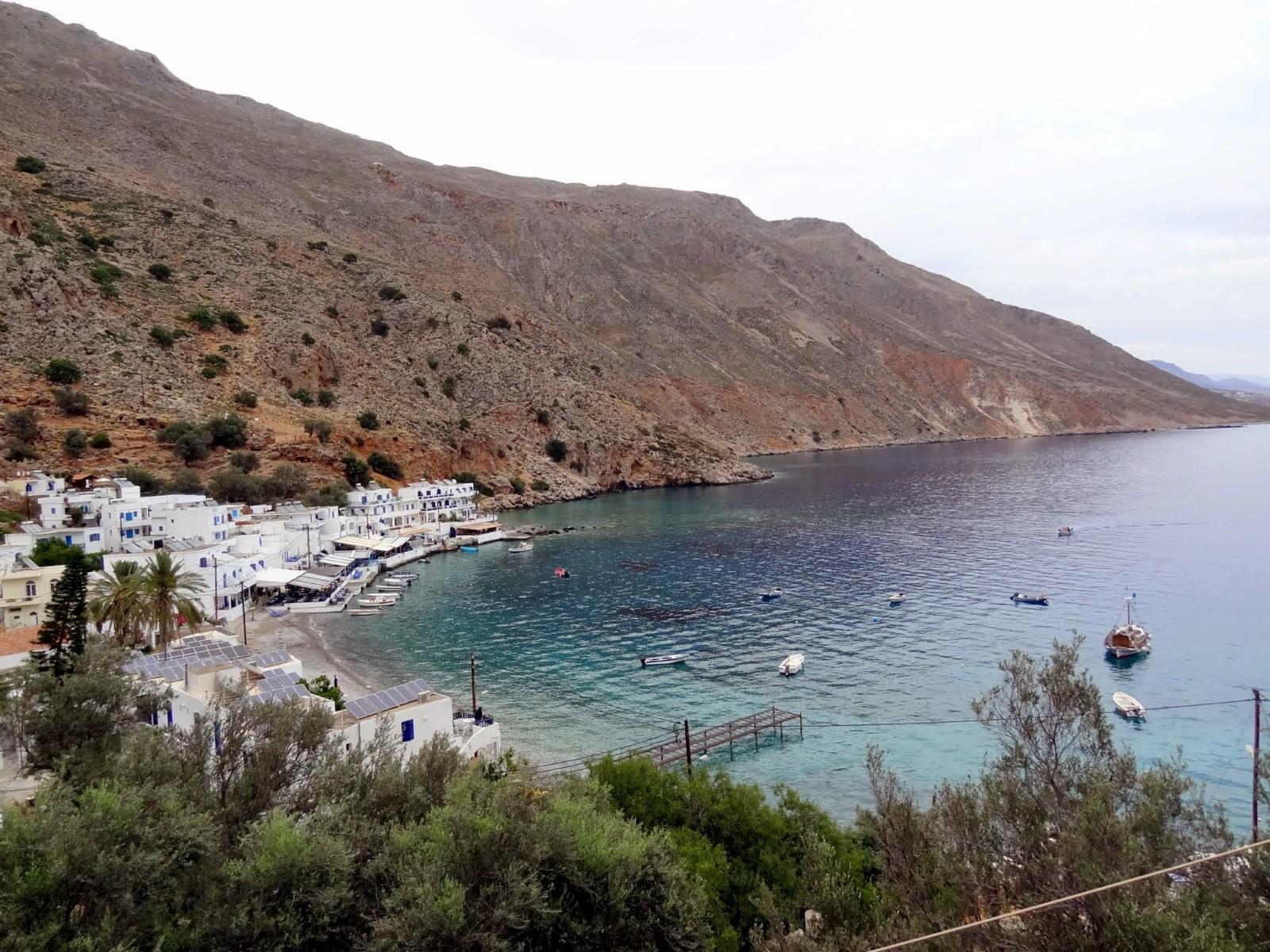
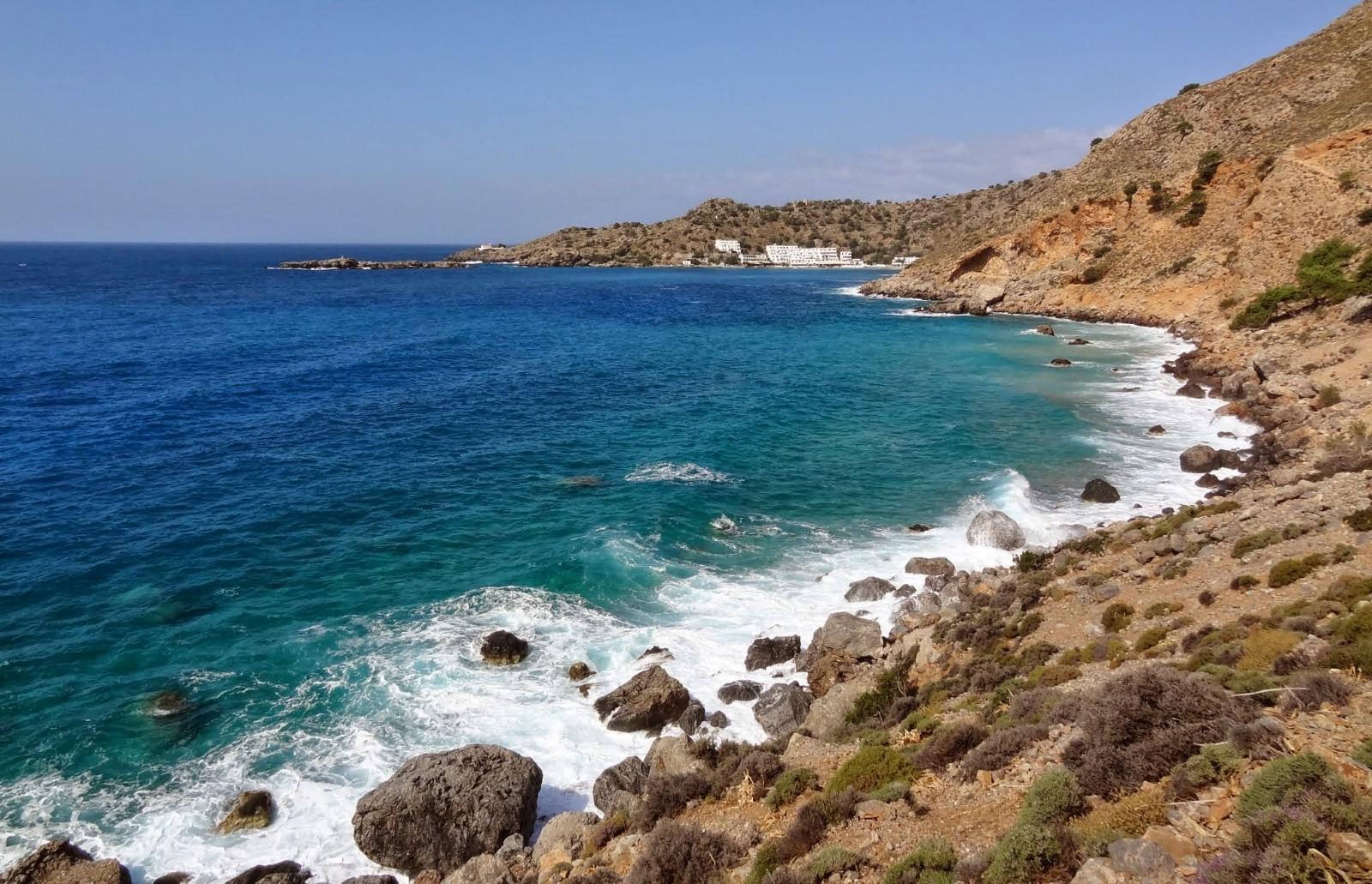
Loutro is a small seaside village situated approximately 71 km south of Chania, at the end of Cape Mouri. It is believed that this was the site of the ancient city of Phoenix and was the ancient port of Anopolis. Later, it became a winter port for Chora Sfakion, due to the fact that the enclosed bay and the small island at its entrance create a natural harbor where ships can be safe even in very bad weather.
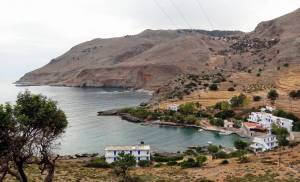
Finikas (or Phoenix) is a small harbor near Loutro of Sfakia, located 83km south of Chania. The bay is hidden 700m west of Loutro and the E4 European path crosses the area.
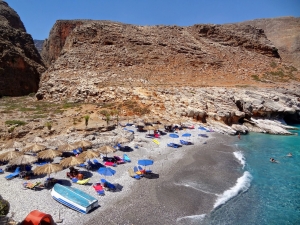
Marmara (meaning marbles) or Dialiskari beach is a nice secluded small pebbly bay shaped near the exit of the imposing Aradena Gorge, in Sfakia region. It is located 85km south of Chania and 5km west of Loutro. It is the beach where the ramblers of Aradena Gorge rest. However, visitors coming from Loutro do usually visit the place.

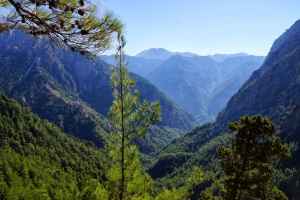
The Samaria Gorge is the longest trekking gorge in Europe and also the most famous of all. Thousands of tourists flock here daily in the summer season to walk from the top to the bottom. For many visitors, it is the sole purpose of their visit to Crete. The length of the gorge reaches 18km and takes almost 4-7 hours to hike from Omalos to Agia Roumeli, depending on trekking speed.
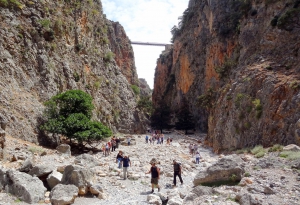
The deepest gorge in Chania is the gorge of Aradena. The 138-meter-deep gorge is ideal not only for sightseeing or hiking but for bungee jumping as well. Trekking inside the canyon till the exit on the majestic Marmara beach is an unforgettable experience for those who attempt the descent of the canyon.

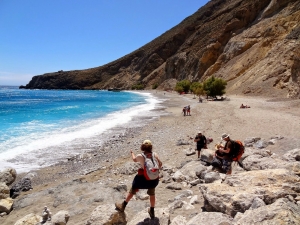
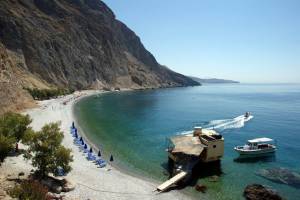
Glyka Nera (meaning "sweet water") is one of the most beautiful beaches in Crete, with deep blue water color and nice pebbles. In 2003, the beach was ranked among the best 20 in Europe by London Times. This is located 4 km west of Chora Sfakion and 75km south of Chania. This is called like this because of the fresh water that gushes from the pebbles!
Also read:
- Home
 Beaches
 Nature
 Past
Past Destinations
 Highlights
 West Crete
- Central Crete
- East Crete
- Towns
- Chania Prefecture
- Chania
- Paleochora
- Kissamos
- Georgioupolis
- Chora Sfakion
- Loutro
- Rethymnon Prefecture
- Rethymnon
- Agia Galini
- Plakias
- Spili
- Anogia
- Heraklion Prefecture
- Heraklion
- Hersonissos
- Malia
- Matala
- Agia Pelagia`
- Archanes
- Kokkinos Pirgos
- Lassithi Prefecture
- Agios Nikolaos
- Elounda
- Sitia
- Ierapetra
- Makrigialos
- Palekastro
- Zakros
- Lassithi Plateau
- Get Prepared


