The Cretan People

Tradition

Cretan Traditions

Cretan traditions can be heard in the way people speak and seen in how they celebrate, cook and work. Some customs are passed down through families, while others are picked up among friends, in workshops or at village festivals. From making up a mantinada to offering a glass of tsikoudia, many of these customs still have a place in everyday life on the island.

Music, festivals and food

The lyra and laouto are among Crete’s most familiar sounds, and the violin also has an important place in the island’s music. At village festivals, music and dancing bring people together in the square. A mantinada, a verse of two rhyming lines, can express a good wish, tease a friend or answer someone in the group.

In Cretan cooking, olive oil, wild greens and local cheeses reflect what each area and season has to offer. In autumn, after the grape harvest, distilling tsikoudia often brings friends and relatives together around the still.

Rural life and traditional crafts

The traditional architecture of Crete’s villages and mountains shows how people worked with the materials and resources they had. Dry-stone walls held soil in place on slopes and marked out fields and pastures. On Mount Psiloritis, stone huts known as mitata are closely associated with shepherding and cheesemaking. Weaving and instrument making reveal another side of the island’s traditional trades, from weaving household textiles to crafting a lyra.

On the Lassithi Plateau, the stone windmills at Seli Ambelou ground grain. Lower down, on the cultivated plain, lighter windmills pumped water from wells to irrigate the fields. The two types show how wind power served different needs of rural life.

Myths and local legends

The cave at Psychro in the Dikti Mountains and the Idaean Cave on Mount Psiloritis are linked to different accounts of Zeus’s birth and upbringing. At Frangokastello, the more recent legend of the Drosoulites tells of the shadows of those who fell in the battle of 1828 appearing near the fortress at dawn. Each story gives its setting a place in the memory of the people who tell it.

Rural Life

Rural Life

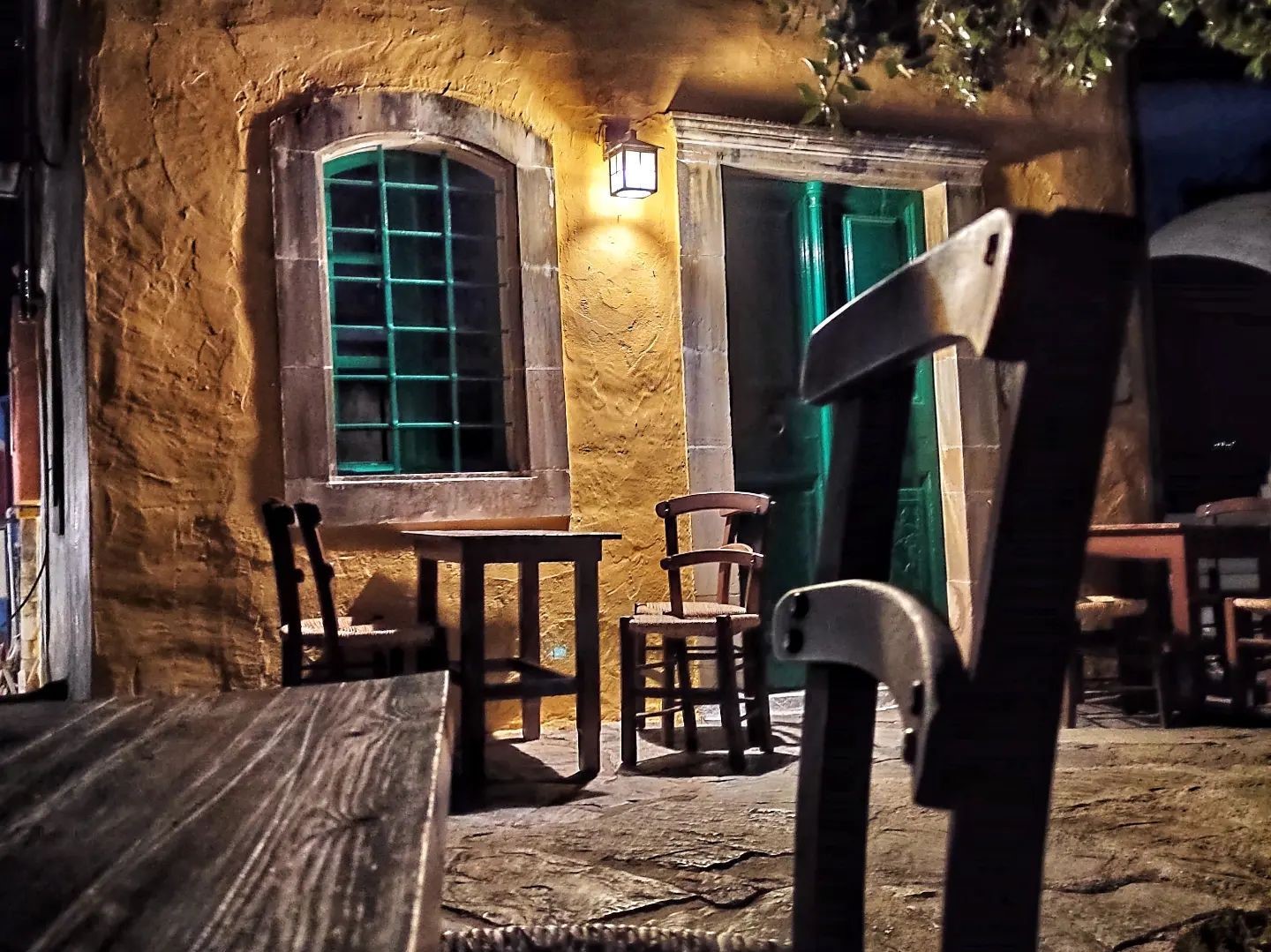
A walk through a village’s lanes, a stop at the local café or a journey past olive groves and vineyards offers a first glimpse of life in the Cretan countryside. Staying in a village or at a farm stay gives you more time to get to know the area and see how agricultural work changes with the seasons. At some farms, visitors can join the grape harvest or the olive harvest when the crops are ready. Other visits introduce what happens after the harvest: the production of olive oil at a mill, winemaking, and the distillation of grape skins and pulp to make tsikoudia. You can get to know local produce in the kitchen, too. Lessons in Cretan cooking, kneading bread dough and preparing traditional sweets introduce visitors to the island’s flavours. Depending on the season and the programme, guided outings also introduce wild edible greens, aromatic herbs, mushrooms and snails. Other farm experiences involve vegetable growing, beekeeping, milking and cheesemaking. At some farms, visitors can learn about animal care and seasonal work such as sheep shearing. Opportunities to take part depend on the time of year and the farm’s programme.

Read more ...

Architecture

Architecture

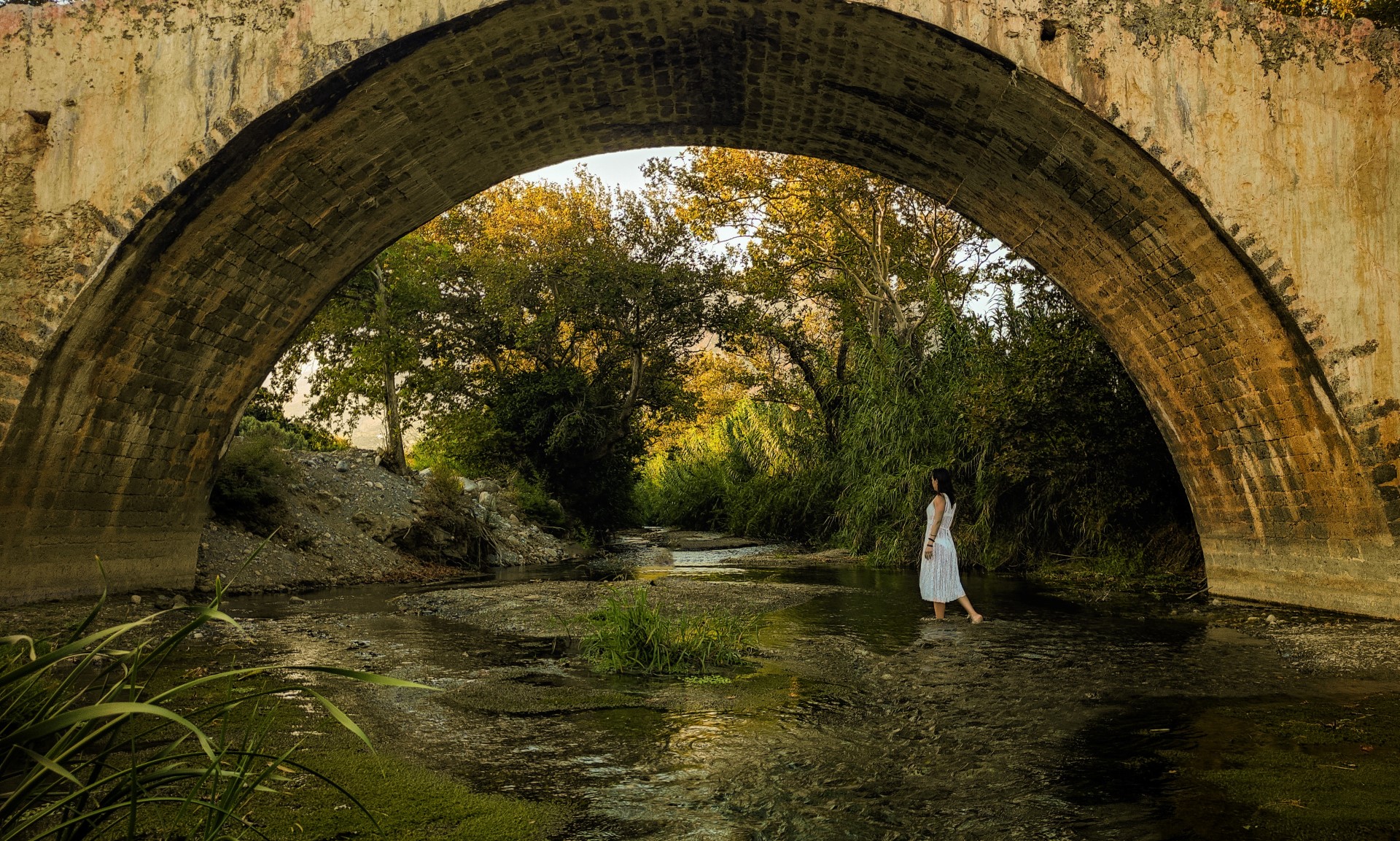
The architecture of Crete reflects the island’s long history and the continuous adaptation of its inhabitants to the natural environment. From Minoan palaces and ancient cities to Byzantine churches, Venetian fortifications, Ottoman buildings and traditional rural houses, every period has left its mark on the Cretan landscape. The major cities of Crete preserve some of the most impressive architectural works created during the Venetian and Ottoman periods. Fortresses, defensive walls, harbours, palaces, fountains, loggias, shipyards, mosques and Christian churches illustrate the economic and strategic importance of the island during previous centuries. Traditional houses A simpler form of architecture developed in the countryside, closely connected with daily life, agriculture and livestock farming. Traditional rural houses were generally built of local stone, with flat roofs made of wooden beams, branches and compacted earth. In many cases, the same building provided living quarters, storage areas and shelter for animals. Characteristic interior features included the fireplace used for cooking and heating, a raised wooden platform for sleeping, built-in wall niches for household utensils and storage spaces for olive oil, wine and grain. Wealthier houses often had arched entrances, carved stone frames, internal arches and courtyards. In some towns, covered wooden balconies known as sahnisi, which became widespread during the Ottoman period, have also survived. Traditional settlements generally follow the natural shape of the terrain. Their narrow lanes, small squares, public fountains and neighbourhoods developed gradually, without a rigid urban plan. Many villages were built in naturally protected inland locations, away from the coast, to reduce their exposure to pirate raids. The architecture of water and wind The limited and uneven distribution of water resources encouraged Cretans to develop ingenious structures for collecting, storing and transporting water. Throughout the island there are wells, fountains and cisterns, ranging from simple rural installations to elaborate public works in towns and villages. Rivers and springs powered watermills, particularly in western Crete. In the drier regions of the east, numerous windmills were constructed for grinding grain, forming extensive groups of mills on exposed ridges. These structures are presented in the section on the windmills and watermills of Crete. Alongside windmills used for grinding grain, wind-powered water pumps were developed, particularly on the Lassithi Plateau. These lightweight structures harnessed the wind to draw water from wells and irrigate crops, providing a characteristic example of local ingenuity adapted to the needs of agricultural production. The island’s stone bridges and aqueducts are also of particular interest. Bridges connected villages and facilitated movement across rivers and gorges, while aqueducts supplied towns, fortresses, monasteries and agricultural areas with water. Many of these constructions remain impressive examples of durable engineering harmoniously integrated into the landscape. Mitata and rural structures Among the most characteristic buildings of mountainous Crete are the mitata. These circular, corbel-vaulted structures were built of dry stone without mortar. Shepherds used them as seasonal shelters and as places for producing and storing cheese, generally close to summer grazing grounds. Other rural structures include dry-stone enclosures, threshing floors, wine presses, olive mills, storehouses, lime kilns and small countryside chapels. Built with local materials and traditional techniques, they form an integral part of Crete’s cultural landscape. Abandonment and preservation Social and economic change, urbanisation, natural disasters and population movements led to the abandonment of numerous villages and smaller settlements. The abandoned settlements of Crete preserve old houses, churches, paved lanes, ovens, cisterns and other structures that reveal the everyday life of earlier generations. Although modern construction has altered many traditional settlements, numerous historic buildings and architectural ensembles have been restored. Their preservation protects not only individual monuments but also the relationship between architecture, landscape and the historical memory of Crete.

Read more ...

Traditional Occupations and Crafts

Traditional Occupations and Crafts

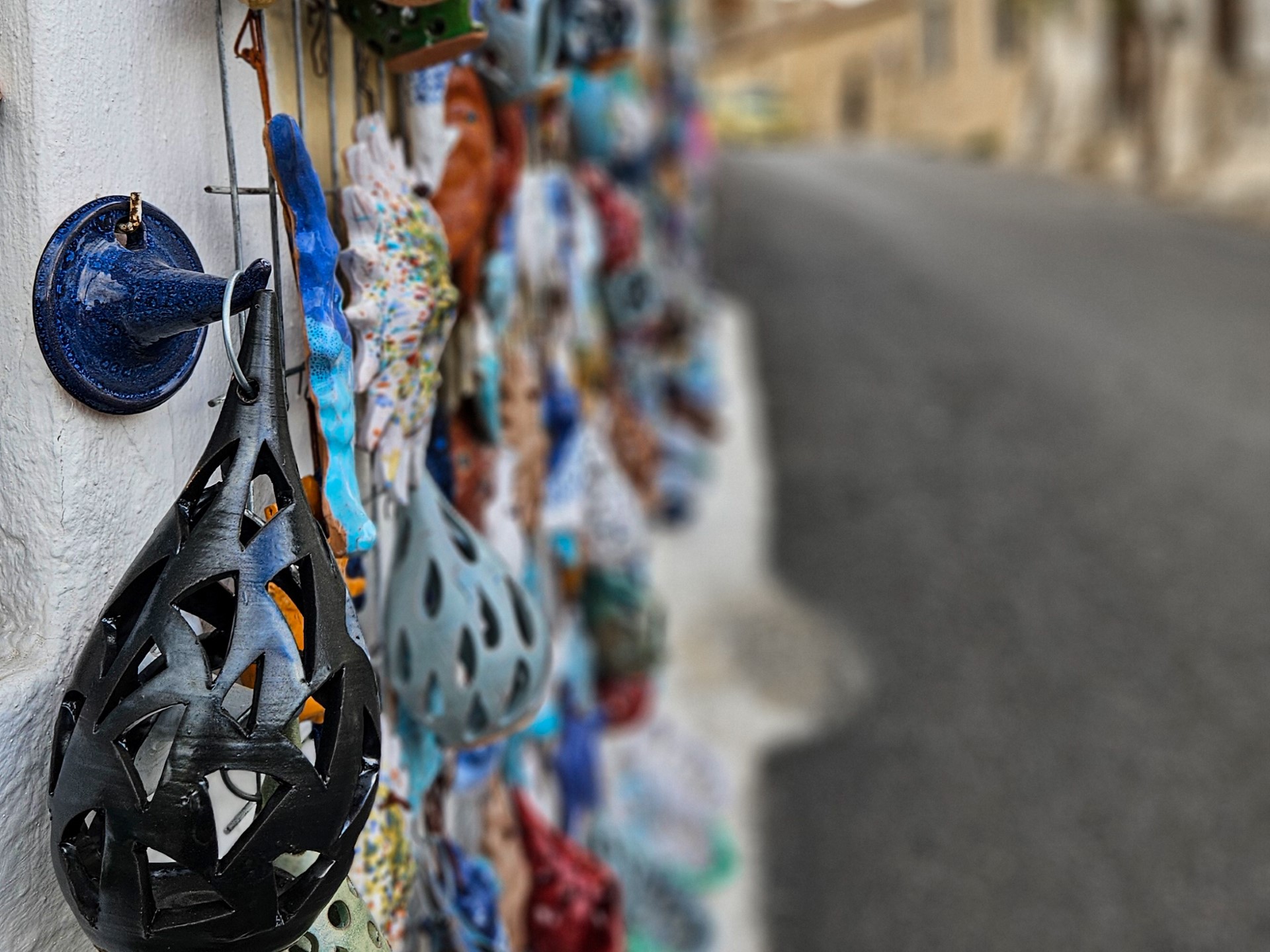
Many of Crete’s traditional occupations and crafts remain alive, although mass production and changes in everyday life have reduced their practice. Craftspeople across the island preserve knowledge passed down through generations, combining traditional techniques with contemporary creations. Potters in Thrapsano, Kentri and Margarites transform clay into storage jars, household vessels and decorative objects. Large jars were traditionally used to store olive oil, wine, grain and other agricultural products. The pottery tradition of Thrapsano is included in Greece’s National Inventory of Intangible Cultural Heritage. Instrument makers select and shape different types of wood to create the Cretan lyra, the laouto and other musical instruments. Vori, Zaros, Rethymno, Neapoli and Kritsa are associated with traditions of making and developing these instruments. Traditional bootmakers produce stivania, the distinctive tall leather boots of Cretan dress, with a well-known tradition in mountain communities such as Anogia. Knifemakers in Chania and Heraklion work steel into Cretan knives, often decorating them with engraved motifs, dedications and rhyming couplets known as mantinades. Weaving, embroidery and knitting hold a special place in Cretan craftsmanship. Looms are used to make rugs, woollen blankets known as patanies, traditional bags called vourgies, fabrics and household textiles. Embroidery and knitted details are separate, complementary techniques. Individual makers, workshops and cooperatives help preserve this knowledge. A characteristic element of Cretan dress is the sariki. According to a widespread modern folk interpretation, its fringes resemble tears and evoke the historical hardships of Crete. The black sariki is a familiar part of traditional male dress and is also associated with mourning, while white versions are customary on joyful occasions. Woodcarvers, stonemasons and marble sculptors create furniture, reliefs, architectural details and works of ecclesiastical art. The stone-carving tradition of Alfa in Mylopotamos is a characteristic example. Basket makers also use materials such as reeds and willow to produce practical objects. Traditional crafts preserve valuable knowledge about raw materials, manual work and everyday life in Crete. They continue to evolve through the work of contemporary makers and the transmission of skills to younger generations.

Read more ...

Download Free Premium Joomla Templates • FREE High-quality Joomla! Designs BIGtheme.net