




Nature
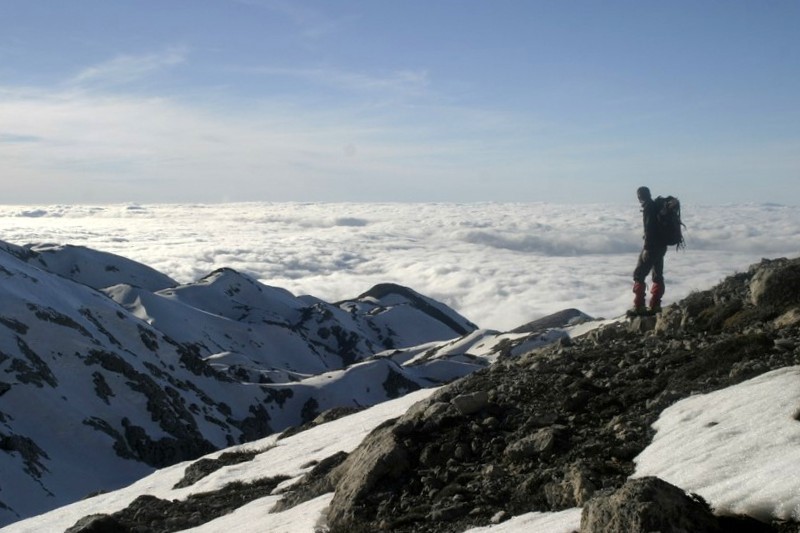
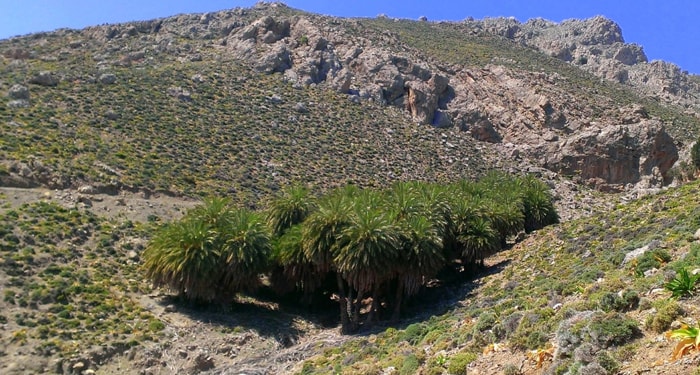
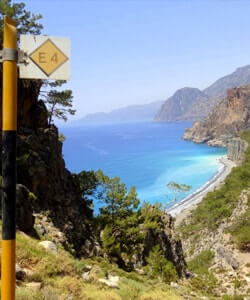
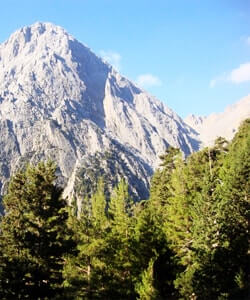
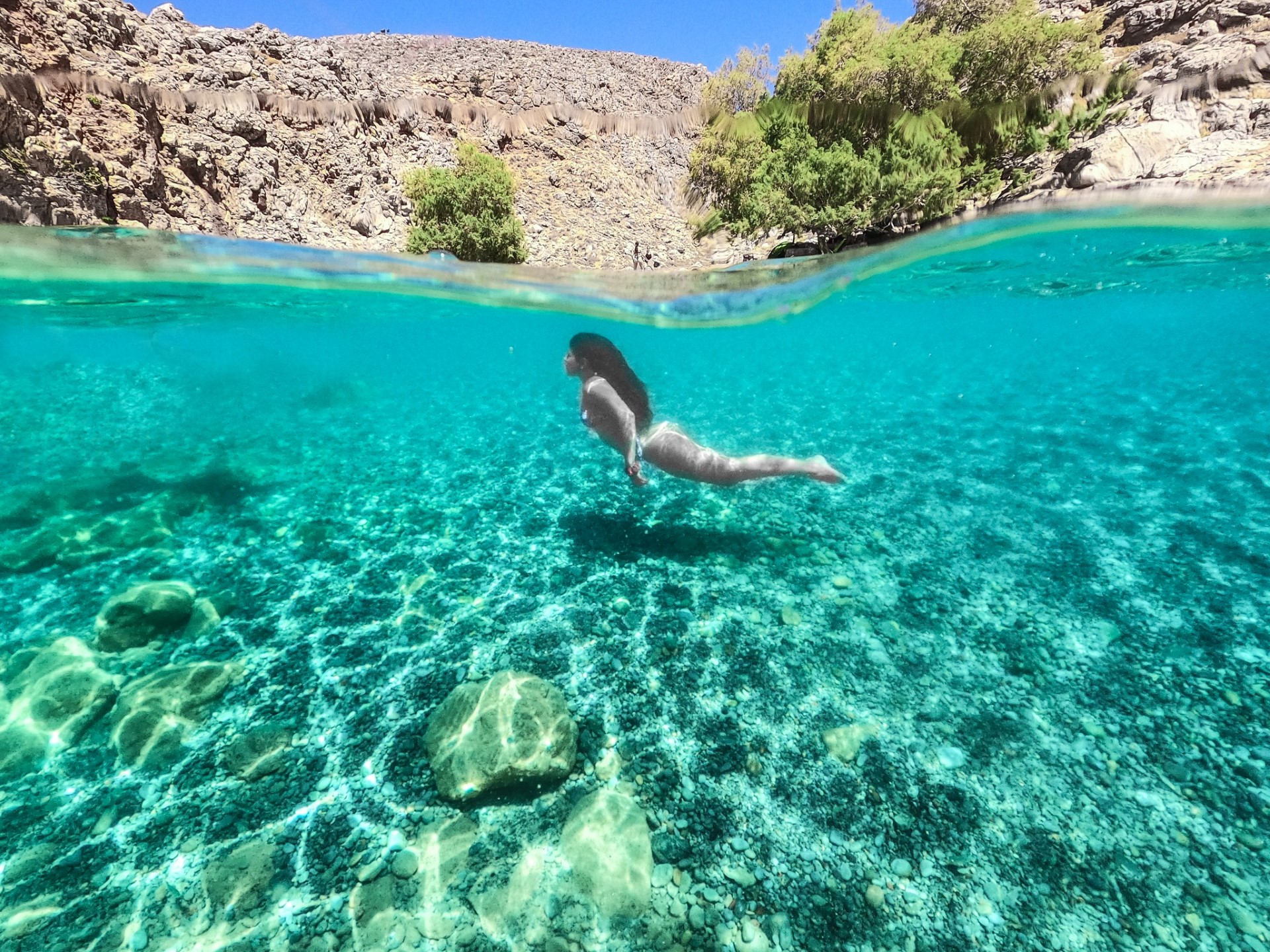
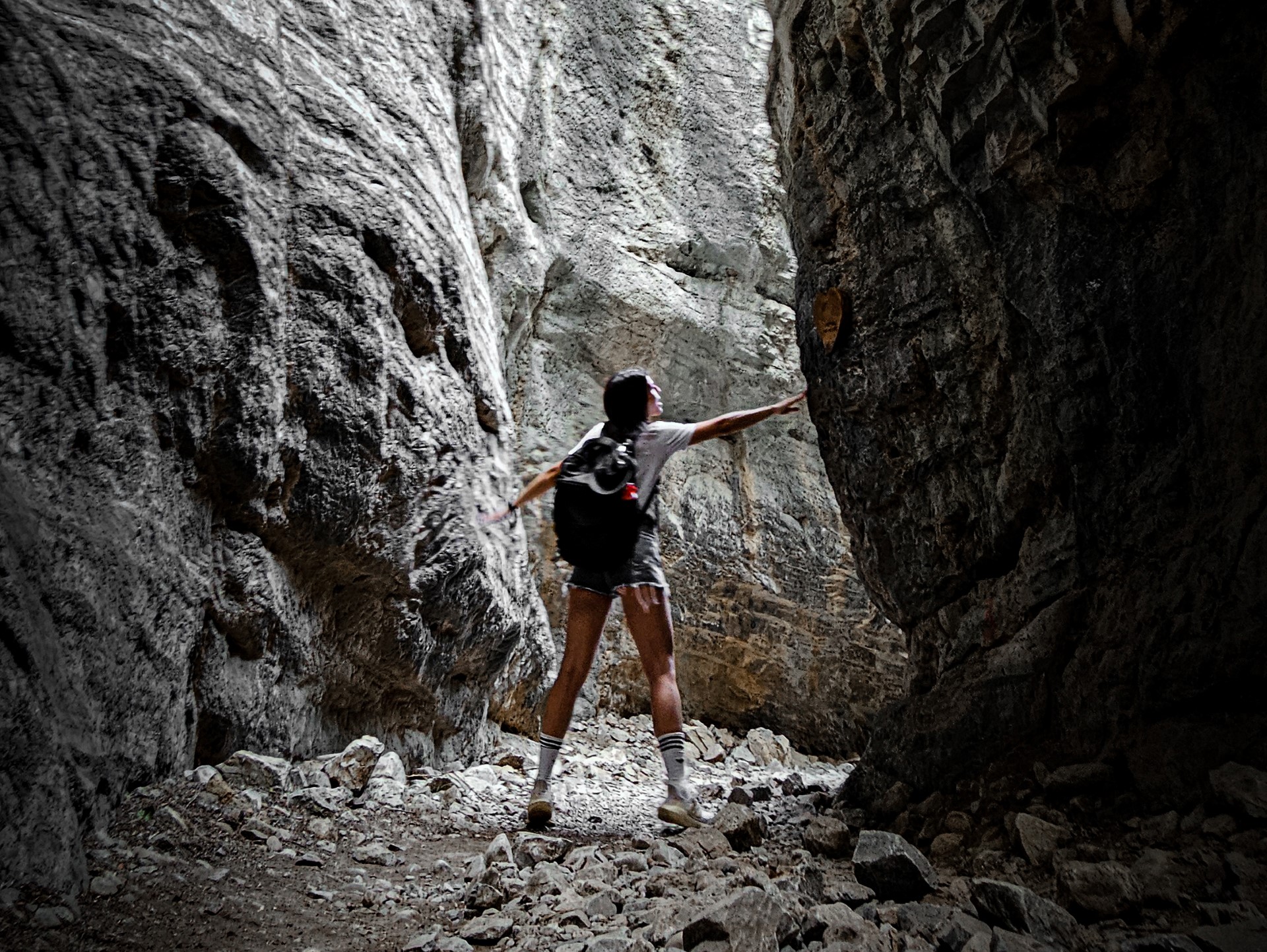
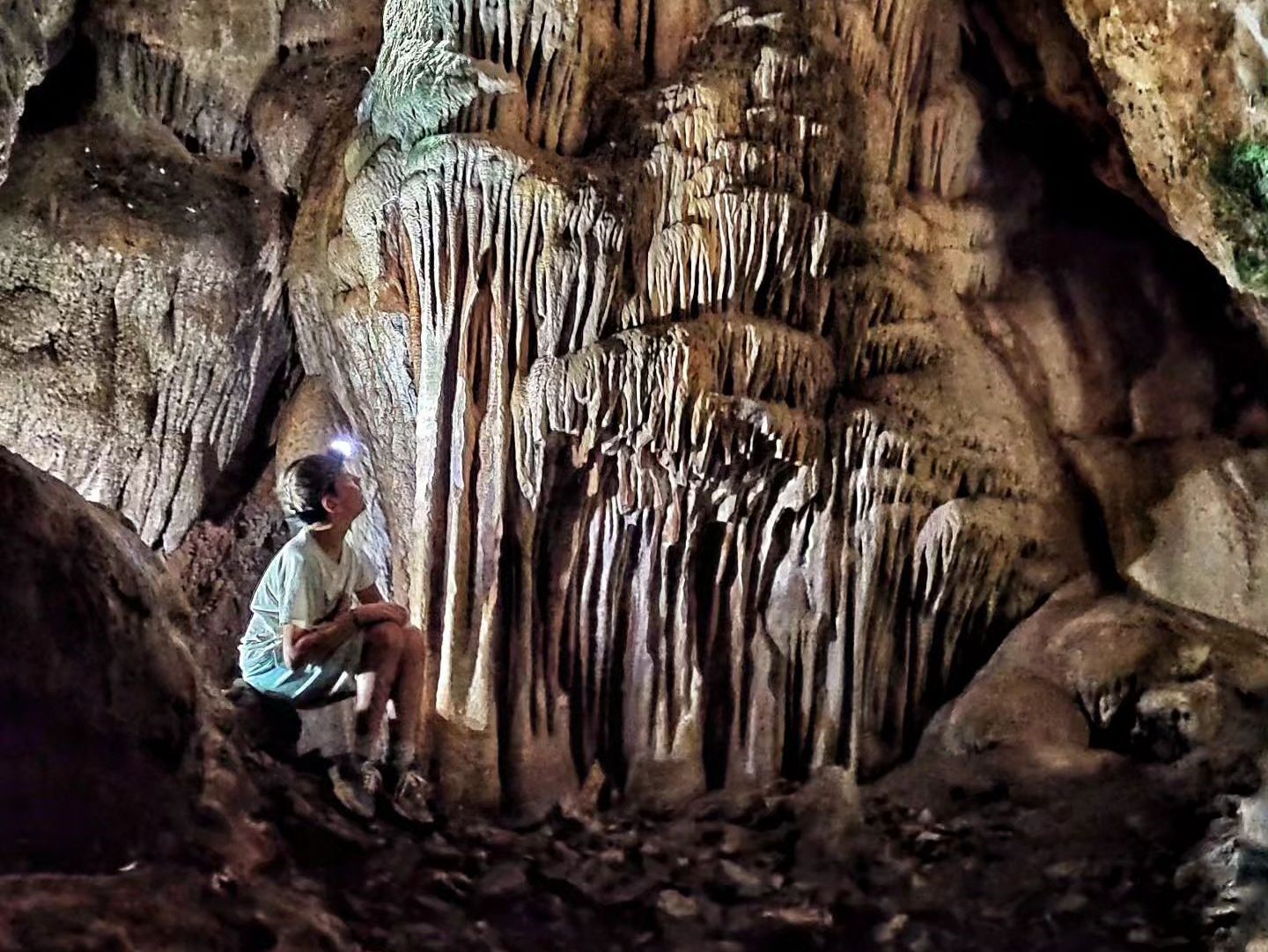
Crete displays an exceptional variety of landscapes, shaped by its geological history, rugged relief and the different climatic conditions found across the island. High mountains, plateaus and plains, deep gorges and numerous caves alternate with valleys, rivers, lakes and wetlands, sand dunes and rocky or sandy coasts.
The great differences in elevation and the variety of rock formations have helped create many distinct ecosystems. Phrygana and scrublands, forests of pine, cypress, kermes oak and other oaks, mountain meadows and bare high-altitude landscapes coexist with cultivated land, olive groves and vineyards. The coastal and marine habitats surrounding the island are equally diverse.
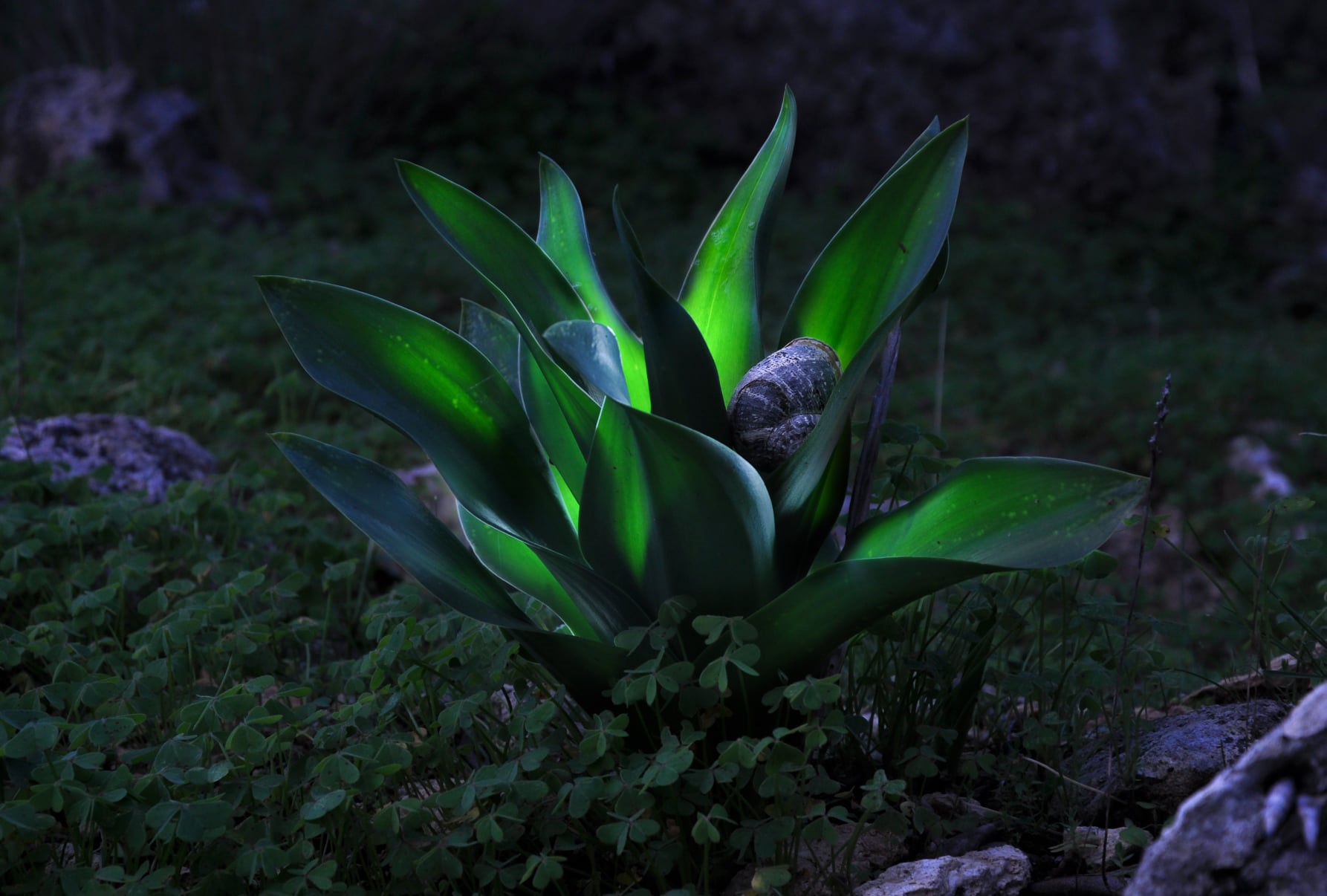
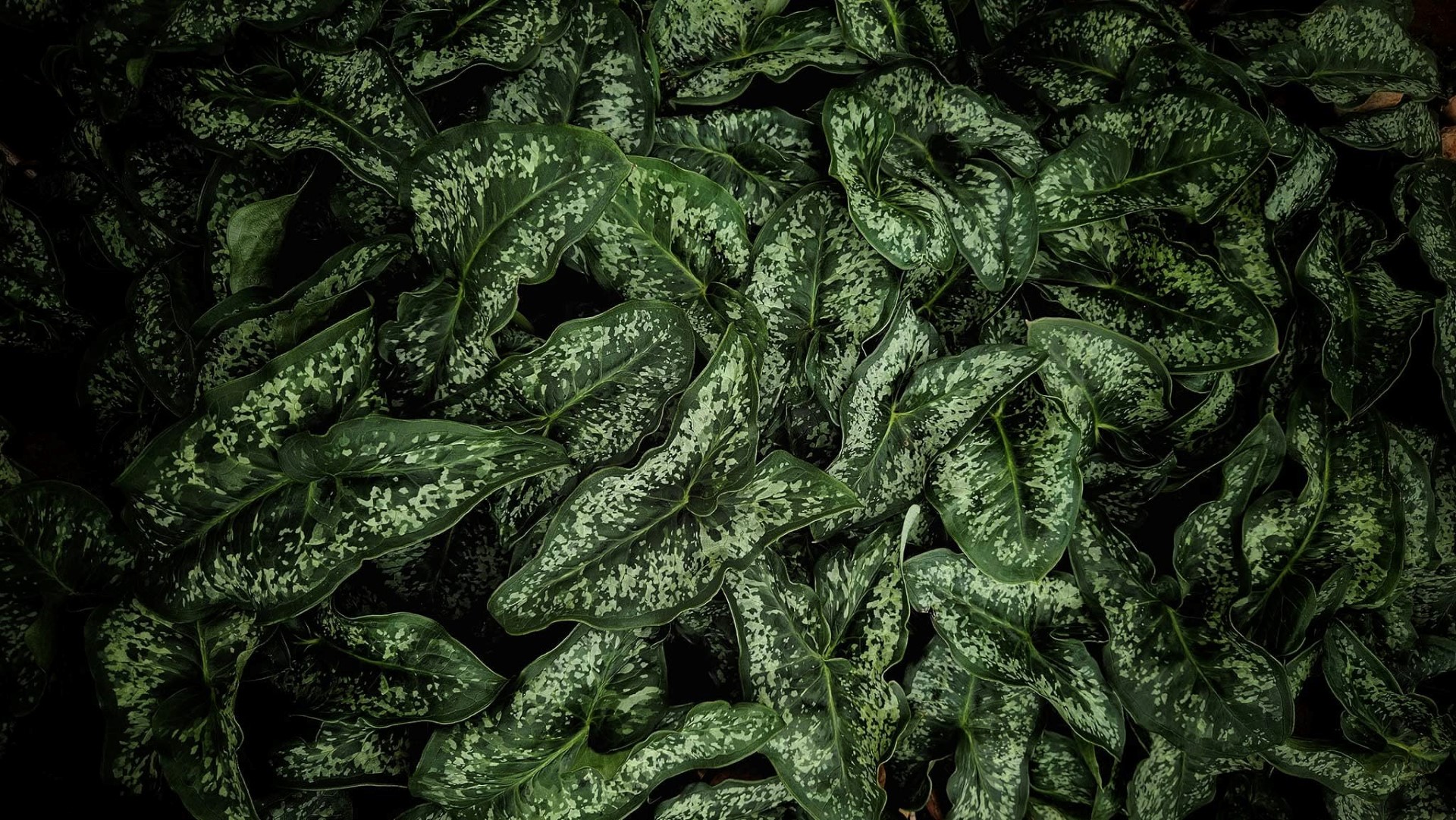
Crete's geographical isolation has favoured the evolution of many endemic plants and animals, several of which occur only in limited areas of the island. Dittany, the Cretan zelkova and the Cretan white-toothed shrew are characteristic examples. The Cretan wild goat, also known as the agrimi or kri-kri, is one of the island's most recognisable animals. Its mountain ranges also support rare birds of prey, including the bearded vulture.
Important areas of the island are included in the Natura 2000 network and other protected natural areas. Among them, the Samaria National Park holds a prominent place. Crete's protected areas encompass mountain, coastal, wetland and marine ecosystems of particular importance for the island's biodiversity.
The international recognition of Crete's natural heritage is also reflected in the UNESCO Biosphere Reserves of Samaria and the Asterousia Mountains, as well as the UNESCO Global Geoparks of Psiloritis and Sitia. These areas highlight the relationship between the natural environment and local communities, promoting research, environmental education and sustainable development.
Beaches
Gorges
Caves
Fauna
Flora
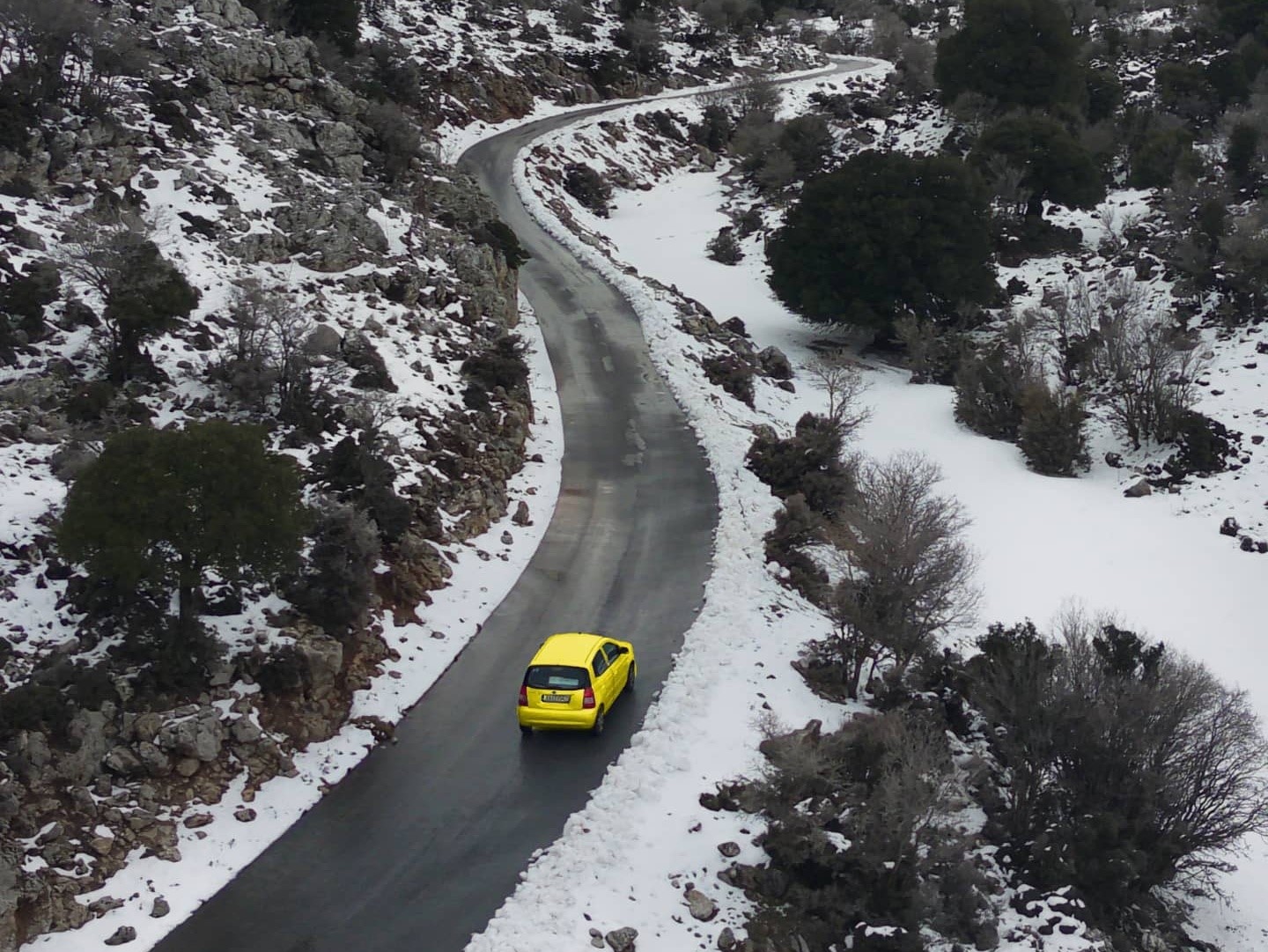
Mountains
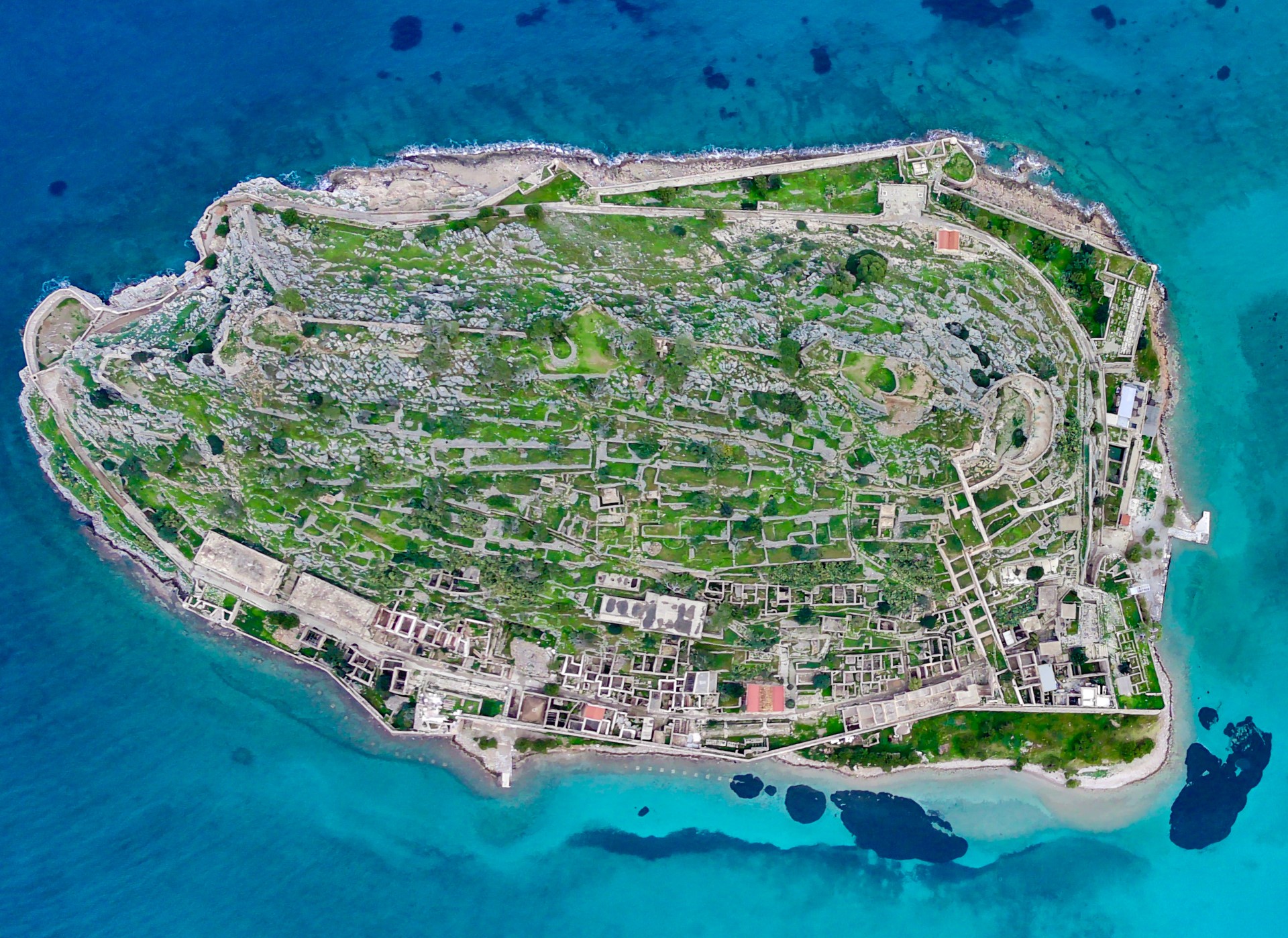
Islets
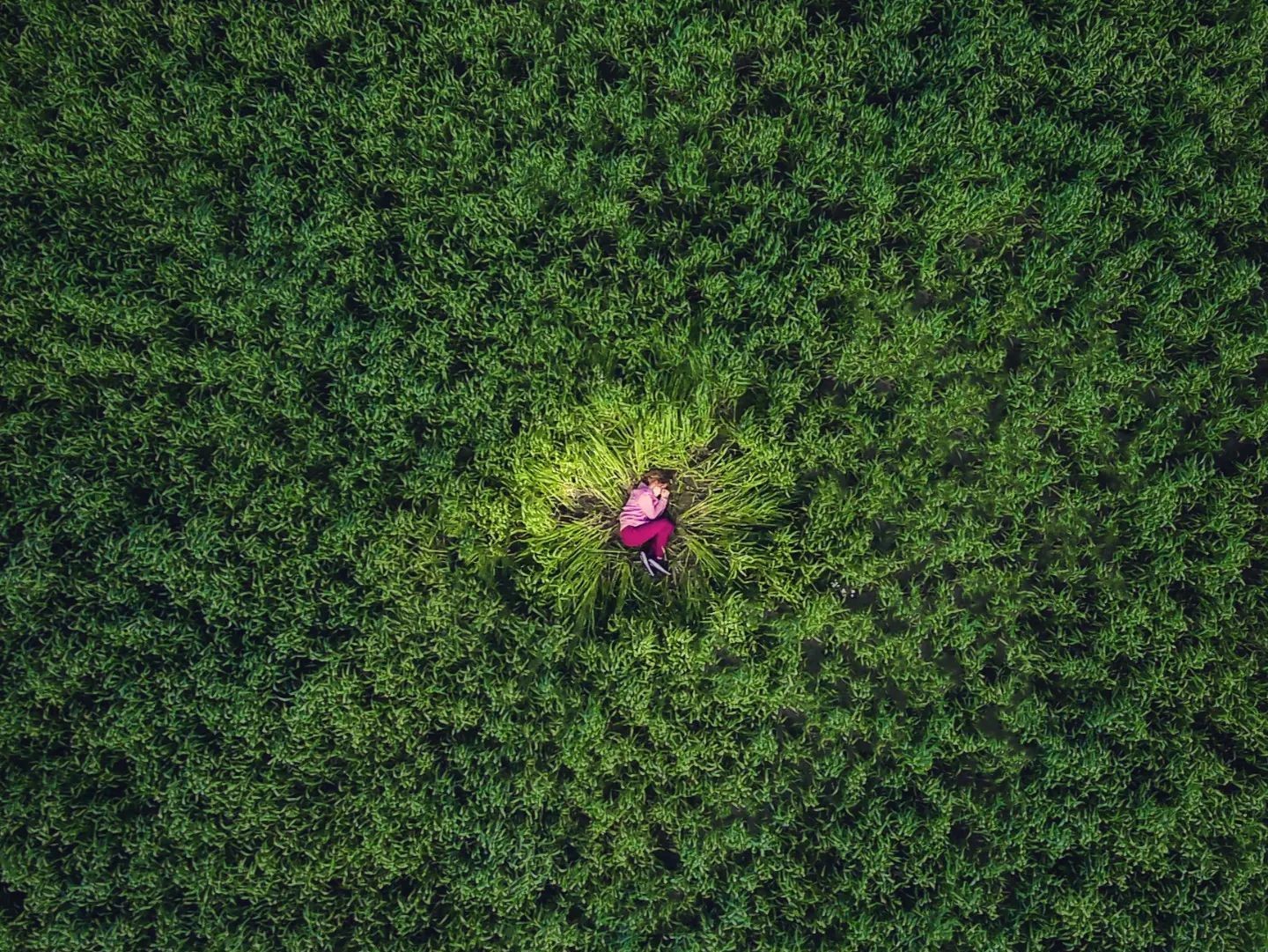
Plateaus and Plains
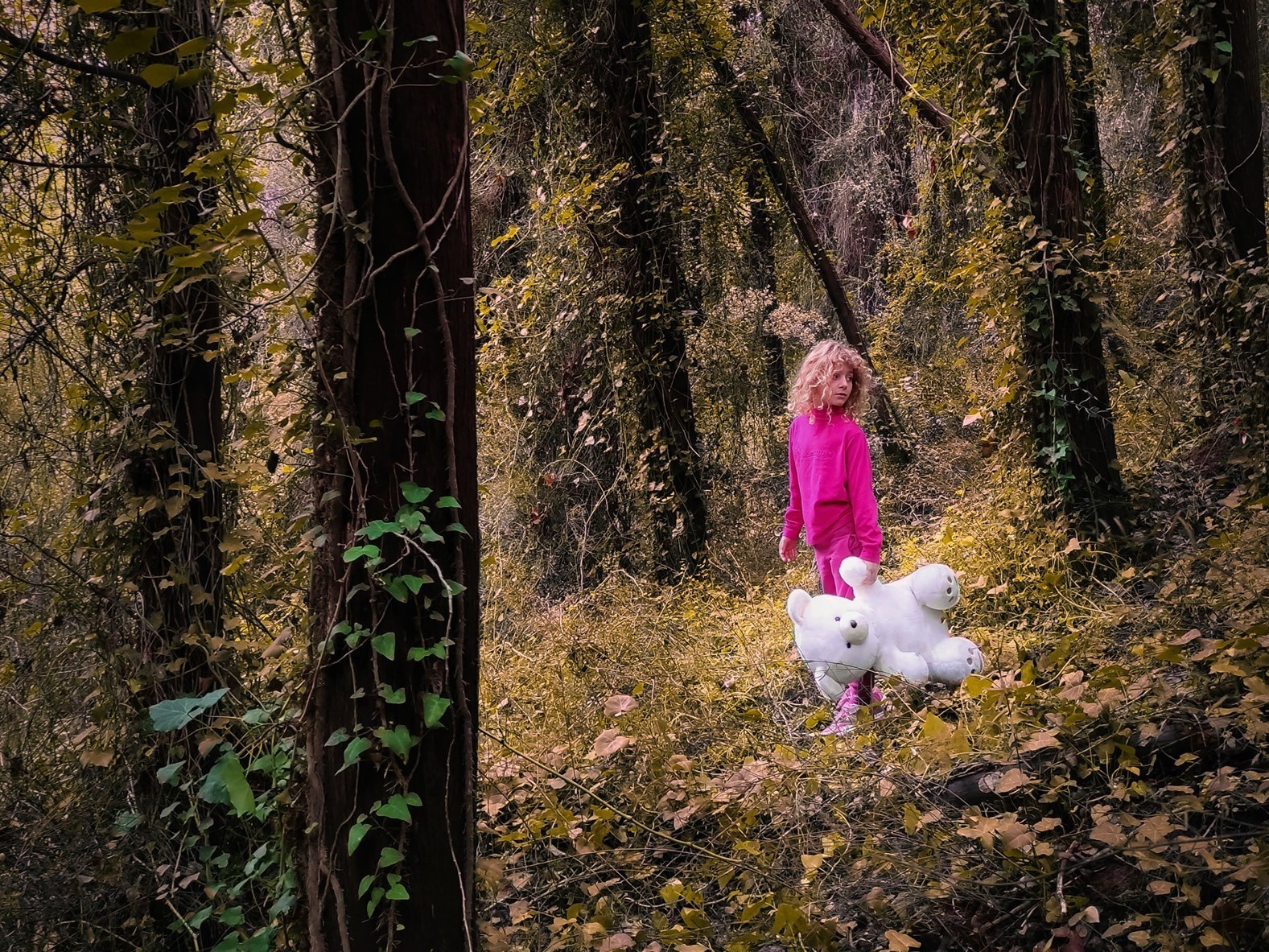
Woods
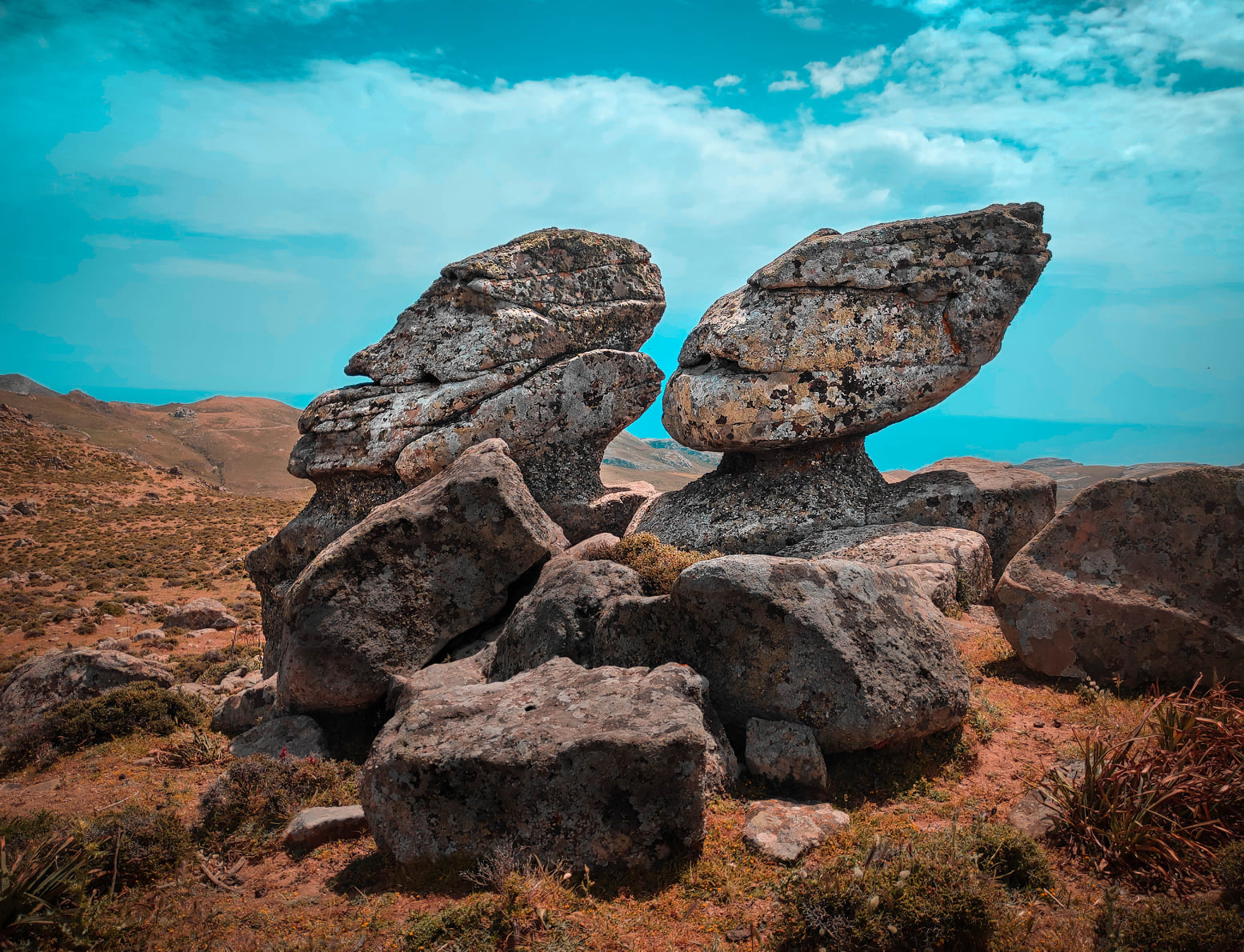
Geological Formations

Lakes
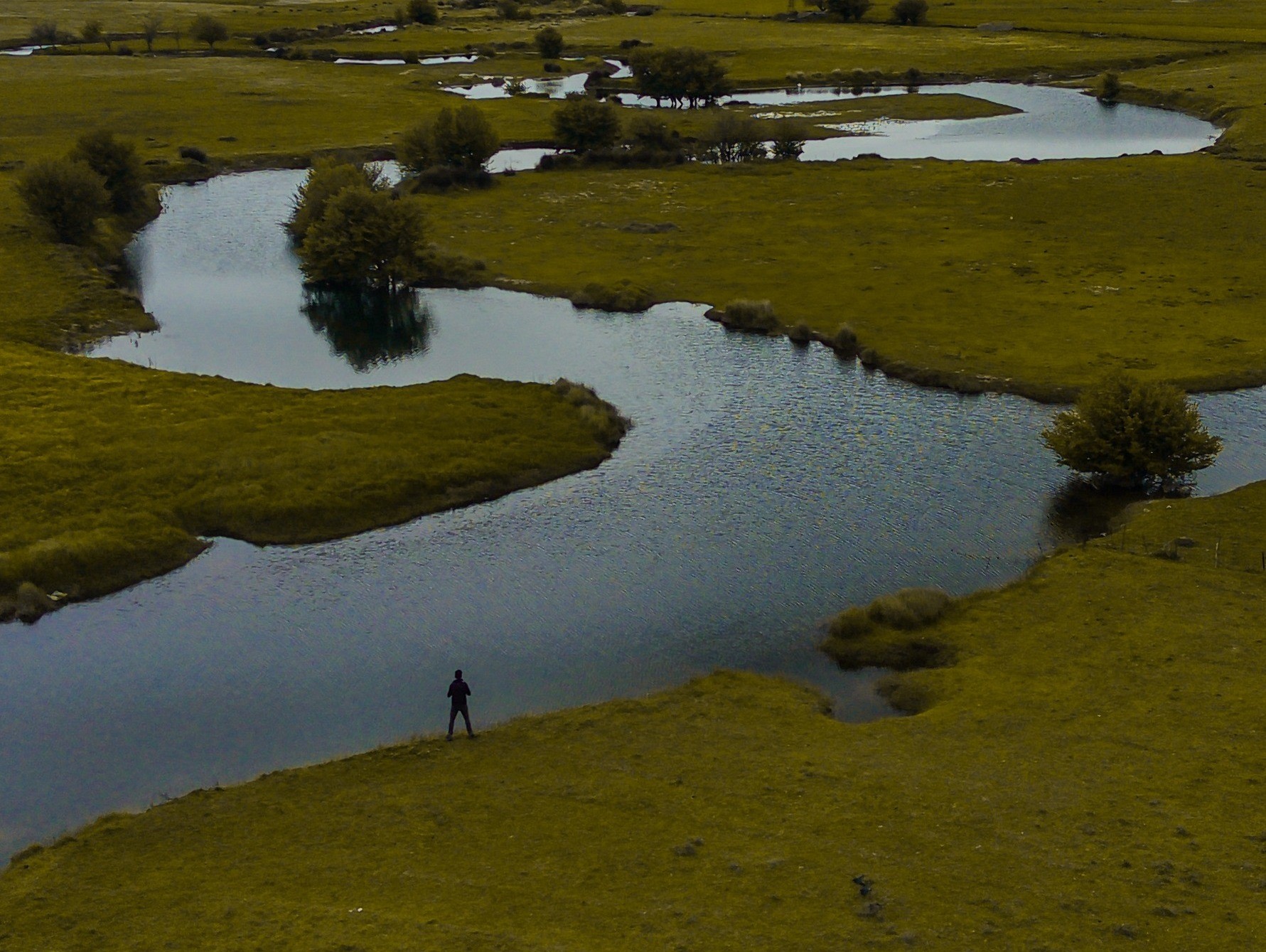
Rivers

Waterfalls