








 Venetian Mansion in Moundros
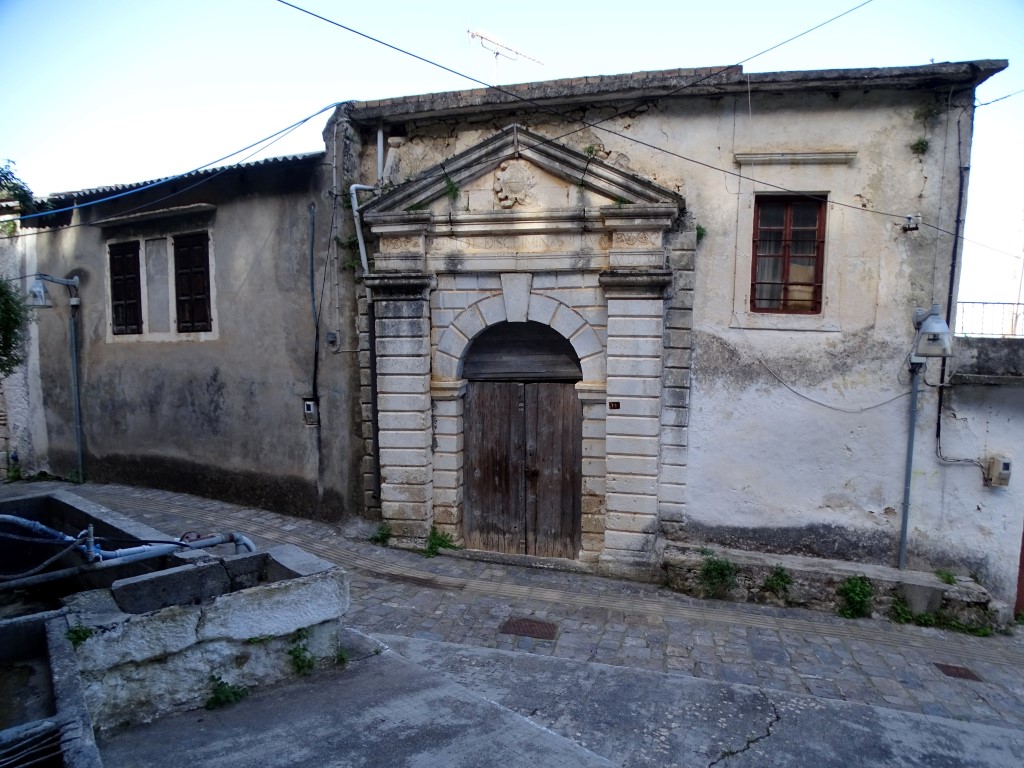
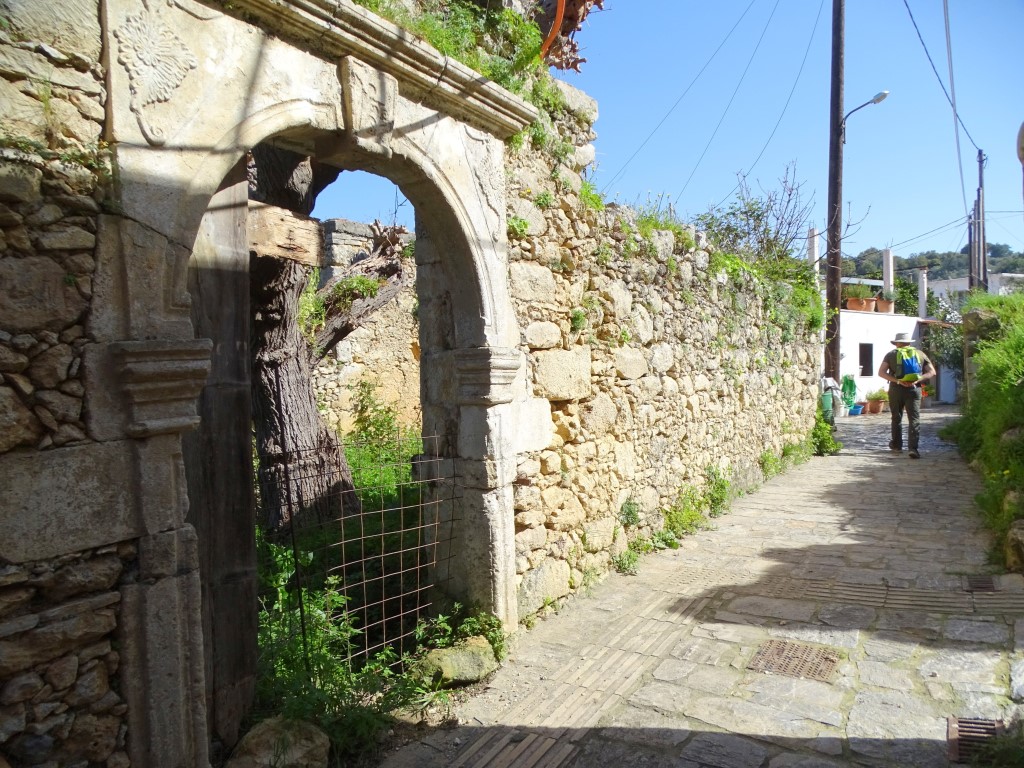
In the historic village of Moundros, in the countryside of Rethymno, stands one of the remarkable Venetian mansions of rural Crete, distinguished by its imposing Renaissance entrance. The mansion is located in the southern part of the village, opposite the old Pano Vrisi fountain, and its monumental doorway bears the date 1611, reflecting the influence of Renaissance architecture on Crete during Venetian rule.
The most impressive feature of the mansion is its monumental entrance, consisting of a semicircular arch built with large, finely carved stone blocks and crowned by a triangular pediment bearing a coat of arms. The Latin inscription PER TOT DISCRIMINA RERUM, taken from Virgil's Aeneid, is preserved above the entrance and translates approximately as "Through so many dangers and hardships". The inscription is accompanied by the date 1611 in Roman numerals.
Directly opposite the mansion's monumental entrance stands Pano Vrisi (Upper Fountain), an old stone fountain bearing an Ottoman inscription. At its base, several stone basins and traditional washing troughs have survived, once used by villagers for washing clothes and watering animals. Water was also channelled into a cistern for irrigating nearby gardens. The fountain and its washing troughs offer a glimpse into the everyday life of the village and complement the historic setting surrounding the Venetian mansion.
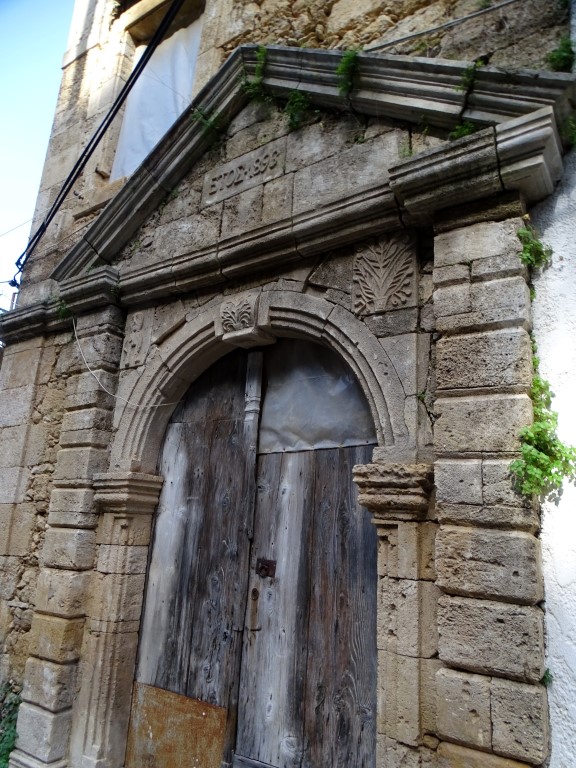
The architectural design of the doorway bears striking similarities to that of Villa Clodio in Pikris, also in the Rethymno region, which dates to 1610. The similarities in their structure and decoration have led researchers to suggest that both entrances may have been created by the same craftsman or workshop. They are characteristic examples of the influence of the Italian Renaissance and Mannerism on architecture in Venetian-ruled Crete.
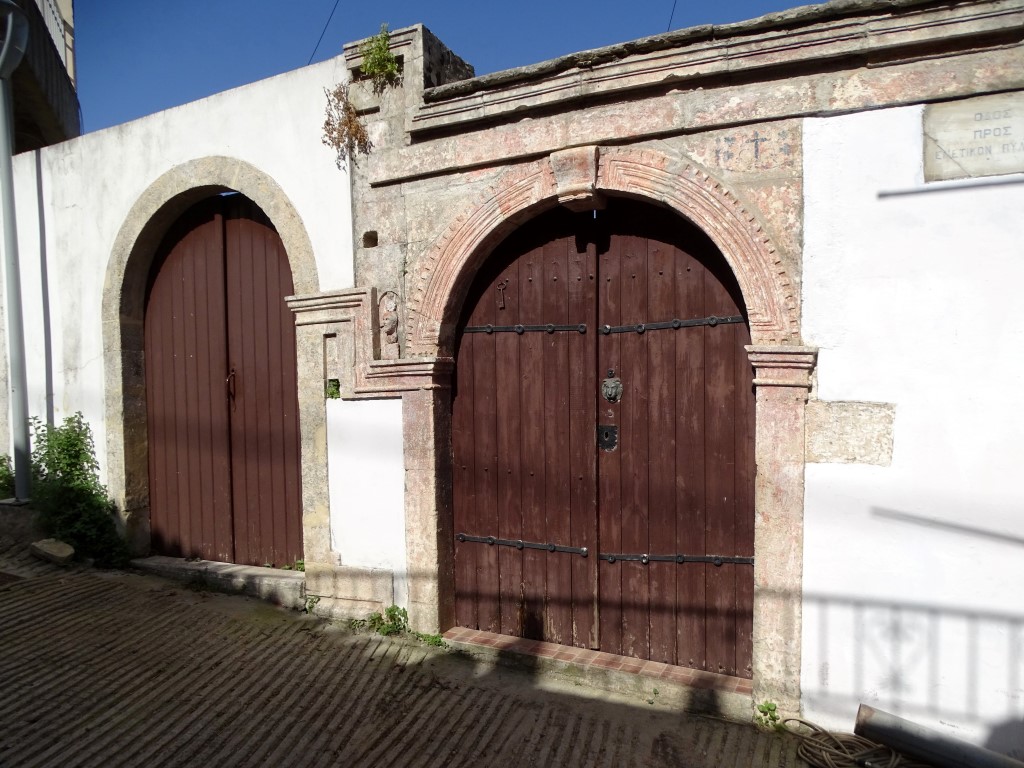
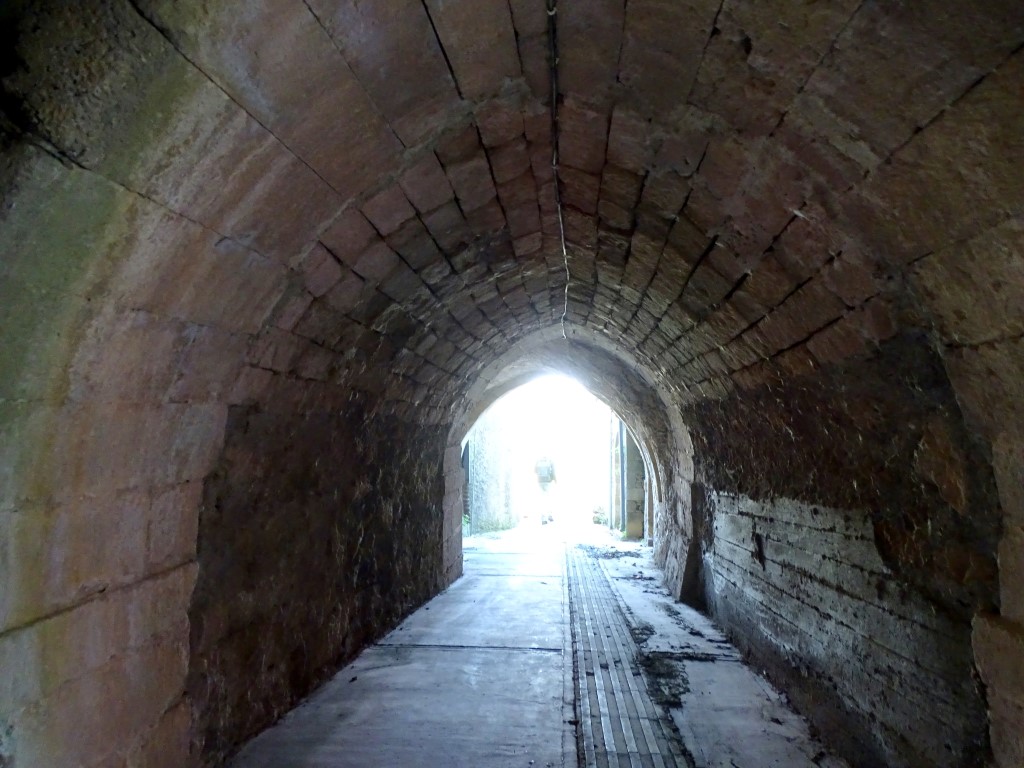
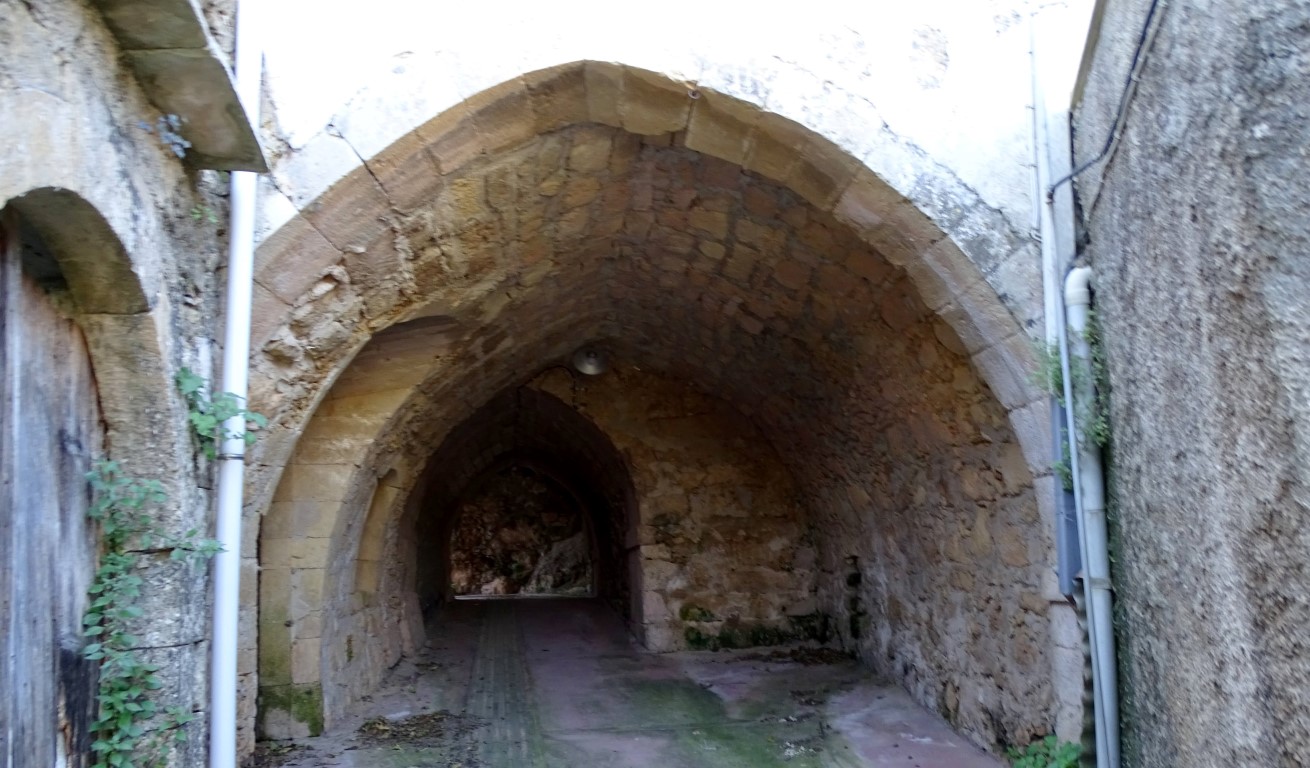
The village of Moundros preserves remarkable elements of its historic architectural character, including old stone mansions, vaulted passageways and several elaborately carved doorways dating from the Venetian period or later centuries. Among its notable landmarks are the old Upper and Lower Fountains, as well as the churches of Agioi Anargyroi (Holy Unmercenaries), the Virgin Mary and Saint Nicholas. According to local tradition, some of the village's historic buildings once served as courthouses and prisons.
The Venetian mansion of Moundros, together with the village's other historic buildings, bears witness to the architectural flourishing of the area during Venetian rule. Its monumental doorway of 1611 remains a remarkable example of Renaissance stone carving in rural Crete and one of the most interesting sights in this picturesque village.
 Stay nearby
Nearby places of interest
Straight-line distances
 0.9 km
Moundros Gorge (Kollita)
15.893
 1.1 km
Profitis Ilias Monastery at Roustika
11.452
 1.3 km
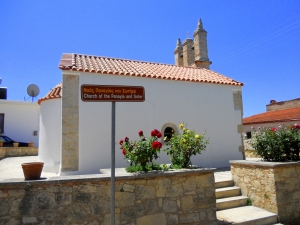
Panagia Church at Roustika
5.887
 1.5 km
Nissi Settlement near Moundros
6.189
 1.5 km
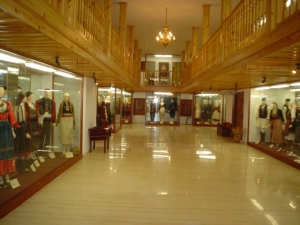
Roustika Melathron
6.110
 1.6 km
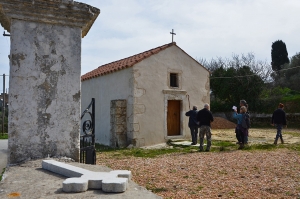
Panagia church at Saitoures
3.270
 2.1 km
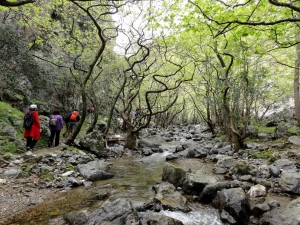
Vilandredo Gorge (Kollita)
11.431
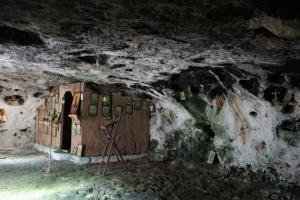 2.4 km
Church of Saint Anthony at Roustika
4.061
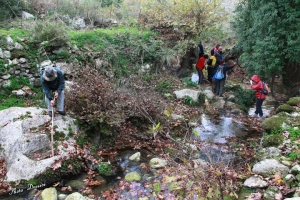 2.4 km
Trail E4 Agios Konstantinos - Kaloniktis - Armeni
4.745
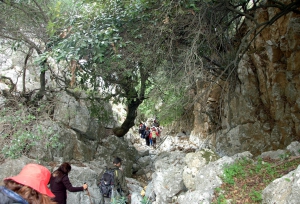 2.5 km
Karantale Gorge
7.289
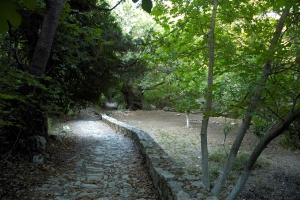 2.9 km
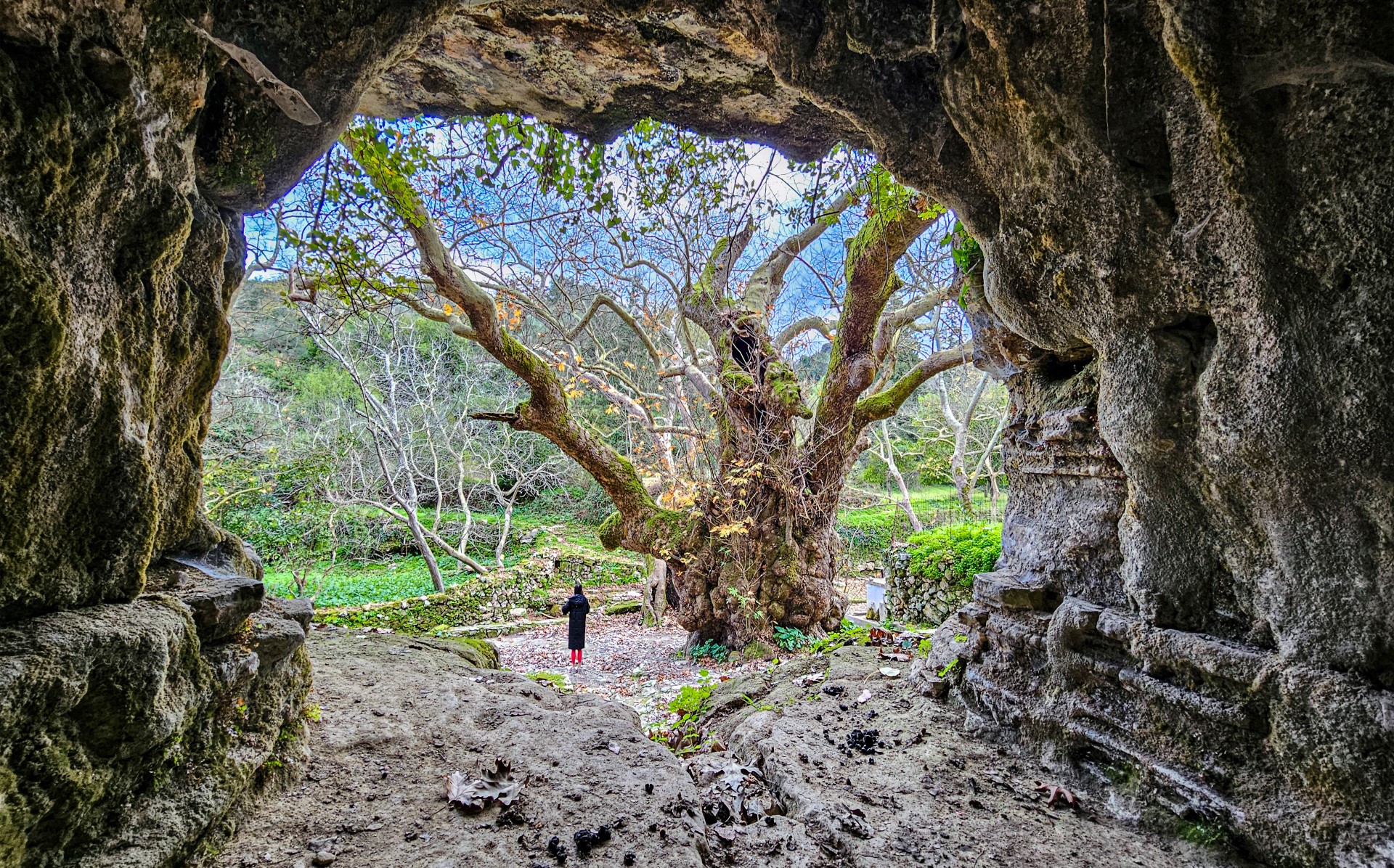
Pente Parthenes Plane tree
8.387
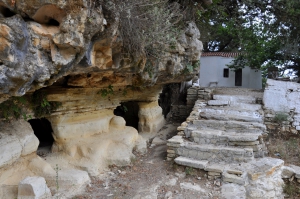 2.9 km
Ancient Lappa
21.320
 3.1 km
Argyroupoli village
11.288
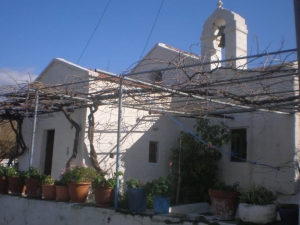 3.2 km
Church of Panagia Barotsiani in Argyroupoli
3.322
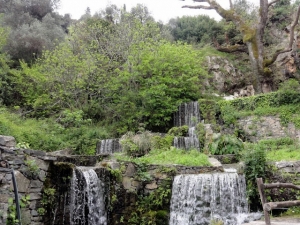 3.2 km
Trail Kallikratis - Asi Gonia - Argyroupolis
8.000
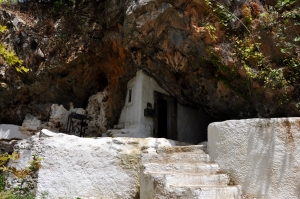 3.4 km
Cave of Agia Dynami at Argyroupolis
8.890
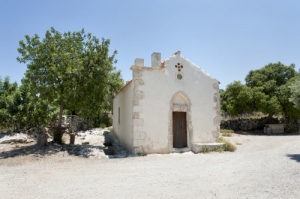 3.4 km
Church of Saint George in Artos
2.645
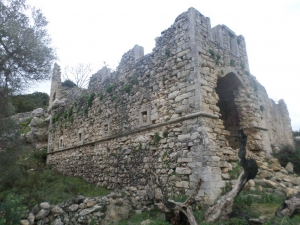 3.8 km
Syngelos Tower at Kaloniktis
4.277
Additional Info
- Location: Rethymnon Prefecture
- Type: Fortress / Tower
- Peak Period: Venetian Era (1204 AD - 1669 AD)


