








 Villa Clodio in Pikris
In the historic village of Pikris, near the Arkadiotis River in the Rethymno region, stand the ruins of Villa Clodio, one of the most remarkable Venetian mansions in the Cretan countryside. The imposing residence is associated with the family of the Venetian nobleman Georgius Clodius and dates back to the early 17th century, as indicated by the inscription bearing the year 1610 on its impressive Renaissance entrance. Despite the extensive damage it has suffered over the centuries, the mansion remains one of the most significant architectural monuments in the Rethymno area.
The Clodio family was among the wealthy families of Venetian-ruled Crete and owned a residence in the old town of Rethymno, as well as country mansions in Pikris and Chromonastiri. Villa Clodio in Pikris served as a rural residence and reflected the economic prosperity and social status of Venetian landowners. The village itself appears as Picri in Venetian censuses of the 16th century and still preserves remarkable architectural remains from that period.
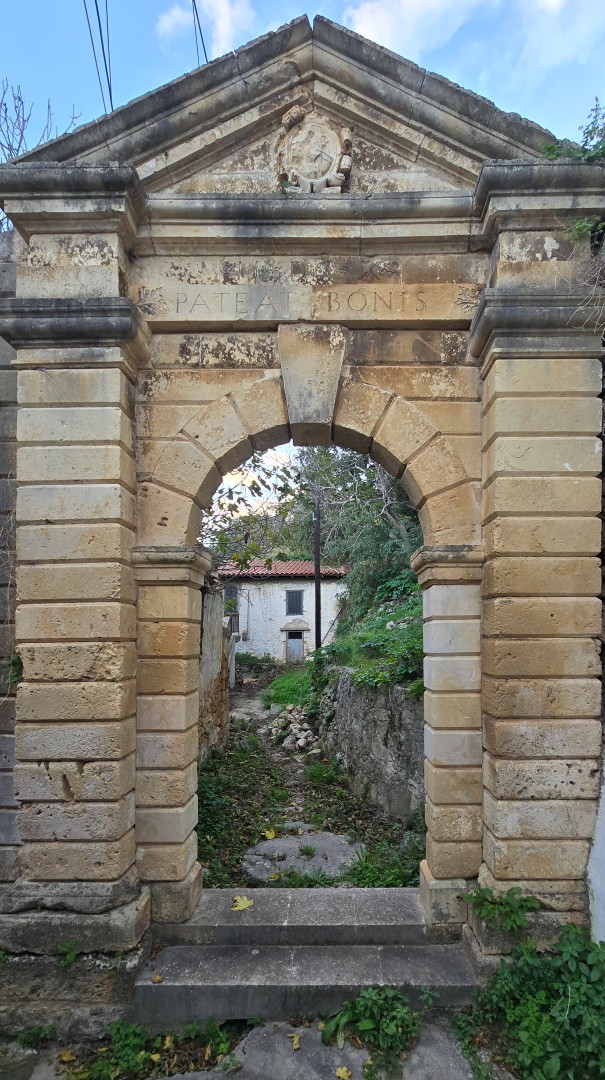
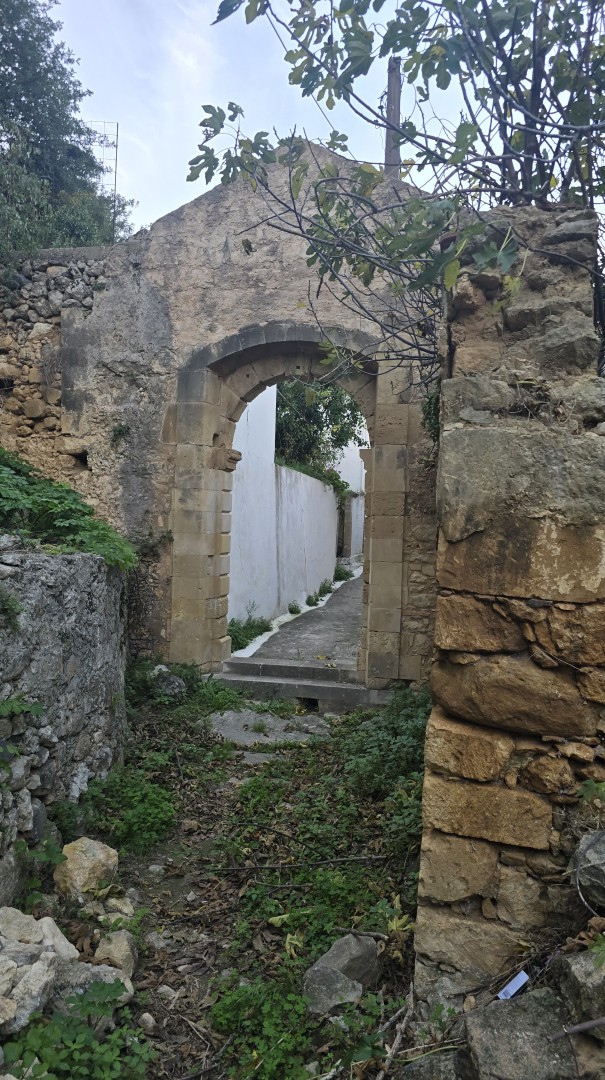
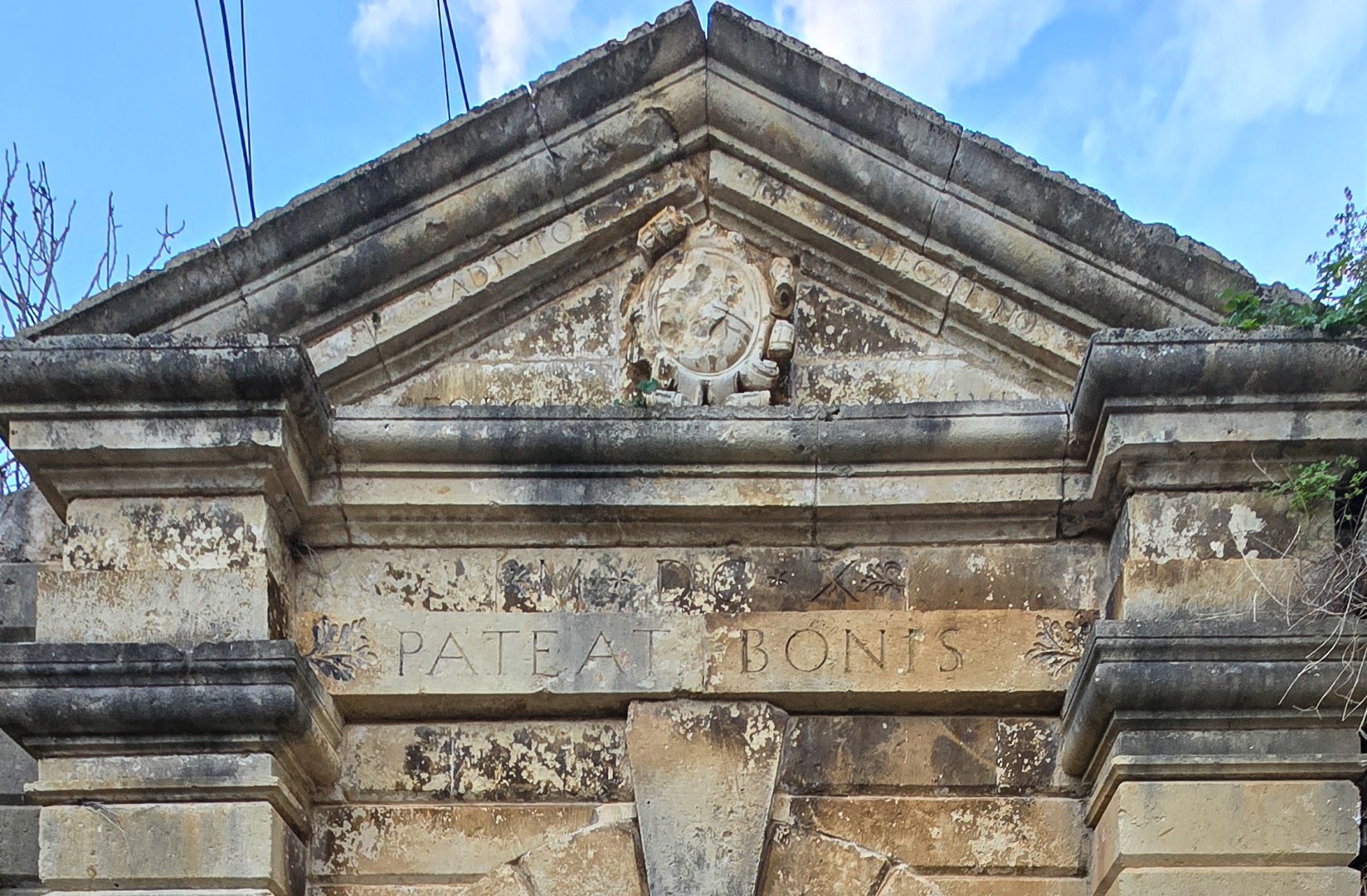
The most impressive surviving feature of the mansion is its monumental Renaissance entrance, consisting of a semicircular arch supported by finely carved stone pillars and crowned by a triangular pediment bearing the family's coat of arms. The Latin inscriptions include the name Georgius Clodius, the date 1610 and an invocation of divine protection. Particularly striking is the inscription PATEAT BONIS, meaning "May it be open to good people", which can still be clearly seen above the entrance. The phrase reflects the hospitality and prestige that the owner wished to associate with his residence.
The architectural design of the entrance bears remarkable similarities to another Venetian doorway in the village of Moundros, also in the Rethymno region, which dates to 1611. These similarities have led researchers to suggest that the two entrances may have been designed by the same architect or produced by the same workshop. Their elaborate decoration reflects the influence of the Italian Renaissance and Mannerism on Cretan architecture during Venetian rule.
In the early 20th century, the Italian archaeologist Giuseppe Gerola visited Pikris and documented the mansion, photographing its impressive entrance. His descriptions mention vaulted rooms, carved stone architectural elements and later modifications dating mainly from the Ottoman period, which had already altered the building's original appearance. Over the centuries, the mansion was used for residential and agricultural purposes, while successive alterations and gradual abandonment contributed to its deterioration.
Despite its considerable historical and architectural importance, Villa Clodio did not receive the protection necessary for its preservation. In 2010, an event was held in Pikris to commemorate the 400th anniversary of the mansion, during which the urgent need for its restoration was highlighted. However, on 6 December 2013, a large section of the eastern side of the mansion collapsed, together with parts of its old vaulted passageway. The collapse resulted in the irreversible loss of a significant part of this historic Venetian complex.
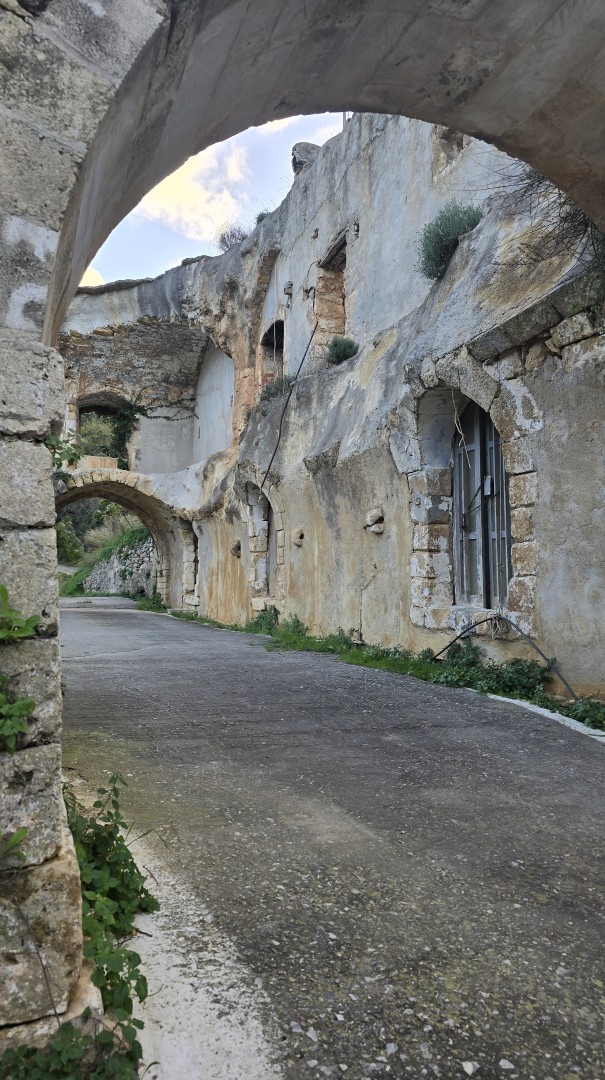
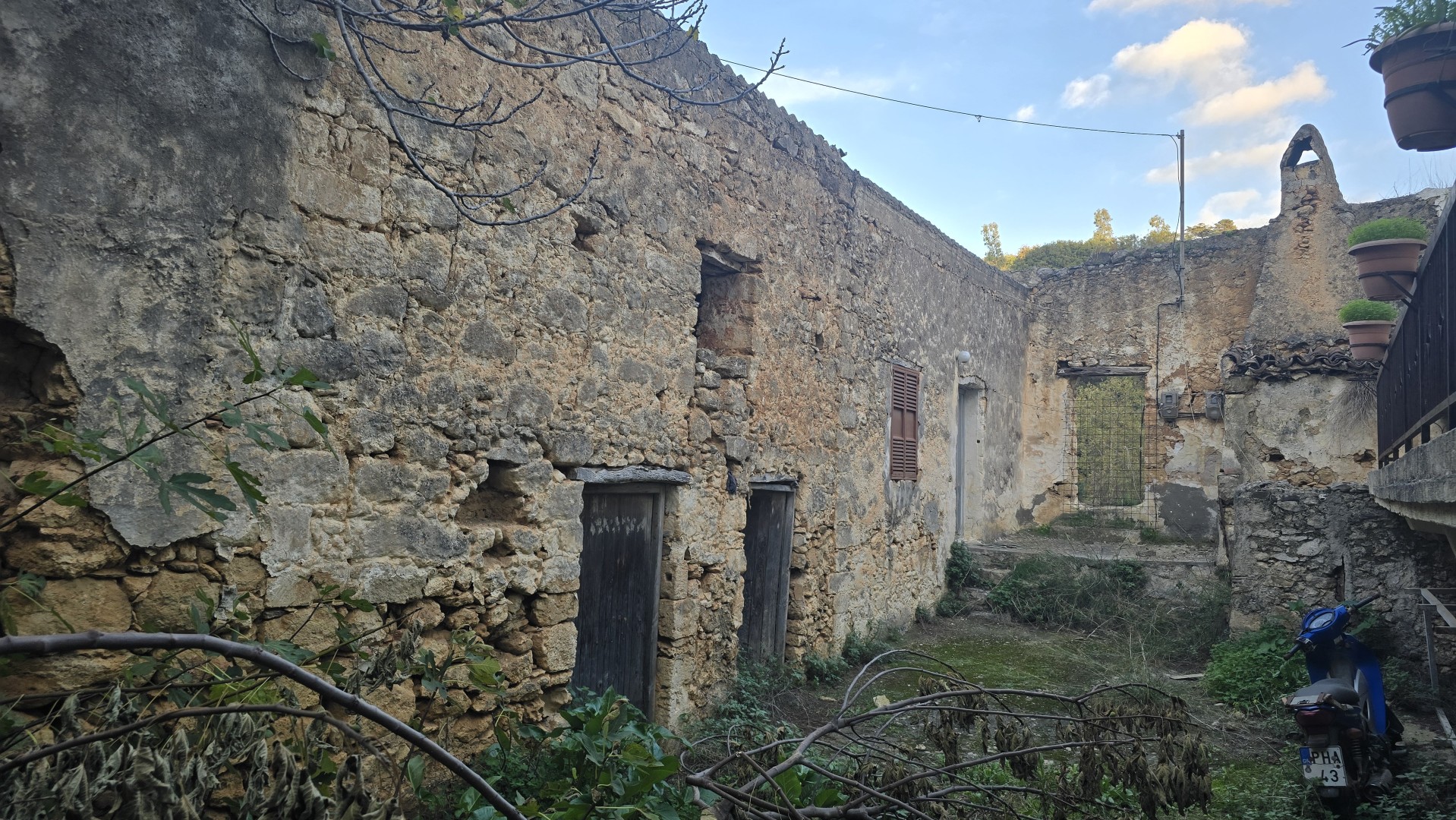
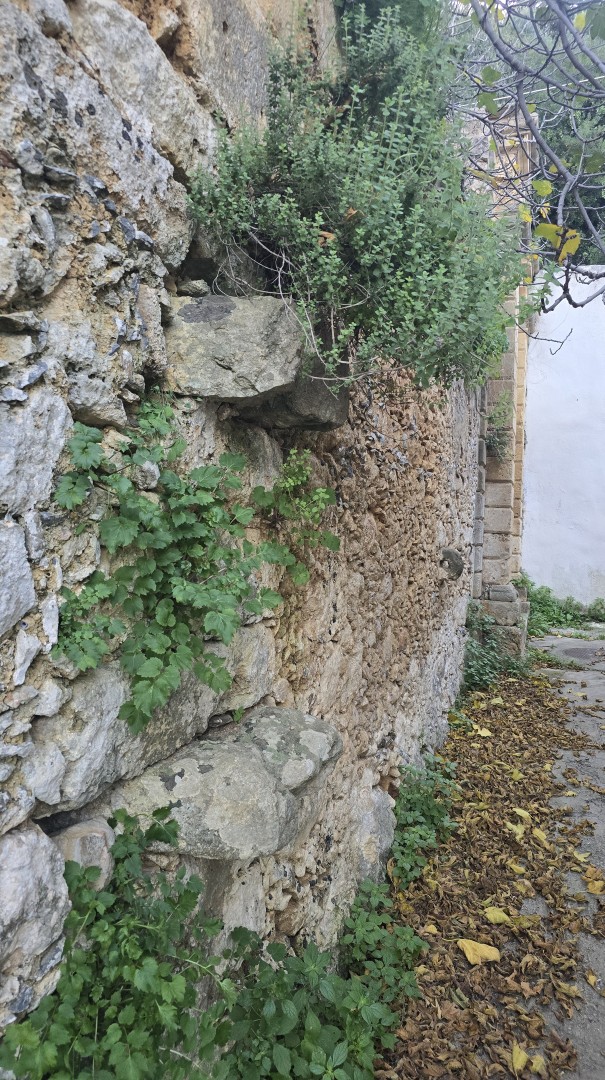
Today, the most important surviving elements include the impressive Renaissance entrance, which has undergone conservation work, sections of the outer walls and the ruins of the former buildings. Inside the complex, visitors can see crumbling masonry, old doorways and remains from different construction periods, partly covered by dense vegetation. The ruined interior stands in striking contrast to the grandeur of the monumental entrance, which continues to recall the mansion's former splendour.
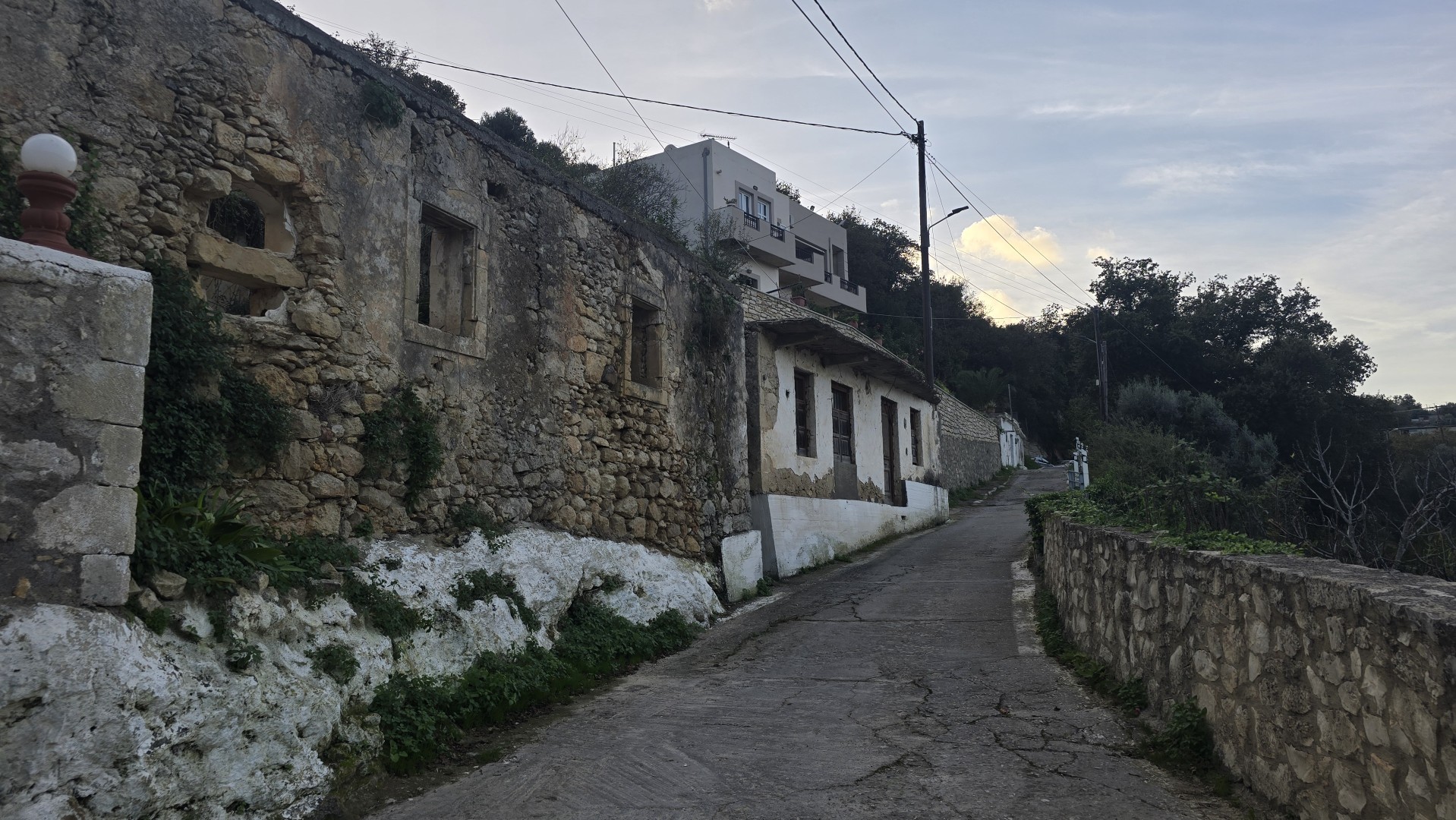
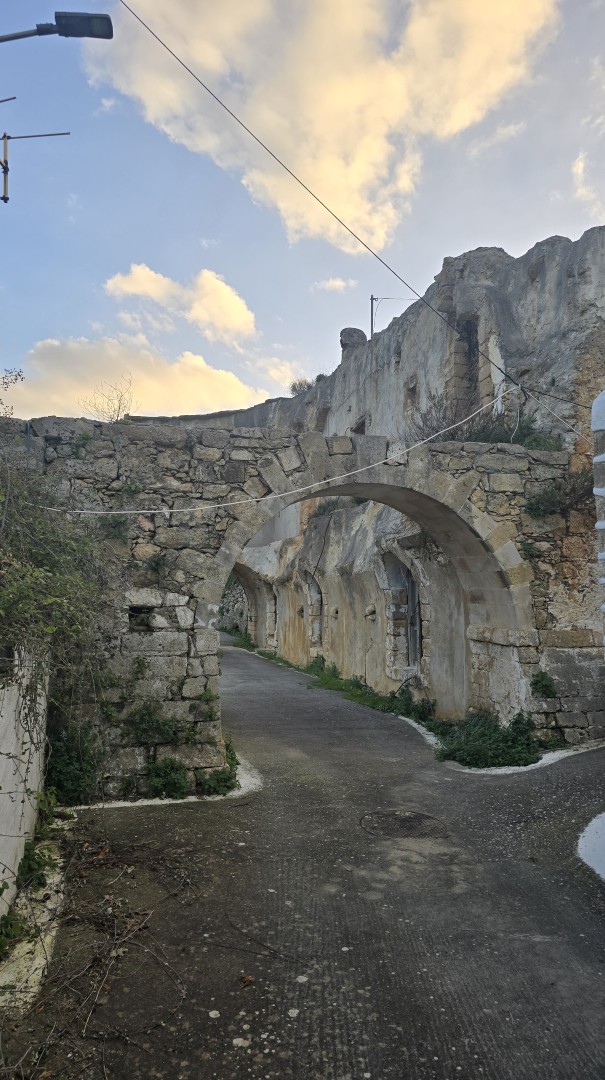
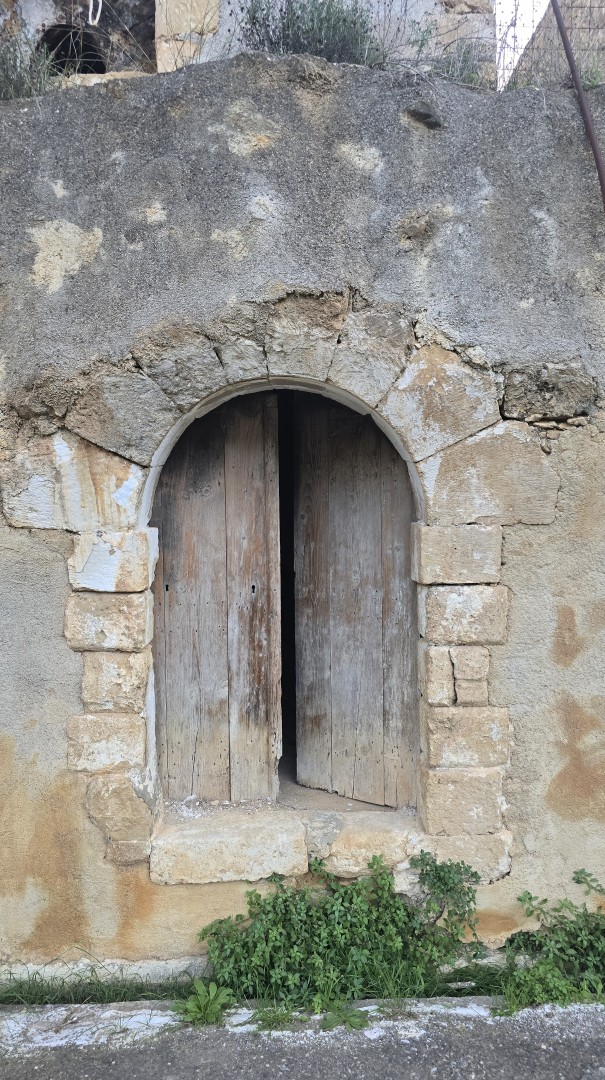
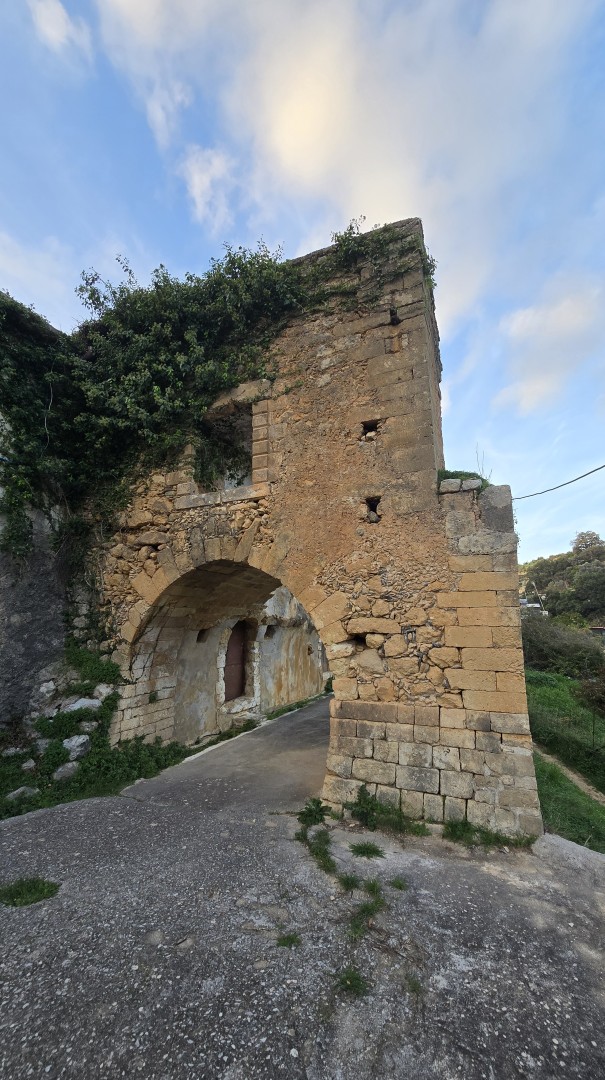
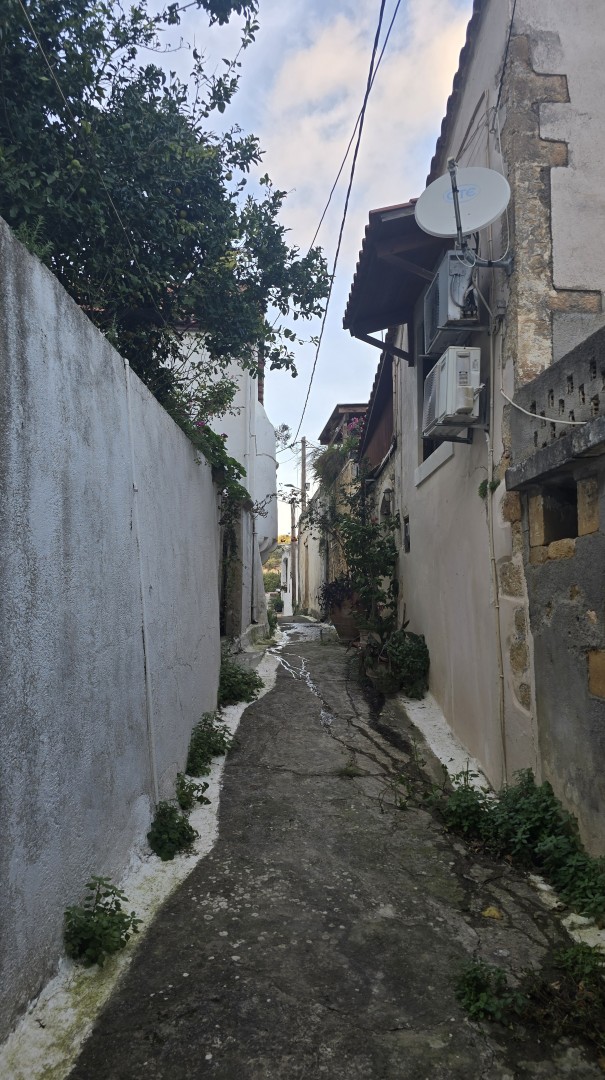
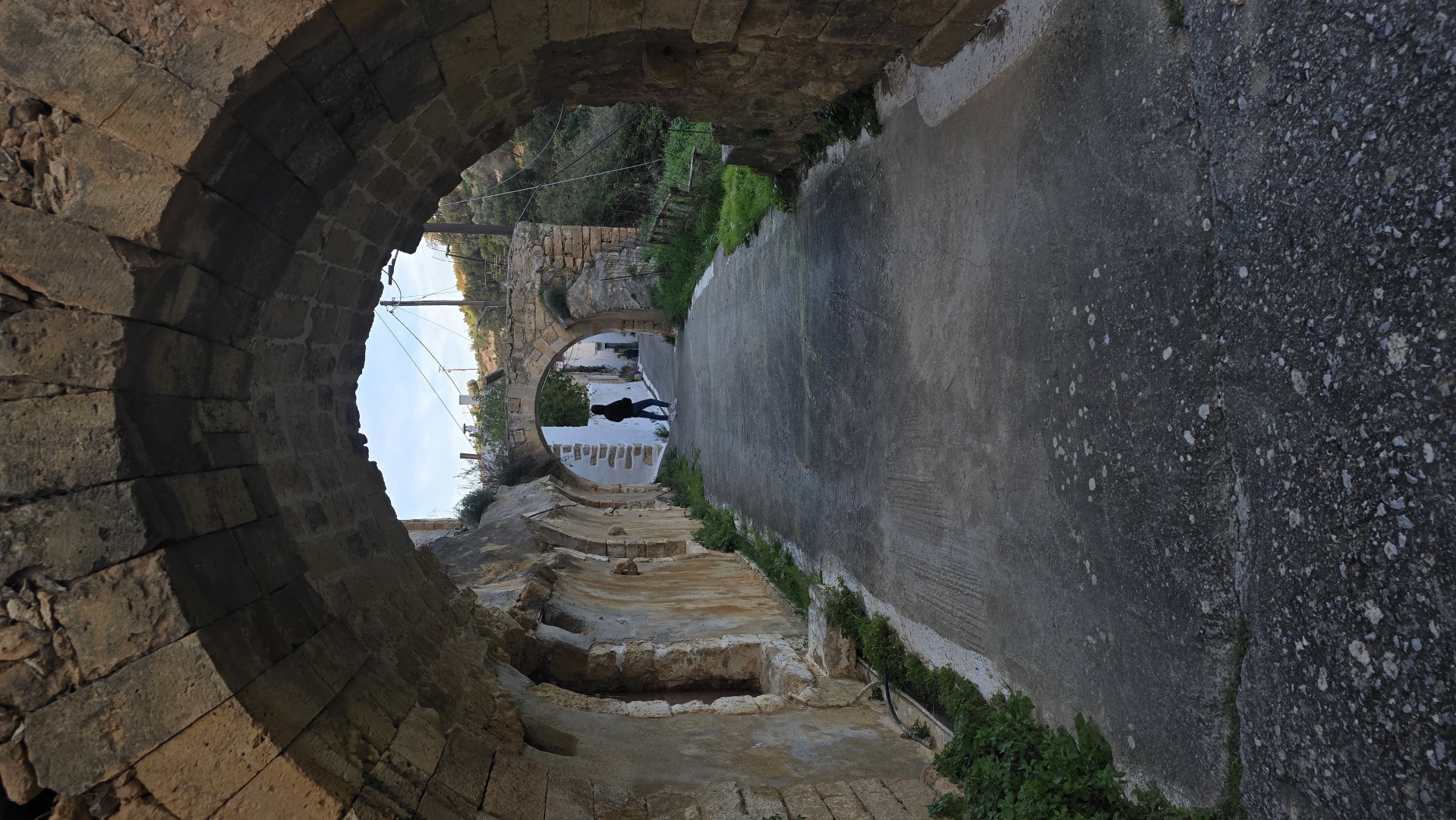
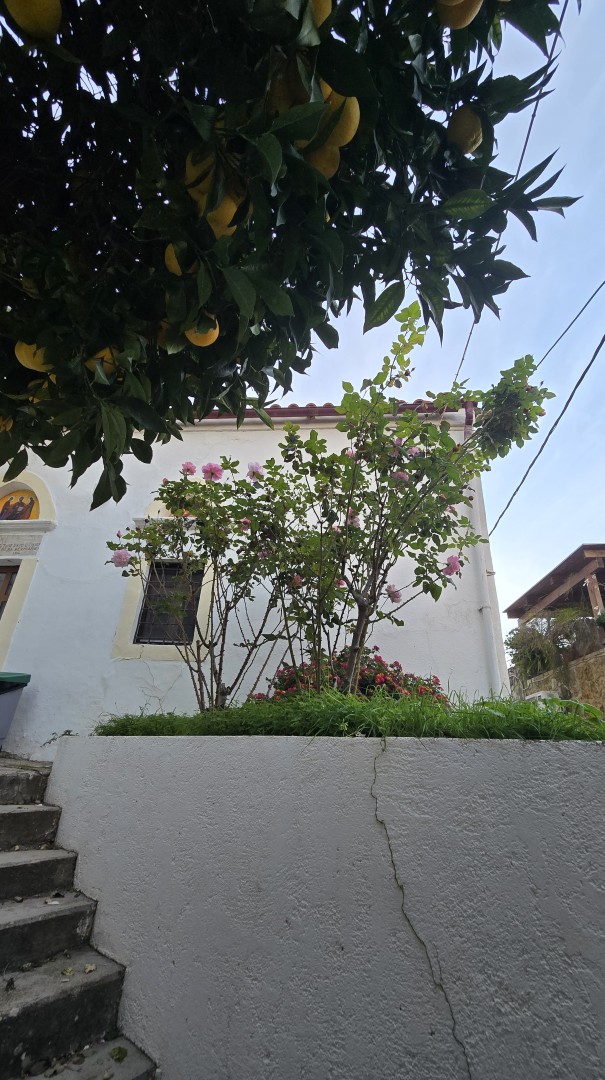
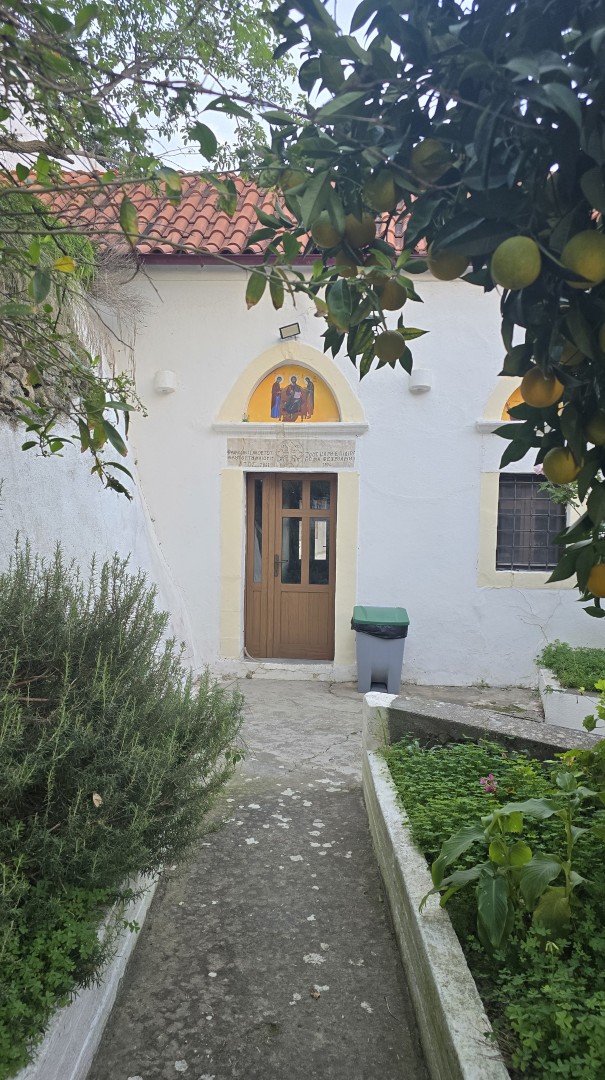
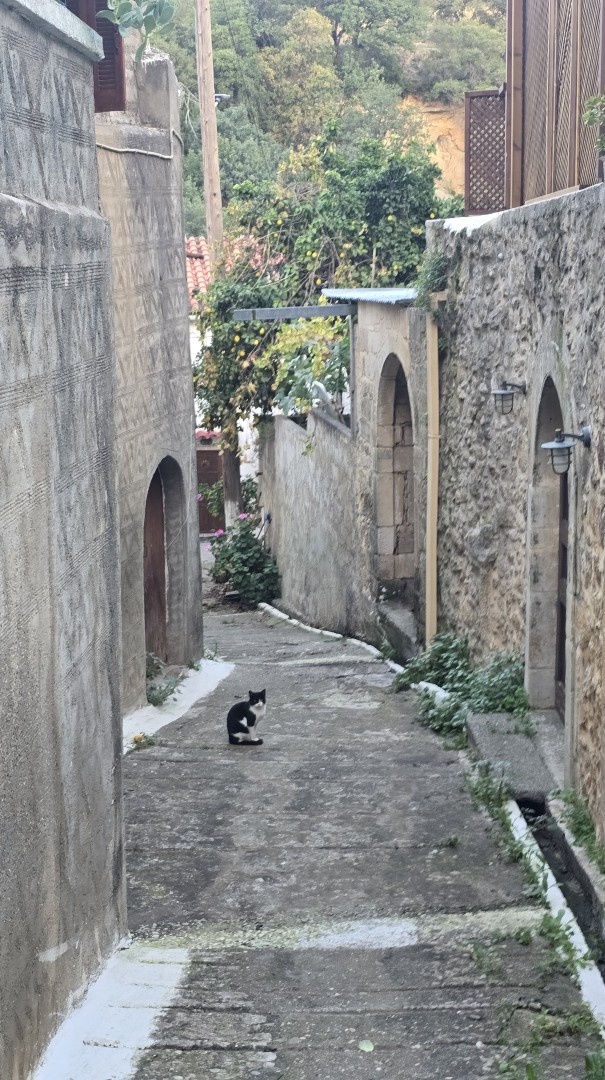
Next to Villa Clodio stands the Church of Agia Paraskevi (Saint Paraskevi), the parish church of Pikris, which celebrates its feast day on 26 July. The proximity of the church to the Venetian mansion creates an interesting historical setting. Visitors should also explore the narrow streets of the old village, where stone arches, vaulted passageways, traditional mansions and elaborately carved doorways preserve much of the settlement's architectural character.
Although largely in ruins today, Villa Clodio in Pikris remains an important testimony to the Venetian presence in Crete and the spread of Renaissance architecture throughout the island's countryside. Its monumental entrance and surviving remains highlight the historical significance of this exceptional building and the importance of preserving Crete's architectural heritage.
 Stay nearby
Nearby places of interest
Straight-line distances
 1.4 km
Church of Panagia at Skouloufia
 1.9 km
Church of Saint John at Erfi
 2.2 km
Church of Panagia at Kyrianna
 2.2 km
Saint Demetrius church at Viran Episkopi
 2.5 km
Panagia monastery at Astirakias
 3.1 km
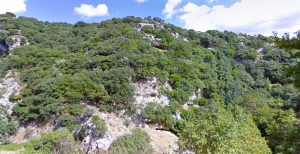
Arkadi Gorge
 3.7 km
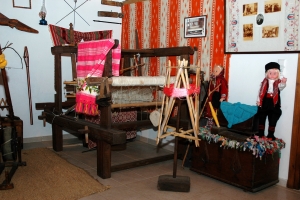
Folklore Museum Polios’s House
 3.8 km
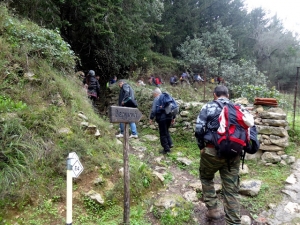
Trail Arkadi - Eleftherna - Margarites
 3.8 km
Arkadi Monastery
 4.1 km
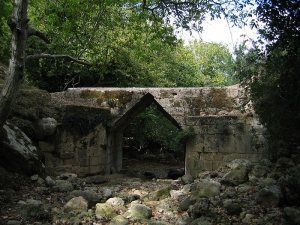
Ancient Bridge of Eleftherna.
 4.5 km
Arsaniou Monastery
 4.6 km
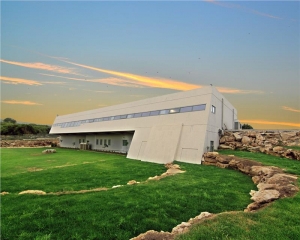
Archaeological Museum of Eleftherna
 4.7 km
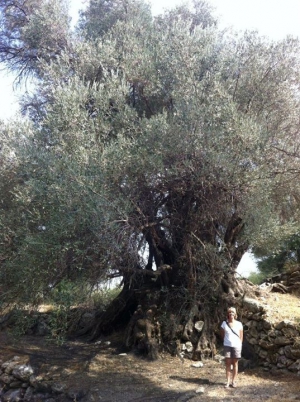
Gre Ele olive tree at Kato Tripodo
 4.8 km
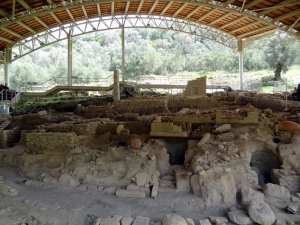
Ancient Eleftherna
 4.8 km
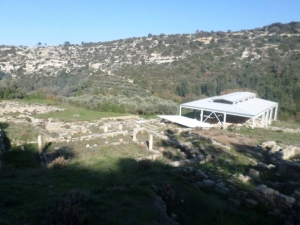
Early Christian Basilica of Eleftherna
 4.8 km
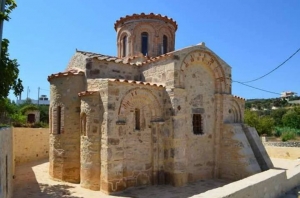
Church of Saint Demetrius in Pigi
 4.9 km
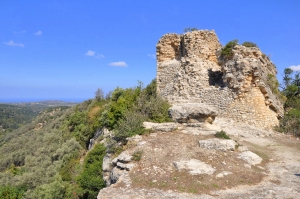
Eleftherna Tower
 5.1 km
Church of the Zoodohos Pigi at Drakonero
Additional Info
- Location: Rethymnon Prefecture
- Type: Fortress / Tower
- Peak Period: Venetian Era (1204 AD - 1669 AD)


