








 Paleokastro Fort at Aptera
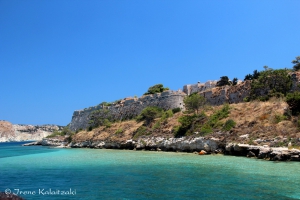
Paleokastro fort was built by the Venetians on the site of the ancient town Aptera, which was aimed to protect the Souda Bay from possible attacks or invasions. The walls, which were oriented from north to south in some places were 1.5m wide, 3m high and was equipped with arched tanks. A wide road connected Palekastro to the sea.
Near the fortress, a small settlement was developed, where the Venetian Generale Giannbatista del Monte planned to move the residents of Chania, after demolishing the fortress, because he considered Chania Castle inappropriate for defense. But that never happened.
When the pirate Barbarossa ravaged the north coast of Crete in 1538, he destroyed Paleokastro and the neighboring settlement. The destruction was completed by Sultan Selim, when he attacked Chania, thus almost nothing remains from the fort today.
Many historical events of the revolution of 1821 are linked to Palekastro. One of them is the following: On September 30, 1822, the Egyptians landed in the gulf of Amfimalla (current Georgioupolis) with 3000 soldiers, and immediately began cleansing operations in which they massacred the 12 guards of the fort.
Nearby places of interest
Straight-line distances
 0 km
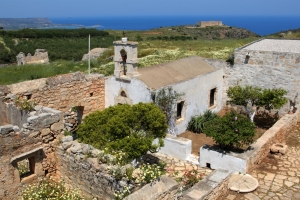
Saint John the Divine monastery at Aptera
 0.1 km
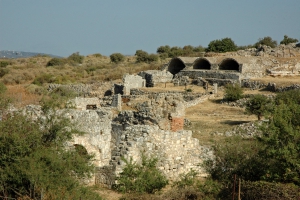
Ancient Aptera
 0.3 km
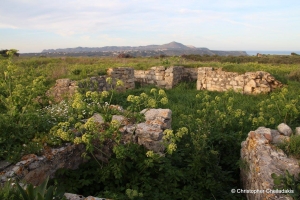
Aptera German pillboxes
 0.6 km
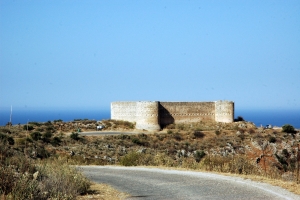
Aptera Koules
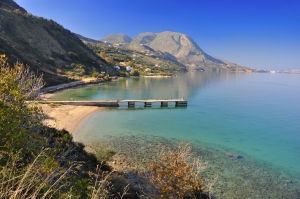 0.7 km
Kalami Beach
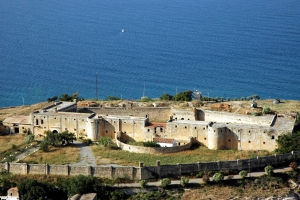 0.9 km
Intzedin Fort
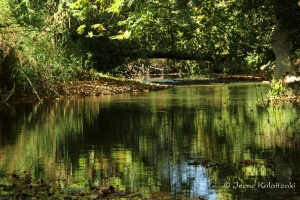 1.4 km
Kyliaris River
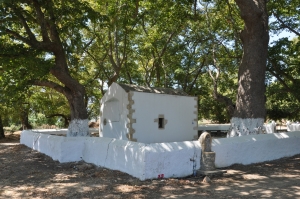 1.6 km
Saint John at Platanakia
 2 km
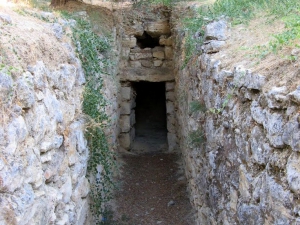
Stylos Domed Tomb
 2.3 km
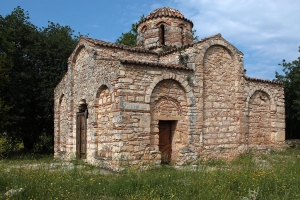
Panagia Zerviotissa church at Stylos
 2.5 km
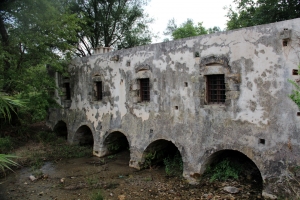
Kyliaris Watermill at Stilos
 2.9 km
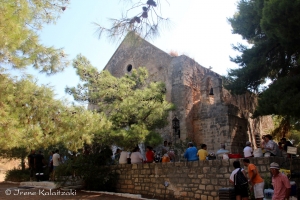
Souda Islet
 3 km
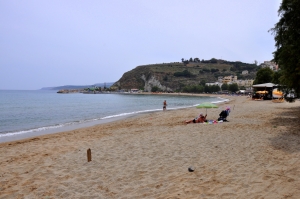
Agios Nikolaos church at Souda
 3.3 km
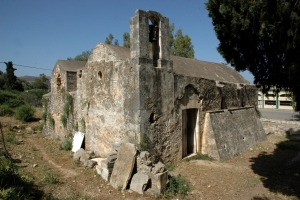
Kalives Beaches
 3.4 km
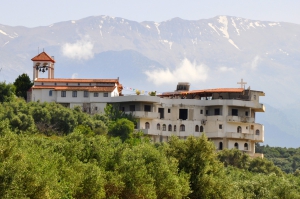
Church of Saint John Theologian at Stylos
 3.6 km
Holy Cross Foundation, Kalyves
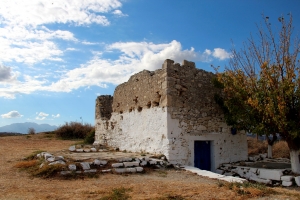 3.7 km
Castel di Apicorno (Apokoronas Fortress)
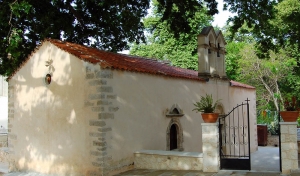 3.9 km
Saint John the Theologian church at Armeni
Additional Info
- Location: Chania Prefecture
- Type: Fortress / Tower
- Accessibility: Paved road
- Peak Period: Venetian Era (1204 AD - 1669 AD)


