The geographical isolation of Crete from the continental regions of Europe, Asia and Africa has shaped a fauna with a distinctive insular character. High mountains, deep gorges, forests, phrygana, wetlands, caves and rugged coasts create a wide variety of habitats where characteristic, rare and endemic species survive. The invertebrate fauna is particularly rich, with many species having evolved in isolation and occurring only on Crete or even within a very limited part of the island.
However, the present-day terrestrial fauna is not a direct continuation of the island’s prehistoric fauna. The dwarf elephants, dwarf hippopotamuses and deer of the Pleistocene became extinct, while most of the terrestrial mammals living on Crete today arrived during the Holocene, several of them deliberately or accidentally introduced by humans. A notable exception is the endemic Cretan shrew, which is considered a surviving remnant of the island’s older fauna.
Among the most recognisable animals of the island is the Cretan ibex, a symbol of the White Mountains and the wild nature of Crete. Of particular scientific interest are also the mysterious Cretan wildcat, the bats of Crete and the many endemic invertebrates inhabiting the island’s mountains, gorges and caves.
From the mountains to the South Cretan Sea
The terrestrial mammals of Crete include, apart from the Cretan ibex, the Cretan badger, beech marten, least weasel, European hare, hedgehog, small rodents and numerous bat species. Important marine mammals live or pass through the seas surrounding the island, including the Mediterranean monk seal, sperm whale and several species of dolphins and whales.
Reptiles and amphibians complete the picture of Crete’s terrestrial fauna. The island is home to lizards, geckos, snakes that are not considered dangerous to humans, terrestrial and marine turtles, frogs and toads. Some have a restricted geographical distribution, including the Cretan wall lizard and the Cretan water frog. The waters around Crete also support a great variety of fish, ranging from small coastal species to large pelagic animals.
The birdlife of Crete
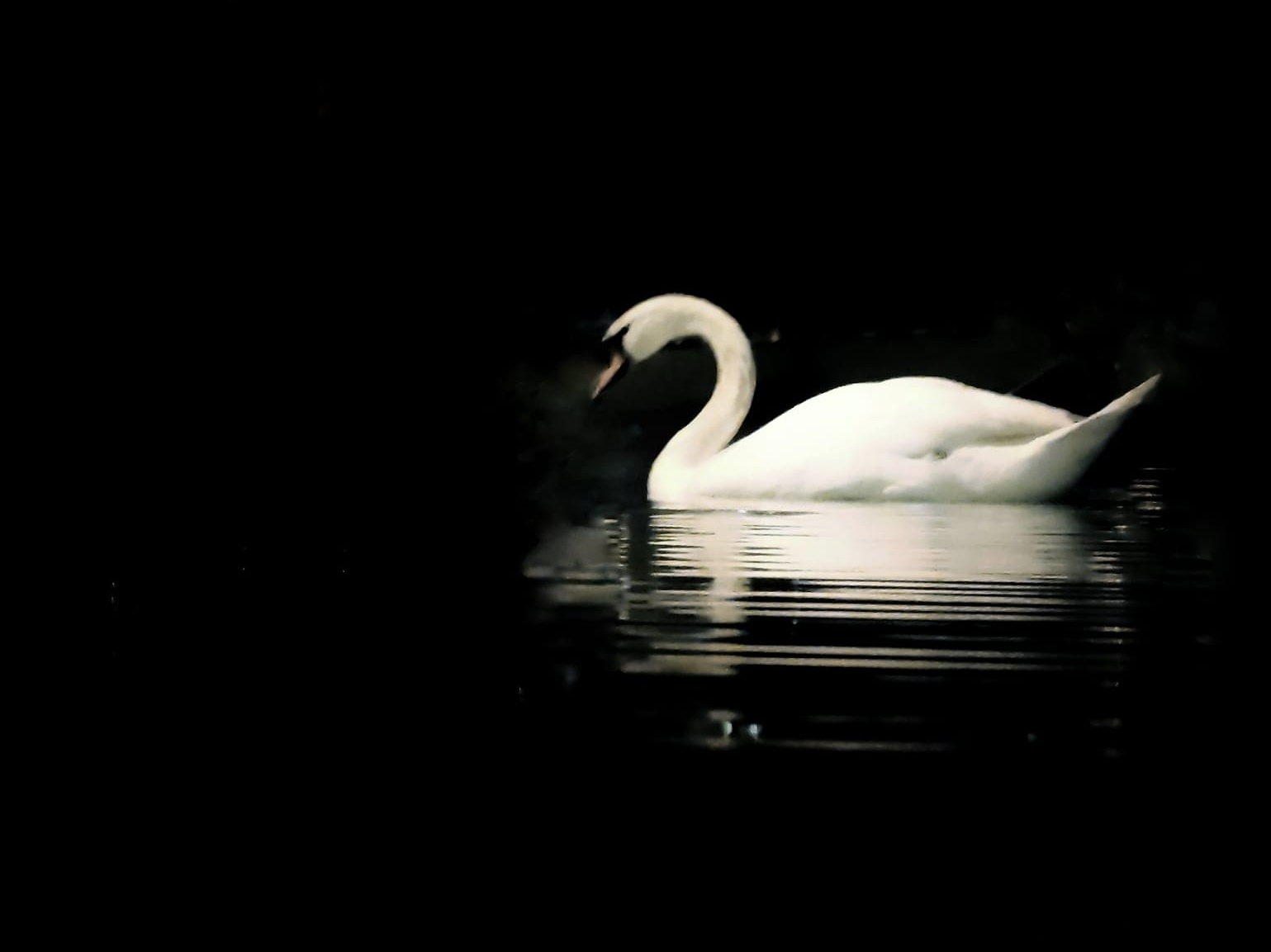
Crete’s geographical position along important migratory routes between Europe and Africa makes the island especially significant for birds. The birdlife of Crete includes birds of prey, seabirds, waterbirds and migratory species, as well as birds that remain and breed on the island throughout the year.
The mountains and gorges of Crete support one of the world’s most important insular populations of the griffon vulture. The bearded vulture is also of exceptional importance, as Crete supports the only breeding population of the species in Greece and one of the last remaining populations in southeastern Europe.
Myths and protection
The absence of large and particularly dangerous wild animals impressed the inhabitants of Crete even in antiquity. According to one tradition, Hercules cleared the island of dangerous animals to honour the birthplace of Zeus, while a later Christian tradition attributed the same phenomenon to the blessing of Paul the Apostle. These stories form part of the mythology and folk traditions of the island.
Despite its great natural wealth, many species are threatened by the destruction and fragmentation of their habitats, wildfires, poisoned bait, illegal killing, disturbance at breeding sites, pollution and climate change. Protecting the mountain ecosystems, wetlands, caves and coasts is essential for preserving the unique fauna of Crete.