The climate of Crete is generally dry and warm, while the strongly seasonal rainfall significantly limits suitable habitats for amphibians. Springs, rivers, lakes, small wetlands, pools and other sites with permanent or seasonal water provide valuable refuges, particularly during the breeding season. Despite the limited extent of these wet habitats, Crete is home to three native amphibian species.
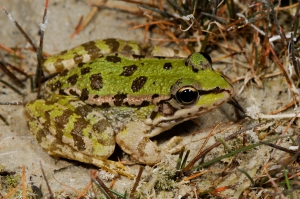
Particularly notable is the Cretan water frog (Pelophylax cretensis), an endemic species found exclusively on Crete. It inhabits rivers, streams, springs, lakes, marshes and other freshwater habitats. Its main threats today include wetland drainage and pollution, residential and tourism development, climate change and the introduction of non-native species.
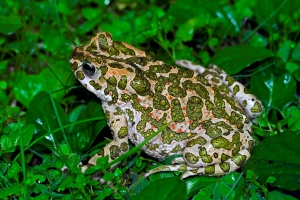
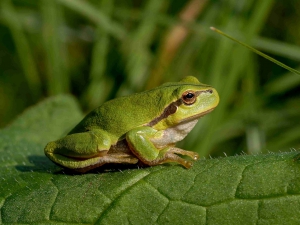
The island is also home to the European tree frog (Hyla arborea), which often hides among dense vegetation near water, and the European green toad (Bufotes viridis), which is more tolerant of dry conditions and can even be found near settlements.
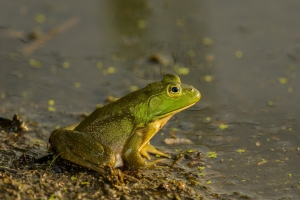
The American bullfrog (Lithobates catesbeianus), an invasive non-native species, has also become established in Lake Agia near Chania. This large amphibian competes with and preys on native animals, and its presence has been linked to the severe decline of the lake’s Cretan water frog population. Protecting small wetlands and preventing the release of non-native species are essential to conserving Crete’s limited but particularly important amphibian fauna.