







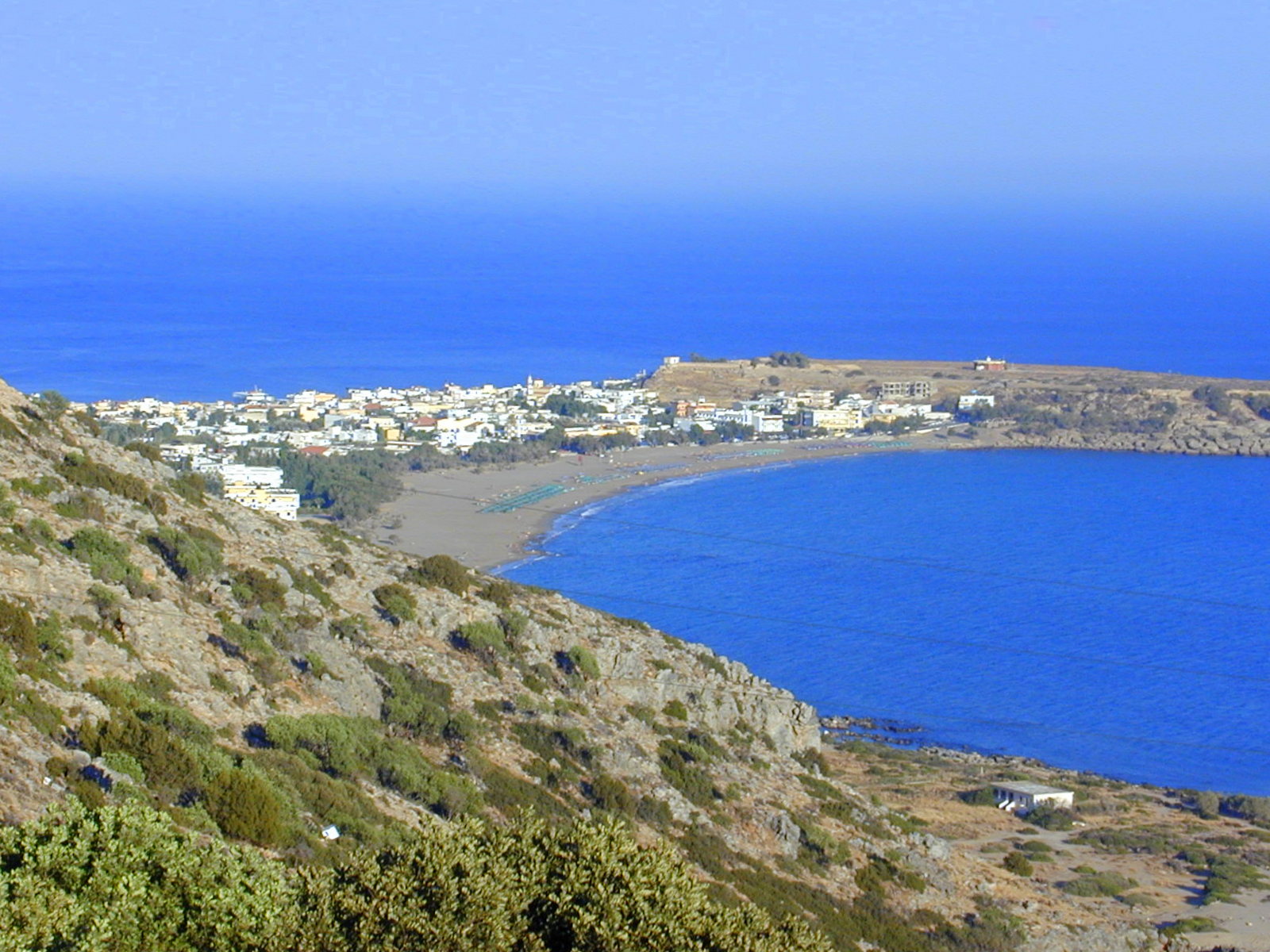
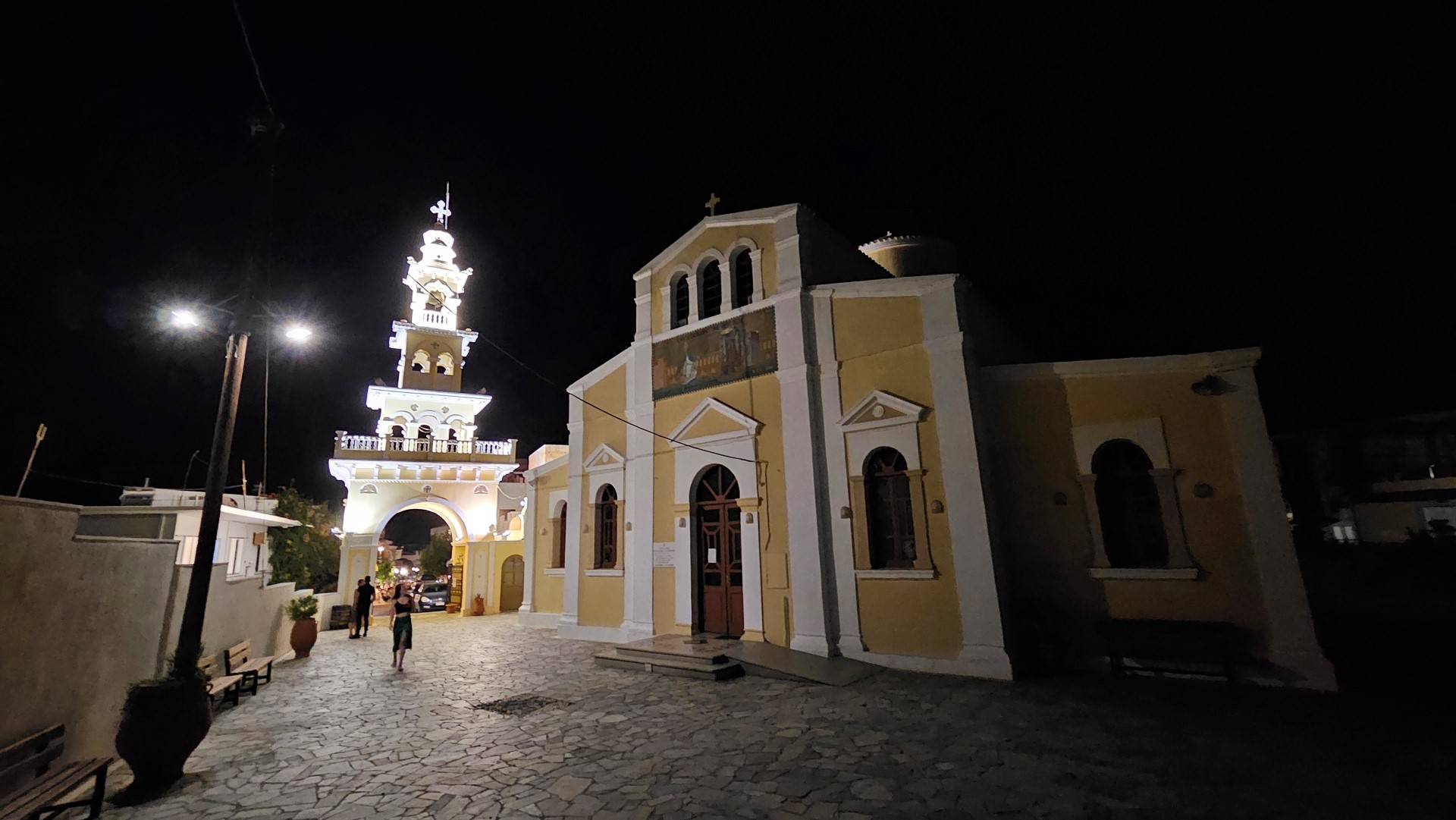
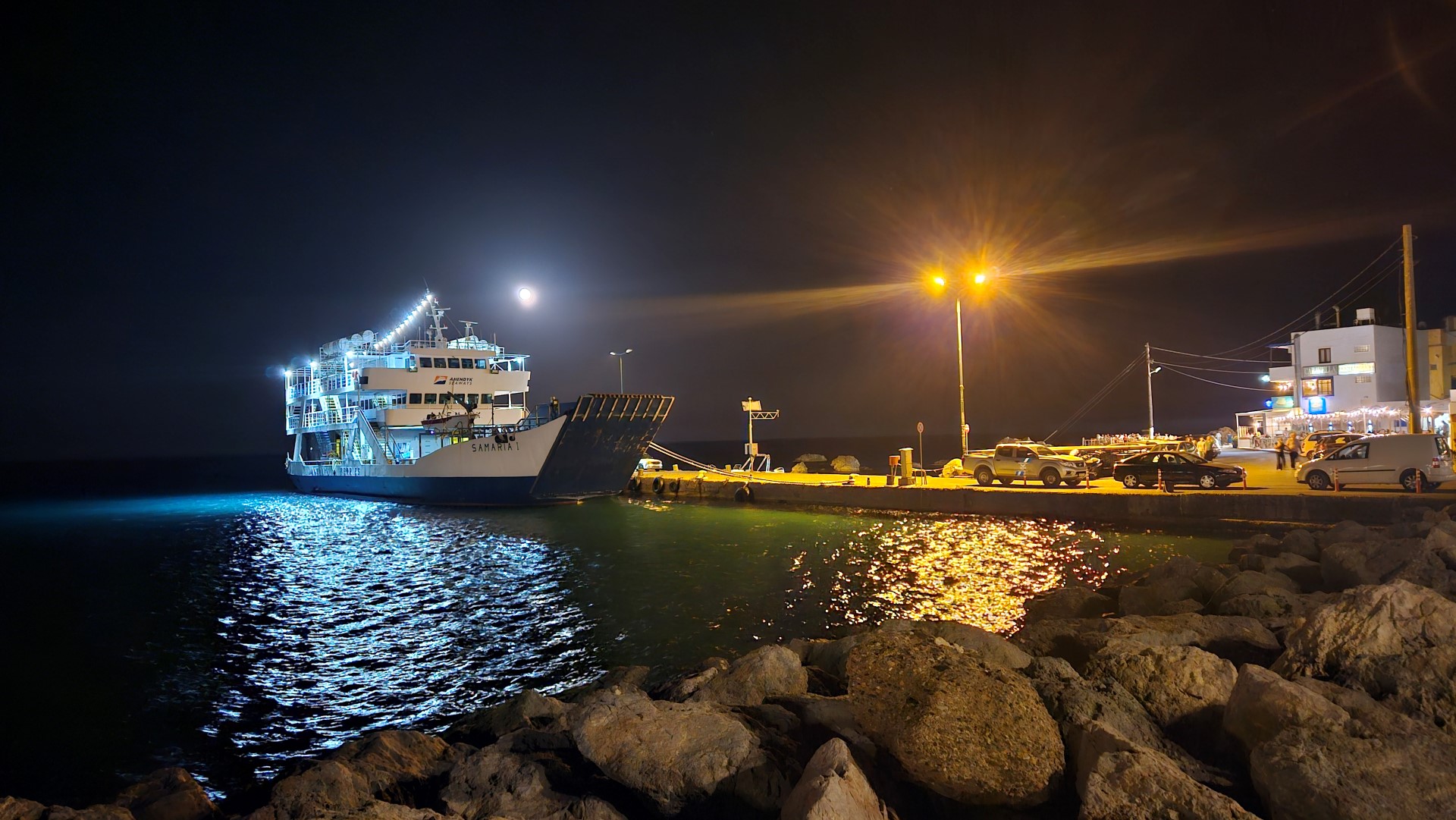
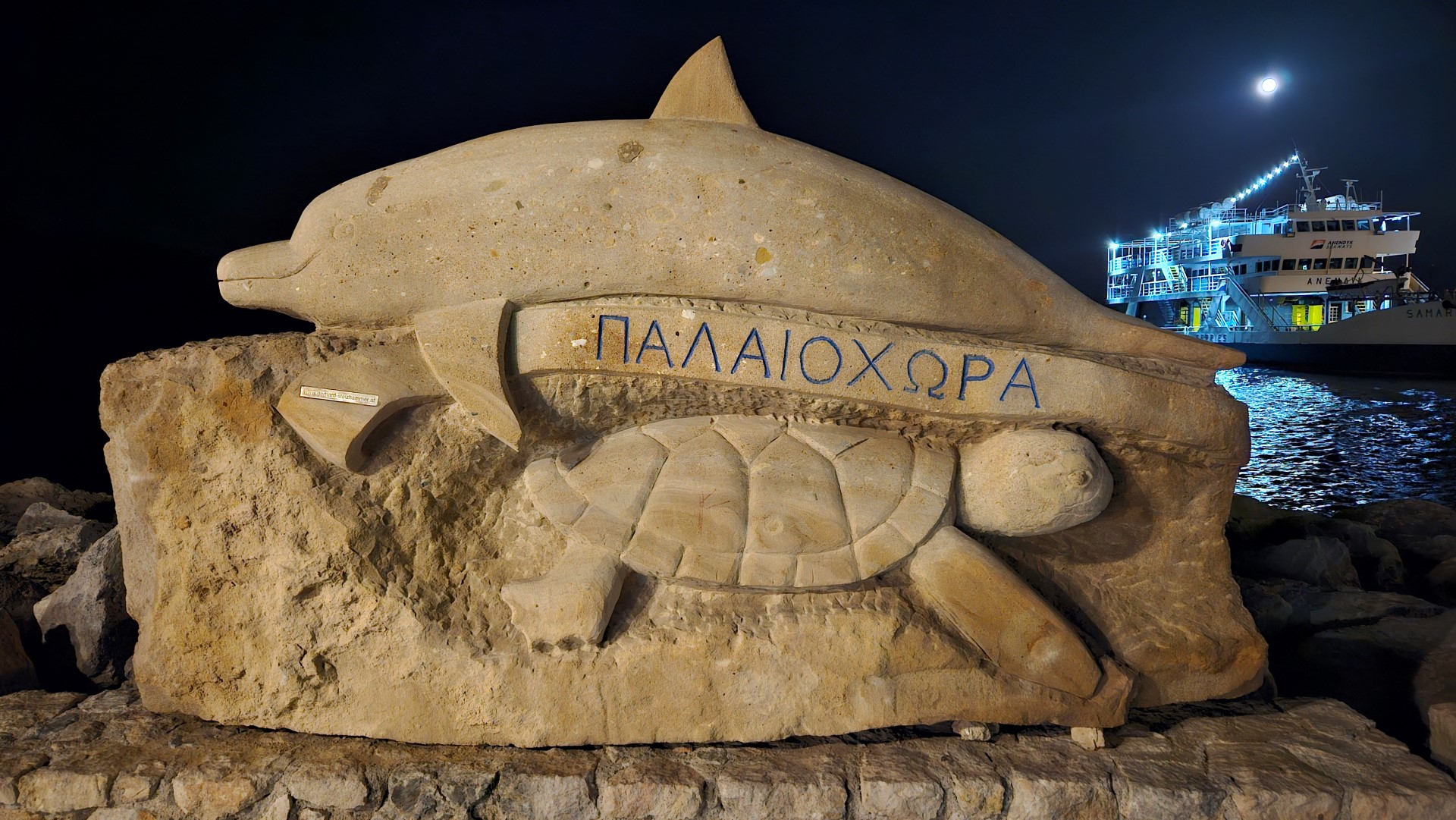

Plakaki is the westernmost cove formed between Paleochora and Grammenos. It is hidden by the rocks and well protected from the winds.
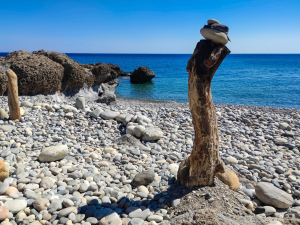
the small beach of Trochalou, which resembles the nearby Psilos Volakas, in a much more rocky version with large pebbles.
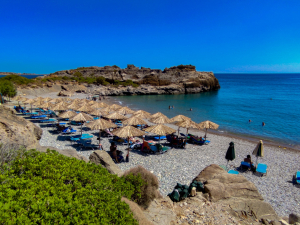
Psilos Volakas is the most popular of the nearby beaches that you will find in the west, after the small Kalamia beach, about 1.5km west of Paleochora.
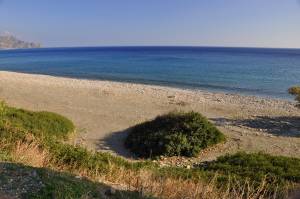
Keratides is located about 1km west of Paleochora harbor, 79km south of Chania city, just after the exit of Azogirianos river and the beach Halikia. It has coarse pebbles and stones and is preferred by those who seek peace and avoid crowds.

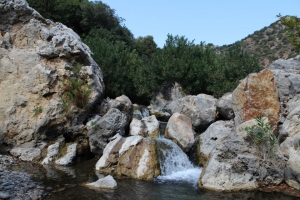
At a forgotten area of the region Selino in South Chania, you will meet the well hidden gorge of Pelekaniotis River. It is the river with the most water flow in Selino and it is so important that the whole municipality of Paleochora is named Pelekanos. It has water all year round and forms a lush green valley at its exit, at Maherota location.

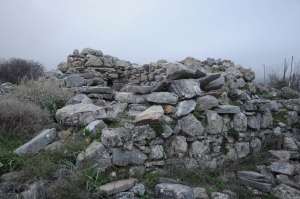
Elyros was the most important town in southwestern Crete during the Doric and Roman Periods. Ruins are conserved 500m far from the village Rodovani atop the panoramic hill Kefala. The town had two harbors: Syia(current Sougia) and Lissos. The exact location of the town was verified by an inscription with the phrase in Greek "Glory to the people of Elyros".
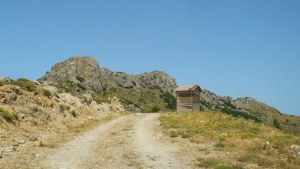
The town of Hyrtakina was built on the steep Kastri near the village Temenia and flourished in the Hellenistic Times. Today the vegetation has covered most parts of the ancient city.

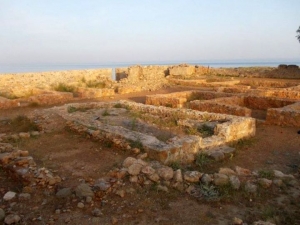
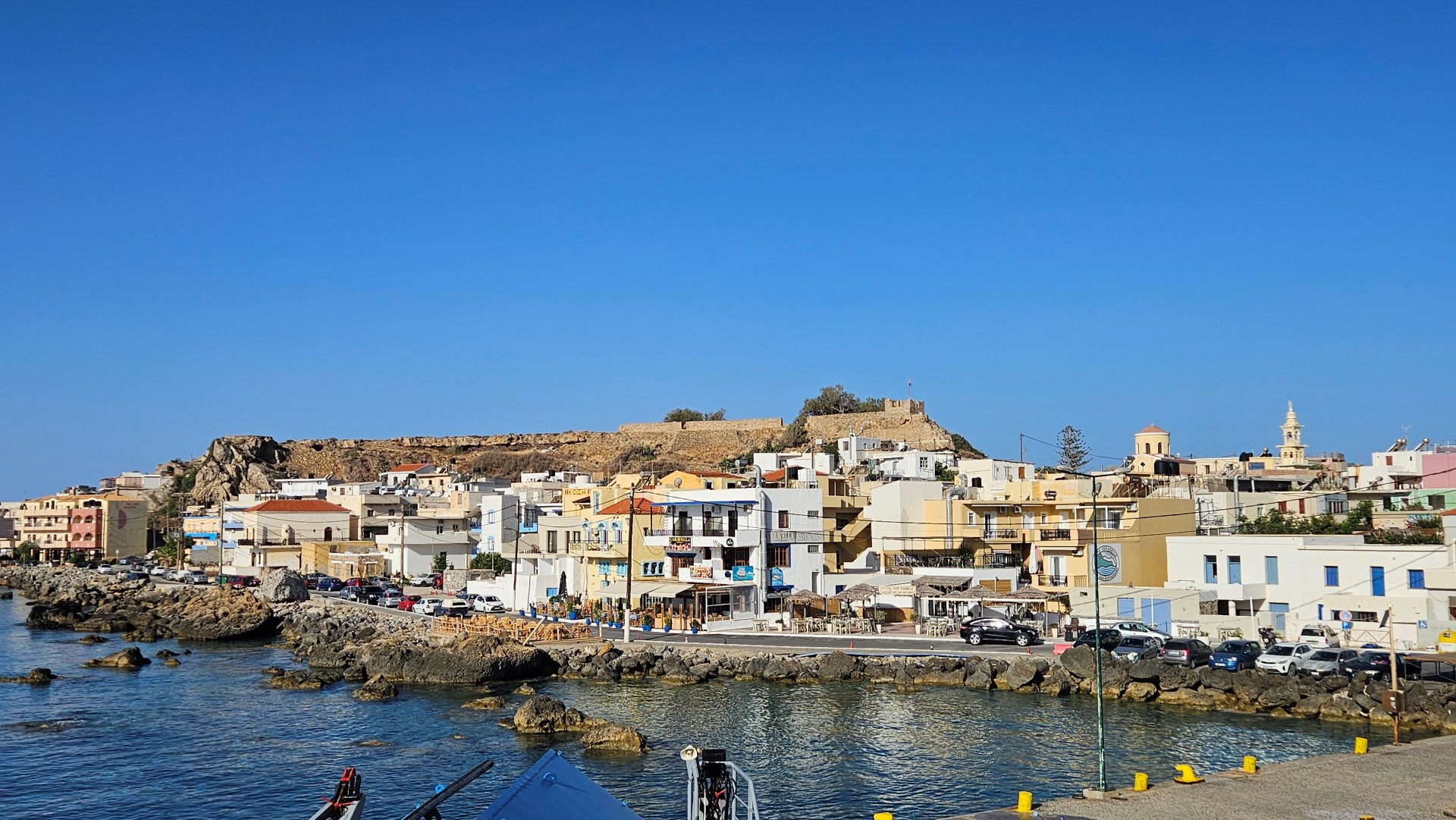
The fortresses built by the Venetians along the south shores of Crete were very few, perhaps because of the lack of ports and bays. One of them, however, was the fort of Selino (in the site of modern Paleochora). This fortress was built around the neck of a protrusion of land into the sea, so as to support the domination of the Venetians in the area, which was inhabited by many rebels.

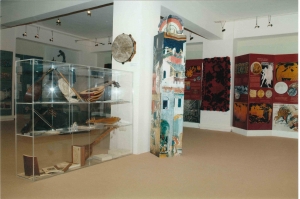
The museum of Acritans of Europe is housed in the center of Paleochora town, in the old boarding house. It was established on July 2006 and funded by the program "Culture 2000».

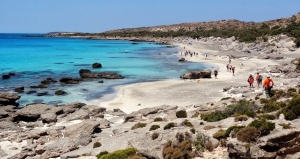
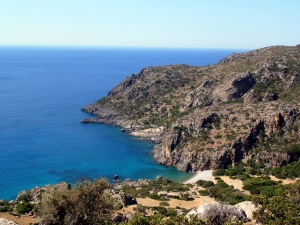
This amazing hike is about 16km long and takes about 5-6 hours. The trail is clear and well-marked with the typical E4 back-yellow signs. It crosses the archaeological site of Lissos, where you can find water from the local spring. It isn't too difficult but plenty of water, sun protection, and steady shoes are recommended.

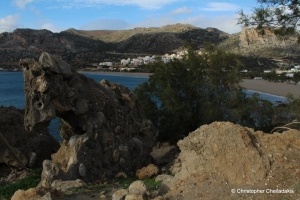
At the end of the long beach or a Pahia Ammos, at the west side of Paleochora, there is the Horse of Paleochora. This is not an animal but a very large and impressive rock of conglomerate limestone that reminds of a horse head. With a little imagination one can see the face and the eyes of the horse watching the long sandy beach that stretches in front of it.
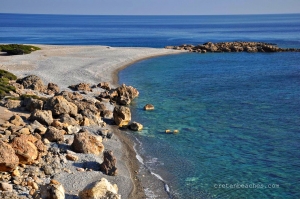
The secluded beaches by village Anidri, known as Gialiskari or Dialiskari, are surely some of the most beautiful beaches of Crete. Gialiskari is located 4km east of Paleochora and 80km South of Chania. The beaches are the easternmost beaches of the coasts of Paleochora, having an overall length of 18km.
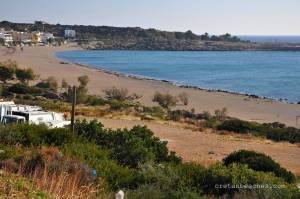
The beach of Pahia Ammos (i.e. Coarse Sand) is located on the west side of Paleochora, 79km south of Chania. Pahia Ammos has been awarded with a blue flag, which confirms that this is a safe and clean beach.
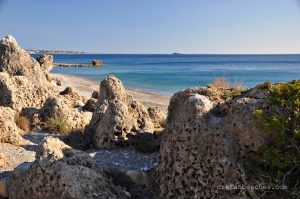
The Coves of Paleochora are consecutive small bays that start 1.5 km west of Paleochora (80km south of Chania) and extend 2.5 km to the west, till Cape Grammenos. The beaches are a complex of adjacent coves with crystal clear waters and spectacular pebbles. The main road, connecting Paleochora and Koundoura, runs along the coves. For this reason, they are not preferred by nudists.
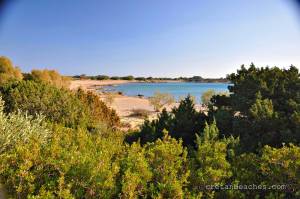
The peninsula of Grammeno(s) is located 85km south of Chania and 5km east of Paleochora, on the road connecting Paleochora with Koudoura. Koudoura is a warm area with greenhouses, where most citizens of the area work.
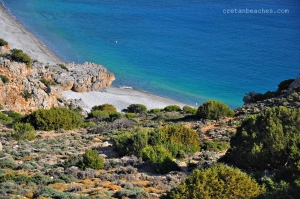
The beach of Krios is located about 10km west of Paleochora and 90km south of Chania, on the east side of Krios Cape. It is a lovely secluded beach with a length of about 1km, which is divided into three consecutive bays with fine pebbles and coarse sand.
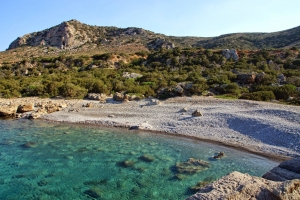
The Lake of Krios or Viena is located 10km west of Paleochora and 90km south of Chania. The beach is on the part of the European footpath E4 that links Paleochora and Elafonisi.
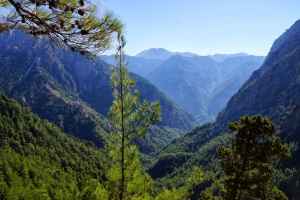
The Samaria Gorge is the longest trekking gorge in Europe and also the most famous of all. Thousands of tourists flock here daily in the summer season to walk from the top to the bottom. For many visitors, it is the sole purpose of their visit to Crete. The length of the gorge reaches 18km and takes almost 4-7 hours to hike from Omalos to Agia Roumeli, depending on trekking speed.
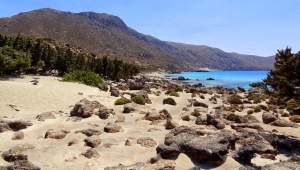
Kedrodasos (i.e. cedar forest) is an amazing beach, located 76km southwest of Chania and 1km east of the famous Elafonissi lagoon. The beach is filled with juniper trees (mistakenly confused with cedars) and sand dunes, reminding of Lebanese beaches.
- 1
- 2
Also read:
- Home
 Beaches
 Nature
 Past
Past Destinations
 Highlights
 West Crete
- Central Crete
- East Crete
- Towns
- Chania Prefecture
- Chania
- Paleochora
- Kissamos
- Georgioupolis
- Chora Sfakion
- Loutro
- Rethymnon Prefecture
- Rethymnon
- Agia Galini
- Plakias
- Spili
- Anogia
- Heraklion Prefecture
- Heraklion
- Hersonissos
- Malia
- Matala
- Agia Pelagia`
- Archanes
- Kokkinos Pirgos
- Lassithi Prefecture
- Agios Nikolaos
- Elounda
- Sitia
- Ierapetra
- Makrigialos
- Palekastro
- Zakros
- Lassithi Plateau
- Get Prepared


