







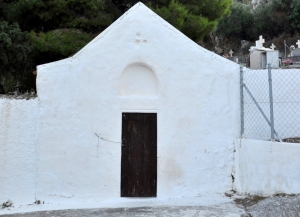
The church of Zoodochos Pigi is located at the position Sfakias and serves as the cemeterial church of the village Kavoussi. It is dedicated to the Theotokos and has the name of the Life giving Spring (Zoodochos Pigi), referring to the Marian pilgrimage of the same name in Constantinople.

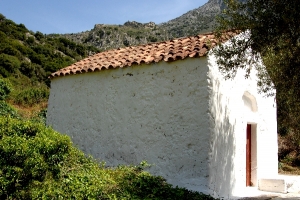
The church of Agia Irini in the settlement Melisses in the valley of Avgos is dated to the 14th century and bears frescoes of 1410-1411. The temple is believed to have been a cathedral of a small female convent (nunnery)

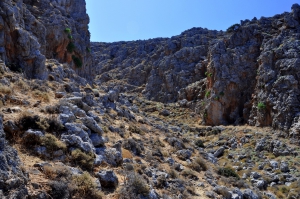
A very short gorge with the small wonderful beach of Agriomandra formed at its exit. To find that you should follow the dirt road that crosses the green meadows west of Kavoussi, known as Lakos Ambelion position, till the entrance to the gorge.
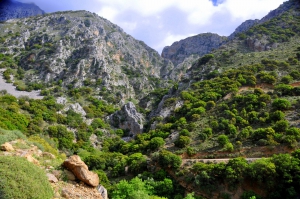
Mesonas gorge is located on the northern slopes of the mountains of Thripti, near villages Kavoussi and Avgos. It is a short imposing gorge (4km long), that needs technical equipment for crossing it along its bed. The canyon connects the Plateau of Thripti to the plain of Kavoussi.

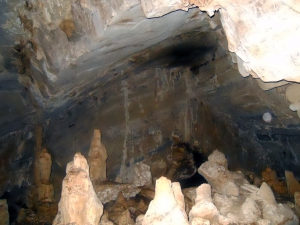
Theriospilios has a total length of 44m, 25m maximum width and height 0,5 - 7m. After the entrance of the cave, the visitor enters a low hall with dimensions 7m x 8m. The following room is spectacular, with 37m length, 25m width and 1.6-7m height, with sloping floor. It is richly decorated and gives the visitor an excellent impression.

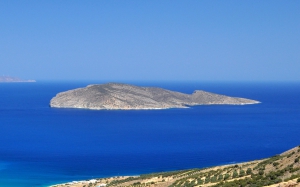
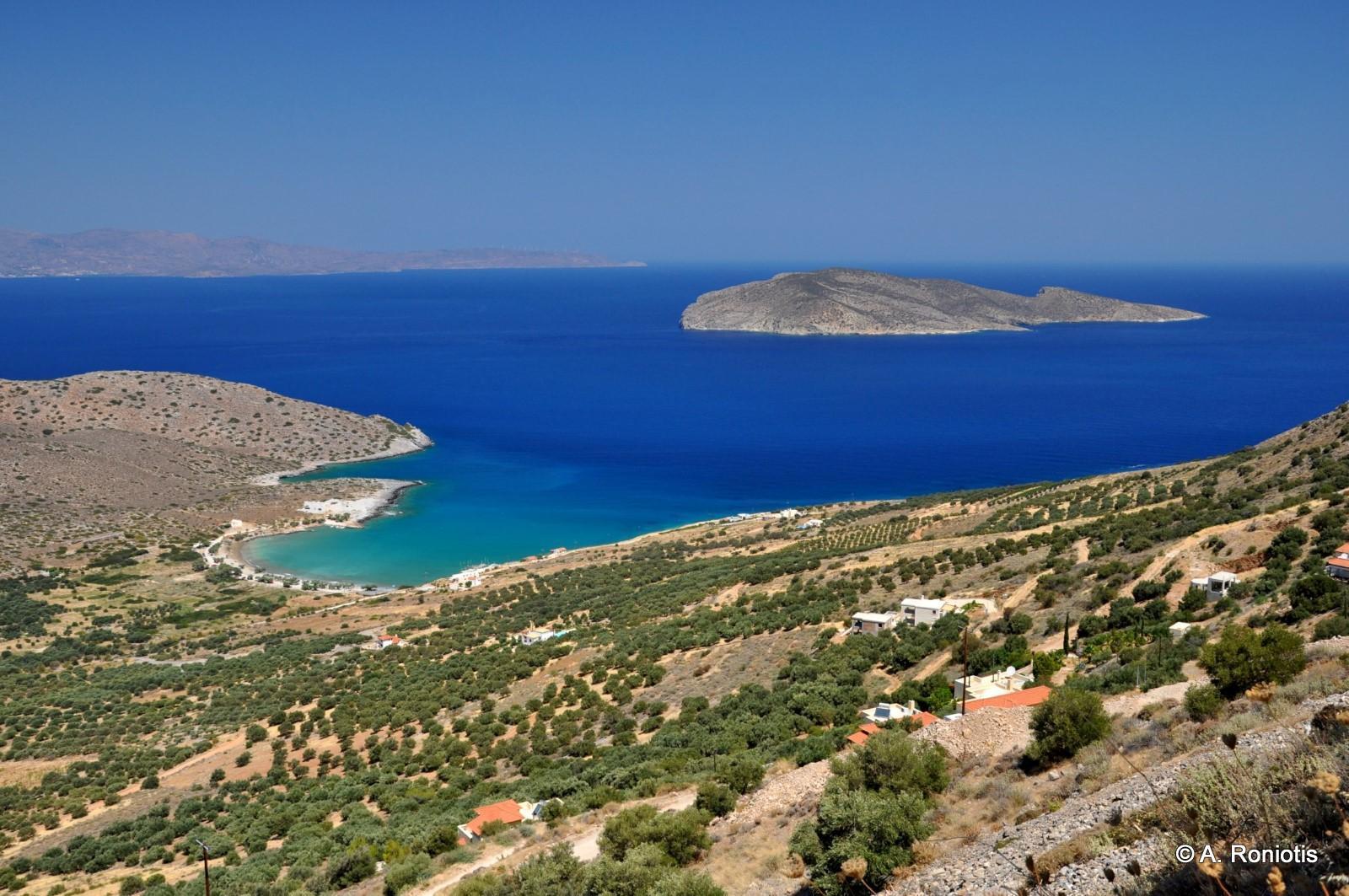
Psira is a small uninhabited islet located 1 mile north of Tholos beach, situated at the northeastern edge of the Gulf of Mirabello. In Psira a Minoan settlement of 15-20 acres has been found, being one of the most important sites in Crete.

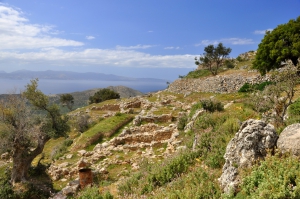
The Late Minoan settlement of Azorias is situated on a hill with two peaks 1km southwest of the village Kavoussi. The town flourished in the Archaic Period (7th - 5th century BC).
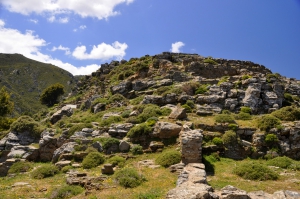
The Late Minoan settlement of Kastro is located on a steep hill, 3km south of Kavoussi, which is accessed via an ancient trail. The view of the bay of Mirabello, the wild gorge of Mesonas, Malavra mounts and the island of Psira are unique.
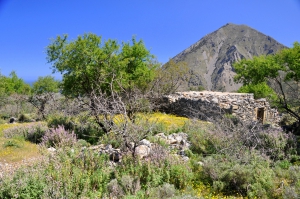
The Late Minoan settlement of Vrondas is located in an elevated position, 2km south of Kavoussi. It was inhabited during the setting of the Minoan Civilization by Minoans who moved to the peaks of the Cretan mountains so as to protect themselves from the Dorians who occupied the island.
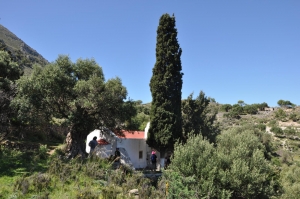
Within walking distance from Vrondas ancient site, there is the old monastery of Aghia Paraskevi, where one of the few arcosolium (domed tombs) of Crete survives.

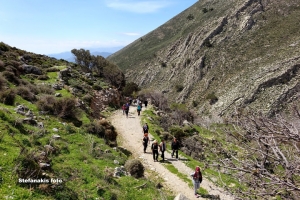
This E4 European trail part starts from Vassiliki, where there is a Minoan settlement, and heads east to the exit of the imposing gorge Ha, by the village of Monastiraki. From Monastiraki there is a dirt road and trail that climbs on the piney range of Thripti. From there we follow the old path of Kavousi.
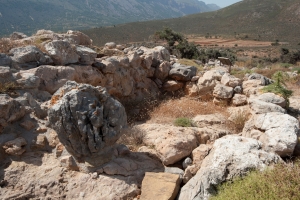
Chrysokamino is located near the Cave Theriospilios in the area of Kavousi, Ierapetra province. At the site that locals called Golden Oven (chrysokamino), because they frequently found copper pieces, in 1900 the archaeologist H. Boyd spotted a metallurgy workshop that operated from 4500-3500 BC to the Minoan Era. The most important study and excavations since then took place after 1995.
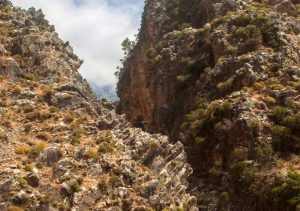
The small gorge called Havgas starts near the Minoan settlement of Azorias and ends its course in Kavousi, being only 700m long. Crossing it through its stream requires technical (canyoning) equipment as there are six beautiful waterfalls, which the highest is 20 meters high and has water till late winter.
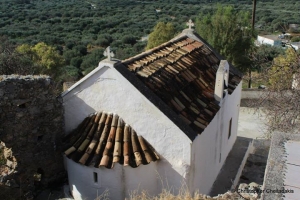
At the neighborhood Ligaras of the historic village Kavoussi we meet the impressive Byzantine church of the Holy Apostles . Ligaras gets its name after the hydrophylic plant ligaria as there is a spring (kavousi) that waters the village. Ligaras is the oldest neighborhood of Kavousi, which over the centuries developed around this spring.

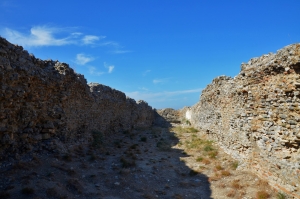
At the west end of Tholos beach we meet the ruins of a large oblong building that served as a granary for storing grain and other products, especially during the Roman Era. Then, the port of Tholos was a transshipment point for ships carrying grain between Alexandria of Egypt and Rome. It is believed that is was also used during the Venetian Times.

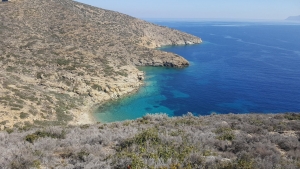
On the island there are several small beaches, the largest of which is located north of the site is sandy. Just below the ancient settlement (to the south) there is a small bay with two small beautiful pebble beaches. All beaches of Pseira are located on the south side of the island thus they are protected from ordinary north winds.
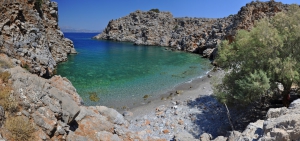
To get there you should follow the dirt road that crosses the green meadows west of Kavoussi, known as Lakos Ambelion position, till the entrance to the gorge. From here begins a short path, not particularly difficult, leading after 10 minutes on the beach of Agriomandra. Just before you reach the beach you will see several small caves in the rocks.
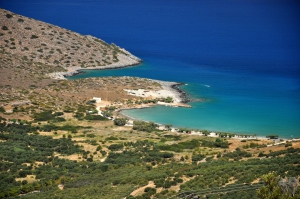
Tholos is located 26km east of Agios Nikolaos and 4km north of the village Kavousi. Locals might also call it Kavoussi beach, due to the nearby village. The beach is formed at the exit of a fertile valley, surrounded by huge olive groves and vine groves. The region has been touristically developed, but very mildly, being ideal for a relaxing holiday.

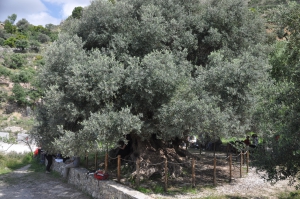
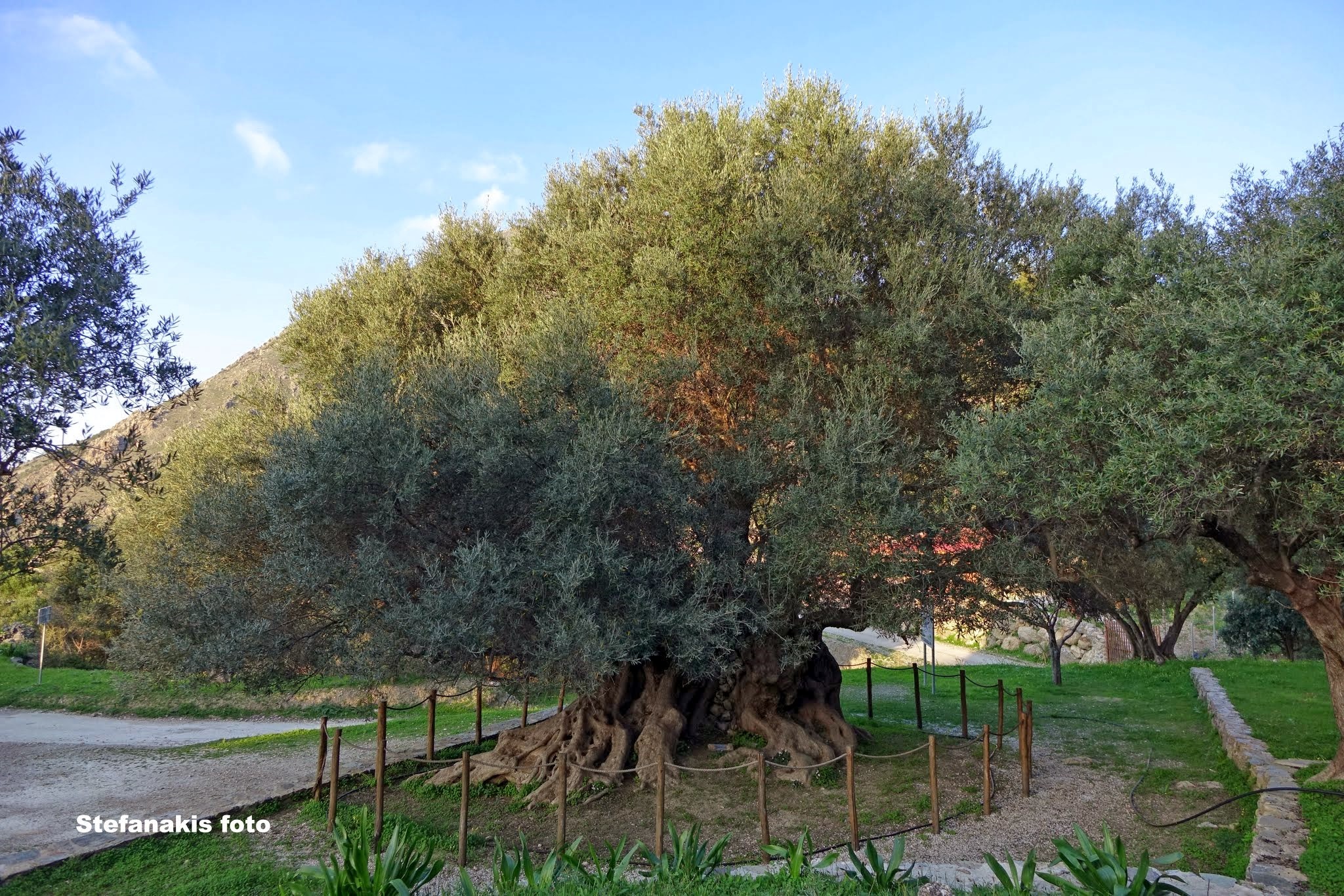
The legendary olive tree in Azorias is located 1km south of the village Kavoussi and very close to the homonymous archaeological site of Azorias. This olive tree is a natural monument; it is the oldest olive tree in the world! Indeed, it is grafted on a rootstock of a wild olive tree, making it the oldest sample of grafting in the world.
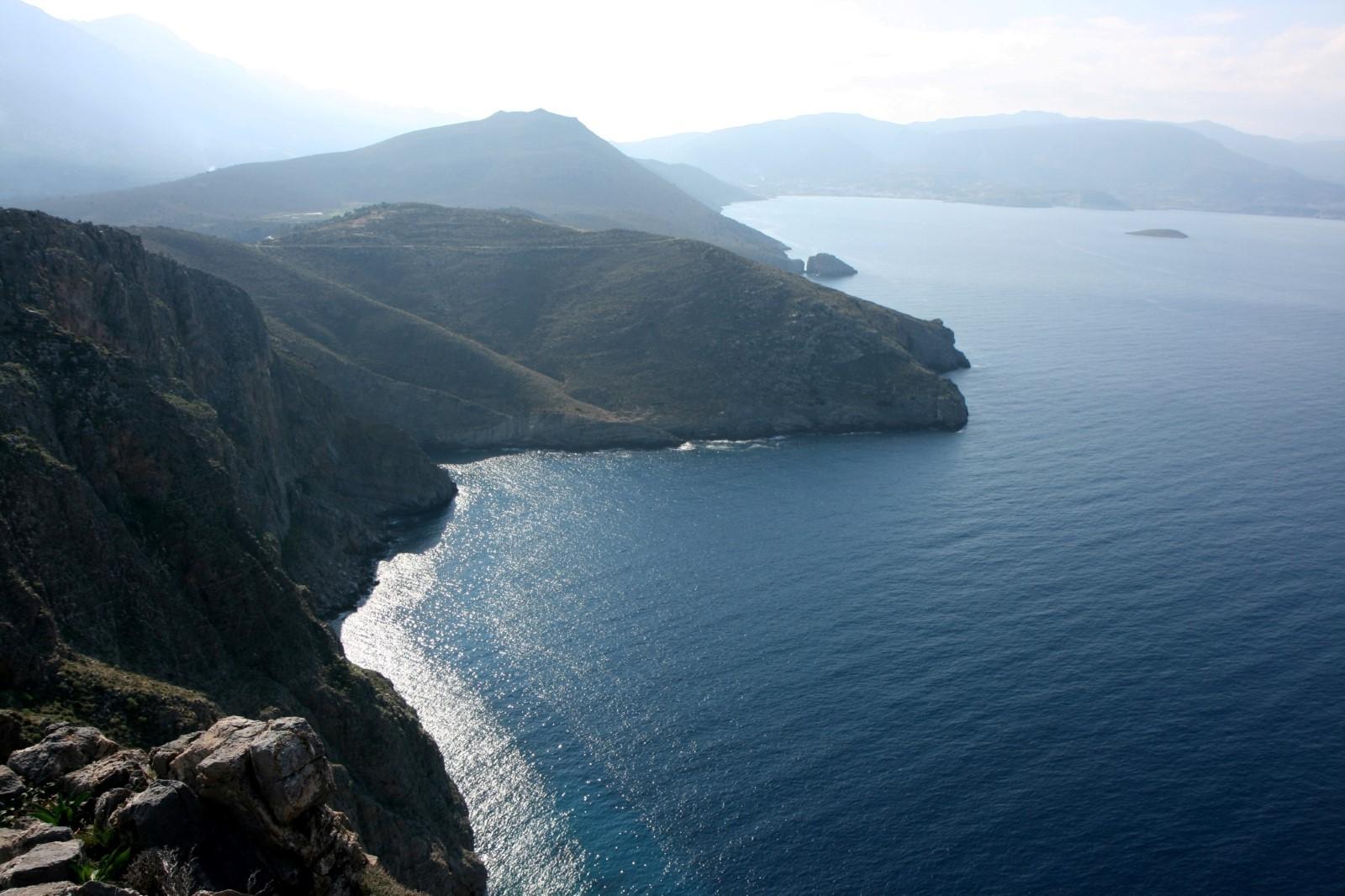
Sykiés Beach is located in a remote area west of Kavousi in Ierapetra, and just north of Agriomandra Beach. Above the beach stand a few fig trees, which reveal the presence of moisture in the ground.
- 1
- 2
Also read:
- Home
 Beaches
 Nature
 Past
Past Destinations
 Highlights
 West Crete
- Central Crete
- East Crete
- Towns
- Chania Prefecture
- Chania
- Paleochora
- Kissamos
- Georgioupolis
- Chora Sfakion
- Loutro
- Rethymnon Prefecture
- Rethymnon
- Agia Galini
- Plakias
- Spili
- Anogia
- Heraklion Prefecture
- Heraklion
- Hersonissos
- Malia
- Matala
- Agia Pelagia`
- Archanes
- Kokkinos Pirgos
- Lassithi Prefecture
- Agios Nikolaos
- Elounda
- Sitia
- Ierapetra
- Makrigialos
- Palekastro
- Zakros
- Lassithi Plateau
- Get Prepared


