







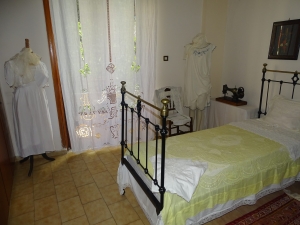
The Museum - Research and Study Center of the Asia Minor Culture in Chania was inaugurated in 2019 by the Association of Asia Minor of Chania "Agios Polykarpos" in memory of Anna Nikolidaki, in a building granted by the monastery of Agia Triada Tzagarolon.

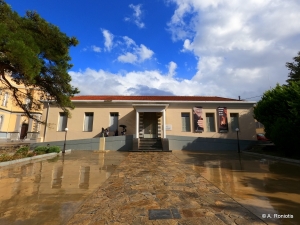
The Folklore and Historical Museum of Neapolis is housed since 2016 in the building of the First Gymnasium of Neapolis and is managed by the Cultural Folklore Society of Ano Mirabello. Its exhibition is composed of relics of the cultural tradition from the province of Mirabello that depict the everyday life after the 19th century.
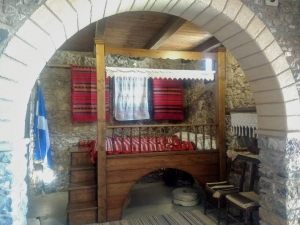
The Historical and Folklore museum of Kritsotopoula's house is located in the village of Kritsa, at Mirabelo, in the original house of Rodanthi (Kritsotopoula), reviving her amazing story. The folklore exhibition includes objects from the everyday life.

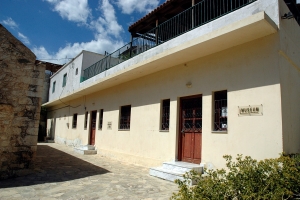
The Archaeological and Folklore Collection of Myrtos operates since 2001 and hosts mainly the collection of George Dimitrianakis. The archaeological exhibition includes some of the findings of the archaeological sites of Pirgos, Fournou Korifi, but also some other places of the region.
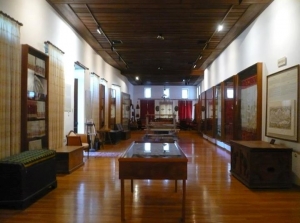
The Historical and Folklore Museum of Rethymnon was founded in 1974 and is housed in a Venetian building (17th century) that is a wonderful example of urban residence of the last phase of the Venetian occupation of Crete, in Renaissance.
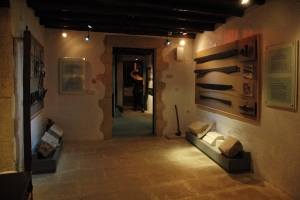
The museum was founded in 1968 and was officially opened in September 1993. It is housed in a building that is a typical sample of the local architecture and is housed on two floors: the ground floor with a balcony, internal yard, an arched house with auxiliary rooms and a mezzanine.
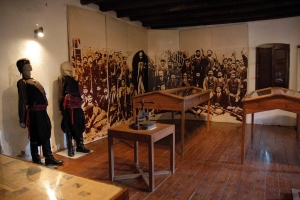
The historic village of Therisso was a seat of the Cretan rebels in 1905, under Eleftherios Venizelos, the most important Politician of Modern Greece. The headquarters of the Movement of 1905 house a relevant museum.

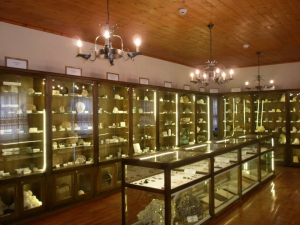
The Folklore and Geological Museum of Zaros is located next to the church of St. George in Zaros and is housed in a traditional Cretan house. The Museum operates since November 2014.
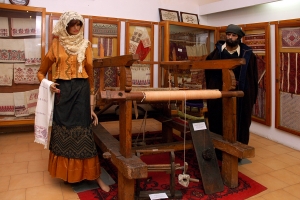
The Folklore Museum of Agios Nikolaos was founded in 1978 and is housed in the Old Port Service by Lake Voulismeni. Most of the exhibited objects were donated by the Touring Club of Agios Nikolaos.
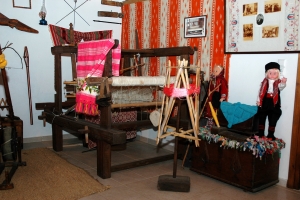
The Folklore Museum is located in the village Asteri, 13km west of the city of Rethymno. It started its operation in 2009 and is housed in a traditional Cretan house, transformed in a cozy private museum, with passion and love of George Polioudakis.
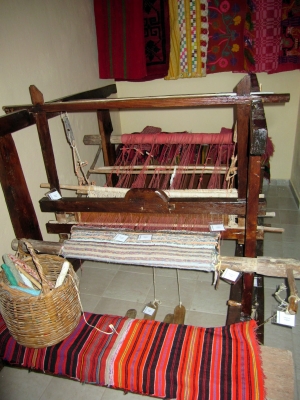
The folklore museum of Metohi - Sgoudiana is located near Korfos beach at Gavdos Island and was founded by the priest Emmanouel Bikogiannakis, who collected all Gavdian day life tools, agricultural and shipbuilding equipment, traditional costumes, household items, etc.
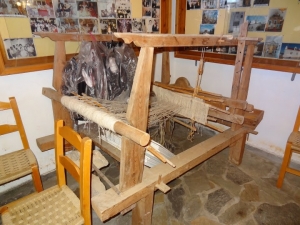
At the site of the old Primary School of Ethia an interesting collection of folklore objects from the donations of the villagers has been exhibited. The school, which can be visited after an appointment with the village's Cultural Association.
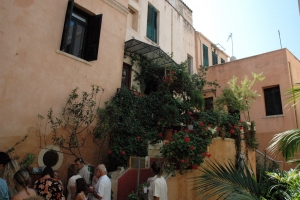
In the old city center there is the private Folk Museum "Cretan House" which was founded by the passion of two women, Aspasia Bikaki and Irini Koumandraki.
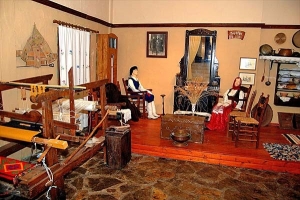
The museum of rural history and folk art is housed in the traditional settlement Arolithos since 1999. The collection includes objects of historical, folkloric and religious importance.
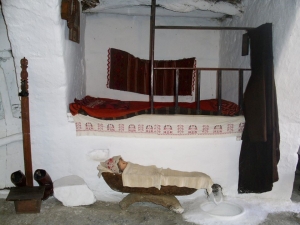
The Cretan Folklore Museum, The Neoclassical Museum, the Ecclesiastical museum and the Museum of Eleftherios Venizelos compose a unique cultural complex, where the present is confused with the past.
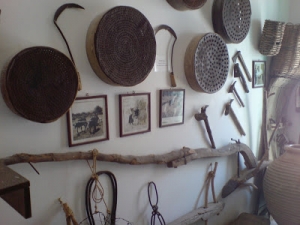
The Folklore Museum of Sitia was founded in 1975 and is housed in a beautiful neo-classical house. The collection refers to the town of Sitia in the second half of the 19th and early 20th century.
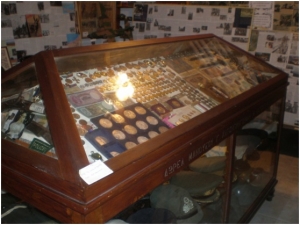
The Folklore Museum of the picturesque village Somatas was founded in 1971 by Evangelos Hadjispyrou. The exhibits include traditional agricultural tools, traditional home furnishing, but also weapons and military equipment from the German Occupation.
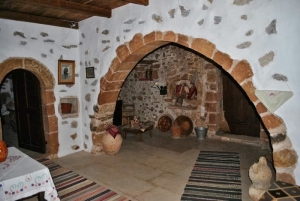
The museum exhibits many objects and tools used by the older generations from the Turkish Era until ’60s. Some of these are rare folk art samples.
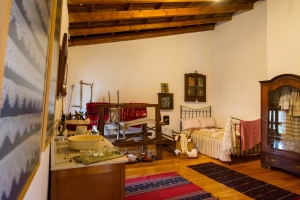
The Folklore Museum of Ano Asites operates since 1995 in a traditional building of 1880. It represents a traditional Cretan house, where the ground floor houses the warehouse and the kitchen, and the floor houses the bedroom and the living room.
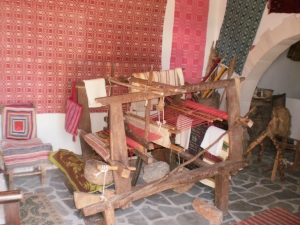
The folk museum of Pefki is housed in the old Elementary School of the village. The collection consists of everyday objects of the Cretan past, donated by locals.
Also read:
- Home
 Beaches
 Nature
 Past
Past Destinations
 Highlights
 West Crete
- Central Crete
- East Crete
- Towns
- Chania Prefecture
- Chania
- Paleochora
- Kissamos
- Georgioupolis
- Chora Sfakion
- Loutro
- Rethymnon Prefecture
- Rethymnon
- Agia Galini
- Plakias
- Spili
- Anogia
- Heraklion Prefecture
- Heraklion
- Hersonissos
- Malia
- Matala
- Agia Pelagia`
- Archanes
- Kokkinos Pirgos
- Lassithi Prefecture
- Agios Nikolaos
- Elounda
- Sitia
- Ierapetra
- Makrigialos
- Palekastro
- Zakros
- Lassithi Plateau
- Get Prepared


