








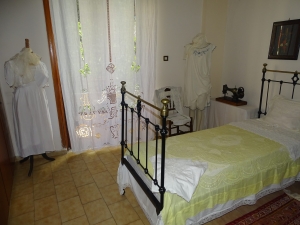
The Museum - Research and Study Center of the Asia Minor Culture in Chania was inaugurated in 2019 by the Association of Asia Minor of Chania "Agios Polykarpos" in memory of Anna Nikolidaki, in a building granted by the monastery of Agia Triada Tzagarolon.

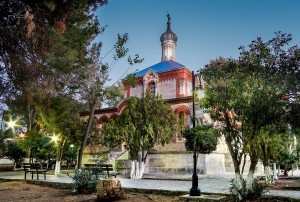
The temple of Saint Maria Magdalene is located in Chalepa, the noble district of Chania that flourished in the 19th century, when Eleftherios Venizelos who lived here emerged as the most important leader of modern Greece.
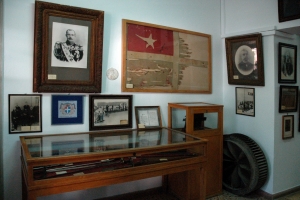
The Historical Archive of Crete was established in 1920 in Chania and operated informally until 1928, when it was recognized as a public entity. Since 1943, it is a Public Service and operates as an annex to the General State Archives.
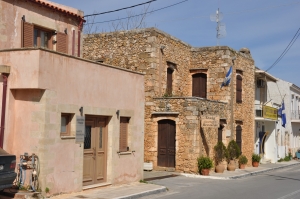
Mournies is the birthplace of Eleftherios Venizelos, the most important politician of modern Greece, and you can visit the house that he was born, which today serves as a museum.
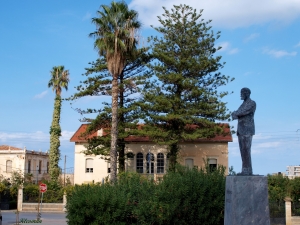
Eleftherios Venizelos lived in his paternal house, in Chalepa (Chania), for more than thirty years, from 1880 to 1910, and occasionally, from 1927 to 1935. He was particularly attached to this house. It is the house where he spent his youth, he got married and had his two children, and where his wife died.
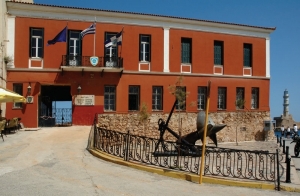
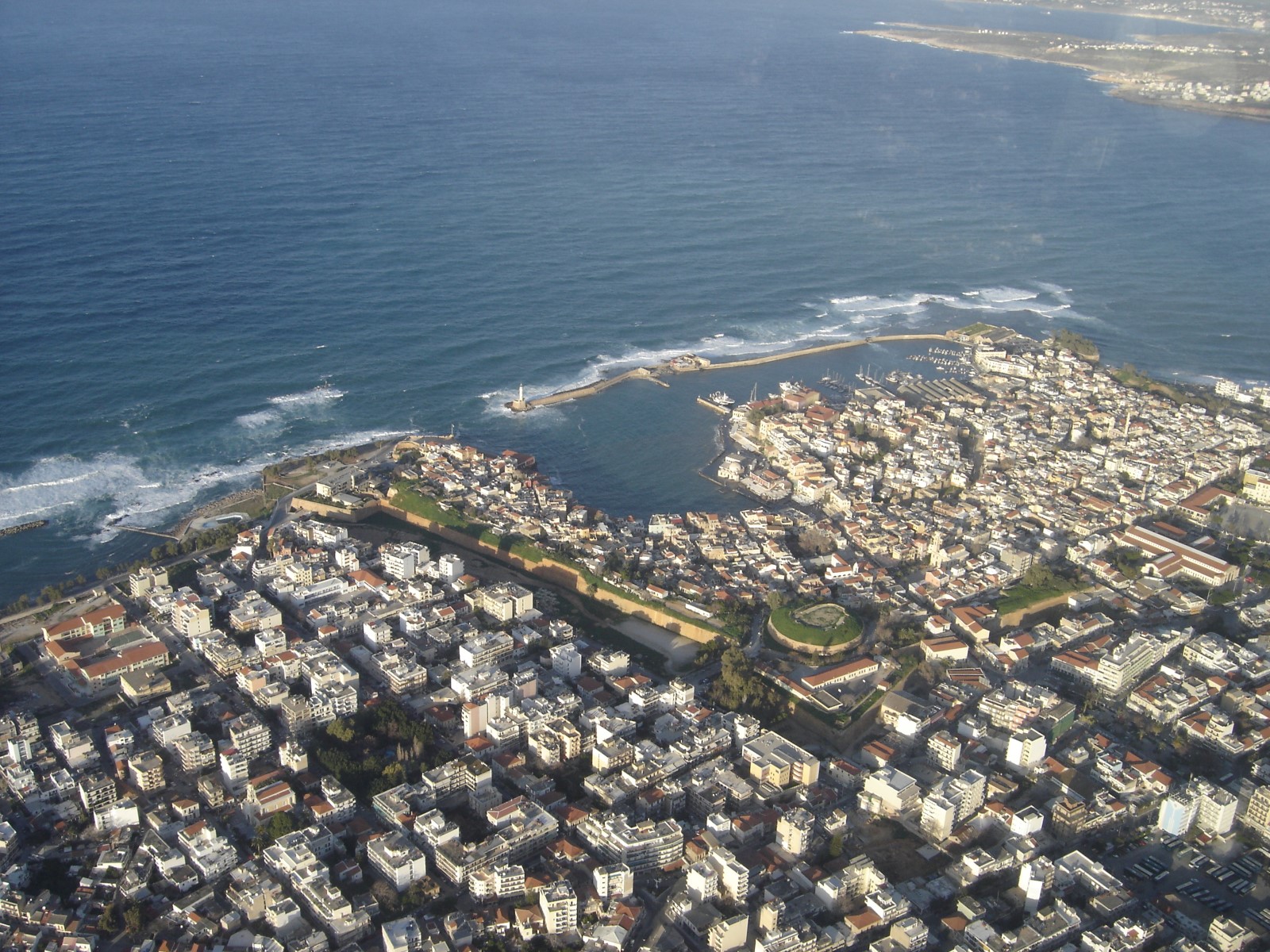
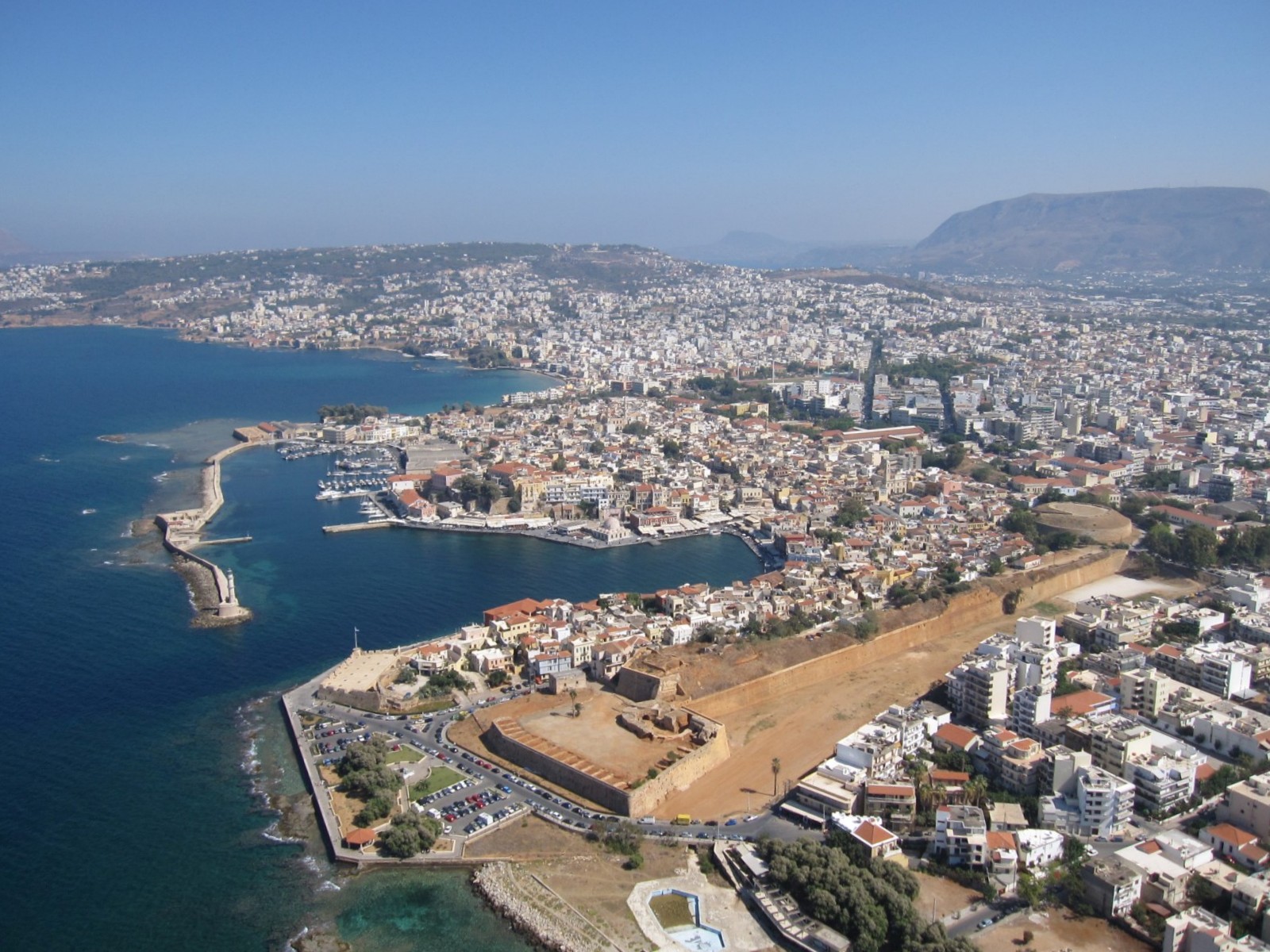
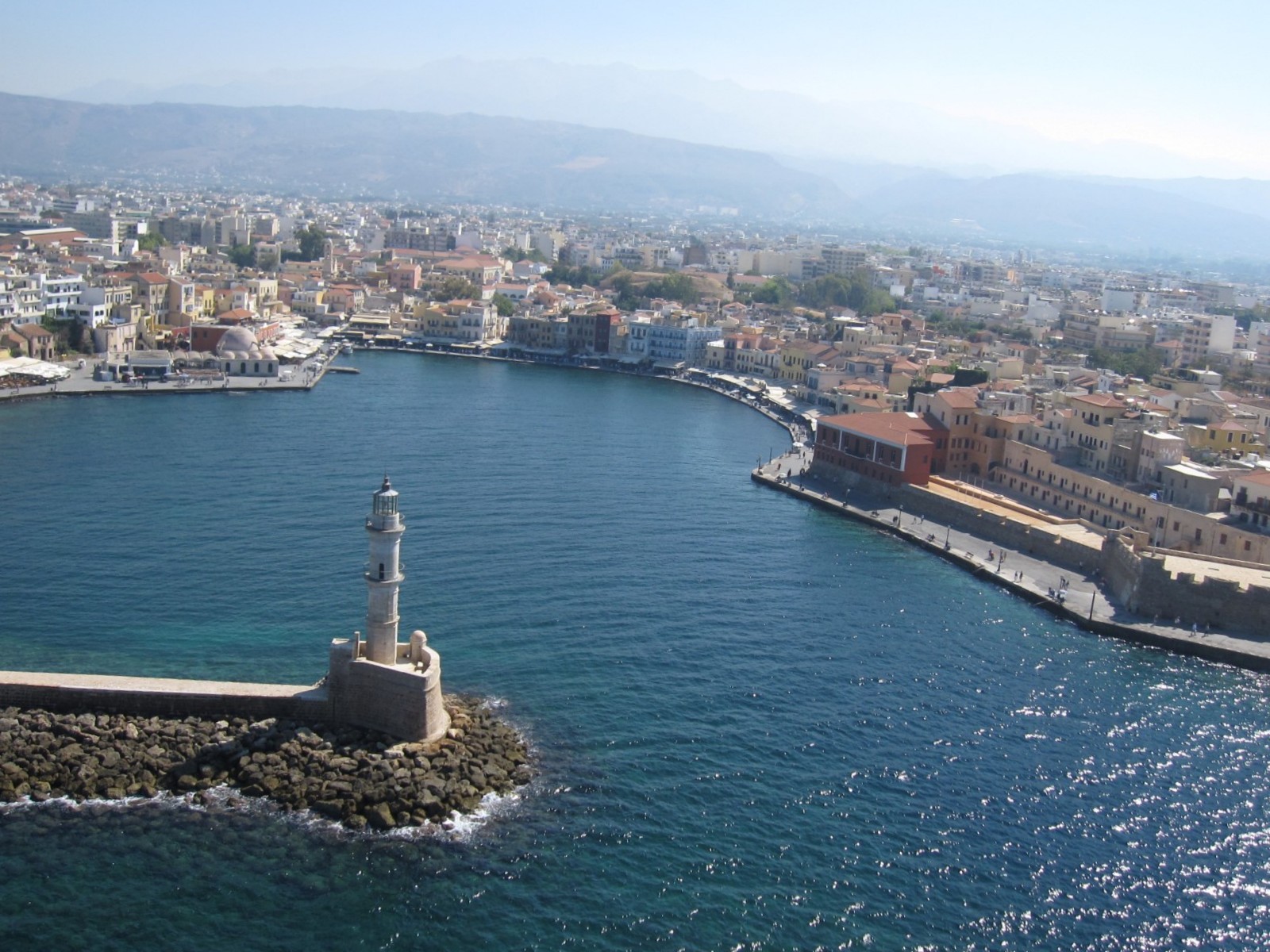
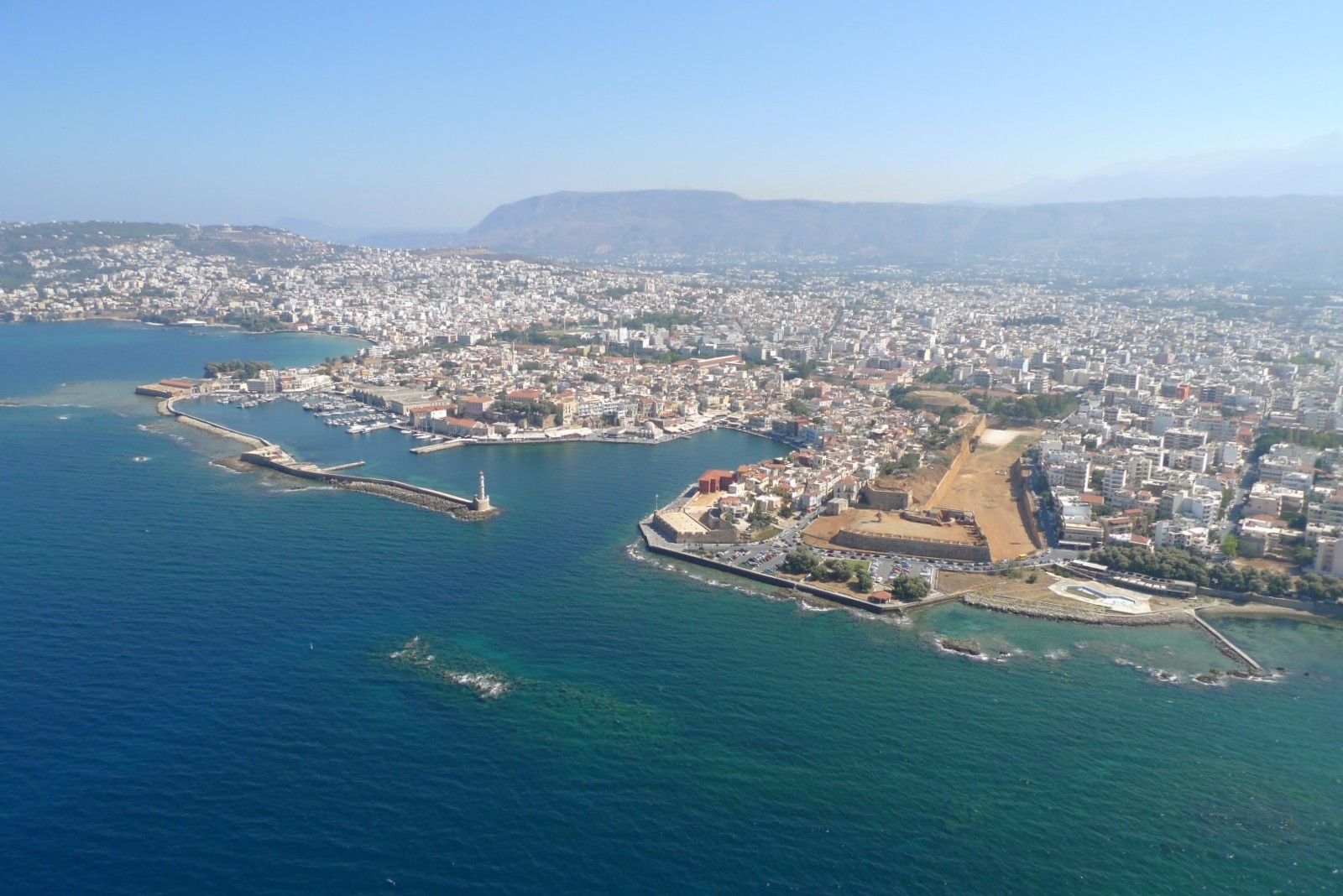
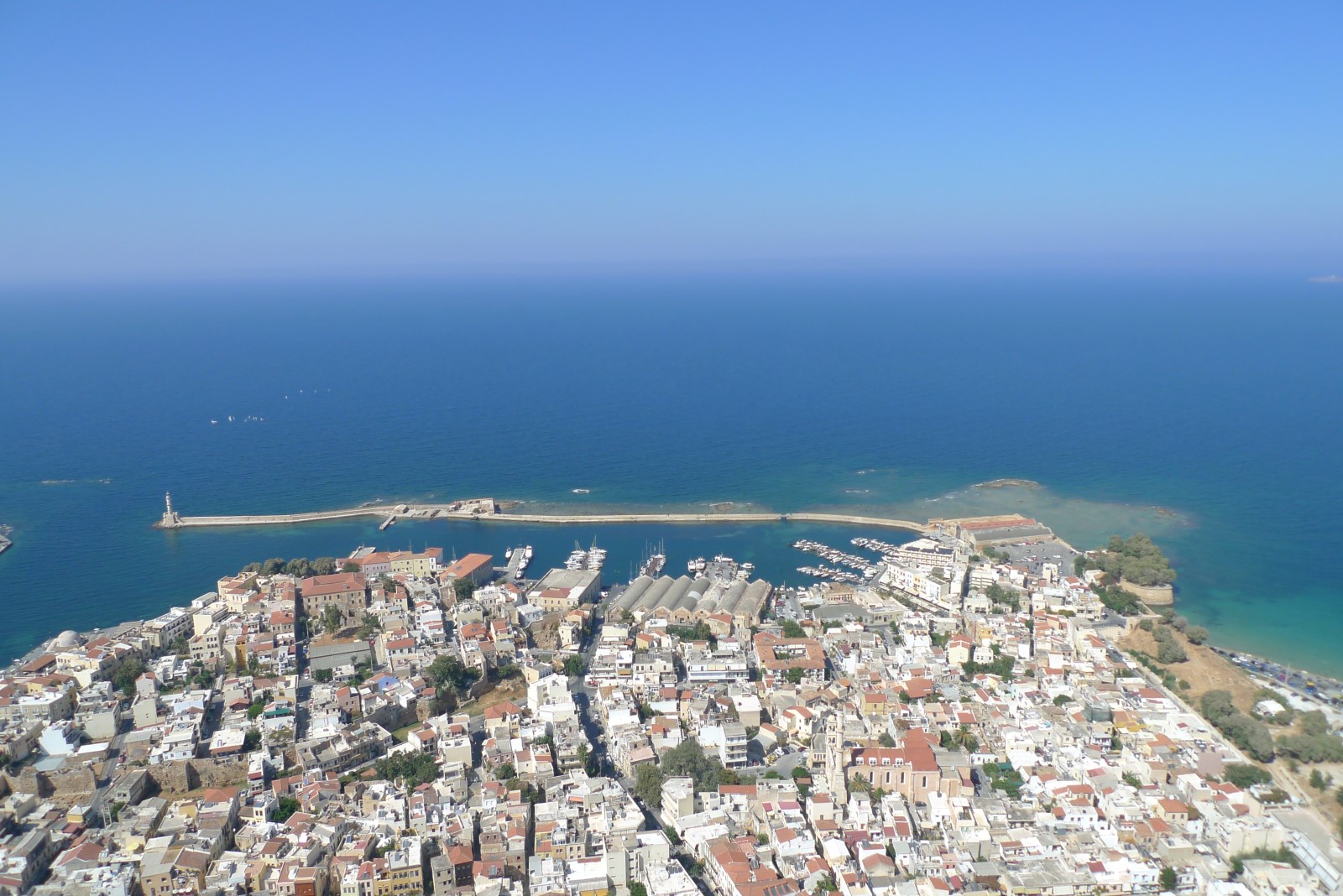
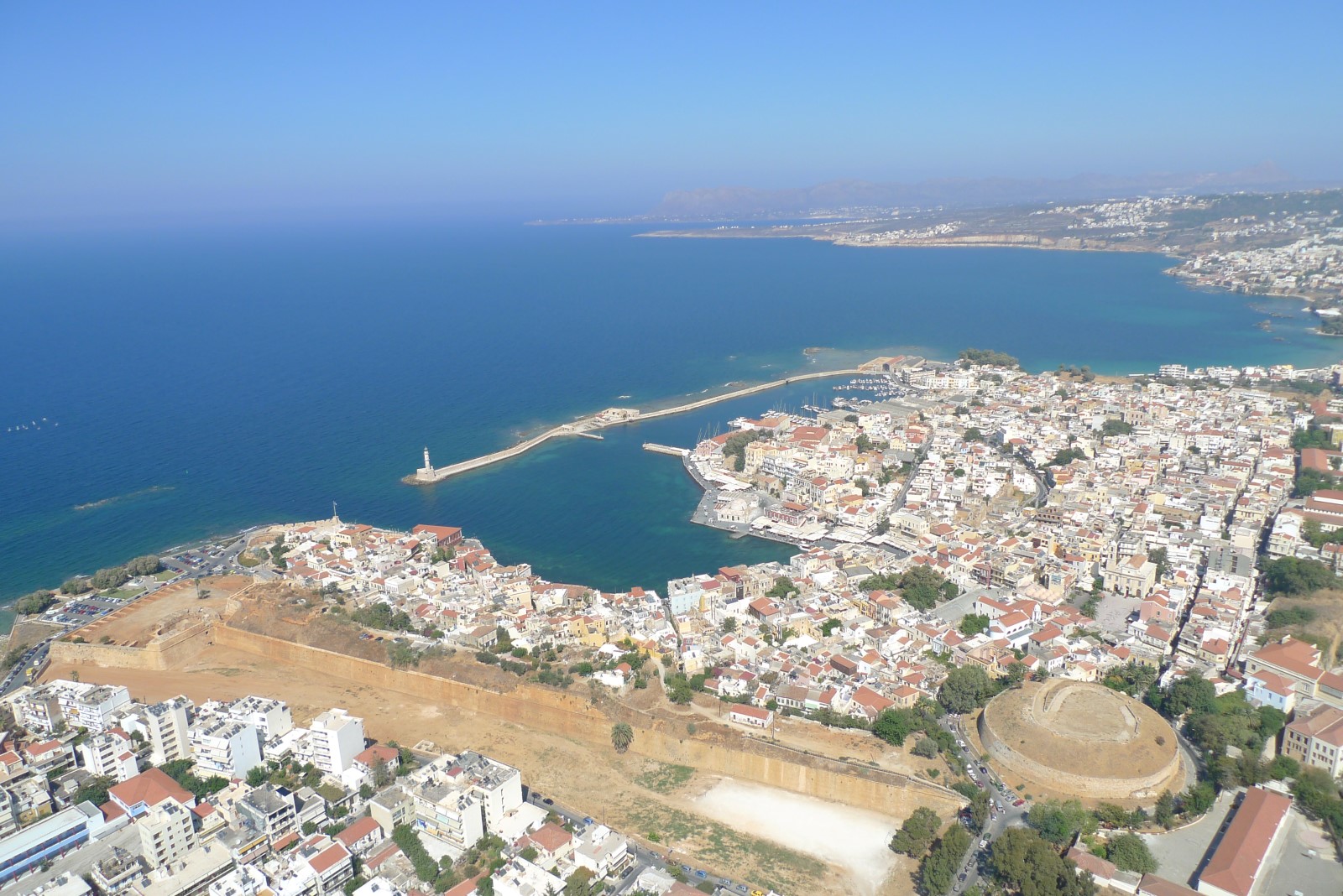
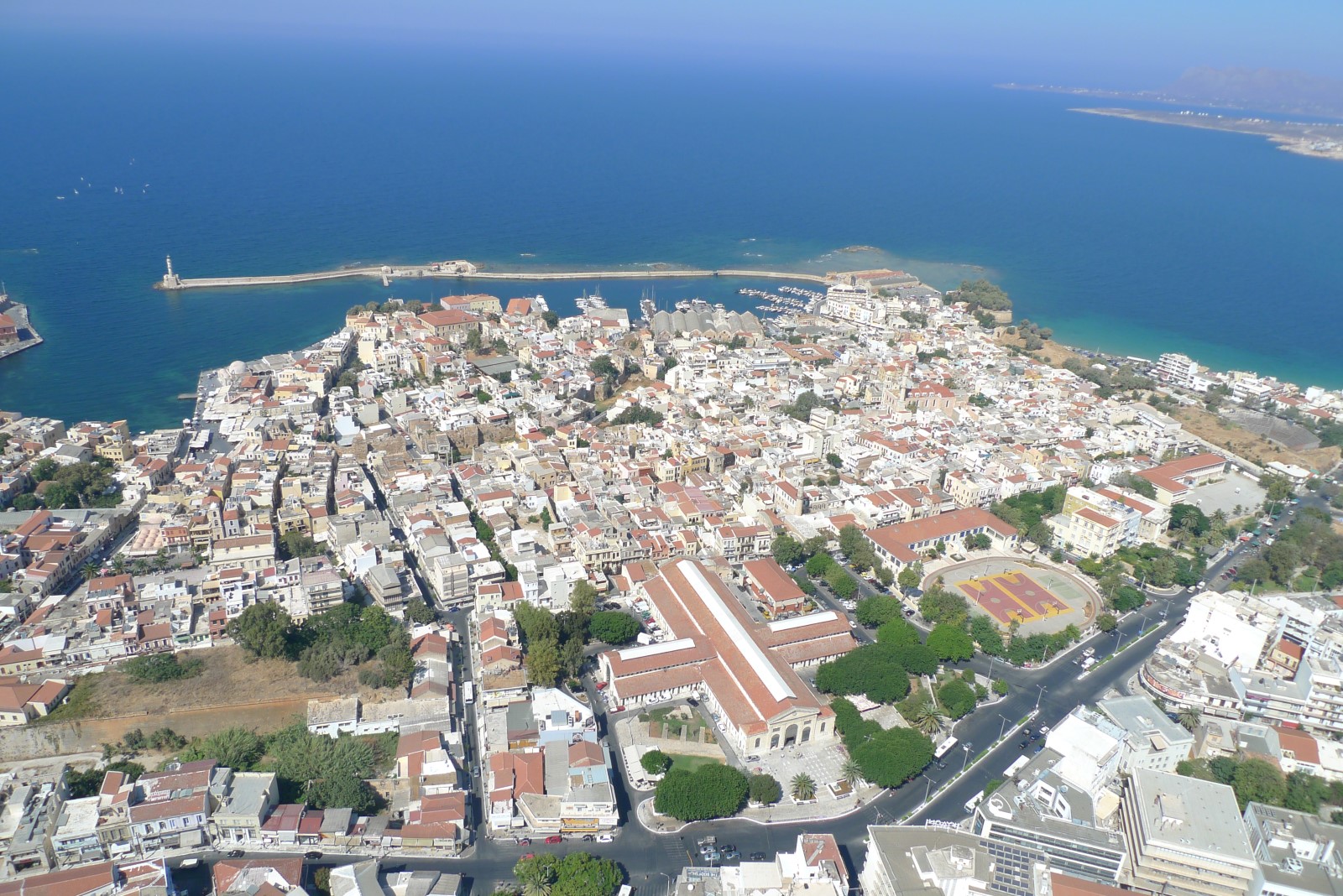
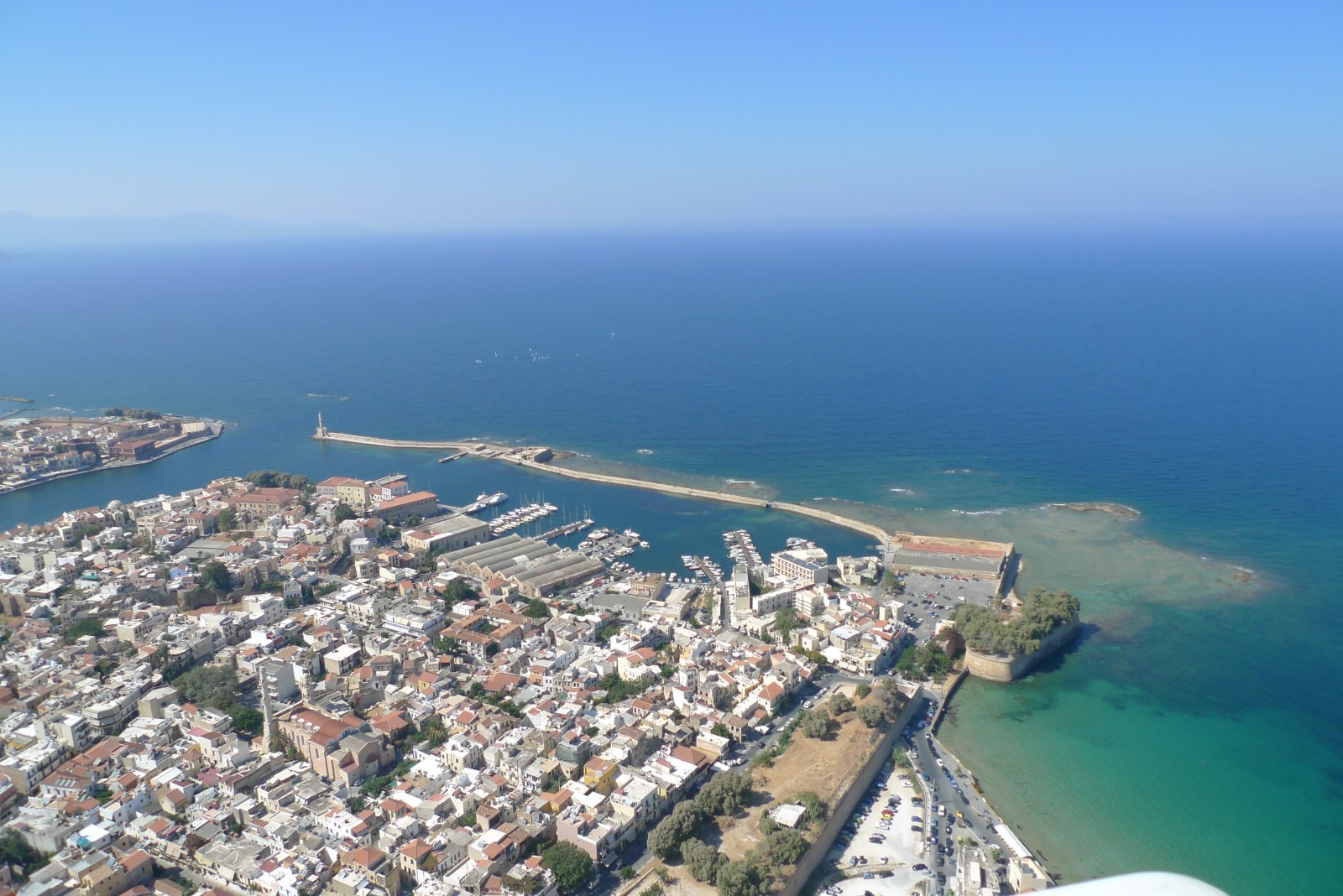
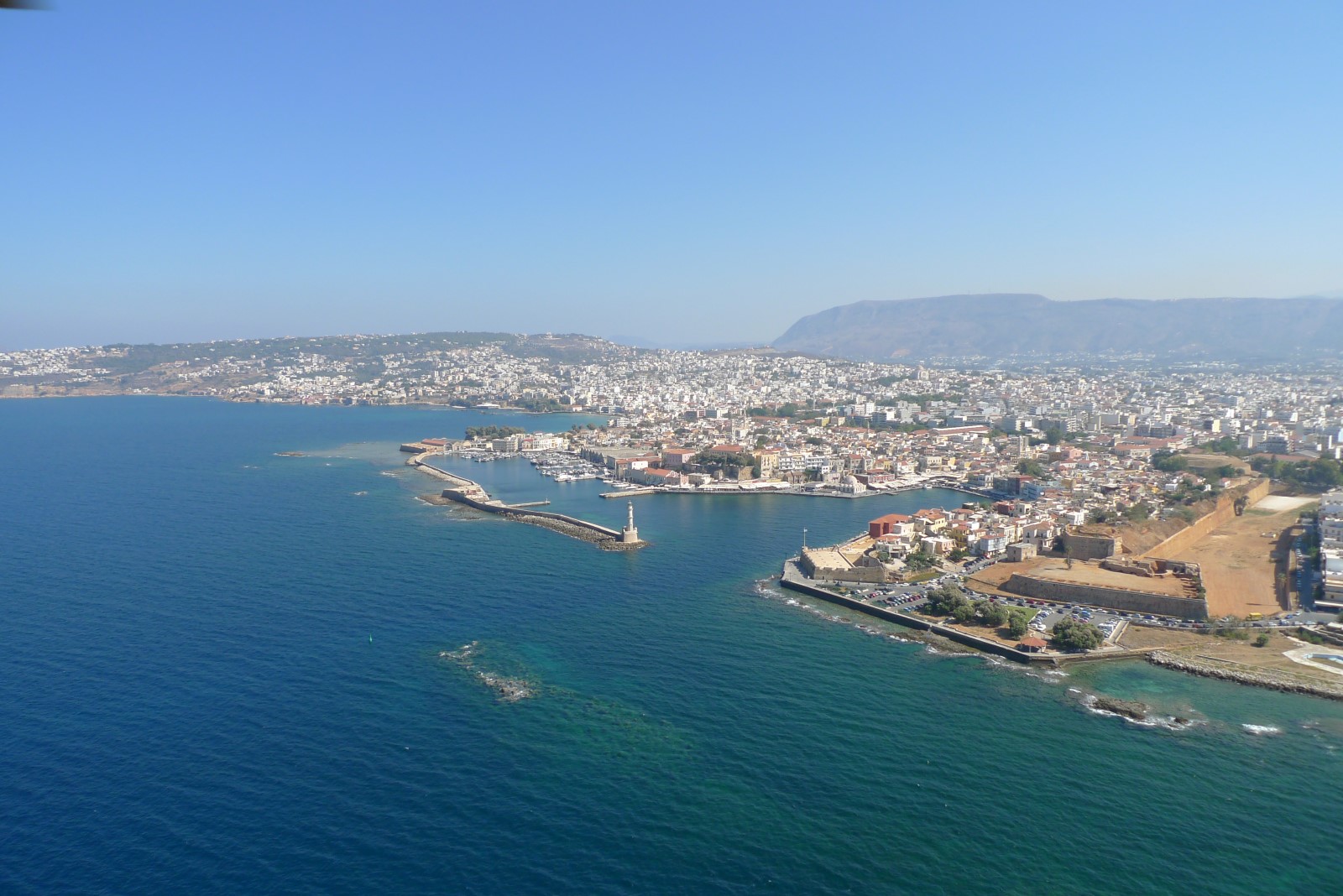
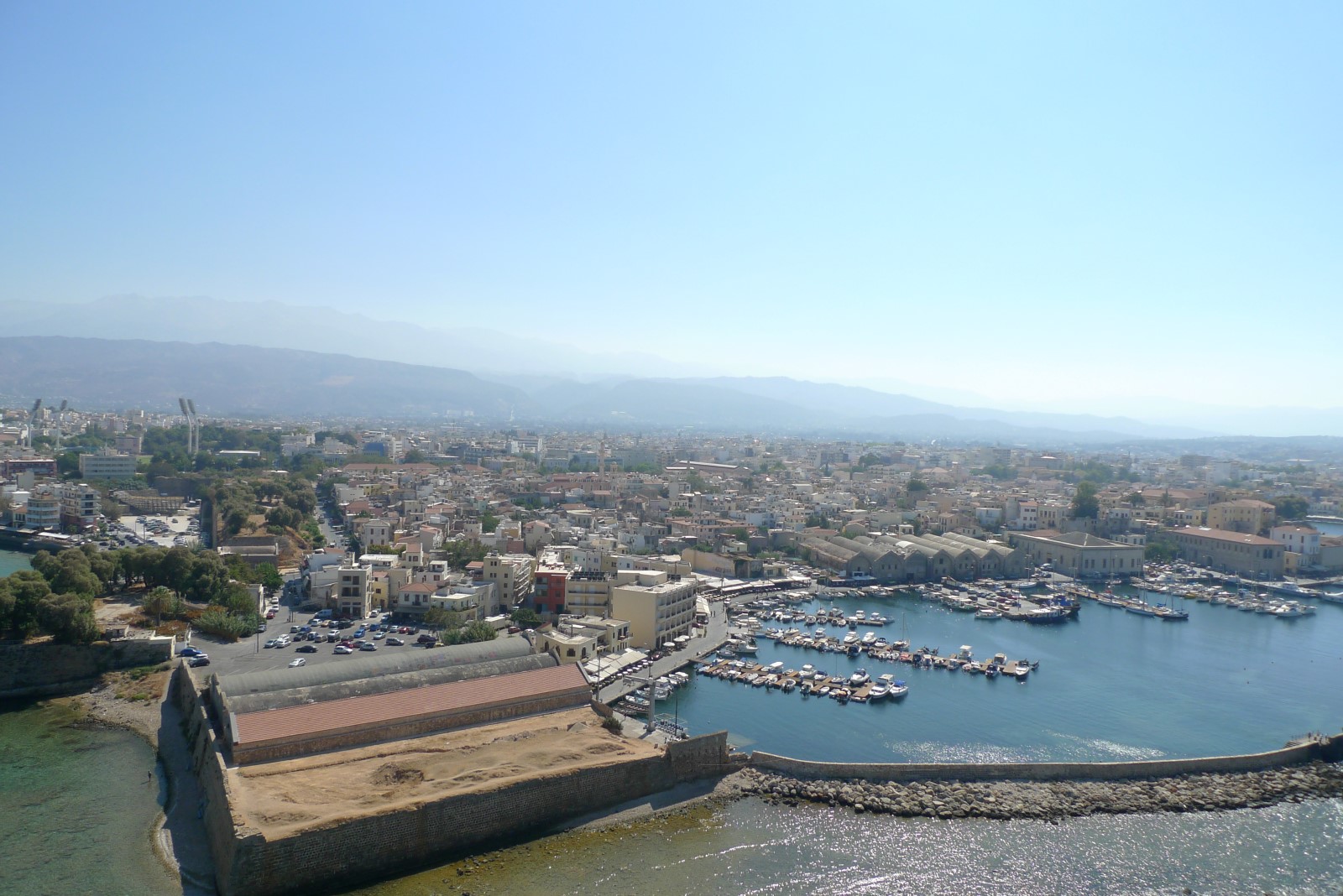
At the entrance of the port of Chania is situated the Venetian Fortress Firkas, where on December 1st 1913, the Greek flag has been hoisted, sealing the union of Crete with the motherland Greece.
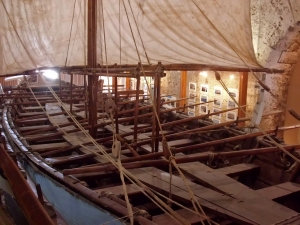
When in Chania not forget to visit the docks of the Venetian harbor (Museum of Ancient and Traditional Shipbuilding) the representation of the Minoan ship "Minoa" of 16th-15th century BC that was launched in December 2003 and in 2004 made its maiden trip from Chania to Piraeus

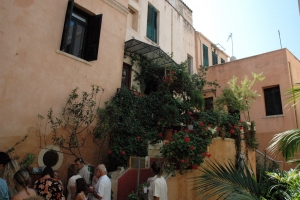
In the old city center there is the private Folk Museum "Cretan House" which was founded by the passion of two women, Aspasia Bikaki and Irini Koumandraki.

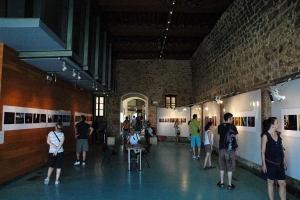
It is hosted in the Great Shipyard (Arsenali) of Chania, the last of the 17 shipyards located in the Venetian port of Chania. The construction of the building started in 1585 by Alvise Grimani.
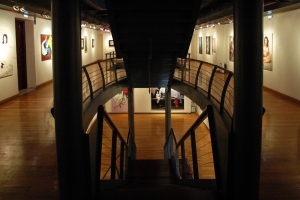
The Municipal Art Gallery of Chania is housed in a typical commercial industrial building of neoclassical Greek architecture in the late 19th and early 20th century in Halidon street, on the way to the Venetian harbor of Chania and near the Archaeological Museum.
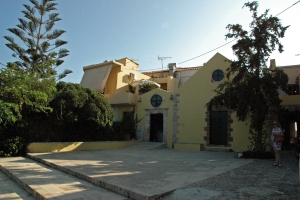
The museum has been housed since 1997 in the church of the monastery of San Salvatore, dating probably from the 15th century, next to the bastions on the west side of the Venetian fortifications of Chania.
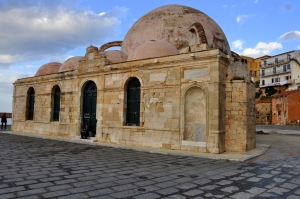
The Küçük Hasan Pasha Mosque or Gialisi Tzami (mosque of the sea) is actually the only preserved mosque of the city of Chania. It was built on the site of a preexisting Christian temple after the conquest of Chania by the Ottomans in 1645, honoring Küçük Hasan Pasha.
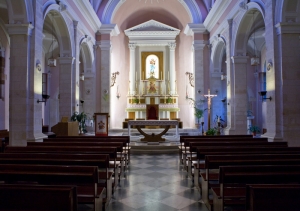
The Roman Catholic Church in Chania (1842) meets in the town centre at Halidon 46, the road that leads from 1866 Square down to the harbour front, in a beautiful building just set back from the main frontage.
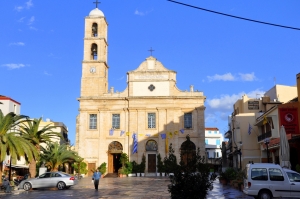
The present Cathedral temple of "Eisodion" was built on the place of an older temple of "Theotokos" (Virgin Mary) Trimartiri, dating back to the 14th century. When the city of Chania was occupied by the Turks in 1645, the temple was converted into a soap-factory without altering its initial design.
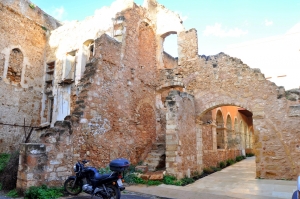
The Monastery of Santa Maria was built by Marussa Mengano in 1615 for the Dominican nuns of Chania. The Monastery was described by the Venetian Inquisitor G. Perpigano in 1620, who wrote that it had comfortable cells south from the catholic.

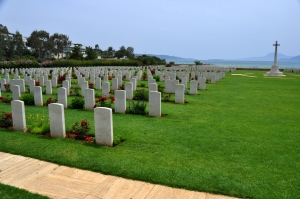
At Vlites position, by Souda port, in a beautifully landscaped scenery, there is the Souda Bay War Cemetery, where ceremonies take place every year in memory of the victims of the Second World War. Throughout the year, many visitors, mainly Australians and New Zealanders, visit this place.
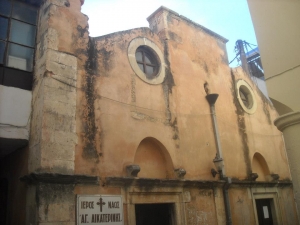
The temple of Saint Ekaterini (Agia Aikaterini) is located in a short distance from Aghios Nikolaos of Splantzia. It is a two-aisled structure with a front that ends to a gable. The base of the bell-tower can still be seen in the yard. The door-frames are supported by chiseled pseudo-pillars and are crowned with gothic relief arches.

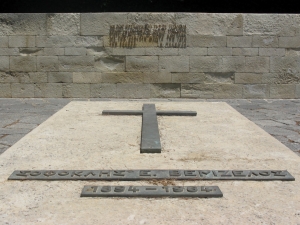
The graves of Venizelos are located in a very historic location of Chania, next to the Venetian church of Prophet Elias at position Froudia with panoramic views to Chania. The temple was originally dedicated to the Prophet Elisha, while in the 16th century the nave of the Prophet Elijah was added.
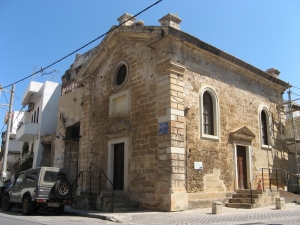
At the northwestern edge of the square Splantzia we meet the church of San Rocco. The construction of the temple took place in 1630, probably after the outbreak of a plague, as Saint Rokkos was the protector against plague.
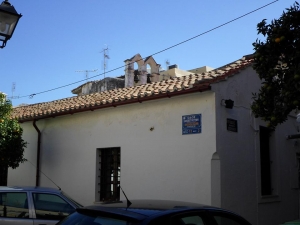
A parish temple located on the homonym district of Aghioi Anargyroi, which is recorded from 1583 in Venetian documents. Despite its small size, the district is represented in most of the city's images.
- 1
- 2
Also read:
- Home
 Beaches
 Nature
 Past
Past Destinations
 Highlights
 West Crete
- Central Crete
- East Crete
- Towns
- Chania Prefecture
- Chania
- Paleochora
- Kissamos
- Georgioupolis
- Chora Sfakion
- Loutro
- Rethymnon Prefecture
- Rethymnon
- Agia Galini
- Plakias
- Spili
- Anogia
- Heraklion Prefecture
- Heraklion
- Hersonissos
- Malia
- Matala
- Agia Pelagia`
- Archanes
- Kokkinos Pirgos
- Lassithi Prefecture
- Agios Nikolaos
- Elounda
- Sitia
- Ierapetra
- Makrigialos
- Palekastro
- Zakros
- Lassithi Plateau
- Get Prepared


