








 Tombs of the Venizelos Family
The Tombs of the Venizelos family are situated on the pine-covered hill of Prophet Elias at Froudia, a few kilometres east of Chania. The historic Venetian church of the Prophets Elijah and Elisha stands prominently within the grounds. The original single-nave church was dedicated to the Prophet Elisha, while a second nave dedicated to the Prophet Elijah was added during the 16th century.
The site became closely associated with the final major Cretan uprising against Ottoman rule. In 1897, the Revolutionary Camp of the Cretans of Akrotiri was established here, with Eleftherios Venizelos playing a leading role. On the morning of 9 February 1897 according to the calendar then used in Greece—or 21 February in the modern Gregorian calendar—fighting broke out between Cretan insurgents and Ottoman forces. The Greek flag flew above the camp at Froudia as a symbol of the demand for the union of Crete with Greece.
That afternoon, warships of the international fleet of the Great Powers opened fire on the insurgent positions. A shell broke the flagpole and brought the Greek flag to the ground. The Cretan fighter Spyros Kayales, also known as Kayaledakis, lifted the flag and used his own body as its pole. His courage reportedly impressed even the crews of the international fleet, and the bombardment ceased shortly afterwards. A statue near the Venizelos Tombs commemorates this symbolic act.
The Church of Prophet Elijah was also severely damaged during the bombardment. According to local tradition, it was later restored by the Russians, who interpreted the explosion of a gun aboard the Russian flagship as divine punishment for the destruction of the church.
Beside the church are the tombs of Eleftherios Venizelos, one of the most influential statesmen of modern Greece, and his son Sophocles Venizelos, who also served as Prime Minister. Eleftherios Venizelos died in Paris on 18 March 1936 and, in accordance with his wishes, was buried at this historic location.
An extract from a speech delivered by Venizelos in the Hellenic Parliament on 28 April 1932 is inscribed on his tomb:
“The deceased who lies here, dear friends, was a man of true courage, confident both in himself and in the people he was called upon to govern. He may have made many mistakes, but he never lacked courage and was never a fatalist. He never waited for destiny to see his country progress, but placed at its service all the fire within him and every power of body and soul.”
Today, the site is both an important historic monument and one of the finest viewpoints in Chania. The pine-covered hill, the historic church, the tombs and the panoramic view over the city create a peaceful and evocative place of remembrance.
Sources: Municipality of Chania and the National Research Foundation “Eleftherios K. Venizelos”


Nearby places of interest
Straight-line distances
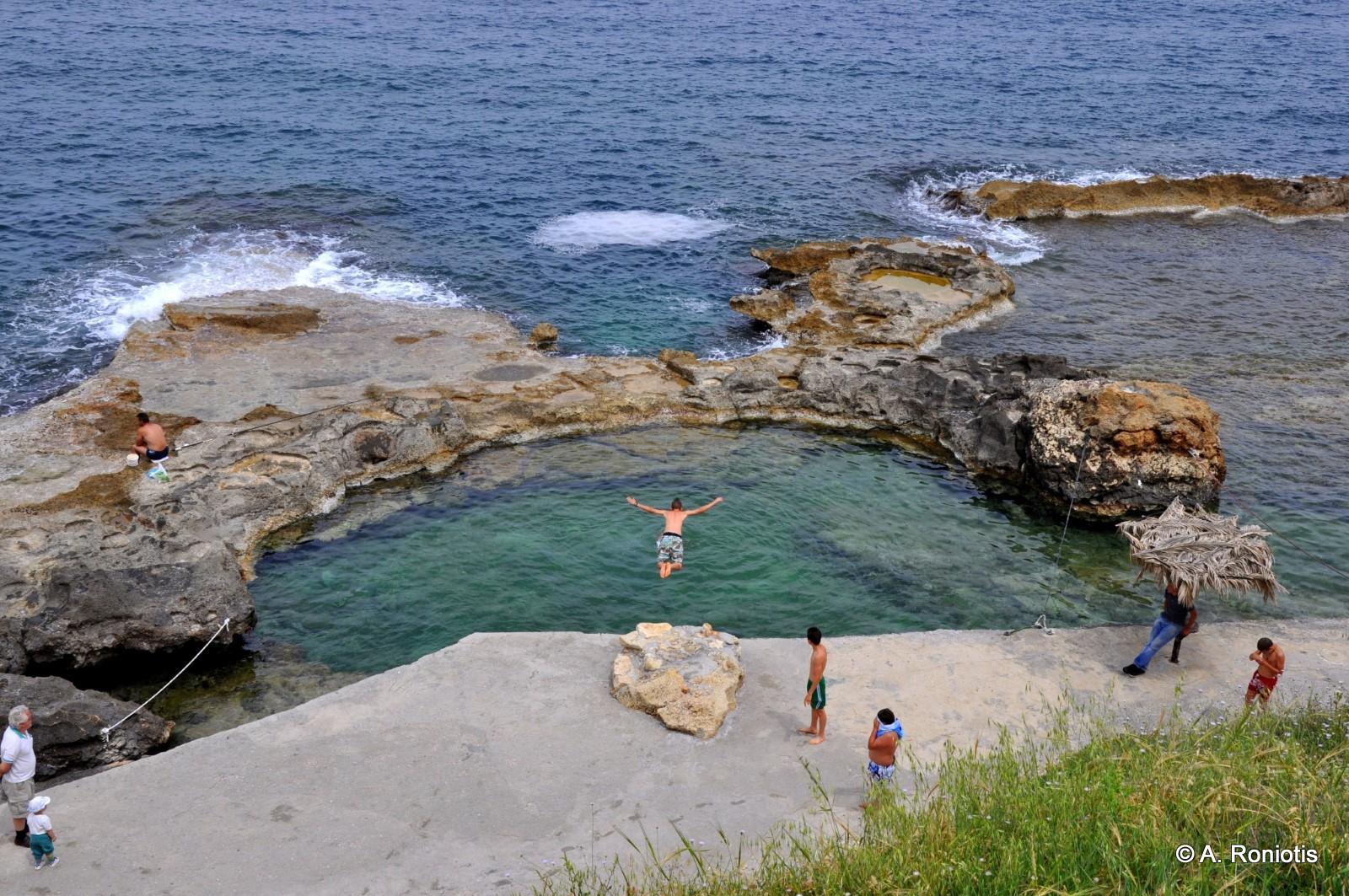 0.8 km
Halepa beach
 1.4 km
Church of Saint George Koumbelis
 1.7 km
Eleftherios Venizelos House at Halepa
 1.8 km
Church of St. Mary Magdalene in Halepa
 1.9 km
Monastery of Saint John Baptist by Korakies
 1.9 km
Archaeological Museum of Chania
 2.6 km
Koum Kapi Beach
 2.7 km
Sci·sense science venue
 2.7 km
Suda Bay War Cemetery
 2.8 km
Agios Onoufrios Beach
 2.8 km
Vlites beach
 2.9 km
German shelter of St. Spiridon
 3 km
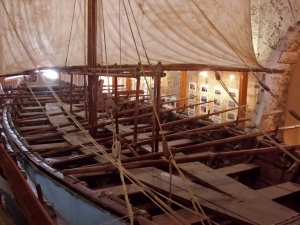
Shipyard Moro, Museum of Ancient and Traditional Shipbuilding
 3.1 km
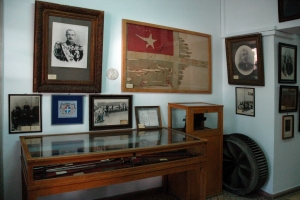
Historical Archive of Crete
 3.1 km
Chania Chemistry Museum
 3.2 km
Agios Nikolaos Dominican Monastery
 3.2 km
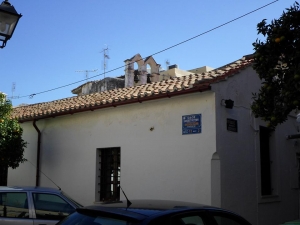
Agii Anargiri Church at Chania
 3.2 km
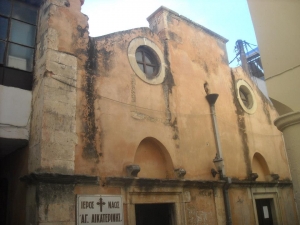
Church of Saint Ekaterini at Splantzia
Additional Info
- Location: Chania Prefecture
- Type: Tombs
- Accessibility: Bus services, Paved road
- Peak Period: Modern Greek (1913-Today)


