








 Ancient Kydonia

Minoan Kydonia developed on Kastelli Hill, beneath the present-day old town of Chania. It was one of the most important urban, administrative and commercial centres of western Crete during the Minoan and Mycenaean periods.
The palatial centre of Kydonia is included in the UNESCO World Heritage List as part of the serial property “Minoan Palatial Centres”, together with Knossos, Phaistos, Malia, Zakros and Zominthos.
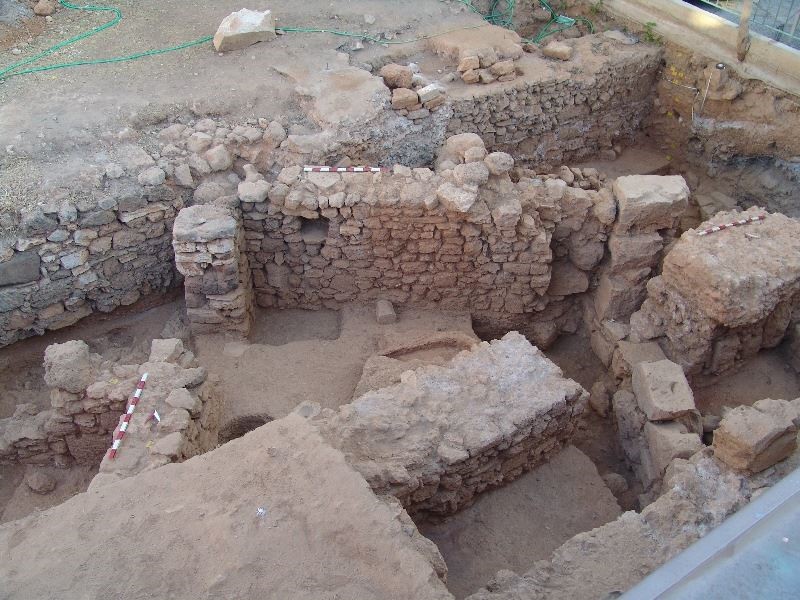
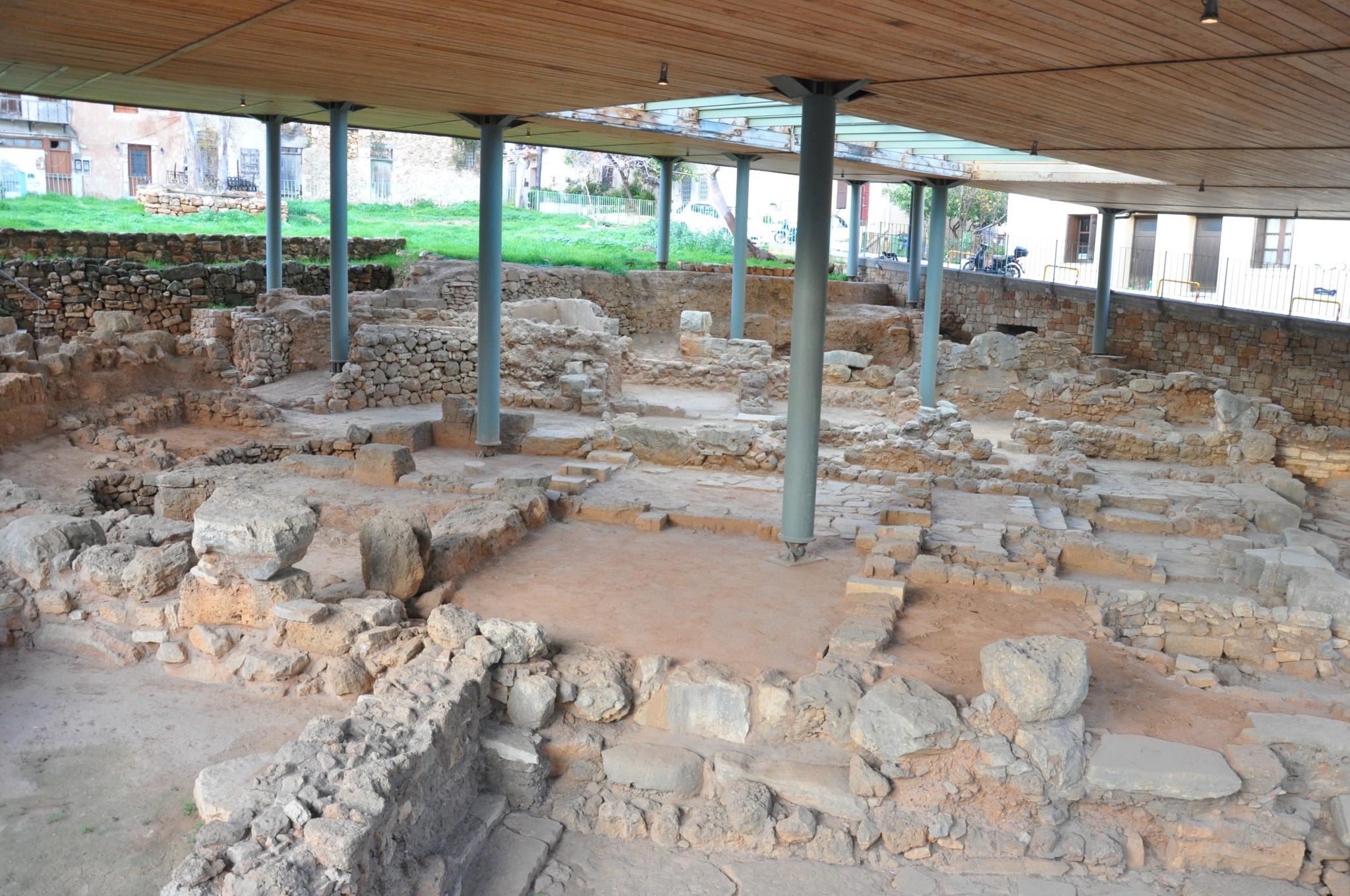
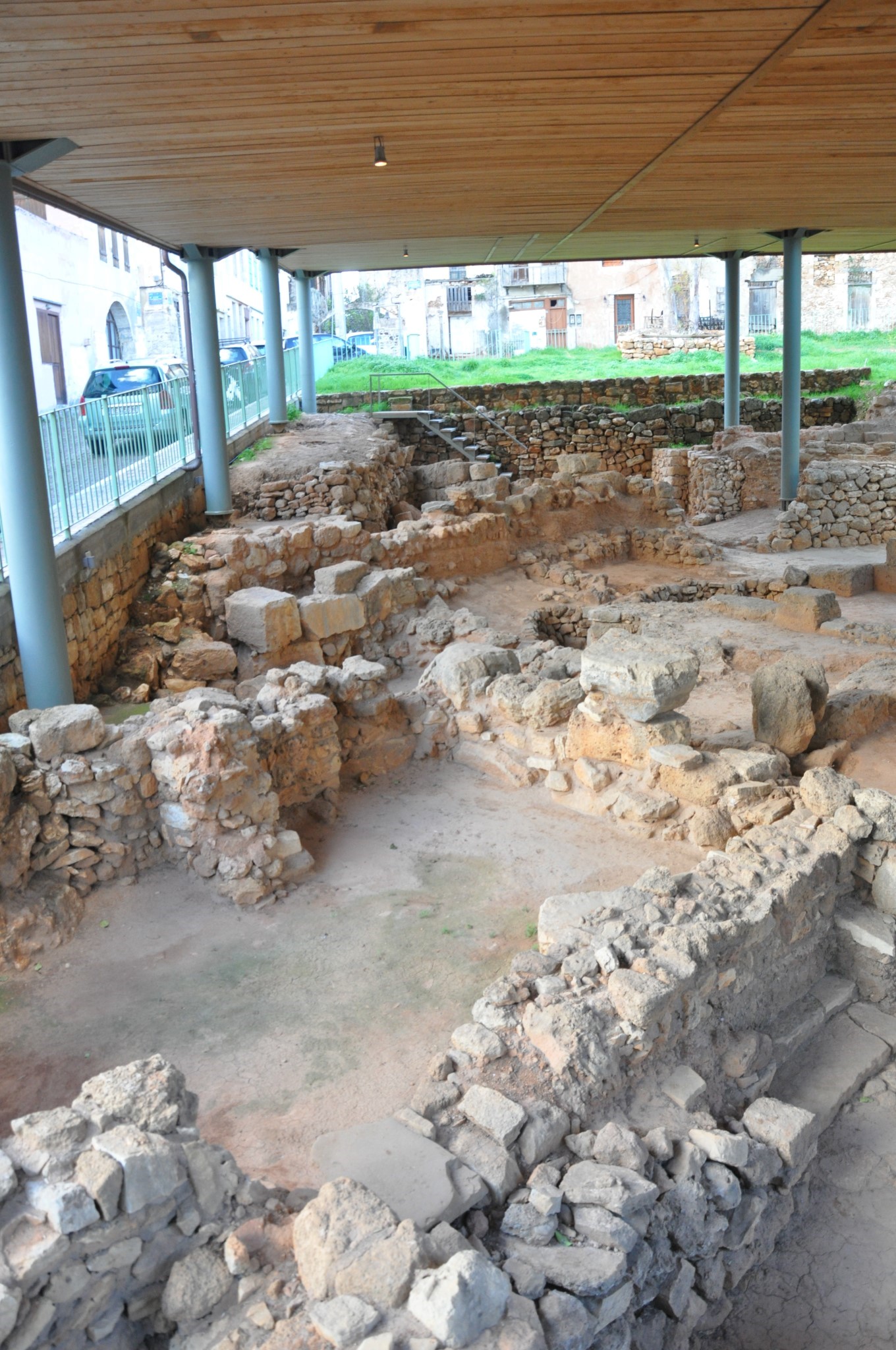
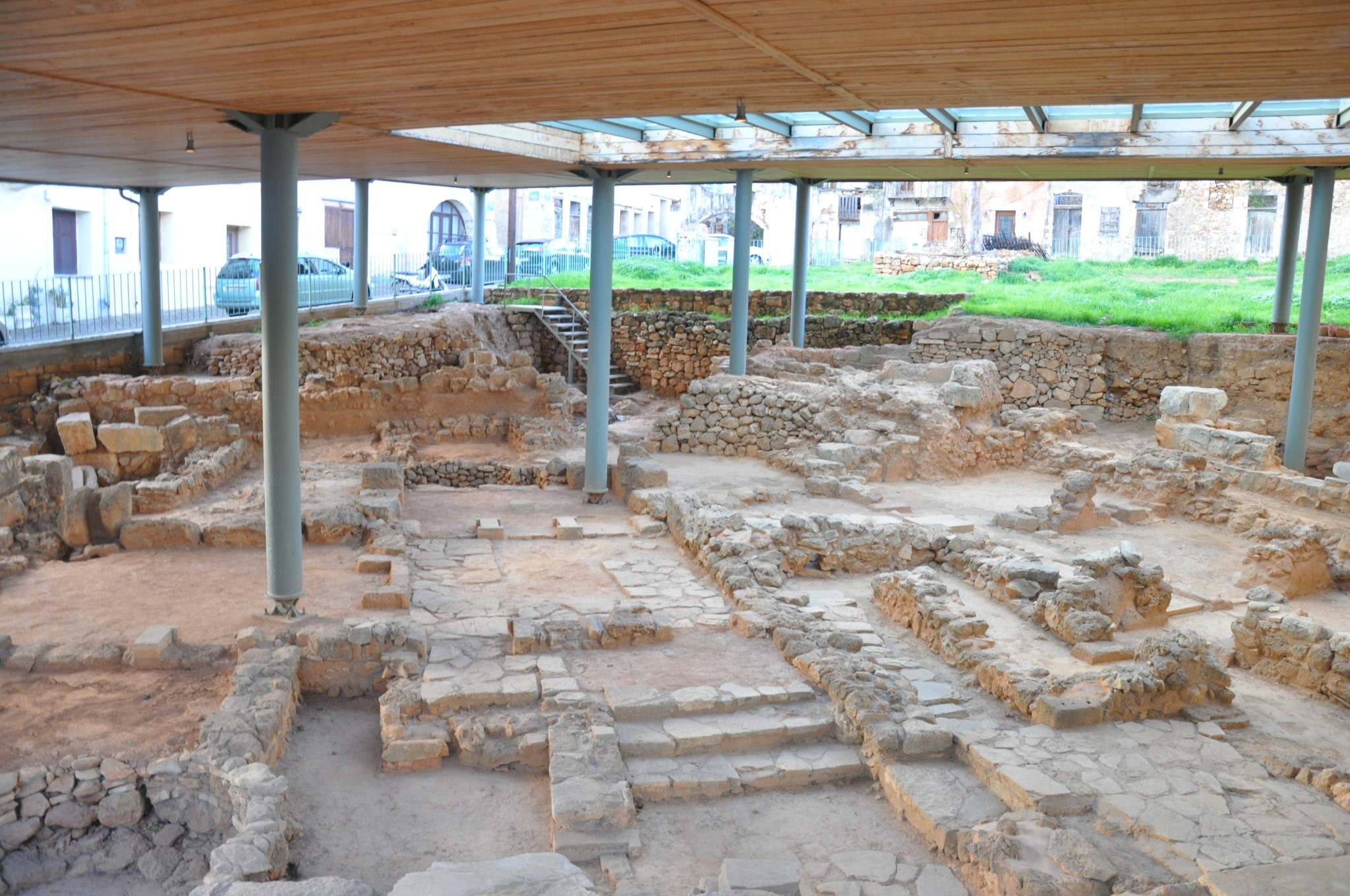
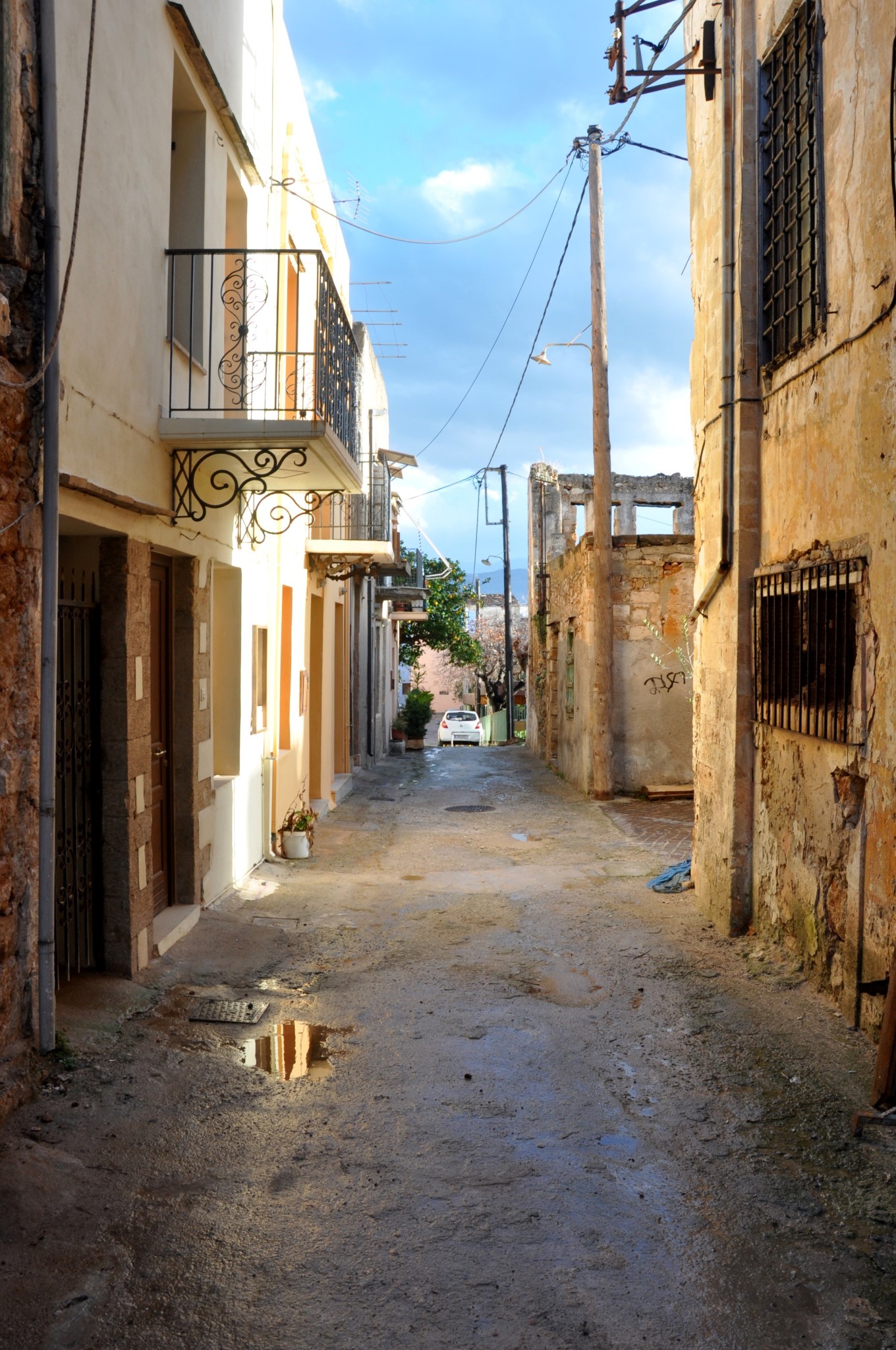
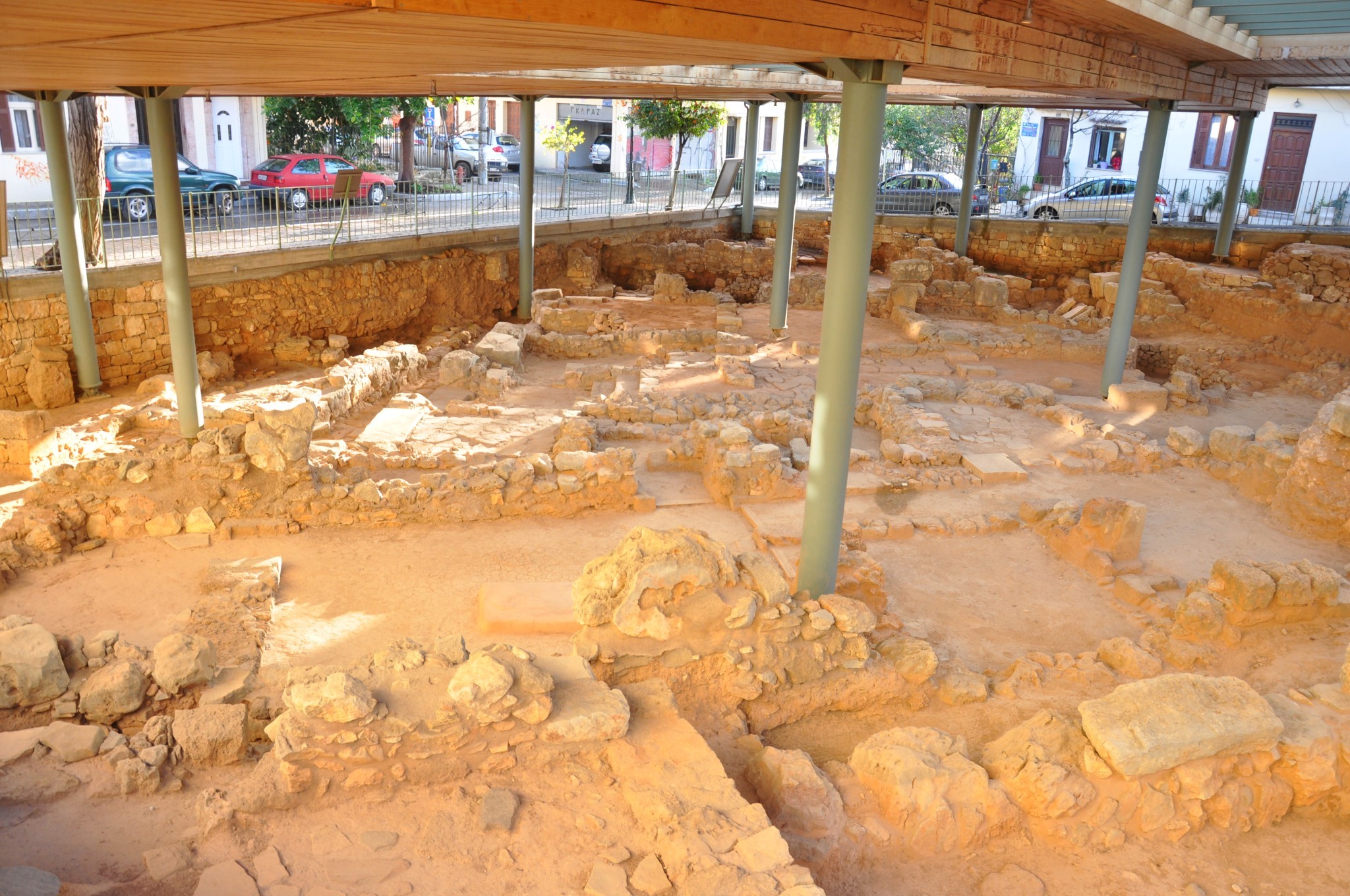
Kydonia differs from the other Minoan palatial centres because it is not a single, fully visible archaeological site. The continuous occupation of Kastelli Hill and the construction of the modern city above the ancient layers have limited the extent of excavations. A large part of the Minoan city and its administrative centre therefore remains beneath the later buildings of Chania.
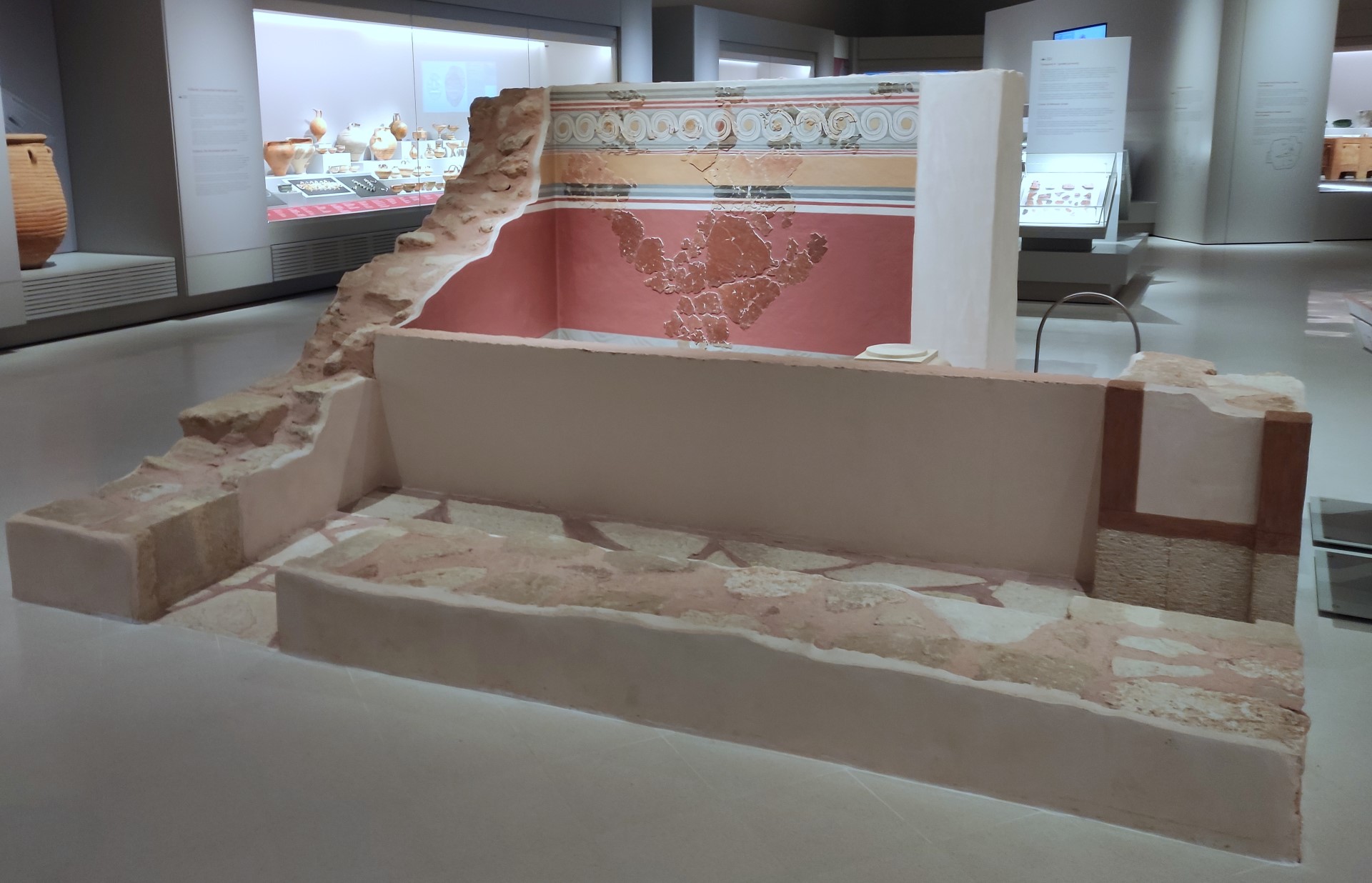
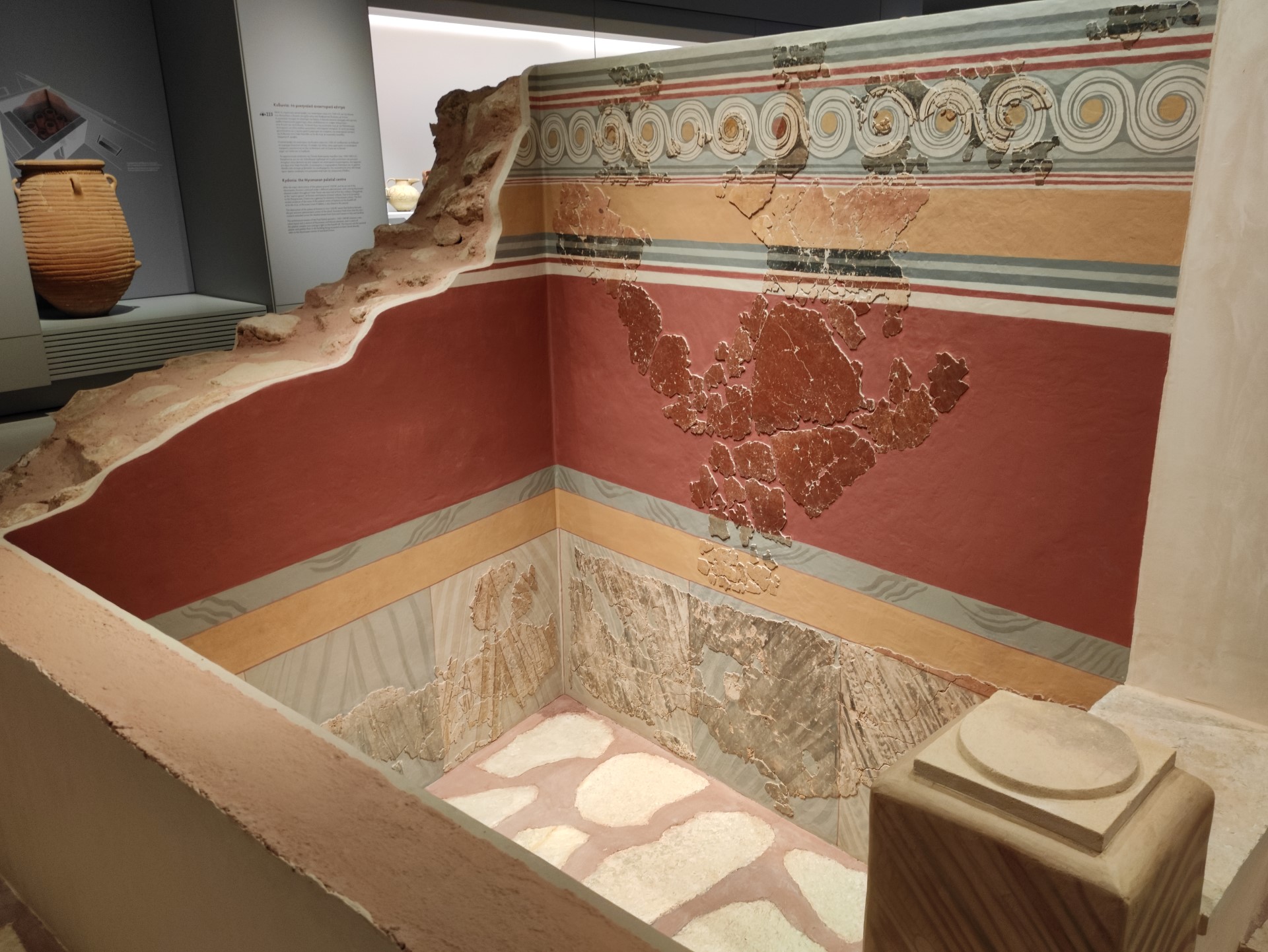
The discoveries made so far demonstrate that Kydonia was a major urban centre with monumental buildings, frescoed interiors, light wells, sophisticated drainage systems, workshops and magazines. Its advantageous position on the northwestern coast encouraged navigation and trade with the Aegean, mainland Greece and the wider Mediterranean.
The name of Kydonia
According to Greek mythology, the city was named after Kydon. In one version of the myth, Kydon was a son of Minos and the nymph Akakallis, although other traditions give him a different parentage. It has also been proposed that the name may be connected with Chthonia, one of the ancient names attributed to Crete.
The existence of Kydonia is not known only through later Greek and Roman writers. The name appears on Linear B tablets in the form ku-do-ni-ja, confirming the importance of the city during the Mycenaean period. The name survived throughout antiquity and remains the ancient root of the regional name Kydonia.
The Minoan and Mycenaean city
Kastelli Hill was inhabited from the Neolithic and Early Bronze Age. During the Minoan period, the settlement expanded and developed into an organised urban centre with administrative, economic, religious and craft-production functions.
The most important Minoan remains have been discovered on Kastelli Hill, above the old Venetian harbour of Chania. Excavations have revealed large building complexes with numerous rooms, multi-storey architecture, wall paintings, paved floors, light wells and drainage installations.
The city suffered several destructions during the Bronze Age but was rebuilt and continued to flourish. During the Mycenaean period, it acquired even greater importance and became one of the dominant centres in the trade network of Crete.
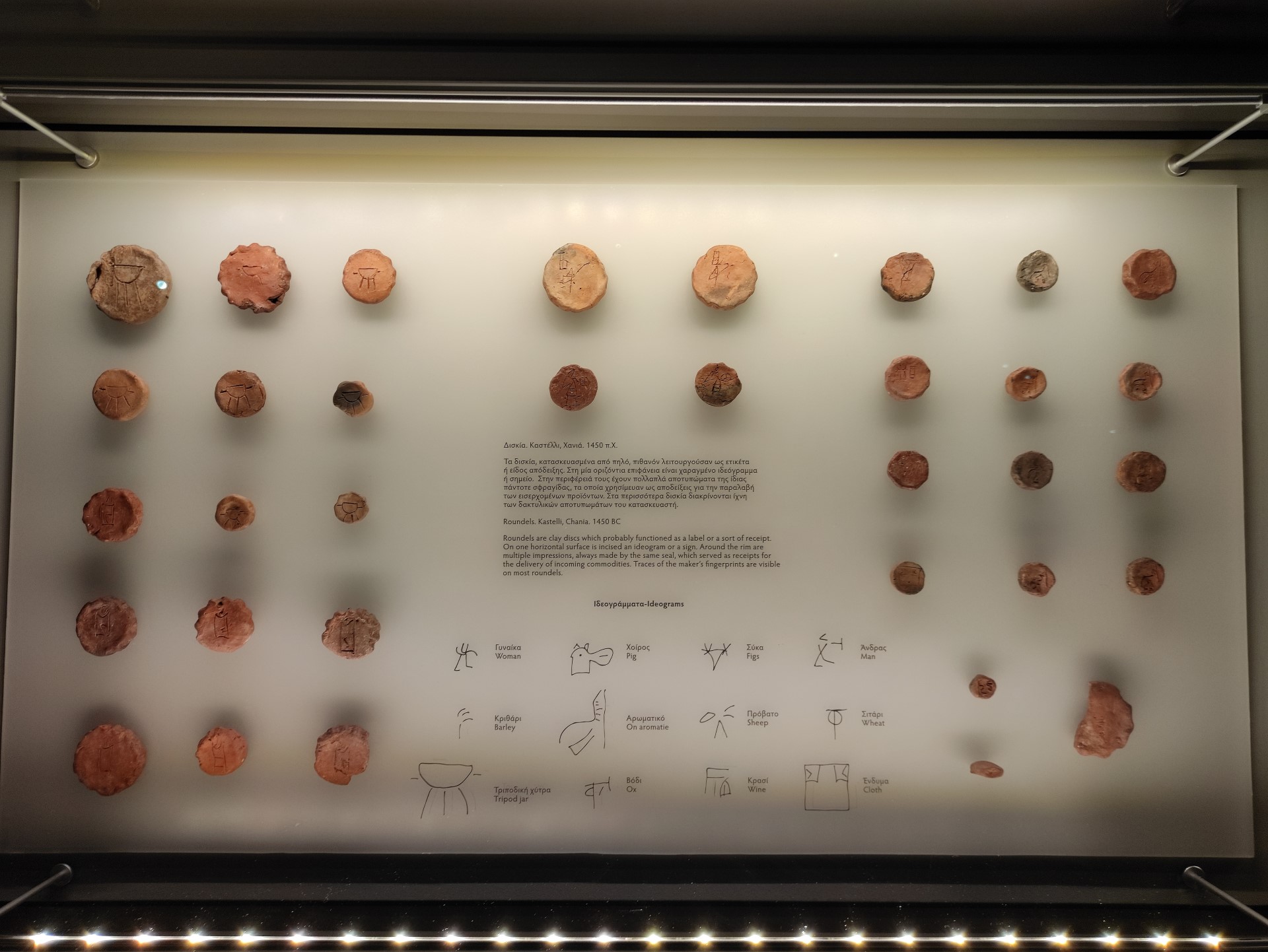
The discovery of tablets inscribed in Linear A and Linear B indicates the presence of an organised administrative system. The Linear B tablets, written in an early form of Greek, demonstrate the continuation of administrative activity after Mycenaean influence became dominant on Crete.
The most important discoveries
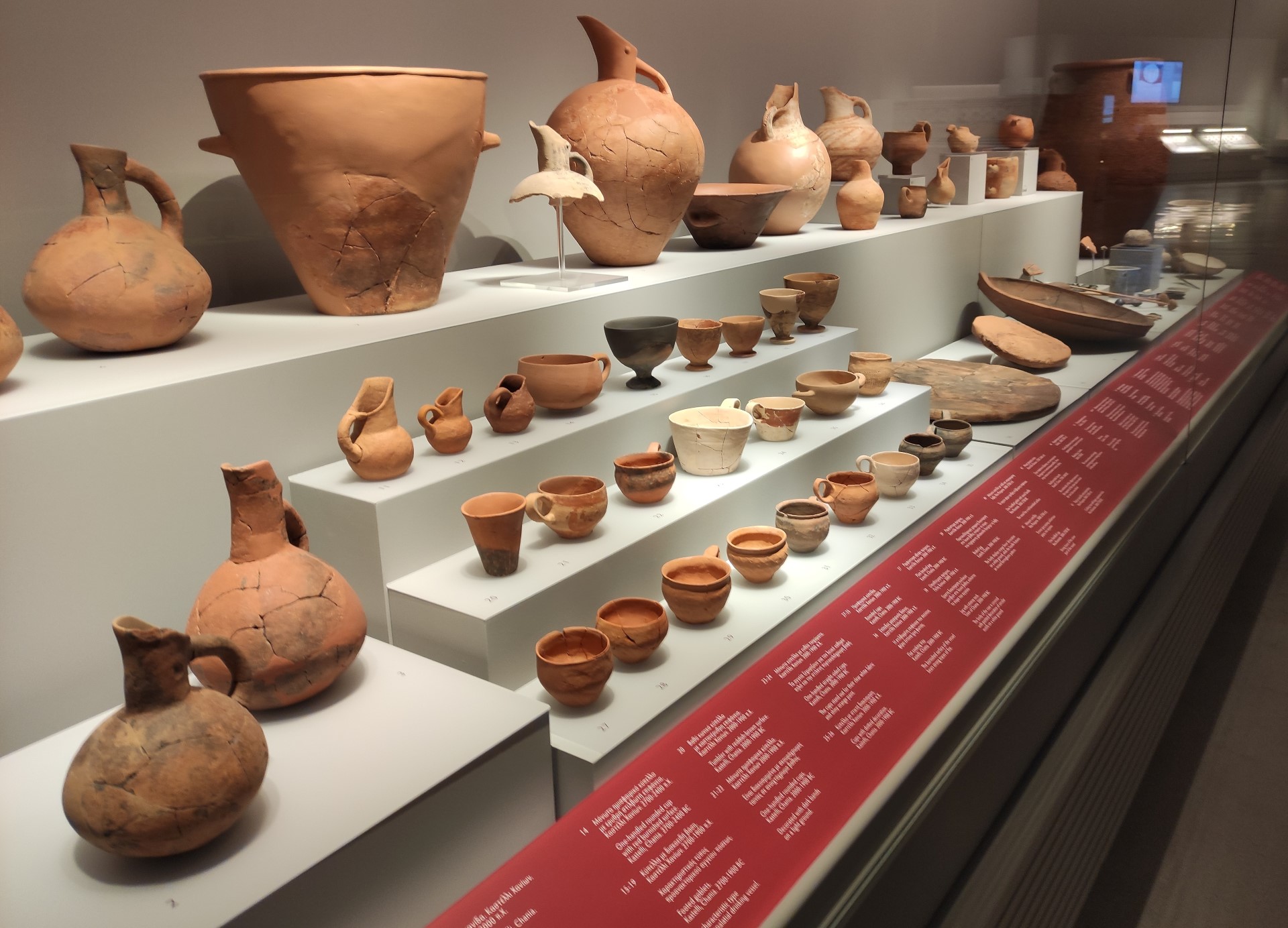
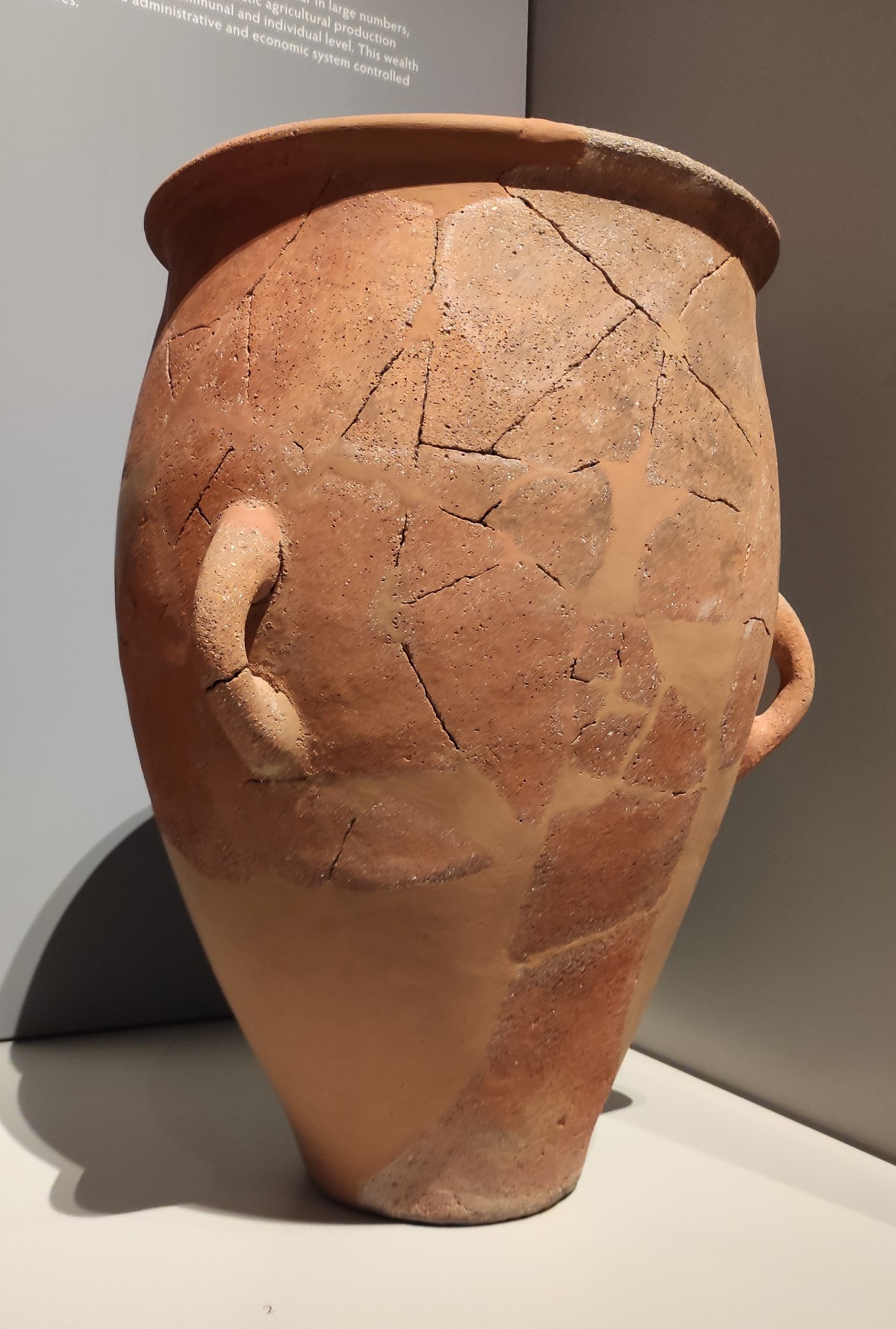
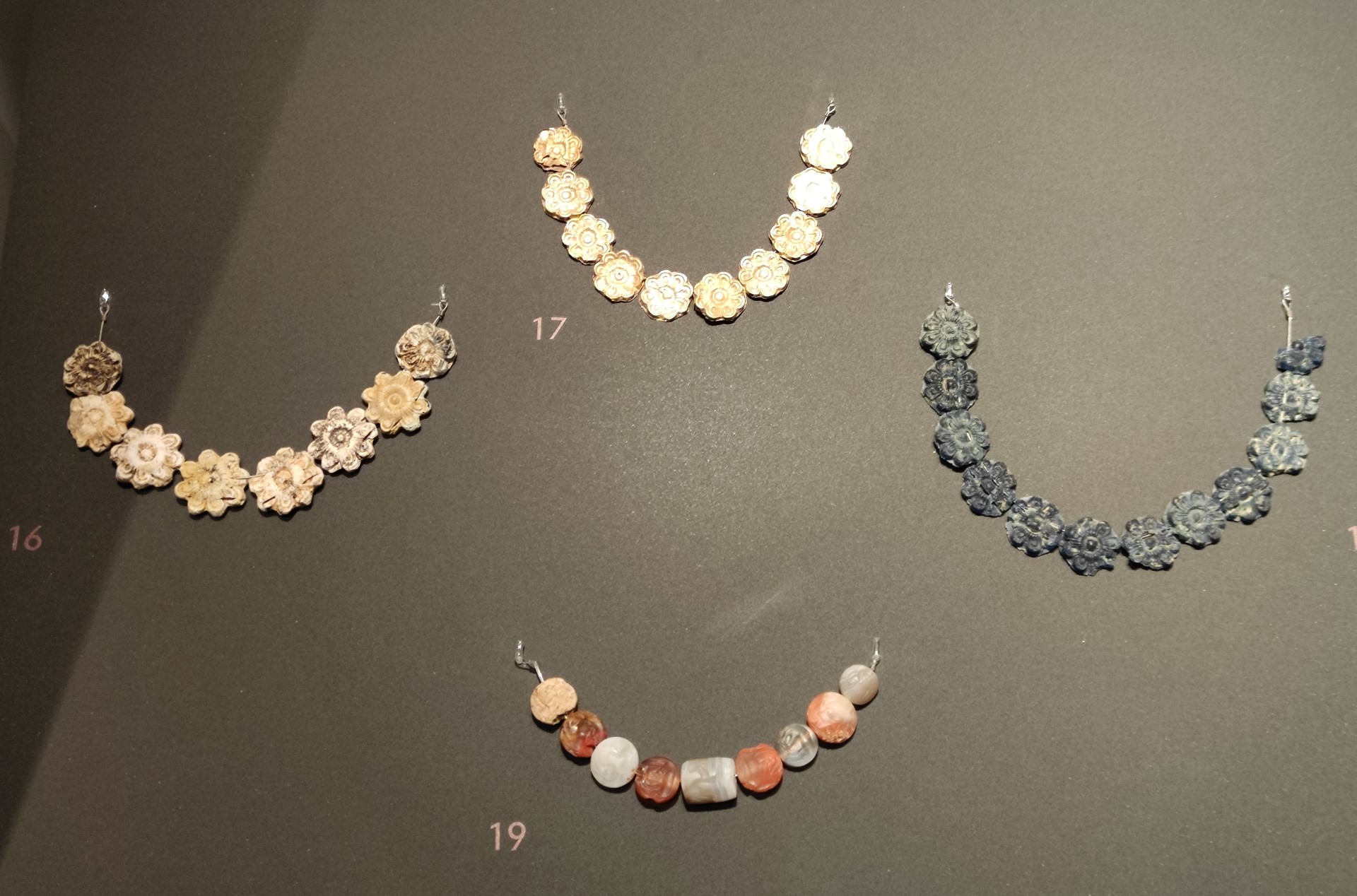
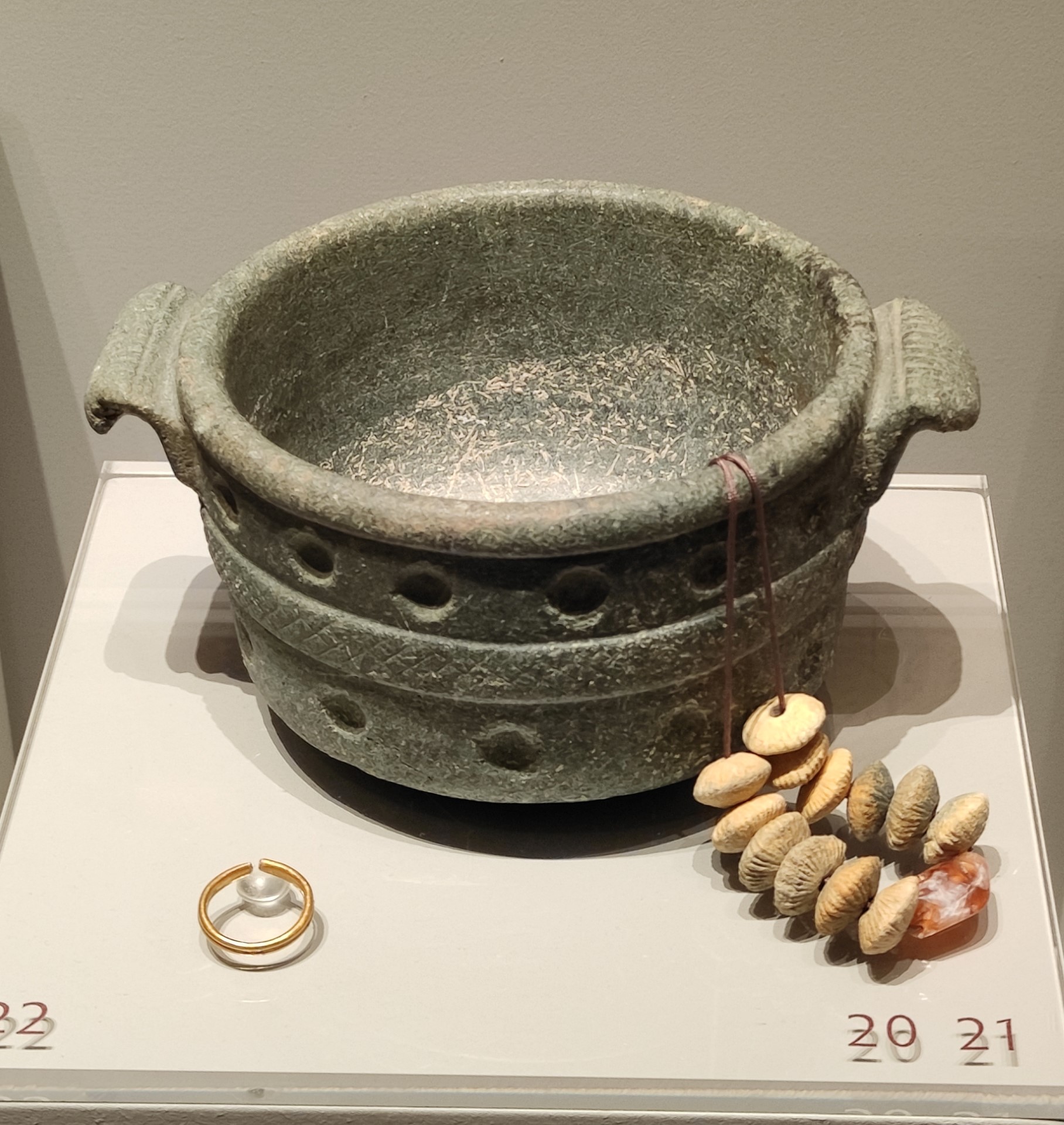
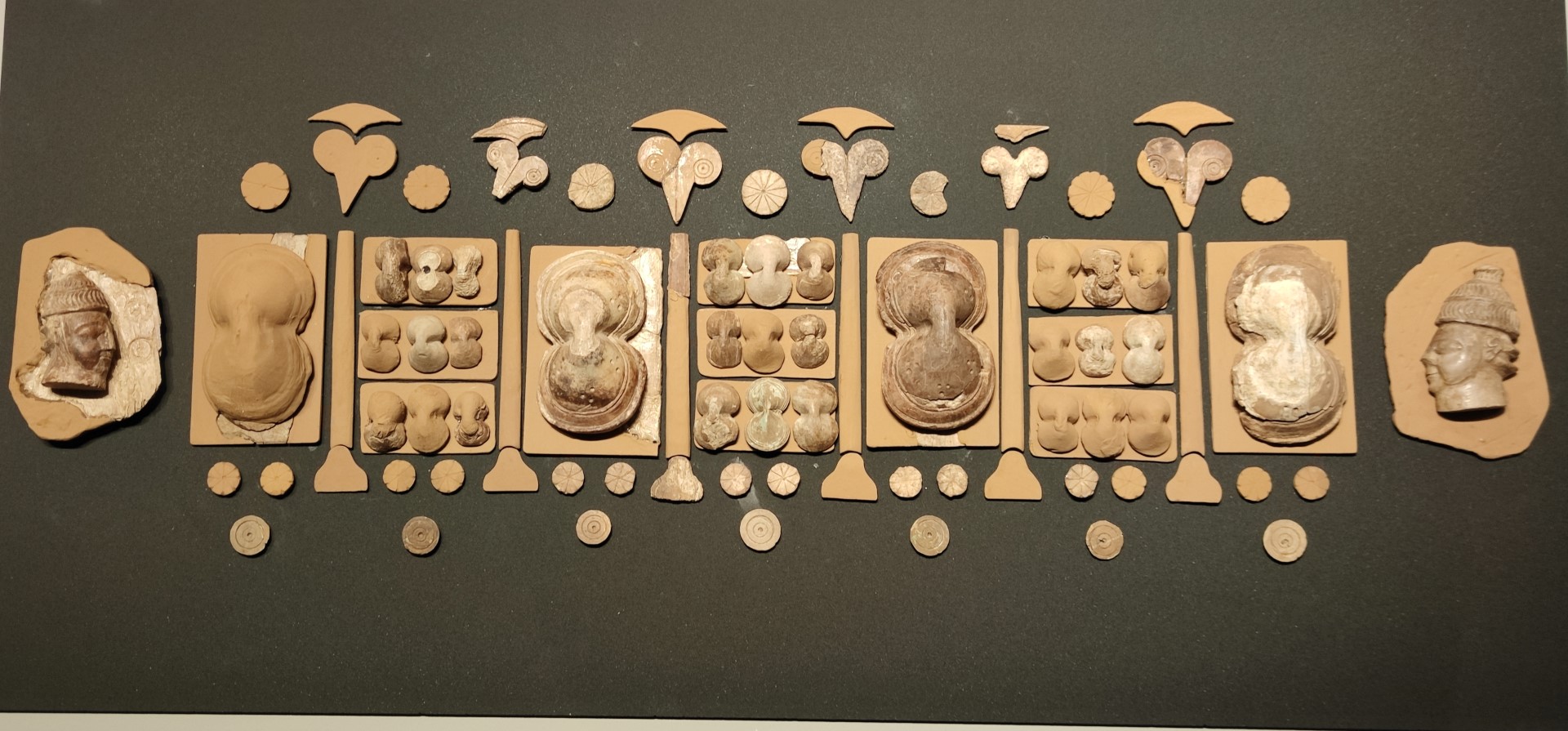
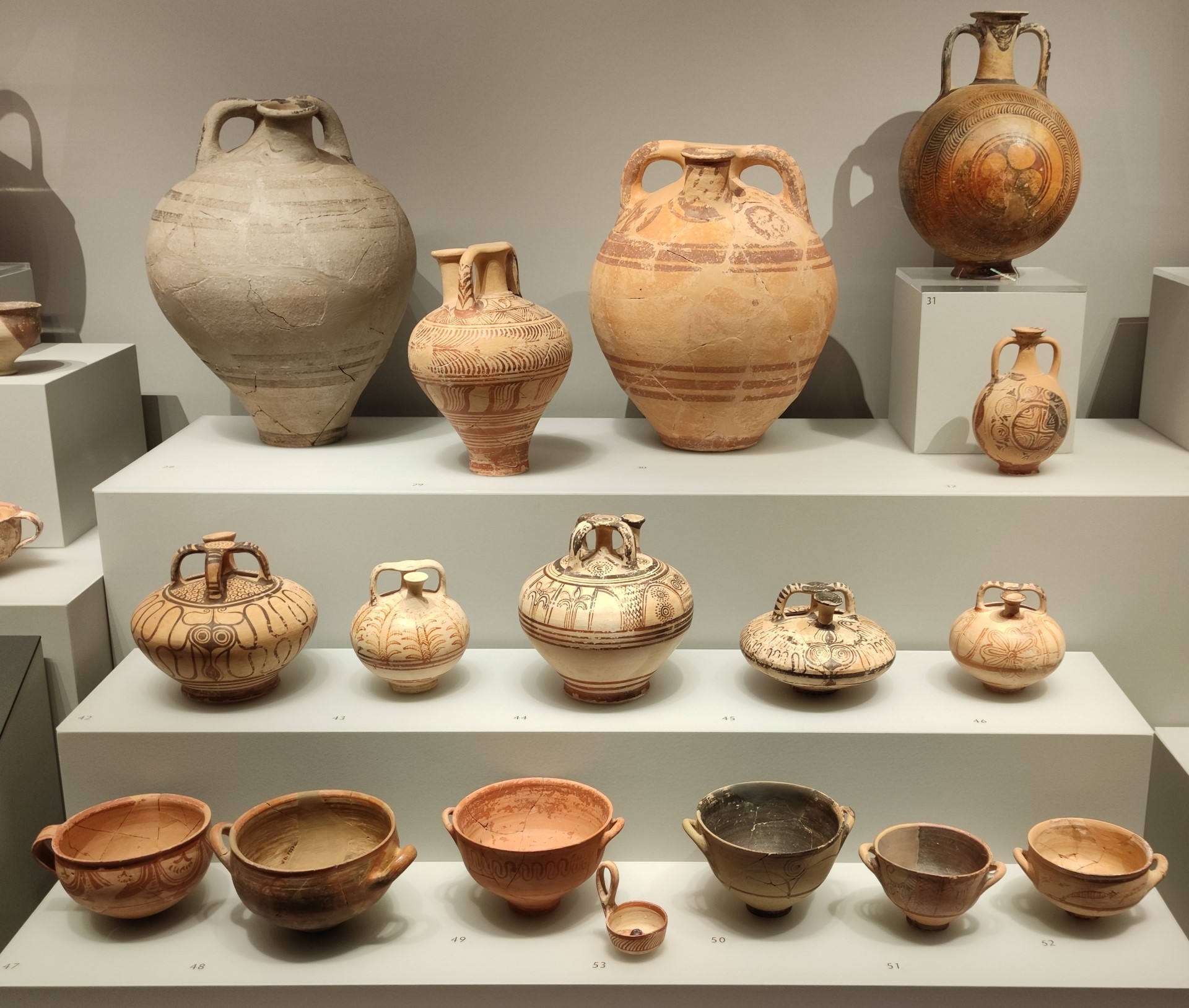
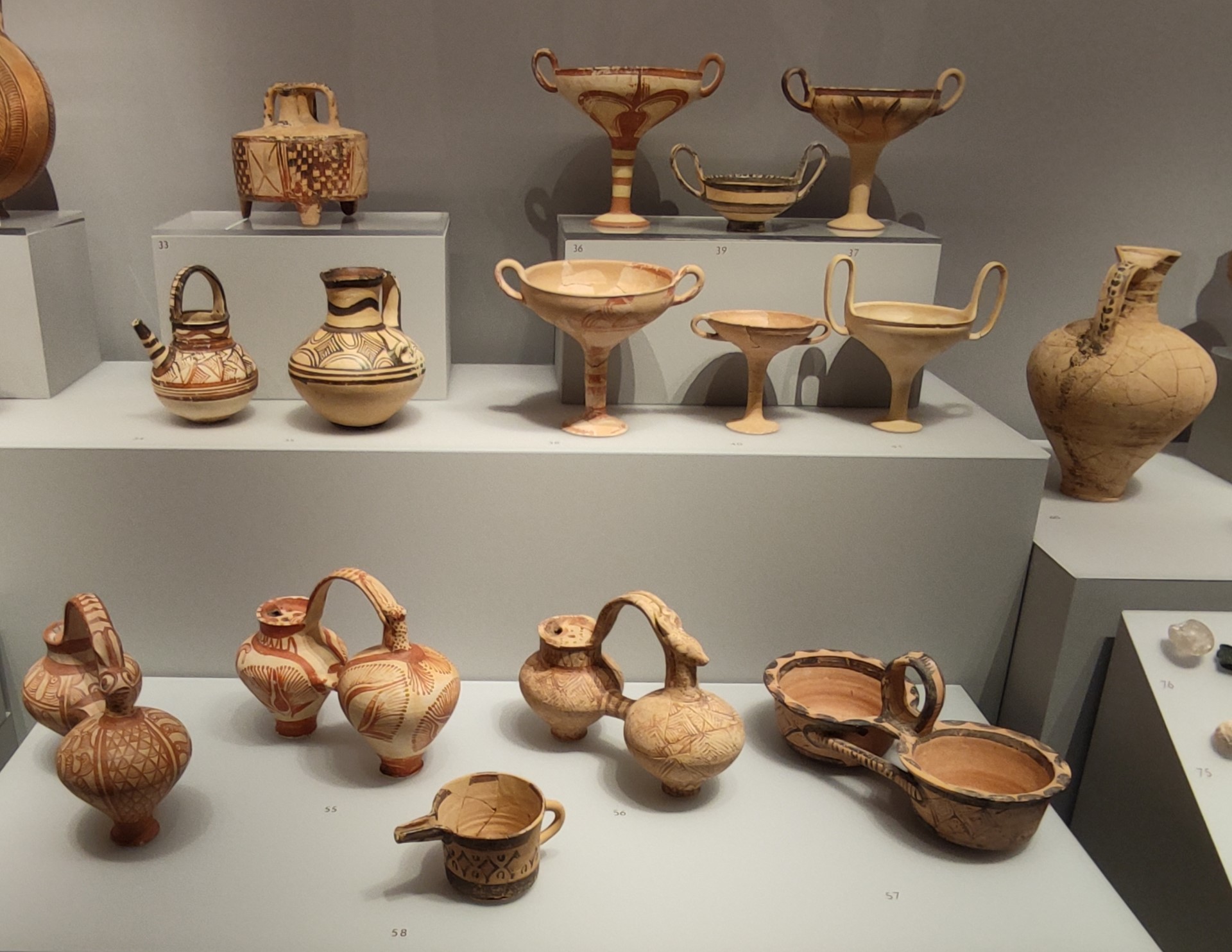
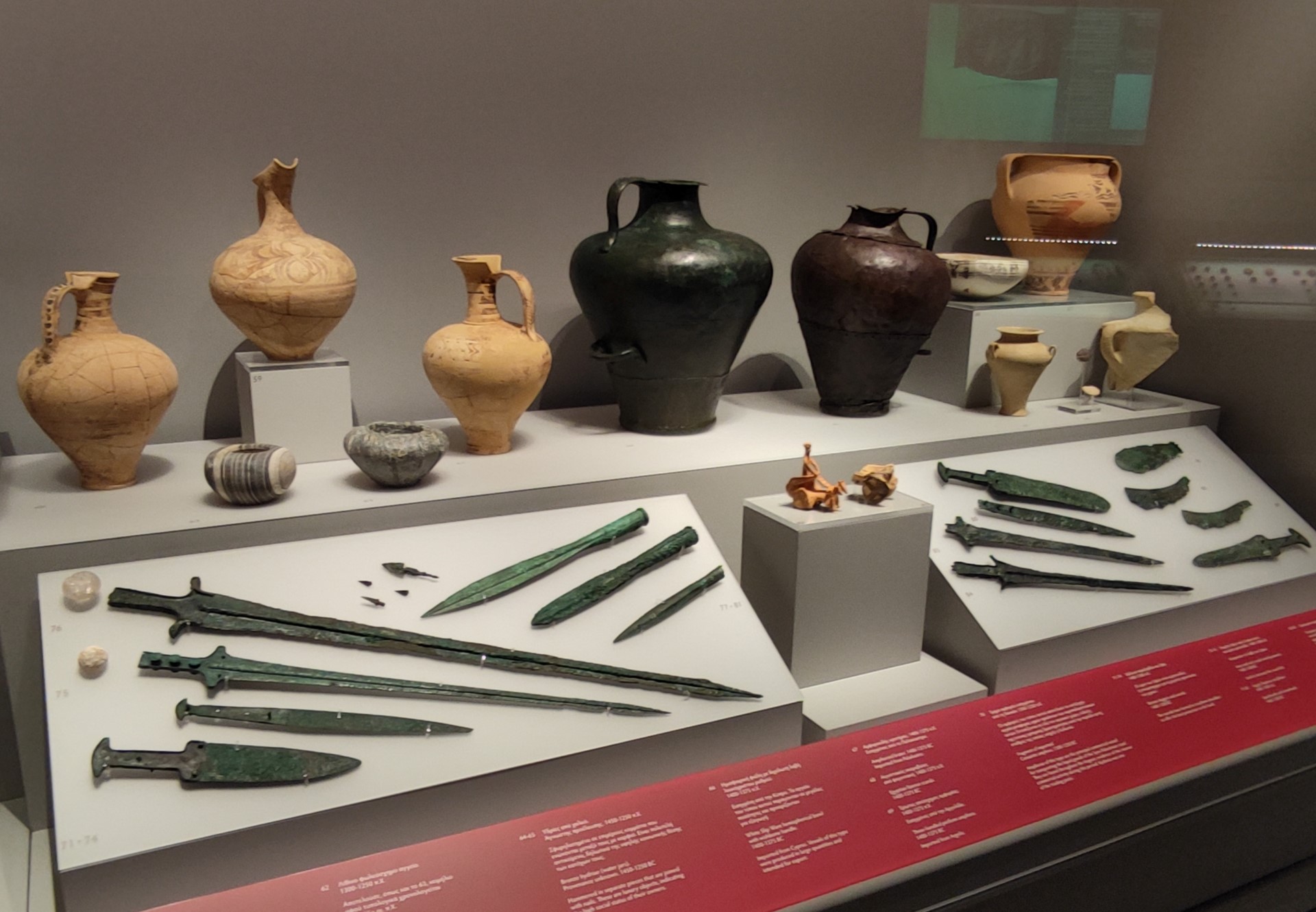
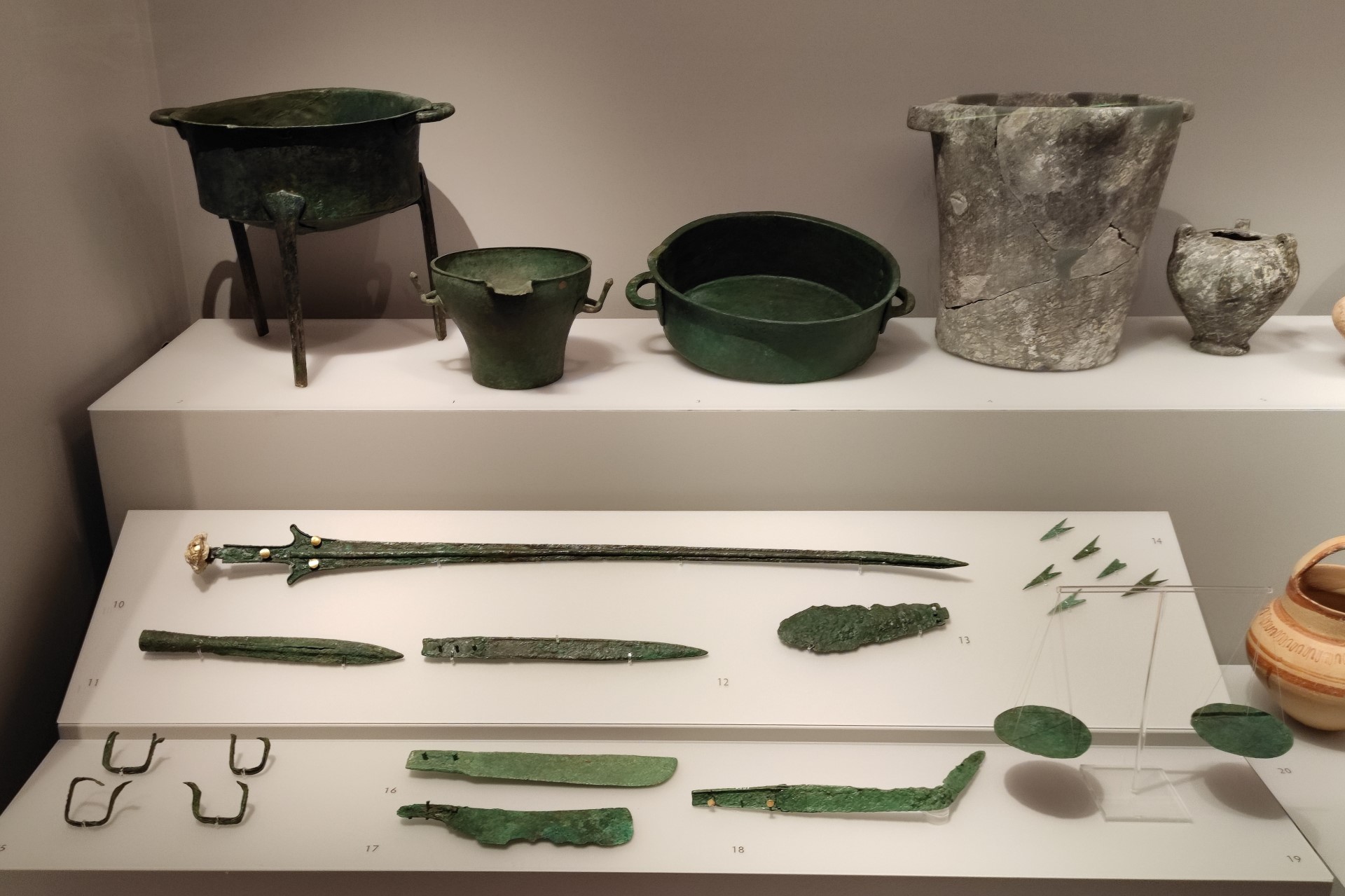
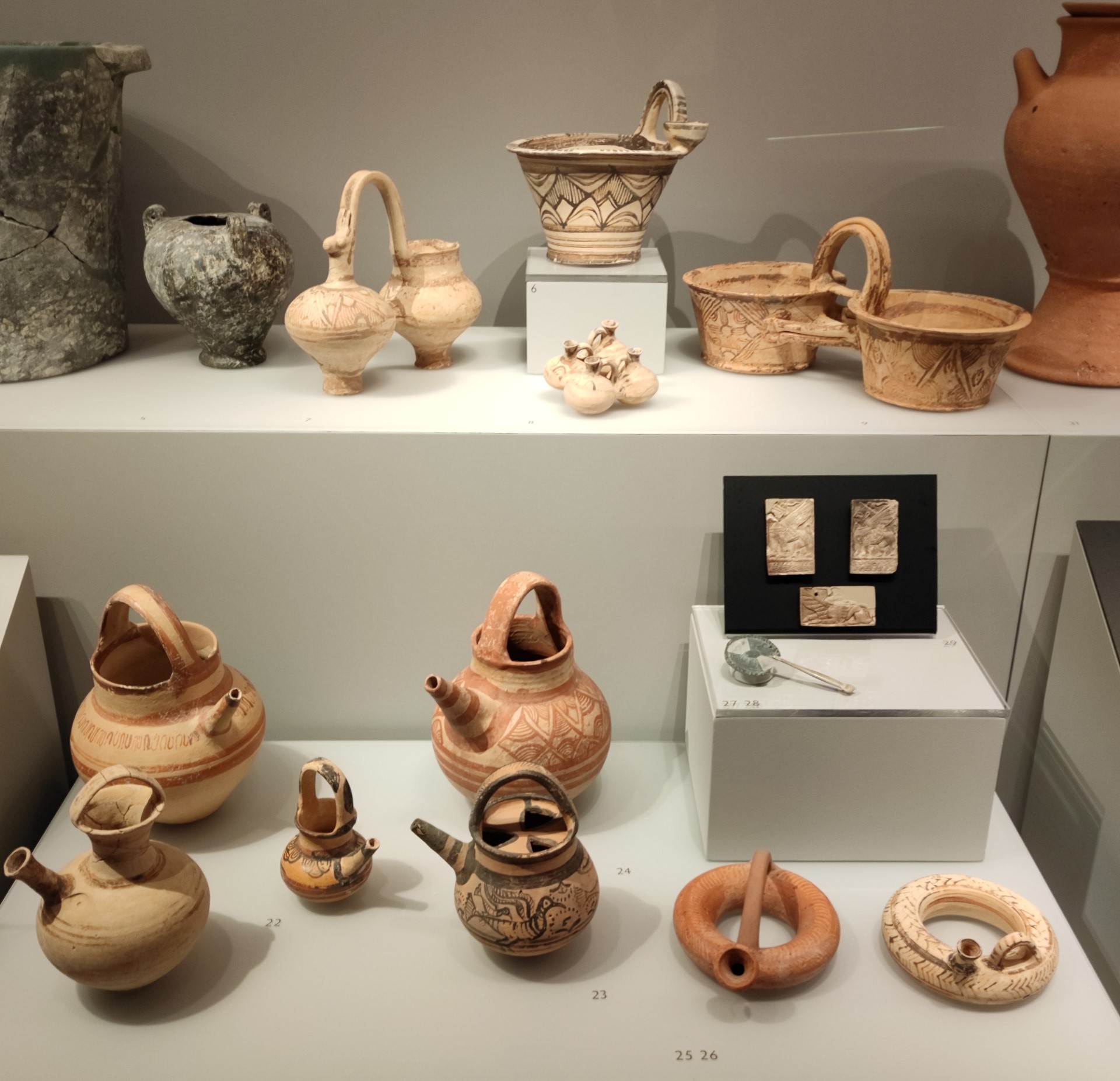
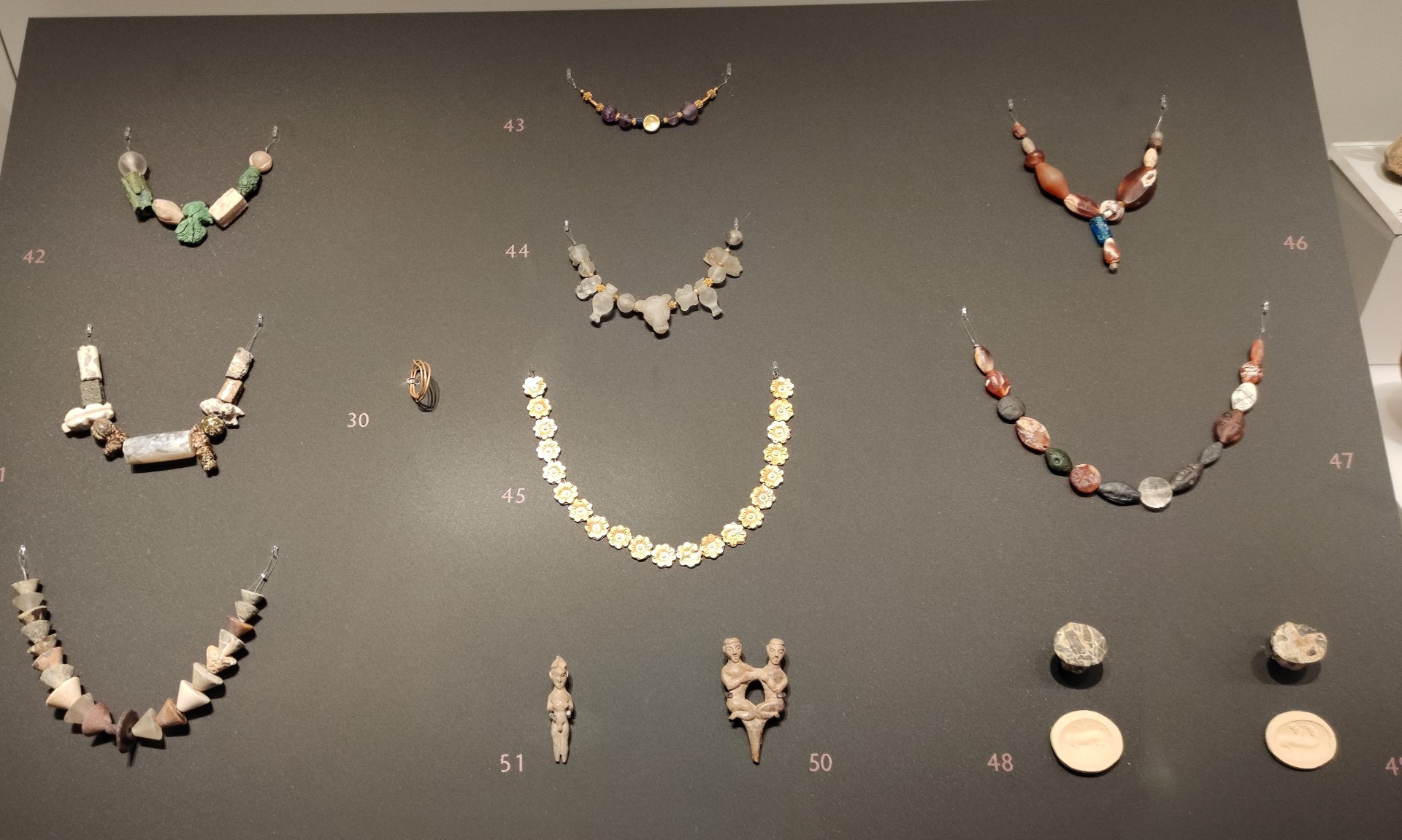
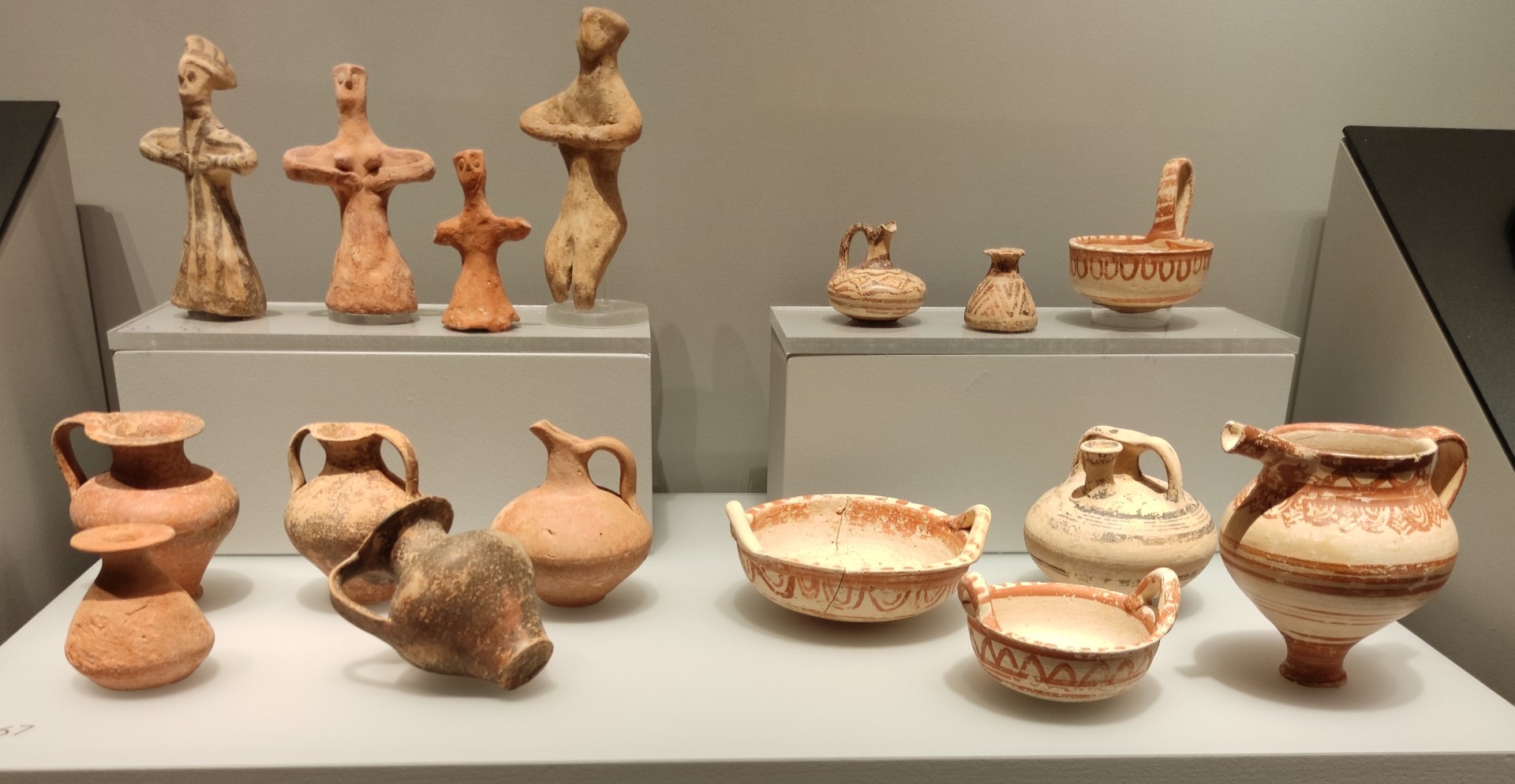
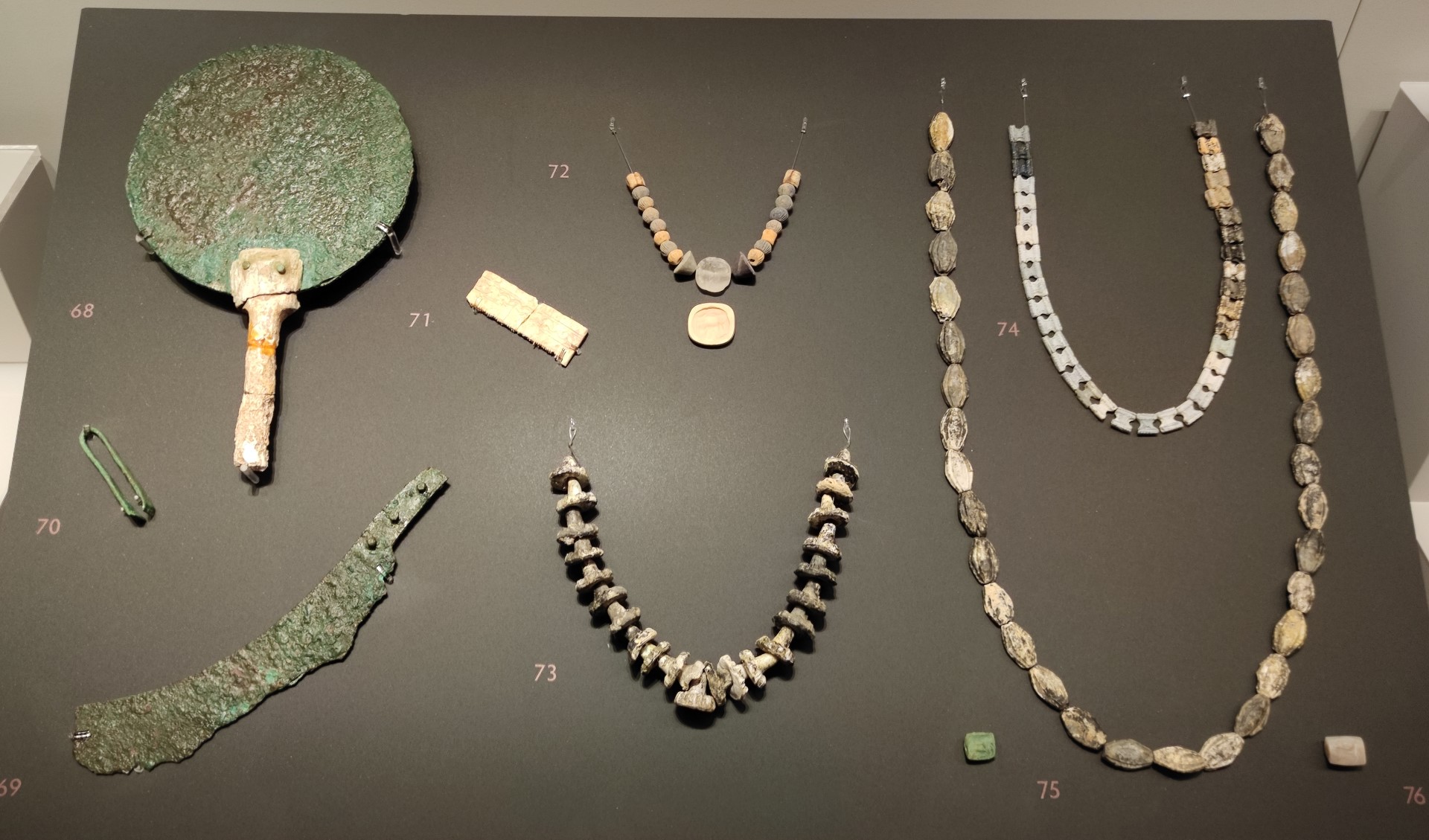
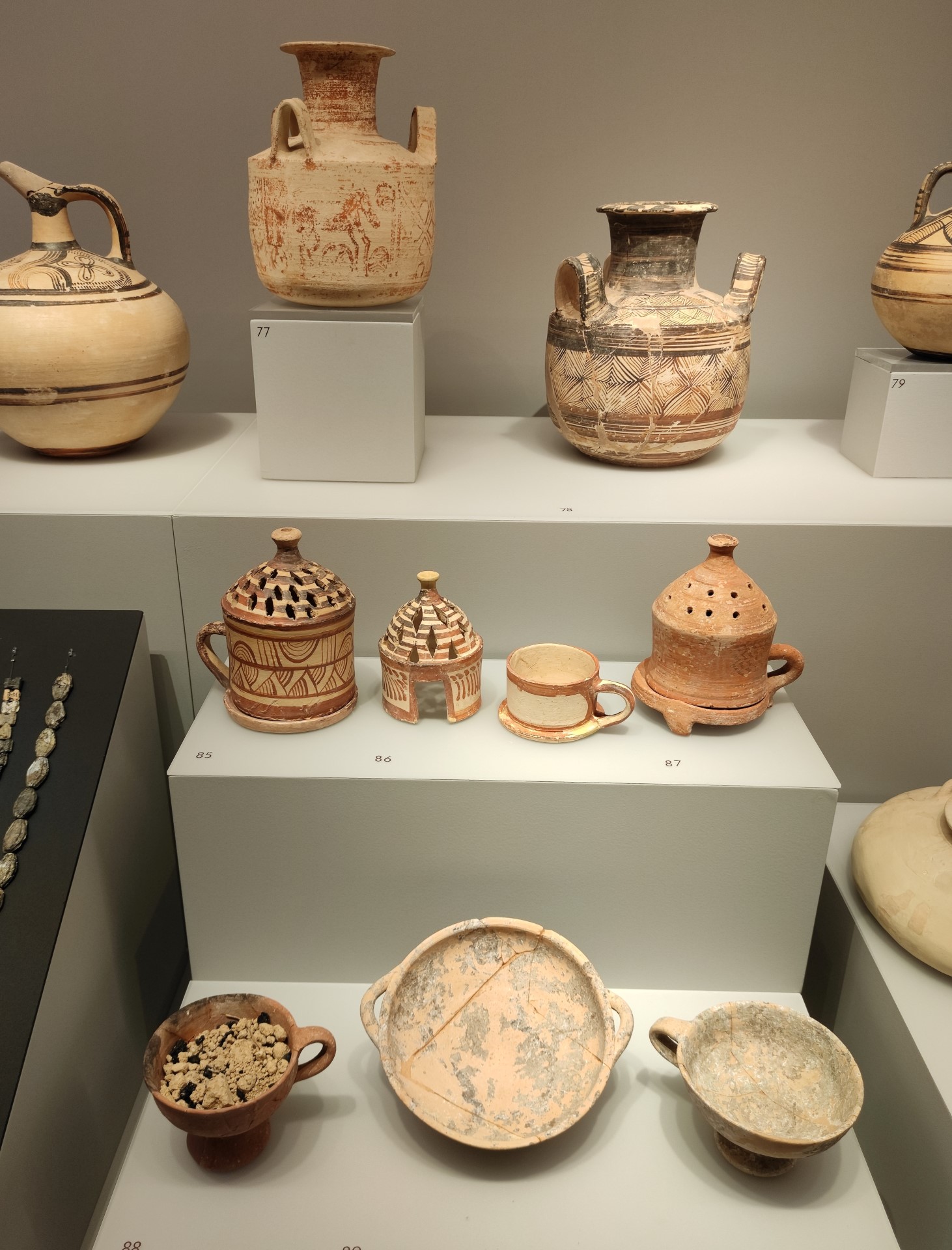
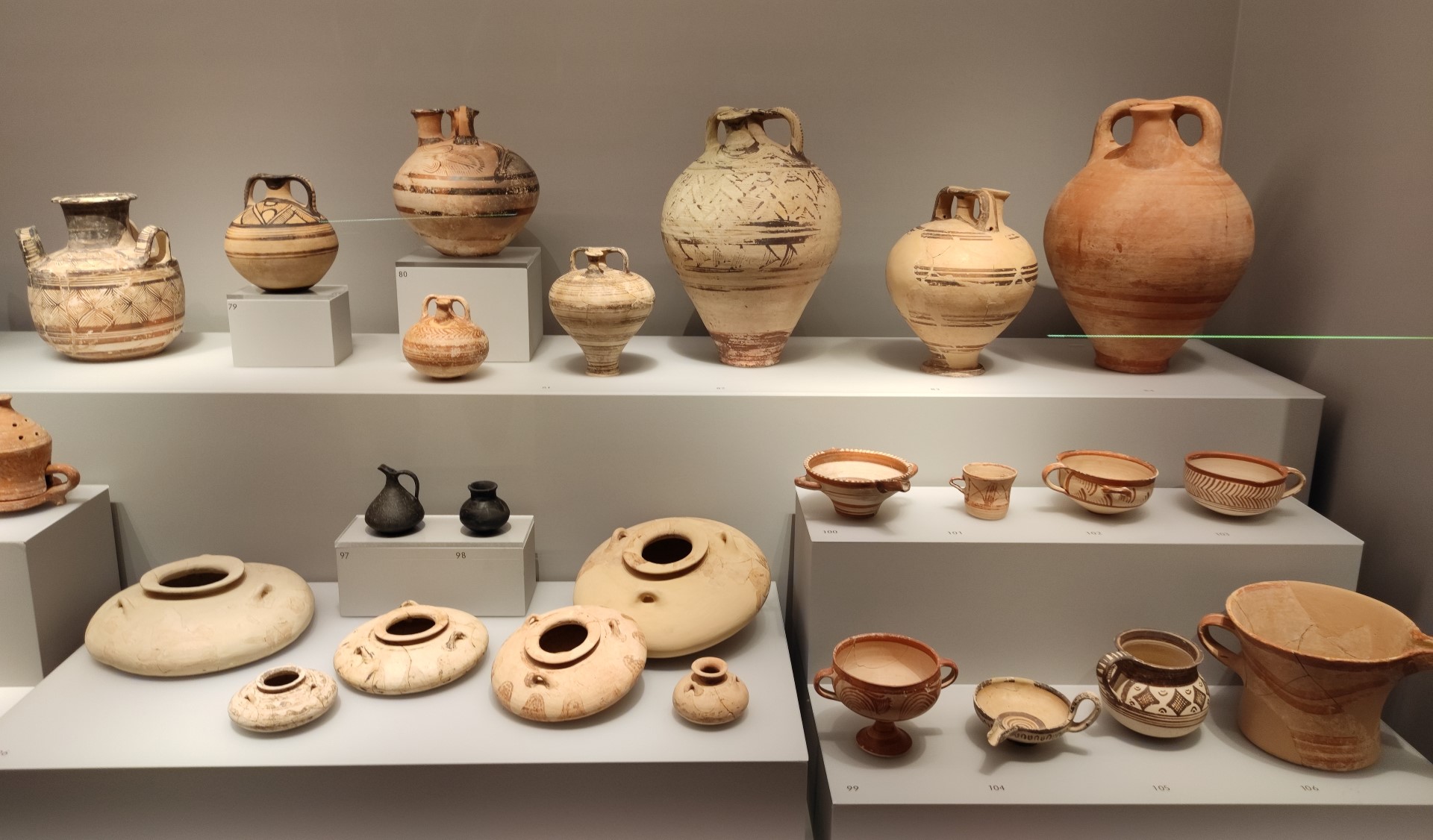
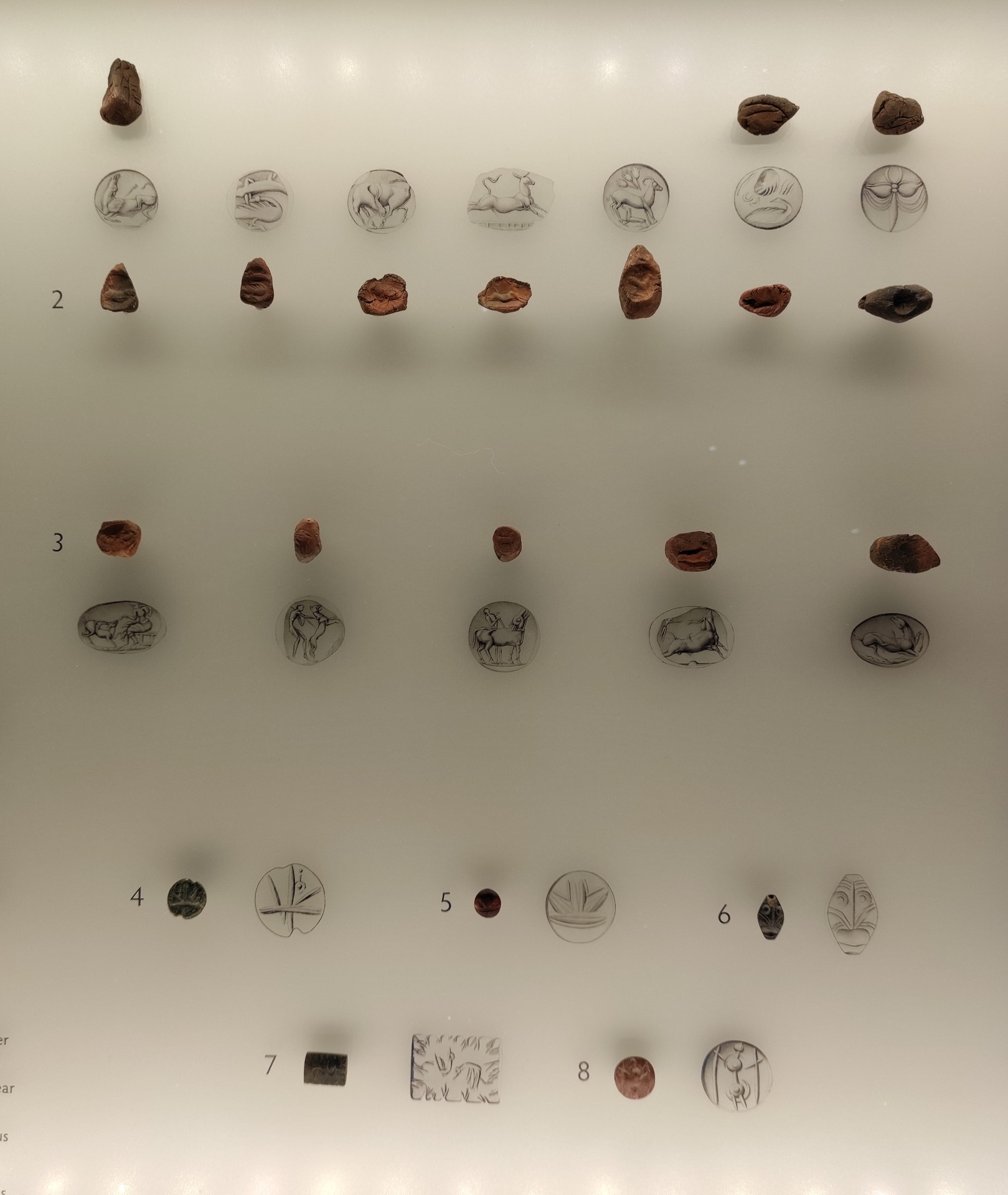
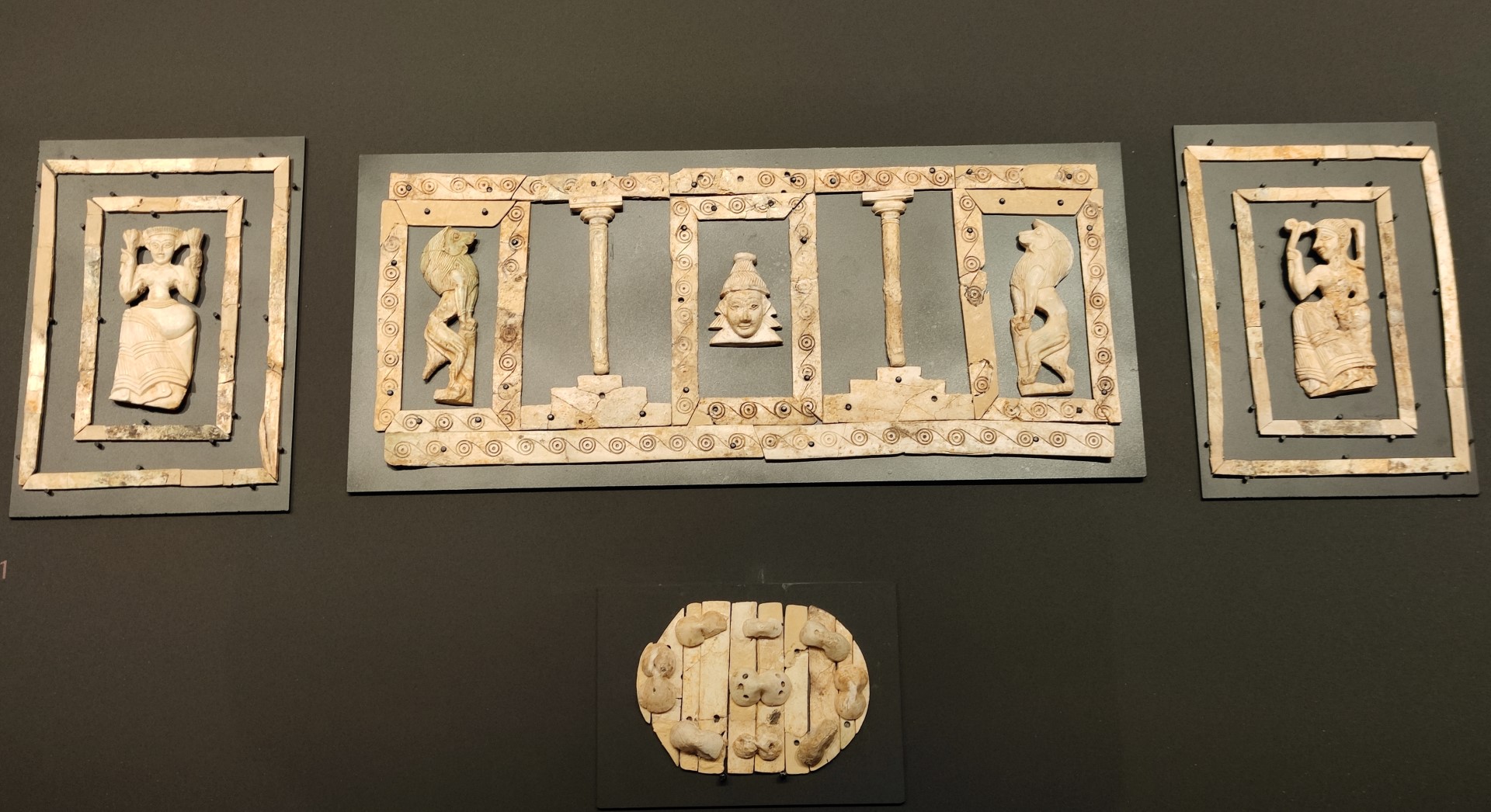
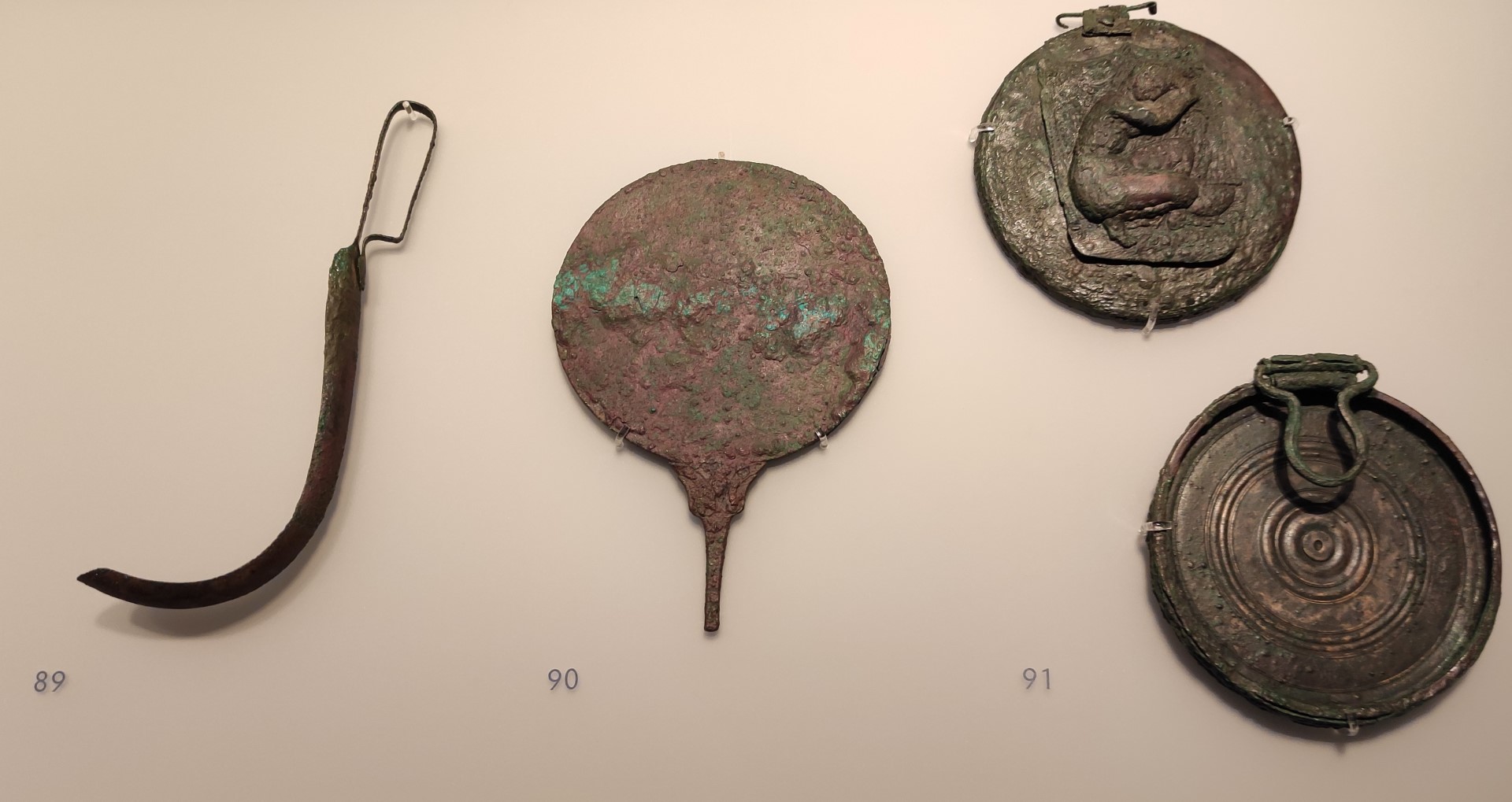
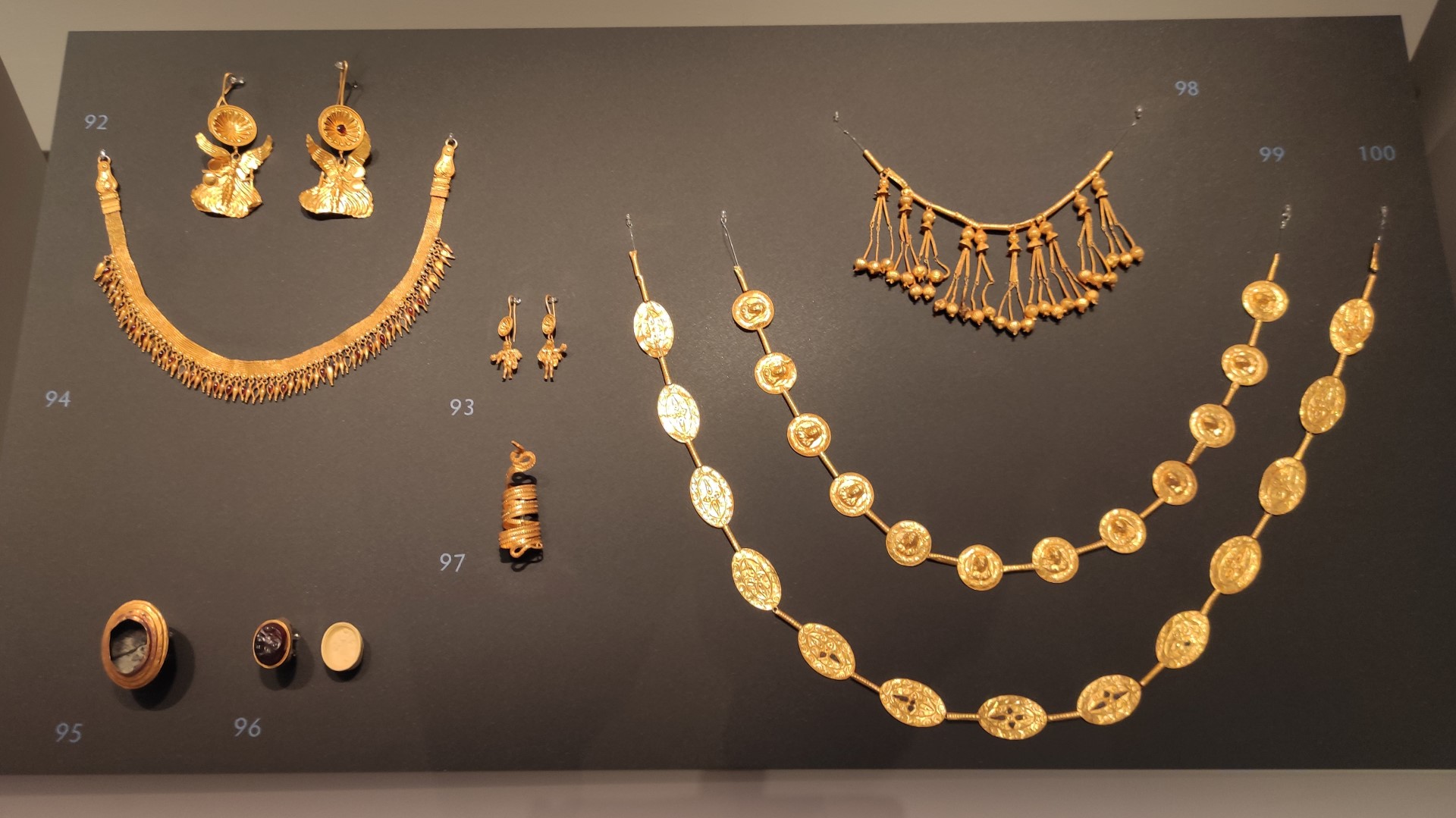
Among the most important finds from Kastelli Hill are inscribed tablets, sealings, pottery, tools, jewellery and fragments of wall paintings. Of particular significance are the remains of monumental buildings, which indicate that the administrative and economic centre of Kydonia was located here.
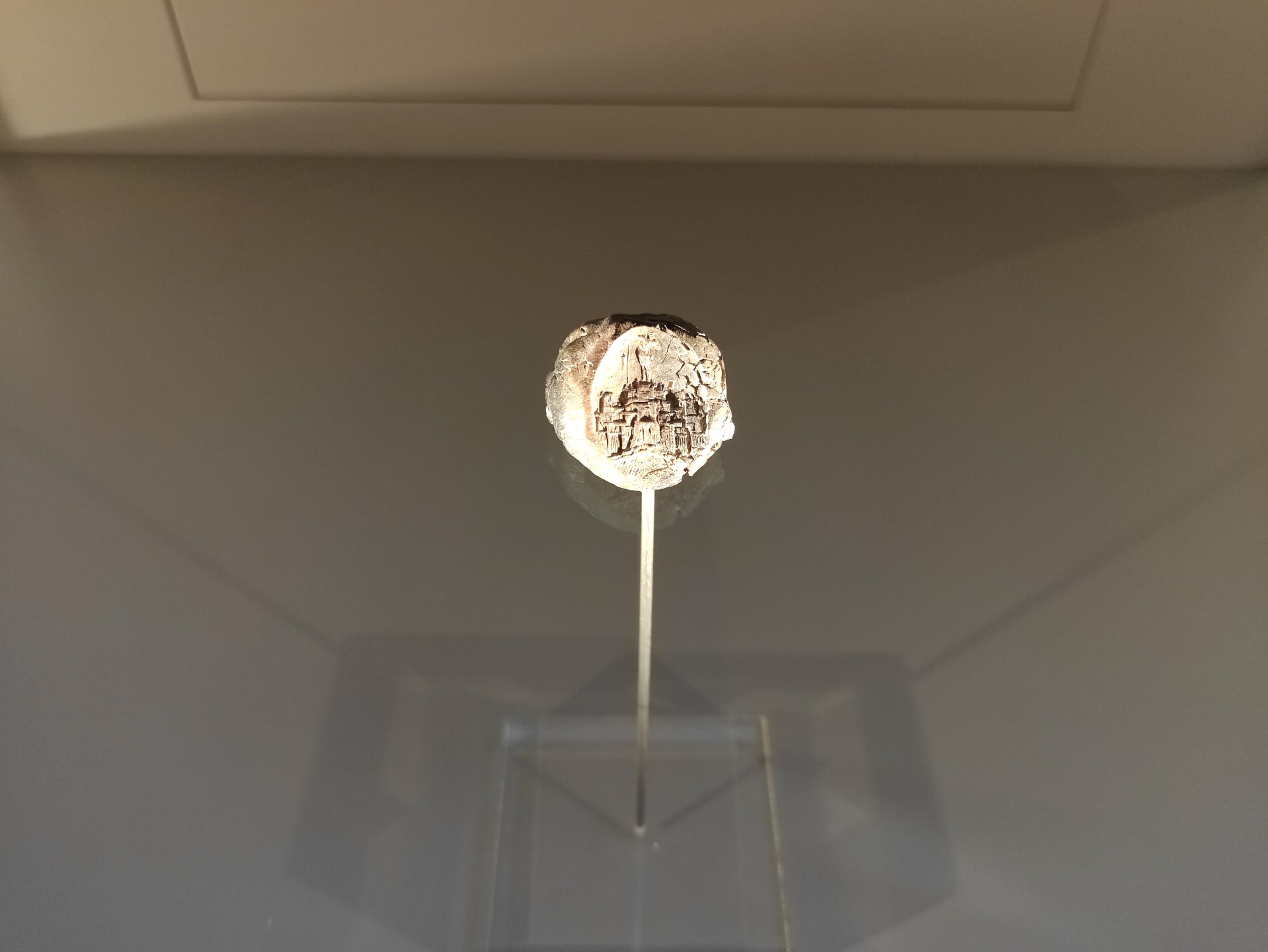
One of the best-known discoveries is a clay sealing commonly known as the Master Impression. Its image depicts an elaborate multi-storey building or coastal cityscape dominated by a male figure standing at its summit. The precise interpretation of the scene remains a matter of scholarly discussion.
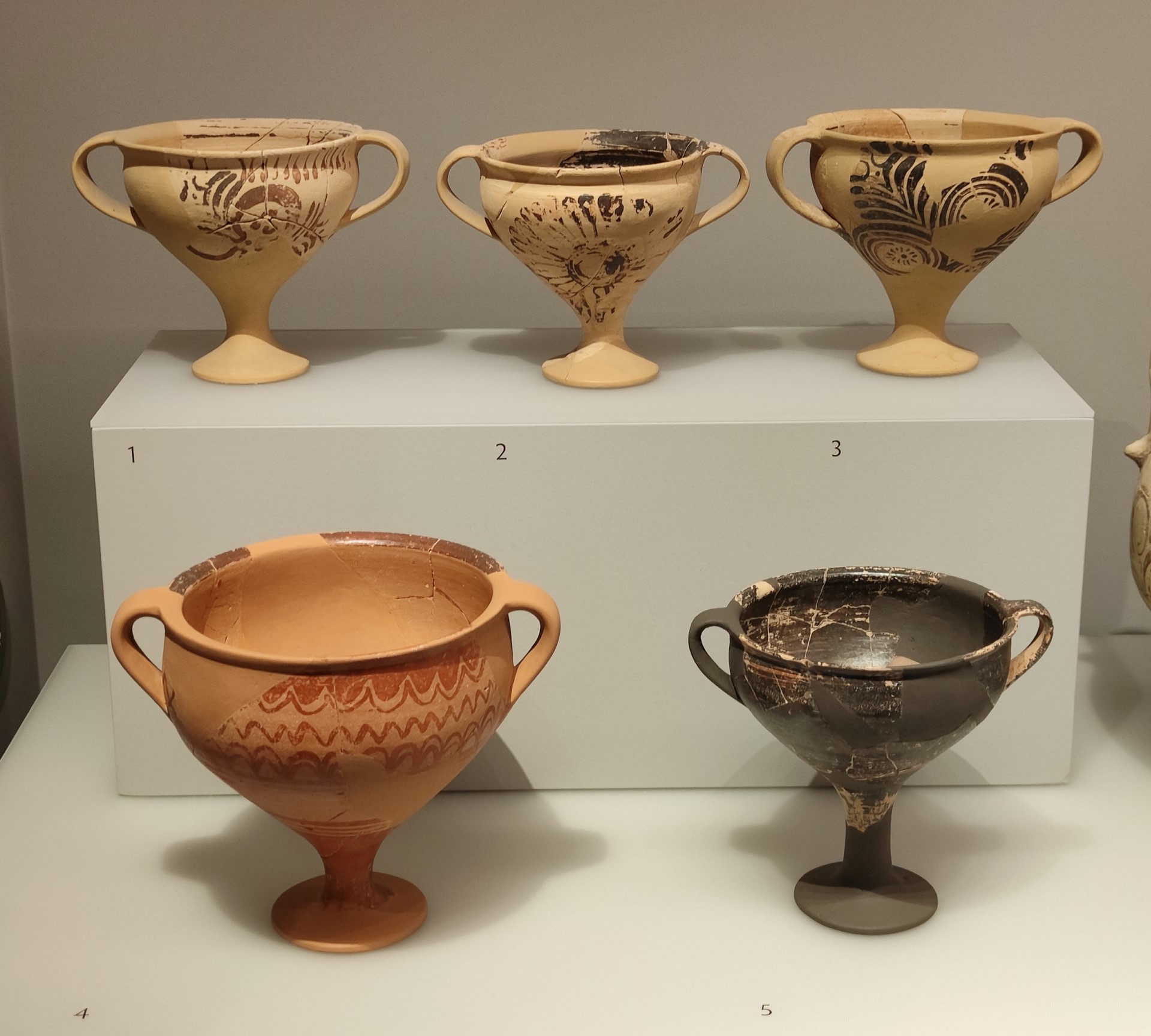
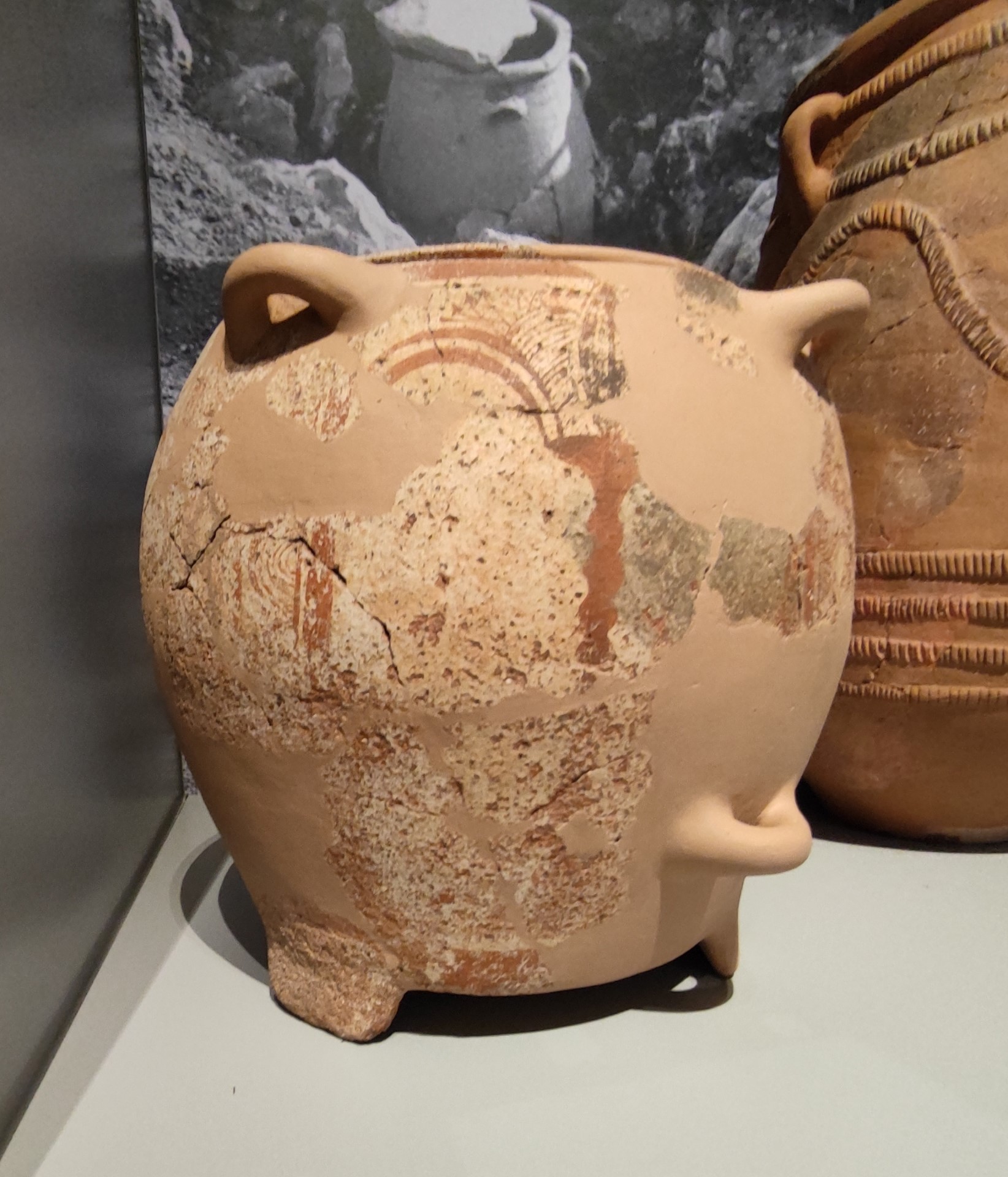
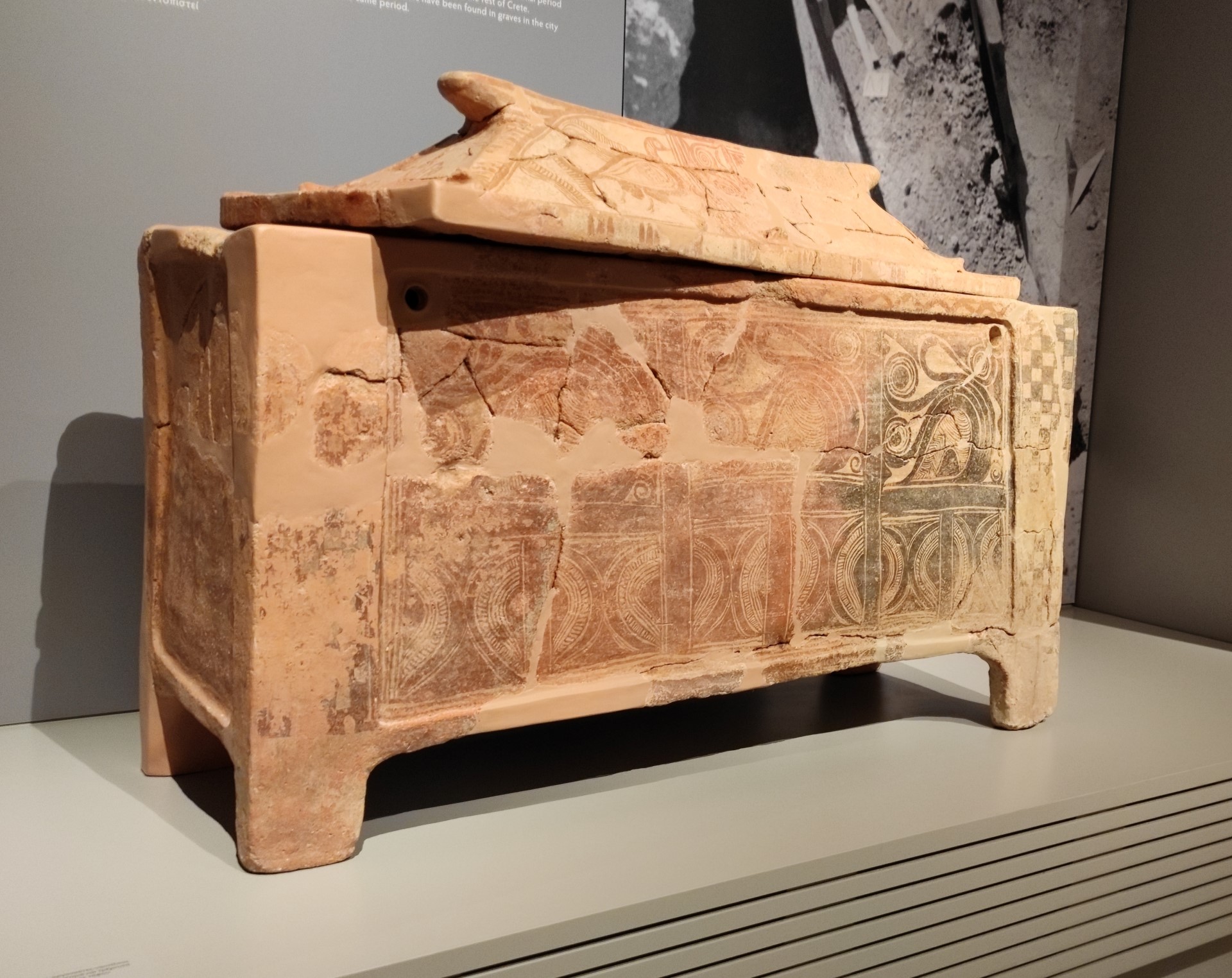
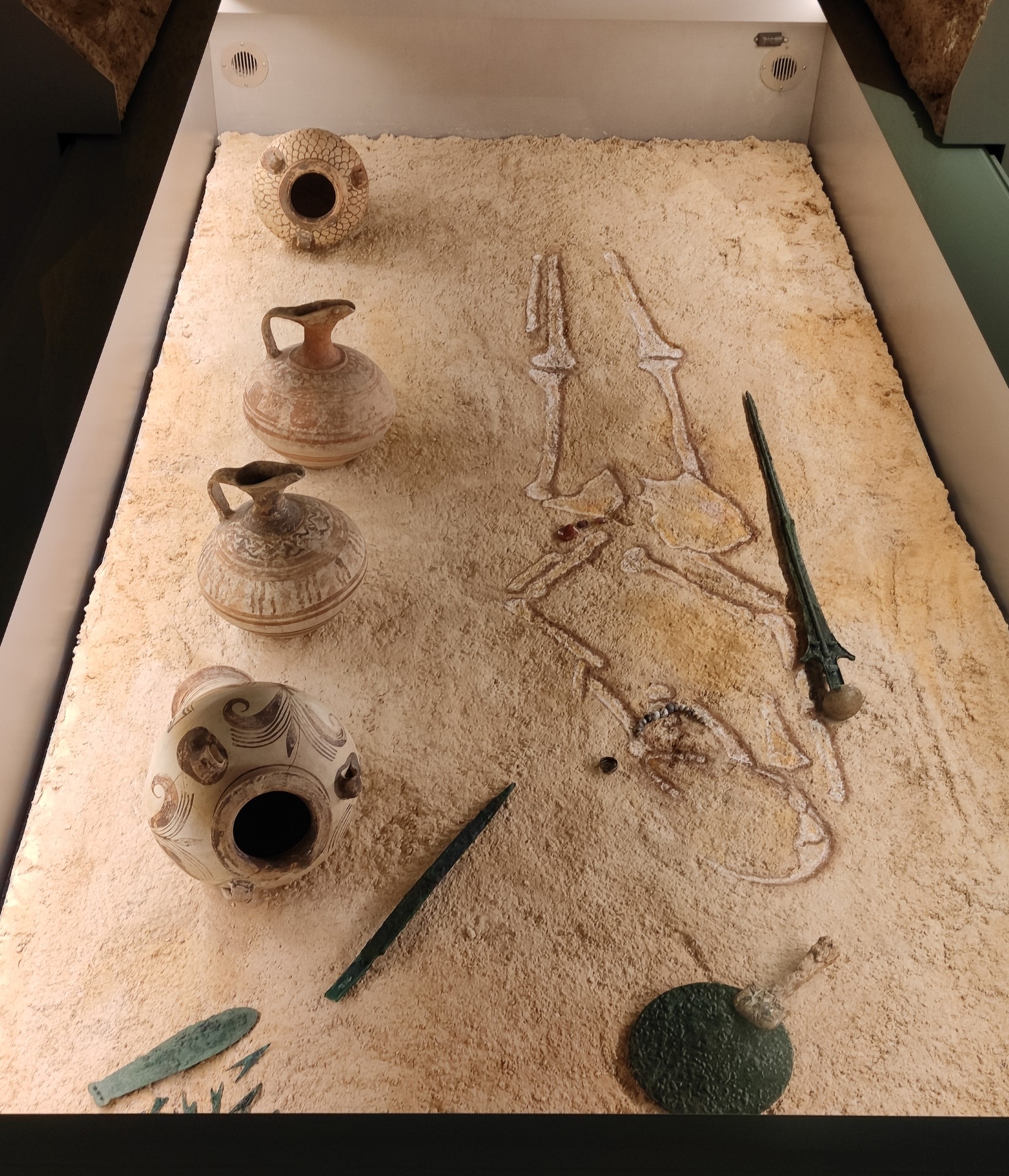
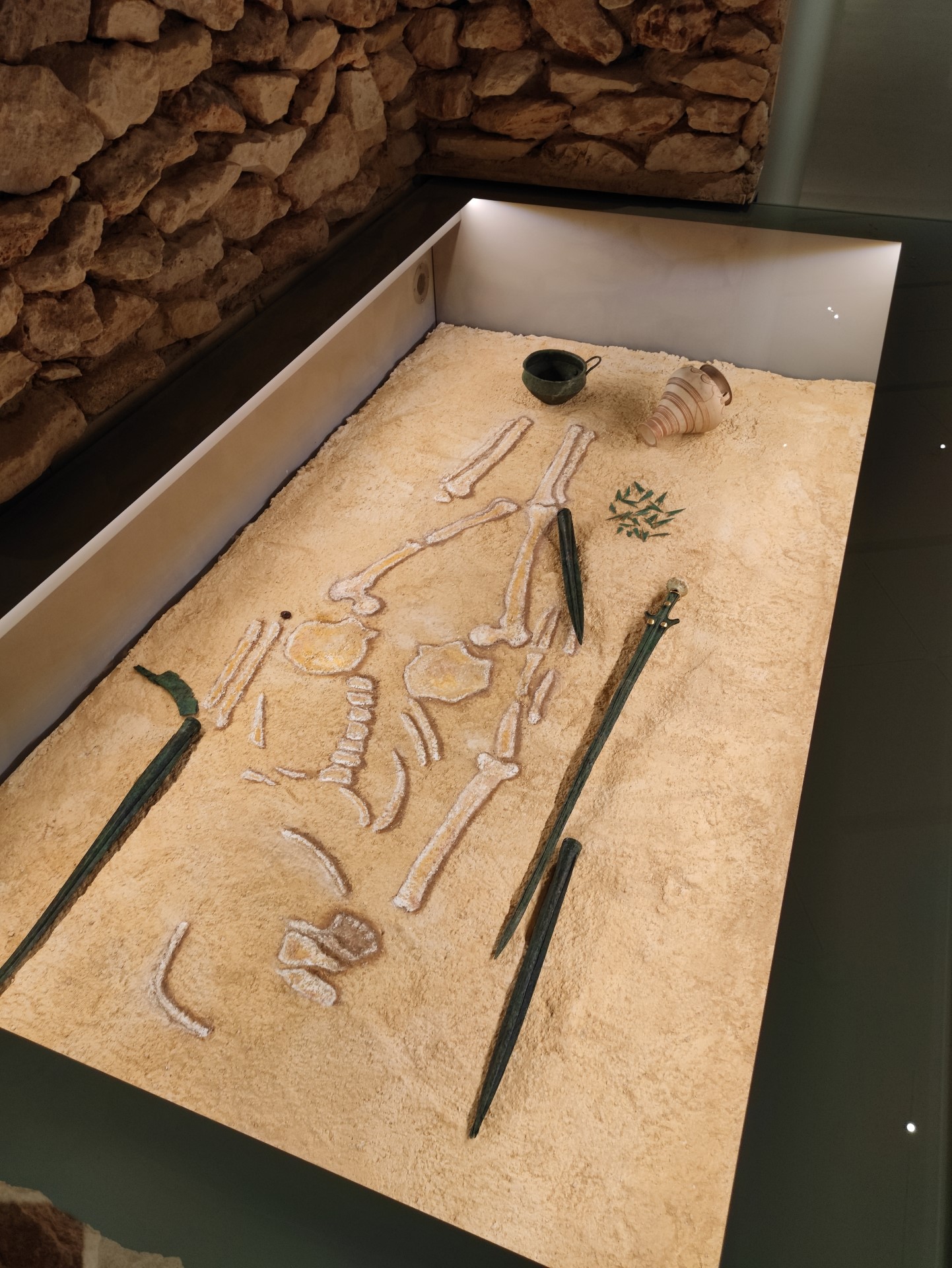
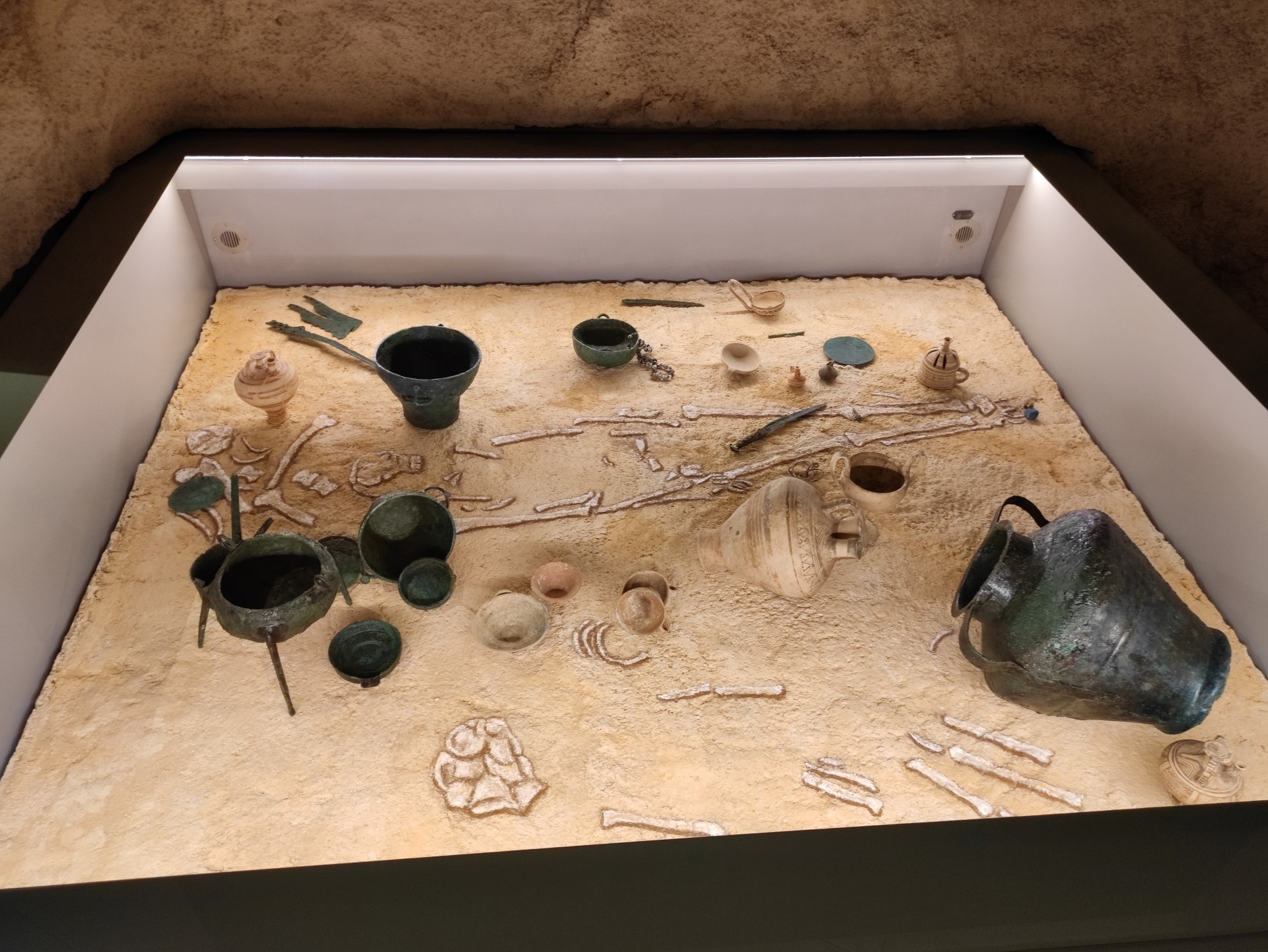
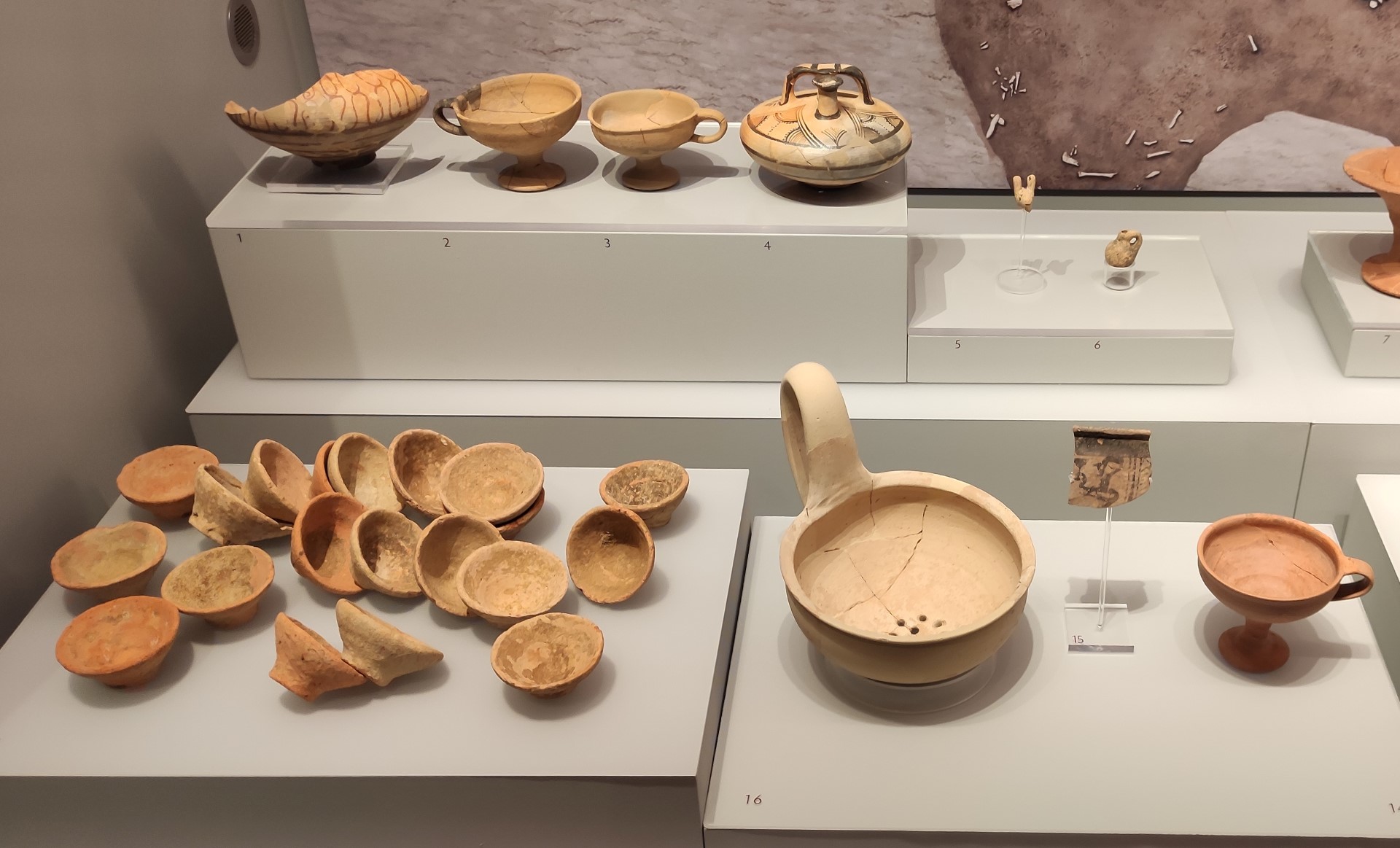
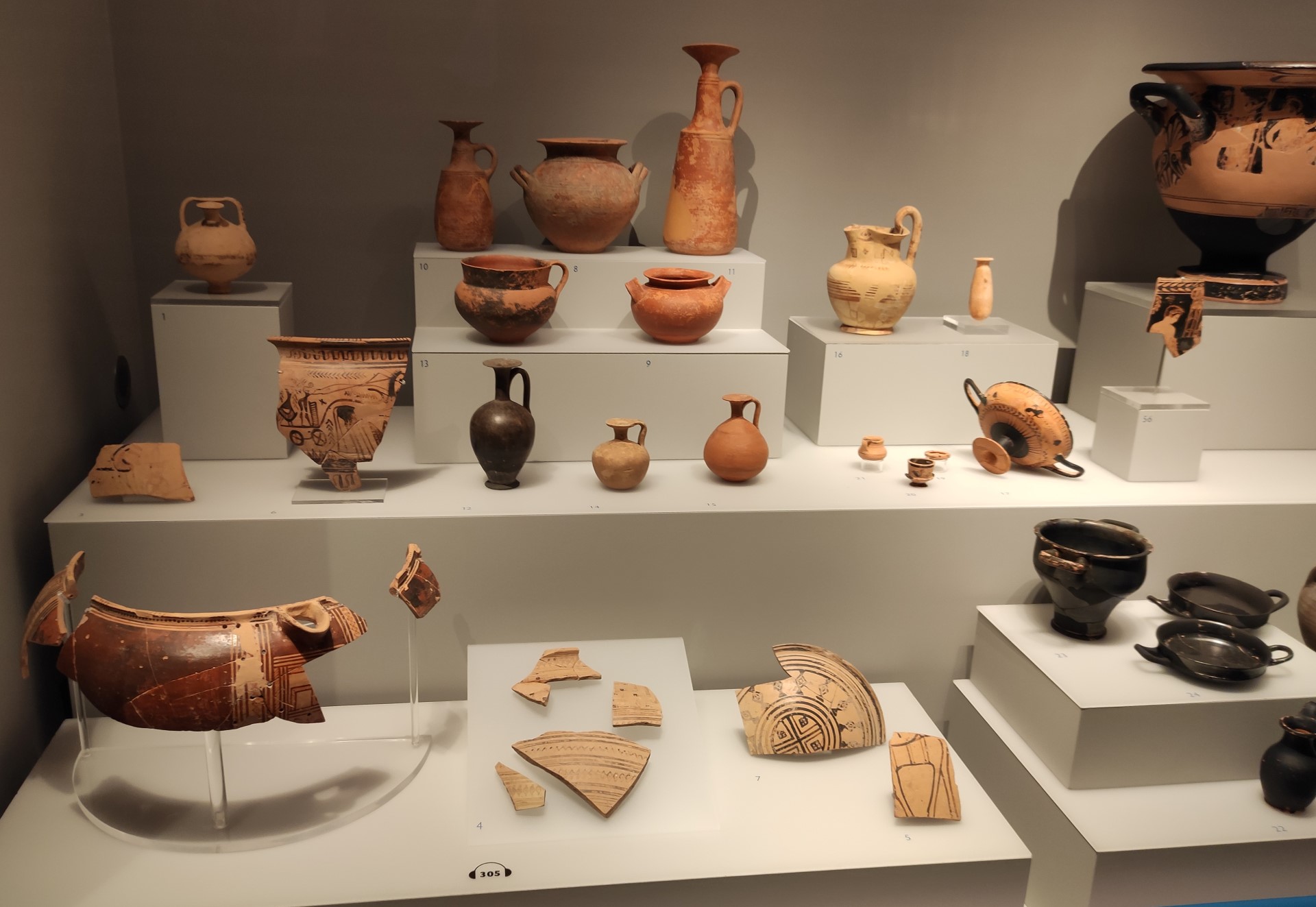
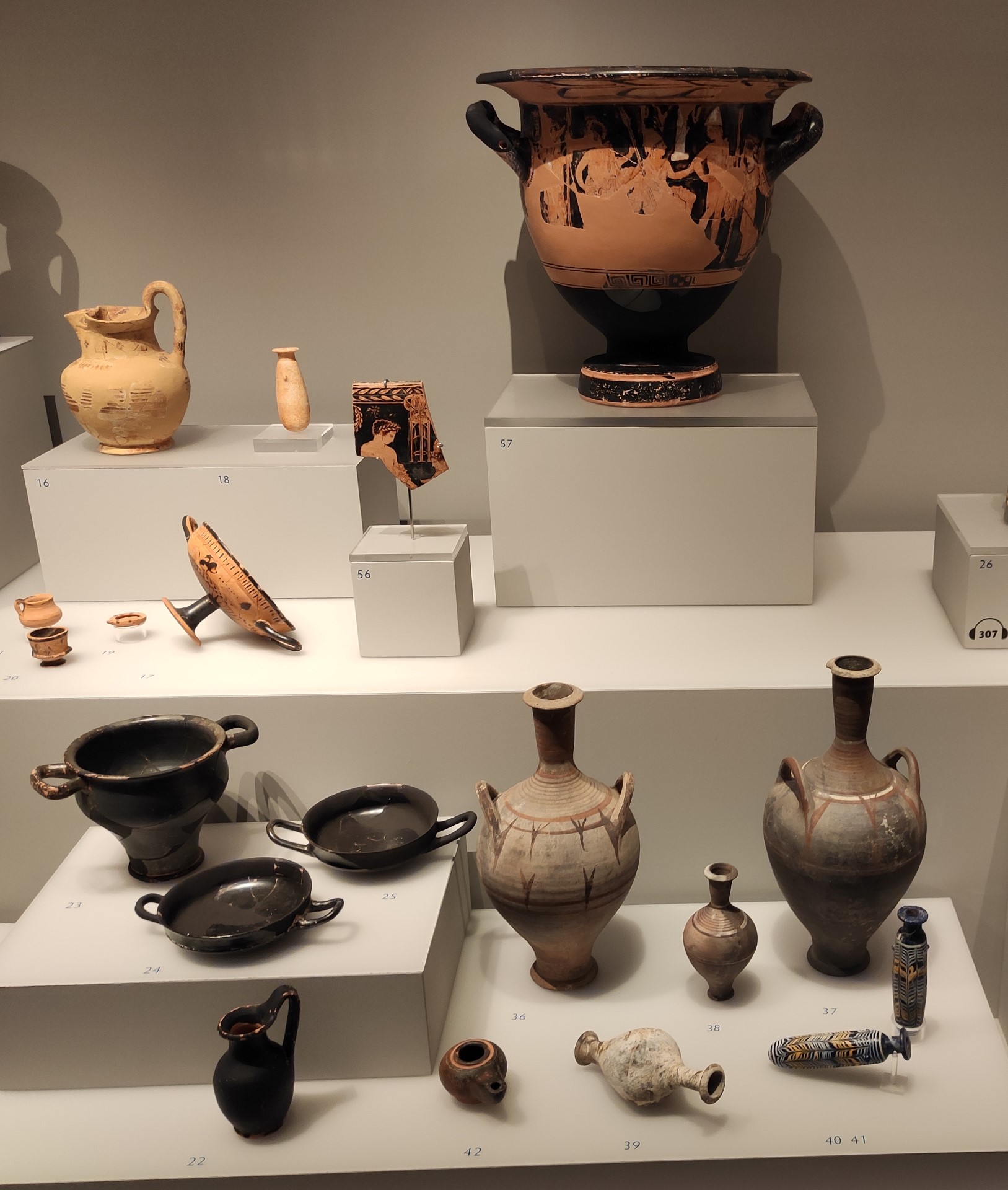
Excavations have also revealed Minoan and Mycenaean tombs, pottery workshops, large residences and numerous ceramic vessels. The discoveries provide evidence for specialised craft production and extensive contacts with other regions of the Aegean and Mediterranean.
The city during historical times
Kydonia remained an important city throughout the Geometric, Archaic, Classical, Hellenistic and Roman periods. Its strategic position and harbour frequently placed it at the centre of rivalries between the powerful cities of Crete.
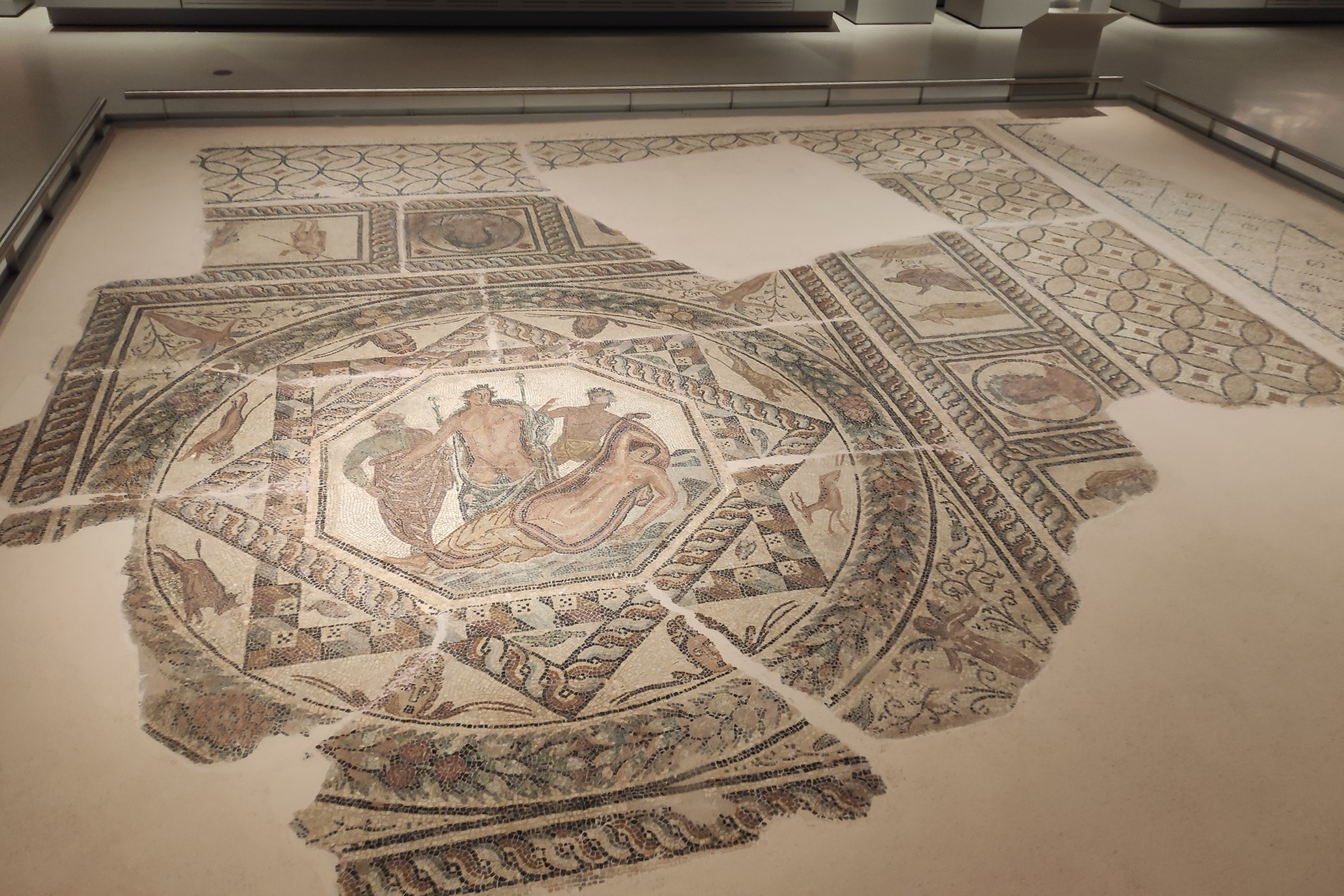
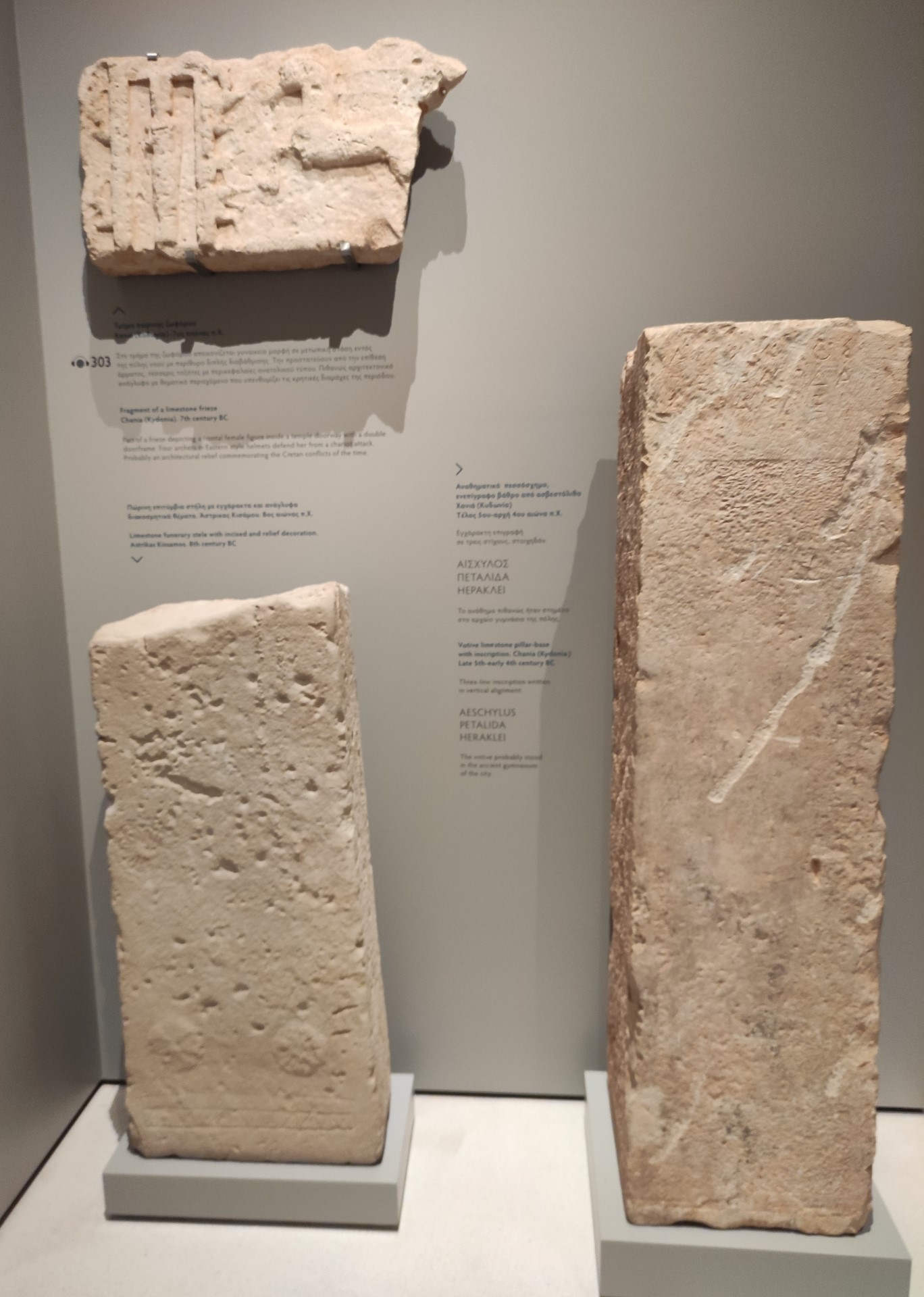
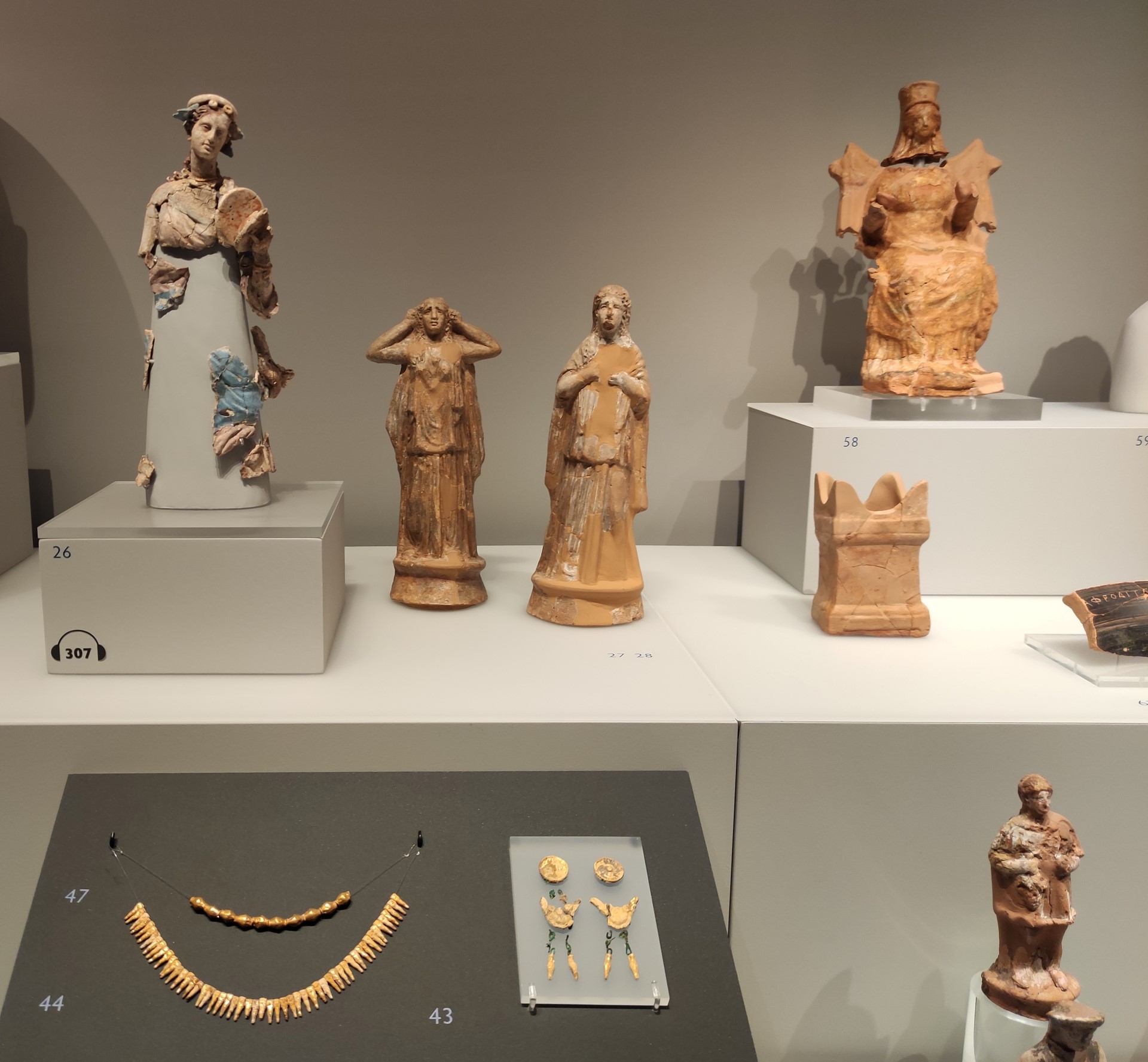
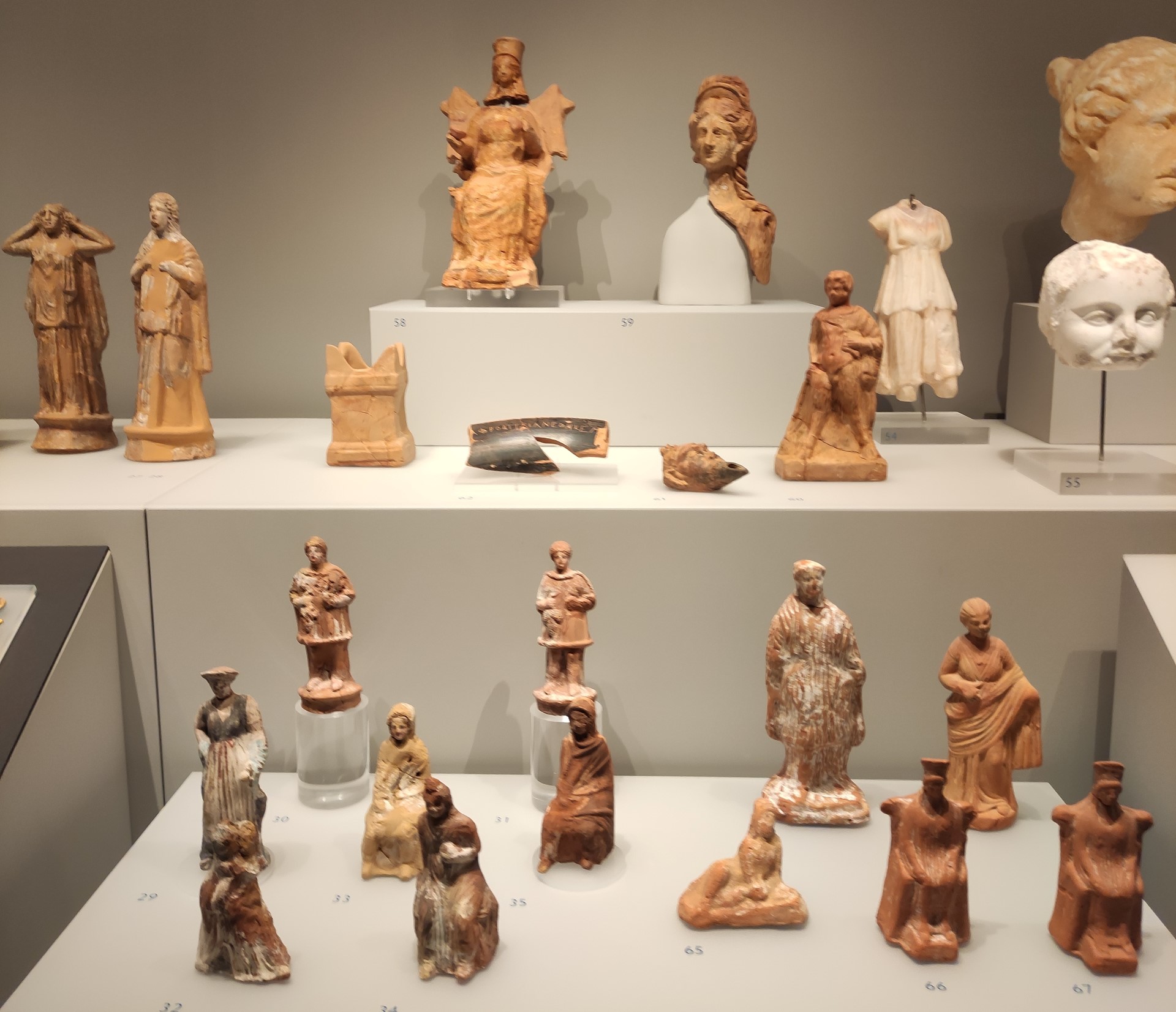
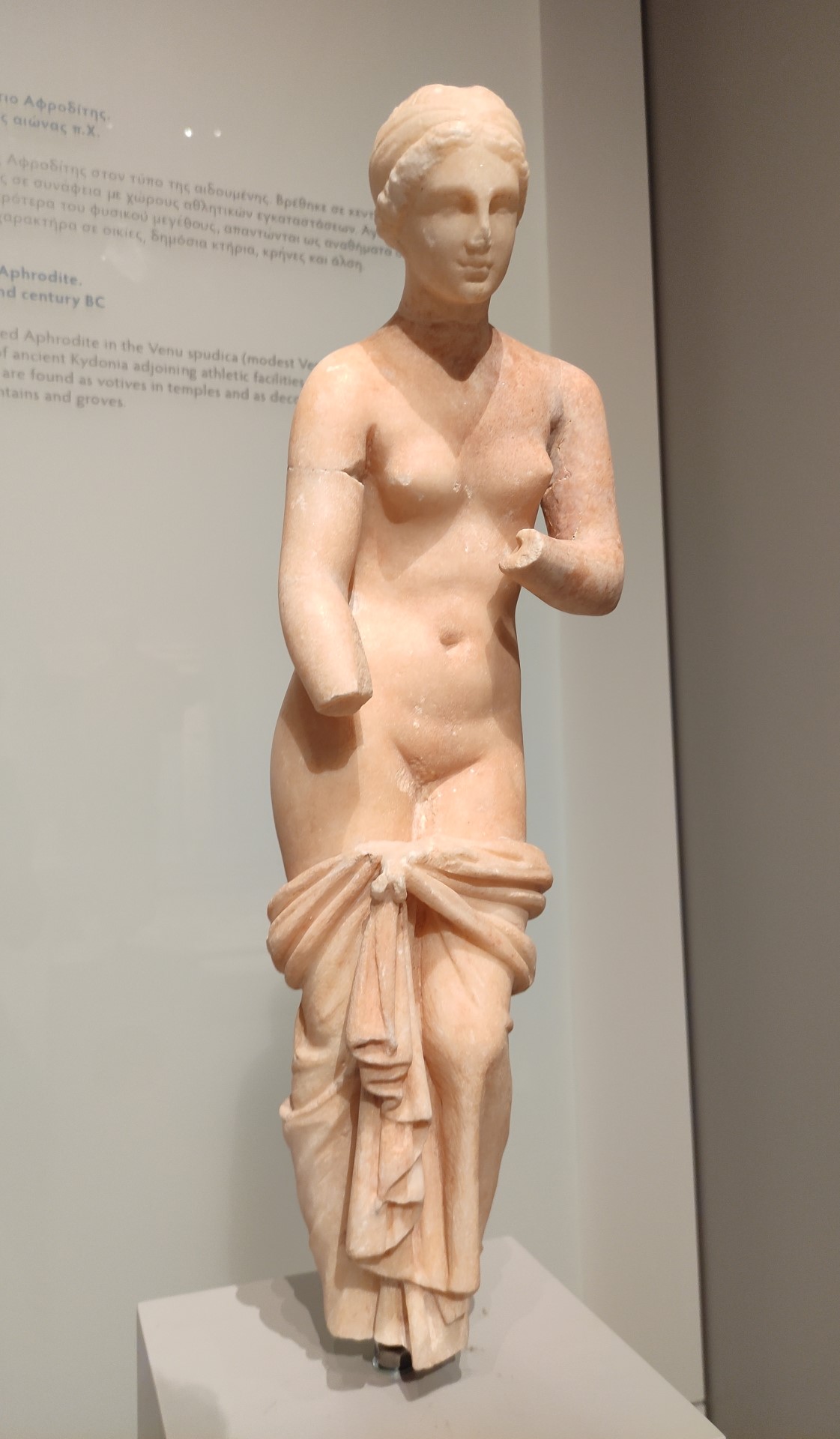
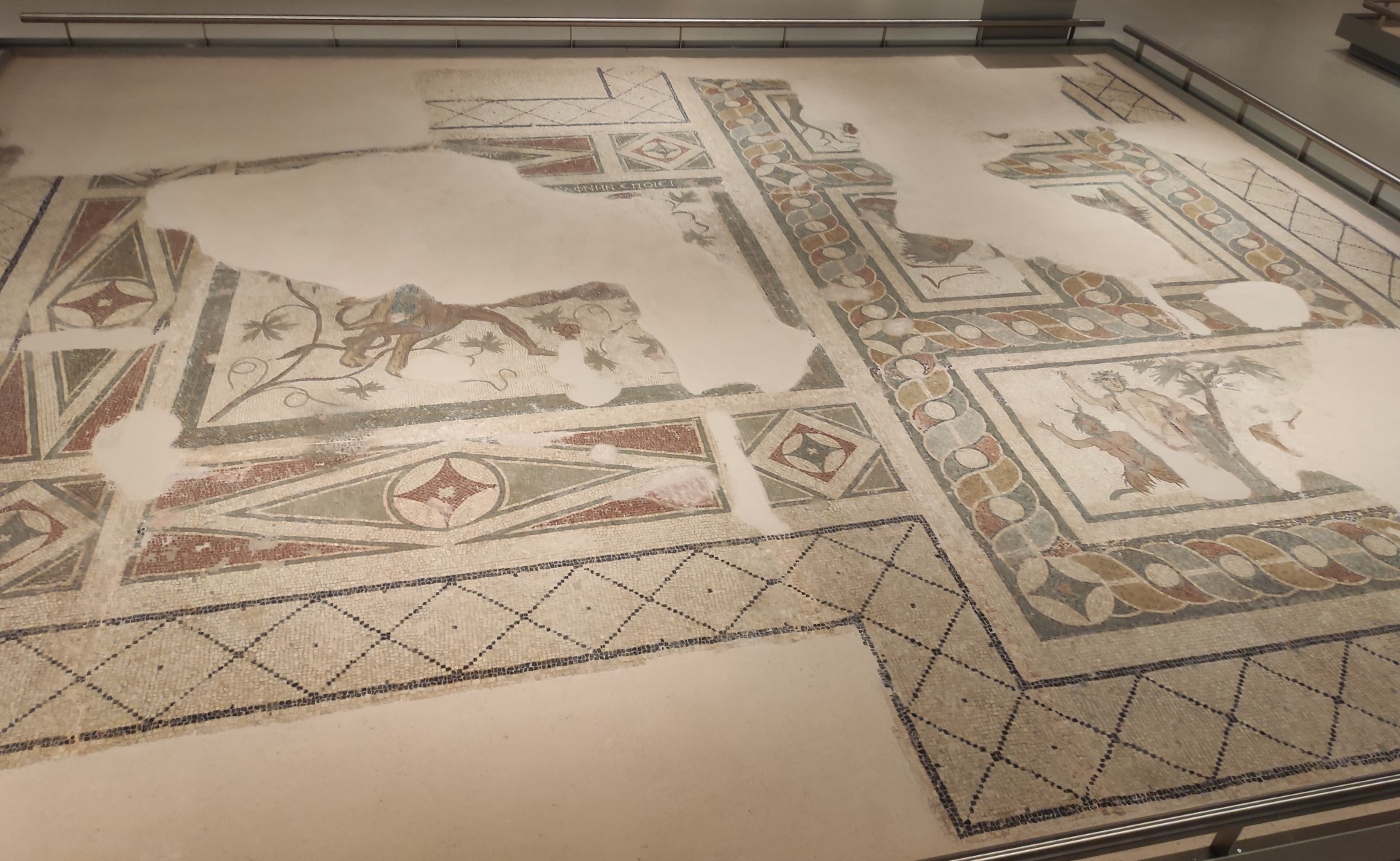
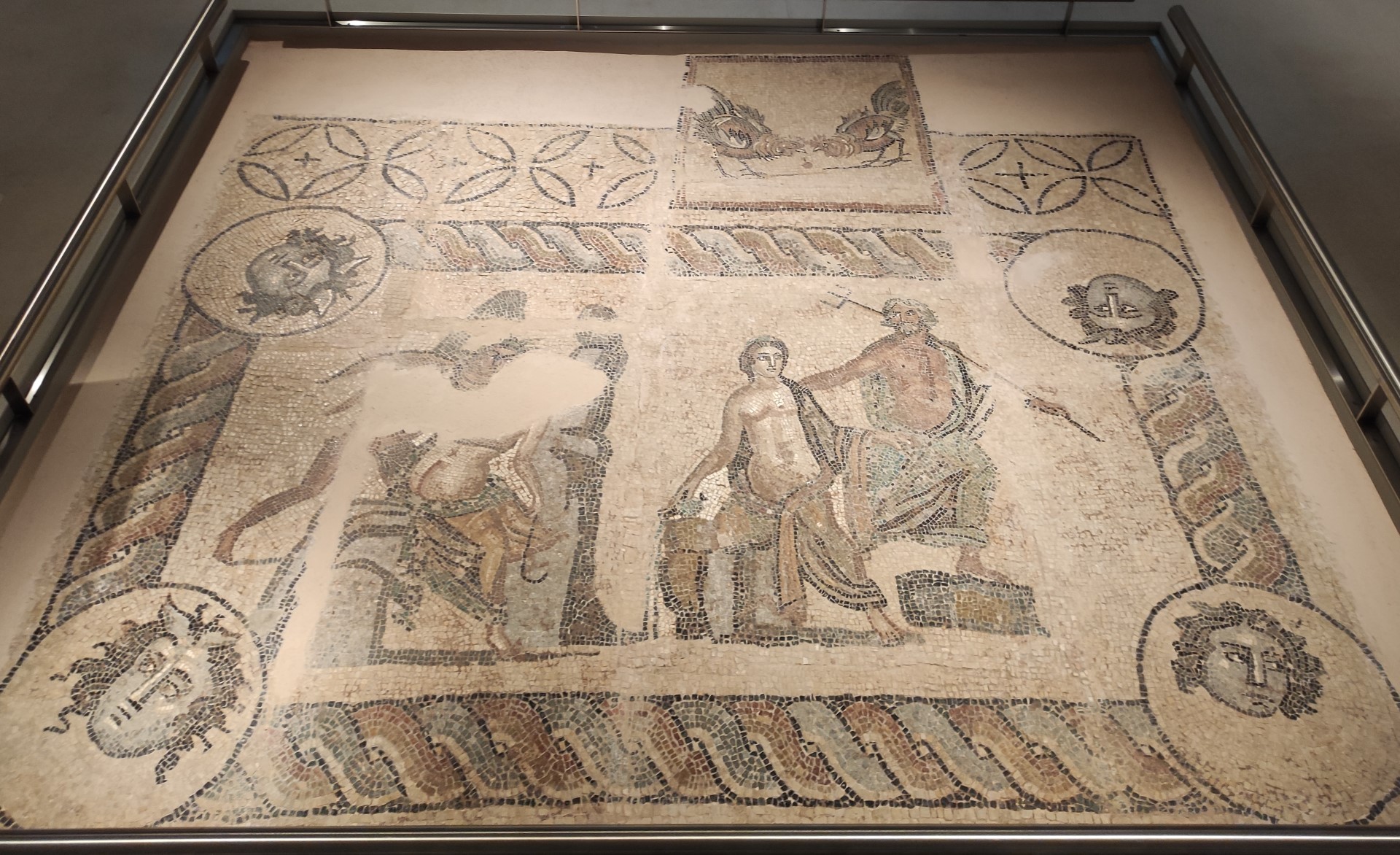
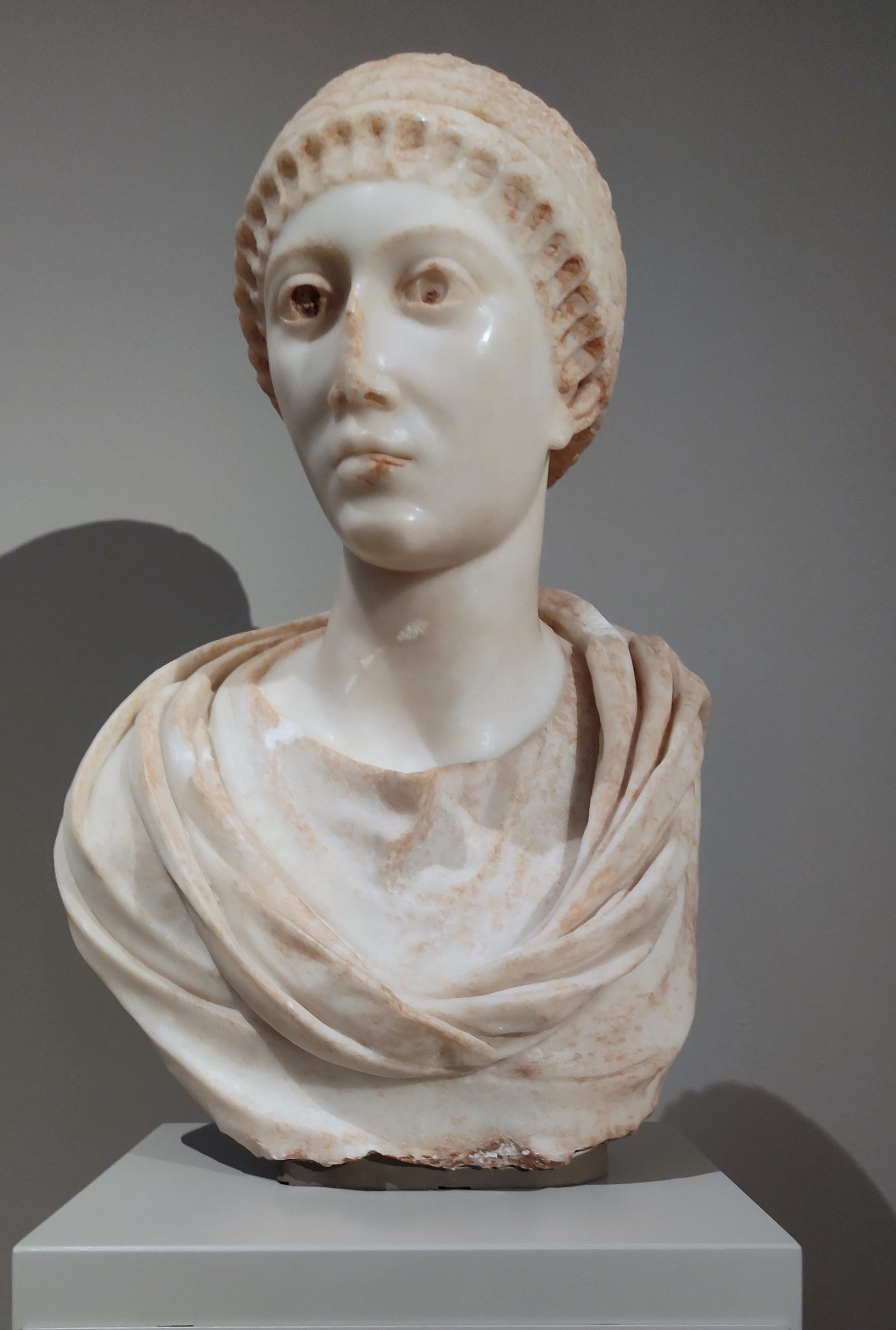
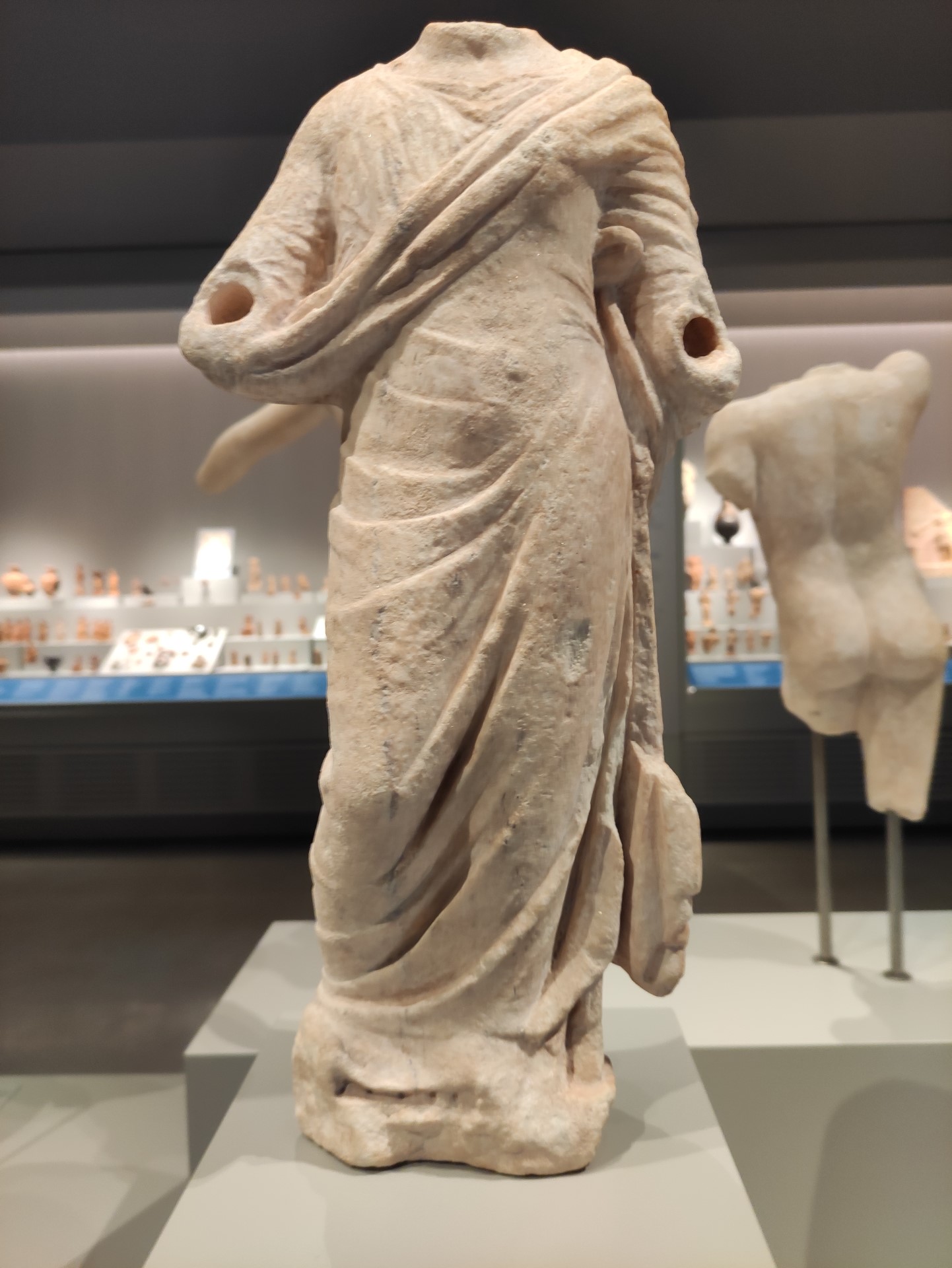
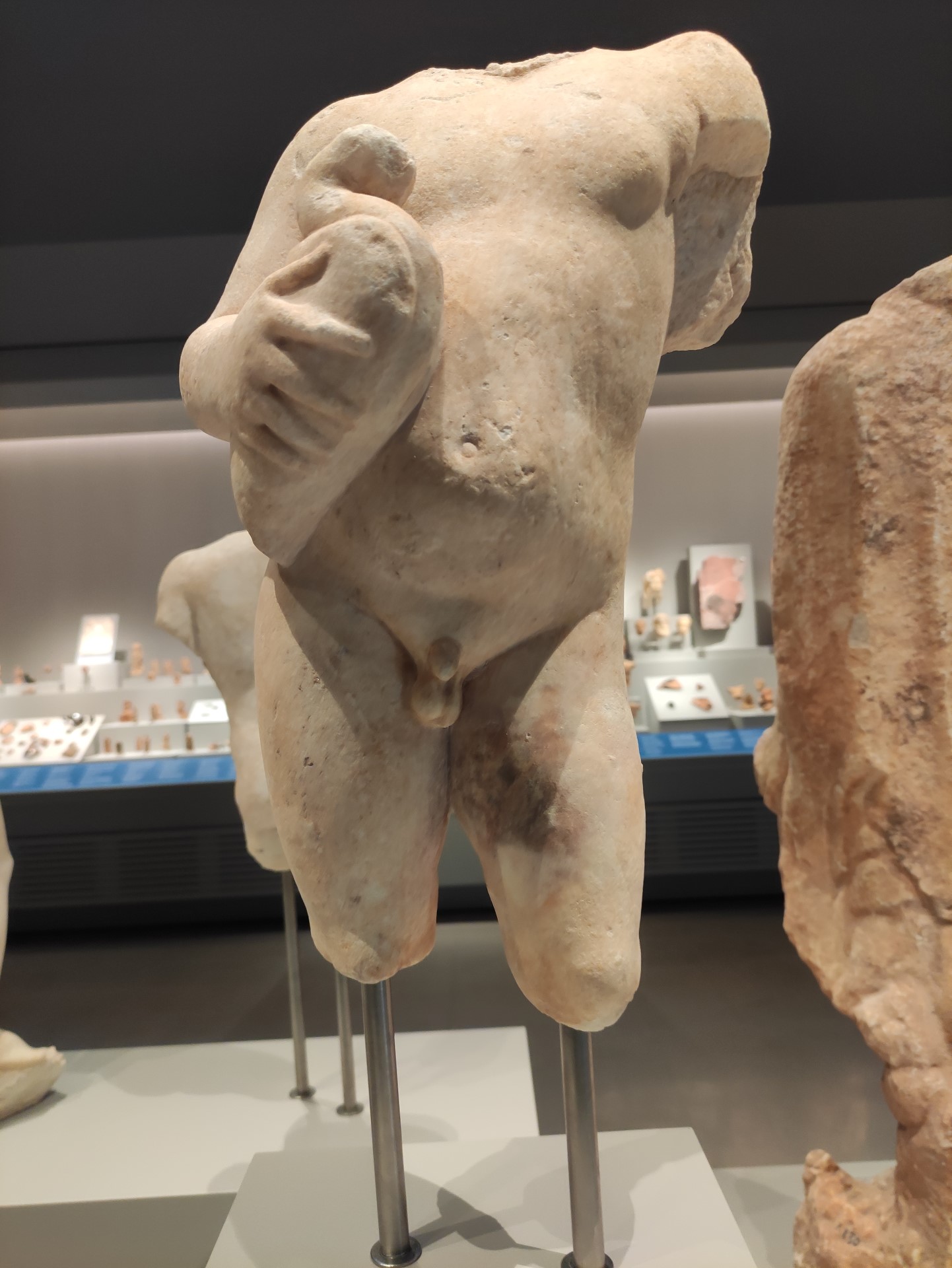
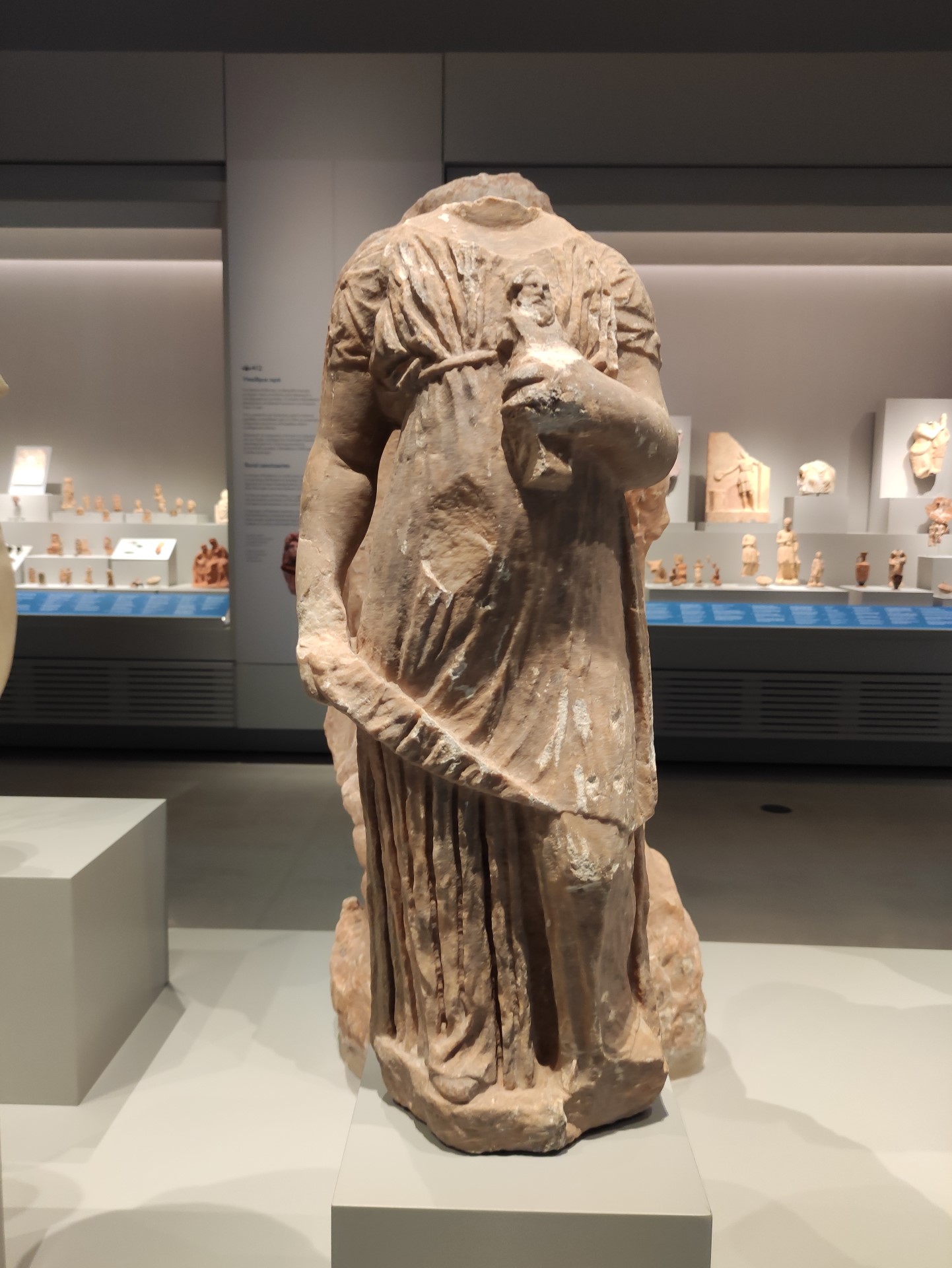
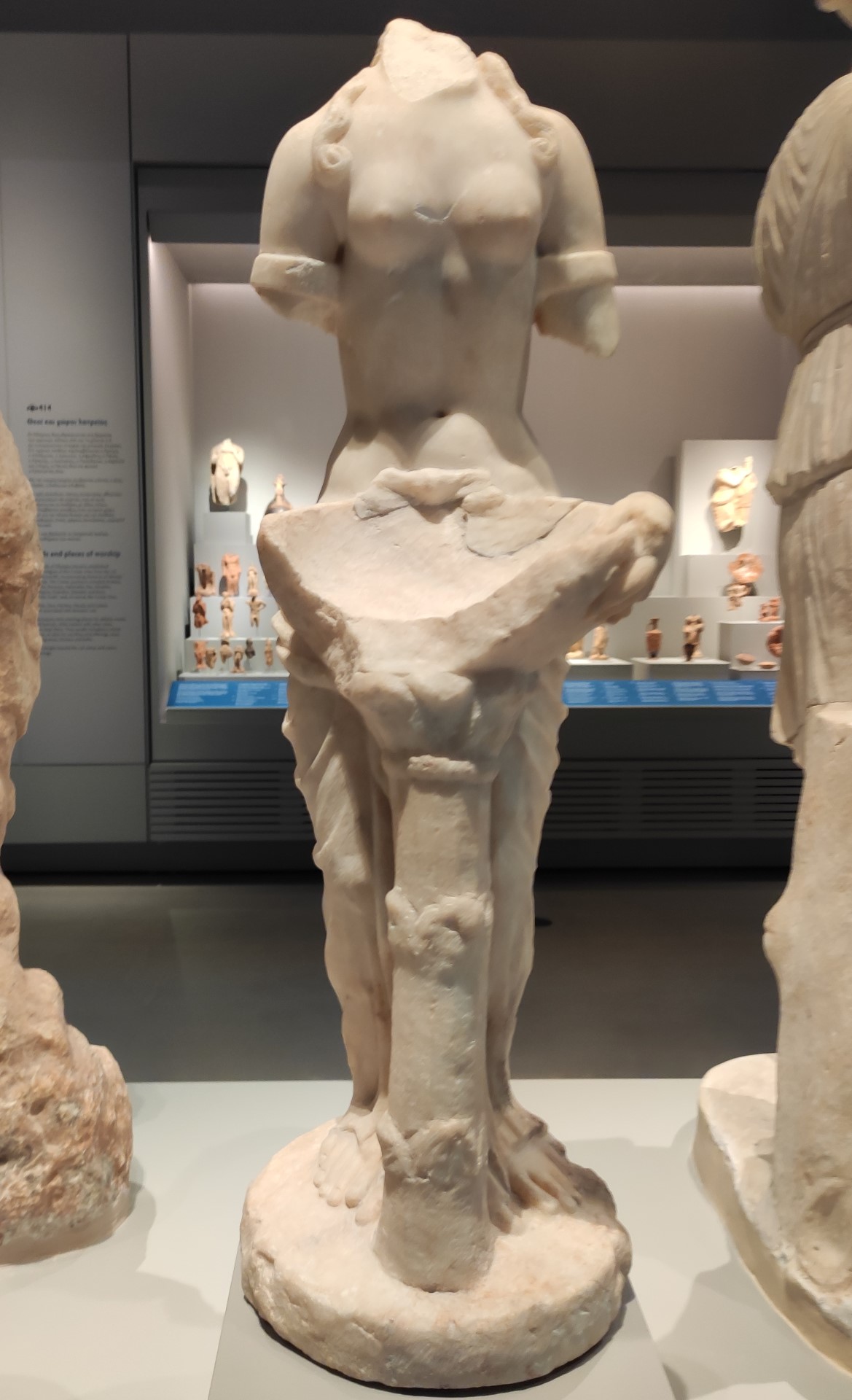
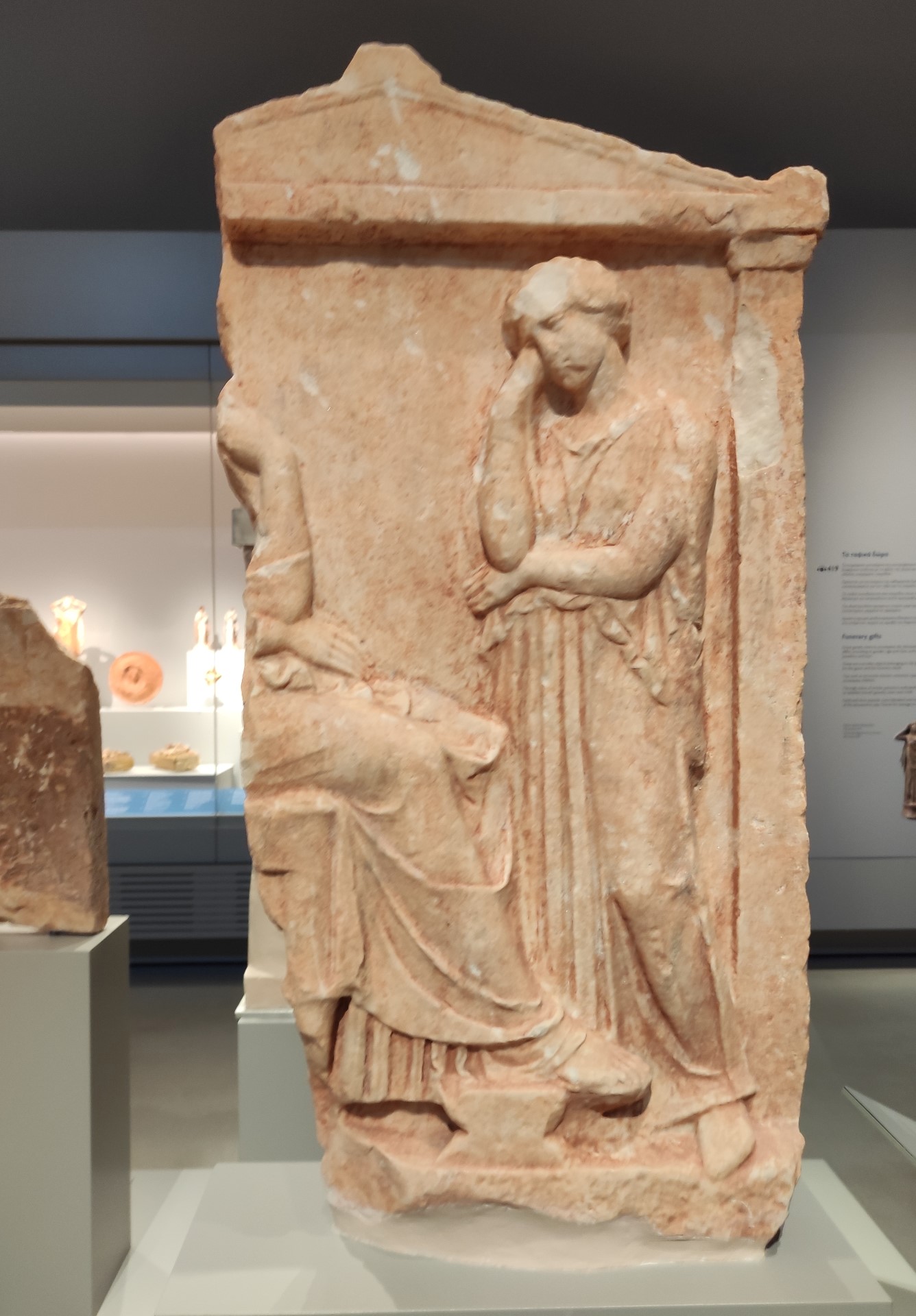
Hellenistic mosaics, inscriptions, sculptures, coins and Roman buildings have been discovered in the area. The continuous occupation of the same location created a rare sequence of archaeological layers extending from prehistory through the Byzantine, Venetian, Ottoman and modern periods.
This continuity is both the site’s greatest value and the principal difficulty facing archaeological research. Excavations can usually take place only on undeveloped plots or during construction work. As a result, the full extent and precise form of the palatial centre of Kydonia remain unknown.
Visitors to the old town will not encounter a single exposed palace comparable to Knossos or Phaistos. They will, however, be walking above a city with thousands of years of continuous history, whose earliest remains survive beneath the streets and buildings of Kastelli Hill.



What is near me?
Additional Info
- Location: Chania Prefecture
- Type: Ancient City
- Accessibility: Bus services
- Peak Period: Minoan Era (3000 BC-1200 BC)


