Cretan Cities

Rethymnon

Rethymnon city

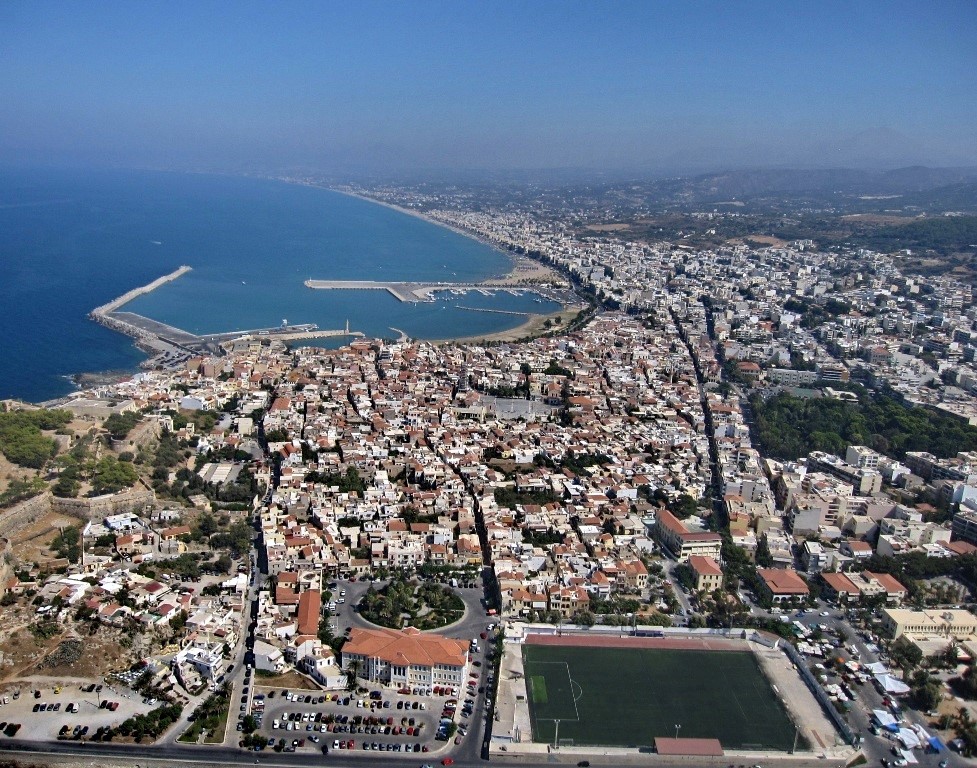
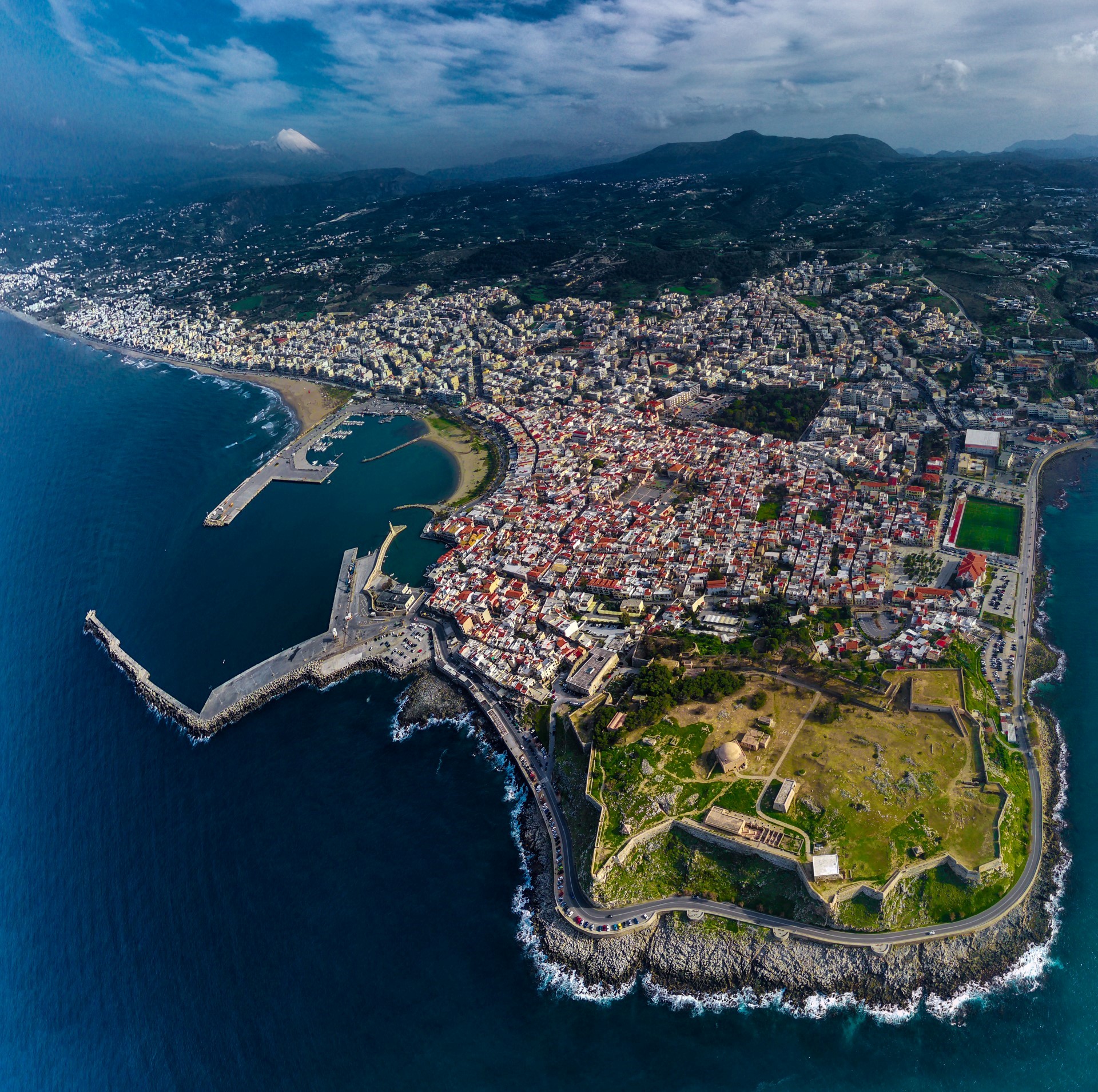
Rethymno is one of the finest surviving examples of a city shaped by the Cretan Renaissance, with a distinctive historic layout and architectural character.

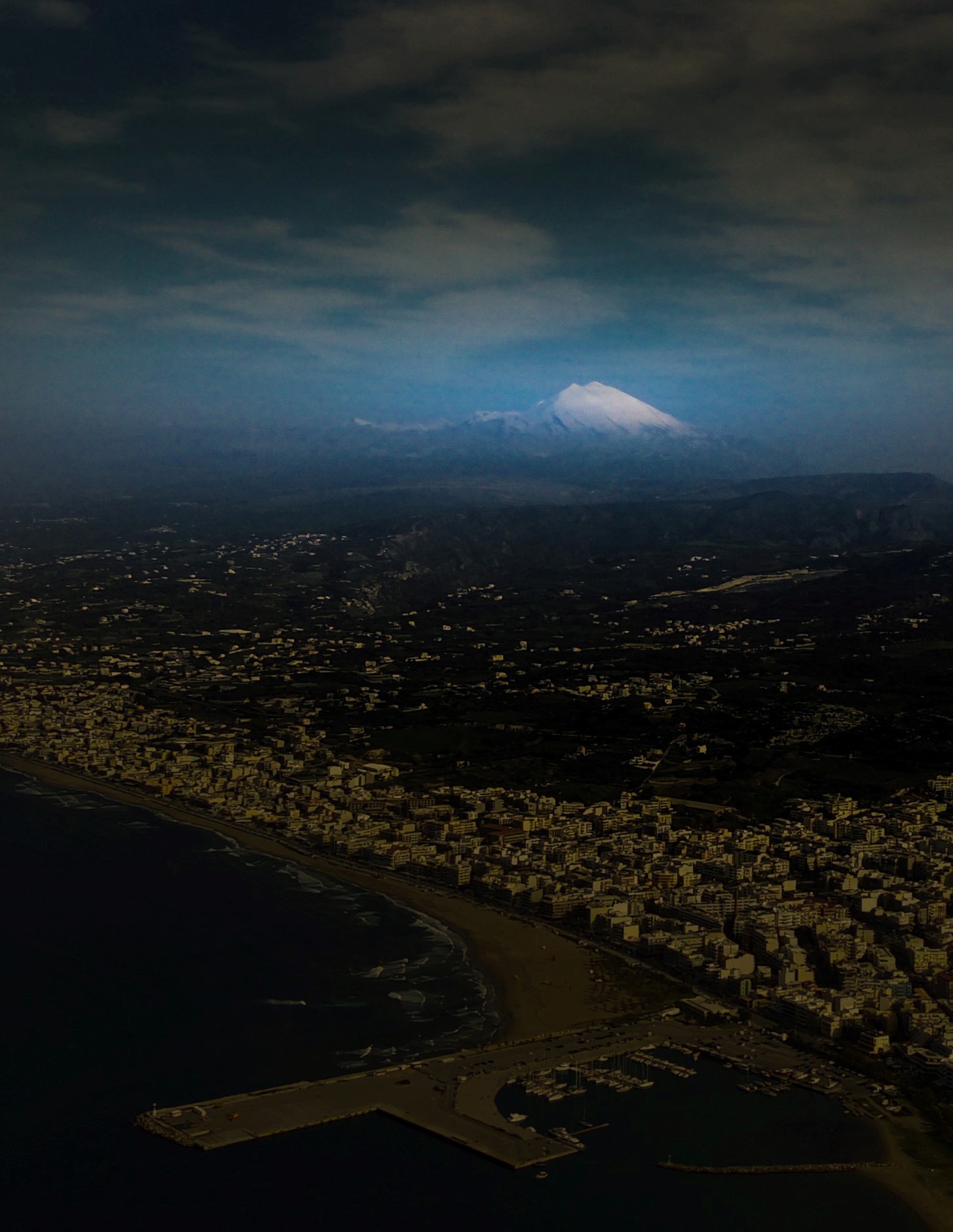
Rethymno is the third-largest city in Crete and the administrative centre of the municipality of the same name, which had 57,216 permanent residents according to the 2021 census. The modern city stands on the site of ancient Rhithymna, which was inhabited by the Archaic period and flourished particularly during Hellenistic times.

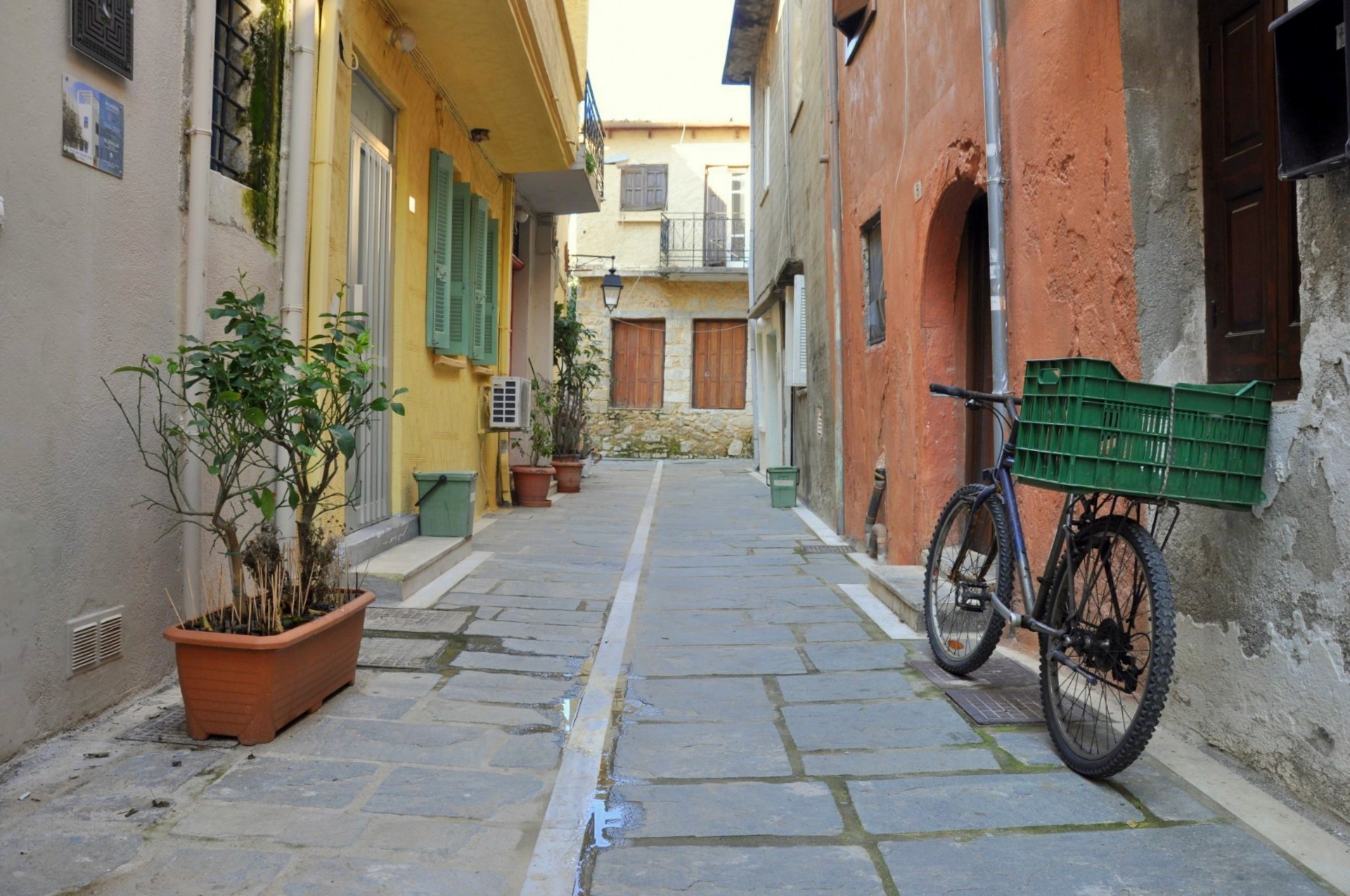
Rethymno developed into a fortified settlement during the Byzantine period and became an important administrative, commercial and intellectual centre under Venetian rule. Its Old Town has largely preserved the urban layout formed during the Venetian and Ottoman periods. Venetian mansions, Renaissance doorways, fountains, Orthodox and Catholic churches, Ottoman mosques and houses with wooden projecting balconies stand side by side along its narrow streets.

The city’s distinctive character is closely associated with the flourishing of the Cretan Renaissance, when Byzantine and local traditions interacted with the artistic and intellectual influences of Venice. A dynamic Greek urban and scholarly community developed here, while the wider Rethymno region was the birthplace of the important playwright Georgios Chortatzis, author of the tragedy Erophile.

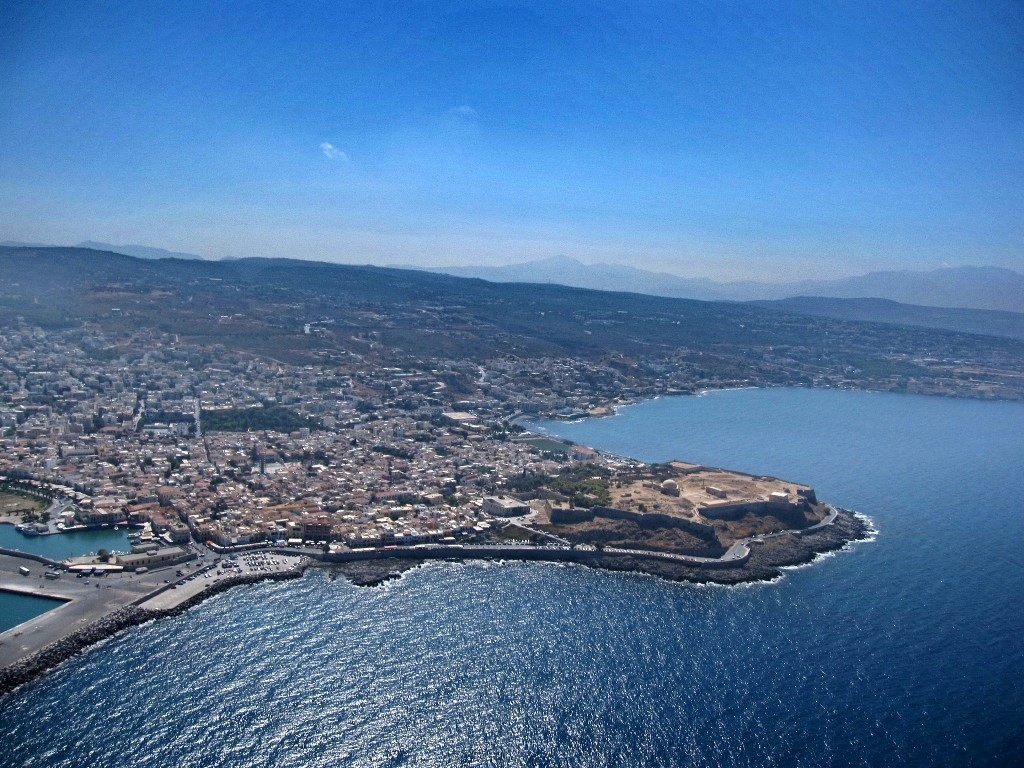
Dominating the Old Town is the imposing Fortezza, one of the most important and best-preserved Venetian fortifications in Crete. It was constructed mainly between 1573 and 1590 on Paleokastro Hill, the site of the acropolis of ancient Rhithymna. Its walls offer panoramic views over the city and the Cretan Sea.

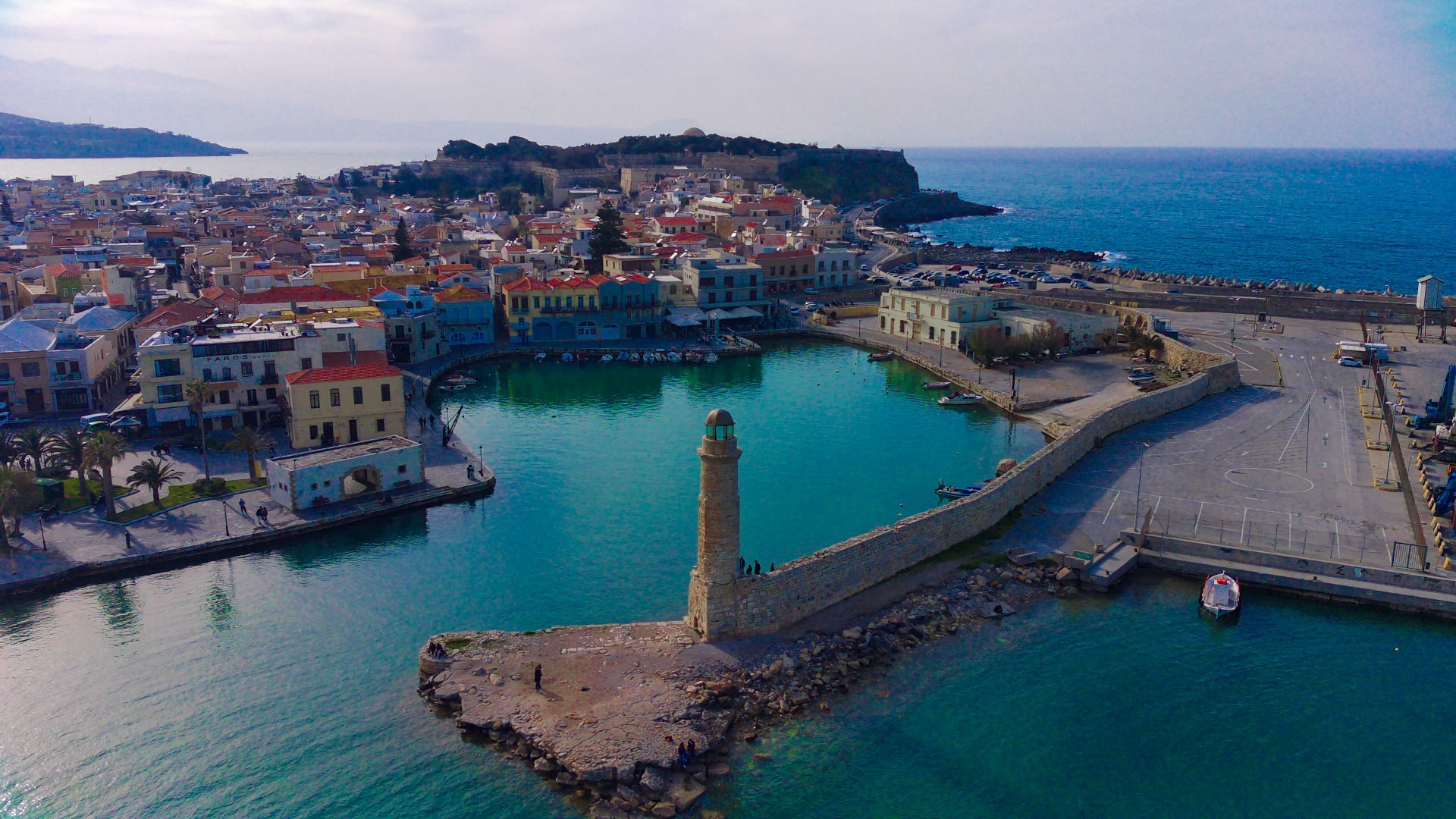
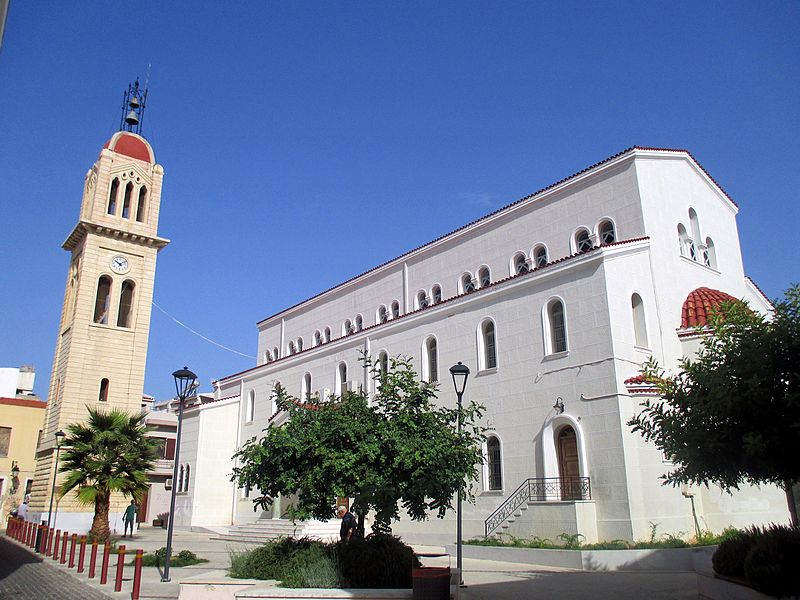
Other major attractions include the small Venetian Harbour and its lighthouse, the Venetian Loggia, Rimondi Fountain, the Municipal Garden, the Church of Our Lady of the Angels, the Historical and Folklore Museum of Rethymno, the Neratzes Mosque, the Church of Saint Francis, the Great Gate or Porta Guora, the Kara Musa Pasha Mosque and the Venetian mansions along Arkadiou Street.

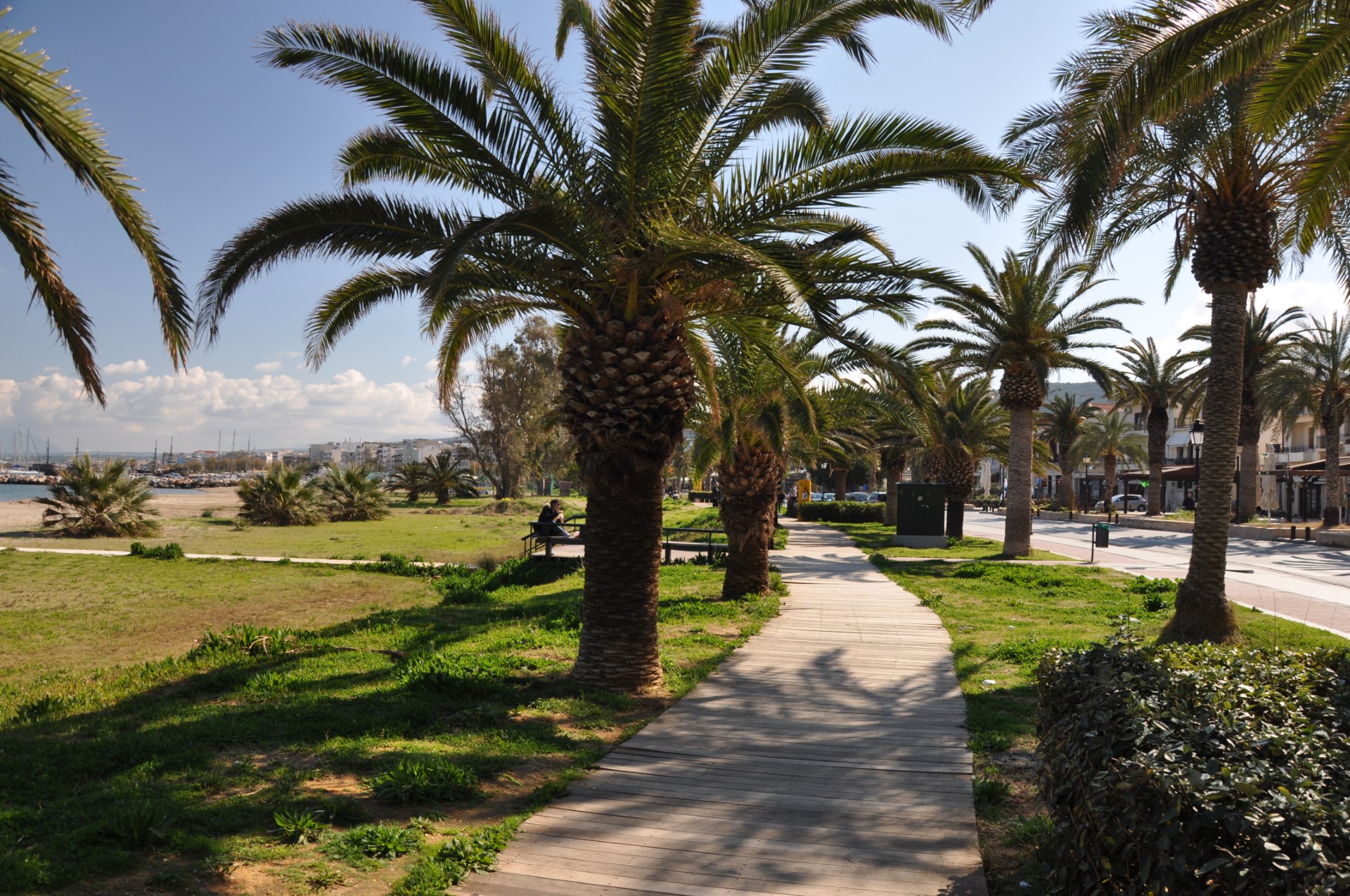
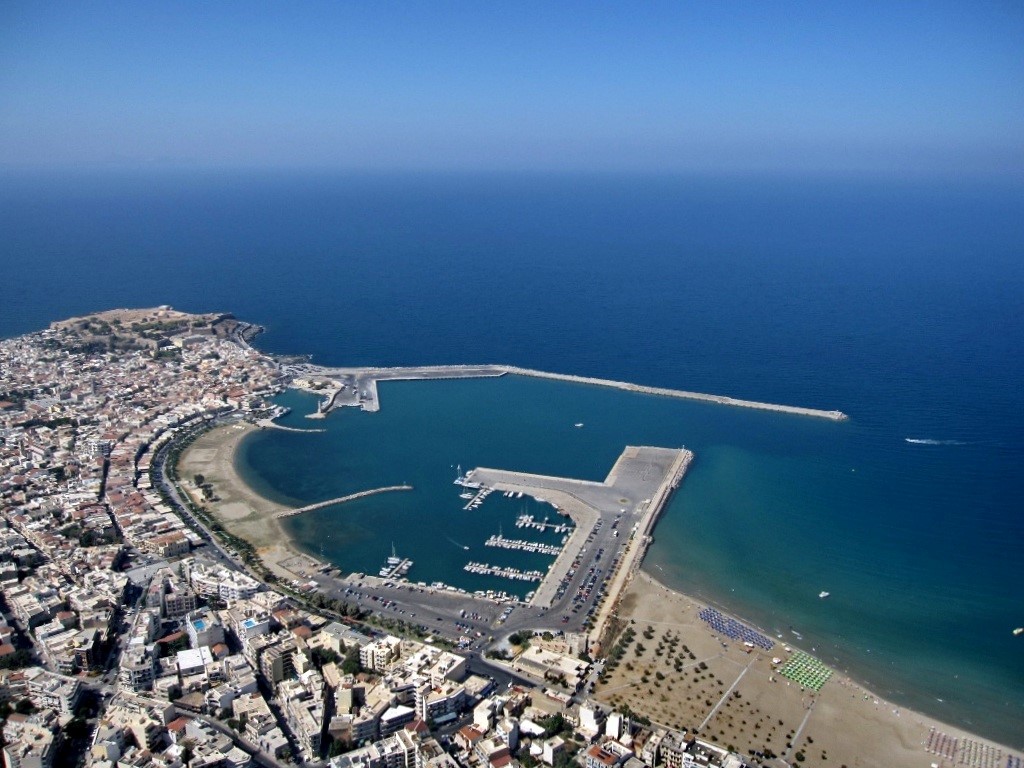
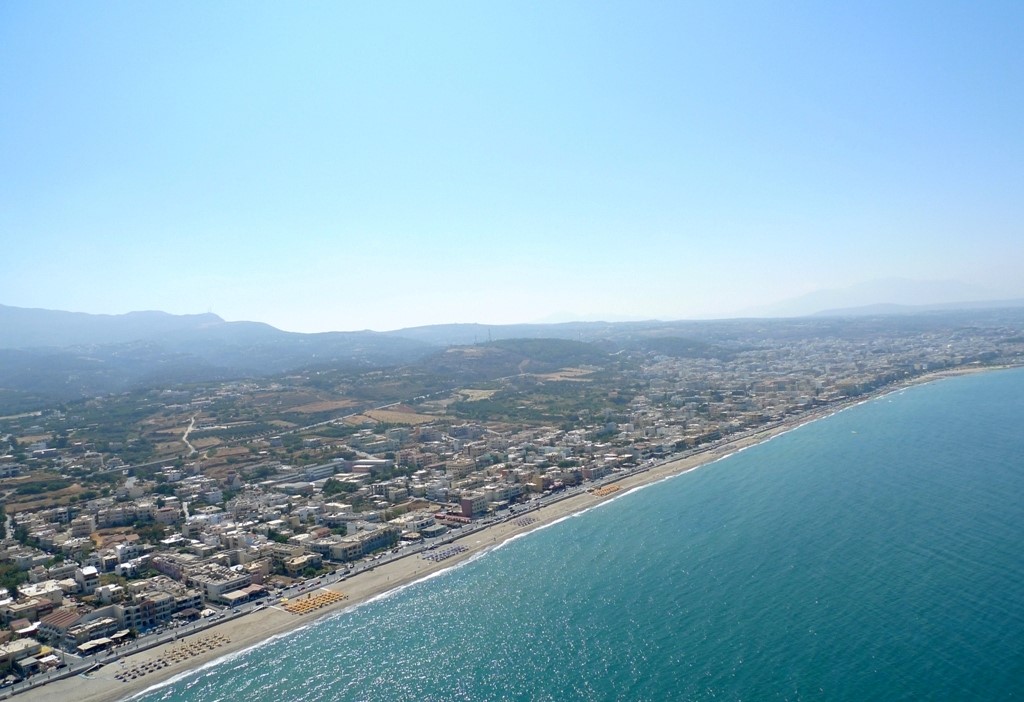
East of the modern port begins the long sandy beach of Rethymno, extending for several kilometres. The combination of its historic centre, architectural monuments, seafront and lively cultural scene makes Rethymno one of the most attractive cities in Crete.

History: The Castle of Rethymno

History: The Castle of Rethymno

The history of Rethymno is closely connected with the successive fortifications that protected the city, from the Byzantine Castell Vecchio and the Venetian city walls to the imposing Fortezza. The area of modern Rethymno was inhabited as early as the Late Minoan period, while the ancient city of Rhithymna later developed here. During Byzantine times, the settlement contracted and was fortified around Paleokastro Hill. This early defensive enclosure was subsequently known to the Venetians as Castell Vecchio, meaning the Old Castle. Following the establishment of Venetian rule, Rethymno acquired particular importance because of its position between Chania and Heraklion. The Venetians developed the small bay of Mandraki, east of the hill occupied today by the Fortezza, creating a harbour for merchant vessels and naval galleys sailing along the northern coast of Crete. The new city gradually developed around this harbour. Rethymno became the administrative centre of the surrounding district and the seat of the Venetian rector. A dynamic Greek urban community also emerged, including families of the old Byzantine aristocracy known as the Archontoromaioi. According to the census of 1583, the Greek population considerably outnumbered the Venetian community. The earlier medieval fortifications, recorded from the beginning of the 14th century, had been damaged by earthquakes and could no longer protect the expanding city. The raid carried out by Hayreddin Barbarossa in 1538 further demonstrated the urgent need for a new defensive enclosure. In 1540, the Venetian authorities decided to surround the city with new landward walls. Their design followed the principles of Renaissance military architecture associated with the work of the distinguished Veronese architect Michele Sanmicheli. Construction continued for approximately three decades, and the new fortifications were completed around 1570. The landward wall, approximately twelve Venetian feet thick, began at the eastern sandy shore near the Sabionera or Santa Barbara Bastion and extended westwards to the foot of Paleokastro Hill. A deep defensive moat ran in front of it, while the seaward side of the city remained largely unfortified. The enclosure had three principal entrances. The most important was the Guora Gate, also known as the Great Gate, which still survives at the beginning of Ethnikis Antistaseos Street. The Gate of the Sand stood to the east, near the Santa Barbara Bastion, while the Porta dello Squero was located on the western side, opposite the present Municipal Garden. The wall was reinforced by several bastions, including those of Agia Paraskevi and Kallergis. The Gate of Agios Athanasios was later opened near the Kallergis Bastion. The principal weakness of the fortifications was the absence of a strong wall along the seafront. In 1571, the Ottoman corsair Uluç Ali landed with his forces, entered the city with relatively little resistance and set it on fire. The destruction demonstrated that the newly completed walls could not adequately protect the inhabitants from an organised assault. Following the raid, the Venetians decided to construct a more powerful fortress on Paleokastro Hill. The Fortezza was founded in 1573, and its principal construction works were completed by about 1590. It was intended to provide a secure refuge for the population during an attack, although its limited size made it impossible to house the entire city permanently. Over the following centuries, most sections of the landward walls were demolished or absorbed into the expanding modern city. The Guora Gate is their most important surviving remnant, while the Fortezza continues to dominate the skyline above the Old Town of Rethymno.

Read more ...

Religious Monuments of Rethymno city

Religious Monuments of Rethymno city

The Old Town of Rethymno preserves a particularly rich collection of Christian and Muslim monuments reflecting its Byzantine, Venetian and Ottoman history. Historical sources record between 23 and 46 churches and monasteries in Rethymno during Venetian rule, belonging to both the Orthodox and Roman Catholic traditions. Very few survive today in their original form, as several were converted to other uses, destroyed or incorporated into later buildings. Following the Ottoman conquest, some Christian churches were converted into mosques, while new mosques were also established, shaping the city’s multicultural religious landscape. Among the oldest surviving remains are those of the Church of Agia Paraskevi, which have been restored and incorporated into the premises of the Institute for Mediterranean Studies of the Foundation for Research and Technology–Hellas. Another important monument is Agia Sophia, known during the Ottoman period as the Ahmed Pasha Mosque and now used as a venue for cultural events.

Read more ...

  • 1
  • 2
Rethymnon beach

Rethymnon beach

1 1 1 1 1 1 1 1 1 1 Rating 3.24 (236 Votes)
The sandy beach of Rethymno is located just 1km east of the city centre, next to the Venetian port. It's a lovely beach with golden sand and crystal clear shallow waters, very well organized and close to all amenities of the city.


Read more ...

Rethymno Lighthouse

Rethymno Lighthouse

1 1 1 1 1 1 1 1 1 1 Rating 3.60 (5 Votes)
The lighthouse of the Venetian harbor of Rethymno is the second largest remaining Egyptian lighthouse in Crete, after the lighthouse of Chania harbor. It is built on the edge of the old sea wall of Rethymnon and it can be accessed very easily.

Read more ...

Venetian Harbor of Rethymnon

Venetian Harbor of Rethymnon

1 1 1 1 1 1 1 1 1 1 Rating 4.05 (10 Votes)
The Venetian Harbor of Rethymnon, next to the modern harbor of the city, with the Egyptian lighthouse is one of the most picturesque areas of the old town. It operated in the Byzantine period (after 961), but flourished during the Venetian period. The Venetians in the 14th century started major projects to facing the problem of siltation, which holds till today.

Read more ...

Fortress Fortezza in Rethymnon

Fortress Fortezza in Rethymnon

1 1 1 1 1 1 1 1 1 1 Rating 4.44 (9 Votes)
Fortezza fort dominates the hill Palekastro beside the old town of Rethymnon and is one of the biggest fortresses of the Venetian Era. It has been built on the site of the citadel of ancient Rithimna and the Temple of Artemis Rokkea. The grand pentagonal fort was built in the 1573 and has perimeter 1300m long.

Read more ...

Old Town of Rethymnon

Old Town of Rethymnon

1 1 1 1 1 1 1 1 1 1 Rating 4.08 (12 Votes)
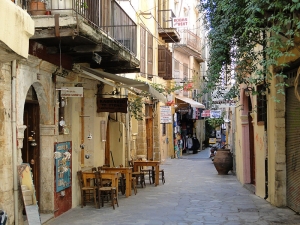
The old town of Rethymnon is a preserved Renaissance city that bears elements from both the Venetian and the Ottoman Era. In the old town there we meet the street markets of Arkadi and Antistaseos Streets. Above the old town we meet the imposing fortress of Fortezza that once protected Rethymnon. The picturesque narrow alleys housemany restaurants and taverns with traditional music.

Read more ...

Archaeological Museum of Rethymnon

Archaeological Museum of Rethymnon

1 1 1 1 1 1 1 1 1 1 Rating 4.17 (6 Votes)
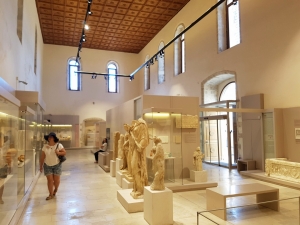
The Archaeological Museum of Rethymnon is temporarily hosted in the basilica of Agios Fragiskos (St Francis) in the old town of Rethymnon. It hosts exhibits from various excavations around the prefecture of Rethymnon which represent all periods from the Neolithic Age to the Roman period.

Read more ...

Historical and Folklore Museum of Rethymnon

Historical and Folklore Museum of Rethymnon

1 1 1 1 1 1 1 1 1 1 Rating 2.86 (7 Votes)
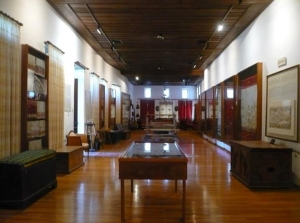
The Historical and Folklore Museum of Rethymnon was founded in 1974 and is housed in a Venetian building (17th century) that is a wonderful example of urban residence of the last phase of the Venetian occupation of Crete, in Renaissance.

Read more ...

Paleontological Museum of Rethymnon - Goulandris

Paleontological Museum of Rethymnon - Goulandris

1 1 1 1 1 1 1 1 1 1 Rating 3.71 (7 Votes)
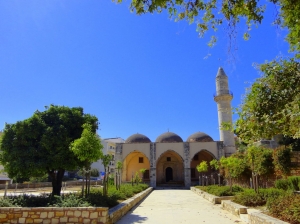
The mosque of Mastabas, with the characteristic 9-dome architecture, is an authentic monument of Rethymnon and has been conceded to GNHM following a decision of the Ministry of Culture. Upon completion of restoration and of the relevant museological study, it will operate as a Museum of Palaeontology, being annex of Goulandris National History museum in Crete.

Read more ...

  • 1
  • 2

Also read:

Download Free Premium Joomla Templates • FREE High-quality Joomla! Designs BIGtheme.net