










Chania city
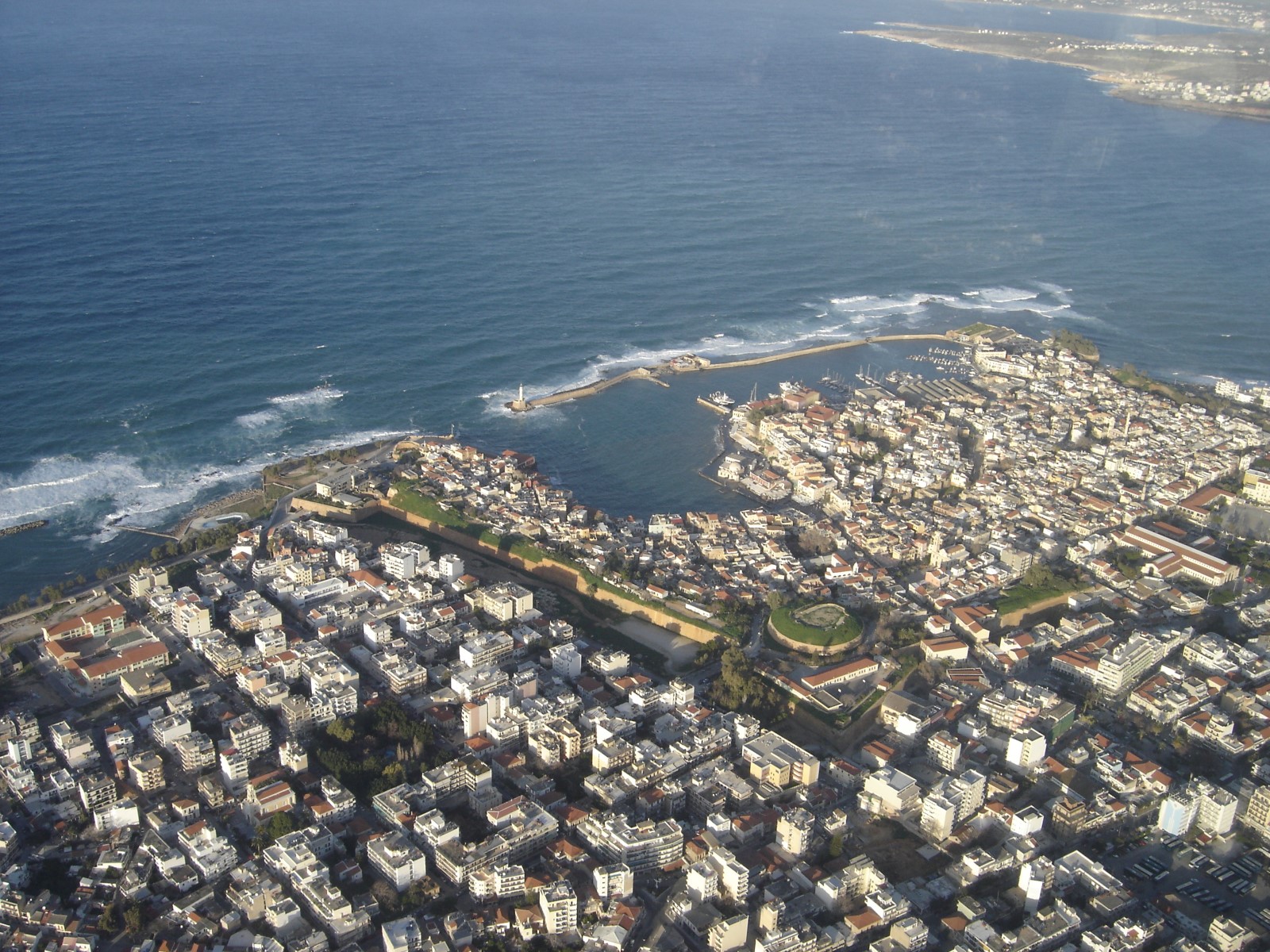
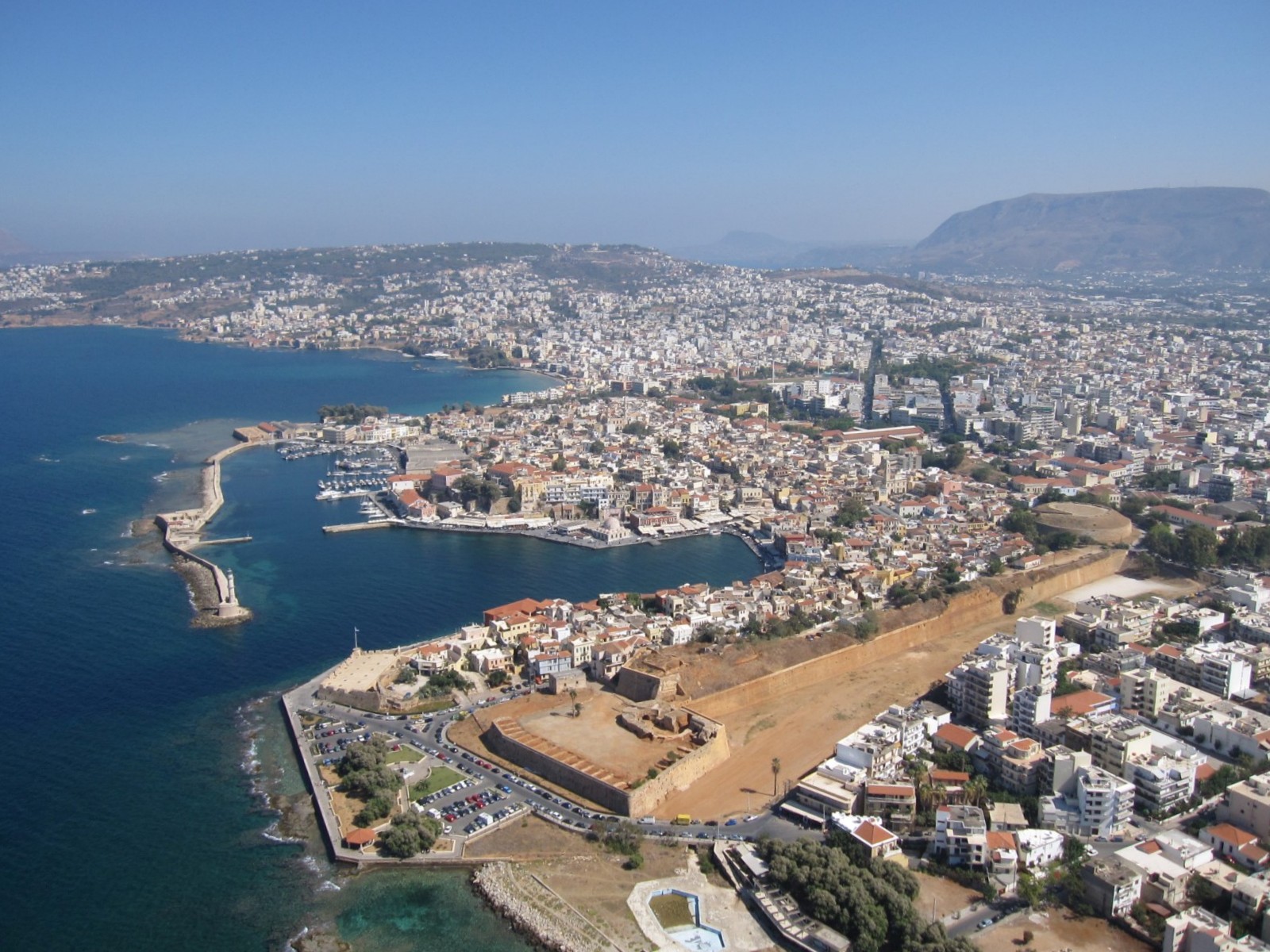
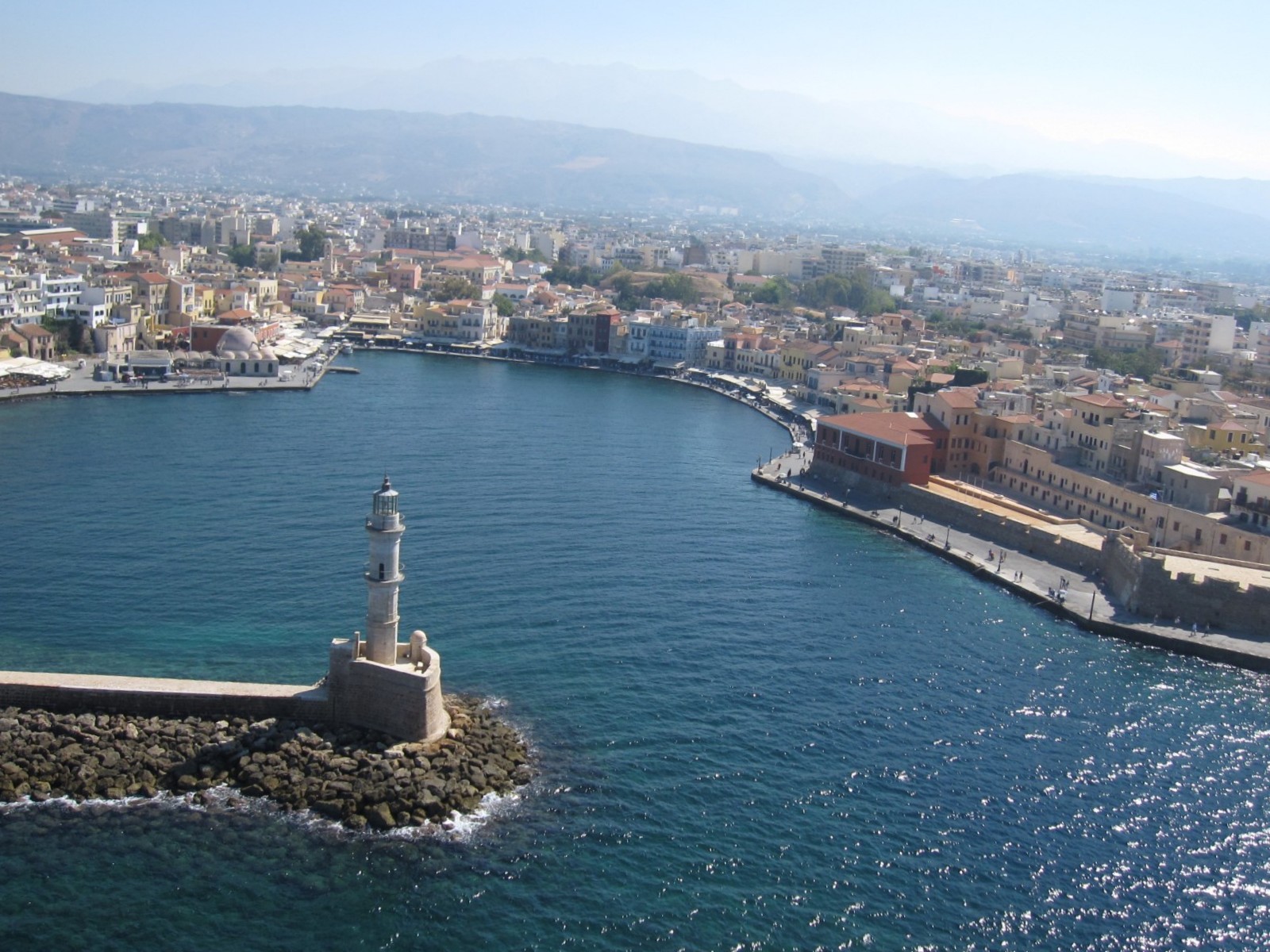
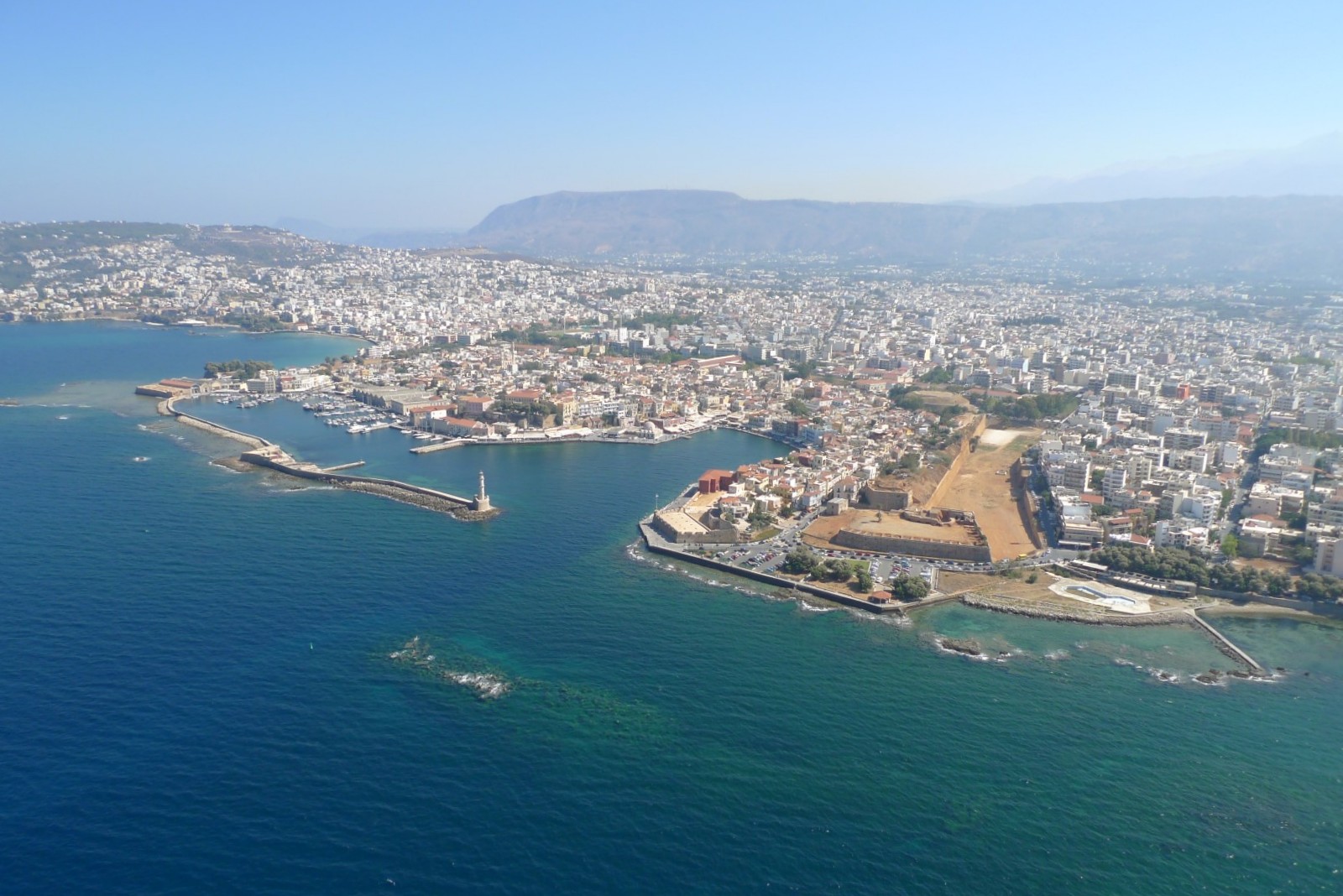
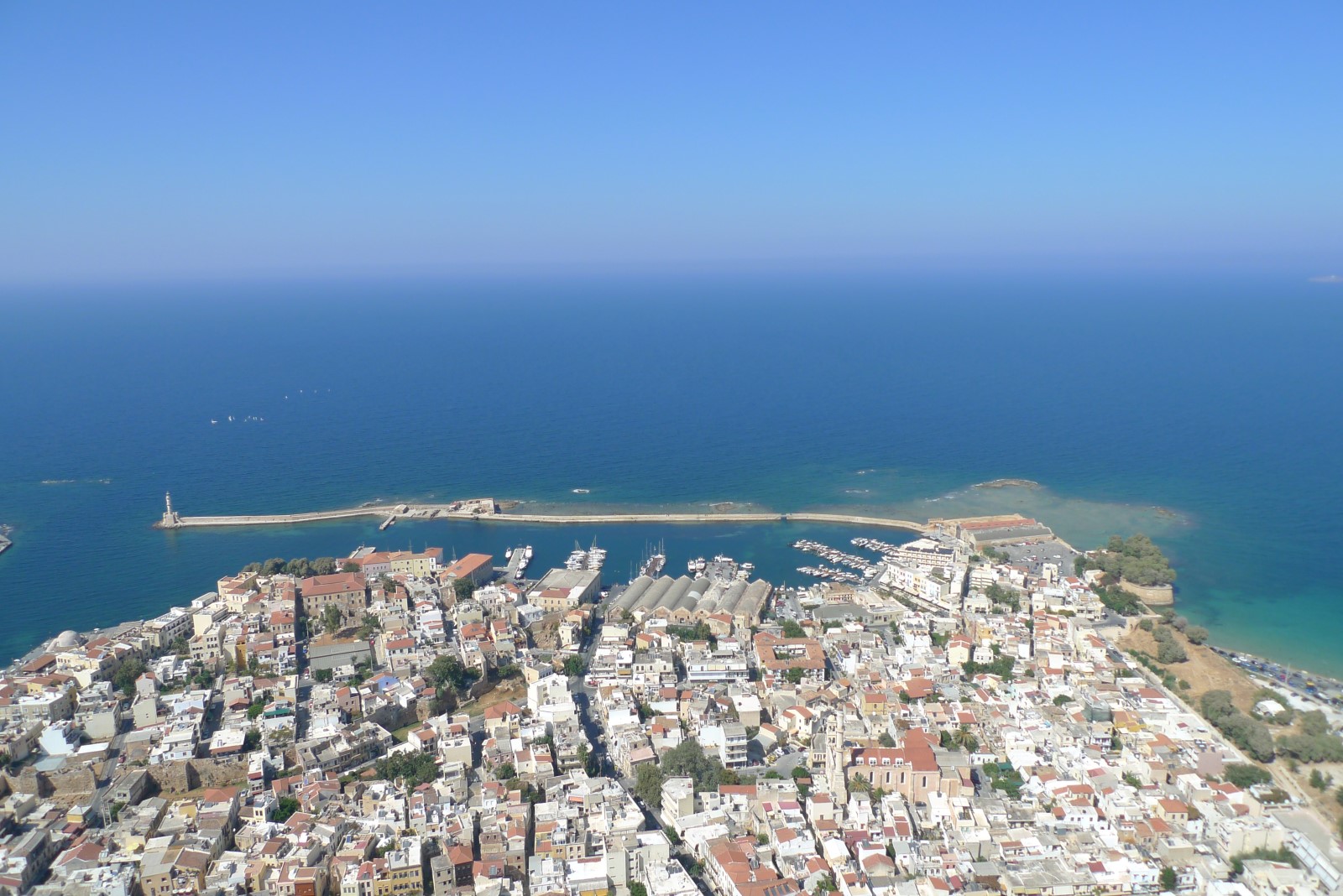
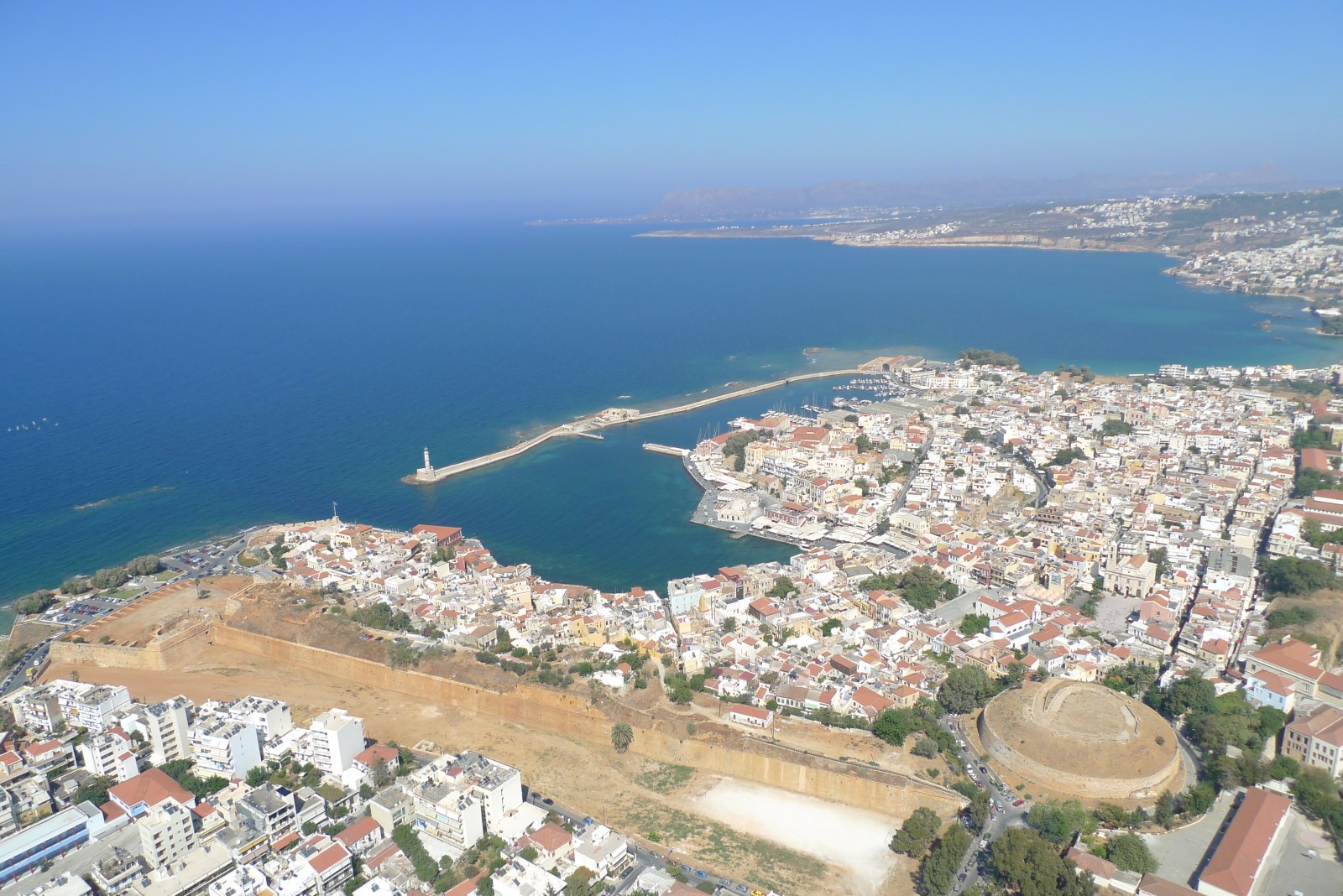
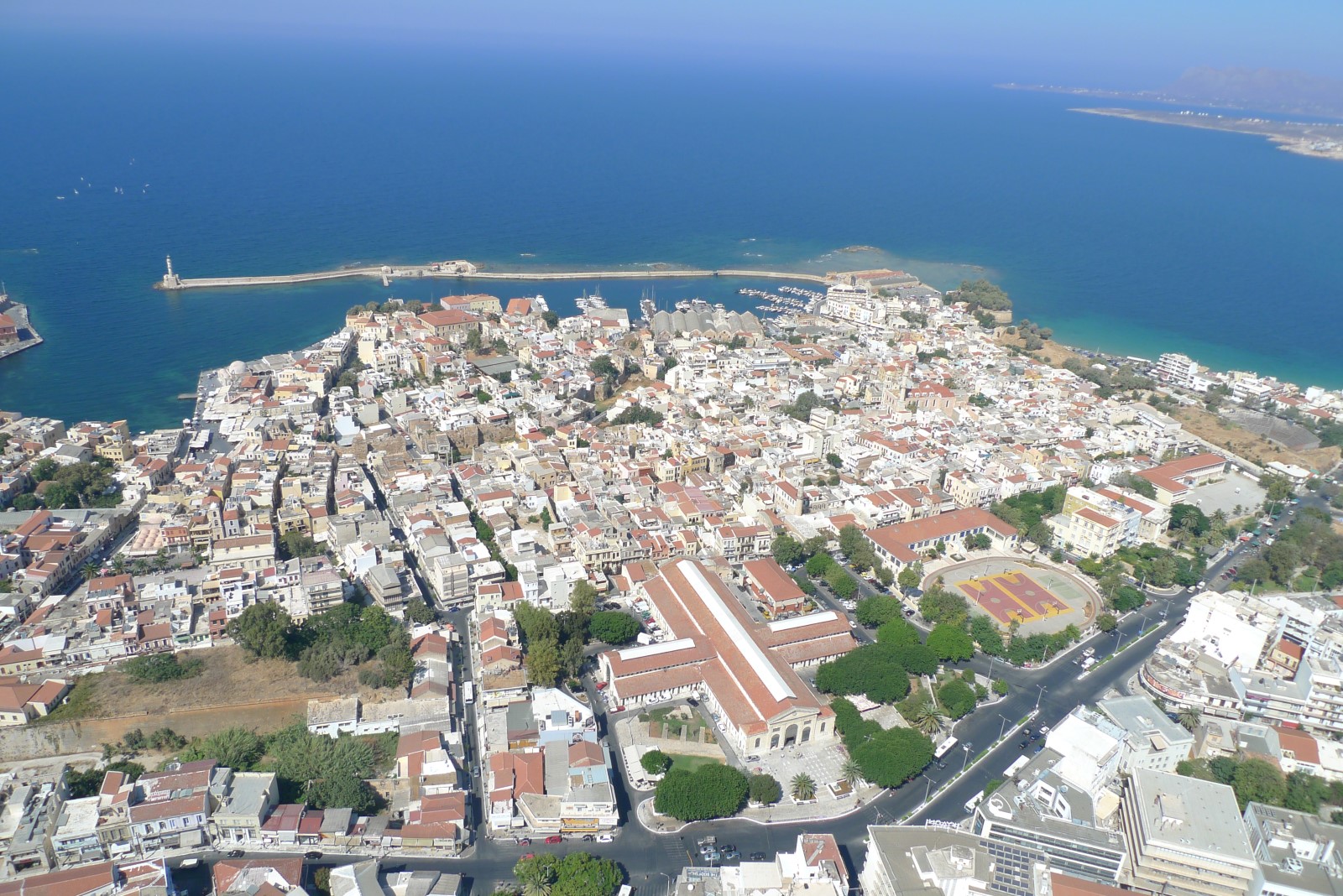
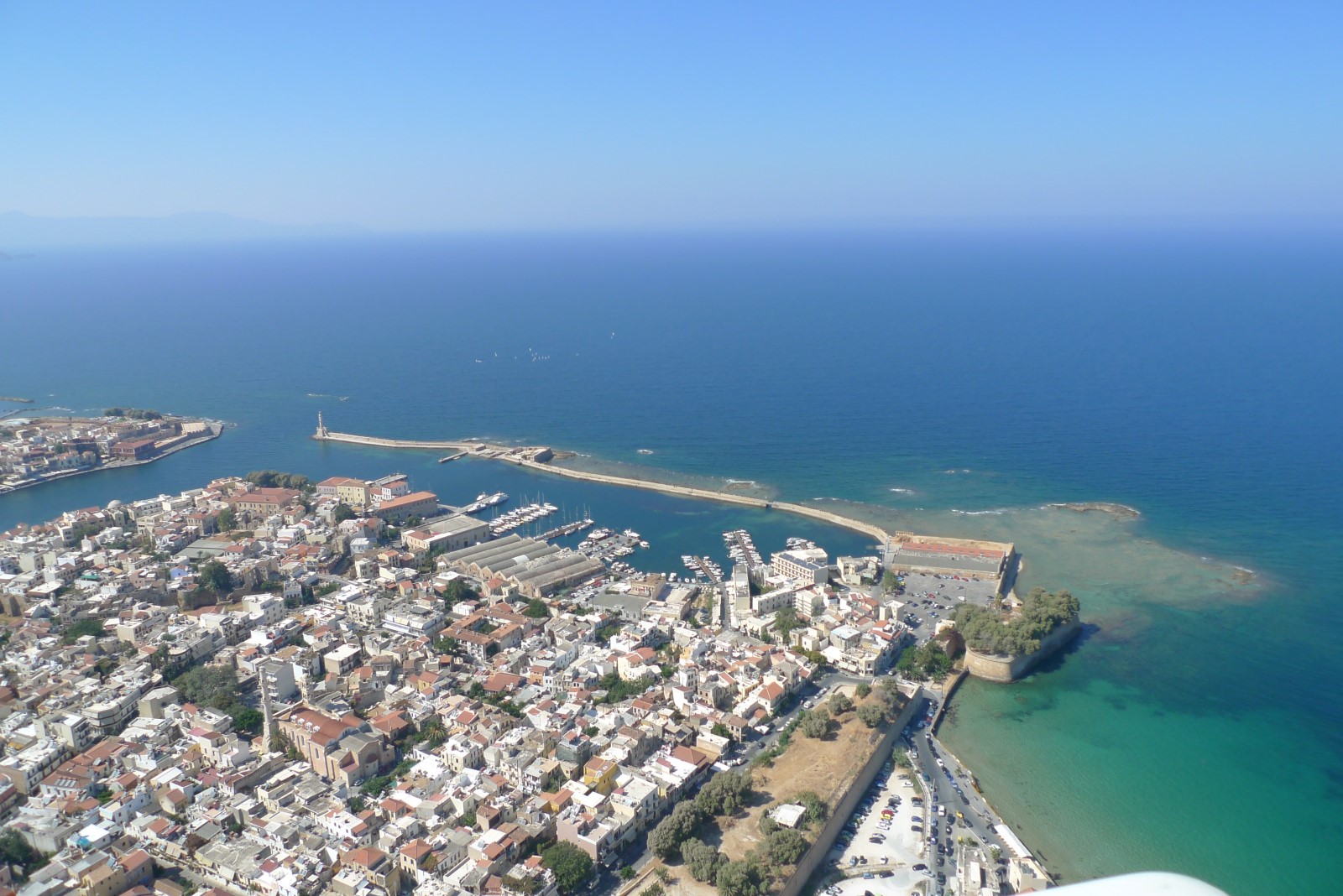
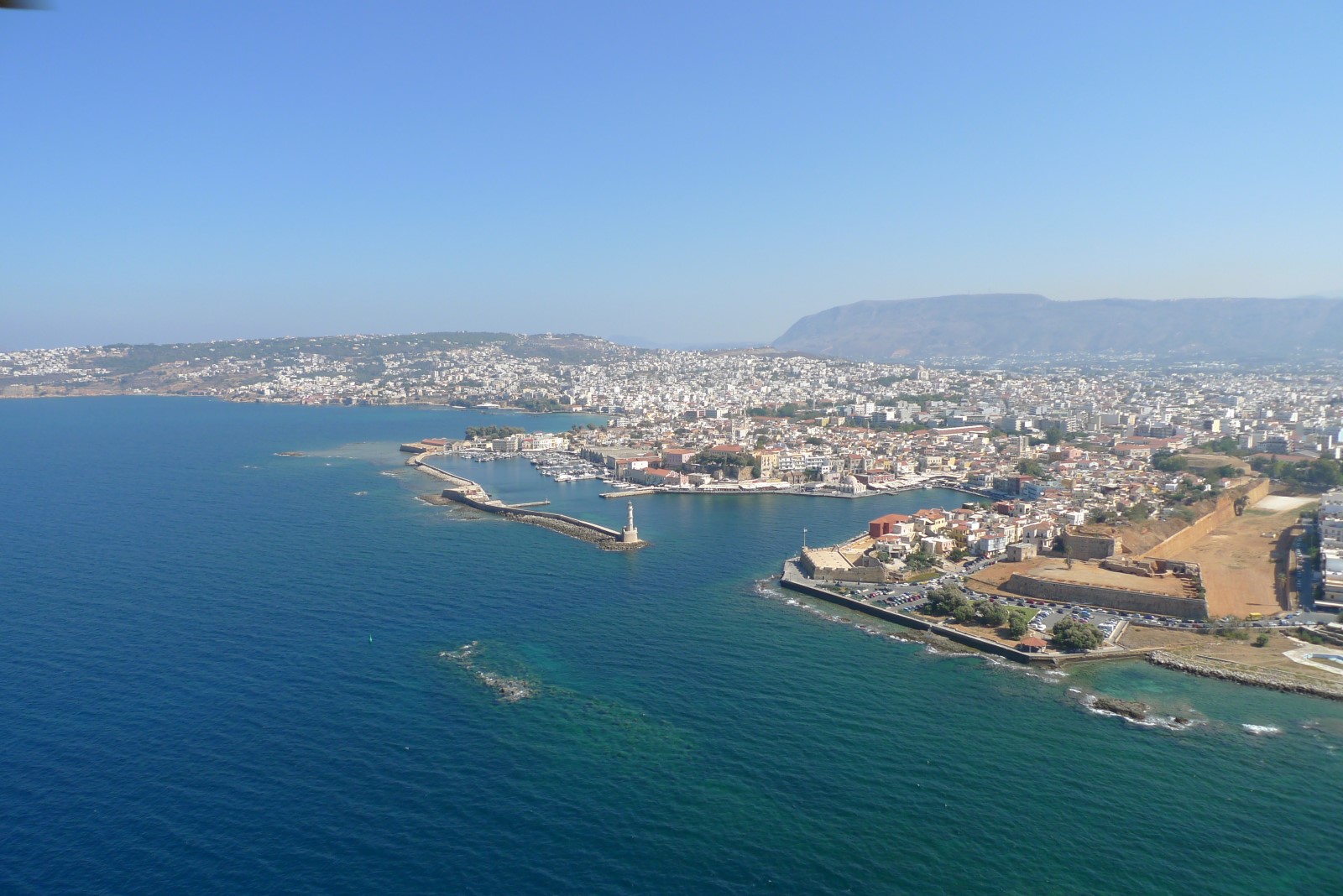
Chania, often described as the “Venice of the East”, is widely regarded as one of the most beautiful cities in Greece.
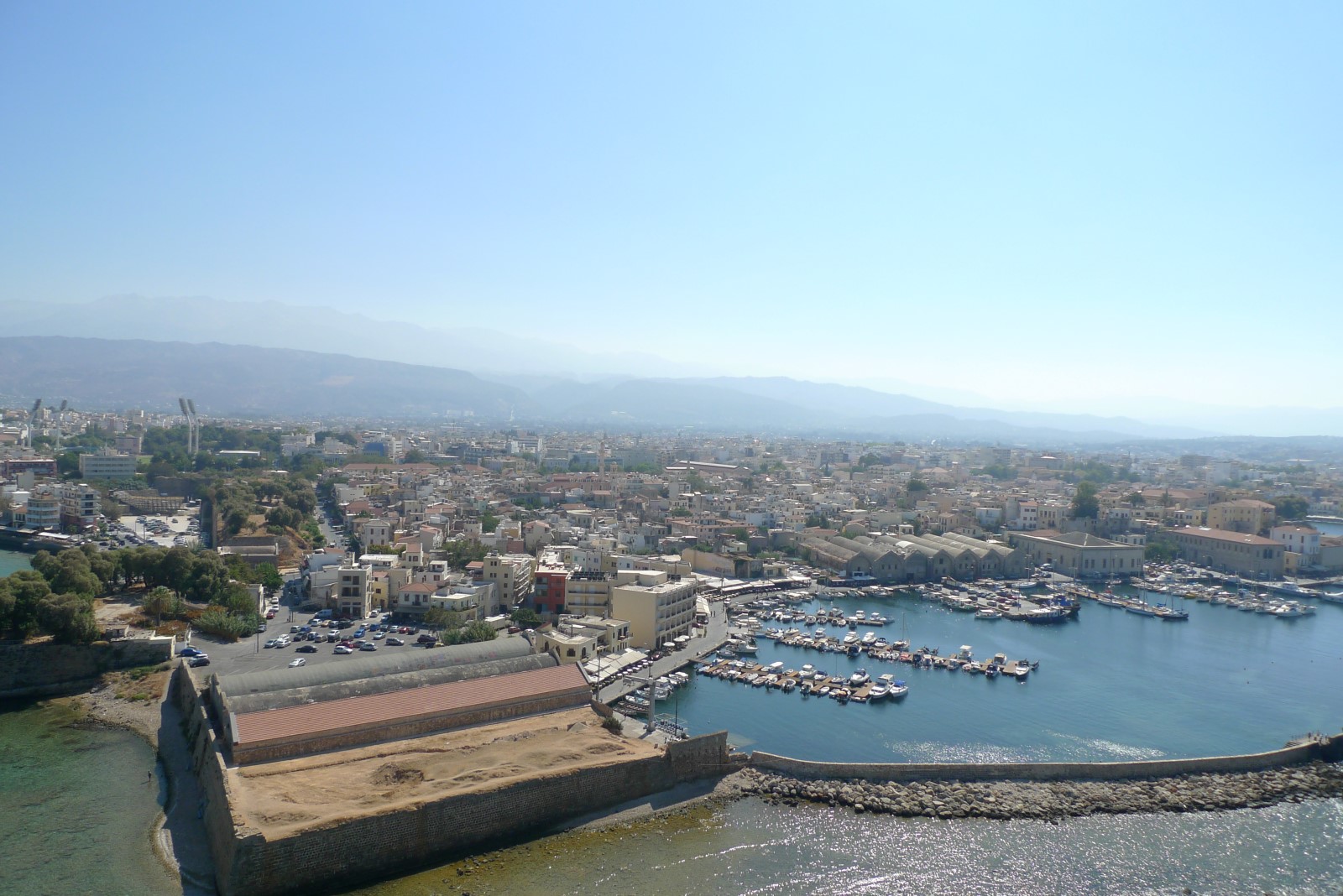
Chania is the second-largest city in Crete after Heraklion. According to the 2021 census, the Municipal Unit of Chania has 54,559 inhabitants, while the wider Municipality of Chania has a population of 111,375. Unlike several other large Cretan cities, Chania has preserved much of its historic character. Its Old Town and Venetian Harbour, with their narrow lanes, historic buildings and imposing Egyptian Lighthouse, form one of the Mediterranean’s most captivating urban landscapes.
The modern city stands on the site of ancient Kydonia, one of the most important cities of ancient Crete, as demonstrated by archaeological discoveries on Kastelli Hill. The settlement was fortified during the Byzantine period and developed into a powerful walled city under Venetian rule, with a harbour, bastions, shipyards and public buildings. Following the Ottoman conquest, mosques, baths and other architectural elements were added, several of which survive today.
In 1850, the seat of Crete’s Ottoman governor moved from Heraklion to Chania. In 1898 the city became the capital of the autonomous Cretan State. The district of Halepa, where the Pact of Halepa was signed in 1878, preserves notable buildings from this period. On 1 December 1913, the Greek flag was raised at Firkas Fortress, formally marking the union of Crete with Greece. Chania remained the island’s administrative centre until 1971, when that role passed to Heraklion.
During the Second World War, the Chania region stood at the centre of the Battle of Crete, with Maleme airfield serving as one of its principal strategic objectives. After German forces withdrew from most of Greece in the autumn of 1944, troops remained confined to an area of western Crete around Chania until their surrender in May 1945.
Eleftherios Venizelos, one of the most influential statesmen of modern Greece, was born in the Chania region. His premiership was closely associated with the modernisation of the country and the significant expansion of its territory during the early 20th century. The Tombs of the Venizelos family occupy a peaceful, tree-covered site east of Chania, offering panoramic views over the city.
Major attractions include the Old Town, the Venetian Harbour and its Egyptian Lighthouse, the Küçük Hasan Mosque, Kum Kapi, the Venetian shipyards, the Grand Arsenal and Centre for Mediterranean Architecture, Kastelli Hill, Splantzia, the Church of Saint Rocco and the Cathedral of Chania. Also worth visiting are the new Archaeological Museum of Chania in Halepa, the Maritime Museum of Crete at Firkas Fortress, the House of Eleftherios Venizelos in Halepa, the Souda Bay Allied War Cemetery and the Historical Archive of Crete.

Venetian Walls of Chania

Chania Museums and Venues

Religious Monuments of Chania


