







Things to do
Food
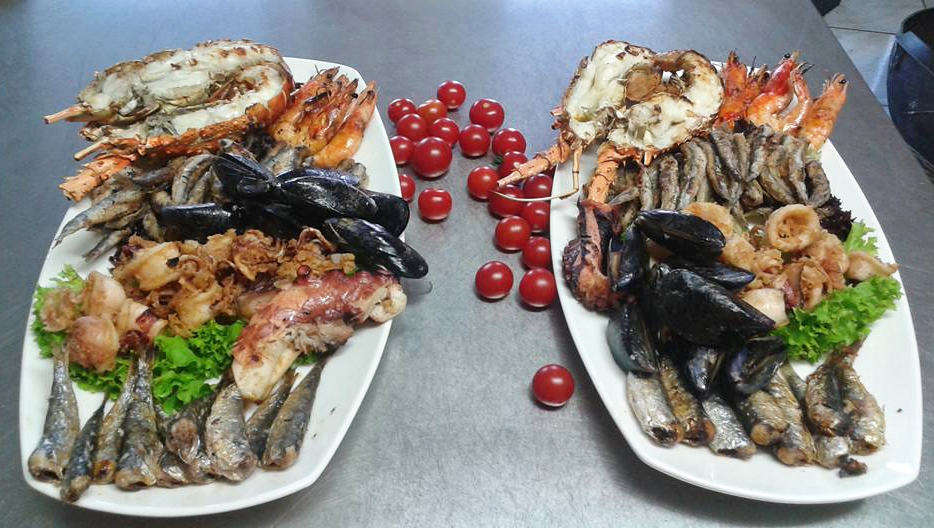
Cretan products and the Cretan way of cooking have claimed their own distinguished place in international gastronomy, due to the use of high quality ingredients with the added benefit of bolstering human health. At the same time, more and more restaurateurs and hoteliers have been including Cretan cuisine in their arsenal of tourism assets. In the same context, the Region of Crete has undertaken a significant initiative to showcase and liaise the primary sector with tourism.
Accommodation
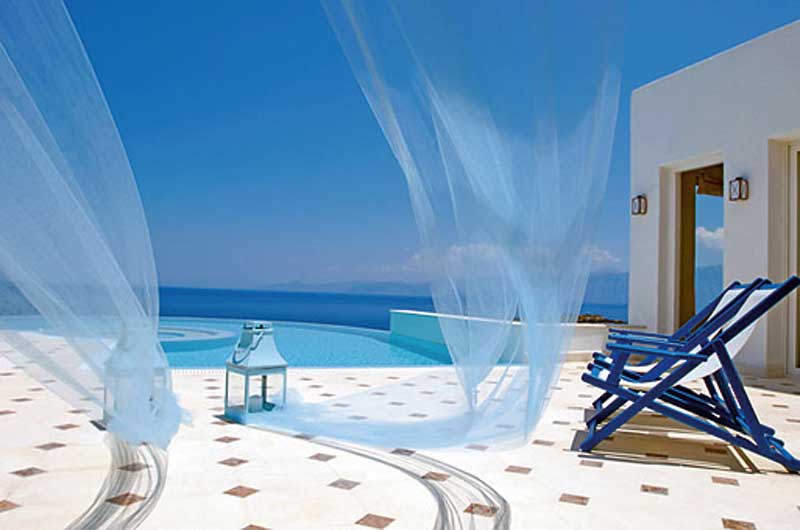
In Crete, tourism remains the main driver of economic growth, meeting all modern requirements of high quality services. High quality lodging services in exceptionally landscaped sites, private marinas, swimming pools, fitness centers, conference centers, spas, restaurants with unprecedented flavors and experienced staff, meet the needs of the most demanding guests.
Outdoor Activities
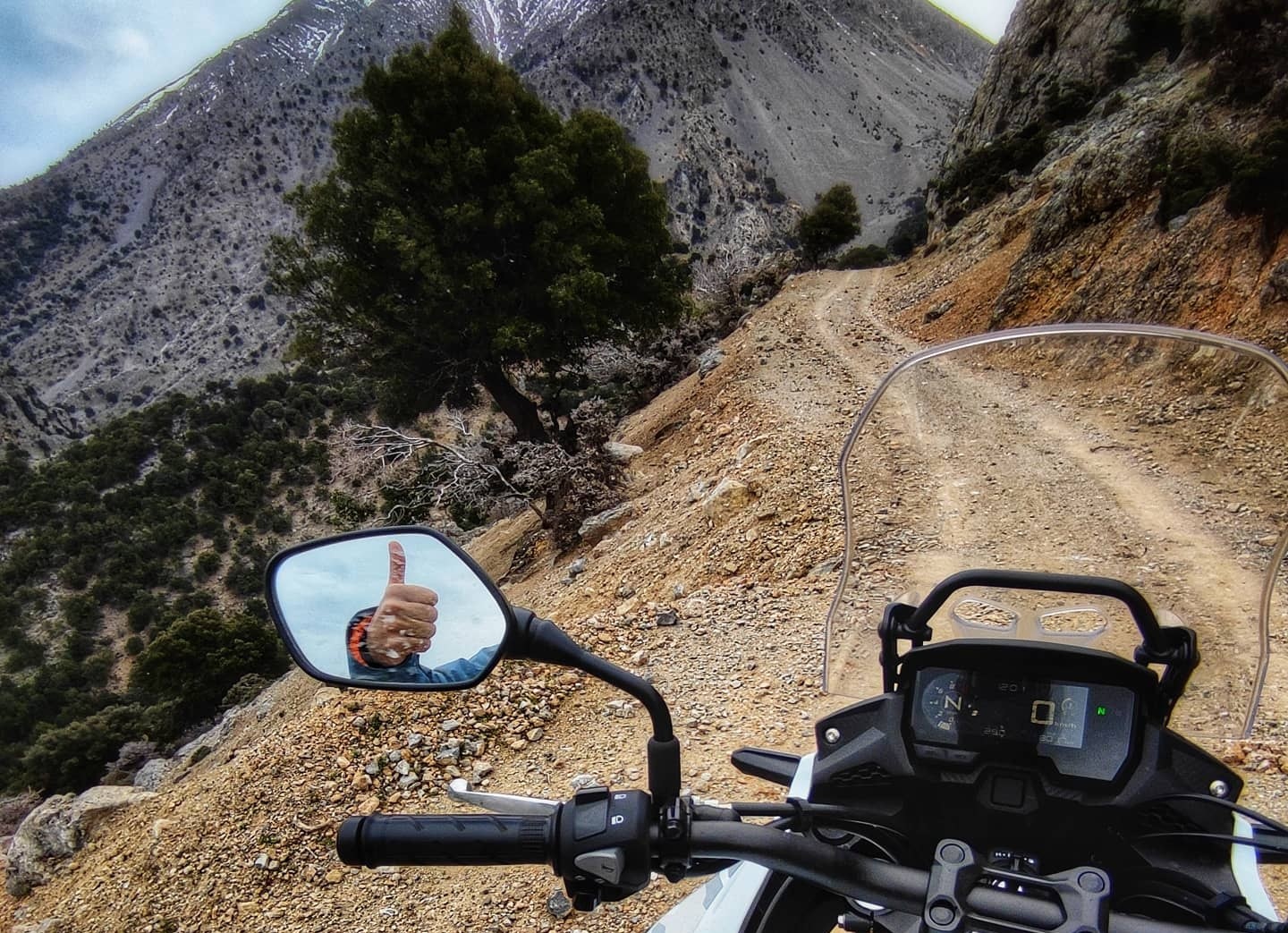
Outdoor activities in Crete range from coastal walks to climbs up the island’s highest peaks. Hiking includes short walks between villages, routes through gorges and ascents that take several hours. In several parts of the island, the E4 European long-distance trail links mountain villages, gorges and stretches of the south coast. Country roads and mountain tracks offer different routes for cycling, while horse riding offers another way to explore the countryside. The island’s wetlands and shores are good places for birdwatching, especially during the spring and autumn migrations. Crete’s limestone terrain offers cliffs for rock climbing, caves for caving and ravines for canyoning. In winter, when there is enough snow, the higher mountains also offer opportunities for snow sports. On the coast, options include diving, windsurfing and kitesurfing, depending on the location and conditions. Farm visits offer a slower way to get to know rural Crete. Depending on the season, they can introduce visitors to olive growing, viticulture or beekeeping.

Sea Activities
Crete’s long coastline, clear water and varied local conditions make the island an excellent destination for sea activities. Sheltered bays are suitable for relaxed kayaking and stand-up paddleboarding, while exposed and windy shores offer opportunities for windsurfing, kitesurfing and wave surfing. Licensed water-sports centres, schools and equipment-rental businesses operate at many organised beaches. The activities available depend on the region, season, weather and operating licences of each centre. Diving and snorkeling Crete is a popular destination for scuba diving, with clear waters, rocky underwater landscapes, caves, reefs and shipwrecks. Certified diving centres offer introductory experiences, training courses and excursions for qualified divers. Snorkeling is more accessible and can be enjoyed in many calm, rocky coves. A mask, snorkel and fins are sufficient for observing marine life, although swimmers must remain aware of currents, boat traffic and sea urchins. Marine organisms, shells and archaeological objects must not be removed from the seabed. Sea kayaking and canoeing Sea kayaking is one of the most rewarding ways to explore the Cretan coast. In suitable conditions, paddlers can travel beside rocky shores, small beaches, sea caves and isolated coves that are difficult to reach from land. Longer routes should be undertaken with a guide or organised group. Wind, waves and currents may make the return considerably harder, even when the outward journey appears easy. Stand-up paddleboarding Stand-up paddleboarding, usually known as SUP, is particularly popular in sheltered bays with calm water. It can be used for short coastal trips, exercise or simply relaxing on the sea. Despite its apparent simplicity, SUP requires careful weather assessment. Offshore winds can quickly carry a board away from the coast. A suitable leash and buoyancy aid are essential, especially outside supervised beaches. Windsurfing and kitesurfing Windsurfing and kitesurfing are among the most popular water sports in Crete. Kouremenos near Palekastro is the island’s best-known windsurfing location, where the summer meltemi is strengthened by local thermal conditions and the water inside the bay often remains relatively flat. These sports are also practised around Falassarna, Elafonissi, Kedrodasos, Amoudara near Heraklion, Hersonissos and Mirabello Bay. Conditions differ considerably, and a location suitable for experienced riders may be dangerous for beginners. Surfing and wing foiling Wave surfing depends mainly on swell and is most likely to find suitable conditions on exposed western and northern coasts, particularly from autumn to spring. Falassarna is one of the best-known locations when wave height and direction are favourable. Wing foiling has also become increasingly popular. The rider stands on a hydrofoil board while holding an inflatable wing. Professional instruction is strongly recommended, as the speed, equipment and distance travelled from shore increase the potential risks. Water skiing, wakeboarding and jet skiing Water skiing, wakeboarding, inflatable rides and personal watercraft such as jet skis are available at several organised tourist beaches. These activities should be used only within designated zones and through legally operating providers. Motorised craft must remain away from swimmers, divers, marker buoys and protected shores. Participants should check age limits, licence requirements, insurance coverage and operating rules before taking part. Sailing and boat excursions Sailing lessons, day trips and private excursions by sailing boat or catamaran depart from ports and marinas around Crete. Routes may include swimming and snorkeling stops at secluded bays or nearby islands. Before departure, passengers should check the vessel’s licence, safety equipment, permitted passenger capacity and expected weather conditions. The skipper always has the final responsibility for deciding whether a trip can proceed safely. Safety at sea Safety does not depend only on wind strength. Wind direction, gusts, waves, currents, rocks, water temperature, boat traffic and distance from the coast must all be considered. Beginners should use qualified instructors and legally operating water-sports centres. Buoyancy aids, suitable equipment and sun protection are essential, while flags, lifeguard instructions and local restrictions must always be respected.

Get married in Crete
Crete is an exceptional destination for a wedding, combining beaches, traditional villages, historic monuments, small chapels and reception venues overlooking the sea. Its mild climate, local hospitality and wide range of accommodation allow couples to turn their ceremony into a memorable holiday for themselves and their guests. A wedding in Crete can take the form of a civil or religious ceremony, while many couples choose a symbolic ceremony or a renewal of vows. A symbolic ceremony offers greater freedom regarding the location and content, but it does not create a legal marriage by itself. Couples wishing to marry legally in Greece must complete the procedure required by the responsible municipality or religious authority. Wedding locations in Crete The island offers venues for almost every style and size of celebration. Seaside hotels, private villas, rural guesthouses, wineries, traditional estates and venues surrounded by olive groves can host intimate ceremonies as well as larger receptions. The old towns of Chania and Rethymno provide a historic atmosphere, while Heraklion and Agios Nikolaos offer convenient access and a wide range of professional services. Small chapels by the sea, on hillsides or within traditional settlements are particularly popular. Before selecting a chapel, couples should confirm that the ceremony can legally or religiously take place there. Access, parking, available space, electricity, water and the distance to the reception venue must also be considered. Choosing the season Spring and autumn are especially attractive for weddings in Crete, as temperatures are generally milder and popular destinations are less crowded. Summer offers long hours of daylight and more predictable weather, but couples should take account of high temperatures, strong winds and increased demand for accommodation and wedding services. Every outdoor venue should have a practical alternative in case of strong wind, extreme heat or an unexpected change in the weather. The ceremony time should be chosen according to shade, the orientation of the venue and sunset, particularly when outdoor photography is an important part of the programme. Planning and transportation The venue should be selected together with suitable accommodation for the guests. Distances in Crete are often greater than they appear on a map, and access to remote beaches, chapels or mountain villages may involve narrow and demanding roads. Safe group transportation is therefore worth arranging, especially for the journey back after the reception. A local wedding planner can coordinate the venue, decoration, catering, music, photography, transportation and other suppliers. Before paying a deposit, couples should receive a written agreement clearly describing the services, access times, charges, cancellation conditions and the alternative arrangements in case of unsuitable weather. Legal requirements A legally recognised civil wedding requires the appropriate marriage licences and coordination with the municipality where the ceremony will be held. The required documents depend on the nationality, residence and previous marital status of each person. Documents issued abroad may require legalisation or an Apostille, together with an official translation into Greek. A religious wedding requires early communication with the relevant church and ecclesiastical authority. Requirements may differ according to denomination, baptism and previous marriages. As procedures can change and may vary between individual cases, couples should confirm everything directly with the municipality, religious authority and the consular authorities of their own country before making final arrangements. Creating a complete Cretan experience The celebration can be combined with a welcome dinner, visits to wineries, beach excursions, a sailing trip or a relaxed gathering on the following day. Cretan food, local products, music and traditional dances can give the wedding a genuine sense of place without turning it into a staged tourist performance. With careful planning, a wedding in Crete becomes not only a ceremony but a shared experience of the island.
Shopping
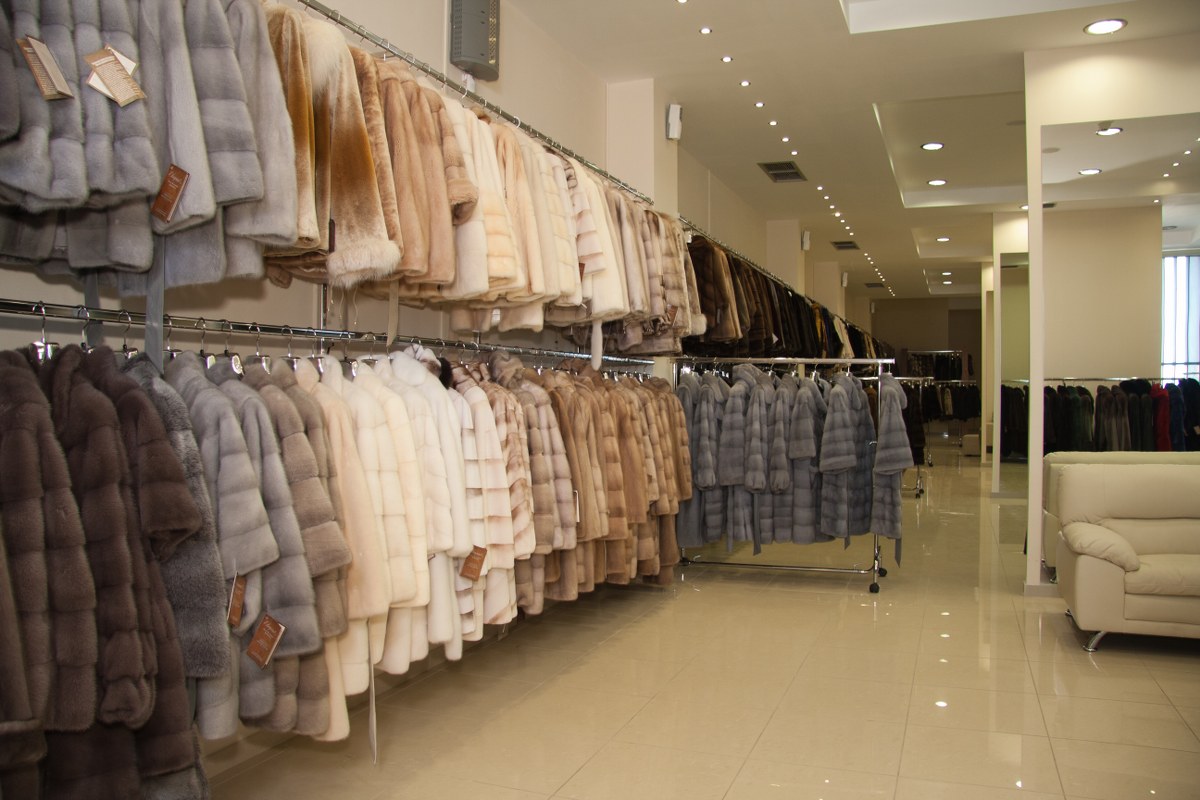
Crete offers a wide variety of shopping experiences, ranging from modern stores and well-known brands to small workshops, traditional grocery shops and local producers. The main shopping districts are found in Heraklion, Chania and Rethymnon, while the island’s popular resorts also provide numerous shopping opportunities. Visitors can find clothing, footwear, jewellery, leather goods, ceramics, folk art and souvenirs. Shops selling Cretan products are particularly interesting, offering olive oil, wine, herbs, honey, cheese, rusks and traditional sweets that make authentic gifts and reminders of the island. Beyond the shopping streets of the main towns, it is worth exploring open-air markets, craft workshops and small family-run shops in the villages. These places offer a closer look at local production and the opportunity to purchase goods directly from Cretan artisans and producers.

Transport and Getting Around Crete
Crete is connected with mainland Greece and many European countries through its airports and ports. The island’s main air gateways are located in Heraklion, Chania and Sitia. Available flights and their frequency vary by season, with considerably more international connections operating during the main tourism period. The largest ports are located in Heraklion and Souda near Chania, serving the principal ferry connections with Piraeus and other Greek ports. Ferry services may also operate from Sitia, Agios Nikolaos, Rethymno and Kissamos, depending on the season and the schedules announced by the shipping companies. Along the southern and southwestern coast, smaller passenger ferries connect Chora Sfakion, Loutro, Agia Roumeli, Sougia, Paleochora and the island of Gavdos. These services are particularly important because several coastal settlements and beaches in the area are not connected to one another by road. Intercity buses connect the main cities with many towns, villages, beaches and popular attractions across the island. Urban bus networks also operate in Heraklion, Chania, Rethymno and Agios Nikolaos, serving the city centres and nearby areas. Services are generally more frequent during the summer months. Renting a car or motorcycle offers greater freedom to explore remote beaches, mountain villages, gorges and archaeological sites. However, many rural roads are narrow, winding or cross mountainous terrain, so careful driving and realistic travel-time planning are essential. Taxis are available at airports, ports, cities and the larger tourist resorts. Before travelling by air, ferry or bus, visitors should always check the current timetable issued by the relevant operator, as routes, departure times and service frequency may change.
Book Tickets and Tours
Book tickets for museums, venues, archaeological sites, guided tours, and visits through our platform and get the most out of the best prices that vendors offer to us.


