







 Pyrgiotissa Fortress (Castel Priotissa)
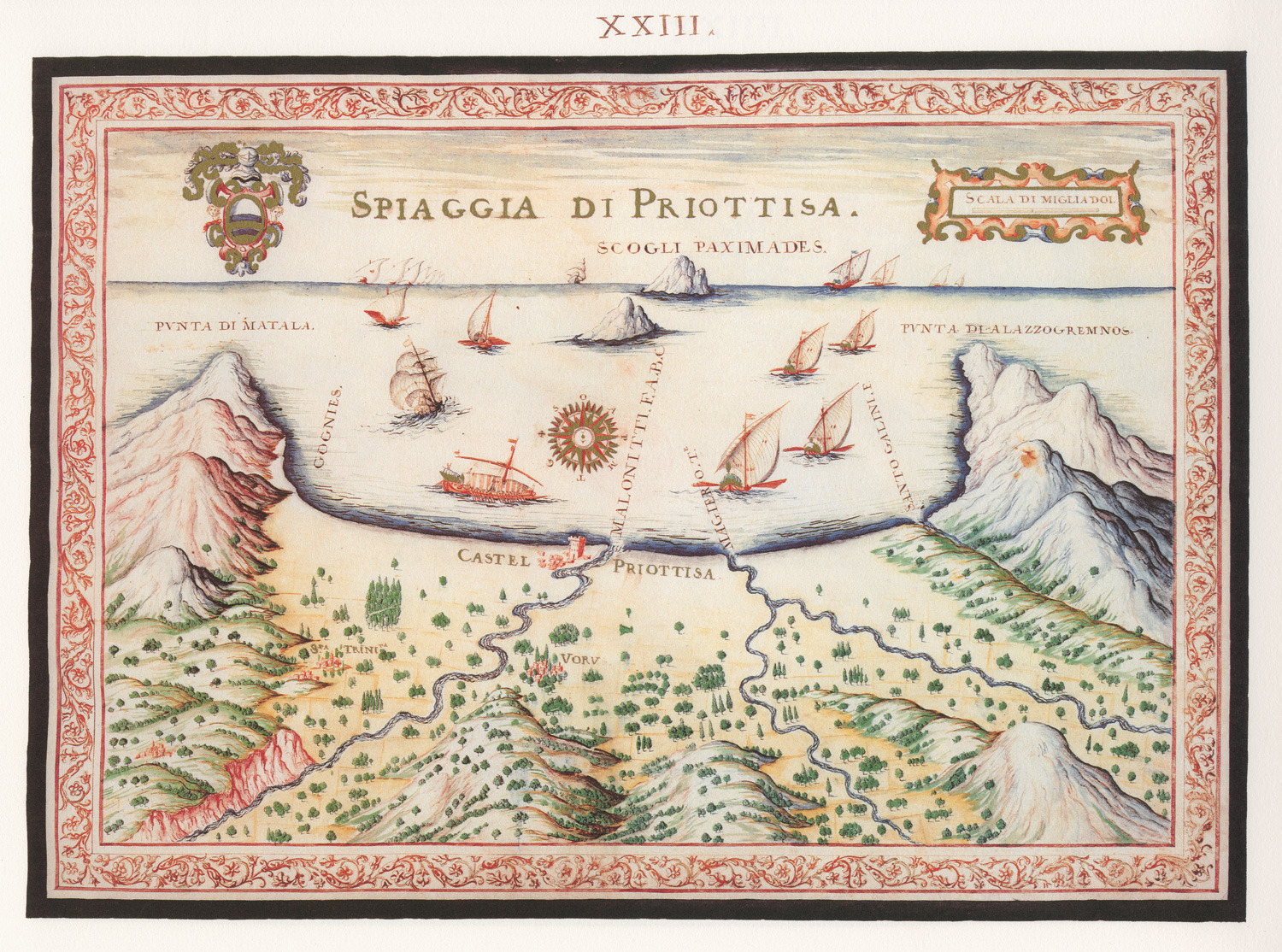
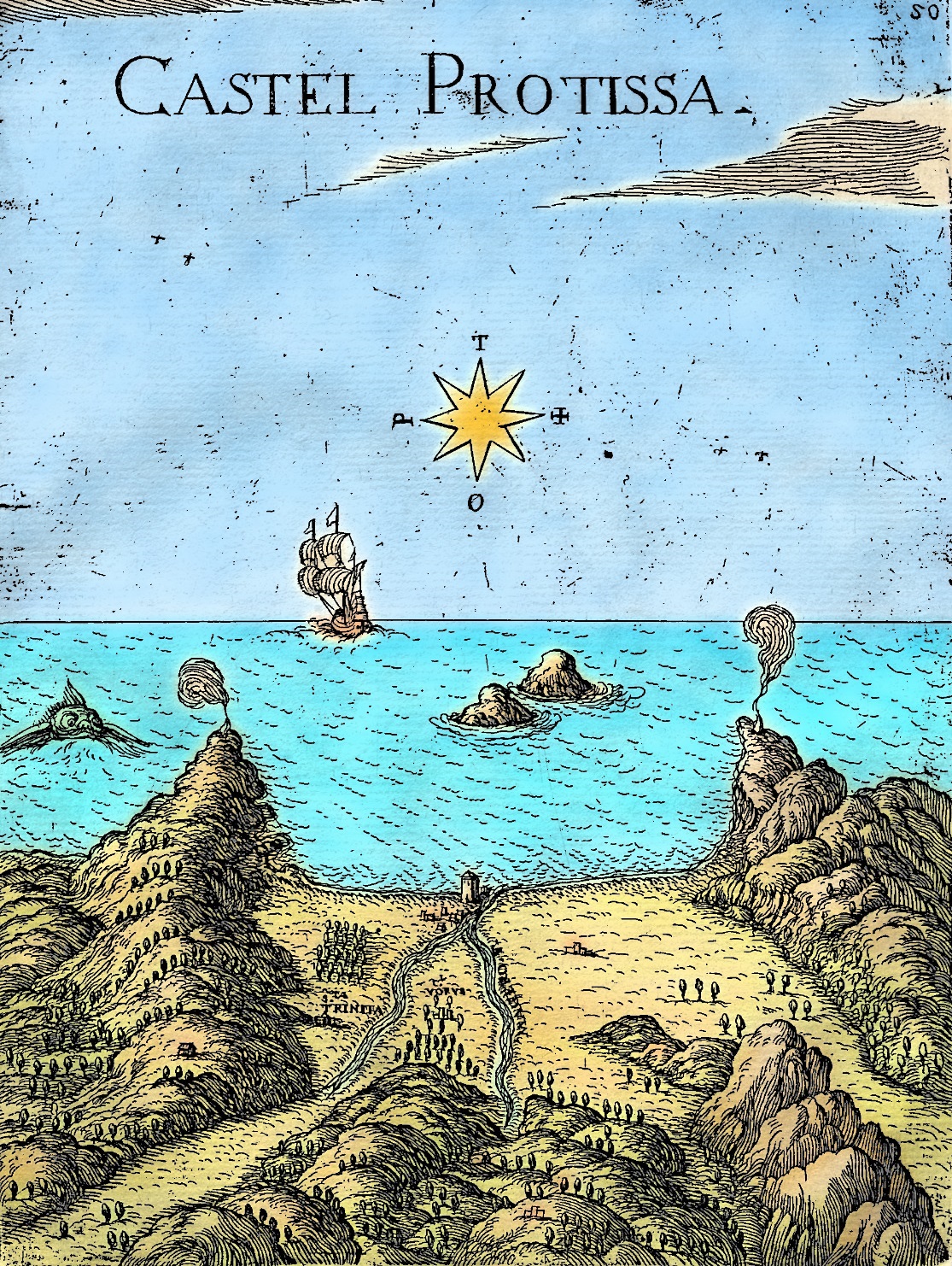
In the Messara Plain, south of the present-day town of Tymbaki, once stood Pirgiotissa Fortress, known to the Venetians as Castel Priotissa or Piriotissa. The fortress, of which no visible traces survive today, was an important defensive structure in the area. Its history became so closely intertwined with that of the surrounding region that it gave its name to the entire province of Pirgiotissa.
Its site lies within the grounds of present-day Tymbaki Airfield, near the church of Panagia Pirgiotissa, dedicated to the Life-Giving Spring. It is a short distance from Crete’s southern coast and the mouth of the Geropotamos River.
The history of the fortification appears to begin during Crete’s second Byzantine period (961–1204), when a small defensive tower was probably built to watch over the coastal zone and protect the inhabitants from pirate raids. Its position allowed control over part of the fertile Messara Plain and the approaches from the gulf of the same name.
During Venetian rule, the original tower appears to have been replaced by a larger fortified complex, probably before 1340. Castel Priotissa served as a lookout and an administrative focal point for the surrounding area, which appears in Venetian sources as the castellany of Pirgiotissa.
The Florentine traveller Cristoforo Buondelmonti, who visited Crete in 1415, mentions a small settlement in the area named Piriotissa. Later, in 1577, Francesco Barozzi recorded the castellany of Priotissa and the settlements under its jurisdiction. These included Tymbaki, Vori, Kamilari, Pitsidia and Matala.
In 1615, Francesco Basilicata reported the existence of a watchtower in the area, on the left bank of the Geropotamos. By the early 17th century, however, the fortress appears to have already lost much of its former importance. In 1629, the traveller Niccolò Monanni described a small settlement with around ten houses, two churches and the foundations of an old tower.
Repeated destruction, pirate raids and changes in the area’s defensive needs gradually led to the stronghold’s abandonment and disappearance. The precise date of its final destruction has not been established.
Near the site of the fortress stands the historic church of Panagia Pirgiotissa, dedicated to the Life-Giving Spring. The earlier church was destroyed during the German occupation and rebuilt after the Second World War. The church preserves the area’s historic name and celebrates its feast day on the Friday after Orthodox Easter, drawing worshippers from the wider Messara region.
Today, the site where Castel Priotissa once stood is occupied by Tymbaki Airfield, whose construction during the German occupation radically transformed the landscape. Although the fortress has disappeared, its name lives on both in the church of Panagia and in the historical name of the province of Pirgiotissa, preserving a distant memory of Messara’s Byzantine and Venetian past.
 Stay nearby
Nearby places of interest
Straight-line distances
 0.1 km
Geropotamos River
 1.1 km
Pahia Ammos beach (Afratias)
 2 km
Tymbaki Town
 2 km
Katalyki Lake
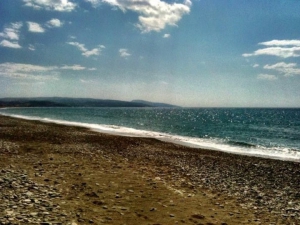 2.3 km
Kokkinos Pirgos beach
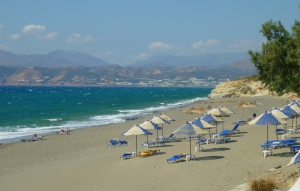 3.3 km
Kalamaki beach
 3.4 km
Holy Trinity Church at Agia Triada near Festos
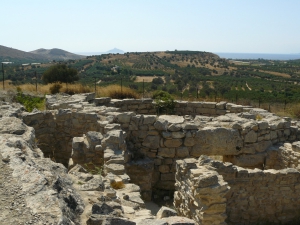 3.4 km
Kamilari Domed Tomb
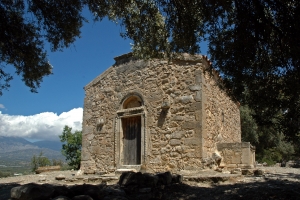 3.6 km
Church of Saint George in Agia Triada
 3.6 km
Agia Triada Royal villa
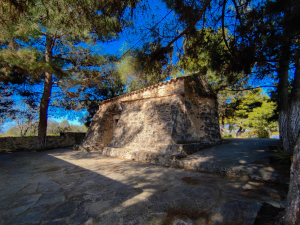 4.5 km
Saint George Kontaras church at Vori
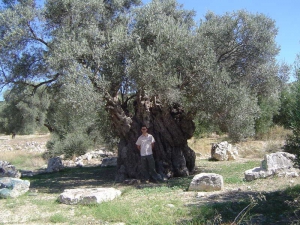 4.7 km
Kamilari Olive tree (Mana)
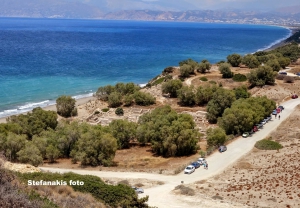 5.1 km
Ancient Kommos
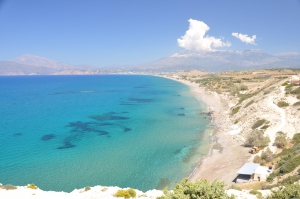 5.1 km
Komos beach
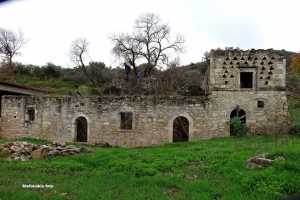 5.2 km
Gerontomilos Watermill at Phaestus
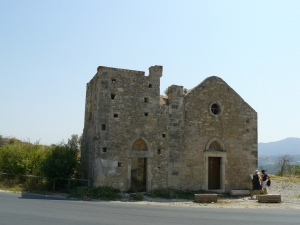 5.3 km
Saint George church at Falandra near Phestos
 5.4 km
Kakoskalo beach
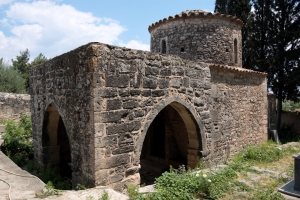 5.4 km
Baptistery of Saint Paul at Agios Ioannis
Additional Info
- Location: Heraklion Prefecture
- Type: Fortress / Tower
- Peak Period: Venetian Era (1204 AD - 1669 AD)


