









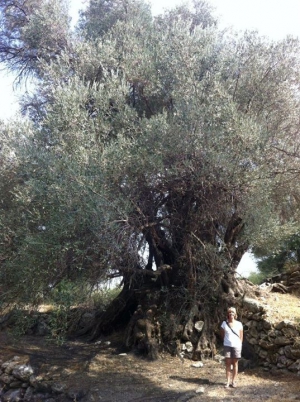
The olive tree has been declared by the Association of Cretan Olive Municipalities as a natural monument due to its size, shape and relief trunk. The name of the site is Gre Ele which means Old Olive and refers to this tree. Its variety is throumboelia and is grafted on a rootstock of a wild olive tree. It is estimated to have been planted in 650-500BC and is located very close to the archaeological site of Eleftherna.

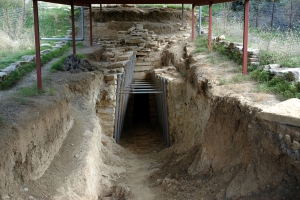
Near the village Margarites we meet is a Late Minoan tomb of 1350 BC, which is considered one of the most important sites of the area. An aisle with carved stones leads to a circular domed tomb. Inside it, the bones of four adults and two children were found. From the findings, it seems that they came from higher social and religious level.

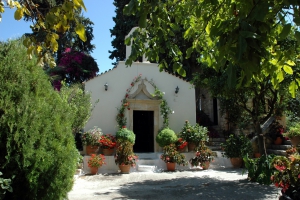
The monastery is located in the village Margarites, 30km south of Rethymno, and was built in the late 15th - early 16th century. It is a dependency of the Monastery of Karakalou at Athos. Its founder belonged to the Venetian family Dandolo. In front of the beautiful gate, there is a tomb embossed with the crest of Dandolo, preserved in very good condition till today.

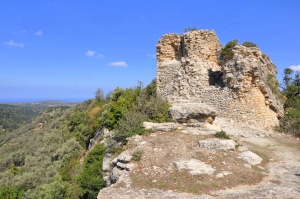
At position Pyrgi of ancient Eleftherna town, located 24km east of Rethymnon, there are the ruins of a fortified tower. This tower was built before the Roman period so as to protect the unique entrance to the ancient town of Eleftherna.

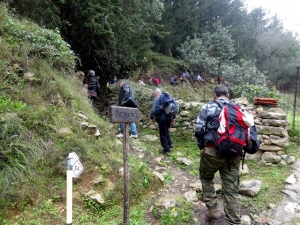
This part of the E4 trail starts from the historical monastery of Arkadi, heads to antiquities of the ancient town Eleftherna and then concludes at the village Margarites. The highlights of the route include the monastery of Arkadi, the ancient necropolis and the Roman cisterns in Eleftherna and the traditional houses of Margarites.
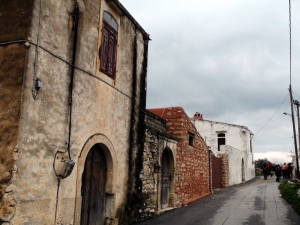
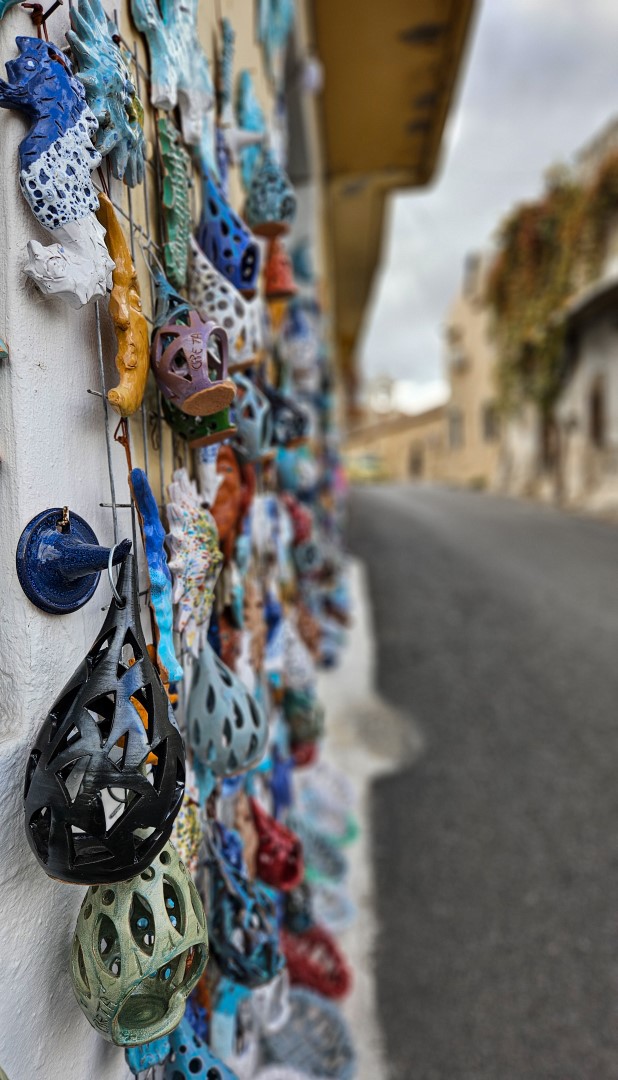
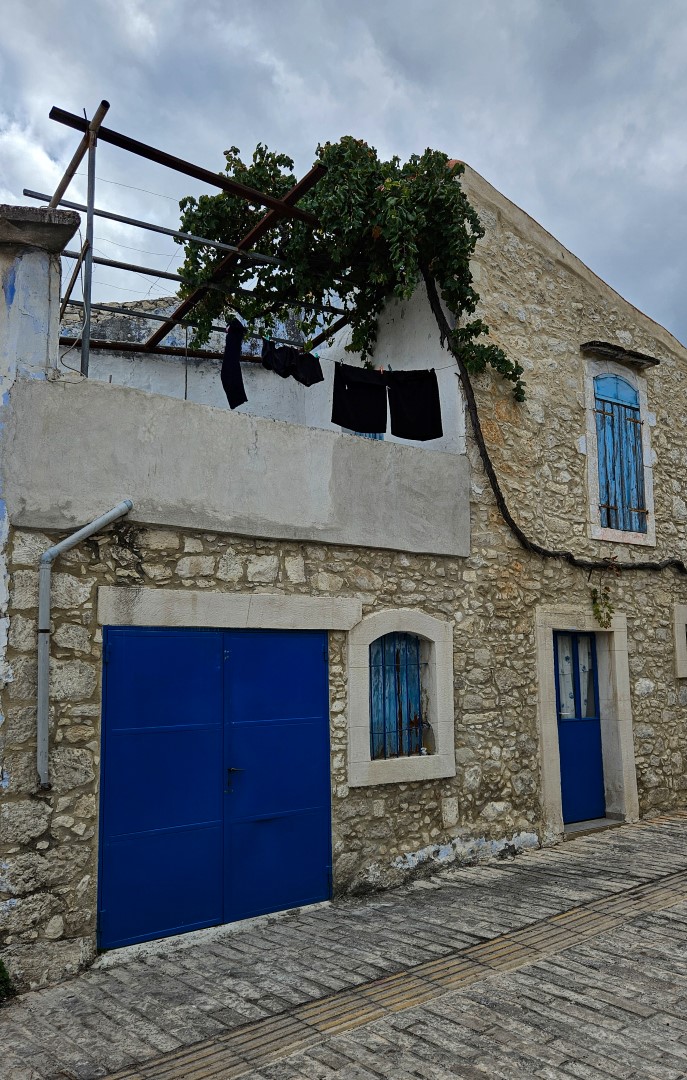
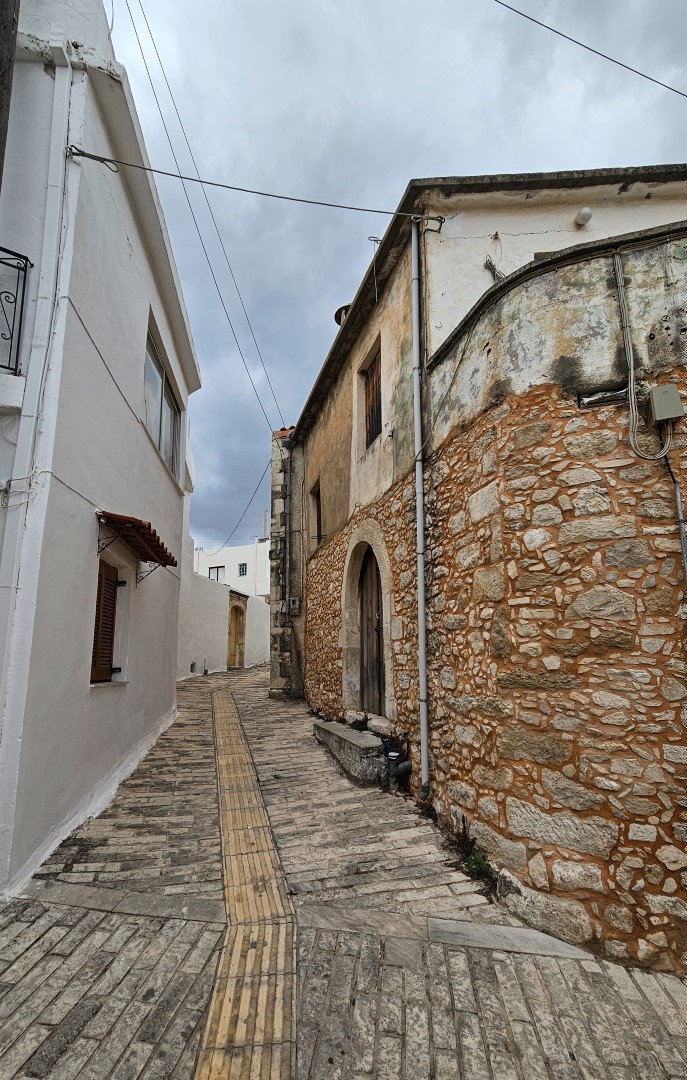
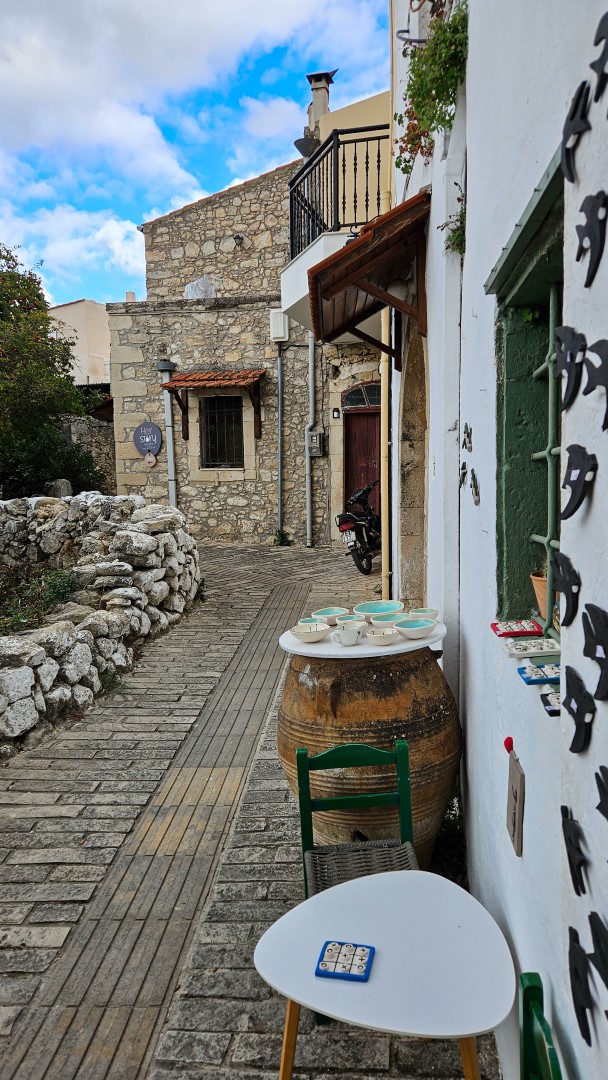
The part of the E4 trail that starts from Margarites and finishes at Houmeri is mostly along the main road connecting the villages of the area (Pigouniana, Orthes, Kalandare, Kalamas, Pasalites). The highlights of the route include the ceramic centre of Margarites village, the well preserved samples of the tradional house architecture and some important churches.

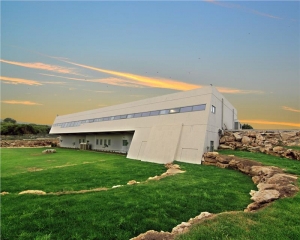
The Museum of Ancient Eleftherna is the first museum inside and archaeological site in Crete, as it is located next to the ancient city of Eleftherna. The three halls of the museum host the whole history of Eleftherna from 3000 BC city to 1300 AD with everyday objects and artworks.

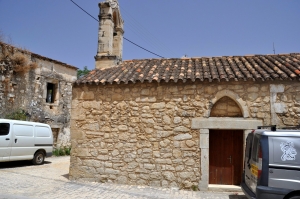
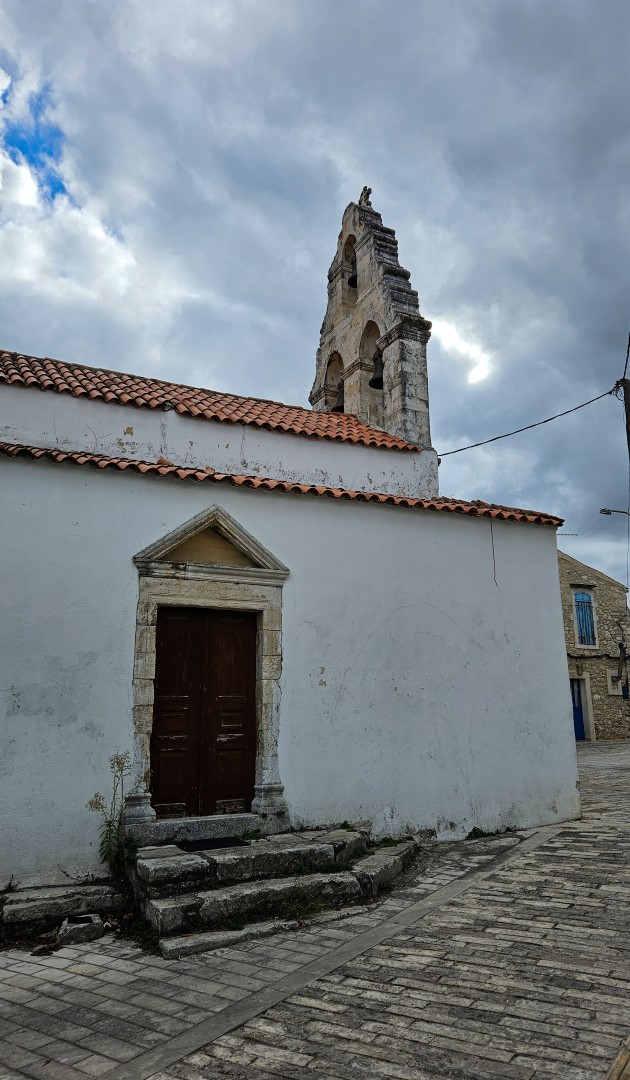
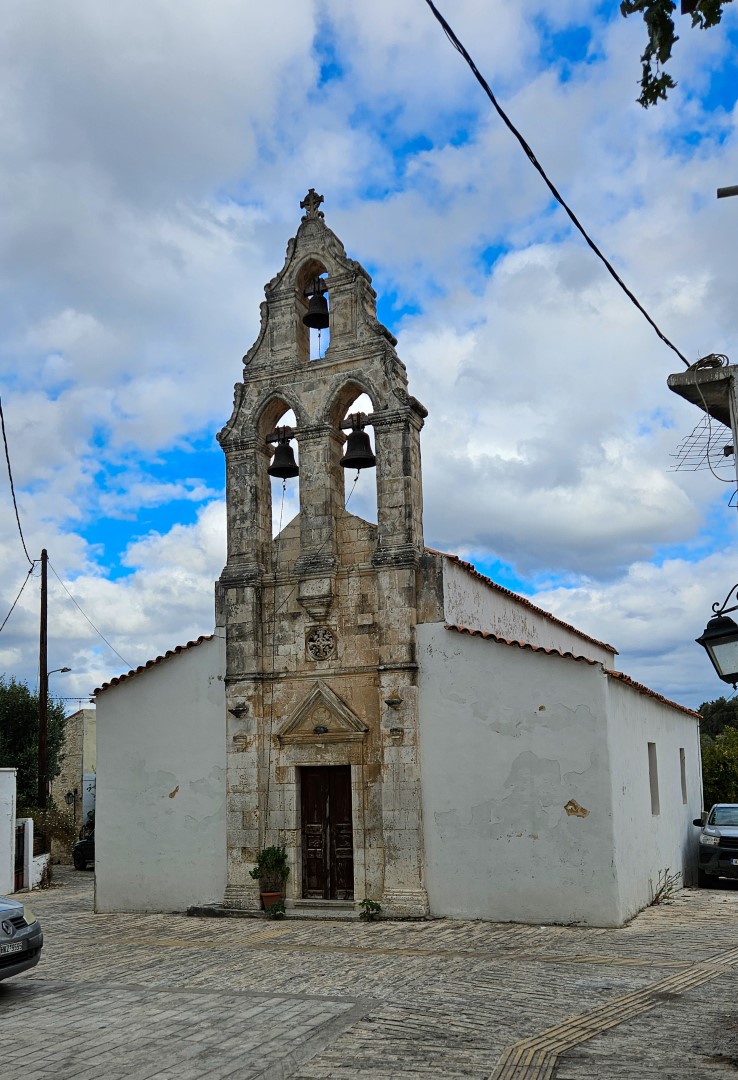
The church of St. John Baptist is located in the center of Margarites and is a single – aisled vaulted church. Below the plaster, frescoes of 1383 have been revealed.
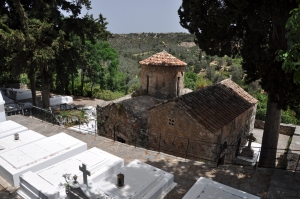
The double church of the Transfiguration of Christ and Saint Anne is located in the cemetery of the village Ancient Eleftherna. The original church of the 10th century bears frescoes of the 12th century, has a dome and was built on the ruins of an older temple of the 6th century.

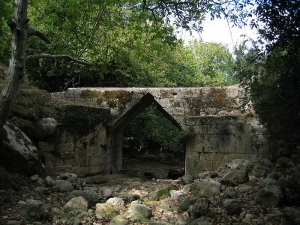
The ancient bridge of Eleftherna was built in the first half of the 4th century and is preserved in excellent condition, crossing the torrent Chalopotas. Nearby there was another twin bridge that has not survived. It has a length of 9.5 meters and a width of 5.25 meters. It has a characteristic shape, as there is no arch, but a triangular opening (ekforic architecture).
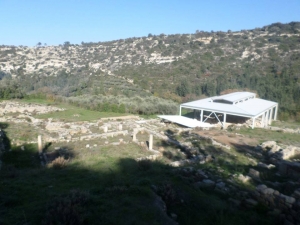
At position Katsivelos in Ancient Eleftherna the archaeologists have revealed the ruins of an imposing basilica. The basilica was built on the site of an older temple of the 3rd century BC, probably dedicated to Hermes and Aphrodite. The basilica was founded by the Bishop of Eleftherna Efratas around 450AD and was dedicated to the Archangel Michael.
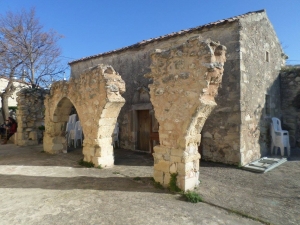
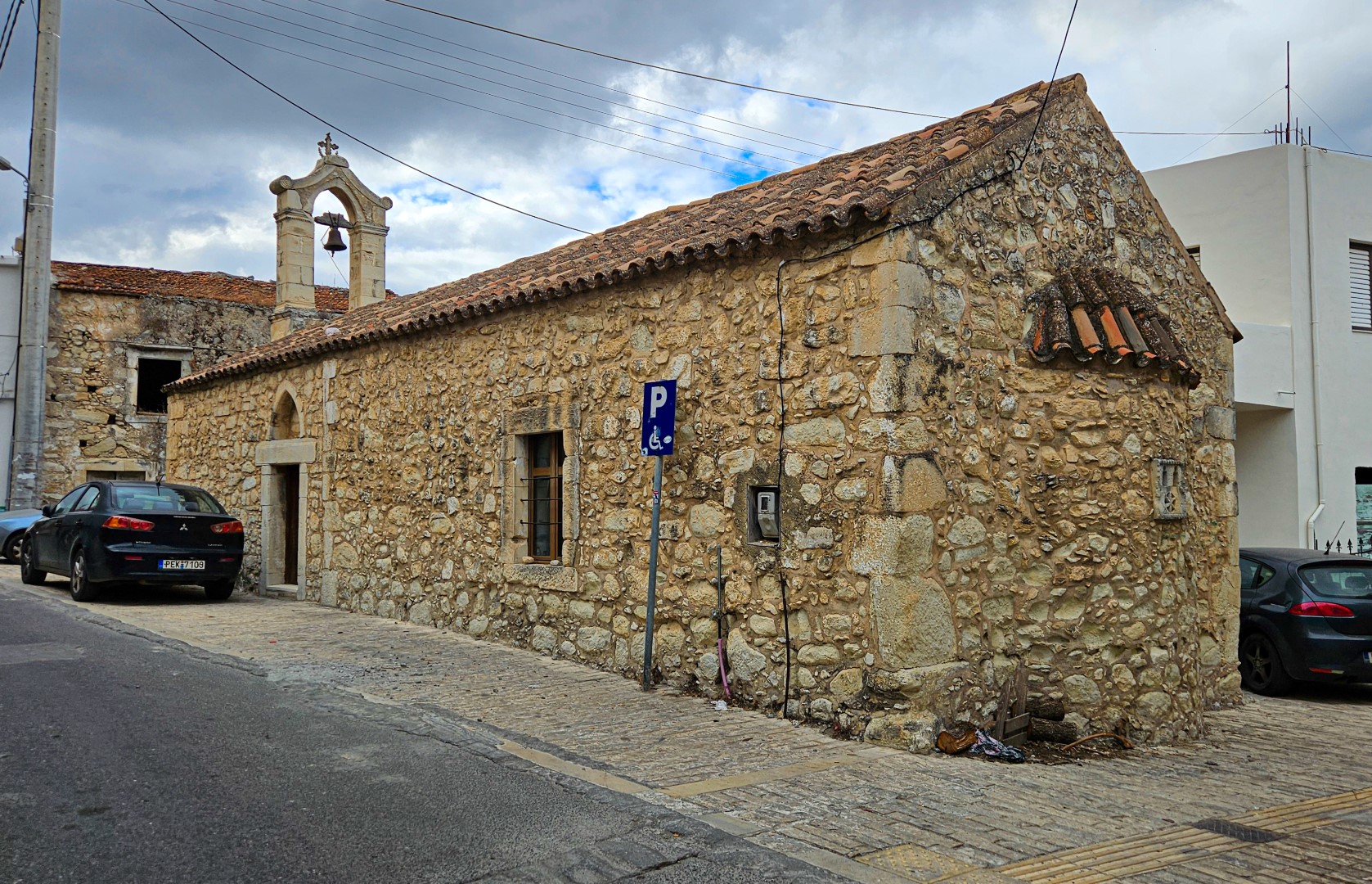
The Church of St. John the Theologian in Margarites is located at the southwest side of the village. It is a single-room vaulted temple and its interior bears traces of frescoes and an impressive stone iconostasis (icon shrine). On each side of the temple there are three blind arches.
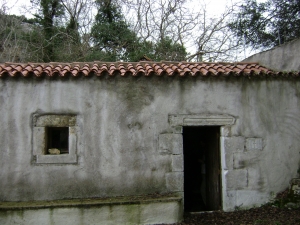
Inside Margaritsano gorge we meet the Byzantine church of Agia Paraskevi, which can be accessed from Pigouniana via a dirt track. This is a small single-nave barrel-vaulted temple with its interior adorned by frescoes of the Venetian era.

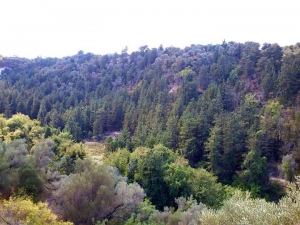
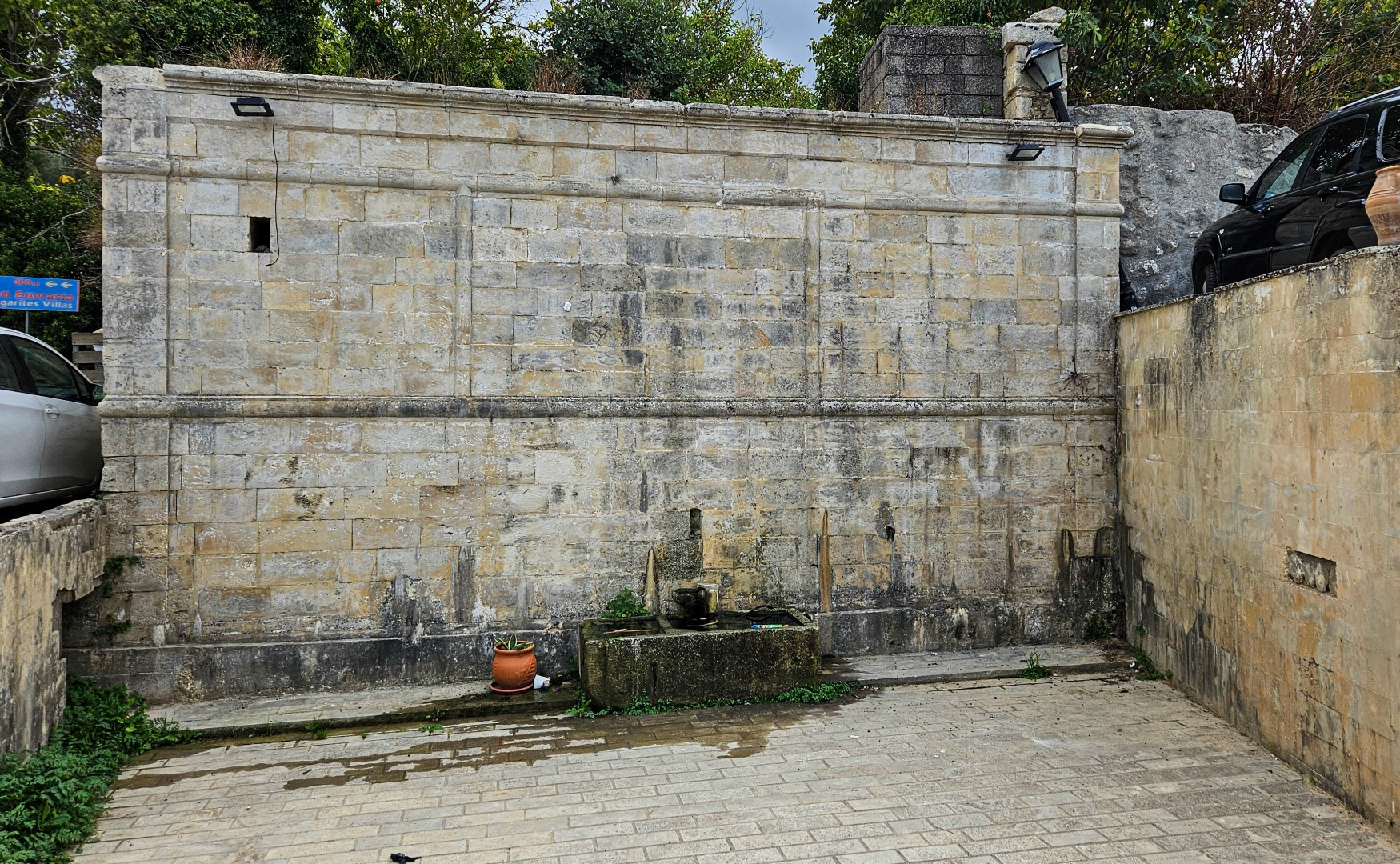
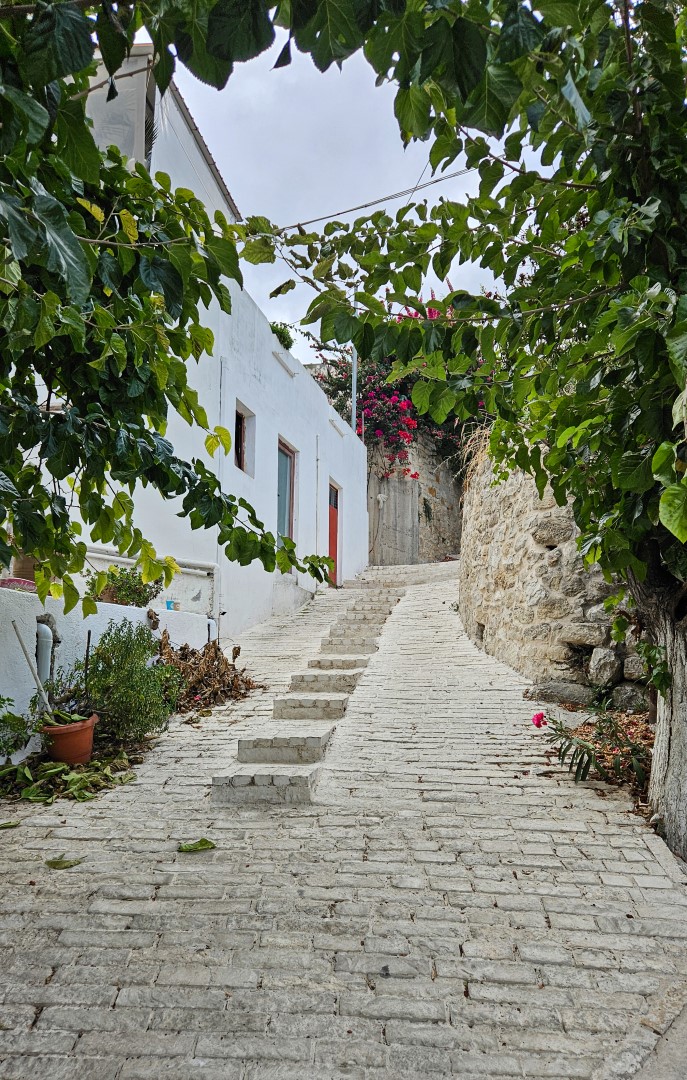
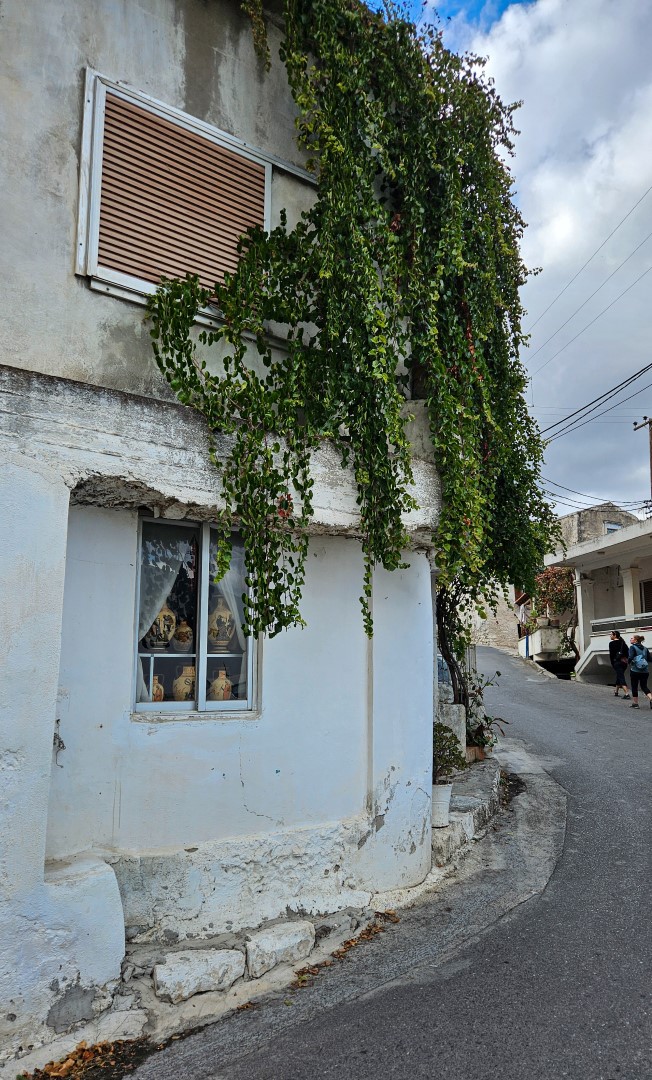
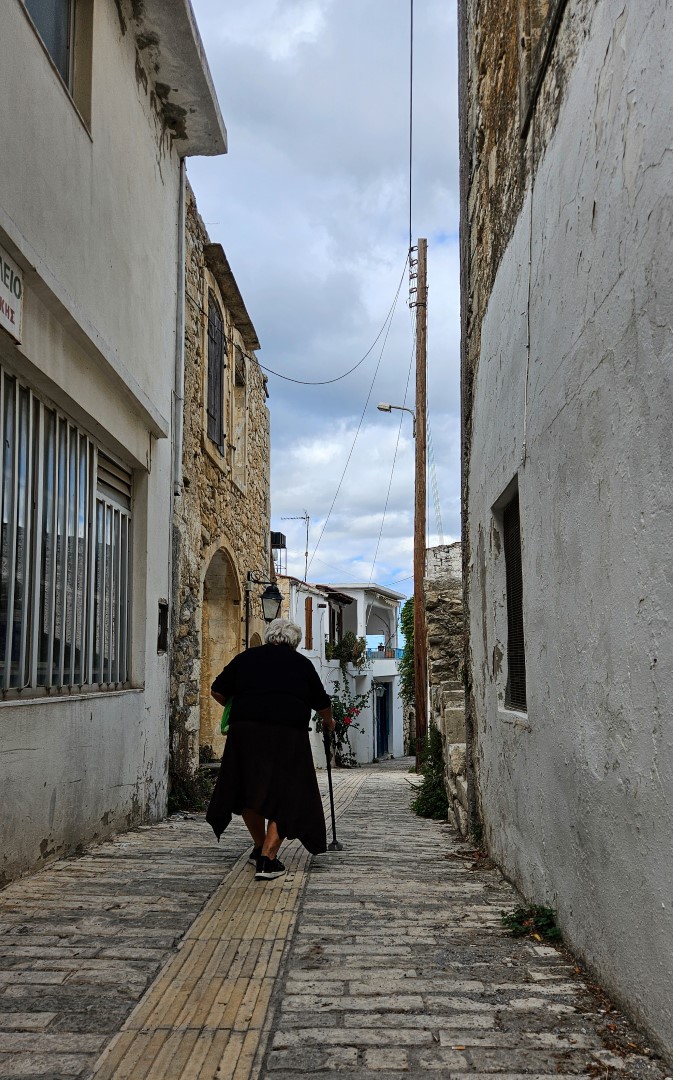
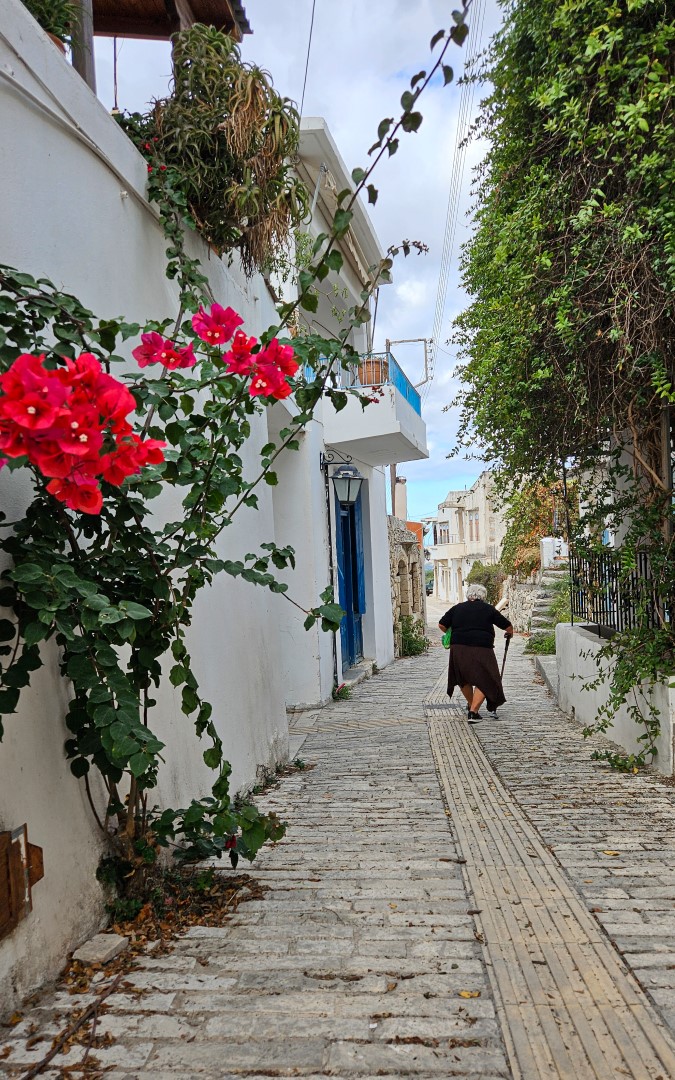
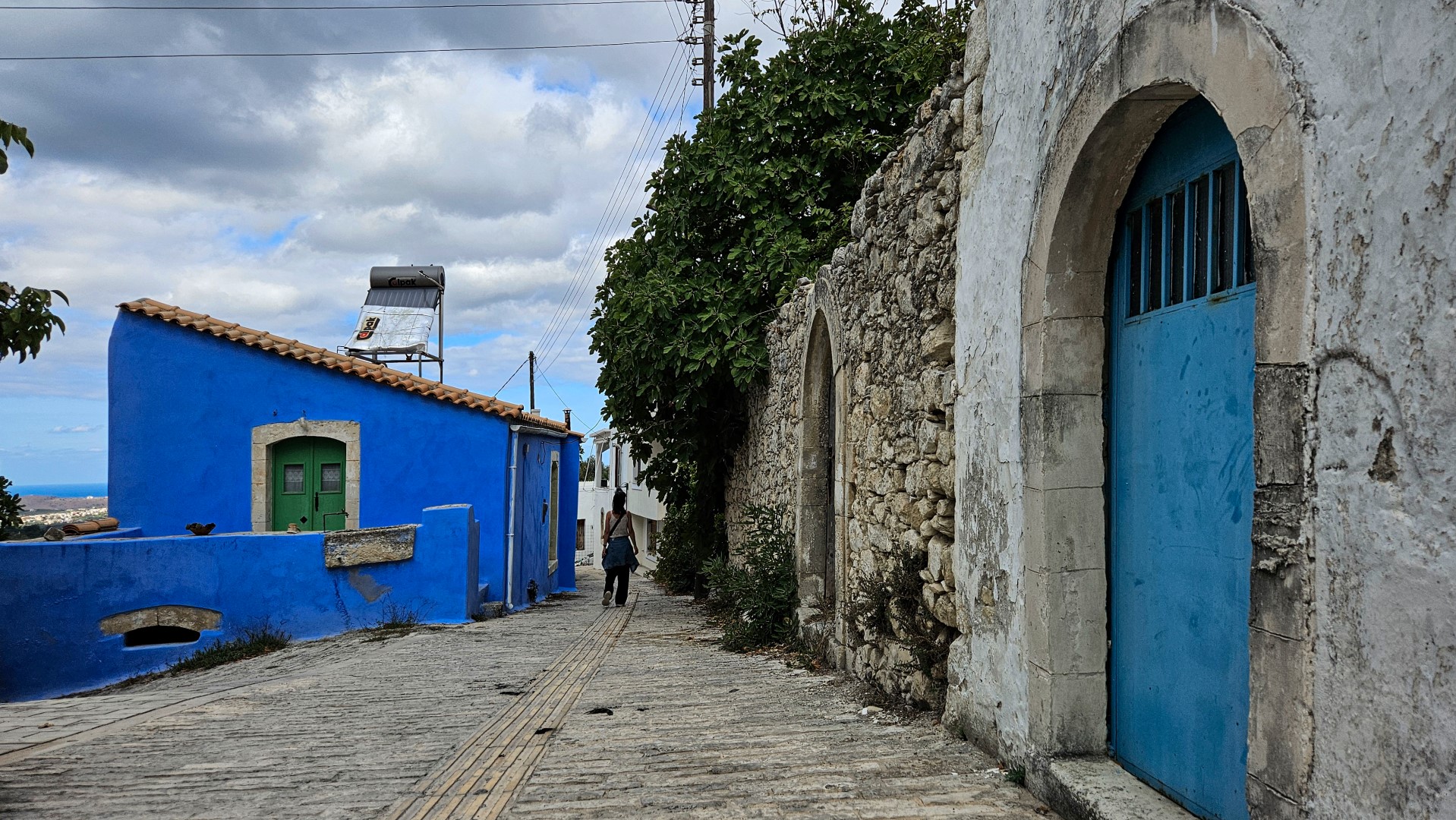
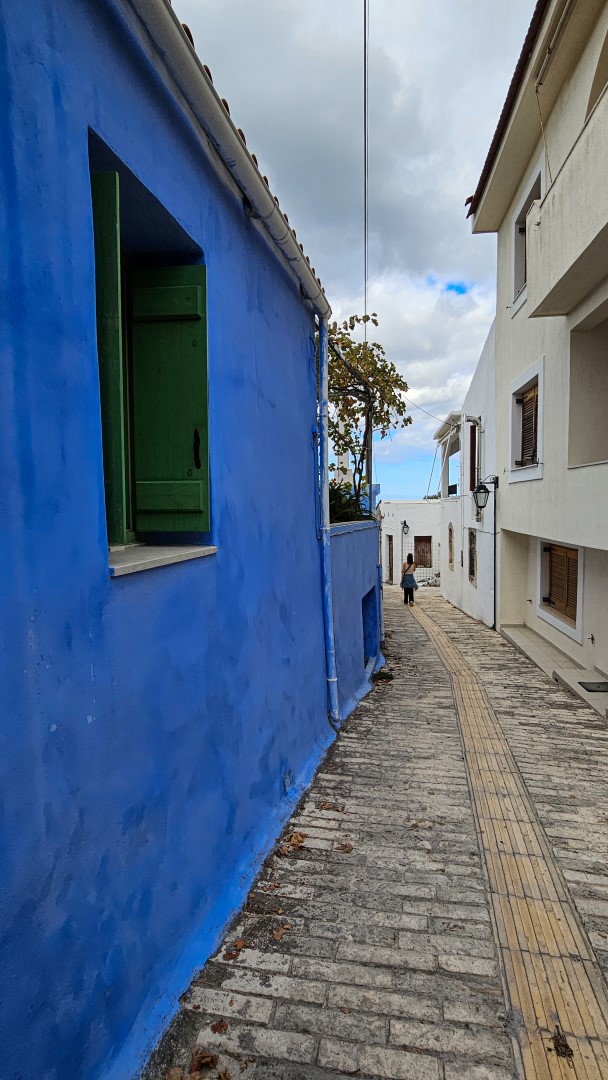
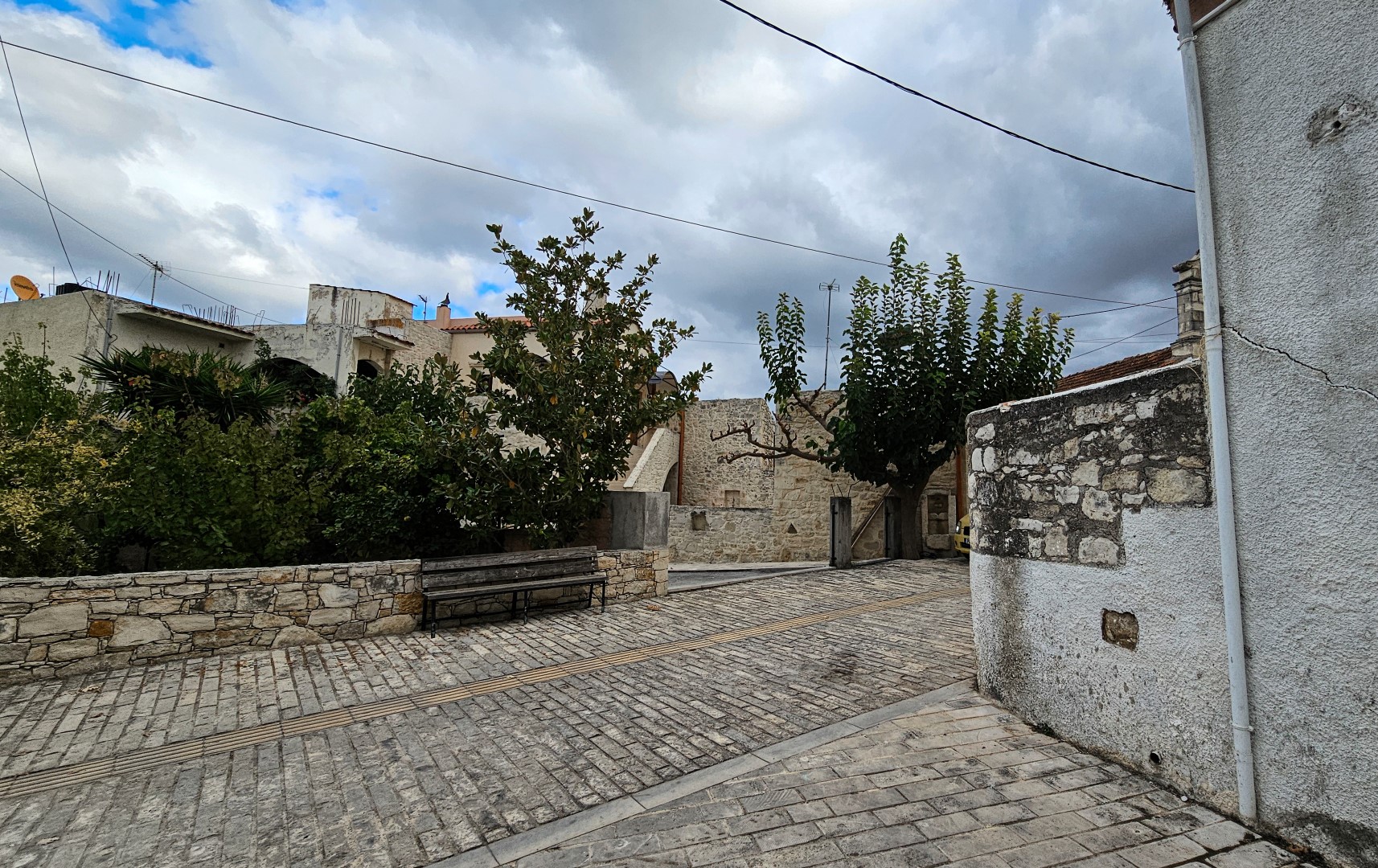
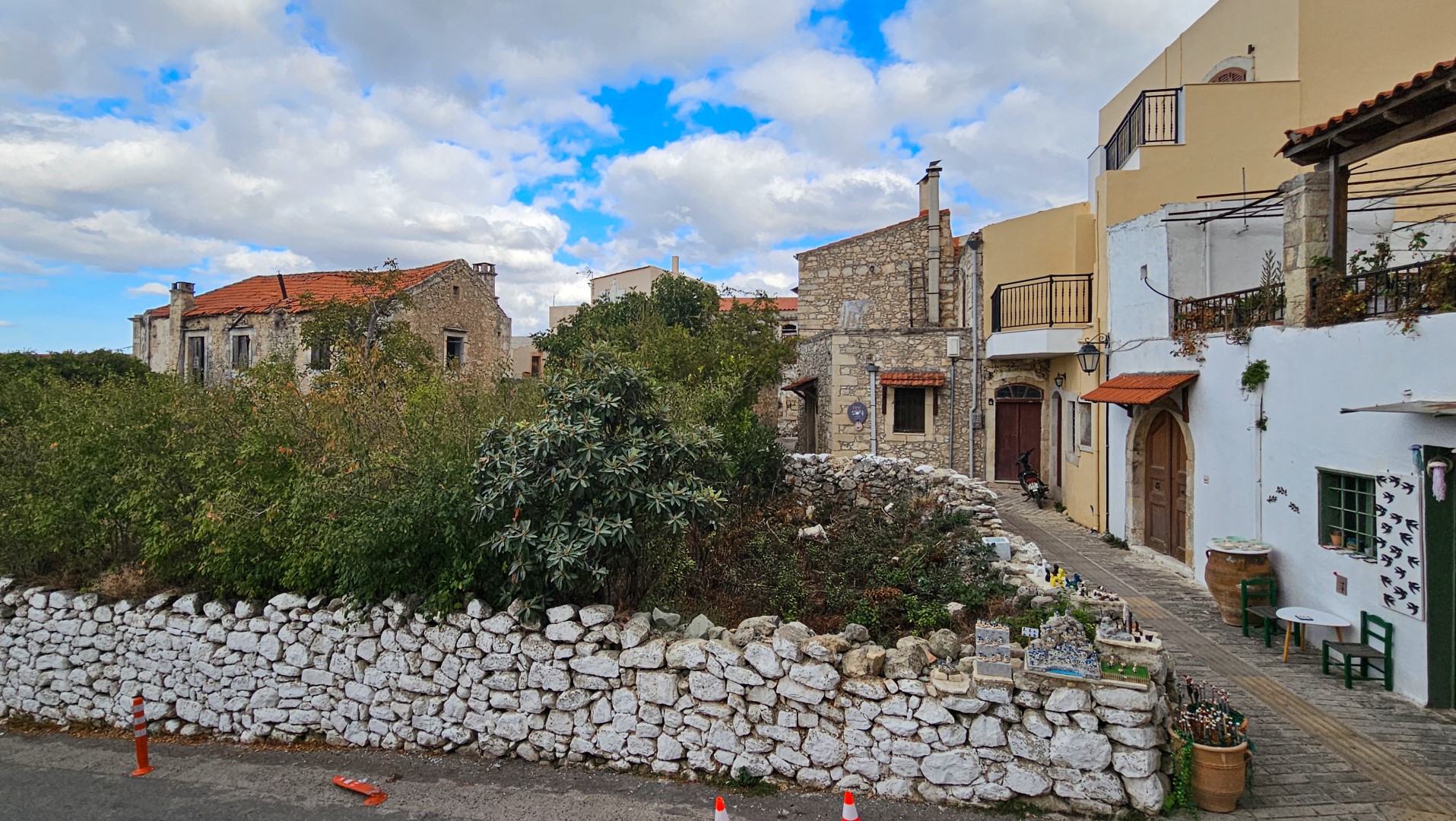
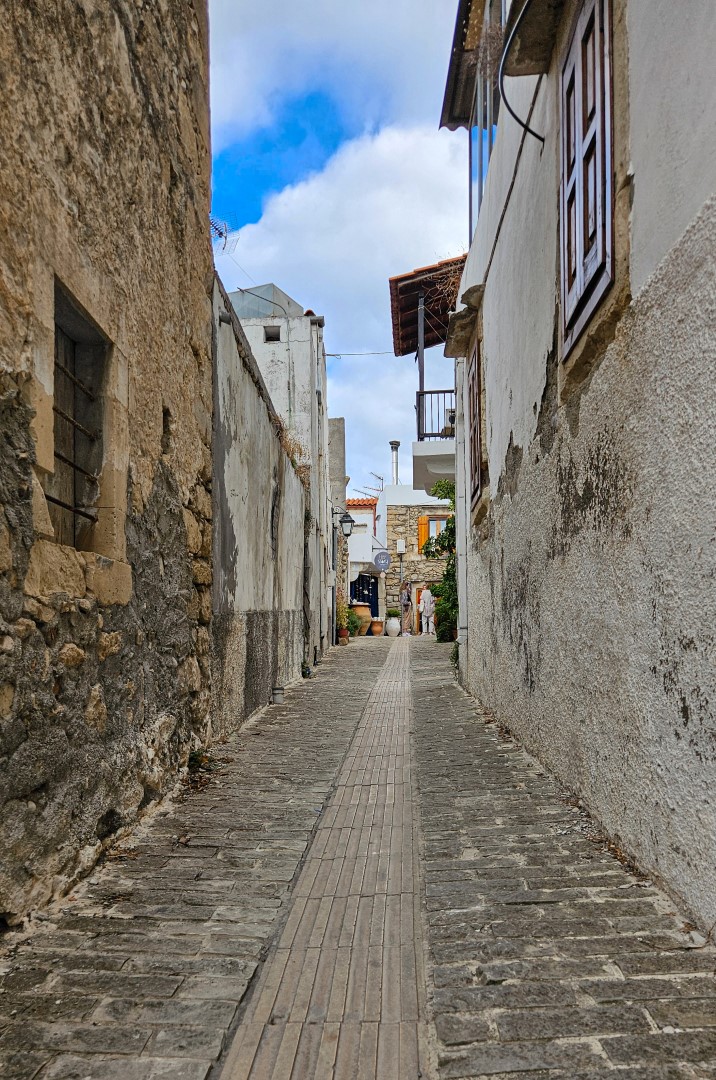
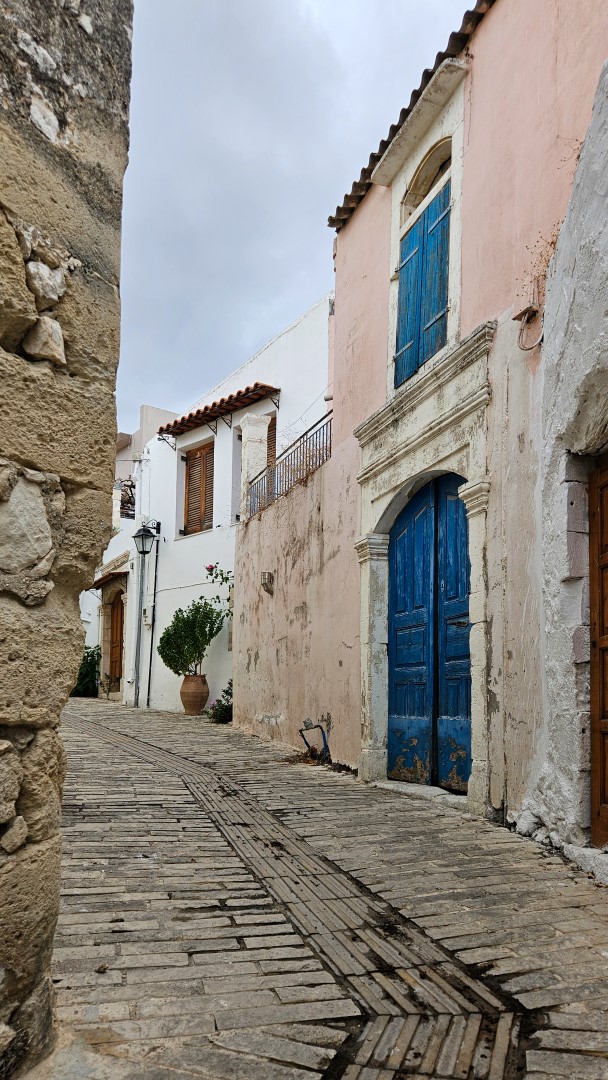
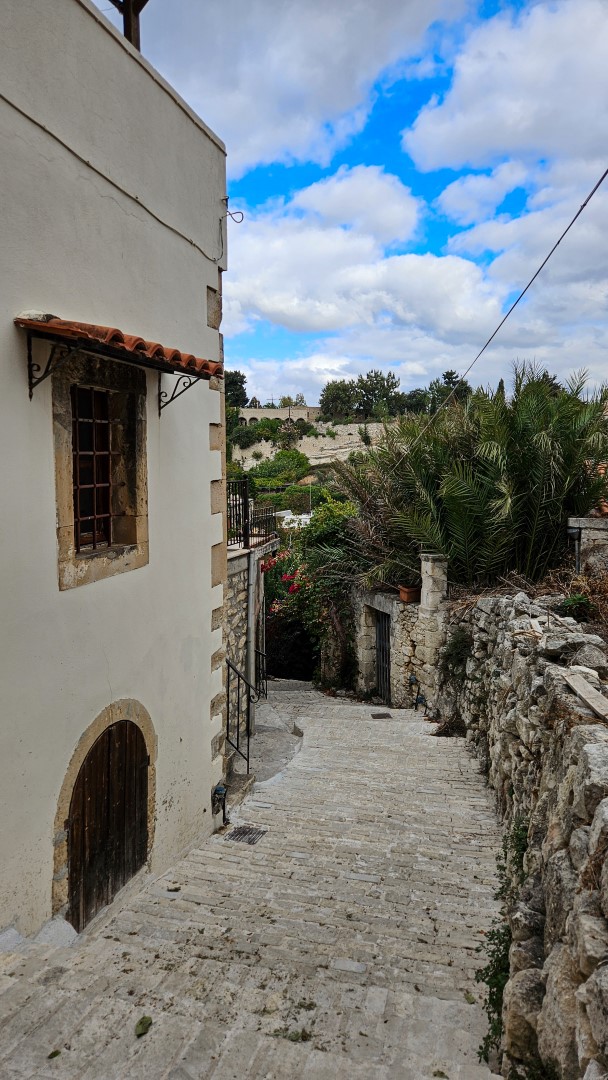
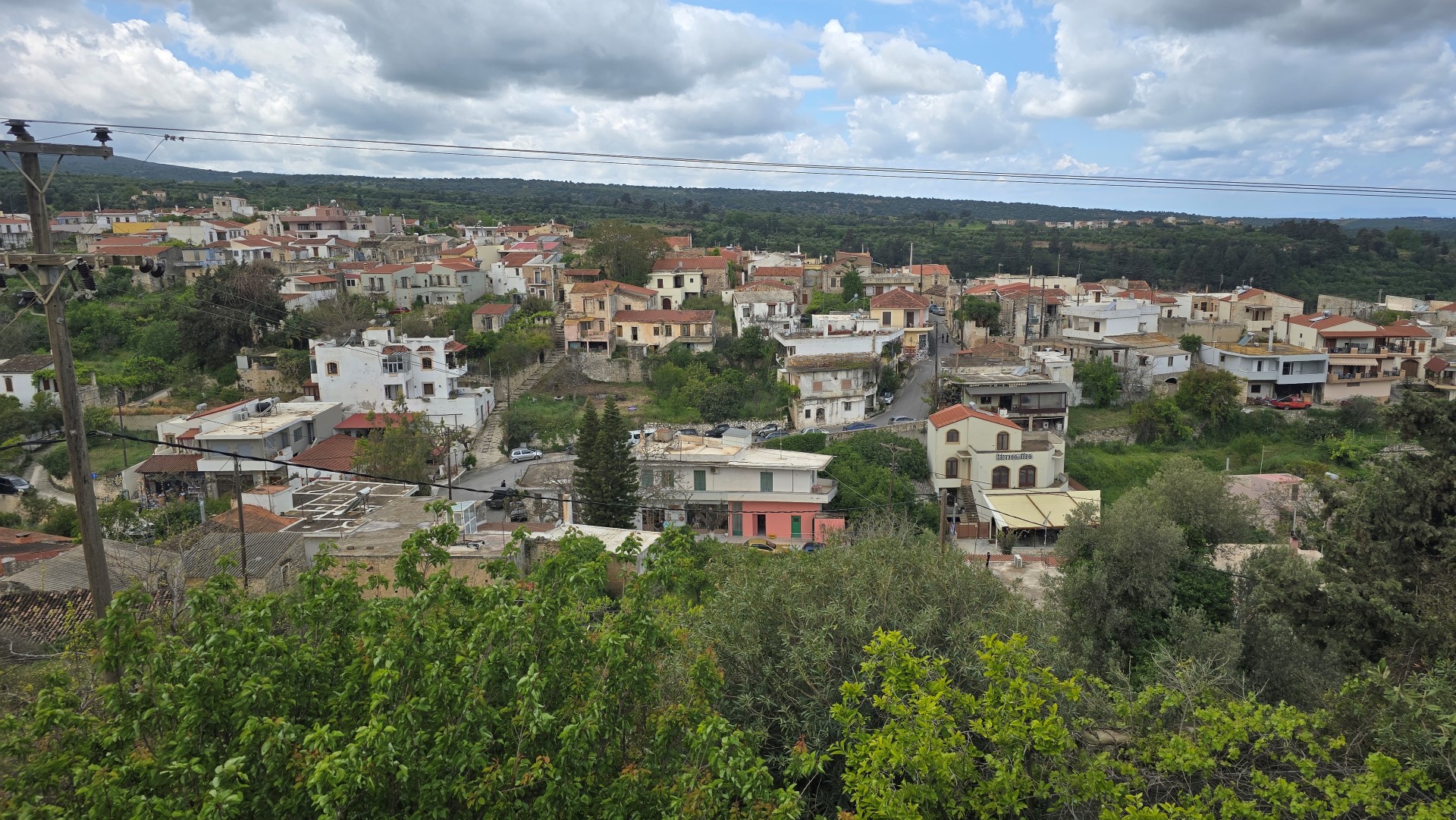
Margarites is a village, well known for its marvelous architecture and the traditional pottery. However, in the wider area of the villages of Margarites, Orthe and Eleftherna appear a series of small, parallel gorges. Small streams such as Margaritianos flow towards the north and are tributaries of the Geropotamos River. The gorges are developed in white-yellow marly limestone of the Upper Miocene period (8-10 million years ago) as a result of the uplift of the whole area and the erosion by water.

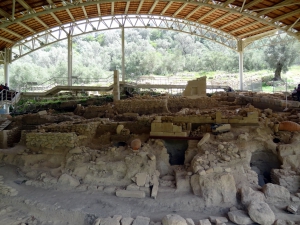
Ancient Eleftherna is located 25km southeast of Rethymno, close to the Monastery of Arkadi. The town is the most important archaeological site in the prefecture of Rethymno, which has not fully been excavated and it is expected to give archaeologists many more discoveries. The first organized excavations here started in 1985 by the University of Crete.
Also read:
- Home
 Beaches
 Nature
 Past
Past Destinations
 Highlights
 West Crete
- Central Crete
- East Crete
- Towns
- Chania Prefecture
- Chania
- Paleochora
- Kissamos
- Georgioupolis
- Chora Sfakion
- Loutro
- Rethymnon Prefecture
- Rethymnon
- Agia Galini
- Plakias
- Spili
- Anogia
- Heraklion Prefecture
- Heraklion
- Hersonissos
- Malia
- Matala
- Agia Pelagia`
- Archanes
- Kokkinos Pirgos
- Lassithi Prefecture
- Agios Nikolaos
- Elounda
- Sitia
- Ierapetra
- Makrigialos
- Palekastro
- Zakros
- Lassithi Plateau
- Get Prepared


