






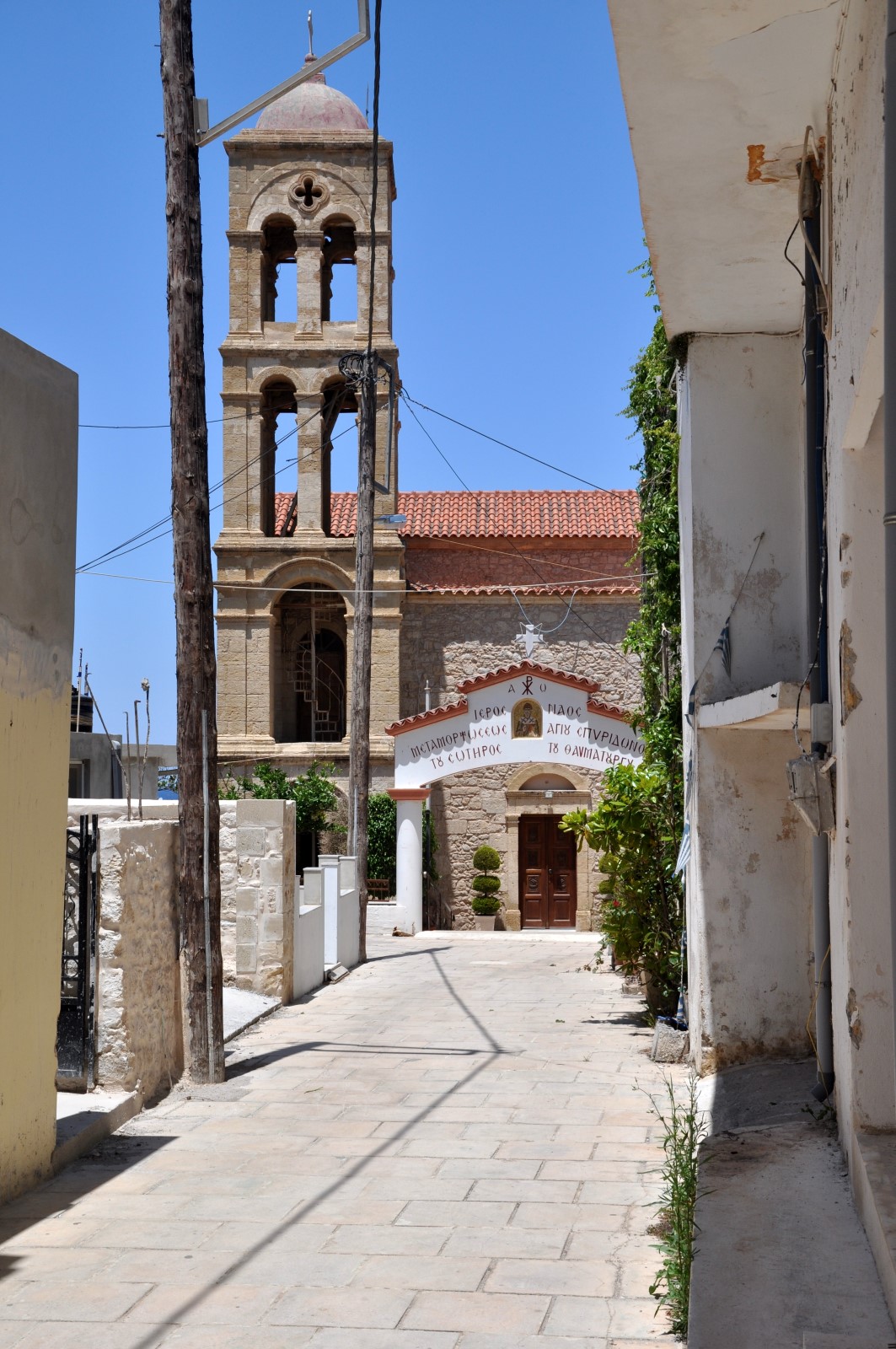

The monastery of Parthenos is a modern nunnery dedicated to Life Giving Spring. It was founded in 1905 and was renovated in 1962. Here operated the Urban School of Girls and the first Deaf school in Crete.

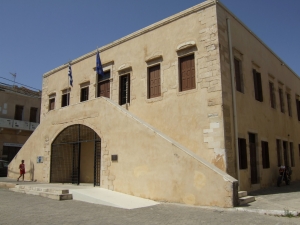
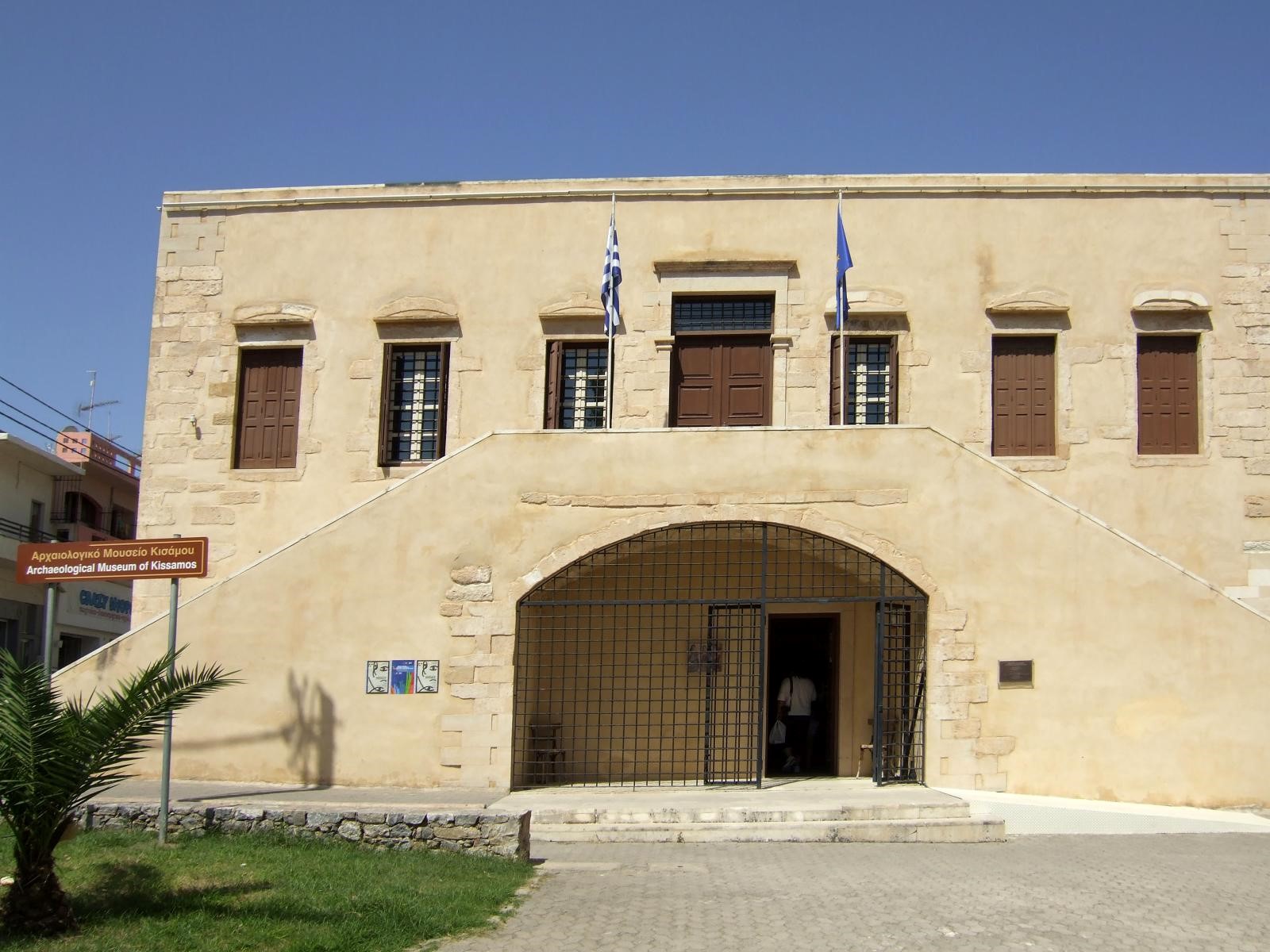
The archaeological Museum of Kissamos was founded in 2005 and is housed in the Venetian - Turkish monument known as Diikitirio ("Headquarters"). Its exhibits provide a longitudinal picture of the region's history from prehistory to late antiquity, i.e. the early Christian Times.

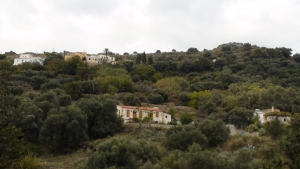
The route starts from Kissamos and is the first part of the European E4 trail in Crete. After crossing the villages Kato Palekastro, Korfiano and Grigoriana, we arrive at the ancient city of Polirinia and from there we cross the lush green villages Galouva, Lusakies Zahariana and, finally, Sfinari with the beautiful beach.

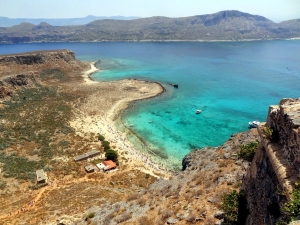
The island of Imeri Gramvousa is located 20km northwest of Kissamos, opposite the imposing Cape of Gramvousa and 2 miles northwest of the famous lagoon of Balos. Gramvousa is famous for its historical Venetian fortress, which still stands at a height of 137m, over the beach. The fort had also been used by pirates.
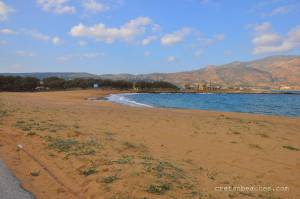
The beach starts from the church “Madonna of the Harbor”, near the port of Kissamos, and extends along a 2km shore with coves, up to Kaliviani. Vigglia has coarse sand and crystal clear waters. In some parts, the sand is interrupted by a few pebbles and rocks.
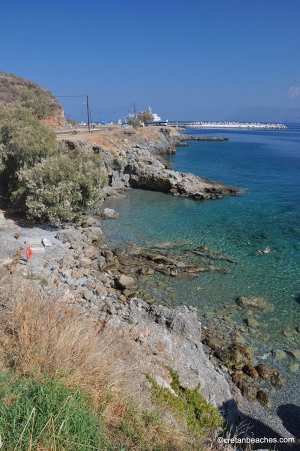
The beach of Damialis is located 1.5km north of Kissamos town and 37km west of Chania. It is situated just off the main road linking Kissamos with Platanos, thus access is very easy.
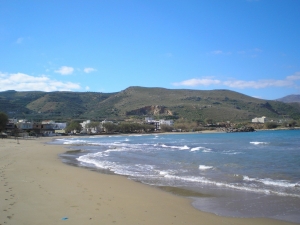
Mavros Molos (i.e. black jetty) beach is located just in front of Kissamos town, 36km west of Chania. Mavros Molos is a long gulf, on which remains of the ancient port of Kissamos have been found.
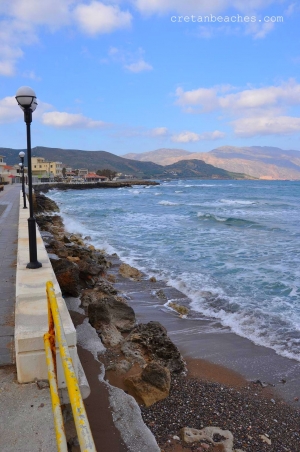
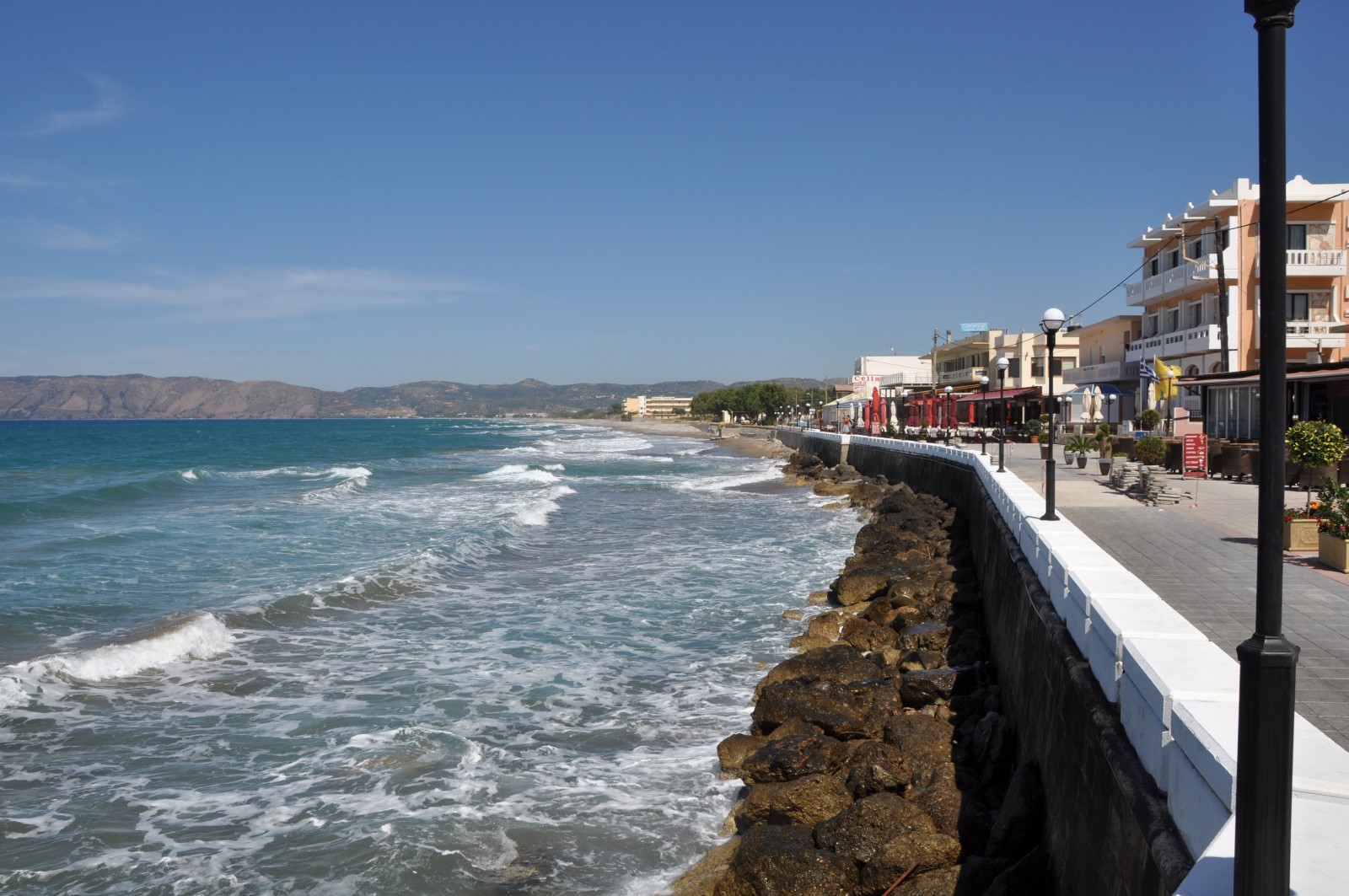
The beach of Telonio (i..e Customs Office) starts east of the main pedestrian road of Kissamos and extends to the local stadium, about 1km eastern. Actually it is the westernmost part of the vast beach that starts from Kissamos and ends in Nopigia, several kilometers eastern.
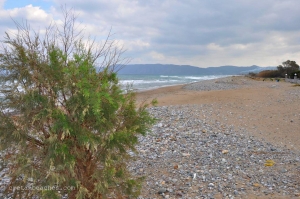
The beach of Livadia starts 1km east of Kissamos, next to the town stadium, and ends at the beach of Korfalonas. It is a small, 2km long, part of the vast beach that runs from Kissamos and ends in the Cape Rodopos.

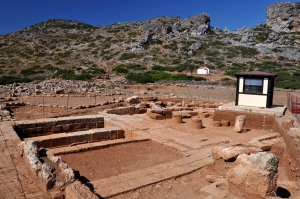
The ancient town of Falasarna (or Phalasarna) is located at the west base of the peninsula Gramvousa and was one of the major towns of Crete during the Hellenistic Era. The city was famous for its port, the only natural harbor in western Crete, built in a small lagoon.
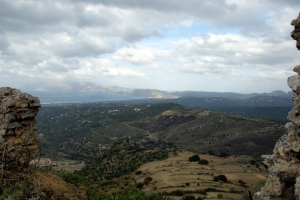
The ports of Polirinia were Falassarna and Kissamos. It developed close trade relations with Sparta, Milos, Rhodes, Thiva, the coasts of Ionia and Egypt. Apart from trade, the town was apparently famous for livestock, as the name comes from the words “polla rinia” which means many lambs.

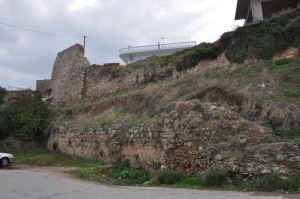
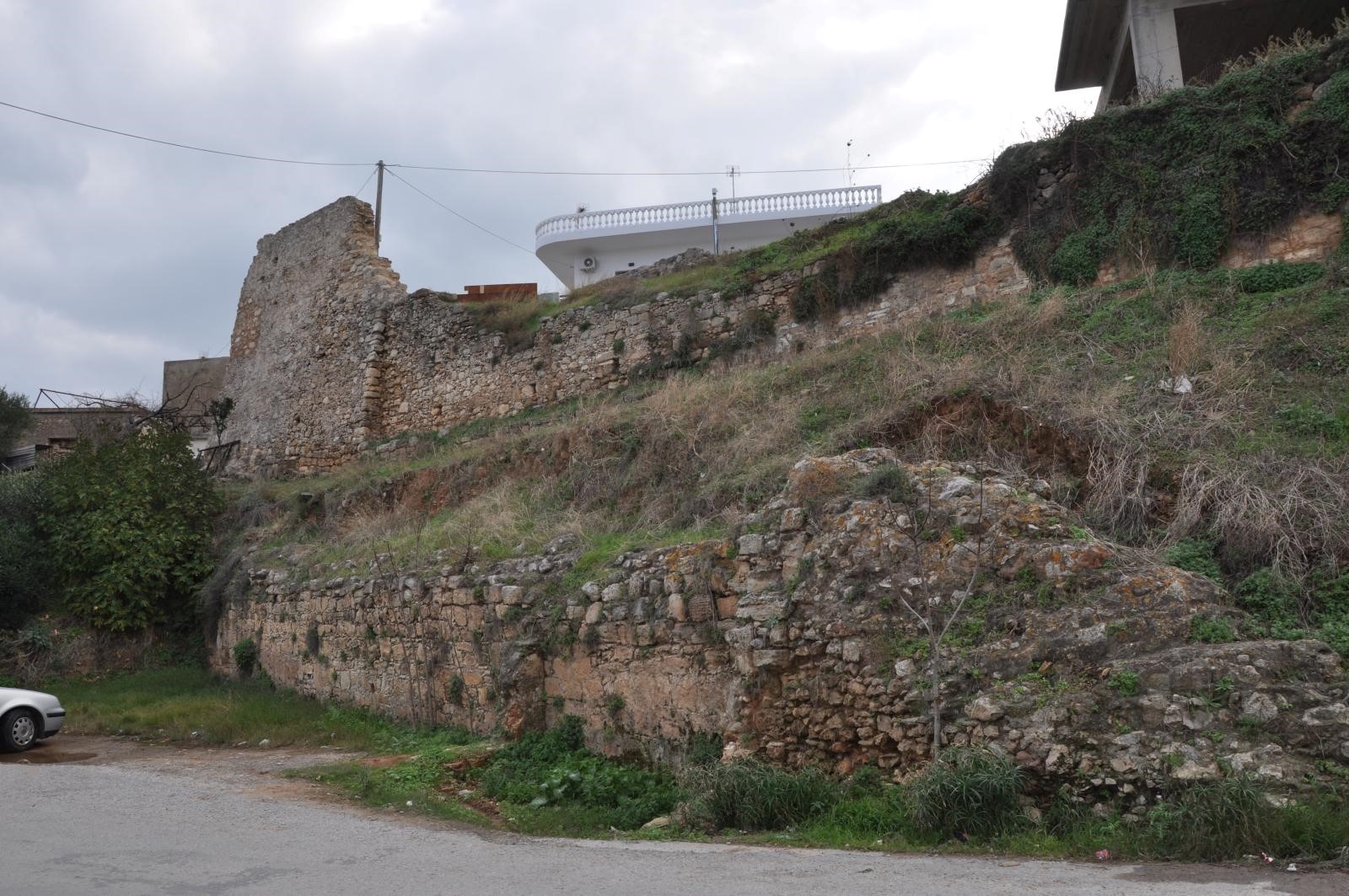
Kastelli in Kissamos, which in 1966 was renamed to Kissamos, is a small picturesque town built in the gulf of Kissamos or Myrtilos, between the peninsulas of Gramvousa and Spatha. The name derives from the Venetian fortress that was built there, remains of which still exist.
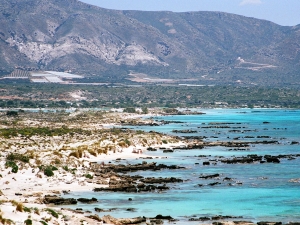
Elafonisi is located 76km west of Chania and 5km south of Chrysoskalitisa Monastery, in the southwesternmost point of Crete. Elafonisi is an oblong, which often "breaks" in two parts by water giving the impression of being a separate island.
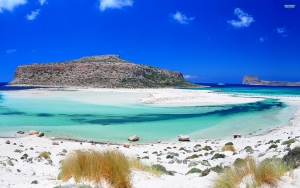
The famous lagoon of Balos is located approximately 56km northwest of Chania and 17km northwest of Kissamos, formed between the Cape Gramvousa and the small Cape Tigani. Balos is surely the mostly photographed beach in Crete, a very favorite subject of all tourist guides for Greece. It is no coincidence that Prince Charles and Princess Diana visited Balos on their private yacht many years ago.
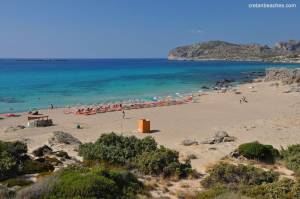
The exotic beach of Falassarna is located 59km west of Chania and 17km west of Kissamos. It’s located in the western part of Cape Gramvousa. At the northern end of the beach are the ruins of the ancient Roman city of Falassarna.
Also read:
- Home
 Beaches
 Nature
 Past
Past Destinations
 Highlights
 West Crete
- Central Crete
- East Crete
- Towns
- Chania Prefecture
- Chania
- Paleochora
- Kissamos
- Georgioupolis
- Chora Sfakion
- Loutro
- Rethymnon Prefecture
- Rethymnon
- Agia Galini
- Plakias
- Spili
- Anogia
- Heraklion Prefecture
- Heraklion
- Hersonissos
- Malia
- Matala
- Agia Pelagia`
- Archanes
- Kokkinos Pirgos
- Lassithi Prefecture
- Agios Nikolaos
- Elounda
- Sitia
- Ierapetra
- Makrigialos
- Palekastro
- Zakros
- Lassithi Plateau
- Get Prepared


