Don't look for a pill that can substitute the Cretan diet. There is no such thing Serge Renaud, 1998
The Cretan diet has been studied by scientists the world over. The rather surprising findings of those studies have caused a worldwide sensation by documenting the enormous benefits to the islanders' health and the low incidence of several diseases compared to other places on the globe.
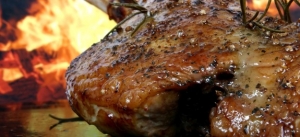
Due to its unique biodiversity and special climatic conditions, Crete is a place that favors the growing of excellent native wild herbs and greens. This, along with the pastoral products, has shaped the eating habits of the Cretans for centuries and built the reputation of the Cretan diet as the healthiest diet among the rest of the Mediterranean diets. The dietary pattern of the Cretan diet is mainly based on the consumption of olive oil, large quantities of vegetables, and reduced meat.
Besides the actual eating habits, however, what makes the Cretan diet unique among other Mediterranean diets is the whole philosophy that comes with it. It is essentially a whole new way of life that encompasses essential social values and habits such as hospitality, family life, fasting, and daily exercise, which is traditionally connected with agricultural and livestock-keeping activities.
Of course, modern societies have had to adjust to a faster-paced routine that affects every aspect of human interaction. In this context, consumers put food and food sourcing under ever-increasing scrutiny. Food scandals and issues of hygiene in food production have never been more widespread. In these troubled times, products unique to the Cretan diet offer a safe alternative, as their century-old qualities make them rather unique among modern food trends. And even though tradition is what makes this diet so special, it wouldn't be as effective if it weren't for the use of local, quality produce. The key distinctive feature is the use of simple but abundant ingredients in preparing Cretan dishes.
The purest of ingredients, simple recipes, respect to seasonality, and minimal processing: just a handful of basic principles that make eating the Cretan way a unique experience. Various chain reactions in the global food industry are constantly changing the facts about what we eat. Minimal use of pesticides and sustainable waste management make Crete one of the most sought-after foodie destinations. Green agriculture and product certification help us protect the values passed on to us through this quintessentially gourmet culture. This is why it can't be stressed enough that the Cretan diet isn't only about what we eat; it's about how we lead our lives and source our produce.
A basketful of local products
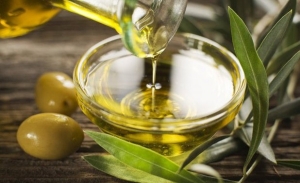
The Cretan terrain offers variety and abundance, due to the diverse relief of the island which combines endless shorelines and mountain ranges to offer a wide variety of products. Cretan olive oil is, of course, the jewel in the crown.
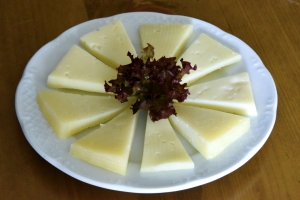
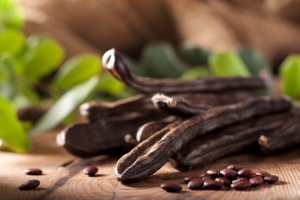
Eighteen Cretan agricultural and livestock products, plus 12 local wines, have been awarded Protected Designation of Origin (PDO) and Protected Geographical Indication (PGI) status so far.