A culinary destination

Crete

The Cretan Cuisine

Pulses, vegetables, fruit, bread and rusks were staples of the traditional Cretan diet. Olive oil was the main cooking fat. It dressed boiled greens and salads and was used to cook pulses and vegetable dishes. Meat featured less often in everyday meals and was more commonly served at festivals and family gatherings.

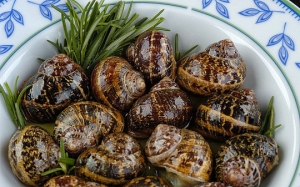
The seasons shaped what went into the kitchen. Wild greens and herbs went into pies and stews, while boiled greens were served with olive oil and lemon. Sheep’s and goats’ milk are used to make cheeses such as graviera and mizithra. Snails are prepared in several ways, including chochlioi boubouristoi, pan-fried with vinegar and rosemary.

Orthodox fasting helped shape meals throughout the year. During periods such as Lent, abstaining from meat and dairy gave pulses, wild greens and vegetables a larger place at the table. Many dishes now eaten year-round were also part of the fasting tradition.

The Cretan diet became more widely known through the Seven Countries Study, which began following men from rural communities in Crete in 1960. The Cretan group had a low death rate from coronary heart disease compared with many other groups in the study. These findings helped spur research into the relationship between traditional Mediterranean eating patterns and heart health.

Greens and Herbs

Greens and Herbs

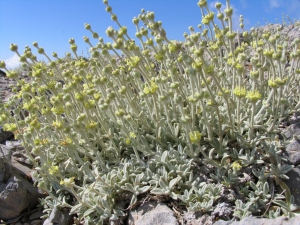
Crete’s varied landscape, soils and Mediterranean climate support an exceptionally rich flora. Wild greens and aromatic plants hold an important place in the Cretan diet, especially from autumn to spring, when rainfall renews the island’s vegetation. Not every plant found on Crete is endemic: many species grow throughout the Mediterranean, while others are found only on the island or are particularly closely associated with it. Wild greens traditionally gathered for Cretan cooking include stamnagathi, wild chicories, golden thistle, amaranth, sow thistle and many other seasonal plants. Depending on the species, they may be served boiled with olive oil and lemon, added to pies, omelettes, salads and stews, or cooked with meat and snails. Knowing how to identify, select and combine them is part of a tradition passed down through generations. Aromatic plants are equally important. Oregano, thyme, sage, savory, marjoram, mint, rosemary and wild fennel are widely used in cooking and herbal infusions. Many have also been used in traditional folk remedies. These traditional practices form part of Crete’s cultural heritage, but they should not be regarded as a substitute for professional medical advice. Among the island’s best-known plants are endemic dittany of Crete (Origanum dictamnus) and malotira (Sideritis syriaca), the characteristic mountain tea of Crete. Several aromatic plants are now cultivated commercially, helping to reduce the pressure caused by uncontrolled collection from wild populations. Gathering wild plants requires knowledge and care, as some edible species resemble poisonous ones. Never consume a plant unless it has been identified with certainty, and avoid gathering near busy roads, sprayed farmland or polluted areas. Protected species and natural populations must also be respected: collect only small quantities, never uproot the plants and avoid damaging their habitat.

Read more ...

  • 1
  • 2
Chochlios

Chochlios

1 1 1 1 1 1 1 1 1 1 Rating 3.43 (7 Votes)
This is another name for snails, a very particular trademark Cretan delicacy. Popular recipes include cooking them with chondros ; in a tomato, courgette and potato casserole; simply fried; or boubouristi (boiled and then fried with herbs).

Read more ...

Honey

Honey

1 1 1 1 1 1 1 1 1 1 Rating 2.67 (6 Votes)
Honey, one of the most important products of Crete, wouldn't be what it is without the wealth of fragrant plants and herbs thriving on the island. The product first appeared in ancient times. One of the most important finds from the Minoan era is the golden charm with two facing bees, which indicates that beekeeping activity existed early on.

Read more ...

  • 1
  • 2
Download Free Premium Joomla Templates • FREE High-quality Joomla! Designs BIGtheme.net