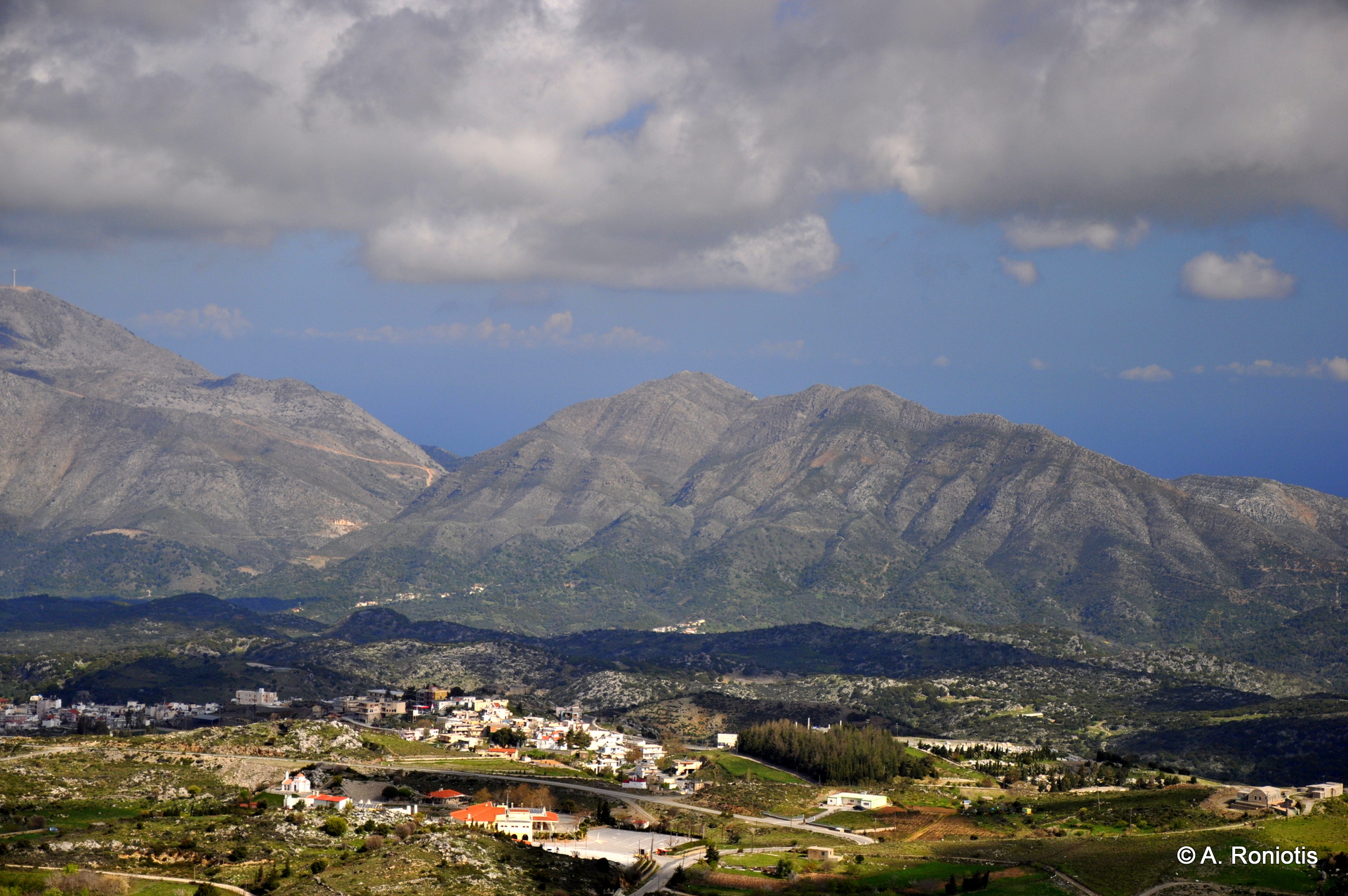
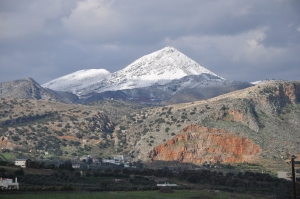
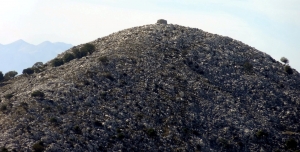
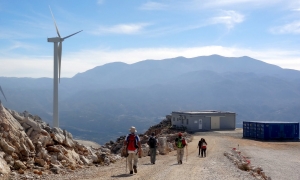
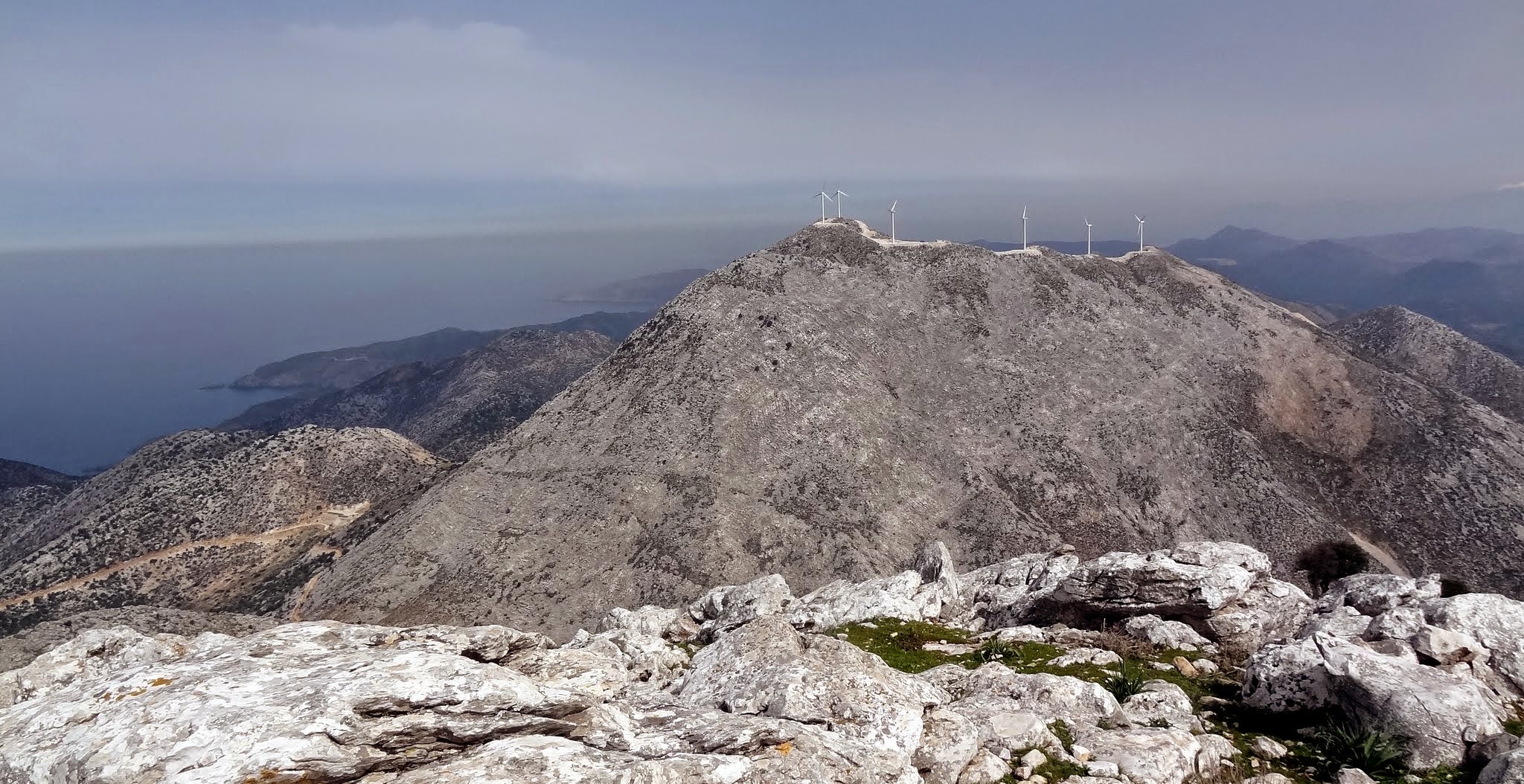
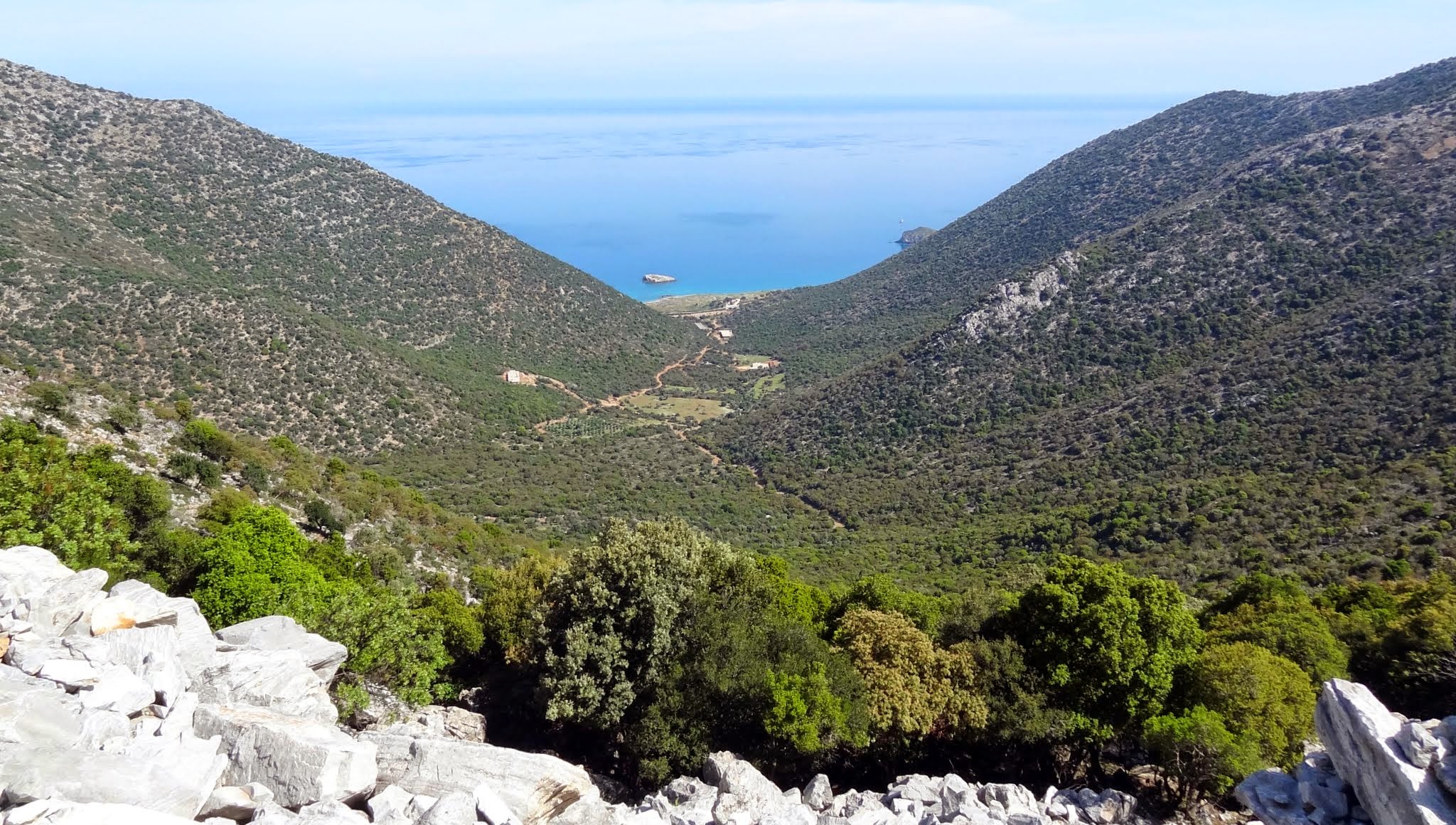
The Talea Mountains, also known as Kouloukonas, form the northern extension of the Psiloritis Range. They rise above the Mylopotamos area and extend northwards to the coast of the Cretan Sea. Despite their relatively modest altitude, they have a remarkably rugged and steep landscape. Their highest peak is Koutsotroulis, at 1,084 metres, followed by Kouloukonas or Timios Stavros, at 1,076 metres.
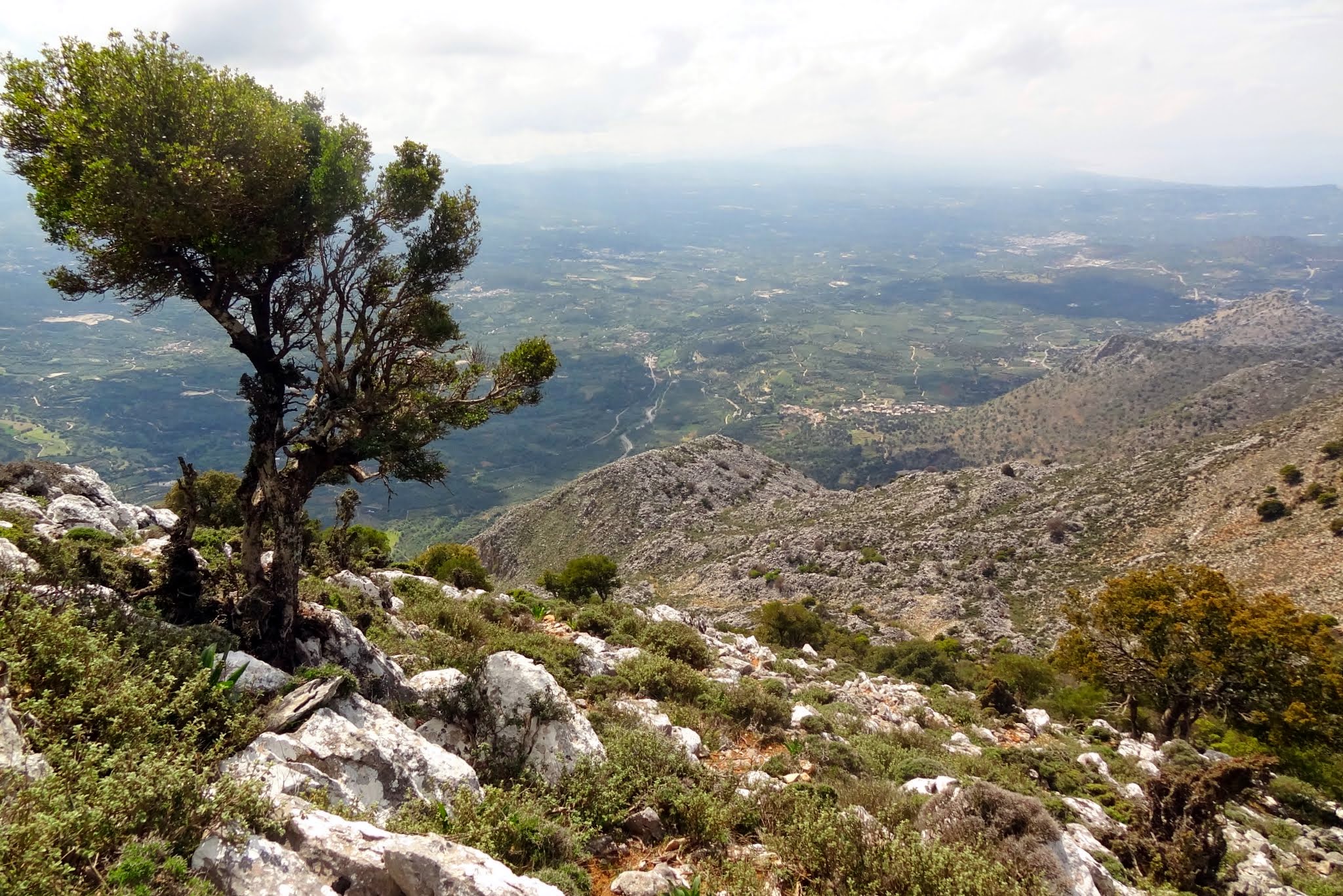
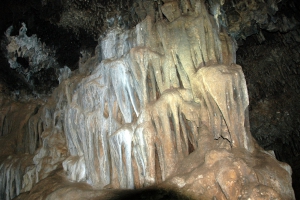
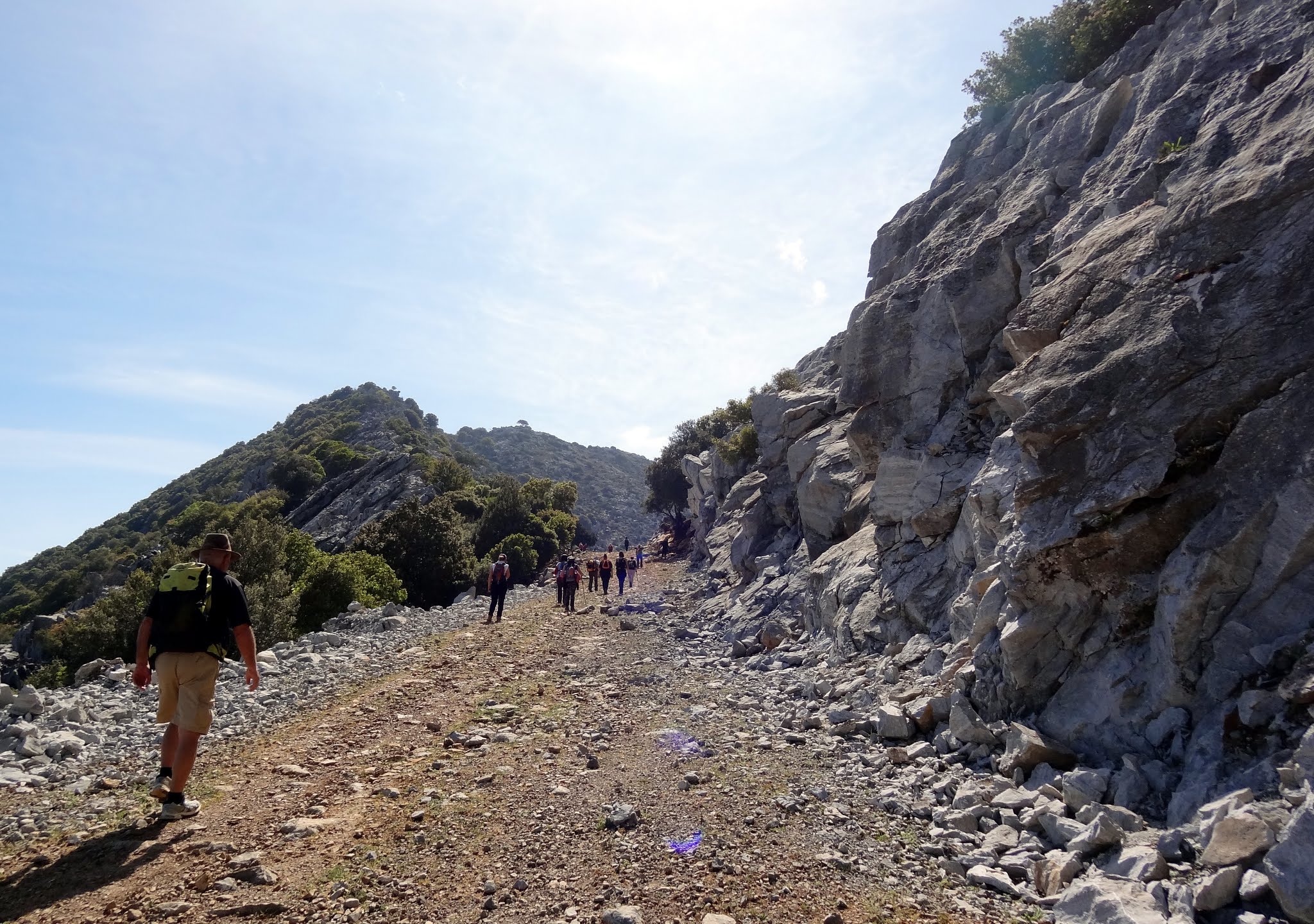
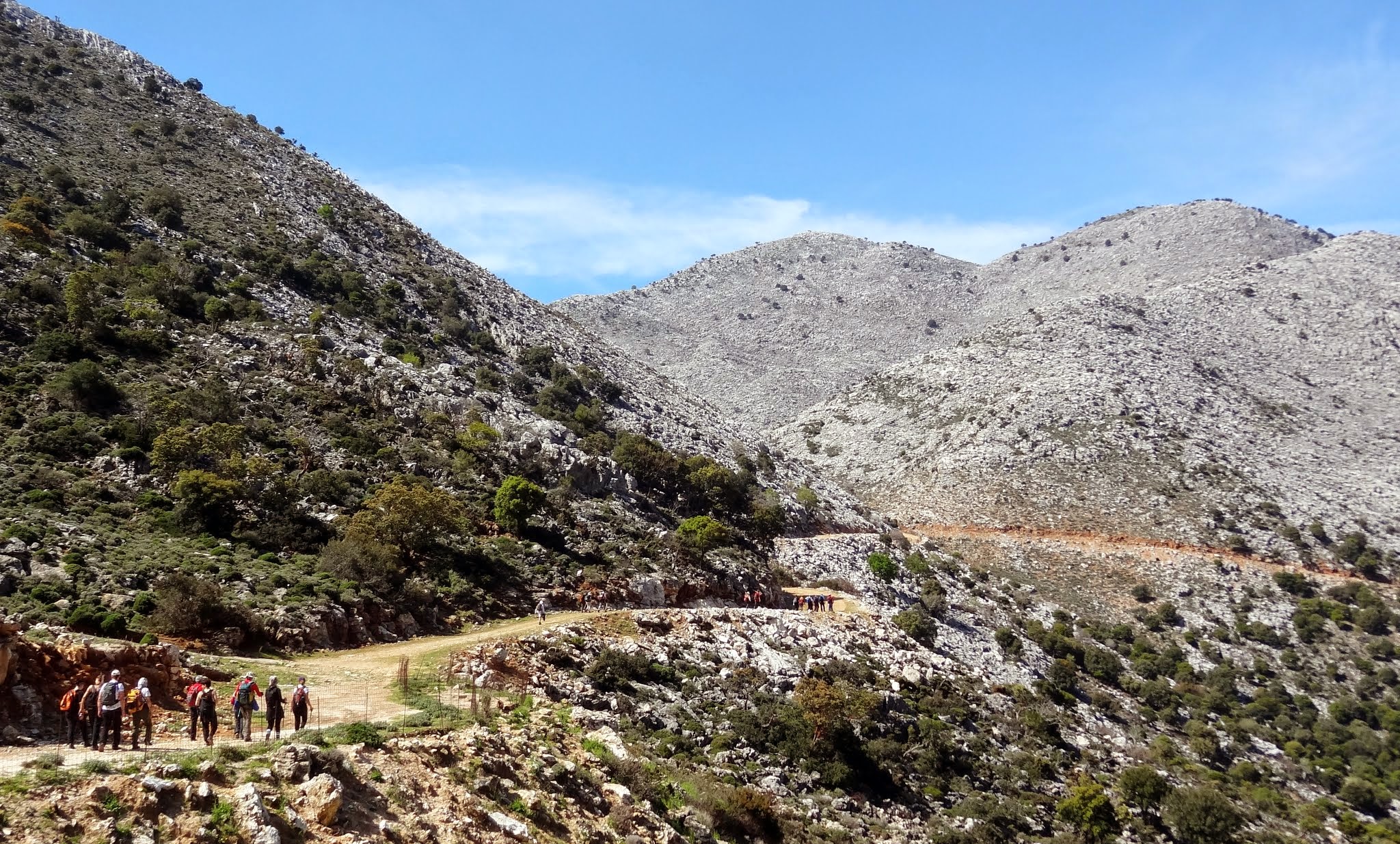
The Talea Mountains form part of the Psiloritis UNESCO Global Geopark and are of exceptional geological interest. The area exposes a geological sequence spanning approximately 250 million years, with marbles, platy limestones, phyllites and major faults. Tectonic activity and erosion have created rocky slopes, deep ravines, karst formations and a difficult-to-access landscape crossed by very few roads.
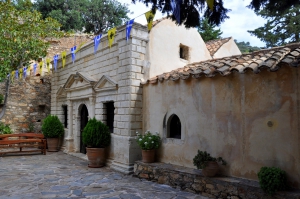
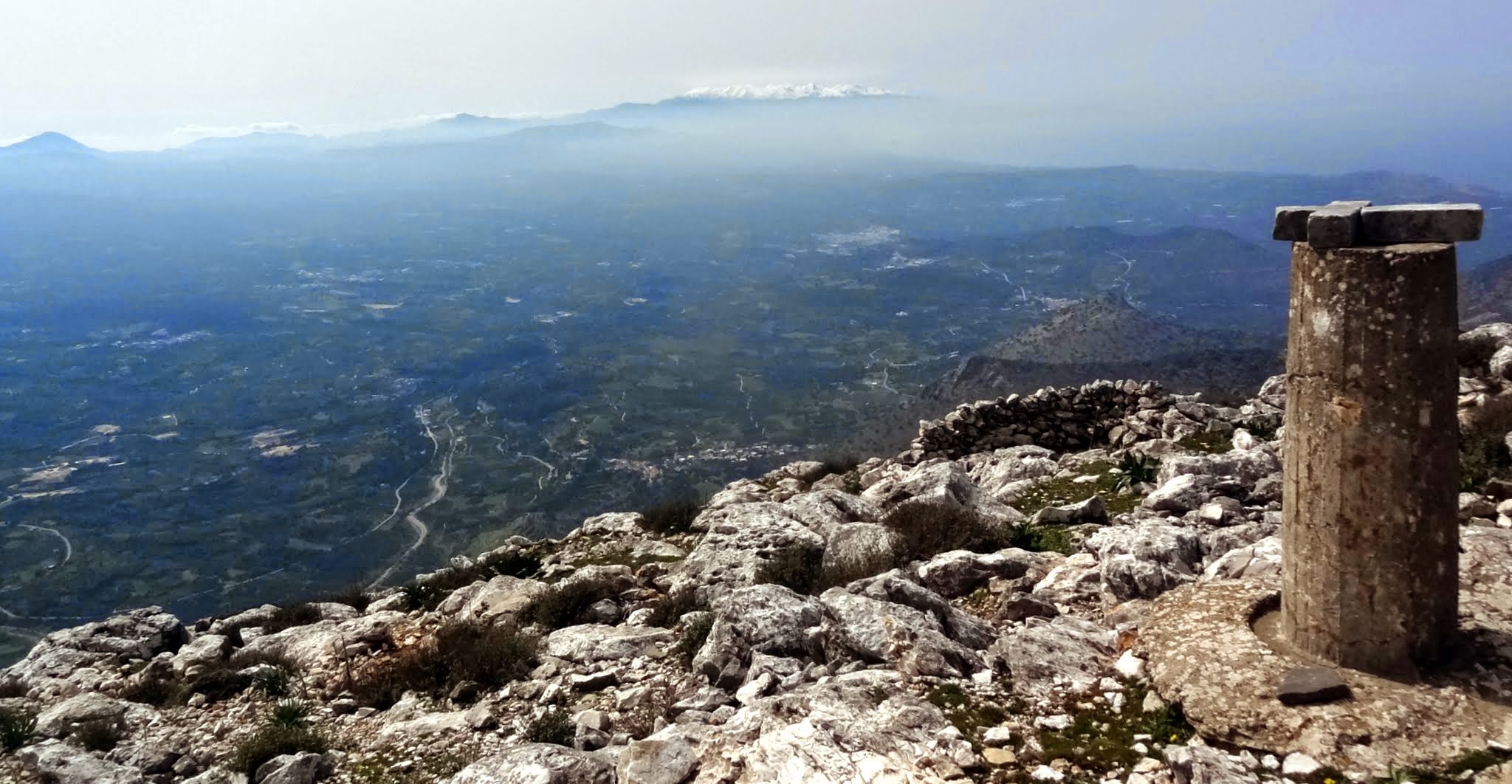
Vegetation is generally low and adapted to the dry and windswept conditions, while livestock farming remains one of the main human activities. Old paths, dry-stone walls and pastoral structures survive on the slopes, while the historic Vossakos Monastery lies within the mountainous interior. From the highest summits, the view extends over Psiloritis, Mylopotamos and the Cretan Sea.
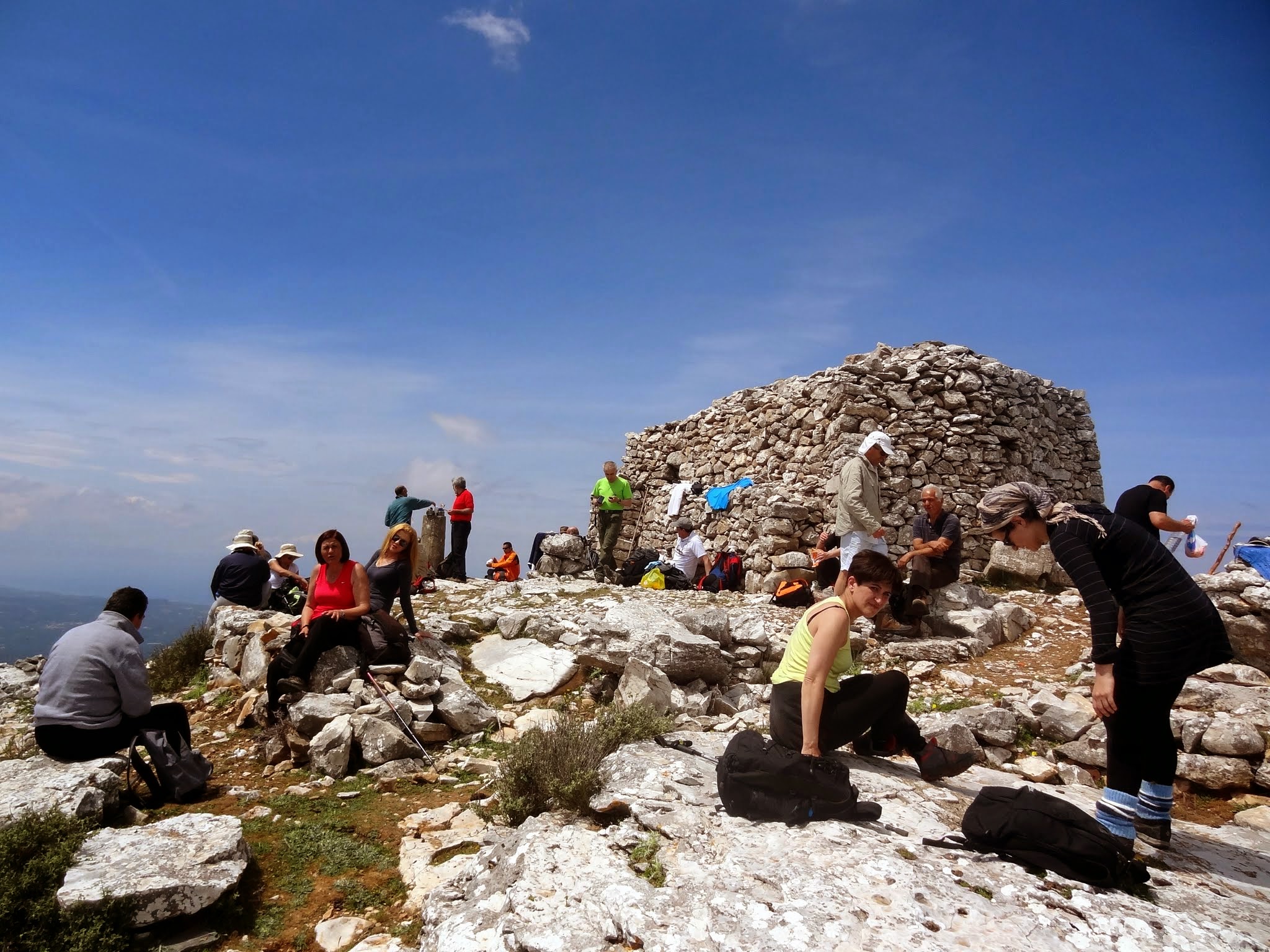
The name “Talea” is traditionally associated with the mythical Talos, the bronze guardian of Crete, who according to local tradition lived on Kouloukonas. This connection belongs to mythology and should not be regarded as a certain etymological explanation of the name. The small church of Timios Stavros, the Holy Cross, stands on the summit of Kouloukonas and gives the peak its alternative name.









.JPG)